Getting married in the Western Fjords
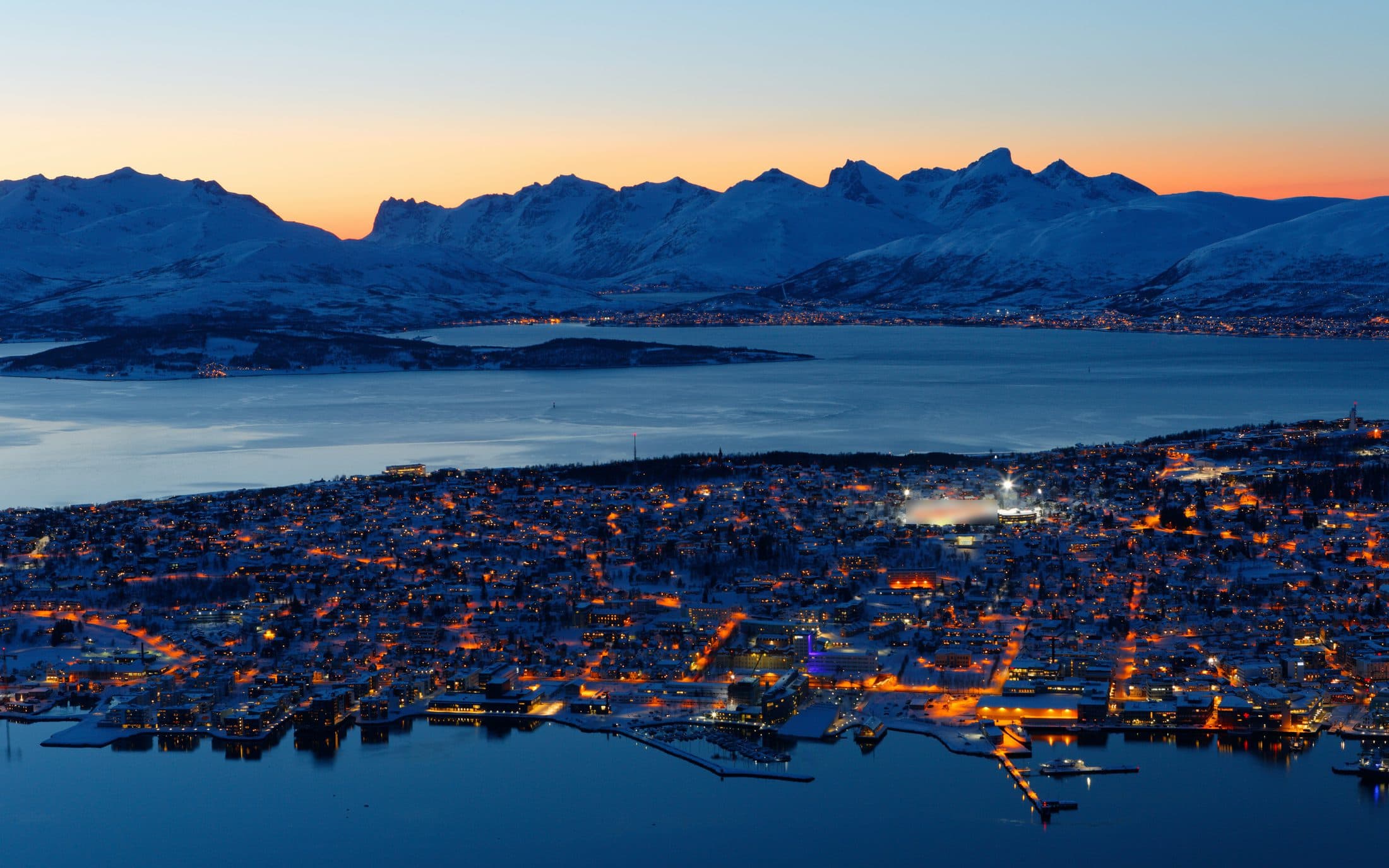
Western Norway’s fjord country: the Hardangerfjord with Trolltunga, Vøringsfossen and the orchards of Ulvik and Lofthus; the Sognefjord with Flåm, the Stegastein viewpoint, the narrow Nærøyfjord and the stave churches of Borgund and Urnes; Fjærland under the Jostedal glacier and Loen on the Nordfjord; the Geirangerfjord and the hairpin bends of Trollstigen; and on the coast, Ålesund’s Art Nouveau streets and the bridges of the Atlantic Road.
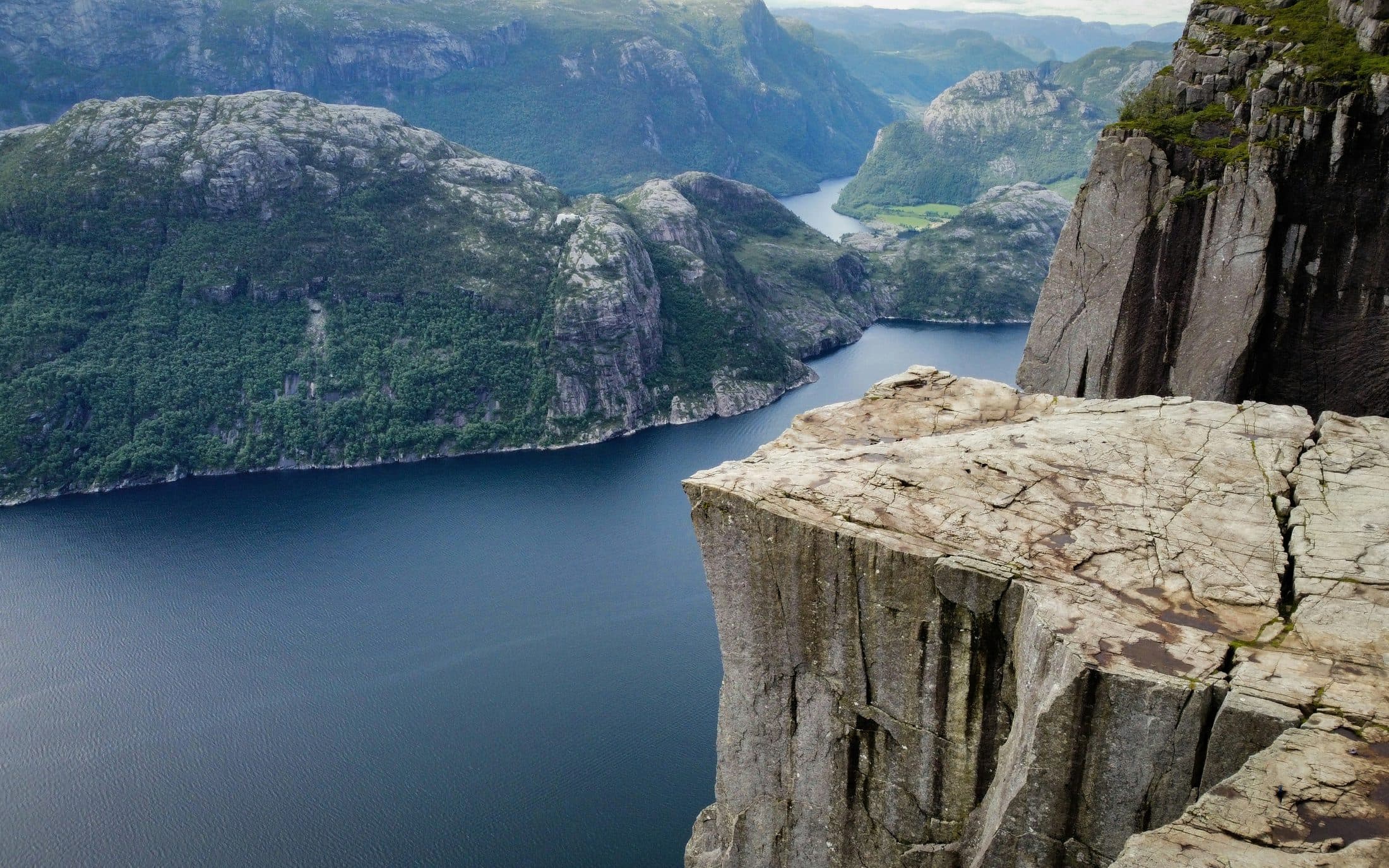
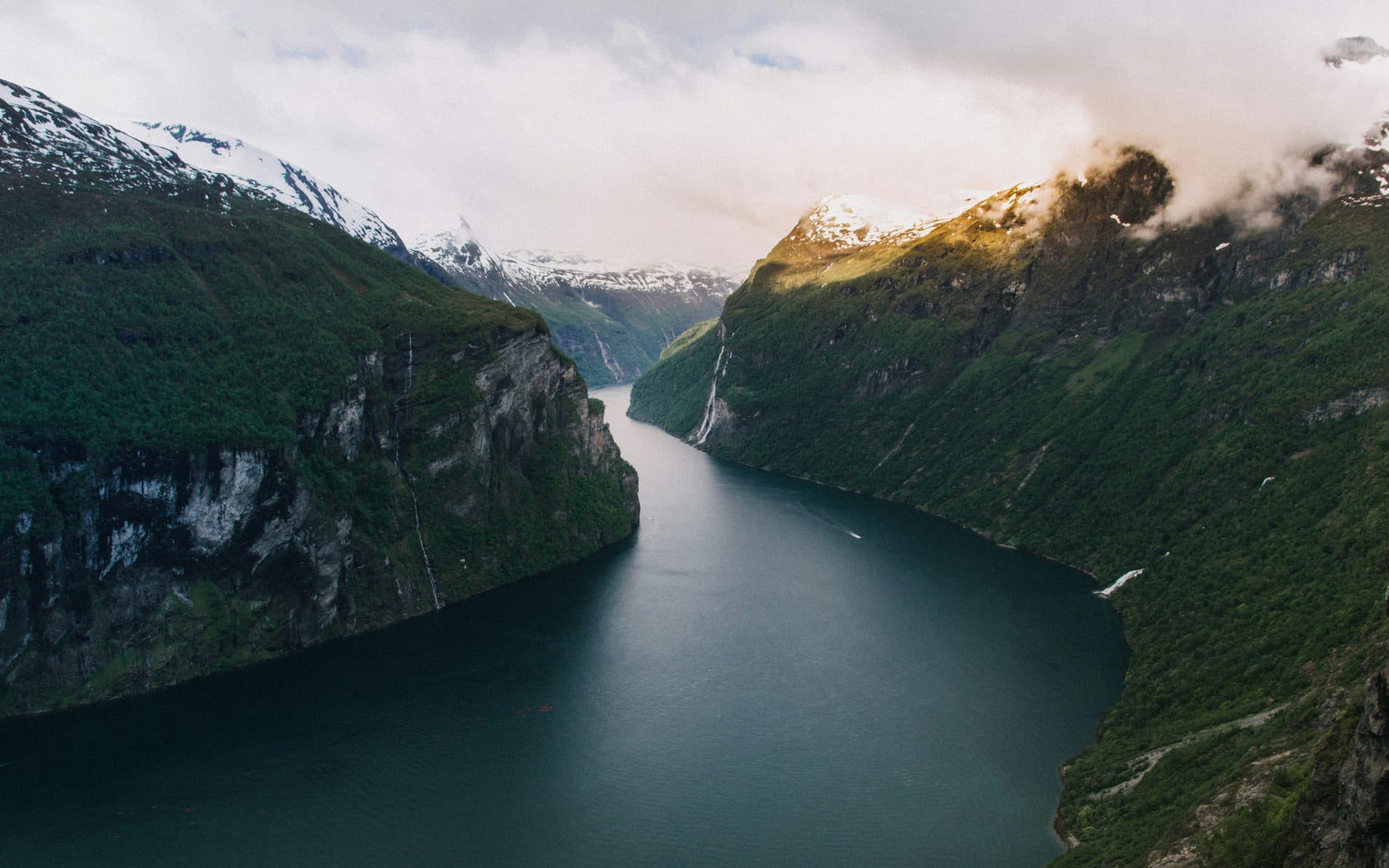
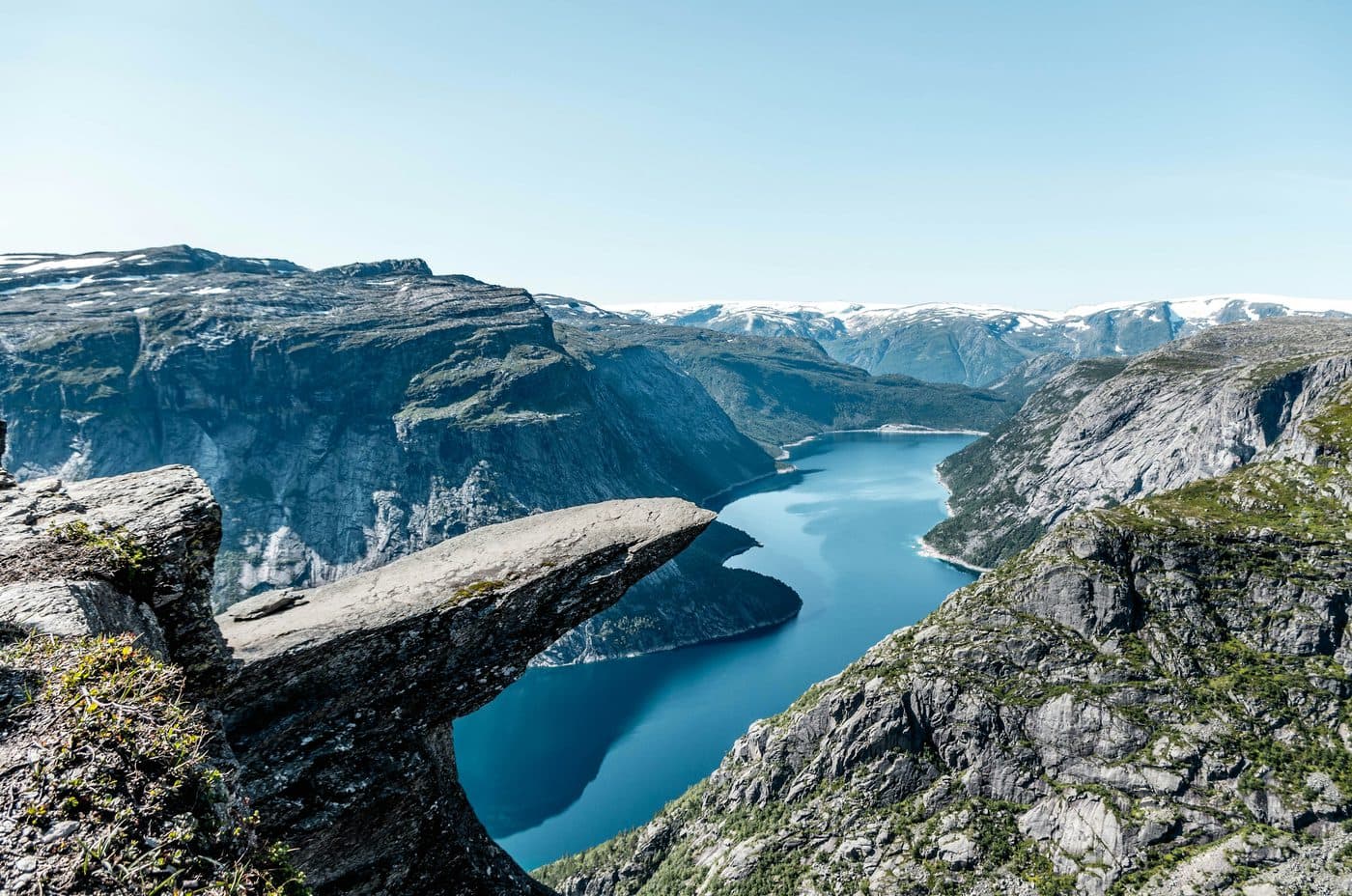
Two of these fjords, the Geirangerfjord and the Nærøyfjord, 120 km apart, have been on the World Heritage List together since 2005: UNESCO counts them among the longest and deepest fjords in the world, with crystalline walls that rise up to 1,400 m straight from the sea and run 500 m below it, waterfalls down their sides and a breadth of just 250 m at their narrowest. On the Sognefjord, Urnes Stave Church, on the list since 1979, dates from around 1130 and keeps on its north wall a carved portal from an earlier church of about 1070, in the last of the Viking-age styles, which took its name from Urnes; Borgund, built around 1180 with its roofs stacked one above another and its dragon heads, is, in the view of many, the best preserved of Norway’s 28 surviving stave churches, and beside it stands the country’s only free-standing stave-built bell tower. North of the Sognefjord, the Jostedal glacier, the largest on the European mainland, has been a national park of 1,314 km² since 1991. In Hardanger, Trolltunga, the Troll’s Tongue, juts out at 1,180 m, about 700 m above the lake of Ringedalsvatnet; Vøringsfossen falls 182 m into Måbødalen beside the road over Hardangervidda; and the orchards run along the fjord from Ulvik to Lofthus. On the coast, fire destroyed 850 houses in Ålesund on the night of 22–23 January 1904 and left more than 10,000 people homeless; by 1907 most of the town had been rebuilt in stone and brick, in the Art Nouveau of the day. Further north, the Atlantic Road curves from islet to islet over seven bridges along the open bay of Hustadvika.
Couples marry here in the fjord villages’ churches, at a civil ceremony with the municipality, and in Rødven, a medieval stave church in Rauma, below Trollstigen, that its owners hire out for weddings; many come for a ceremony of their own, with portraits on the viewing platforms above the Geirangerfjord and the Aurlandsfjord, under the waterfalls, and, for couples fit for a long day’s hike, on Trolltunga itself. The Church of Norway marries couples of any sex; members can marry in its churches and, if neither of you is a member, it is up to the priest of that church, and it also holds weddings outdoors after its own approval. In Norway a marriage is legal when the municipality marries you in a civil ceremony (a mayor, a deputy mayor or someone the council has authorised) or when a priest of the Church of Norway or an officiant of another registered faith or life-stance community marries you, with two witnesses present; couples from abroad can marry here legally once the Tax Administration (Skatteetaten) has tested the conditions and issued a certificate (prøvingsattest), which takes up to five weeks (longer when papers from abroad are checked) and is valid four months, each foreign partner sending a certificate of no impediment from home, apostilled or legalised, no older than four months and in English, in a Nordic language or with a state-authorised translation, and showing a lawful stay in Norway (a visa or visa-free entry counts); each municipality sets its own days, rooms and any fee, so ask the one where you will marry, and since 2009 two people of the same sex can marry, in the Church of Norway too.

Through the year
When to marry in the Western Fjords
June to August are the months to marry here, and May and September work well down by the fjords. In the 1991–2020 normals of the Norwegian Meteorological Institute (MET Norway), as Norway reports them to the World Meteorological Organization, Tafjord — a station 11 m above the sea at the head of an inner arm of the Storfjord, the fjord system the Geirangerfjord belongs to — has highs of about 15 °C in May, 18 °C in June, 20 °C in July, 19 °C in August and 16 °C in September, with nights of 6 to 12 °C. Rain of 1 mm or more falls there on 9 to 11 days a month from May to August and on 12 in September, and May is the driest month of the year, with 44 mm, against 56 mm in June, 55 mm in July and 67 mm in August. The fjords are far from alike: Lærdal, on the inner Sognefjord, counts only about 100 days of rain a year, while Fjærland, below the Jostedal glacier, counts 190, with rain on 15 days in July and 16 in August, and Ålesund, on the coast, gets about 1,500 mm a year against Tafjord’s 1,000. The mountain roads keep their own calendar: snow closes Trollstigen and the road from Geiranger up to Langvatnet in winter, and the road authority has reopened them as early as late April and as late as mid-June.
- January: Quieter
- February: Quieter
- March: Quieter
- April: Quieter
- May: Good with planning
- June: Best
- July: Best
- August: Best
- September: Good with planning
- October: Quieter
- November: Quieter
- December: Quieter
- April and MayAt Tafjord April warms to 11 °C by day and May to 15 °C, with rain on about nine days in each and nights of 3 and 6 °C; snow still lies on the mountains, and the high roads open one by one: in past years the road authority has reopened Trollstigen between late April and mid-June and the Aurlandsfjellet road above Stegastein between early May and early June. In Hardanger the fruit trees blossom along the fjord from Ulvik to Lofthus, as early as the first days of May in some years and into early June in others, and mid-May is often the time to see it. The clocks go forward on the last Sunday of March (28 March 2027); by mid-April the sun sets at about nine in Ålesund and by mid-May at about half past ten.
- June to AugustThe warmest months: highs of 18 to 20 °C, nights of 9 to 12 °C, and rain on 10 or 11 days a month at Tafjord, more on the coast and under the glacier. From about the end of May to mid-July the sun never sinks more than six degrees below the horizon at Ålesund, so the sky stays light all night; at midsummer it rises there at about twenty to four and sets at about twenty to midnight. From June to September experienced hikers may walk to Trolltunga on their own. It is also the short season in which, as UNESCO notes, most visitors reach the two World Heritage fjords on cruise ships, so plan the portraits for the early morning and the long evening.
- September and OctoberSeptember cools to 16 °C at Tafjord, with rain on 12 days and 90 mm, and October to 11 °C, with rain on 12 days and 99 mm; the leaves turn and the cruise season ends. From October to May, Hardanger’s tourist office recommends Trolltunga only with a guide, and the mountain roads start to close: Trollstigen has shut as early as 5 October and the Aurlandsfjellet road as early as 7 October in past years, though the stretch from Aurland up to Stegastein stays open all year. In mid-September the sun sets at about eight in Ålesund, in mid-October at about twenty past six. The clocks go back on the last Sunday of October (31 October 2027).
- November to MarchWinter by the fjord is mild for Norway and wet: at Tafjord highs of 5 to 8 °C from November to January, nights around freezing, rain or snow on 11 to 14 days a month, and December and January the wettest months, with 123 mm each. At midwinter the sun is up in Ålesund only from about five past ten to three, never more than about four degrees above the horizon, and in the deep fjords the mountain walls hide it for far longer. Trollstigen and the high passes are shut, but the Flåm Railway runs all year and Stegastein can still be reached from Aurland.
In numbers
- UNESCO World Heritage
Weather station: Tafjord, normals 1991–2020 · Checked 6 November 2026
Places
Where couples marry here
The kinds of places — ask your photographer which ones they know well.
Hardanger: Trolltunga, Vøringsfossen and the orchards
The walk to Trolltunga starts in Skjeggedal near Tyssedal, outside Odda: from the P2 car park it is a 27 km round trip of 8 to 12 hours through high mountains, and from the upper car park at Mågelitopp, reached by a shuttle bus, 20 km in 7 to 10 hours. Hardanger’s own tourist office says that from June to September experienced hikers may go on their own and from October to May it recommends guided hikes only; start early, as the weather changes fast and it is always colder up there than by the fjord. A wedding dress up there means a dress carried in a pack and a long day for everyone. Vøringsfossen falls 182 m into Måbødalen in Eidfjord, by the road that climbs over Hardangervidda. Down at the fjord, the Fruit Trail at Lofthus runs between farms and orchards, at its best in blossom time, and the roads of the Hardanger Scenic Route stay open all year.
The Sognefjord: Flåm, Stegastein and the Nærøyfjord
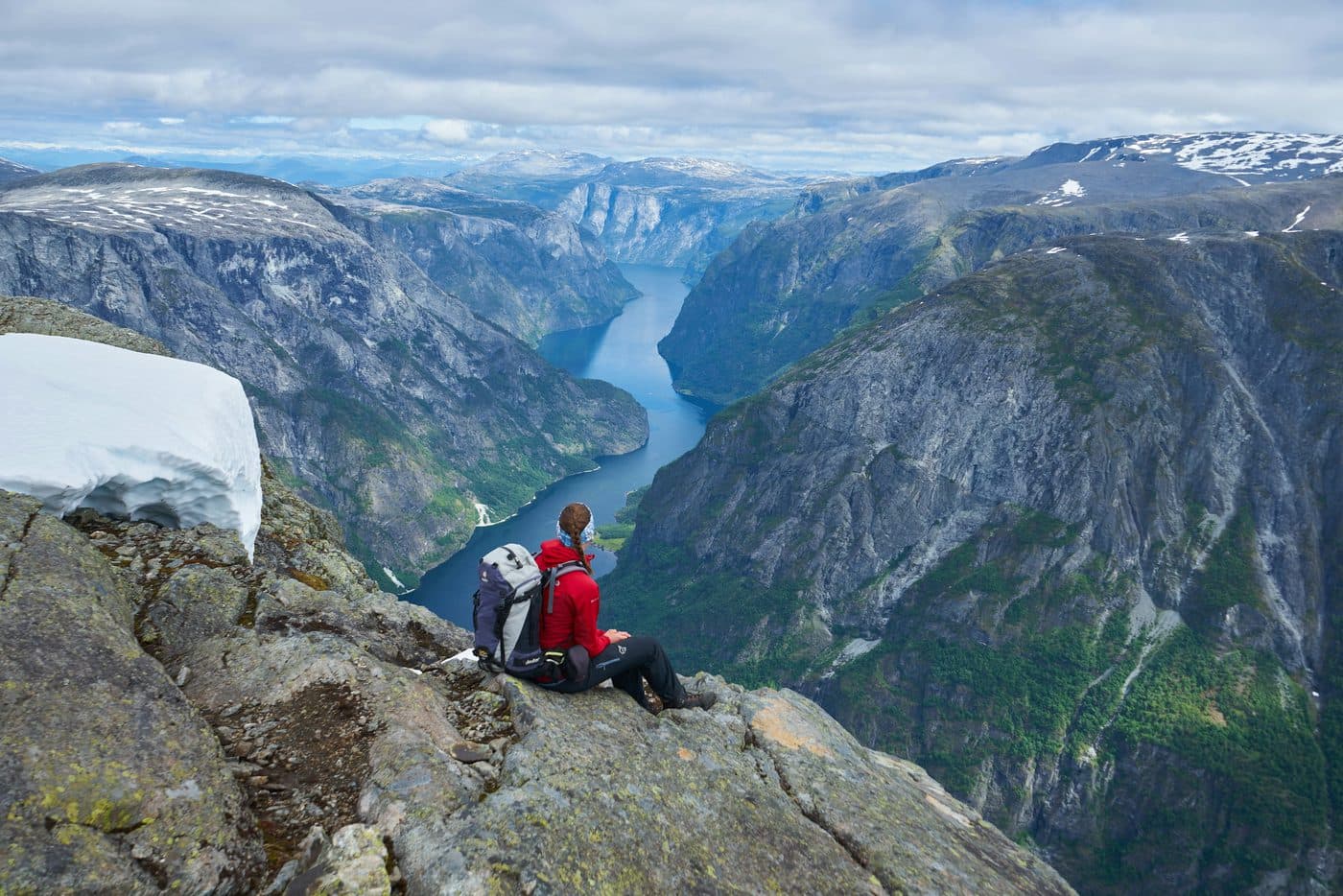
The Flåm Railway runs all year over some 20 km between the fjord at Flåm and Myrdal, a station on the Bergen Line between Oslo and Bergen with no road to it; the line opened in 1940. Above Aurland, the Stegastein platform reaches 30 m out over the pine trees, 650 m above the Aurlandsfjord, with a glass front, and stays open year-round; it lies 18 km by road from Flåm. Beyond it the road over Aurlandsfjellet, the “snow road” to Lærdal, is closed in winter: in past years it has shut between 7 October and 6 November and reopened between 7 May and 3 June. The Nærøyfjord, the World Heritage arm of the fjord, ends at Gudvangen, 20 km by road from Flåm, and the village of Undredal lies 14 km from Flåm on the Aurlandsfjord.
Stave churches and the glacier
Borgund, 56 km by road from Flåm, belongs to the Society for the Preservation of Norwegian Ancient Monuments (Fortidsminneforeningen), which has owned it since 1877 and lets no more than 20 visitors into the church at a time. Urnes, the society’s since 1881, opens to visitors each year from 2 May to 30 September, 10:30 to 17:45 every day but 17 May, each ticket with a guided tour of at most 25 people; the church and its medieval churchyard are still in use. For a wedding, the society hires out Rødven stave church, in Rauma, 50 km by road from Trollstigen: a consecrated medieval church kept as a museum, for up to 90 people under the fire rules, with no electricity and no organ, two candles allowed on the altar and someone from the society always present; you hire the church and bring your own priest or officiant, and in its summer visiting season, from the third week of June to the third week of August, it closes to visitors for the wedding. Fjærland, 56 km from Sogndal’s airport, sits at the end of its fjord below the Jostedal glacier, whose national park spans five municipalities, from Sogndal and Luster on the Sognefjord to Stryn, Loen’s municipality, on the Nordfjord.
Geiranger, Trollstigen, Ålesund and the Atlantic Road
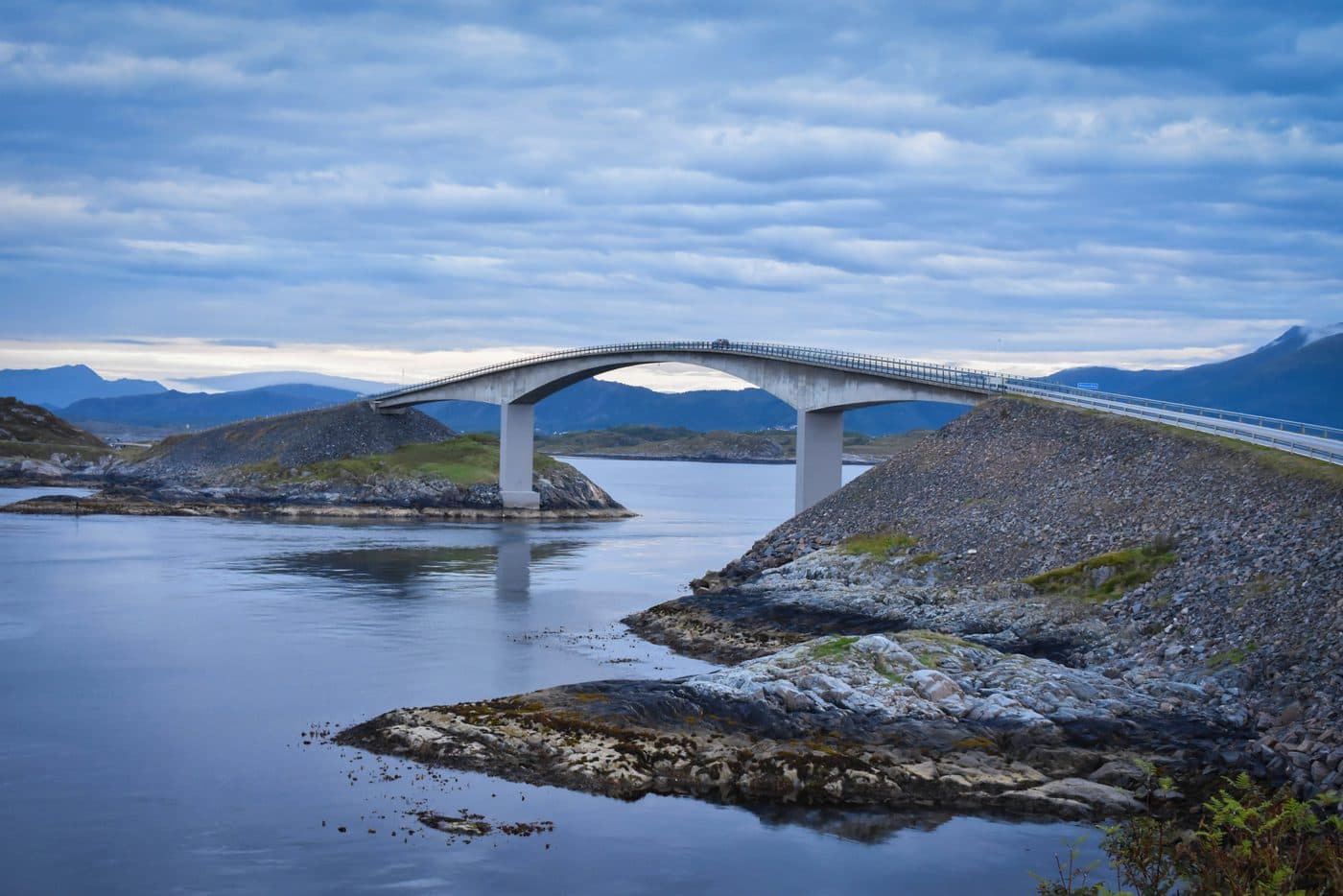
Above Geiranger, the eleven hairpin bends of Ørnevegen, the Eagle Road, climb towards Eidsdal to the Ørnesvingen viewpoint, which looks across the Geirangerfjord to the Seven Sisters falls and the mountain farm of Knivsflå; at the head of the fjord, the Flydalsjuvet platforms look out from the gorge to the 1,502 m Laushornet and the 1,629 m Eidshornet. Trollstigen is 68 km from Geiranger by road, with the ferry from Eidsdal to Linge: eleven more hairpins up a steep mountainside and a platform that hovers 200 m above the road. In Ålesund, 418 steps lead from the town park, Byparken, up to the Aksla viewpoint over the islands, the town and the Sunnmøre Alps. The Atlantic Road, 210 km from Ålesund by road and ferry, is a 36 km Scenic Route from Kårvåg to Bud, with the Storseisund bridge arching over the sea.
Light
How the light falls
The times here are for a flat horizon at Ålesund, open to the sea; in the deep fjords the walls hide the sun much earlier in the evening and much later in the morning. On 21 June the sun rises at about twenty to four and sets at about twenty to midnight, far to the north-north-west, and from about the end of May to mid-July it never goes more than six degrees below the horizon, so there is no real night. In mid-May it sets at about half past ten, in mid-July at about ten past eleven, in mid-August at about twenty to ten, in mid-September at about eight and in mid-October at about twenty past six. At midwinter it is up only from about five past ten to three, never more than about four degrees above the horizon. The MET Norway normals used here give no sunshine figure for these stations.
Travel
Getting there
Bergen’s airport, Flesland, serves Hardanger and the Sognefjord: Lofthus is 163 km by road, Flåm 169 km, Vøringsfossen 174 km and the Trolltunga car park at Skjeggedal 195 km. Sogndal’s small airport lies 56 km from Fjærland and 71 km from Flåm with a ferry, and Ålesund’s airport, at Vigra, is 17 km from the town, 123 km from Geiranger and 160 km from Loen, each with a ferry, and 153 km from Rødven. From Oslo, Flåm is 312 km by road, or by train on the Bergen Line to Myrdal and down the Flåm Railway. Drones fly under the EU’s rules — an operator registered where they live (in Norway with the Civil Aviation Authority, Luftfartstilsynet, at flydrone.no; someone living outside the EU registers in the first EU country or Norway they fly in), in sight, below 120 m and never over crowds — and in Norway a pilot from abroad must also notify the National Security Authority (NSM) before filming from the air, check the zones on dronesoner.no (near airports, central Oslo’s restricted area R102, the areas where filming from the air is banned) and have the landowner’s permission to take off and land; drones are as a rule banned in national parks and the large protected landscapes, and in many nature reserves, so ask the area’s managers first. Here that means the Jostedal glacier’s national park and most of the World Heritage fjords, which UNESCO describes as mainly a protected landscape.
Photographers
Photographers in the Western Fjords
No one in the Western Fjords yet
The first photographers in the Western Fjords are joining now. Tell our concierge your date and your plans — it checks who is free and fits.
Plan
Read before you plan
- Getting married in Norway as foreigners: Skatteetaten’s certificate, documents, lawful stay and feesHow couples from abroad marry legally in Norway: no residence needed, the test of the conditions by the Tax Administration (Skatteetaten) and its certificate valid four months, the certificate of no impediment from home with an apostille, translations, a sponsor for each of you, a lawful stay on the day, the municipality’s civil wedding and its fees, church and humanist weddings, same-sex marriage since 2009, the certificate afterwards, and the symbolic route.
- How to choose a wedding photographer: the steps, and the questions to askThe decision in order — whole weddings, style, availability, the package, the contract and deposit, cancellation, delivery and a conversation — then a checklist of questions, with why each one matters.
- A wedding-day timeline for photosFrom getting ready to the last dance, planned around the light.
- Deposits and payment protectionWhat you pay when, and what happens if plans change.
- Which country for a destination wedding? The law, prices, crowds and light, comparedThe legal route for couples who don’t live there, season and crowds, price levels, light, flights, venues and permits for photographs — Portugal, Italy, Spain, Greece, France and Austria compared with official figures, as of October 2026.
- A rain plan that still looks goodCovered spots, umbrellas and what photographers do on grey days.
- Wedding photography contract checklist: what it should say, and how Lens & Vows handles each pointThirteen things a good contract covers — the day and the hours, what is delivered, deposit and balance, cancellation on either side, date changes, illness, image rights, personal data, backups, travel, overtime and complaints — and what our terms say about each.
Norway