Getting married in Lofoten
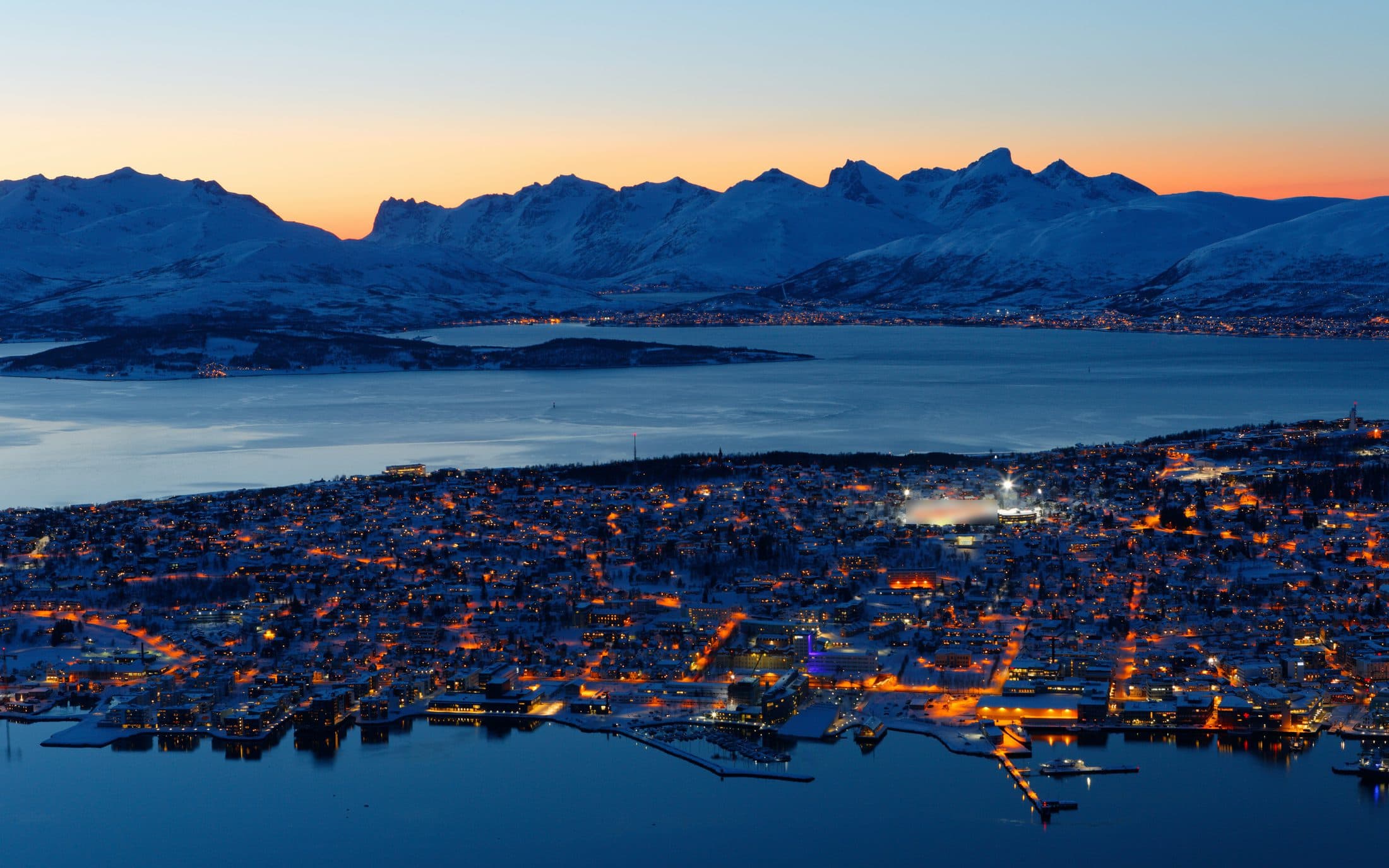
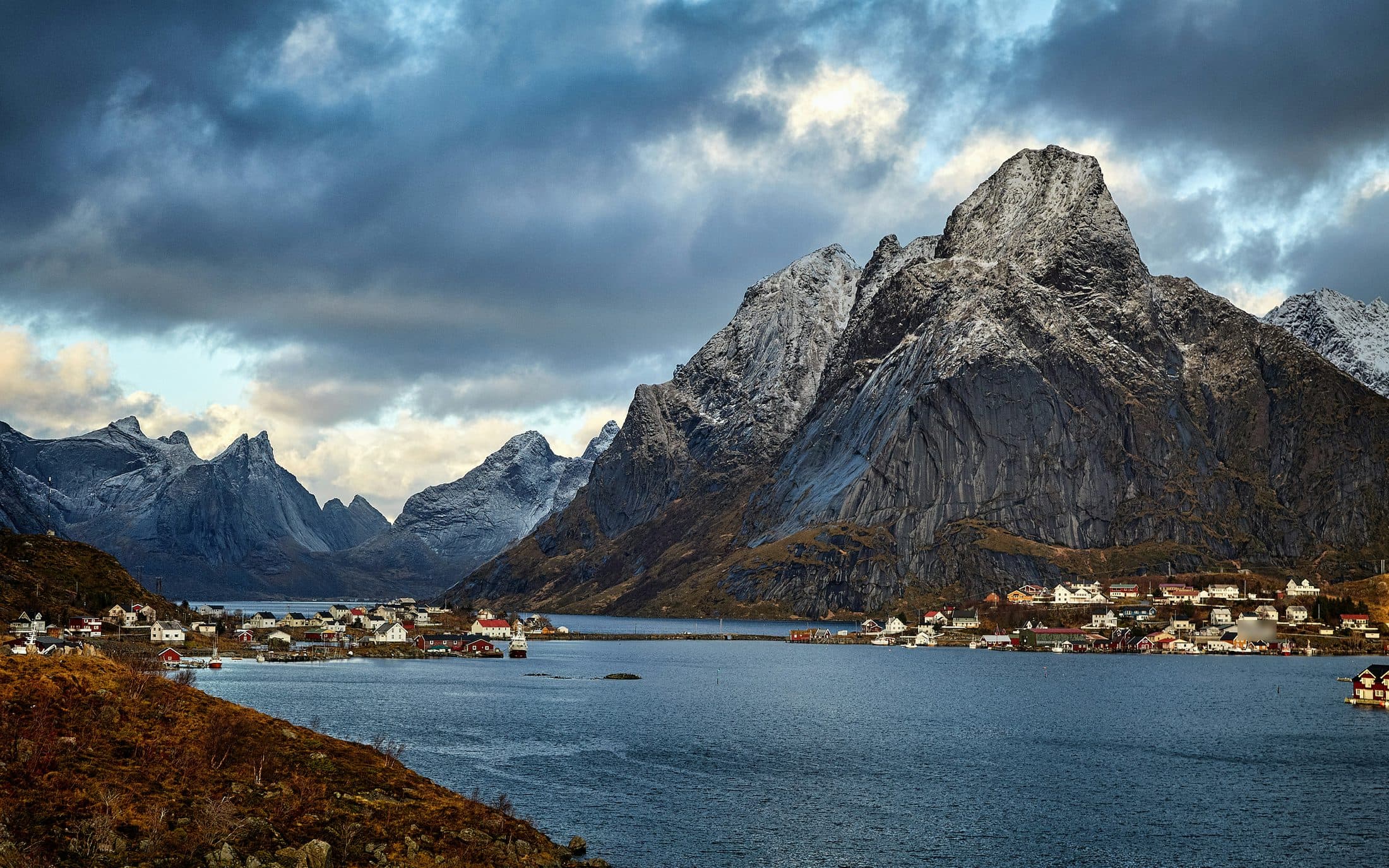
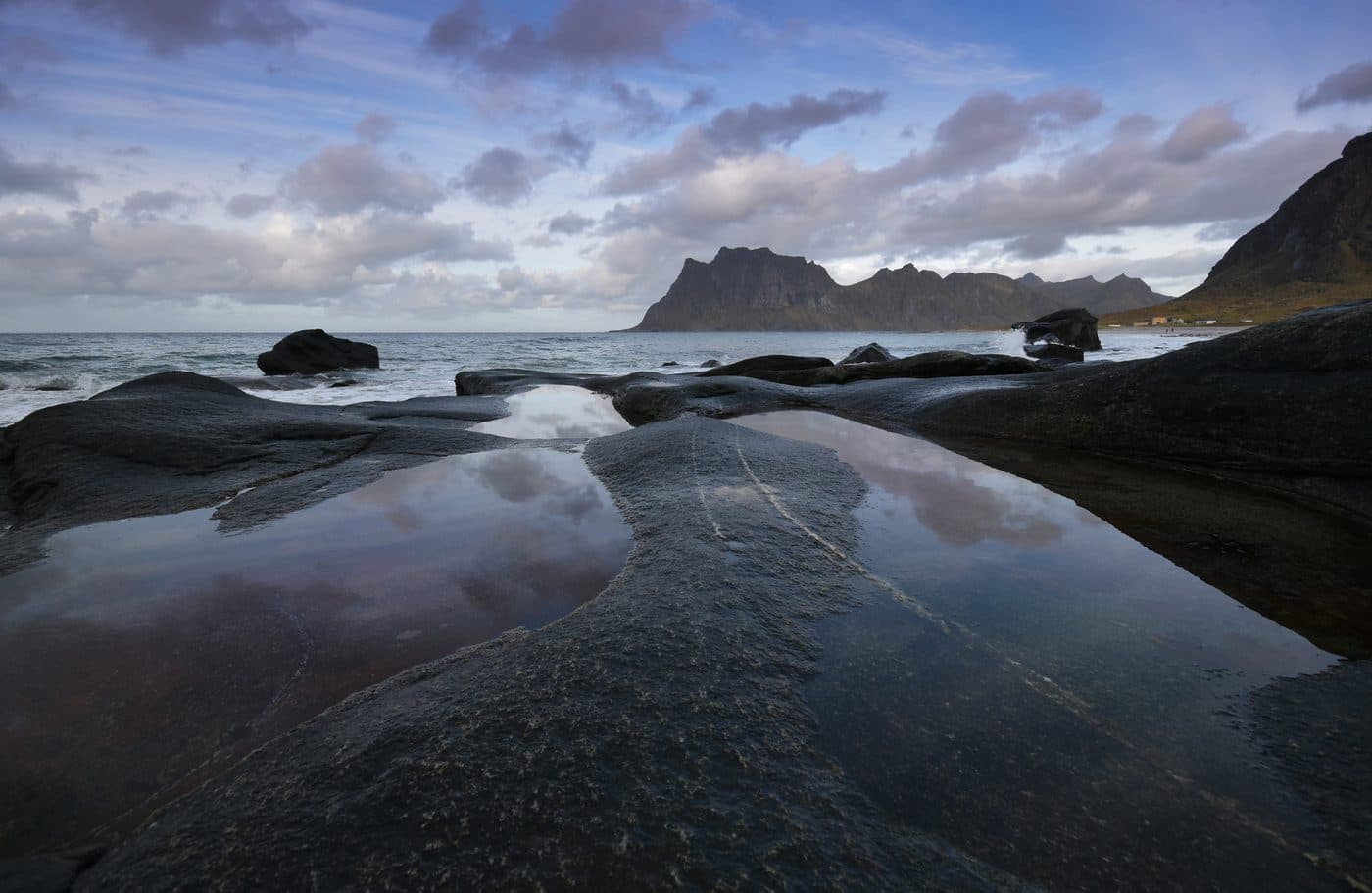
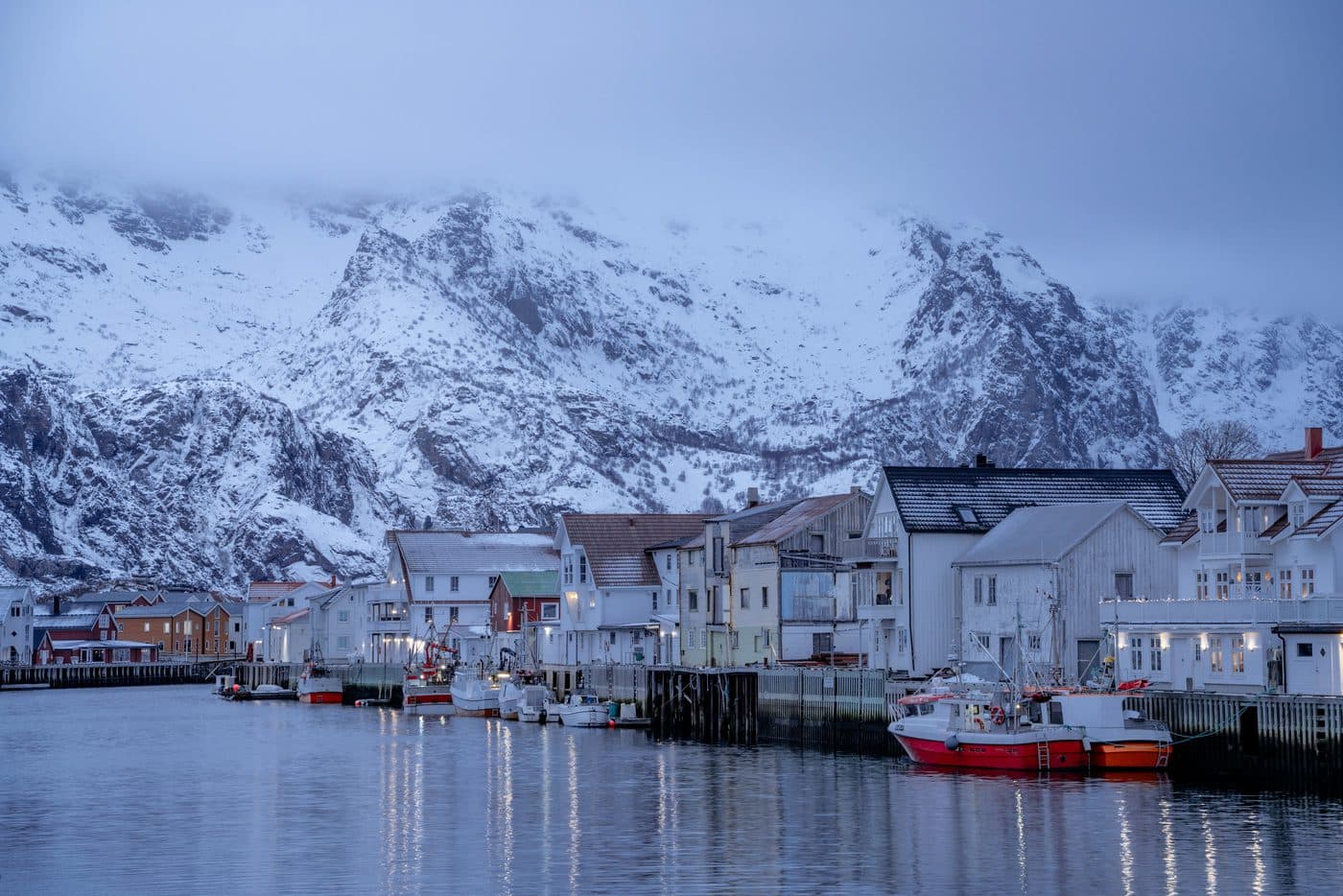
The islands off Norway’s northern coast where the mountains rise straight out of the sea: Svolvær and Henningsvær on Austvågøy; the white beaches of Haukland, Uttakleiv, Unstad and Ramberg; the fishing village of Nusfjord; and at the western end Hamnøy, Reine and Sakrisøy below the peaks of Lofotodden National Park, the trails up Reinebringen and Ryten, the beach at Kvalvika and Å, where the road ends — under the midnight sun in June and the northern lights in winter.
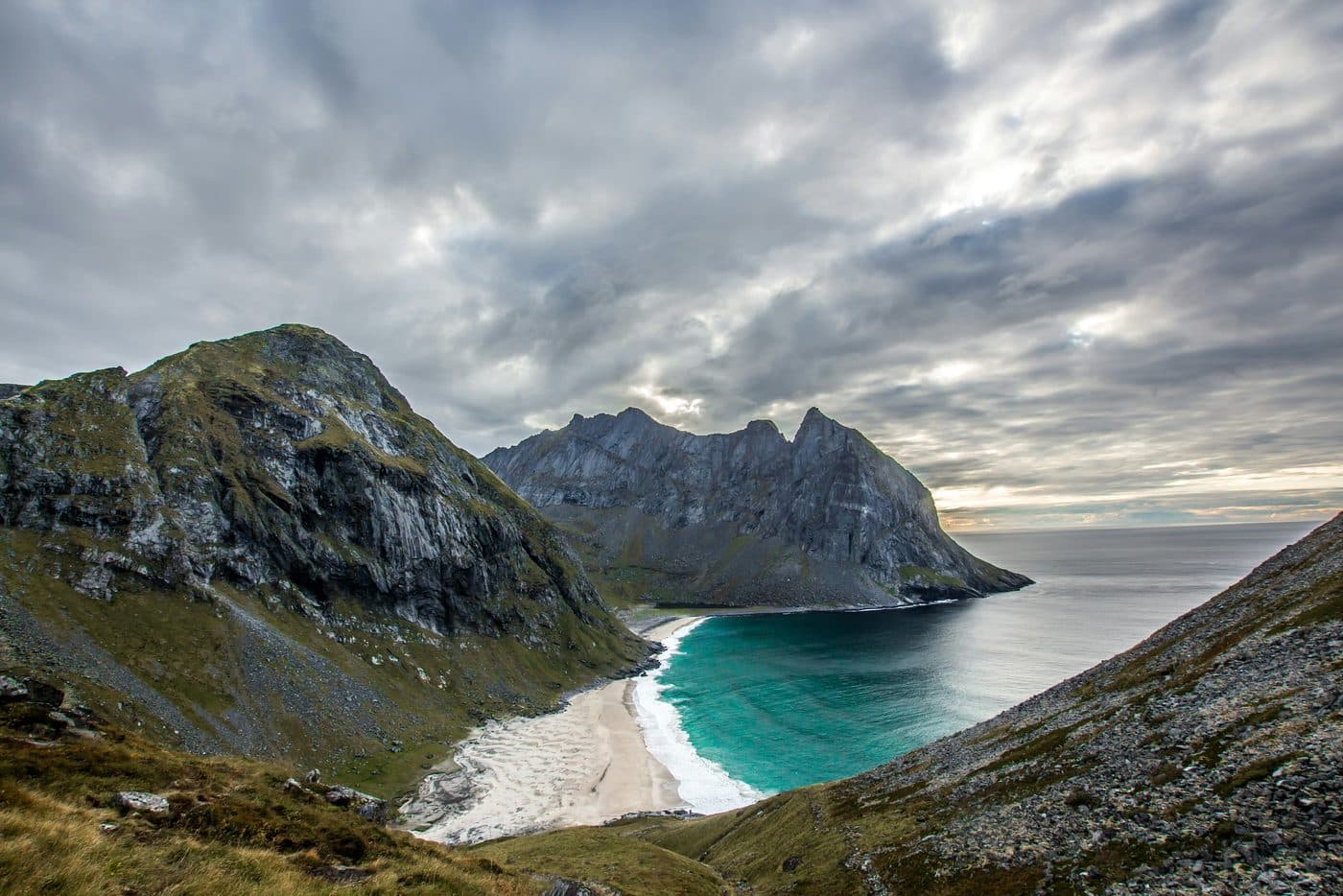
Norway’s road authority runs its Lofoten Scenic Route for 230 km along the E10 from Raftsundet to Å, with detours to Henningsvær, Eggum, Unstad, Uttakleiv, Vikten and Nusfjord, through what it calls jagged peaks rising from the ocean, tiny sheltered fishing villages and white beaches with crystal-clear water. Haukland, on the outer side of Vestvågøy, is a sheltered sandy beach long used for swimming, a state-protected outdoor recreation area that the Norwegian Environment Agency owns and the municipality runs; Ramberg’s beach lies on Jusnesvika bay, reached by a walkway of wooden sleepers; and at Reinehalsen, at the foot of Reinebringen, thousands stop every year to photograph Reine with its mountains and the mouth of the Reinefjord behind. West of Reine, Lofotodden National Park, Norway’s 40th, protected in 2018, covers 99 km² of Moskenesøya, 86 of them land: narrow, high rows of peaks surrounded by open sea, with the beach of Kvalvika and the summit of Ryten, 543 m above it, inside the park. Lofoten is not on the World Heritage List; Norway has kept the islands on its tentative list since 2002.
Couples marry here in the islands’ churches, at a civil ceremony in Svolvær’s town hall or at a place of their own choosing, and, many of them, in a small ceremony of their own on a beach or a mountain, in the midnight sun of June or under the winter sky, with portraits on the beaches, by the red cabins of Hamnøy and Reine and on the ridges above them. In Norway a marriage is legal when the municipality marries you in a civil ceremony (a mayor, a deputy mayor or someone the council has authorised) or when a priest of the Church of Norway or an officiant of another registered faith or life-stance community marries you, with two witnesses present; couples from abroad can marry here legally once the Tax Administration (Skatteetaten) has tested the conditions and issued a certificate (prøvingsattest), which takes up to five weeks (longer when papers from abroad are checked) and is valid four months, each foreign partner sending a certificate of no impediment from home, apostilled or legalised, no older than four months and in English, in a Nordic language or with a state-authorised translation, and showing a lawful stay in Norway (a visa or visa-free entry counts); each municipality sets its own days, rooms and any fee, so ask the one where you will marry, and since 2009 two people of the same sex can marry, in the Church of Norway too. The Church of Norway marries members in its churches and leaves it to the priest when neither of you is one, and it also holds weddings outdoors after its own approval.
Through the year
When to marry in Lofoten
June to August are the surest months, for the light as much as the weather. In the 1991–2020 normals of the Norwegian Meteorological Institute (MET Norway), as Norway reports them to the World Meteorological Organization, the lighthouse station on the islet of Skrova, about 8 km south of Svolvær, has highs of about 13 °C in June, 16 °C in July and 15 °C in August, with nights of 9 to 12 °C: a cool summer, and July is the warmest month of the year. At Leknes, in the middle of the islands, rain of 1 mm or more falls on 12 days in June, 13 in July and 15 in August, the fewest of the year, and June and July are the driest months, with 53 and 51 mm; from September to March it rains or snows on 19 to 24 days a month. The western end is wetter still: Reine gets about 2,400 mm a year, nearly twice Leknes’s 1,330. Winter is mild for a place this far north — at Skrova the mean stays just above 0 °C from January to March — but it is wet and dark. March and May work for couples who want snow and the northern lights, or long, cool evenings, and September for the first dark nights.
- January: Quieter
- February: Quieter
- March: Good with planning
- April: Quieter
- May: Good with planning
- June: Best
- July: Best
- August: Best
- September: Good with planning
- October: Quieter
- November: Quieter
- December: Quieter
- March to MayThe light comes back fast: by mid-March the sun is up in Svolvær from about twenty-five past six to six, and the nights stay dark enough for the northern lights until about mid-April. At Skrova March is still wintry, at about 2 °C by day and just below freezing at night, with rain or snow at Leknes on 20 days; April reaches 5 °C and May 9 °C, with rain on 17 and 14 days. The clocks go forward on the last Sunday of March (28 March 2027); by mid-April the sun sets at about five to nine, and by mid-May it rises at about a quarter to three and sets at about a quarter past eleven. Visit Lofoten strongly advises against Reinebringen in winter and whenever snow lies on the mountain.
- June and July: the midnight sunThe sun does not set at all in Svolvær from about 26 May to 18 July, and in Reine from about 27 May to 17 July; at midsummer it is still nearly two degrees above the northern horizon at one in the morning. Highs of 13 to 16 °C at Skrova, rain on 12 or 13 days a month at Leknes: the driest stretch of the year, and a ceremony or portraits at midnight are entirely possible. Visit Lofoten recommends Reinebringen and Ryten in the midnight sun, often with fewer people than by day. From 1 May to 1 October tents are banned at Reine, on Reinebringen and in several other spots in Moskenes, and at Haukland all year.
- August to OctoberAugust is still summer, at 15 °C by day, but the sun sets again, at about ten to ten in mid-August, and from about the end of the month it sinks far enough below the horizon for dark skies and the first northern lights. September cools to 12 °C, with rain on 19 days at Leknes, and October to 8 °C, with rain on 22; in mid-September the sun sets at about twenty-five to eight and in mid-October at about half past five. The clocks go back on the last Sunday of October (31 October 2027).
- November to February: the dark seasonThe sun does not rise at all in Svolvær from about 7 December to 5 January, and in Reine from about 10 December to 2 January. At midwinter it stays less than two degrees below the southern horizon at noon, so the sky glows blue and pink from about twenty-five past nine to twenty-five to three, a little longer in Reine. Highs of 2 to 5 °C at Skrova, nights around freezing, and rain or snow on 20 to 24 days a month at Leknes: plan for wet weather, and for the northern lights on clear nights. By mid-February the sun is up again from about twenty past eight to ten past four.
In numbers
Temperatures: Skrova fyr, normals 1991–2020 · Rain: Leknes, normals 1991–2020 · Checked 6 November 2026
Places
Where couples marry here
The kinds of places — ask your photographer which ones they know well.
Svolvær, Henningsvær and the civil wedding
Vågan, the municipality of Svolvær and Henningsvær, marries anyone, wherever they live, under rules its council set in 2017: in the council chamber of the town hall in Svolvær, or at a place the couple choose, which the municipality must approve; on Fridays between 11:00 and 14:00, or on another day if it has the people to do it; and free of charge, its rooms included, while flowers, music and anything else are the couple’s own. Henningsvær, 24 km by road from Svolvær, is one of the Scenic Route’s detours. Svolvær’s airport is 5 km from the town.
The beaches: Haukland, Uttakleiv, Unstad and Ramberg
Haukland is 9 km by road from Leknes airport, with a car park for about a hundred cars and toilets open all year; under the joint outdoor regulation the Lofoten municipalities adopted in 2021, tents are banned on it all year round. Uttakleiv is 11 km from the airport and Unstad, at the end of the Scenic Route’s Unstad detour, 21 km. On Flakstadøya, Ramberg’s beach, 30 km from Leknes, has green grass behind it and the peaks all around. Bring layers even in July, when Skrova’s highs average 16 °C, and keep a roof close by for the rain.
Nusfjord, Hamnøy, Reine and Å
Nusfjord, 28 km from Leknes, is another of the Scenic Route’s detours. Further west the E10 crosses to Moskenesøya: Hamnøy is 52 km from Leknes, Reine 57 km and Å, where the road ends, 65 km, and the Reinehalsen rest area by the road, at the foot of Reinebringen, gives the view of Reine that thousands photograph every year. Under the same outdoor regulation, tents are banned at Reine, on Reinebringen and in several other places in Moskenes from 1 May to 1 October. The ferry quay at Moskenes is 5 km from Reine and 6 km from Å.
Lofotodden National Park, Kvalvika, Ryten and Reinebringen
The walk to Kvalvika and Ryten, inside the national park, starts at Fredvang’s school or at Innersand, 37 km from Leknes: 3.5 km to the top of Ryten and 3 km down to the beach, three to five hours in all, made by close to 90,000 people a year. Organised trips in the park need its permission once they pass a certain size — an overnight trip in tents, anything in its core zone, repeated walks with six or more people — so a guided wedding party should ask the park first. Reinebringen, just outside Reine, climbs 484 m in about 2 km there and back, one to two hours on the stone stairway known as the Sherpa steps (1,974 of them as of January 2024): a steep, demanding walk for May to September, not for small children, strictly not advised in winter, and sometimes closed in summer for work on the steps.
Light
How the light falls
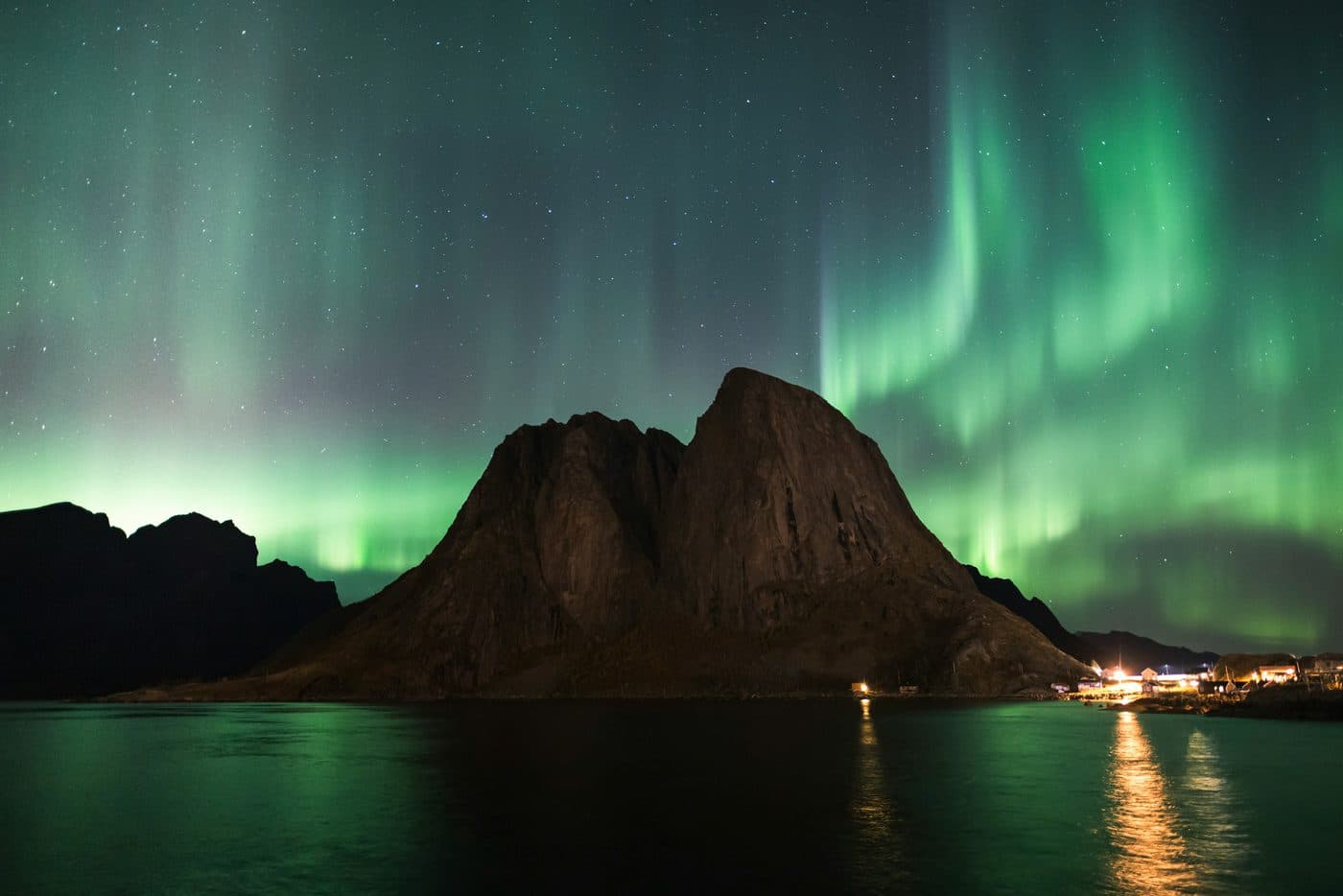
The sun does not set in Svolvær from about 26 May to 18 July, nor in Reine from about 27 May to 17 July; at midsummer it is at its lowest at about one in the morning, due north and still nearly two degrees up, and from early May to early August it never sinks more than six degrees below the horizon, so the sky never really darkens. In mid-August it sets at about ten to ten, in mid-September at about twenty-five to eight and in mid-October at about half past five. From about 7 December to 5 January in Svolvær, and 10 December to 2 January in Reine, it does not rise: at midwinter it stays less than two degrees below the horizon at noon, and the sky is light enough to work outdoors without lamps from about twenty-five past nine to twenty-five to three. The nights are dark enough for the northern lights from about the end of August to mid-April. The MET Norway normals used here give no sunshine figure for these stations.
Travel
Getting there
Svolvær’s airport is 5 km from the town and Leknes’s 2 km from Leknes, 9 km from Haukland and 58 km from Reinehalsen; Harstad/Narvik Airport at Evenes, on the mainland, is 166 km from Svolvær and 286 km from Reine by the E10. The ferry from Bodø crosses to Moskenes in about three and a half hours, landing 5 km from Reine. By road from Svolvær, Henningsvær is 24 km, Leknes 69 km and Reine 121 km. Drones fly under the EU’s rules — an operator registered where they live (in Norway with the Civil Aviation Authority, Luftfartstilsynet, at flydrone.no; someone living outside the EU registers in the first EU country or Norway they fly in), in sight, below 120 m and never over crowds — and in Norway a pilot from abroad must also notify the National Security Authority (NSM) before filming from the air, check the zones on dronesoner.no (near airports, central Oslo’s restricted area R102, the areas where filming from the air is banned) and have the landowner’s permission to take off and land; drones are as a rule banned in national parks and the large protected landscapes, and in many nature reserves, so ask the area’s managers first. In Lofotodden National Park, which takes in Kvalvika and Ryten, flying a drone is banned; the park gives an exemption only in special cases and answers applications within three weeks.
Photographers
Photographers in Lofoten
No one in Lofoten yet
The first photographers in Lofoten are joining now. Tell our concierge your date and your plans — it checks who is free and fits.
Plan
Read before you plan
- Getting married in Norway as foreigners: Skatteetaten’s certificate, documents, lawful stay and feesHow couples from abroad marry legally in Norway: no residence needed, the test of the conditions by the Tax Administration (Skatteetaten) and its certificate valid four months, the certificate of no impediment from home with an apostille, translations, a sponsor for each of you, a lawful stay on the day, the municipality’s civil wedding and its fees, church and humanist weddings, same-sex marriage since 2009, the certificate afterwards, and the symbolic route.
- How to choose a wedding photographer: the steps, and the questions to askThe decision in order — whole weddings, style, availability, the package, the contract and deposit, cancellation, delivery and a conversation — then a checklist of questions, with why each one matters.
- A wedding-day timeline for photosFrom getting ready to the last dance, planned around the light.
- Deposits and payment protectionWhat you pay when, and what happens if plans change.
- Which country for a destination wedding? The law, prices, crowds and light, comparedThe legal route for couples who don’t live there, season and crowds, price levels, light, flights, venues and permits for photographs — Portugal, Italy, Spain, Greece, France and Austria compared with official figures, as of October 2026.
- A rain plan that still looks goodCovered spots, umbrellas and what photographers do on grey days.
- Wedding photography contract checklist: what it should say, and how Lens & Vows handles each pointThirteen things a good contract covers — the day and the hours, what is delivered, deposit and balance, cancellation on either side, date changes, illness, image rights, personal data, backups, travel, overtime and complaints — and what our terms say about each.
Norway