Getting married in Stavanger & on the Lysefjord
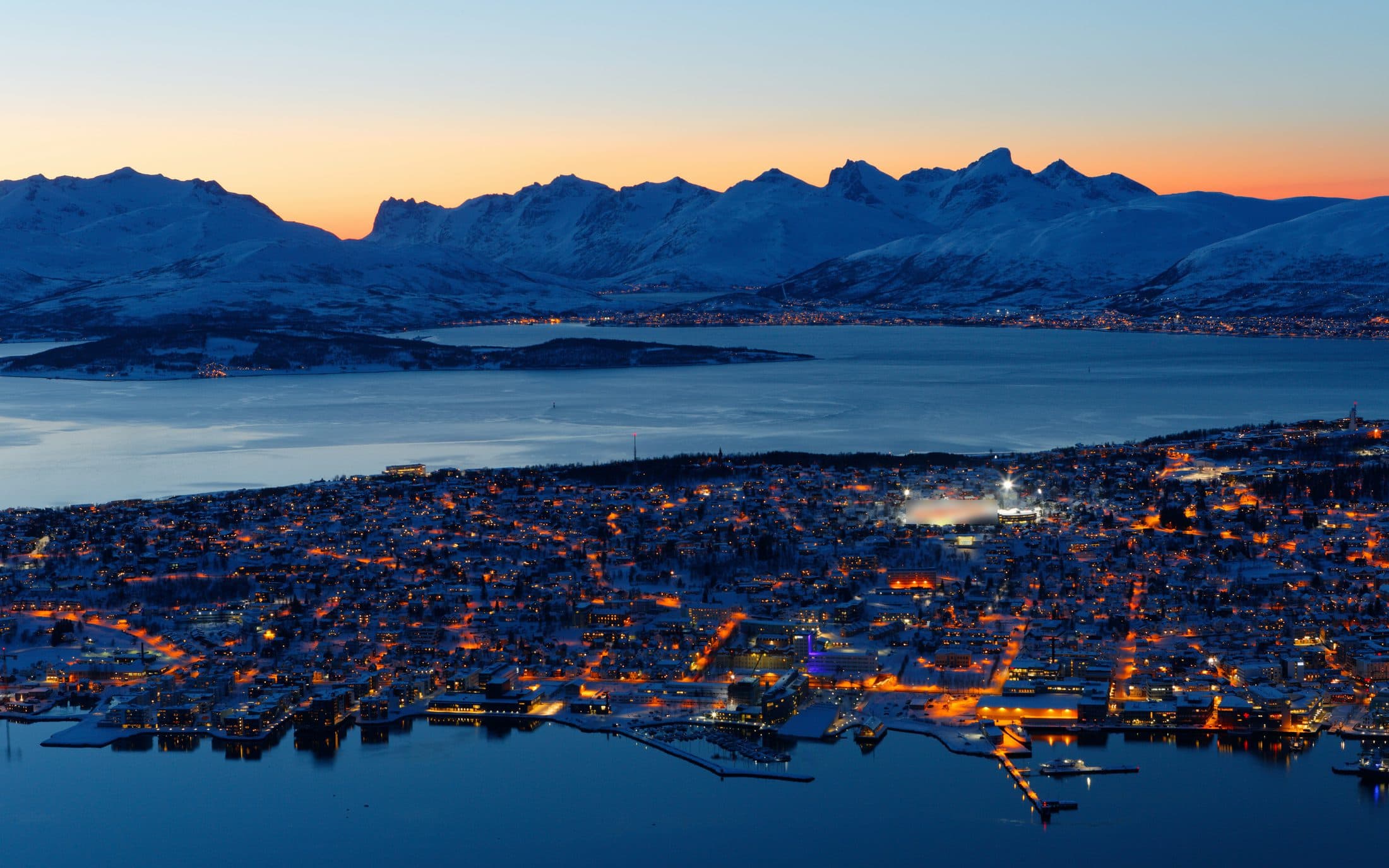
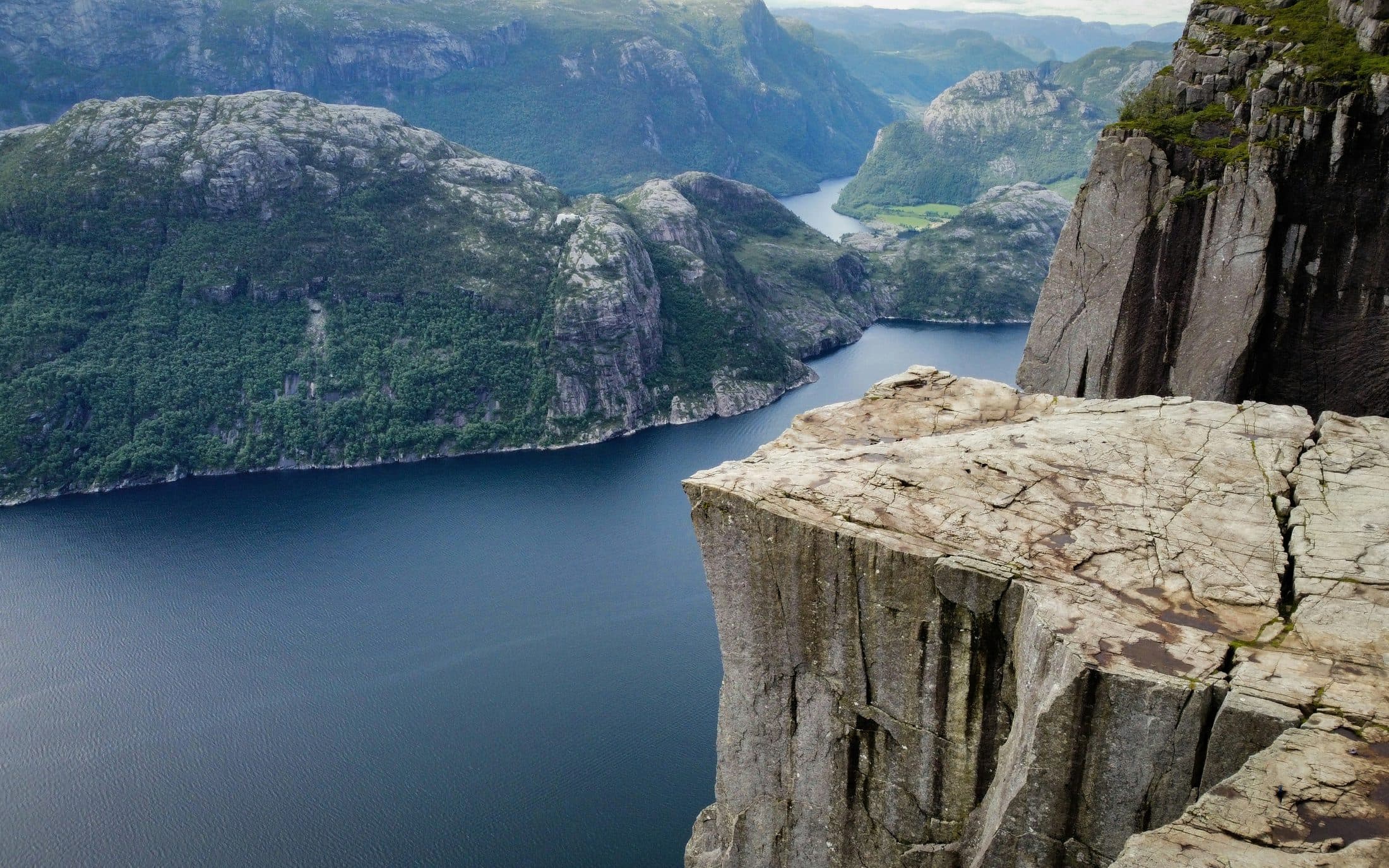
Stavanger’s white wooden old town on its harbour and the Lysefjord to the east: Old Stavanger’s 173 wooden houses on Vågen and the red manor of Ledaal, Preikestolen standing 604 m above the fjord, Kjerag, the Lysefjord’s highest peak, with its famous boulder, the three swords of Sverd i fjell by the Hafrsfjord, the long beaches of Jæren south of the city, Dalsnuten above Sandnes and, on the island of Mosterøy, Utstein, Norway’s best-preserved medieval monastery.
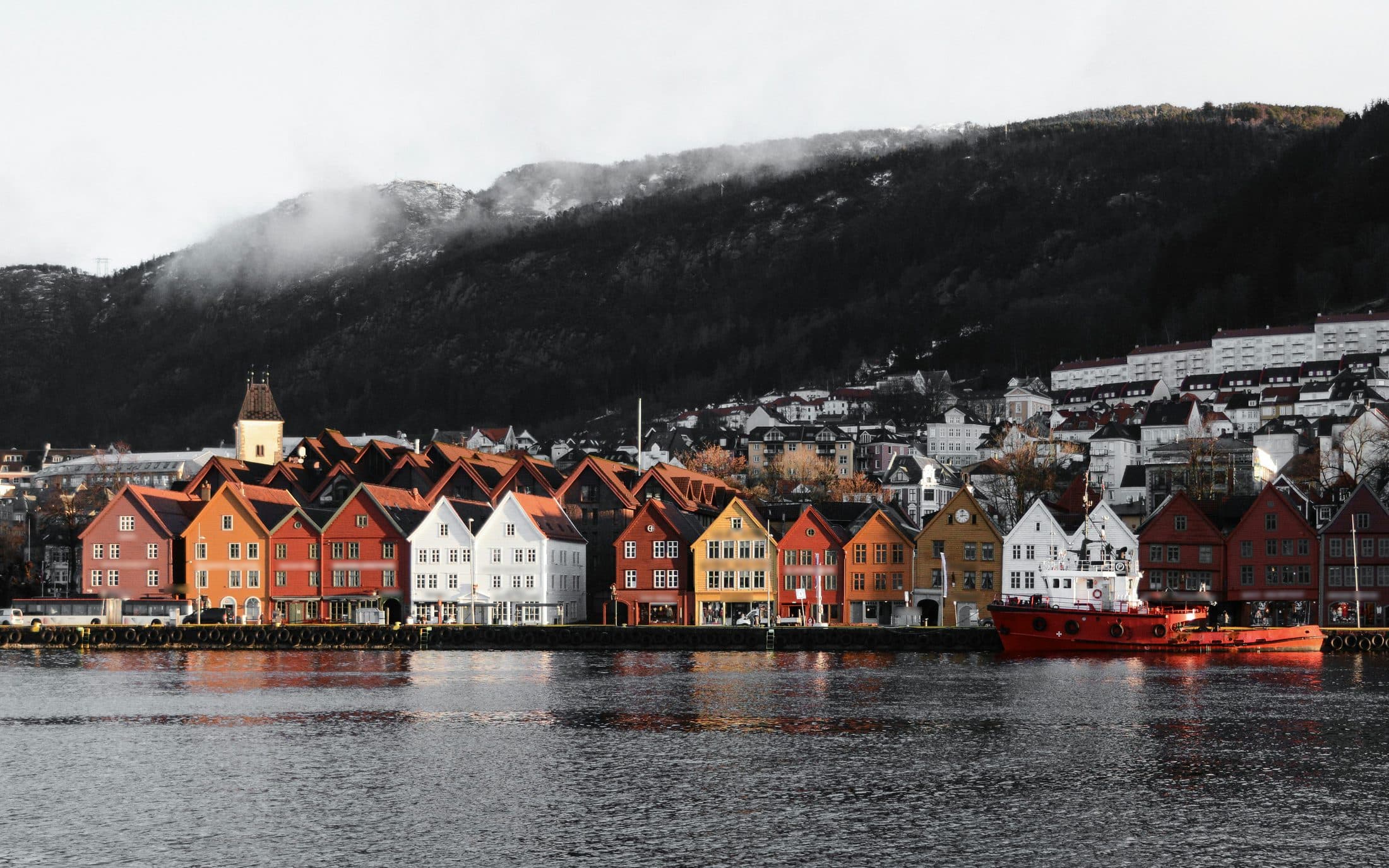
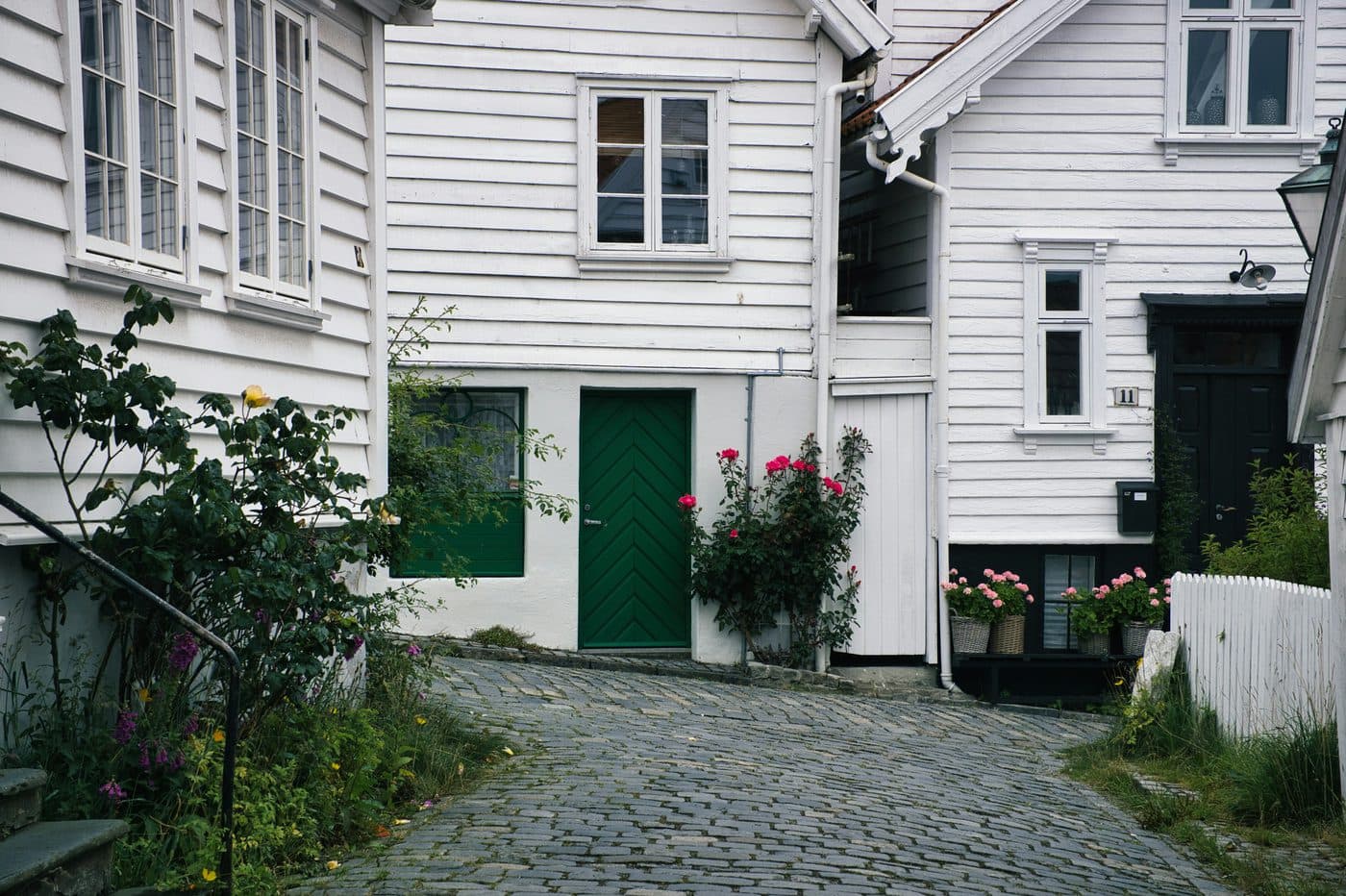
Old Stavanger, on the west side of Vågen in the city centre, is 173 wooden buildings from around 1800, most of them small white cottages that are still people’s homes.
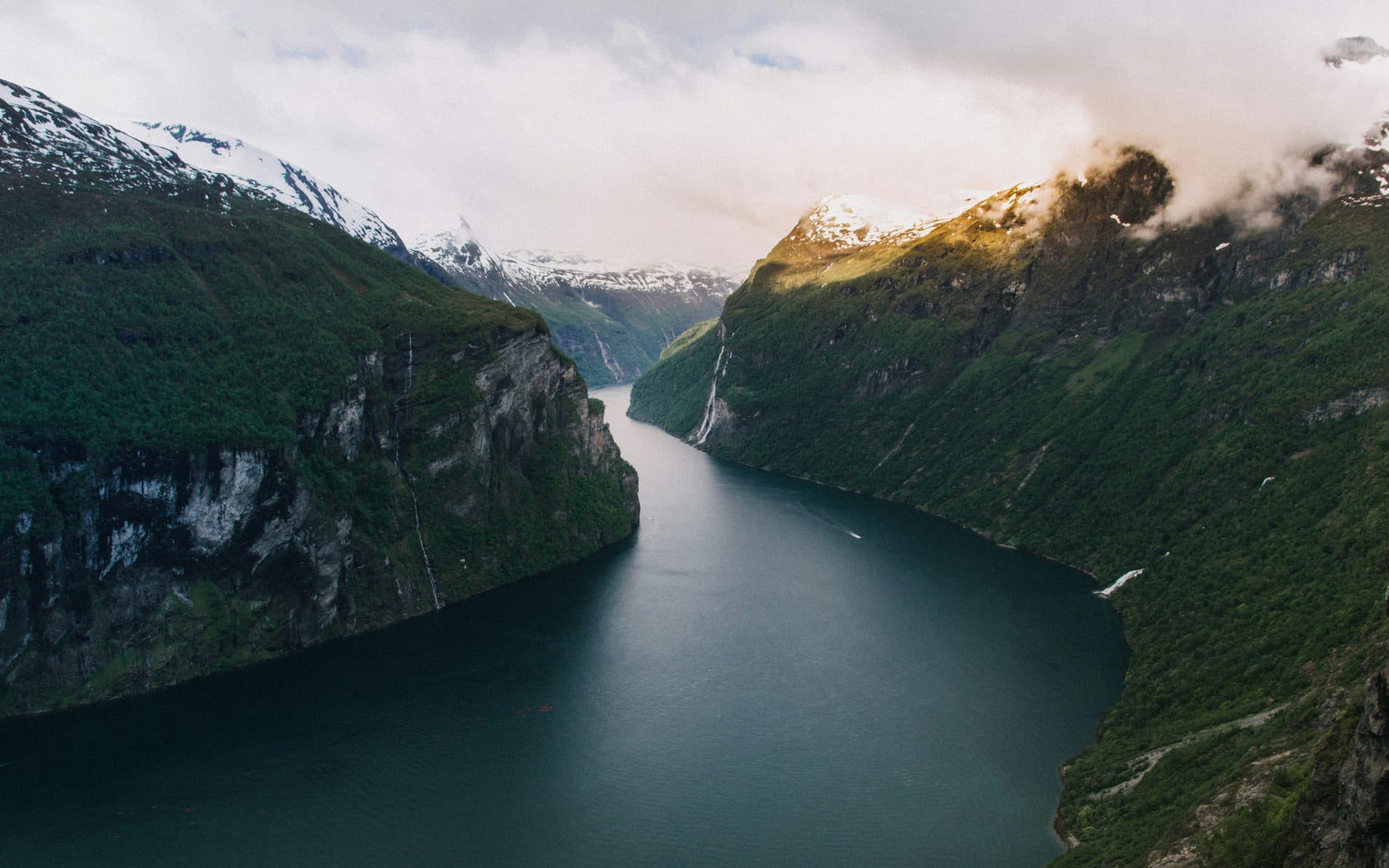
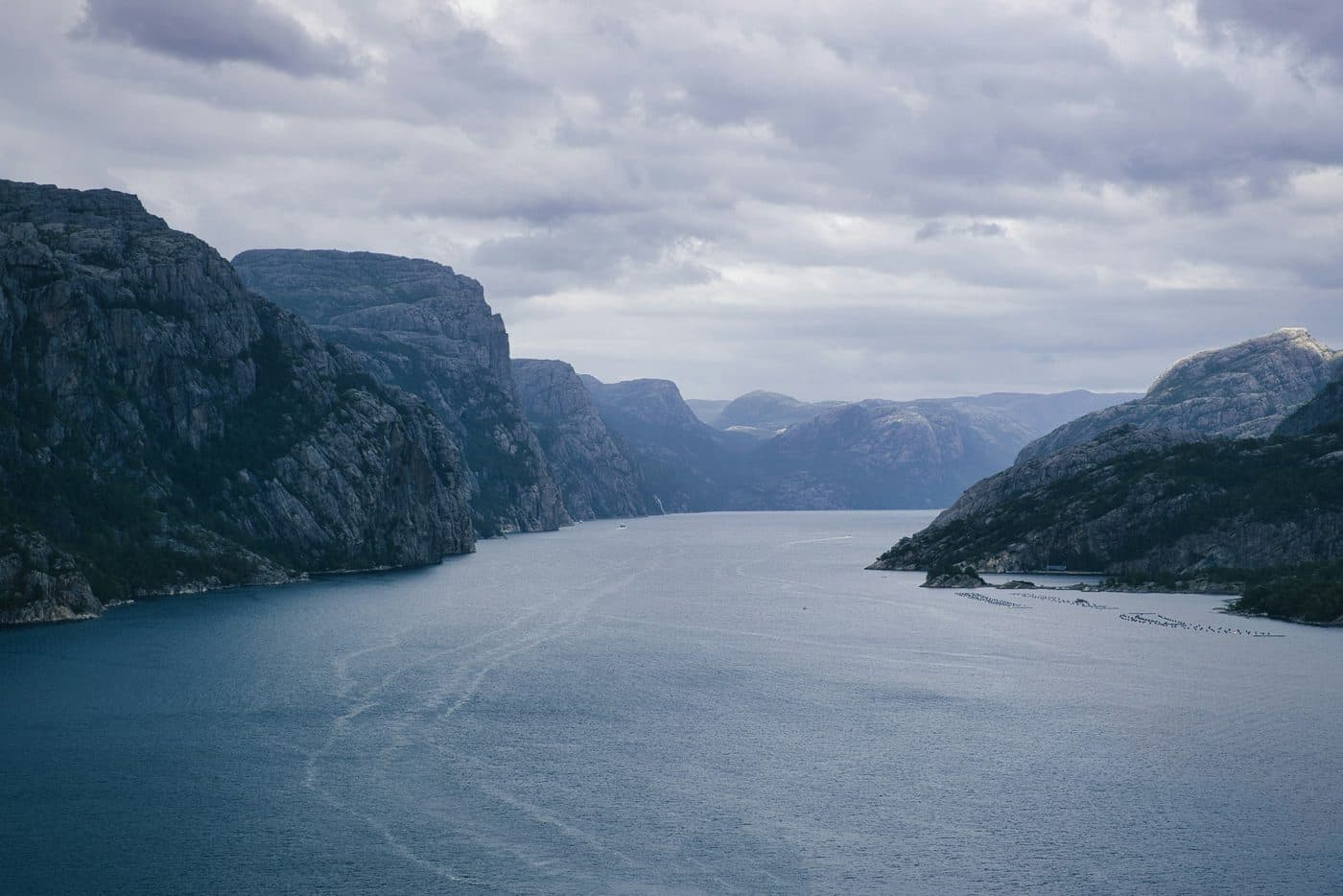
Nearby, on Eiganes, Ledaal, a manor finished in 1803 as a family’s summer house and the first brick house built in the city, has been the royal residence in Stavanger since 1949 and is now a museum in its park. By the Hafrsfjord, Sverd i fjell — three swords set into the rock, unveiled in 1983 — marks the battle in which, the sagas say, Norway was gathered into one kingdom, traditionally dated to 872. East of the city, Preikestolen, the Pulpit Rock, stands 604 m above the Lysefjord, and more than 300,000 people walk out to it each year; further in, Kjerag rises to 1,084 m, the highest peak by the fjord, with the boulder Kjeragbolten, and the Lysevegen road climbs out of Lysebotn at the fjord’s head through 27 hairpin bends and more than 900 m. South of the city, Jæren’s beaches have been a protected landscape since 1977, 70 km of sand, dunes and moraine from Tungenes to Sirevåg, and above Sandnes, Dalsnuten, 323 m, looks over them. North, on Mosterøy, half an hour’s drive away, Utstein is Norway’s best-preserved medieval monastery, built for Augustinian canons from the 1260s, its church unique in the country for the tower set between choir and nave.
Couples marry here at the city’s civil ceremonies in the municipal administration building; in the churches, Utstein’s abbey church among them; and, for a wedding of their own, with portraits on Preikestolen and above the Lysefjord, in the lanes of Old Stavanger, in Ledaal’s park and on the Jæren beaches at the end of a long summer evening. In Norway a marriage is legal when the municipality marries you in a civil ceremony (a mayor, a deputy mayor or someone the council has authorised) or when a priest of the Church of Norway or an officiant of another registered faith or life-stance community marries you, with two witnesses present; couples from abroad can marry here legally once the Tax Administration (Skatteetaten) has tested the conditions and issued a certificate (prøvingsattest), which takes up to five weeks (longer when papers from abroad are checked) and is valid four months, each foreign partner sending a certificate of no impediment from home, apostilled or legalised, no older than four months and in English, in a Nordic language or with a state-authorised translation, and showing a lawful stay in Norway (a visa or visa-free entry counts); each municipality sets its own days, rooms and any fee, so ask the one where you will marry, and since 2009 two people of the same sex can marry, in the Church of Norway too. Stavanger marries couples on Fridays from 11:00 to 14:30 all year and on a few Saturdays (22 May, 19 June and 21 August in 2027), in Norwegian or English, at Olav Kyrres gate 23, in a room with seats for 16 guests and standing room for about as many again; it is free if one of you lives in Stavanger and NOK 1,000 if not (as of November 2026), and a wedding somewhere else is arranged directly with one of the city’s officiants. Norway’s regulation on municipal weddings makes the ordinary ceremony free for people who don’t live in Norway, so if you live abroad, ask the city how its fee applies to you.

Through the year
When to marry in Stavanger & on the Lysefjord
June to August are the surest months, and May and June the driest. In MET Norway’s 1991–2020 normals for Stavanger-Sola, the station 7 m above the sea at the airport, about 11 km south-west of the city centre, highs reach 16 °C in June and 19 °C in July and August, with nights of 10 to 13 °C, and rain of 1 mm or more falls on 10 days in May and June, 12 in July and 14 in August; from September to January it falls on 15 to 17 days a month, and October is the wettest month, with 148 mm. The inner Lysefjord is far wetter than the coast: at Lysebotn, at its head, 2,237 mm falls in a year, on 177 days, against 1,256 mm at Sola, so bring a layer for rain to any fjord plan.
- January: Quieter
- February: Quieter
- March: Quieter
- April: Quieter
- May: Good with planning
- June: Best
- July: Best
- August: Best
- September: Good with planning
- October: Quieter
- November: Quieter
- December: Quieter
- April and MayApril warms to 10 °C by day, with nights of 4 °C and rain on 11 days; May reaches 14 °C, with nights of 7 °C and rain on only 10. The clocks go forward on the last Sunday of March (28 March 2027), and by mid-May the sun sets just after ten. Preikestolen’s hiking season begins in May, and the Lysevegen road up from Lysebotn, closed all winter, usually reopens in May, once the snow is cleared, which opens the way to Kjerag; Utstein opens on Sundays from 1 March and every day from 15 May.
- June to AugustThe warmest months: highs of 16 to 19 °C, nights of 10 to 13 °C and rain on 10 to 14 days a month, August’s the most. At midsummer the sun rises at about twenty-five past four and sets at about five to eleven, and the sky never fully darkens: the sun is more than six degrees below the horizon only from about twenty past midnight to three. The city’s Saturday civil weddings in summer 2027 are on 19 June and 21 August.
- September and OctoberSeptember stays mild, at 16 °C by day and 10 °C at night, with rain on 15 days; October drops to 12 °C, with nights of 6 °C and rain on 17 days, the wettest month of the year. In mid-September the sun sets at about two minutes to eight, in mid-October at about half past six. Preikestolen’s hiking season runs to the end of October, Utstein opens on Sundays only from 31 August to 31 October, the clocks go back on the last Sunday of October (31 October 2027), and the Lysevegen usually closes in November when the snow comes.
- November to MarchWinter on this coast is wet rather than cold: highs of 5 to 6 °C from December to February, nights around freezing and rain on 14 to 17 days a month. At midwinter the sun is up only from about half past nine to twenty to four, no more than about eight degrees high. From November to April Preikestolen can still be reached, but only with special equipment and a guide, Utstein is closed from 1 November to the end of February, and the city holds no civil weddings on the last Friday before Christmas or the first Friday of the new year.
In numbers
Weather station: Stavanger-Sola, normals 1991–2020 · Checked 6 November 2026
Places
Where couples marry here
The kinds of places — ask your photographer which ones they know well.
Old Stavanger and Ledaal
Old Stavanger is a protected, listed area where people live, and Visit Norway asks visitors to respect private property and the residents’ privacy, so keep portraits to the cobbled lanes and away from doors and windows. Ledaal, a museum of Museum Stavanger (MUST), charges for wedding photography: NOK 3,000 during the museum’s opening hours and NOK 3,500 outside them, for two hours, then NOK 750 an hour (MUST’s 2026 price list, as of November 2026). At MUST’s museums, photos and film for private use without extra lighting are free, while anything for commercial use needs the museum’s permission well ahead and carries a fee.
Preikestolen, the Lysefjord and Kjerag
The walk to Preikestolen is 8 km there and back, about four hours with some 500 m of climbing and steep stretches, graded medium: the hiking season runs from May to October, and from November to April the rock is reached only with special equipment and a guide. Don’t start late in the day, or you may end up walking in the dark, wear proper boots rather than everyday shoes, and don’t set out if strong wind, heavy rain or fog is forecast; guided hikes run daily from April to October, weather allowing, and the early start that beats the crowds also gives the sunrise. Kjerag is a much harder day: about 11 km and 6 to 10 hours, with 800 m of climbing and stretches where you pull yourself up and slide down on fixed wires, from the car park at Øygardstøl at the top of the Lysevegen’s bends, and slippery in rain. On the Lysevegen itself, the passing places are for letting cars by, not for parking or photo stops: stop only where parking is marked. No rule on wedding photography at either rock was found; the mountain code and the weather are the rules that matter here.
The Jæren beaches, Sverd i fjell and Dalsnuten
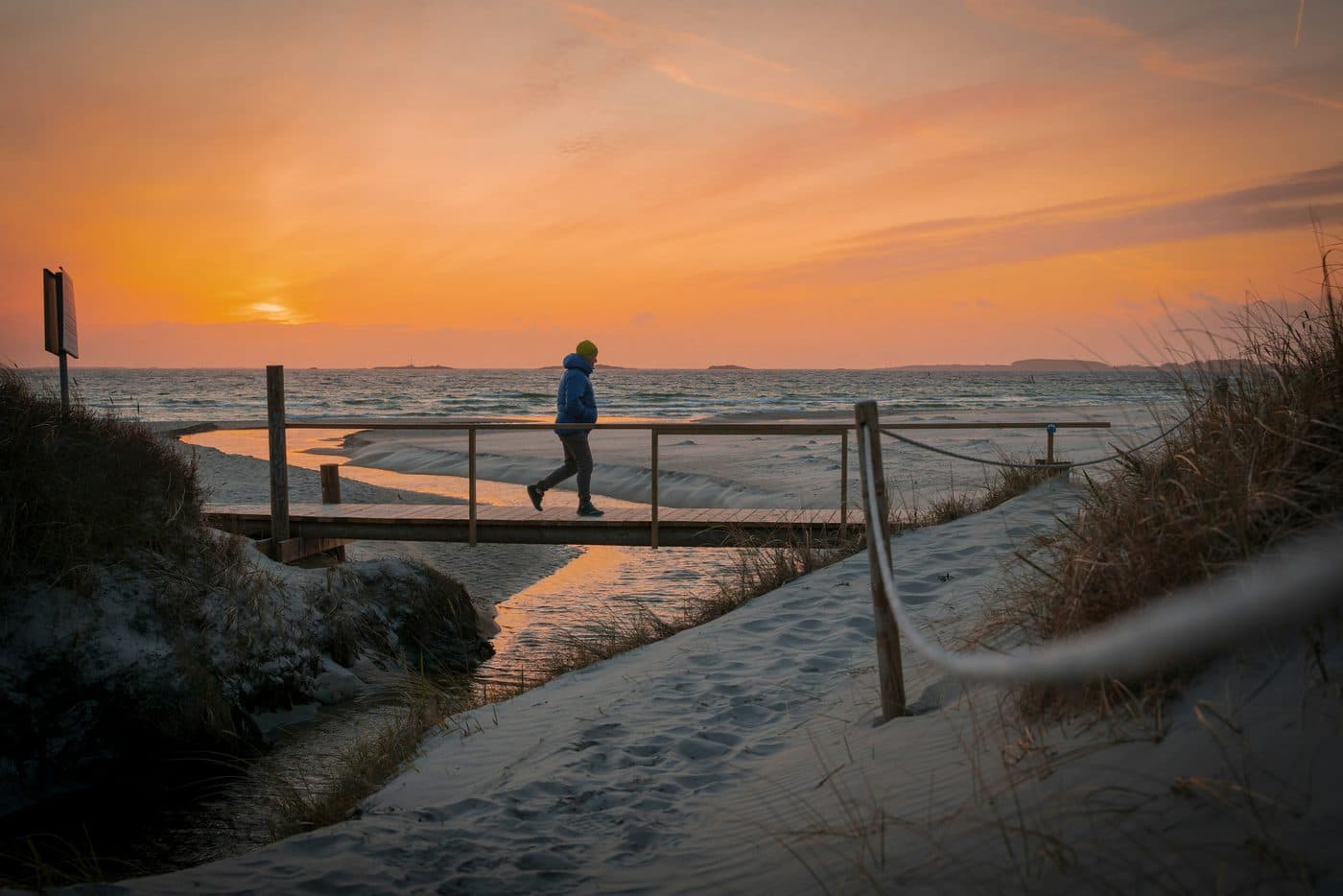
Along the Jæren beaches the County Governor of Rogaland (Statsforvalteren) manages the protected landscape: small groups may move freely under the right to roam, but larger events and gatherings need a dispensation from the protection rules, applied for by e-mail at least three months ahead to be sure of an answer; whether a ceremony with guests on the sand needs one depends on its size and character, and if you are unsure you can apply and be told. Camping and tents are not allowed in the dunes, no motor vehicle may drive on the land, and in the bird sanctuaries along the coast some islets and shores are closed to all walkers from 15 April to 31 July, among them parts of Rott and of the Håstein islets in Sola and Raunen in Hå, and nothing may fly lower than 300 m above them. Sverd i fjell stands on the shore of the Hafrsfjord, 6 km from the centre. Dalsnuten is an easy family walk from Gramstad, past the Gramstadtjørn tarn and through a little wood, and the first stretch, a gravel road up to the Revholstjørn tarn at 186 m, suits prams and wheelchairs.
Utstein Abbey
Utstein is run by Museum Stavanger. It is closed from 1 November to the end of February, opens on Sundays from 12:00 to 17:00 from 1 March to 15 May and again from 31 August to 31 October, and from 15 May to 31 August opens Monday to Saturday from 10:00 to 16:00 and on Sundays from 12:00 to 17:00. For a wedding in the abbey church, the museum sends couples to the Church of Norway in Stavanger (post.stavanger@kirken.no). MUST’s rules apply here too: photos for private use without extra lighting are free, while commercial photography needs permission well ahead and costs NOK 2,000 a day outdoors per museum, plus 25 % VAT (as of November 2026). The abbey is 26 km from the centre by road, about half an hour.
Light
How the light falls
The times here are for a flat horizon; on the Lysefjord the walls of rock hide the sun long before it sets. On 21 June the sun rises over Stavanger at about twenty-five past four and sets at about five to eleven, far to the north-west; it is still ten degrees up at about two minutes past nine, and the brightest part of twilight lasts until about twenty past midnight, returning at about three. In mid-May it sets just after ten, in mid-July at about twenty-five to eleven, in mid-August at about twenty-five past nine, in mid-September at about two minutes to eight and in mid-October at about half past six. At midwinter it is up only from about half past nine to twenty to four and climbs no higher than about eight degrees, with usable twilight from about twenty-five to nine to twenty-five to five. The Jæren beaches face the open sea to the west, so the summer evening sun goes down over the water.
Travel
Getting there
Stavanger Airport, Sola, is 14 km by road from the city centre, and the airport bus takes 20 to 30 minutes; Solastranden, the nearest of the Jæren beaches, is 2 km from the terminal. From the centre, Sverd i fjell is 6 km by road, Gramstad, for Dalsnuten, 22 km, Utstein 26 km, Orrestranden 35 km and the car park for Preikestolen 39 km, about 45 minutes; Lysebotn is 146 km by road, about two and a half hours round by Sirdal, and only while the Lysevegen is open. Drones fly under the EU’s rules — an operator registered where they live (in Norway with the Civil Aviation Authority, Luftfartstilsynet, at flydrone.no; someone living outside the EU registers in the first EU country or Norway they fly in), in sight, below 120 m and never over crowds — and in Norway a pilot from abroad must also notify the National Security Authority (NSM) before filming from the air, check the zones on dronesoner.no (near airports, central Oslo’s restricted area R102, the areas where filming from the air is banned) and have the landowner’s permission to take off and land; drones are as a rule banned in national parks and the large protected landscapes, and in many nature reserves, so ask the area’s managers first. The Jæren beaches are a protected landscape, so ask the County Governor before flying there, and over their bird sanctuaries nothing may fly below 300 m.
Photographers
Photographers in Stavanger & on the Lysefjord
No one in Stavanger & on the Lysefjord yet
The first photographers in Stavanger & on the Lysefjord are joining now. Tell our concierge your date and your plans — it checks who is free and fits.
Plan
Read before you plan
- Getting married in Norway as foreigners: Skatteetaten’s certificate, documents, lawful stay and feesHow couples from abroad marry legally in Norway: no residence needed, the test of the conditions by the Tax Administration (Skatteetaten) and its certificate valid four months, the certificate of no impediment from home with an apostille, translations, a sponsor for each of you, a lawful stay on the day, the municipality’s civil wedding and its fees, church and humanist weddings, same-sex marriage since 2009, the certificate afterwards, and the symbolic route.
- How to choose a wedding photographer: the steps, and the questions to askThe decision in order — whole weddings, style, availability, the package, the contract and deposit, cancellation, delivery and a conversation — then a checklist of questions, with why each one matters.
- A wedding-day timeline for photosFrom getting ready to the last dance, planned around the light.
- Deposits and payment protectionWhat you pay when, and what happens if plans change.
- Which country for a destination wedding? The law, prices, crowds and light, comparedThe legal route for couples who don’t live there, season and crowds, price levels, light, flights, venues and permits for photographs — Portugal, Italy, Spain, Greece, France and Austria compared with official figures, as of October 2026.
- A rain plan that still looks goodCovered spots, umbrellas and what photographers do on grey days.
- Wedding photography contract checklist: what it should say, and how Lens & Vows handles each pointThirteen things a good contract covers — the day and the hours, what is delivered, deposit and balance, cancellation on either side, date changes, illness, image rights, personal data, backups, travel, overtime and complaints — and what our terms say about each.
Norway