Getting married in Tokyo & Yokohama
Japan’s capital and its port city: the Imperial Palace’s moats and East Gardens, the forest of Meiji Jingu, Shinjuku Gyoen, the tidal garden of Hamarikyu, Asakusa’s Senso-ji and the Sumida river, Yanaka’s old lanes, Odaiba’s waterfront and Tokyo Station’s Marunouchi side; 36 km south by road, Yokohama’s harbour at Minato Mirai and Yamashita Park and the Sankeien garden; Kamakura’s shrine and temples by the sea, and Nikko’s shrines and temples in the mountains to the north.
Tokyo’s centre is still the old castle.
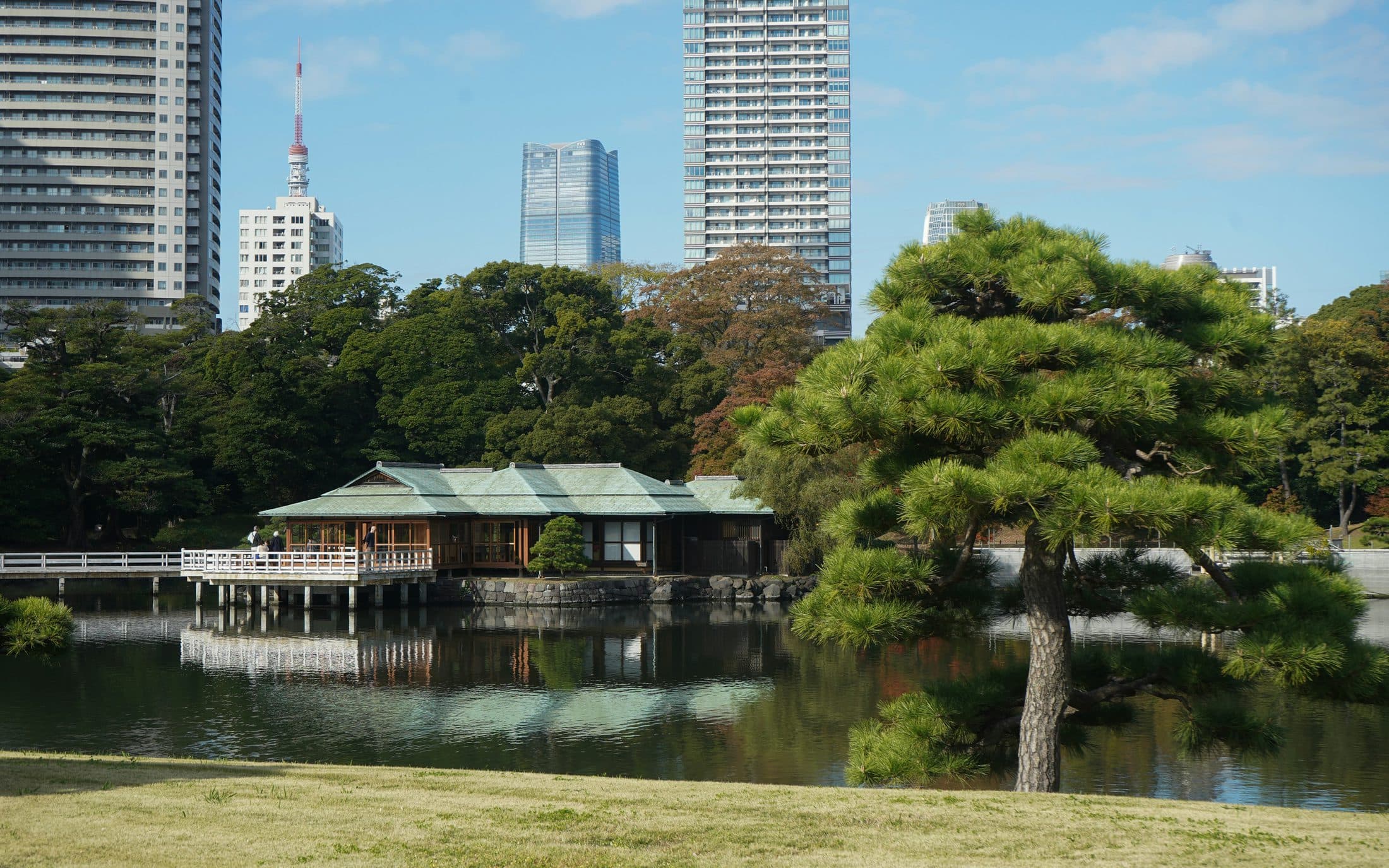
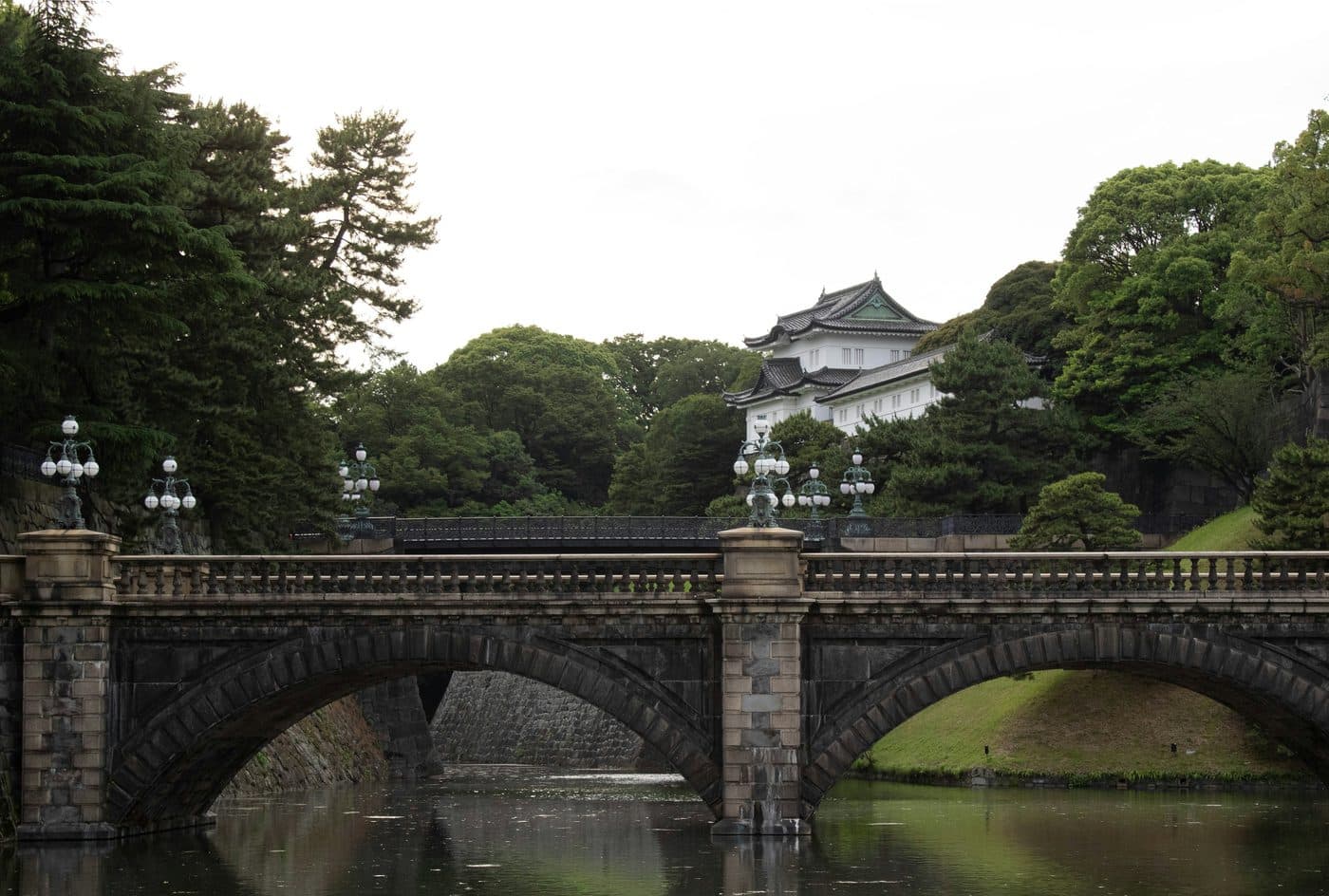
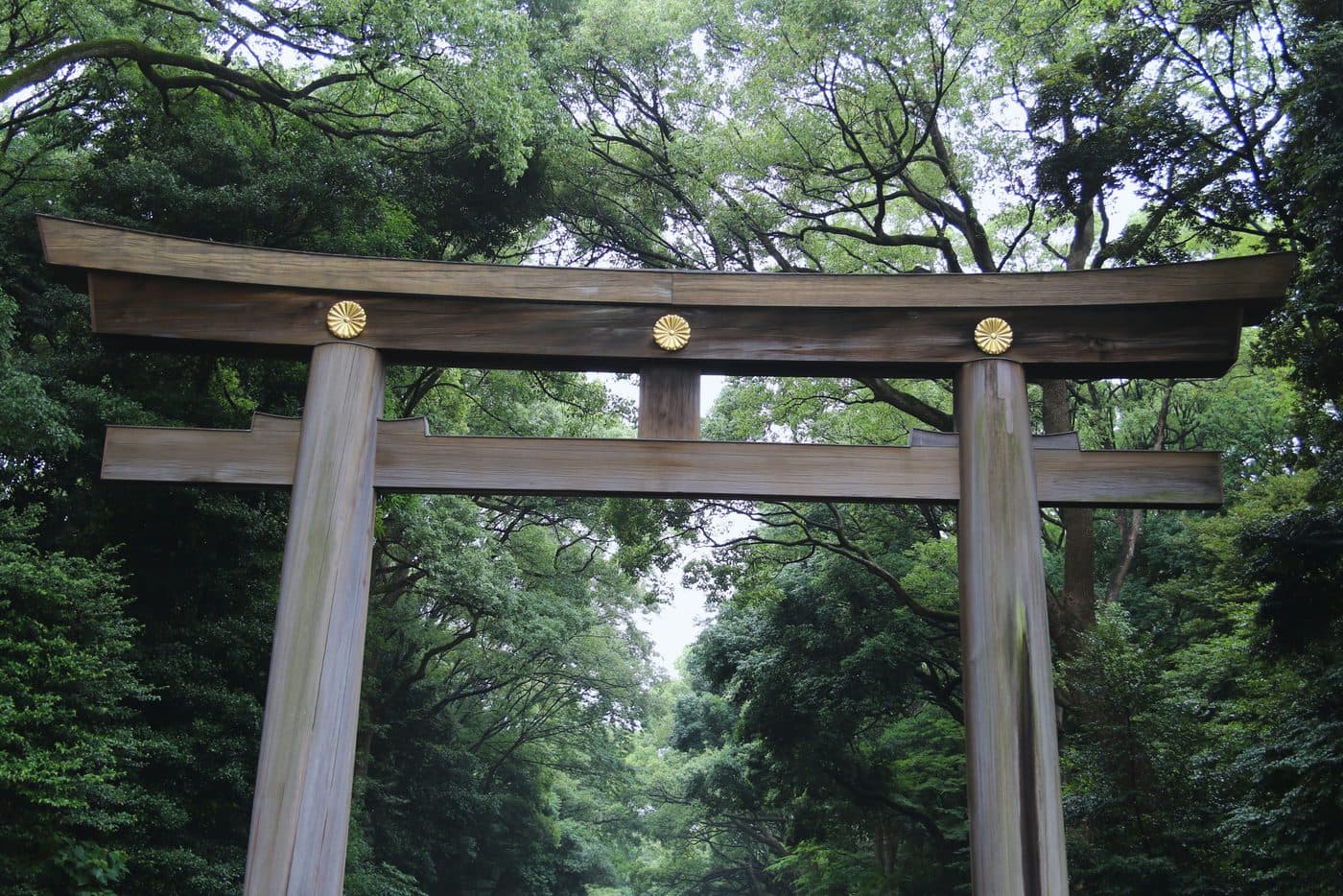
Parts of Edo Castle’s main, second and third enclosures were laid out as a garden attached to the palace and opened as the East Gardens in 1968; they are free to enter, with their stone walls, lawns and moats a 15-minute walk from Tokyo Station’s Marunouchi side. To the west, Meiji Jingu, founded on 1 November 1920, stands in a forest planted by hand from about 100,000 trees given from all over the country, and Shinjuku Gyoen, a former imperial garden, keeps its lawns and cherry trees behind a 500-yen ticket. By the bay, Hamarikyu is an Edo-period lord’s garden whose pond still rises and falls with the tide of Tokyo Bay — of the city’s old tidal gardens, the only one where seawater still flows in —, a Special Place of Scenic Beauty and Special Historic Site, open to the public since 1946. In Asakusa, Senso-ji, by its own tradition founded when its image of Kannon appeared in 628, keeps the Kaminarimon gate and its red lantern 3.9 m high, and its main hall, five-storey pagoda and two great gates are lit every evening from sunset to about 23:00. In Ueno, the National Museum of Western Art is one of the 17 buildings of a World Heritage site, The Architectural Work of Le Corbusier. Yokohama’s waterfront has Yamashita Park on the harbour and, to the south, the Sankeien garden, opened in 1906 by a silk merchant as a place to protect Japanese culture, with old buildings around its ponds; Tsurugaoka Hachimangu’s great stone stairs in Kamakura look over the town and, on clear days, to the Pacific and the island of Izu Oshima; and Nikko’s shrines and temples, a World Heritage site, are reached along cedar avenues of some 12,500 trees, planted from about 1625.
Couples marry here in three ways, often combined: at a city or ward office, where the marriage is made; at a shrine, in a Shinto wedding (shinzen-shiki) — Meiji Jingu holds them in its Hosaiden hall deep in the grounds, opening with the procession under a red parasol, Tsurugaoka Hachimangu at its Maiden, the open hall in the middle of the precinct, or in the closed Wakamiya, and Nikko Toshogu, by reservation, to gagaku played by its own musicians —; and in portraits, in kimono or in western dress, in the gardens and on the waterfront that allow a hired photographer, which in Tokyo are fewer than the famous names suggest. In Japan there is no civil ceremony: a marriage is legal when a city, ward, town or village office (shiyakusho, kuyakusho) accepts your notification of marriage (kon’in todoke), signed by you both and by two witnesses aged 18 or over, of any nationality, and a shrine, temple or chapel wedding has no legal effect on its own; couples from abroad can marry here legally, neither of you needing to live in Japan, by handing it in, free of charge, at the office of the place where you are staying, each with your passport and a certificate of legal capacity to marry (kon’in yoken gubi shomeisho) from your own country’s embassy or consulate in Japan — or the document it issues instead — and Japanese translations naming the translator, and the day you hand it in, once it is accepted, is your wedding date; the office’s certificate of acceptance (juri shomeisho; usually 350 yen, or 1,400 yen on fine B4 paper, as of November 2026) is the proof you register at home as your own country requires, and same-sex couples cannot marry in Japan, though some prefectures and municipalities, Tokyo among them, issue partnership certificates that carry none of the legal effects of marriage.
Through the year
When to marry in Tokyo & Yokohama
April and May, October and November are the easiest months. In the Japan Meteorological Agency’s 1991–2020 normals for Tokyo, the station 25 m up about 2 km north-west of Tokyo Station, highs are about 19 °C in April, 24 °C in May, 22 °C in October and 17 °C in November, and rain of 1 mm or more falls, by JMA’s own count, on about 7 days in November and 10 in April, May and October. The cherry trees’ normal first bloom in Tokyo is 24 March and their full bloom 31 March; the maples turn, on average, on 28 November in Tokyo and on 14 December in Yokohama. June to mid-July is the rainy season, and July and August are hot and humid: August averages 31 °C in the afternoon, with 23 days of 30 °C or more.
- January: Quieter
- February: Quieter
- March: Good with planning
- April: Best
- May: Best
- June: Quieter
- July: Quieter
- August: Quieter
- September: Quieter
- October: Best
- November: Best
- December: Good with planning
- Late March to MaySpring warms quickly: March reaches 14 °C by day, April 19 °C and May 24 °C, with nights of 5, 10 and 15 °C, rain on 9 or 10 days a month and about 175 to 180 hours of sun. The cherries open, on average, on 24 March and are in full bloom on 31 March, and the gardens are at their busiest: Shinjuku Gyoen stays open on Mondays from 25 March to 24 April, and Hamarikyu takes no applications for portrait shoots in the cherry season or the long holidays at the turn of April and May.
- June to mid-JulyThe rainy season (tsuyu) begins here on about 7 June and ends on about 19 July, on JMA’s 1991–2020 normals for the Kanto-Koshin region. June has the fewest hours of sun of the year, 124, rain on 12 days, highs of 26 °C and a humidity of 75 %; the light is soft and even, and every outdoor plan needs a covered place close by.
- Late July to SeptemberSummer is hot and humid: highs of 30 °C in July and 31 °C in August, nights of 22 to 24 °C, 17 days of 30 °C or more in July and 23 in August, and a few above 35 °C. Typhoons come closest at the end of summer: in JMA’s 1991–2020 normals, 0.8 a year pass within 300 km of this region in August and 1.2 in September, the wettest month after October, with 225 mm. Keep portraits to the first two hours of daylight and the last one, with water and shade close by.
- October to FebruaryOctober stays mild, at 22 °C by day, but is the wettest month, with 235 mm on 10 or 11 days; November is drier, at 17 °C by day and 9 °C at night with rain on 7 days, and the maples turn on about 28 November in Tokyo and 14 December in Yokohama. From December to February the air is dry and clear: rain on only 4 or 5 days a month, 170 to 190 hours of sun, highs of 10 to 12 °C and nights of 1 to 4 °C; snow is rare, a few centimetres a year.
In numbers
- UNESCO World Heritage
Weather station: Tokyo, normals 1991–2020 · Checked 7 November 2026
Places
Where couples marry here
The kinds of places — ask your photographer which ones they know well.
The Imperial Palace’s gardens and Shinjuku Gyoen
The East Gardens are closed on Mondays and Fridays — open on public holidays, except the Emperor’s Birthday, and then closed on the Tuesday after a Monday holiday — and from 28 December to 3 January; they open at 9:00 and close between 16:00 (November to February) and 18:00 (mid-April to August), last entry 30 minutes earlier. The Imperial Household Agency allows photos you take for yourselves, but not photography done as a business, shoots with models or centred on particular people, or drones, and drinking alcohol is not allowed. The Outer Garden around the palace — the plaza, the moats and Kitanomaru Park — is run by the Ministry of the Environment, which lets visitors photograph themselves freely but says plainly that paying a professional photographer for your own commemorative photos is not allowed; in the cherry season and the autumn colours it also asks for no tripods or reflectors aimed at a person. Shinjuku Gyoen, the ministry’s other national garden here, has the same rule — no photography for payment — and bans alcohol and drones; it opens from 9:00 to 16:30 from October to mid-March, to 18:00 from mid-March to September and to 19:00 from mid-June to July, is closed on Mondays except in the cherry and chrysanthemum seasons, and costs 500 yen (as of November 2026). Walk here together; plan the photographs for the places below.
Meiji Jingu, Asakusa and Hamarikyu
Meiji Jingu is free and opens at sunrise and closes at sunset, from 6:40 to 16:00 in December and from 5:00 to 18:30 in June; it asks visitors not to take photos or video at the main sanctuary where people pray, not to film or take promotional photographs without permission and not to fly drones, and, in its Japanese rules, not to have commemorative photos taken by a hired professional photographer. Senso-ji’s main hall is open from 6:00 (6:30 from October to March) to 17:00; the temple publishes no rule on portrait sessions in its grounds, so ask its office before you plan one. Hamarikyu, run by the Tokyo Metropolitan Park Association, opens from 9:00 to 17:00 (300 yen, as of November 2026) and asks for an application in advance, by telephone to its service centre, for any photography centred on people, paid or not; it accepts none in the cherry season, the long spring holidays, the autumn colours or the summer heat, and bans alcohol, drones, tents and model photo sessions. In every Tokyo metropolitan park and garden, a wedding pre-shoot (maedori) needs the park office’s permission and a fee for the time used, while family snapshots need none. Yanaka’s cemetery, like every cemetery, is not a place for wedding photographs, even in cherry season.
Yokohama
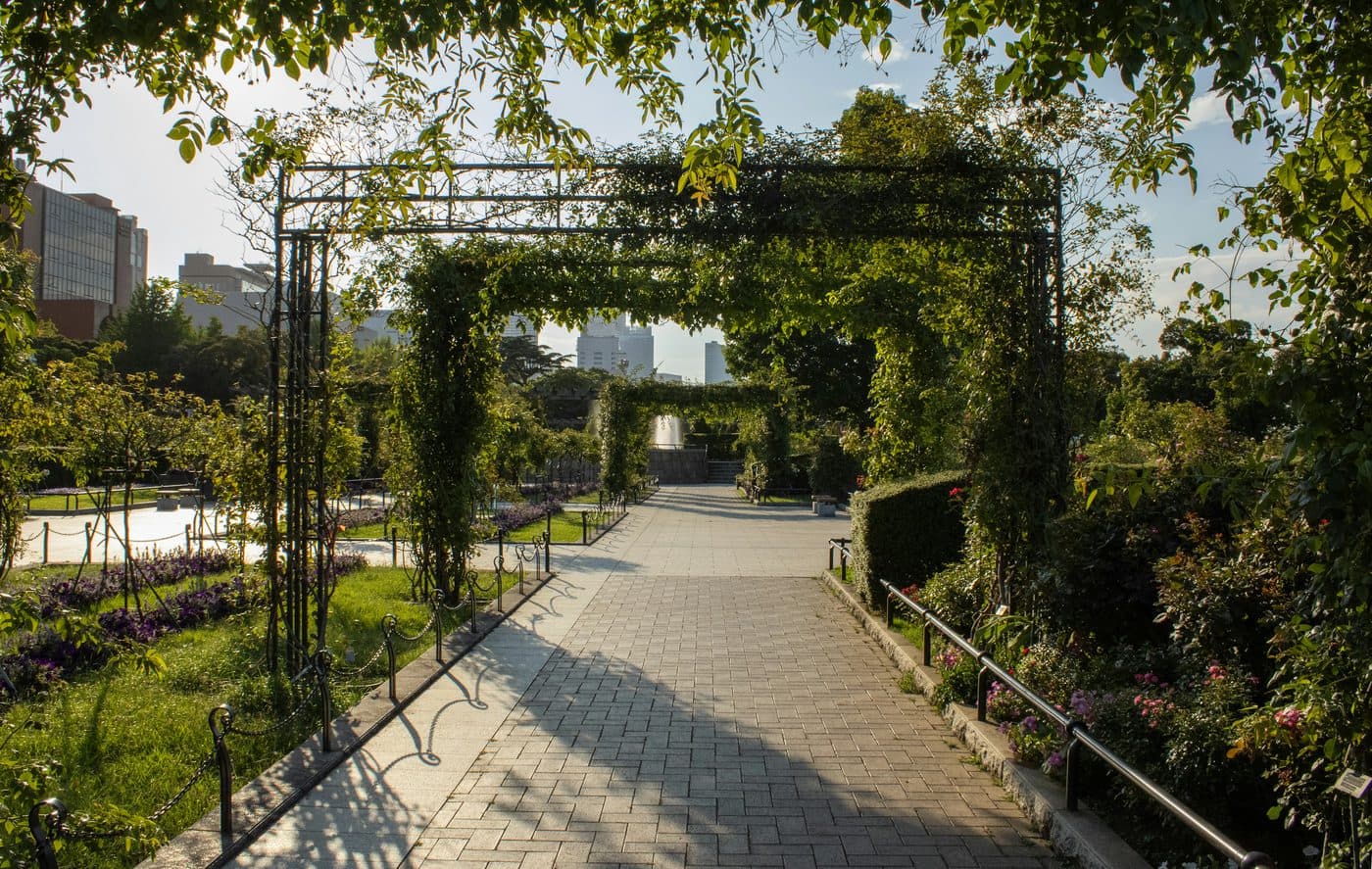
Yokohama sets out plainly how a wedding shoot works. In Yamashita Park and the other large parks of the city centre, run by the city’s Green Environment Bureau, a photographer paid to take your wedding photos counts as commercial photography: it needs a permit and costs 15,000 yen for stills (as of November 2026), each park takes one shoot a day, and you book by telephone, on weekdays, between one week and two months ahead. Wedding shoots are the one kind of commercial shoot allowed at weekends and on public holidays; in Yamashita Park you may use any three consecutive hours between 7:00 and 21:00, and drones, fire, loud sound and heavy rigs are not allowed. The Sankeien garden opens from 9:00 to 17:00 (700 yen) and lets only photographers registered with it in advance use the garden for wedding pre-shoots, for a fee; visitors photographing themselves may not wear wedding clothes there, and any shoot in which money changes hands is charged as commercial.
Kamakura and Nikko
Tsurugaoka Hachimangu is open from 6:00 to 20:00 all year. It holds Shinto weddings at the Maiden, where those who aren’t guests can watch from around the hall, or in the Wakamiya, with room for up to 36 relatives besides the couple; its own photographers take the couple’s pictures, and the shrine asks professional and trade photographers not to shoot, nobody to photograph from the front centre of a ceremony or inside the halls, and no tripods, monopods or stepladders anywhere in the grounds. Nikko Toshogu is open from 9:00 to 17:00 from April to October and to 16:00 from November to March, for 1,600 yen (as of November 2026), and holds Shinto weddings to gagaku played by its musicians, all by reservation through its rites office; its site gives no rule on portrait sessions, so ask before you plan one.
Light
How the light falls
Japan keeps one clock all year, with no summer time, so summer evenings end early. At midsummer in Tokyo the sun rises at about 4:25 and sets at about 19:00, in the west-north-west; it is still ten degrees up at about 18:00, and civil twilight lasts until about 19:30 and begins again at about 3:55. At the cherry blossom in late March it sets at about 17:55; in mid-April at about 18:15, mid-May about 18:40, mid-July just before 19:00, mid-August about 18:30, mid-September about 17:50, mid-October about 17:05, mid-November about 16:35 and, when the maples turn at the end of November, about 16:30. At midwinter it is up from about 6:45 to 16:30 and climbs no higher than about 31 degrees, with civil twilight from about 6:20 to 17:00. Meiji Jingu closes its gates at sunset and the East Gardens close at 16:00 from November to February, so plan the last light elsewhere.
Travel
Getting there
Narita Airport is 69 km by road from Tokyo Station and Haneda 21 km; from Narita the Narita Express reaches Tokyo Station in 53 minutes at its fastest (JR East), and the Keisei Skyliner reaches Ueno in as little as 41 minutes. From Tokyo Station, Hamarikyu is 3 km by road, Senso-ji 6 km, Shinjuku Gyoen 6 km, Meiji Jingu 8 km, Odaiba’s seafront 9 km, Yamashita Park in Yokohama 36 km (21 km from Haneda), Tsurugaoka Hachimangu in Kamakura 55 km and Nikko Toshogu 146 km. JR’s Yokosuka Line runs from Tokyo Station to Kamakura in about an hour, and Tobu’s SPACIA limited expresses from Asakusa to Tobu-Nikko in about 1 hour 50 minutes, direct (as of November 2026). Drones fly under Japan’s Civil Aeronautics Act as the Ministry of Land, Infrastructure, Transport and Tourism (MLIT) applies it: every drone of 100 g or more flown outdoors must be registered on MLIT’s DIPS 2.0 system — a visitor’s too, even one registered abroad — and carry its registration number and a Remote ID transmitter; without MLIT’s permit or approval, applied for on DIPS 2.0, you may not fly above 150 m, around airports, over densely inhabited districts (DID: the built-up areas of towns and cities), at night, out of your own sight, within 30 m of other people or their buildings and vehicles, or over festivals and events; and the Small Unmanned Aircraft Act, which the police enforce, bans flights over and within about 1,000 m of the Imperial Palace and the other sites it lists — the National Diet, the Prime Minister’s Office, designated embassies and defence sites, eight major airports and nuclear plants — while parks, shrines, temples and towns may ban drones on their own ground. Here, Meiji Jingu, the East Gardens, Shinjuku Gyoen and Hamarikyu forbid them, Yokohama’s city-centre parks allow no drone filming, and Narita and Haneda are two of the eight airports.
Photographers
Photographers in Tokyo & Yokohama
No one in Tokyo & Yokohama yet
The first photographers in Tokyo & Yokohama are joining now. Tell our concierge your date and your plans — it checks who is free and fits.
Plan
Read before you plan
- Getting married in Japan as foreigners: the notification of marriage, your embassy’s certificate, the city officeHow couples from abroad marry legally in Japan: no residence needed, the notification of marriage (kon’in todoke) at a city or ward office, two witnesses, the certificate of legal capacity from your embassy and its Japanese translation, the night and holiday desks, the certificate of acceptance and its fee, marrying at your own embassy, Shinto, temple and chapel weddings, same-sex couples and partnership certificates, the apostille and registering at home, and the symbolic route.
- How to choose a wedding photographer: the steps, and the questions to askThe decision in order — whole weddings, style, availability, the package, the contract and deposit, cancellation, delivery and a conversation — then a checklist of questions, with why each one matters.
- A wedding-day timeline for photosFrom getting ready to the last dance, planned around the light.
- Deposits and payment protectionWhat you pay when, and what happens if plans change.
- Which country for a destination wedding? The law, prices, crowds and light, comparedThe legal route for couples who don’t live there, season and crowds, price levels, light, flights, venues and permits for photographs — Portugal, Italy, Spain, Greece, France and Austria compared with official figures, as of October 2026.
- A rain plan that still looks goodCovered spots, umbrellas and what photographers do on grey days.
- Wedding photography contract checklist: what it should say, and how Lens & Vows handles each pointThirteen things a good contract covers — the day and the hours, what is delivered, deposit and balance, cancellation on either side, date changes, illness, image rights, personal data, backups, travel, overtime and complaints — and what our terms say about each.
Japan
Other places
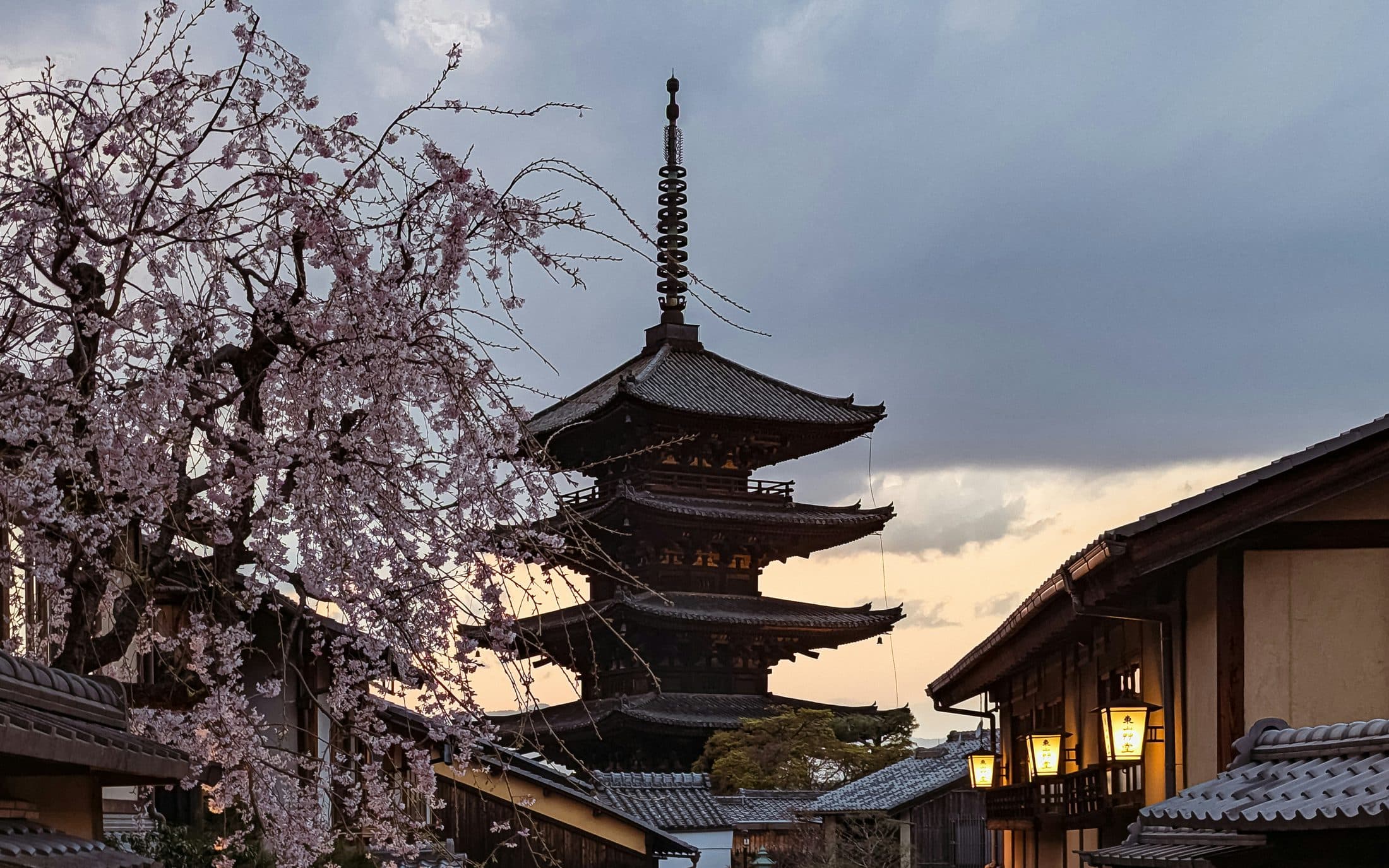 Kyoto, Osaka & NaraBest: Apr · May · Oct · NovPhotographers joining
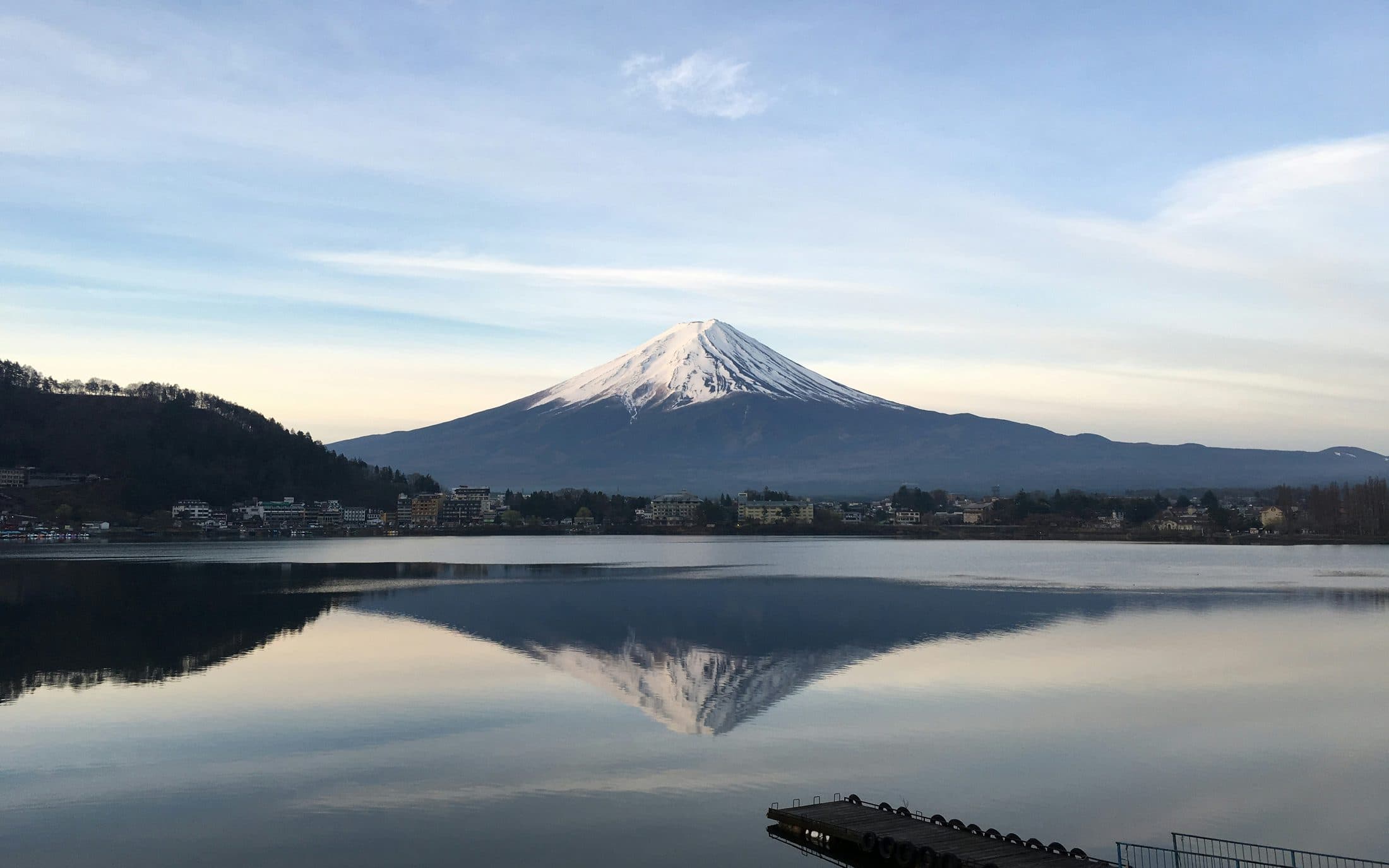 Mount Fuji & HakoneBest: Apr · May · Oct · NovPhotographers joining
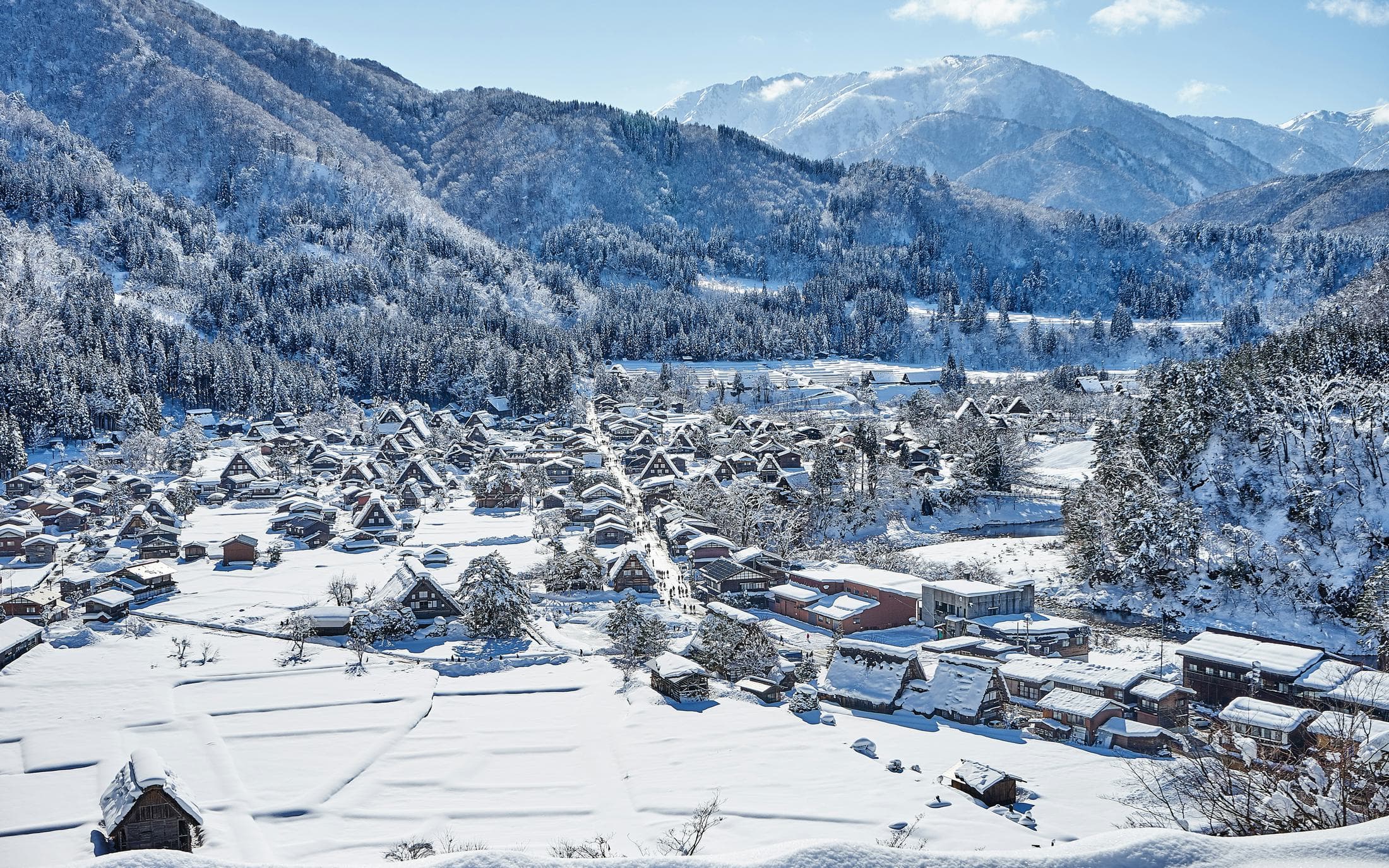 Kanazawa & the Japan AlpsBest: Apr · May · OctPhotographers joining
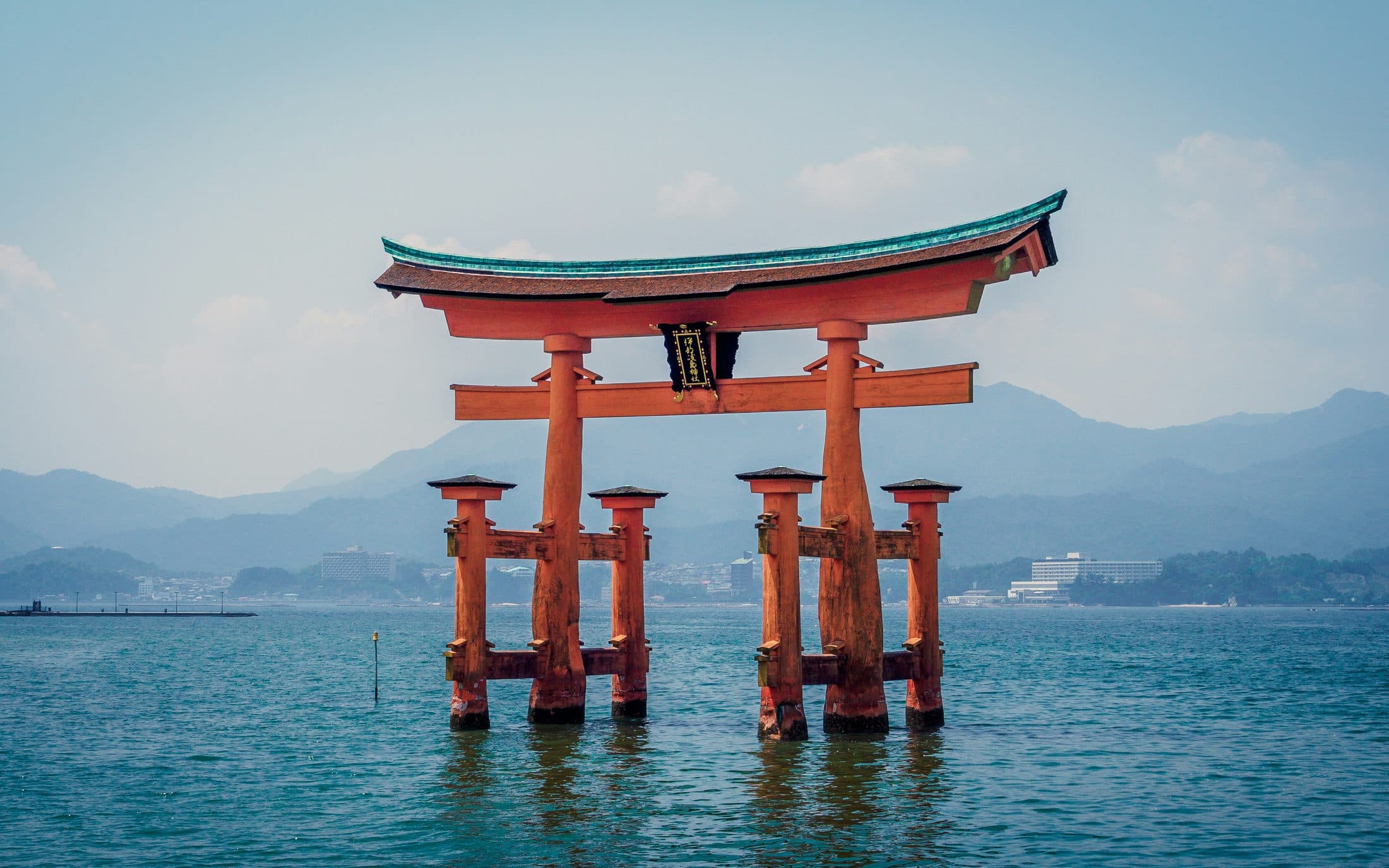 Hiroshima & MiyajimaBest: Apr · May · Oct · NovPhotographers joining
 HokkaidoBest: Jun · Jul · Aug · SepPhotographers joining
 OkinawaBest: Mar · Apr · Oct · NovPhotographers joining