Getting married at Mount Fuji & in Hakone
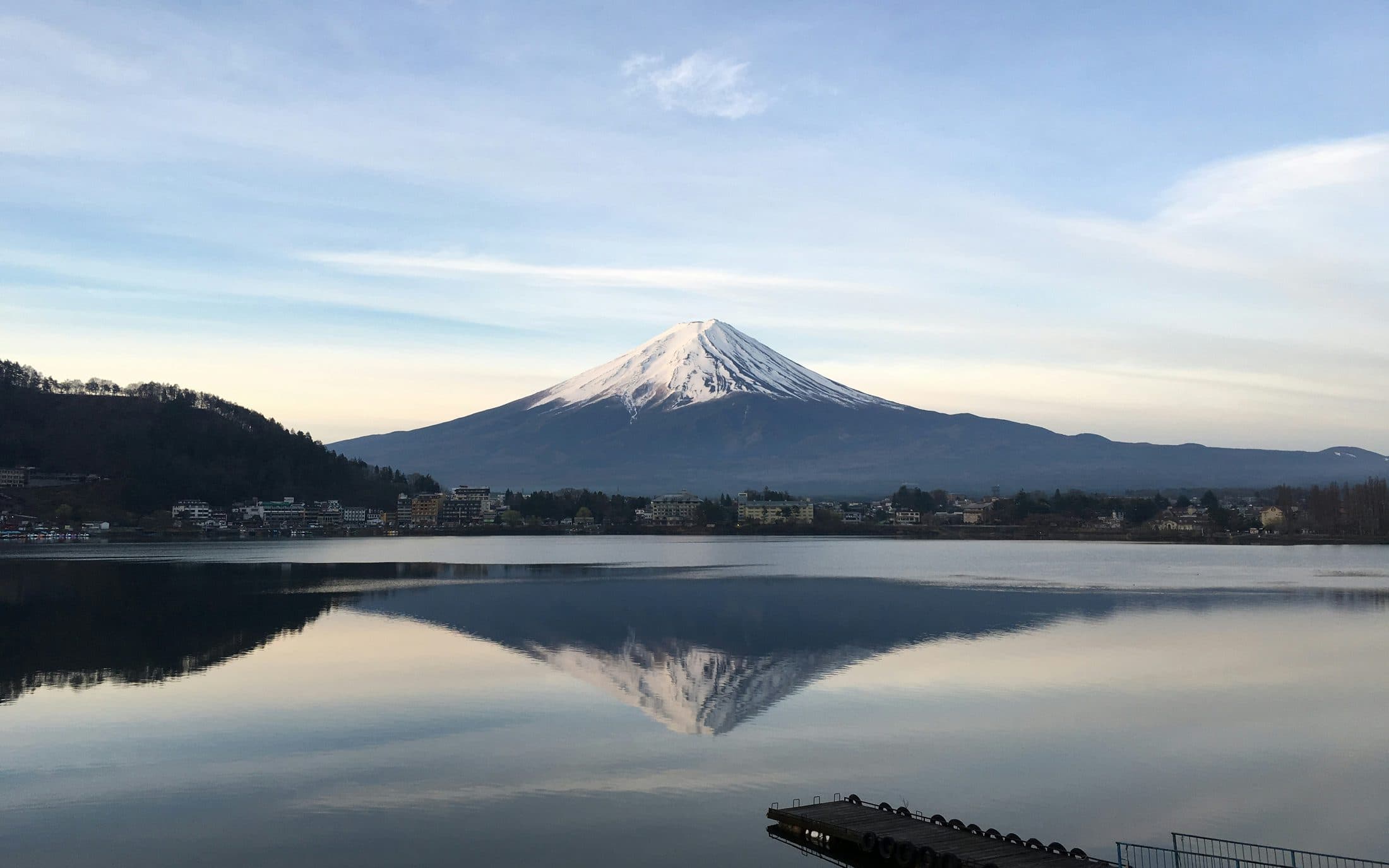
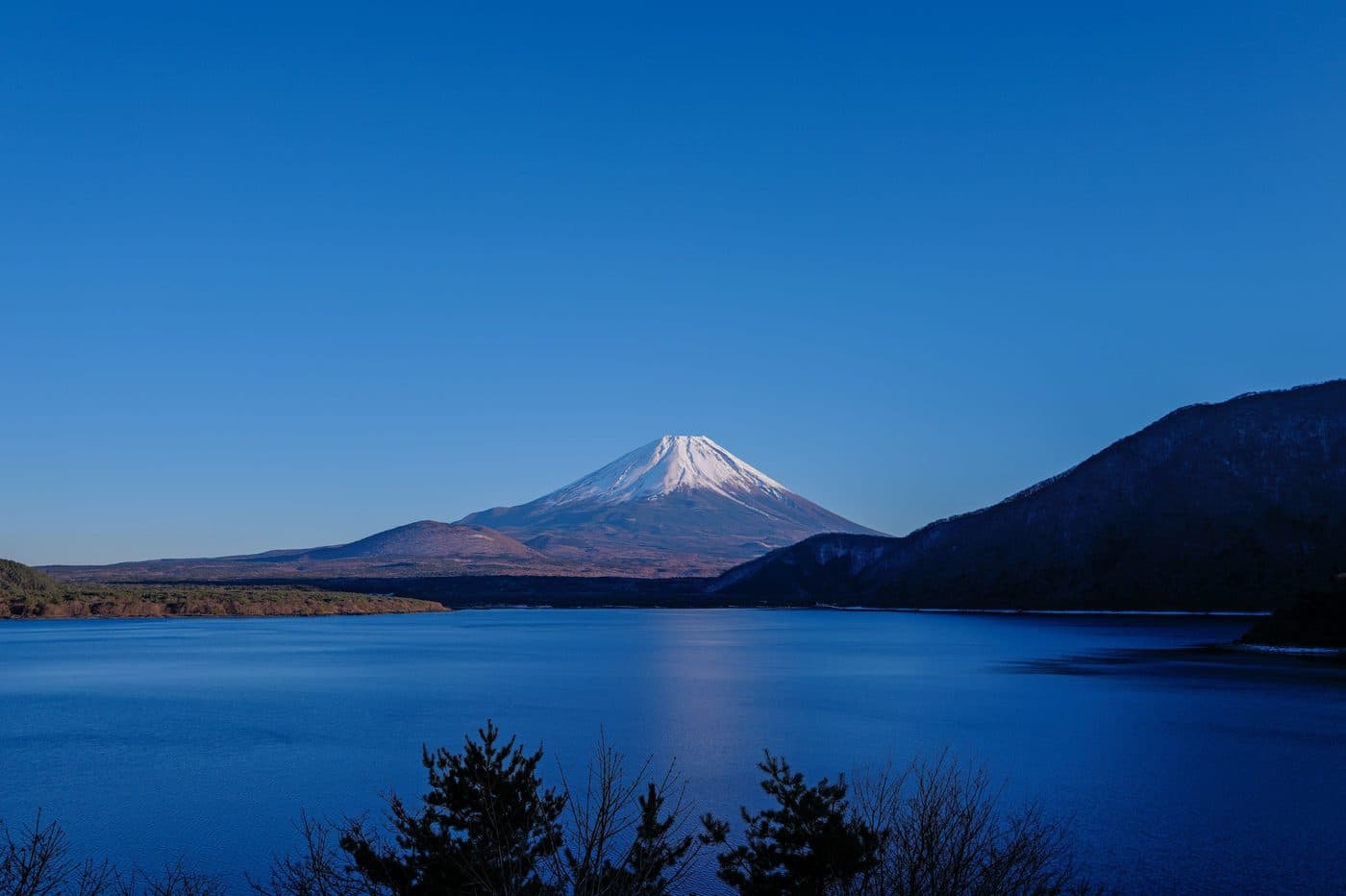
Japan’s highest mountain, 3,776 m, and the lakes at its northern foot — Lake Kawaguchi’s north shore with Fuji across the water, Lake Yamanaka, the spring-fed ponds of Oshino Hakkai and Lake Motosu to the west — and, over the hills to the south-east, Hakone: Lake Ashi and the Hakone Shrine’s torii standing in the water, the steaming valley of Owakudani and the cedars of the old Tokaido road at Moto-Hakone.
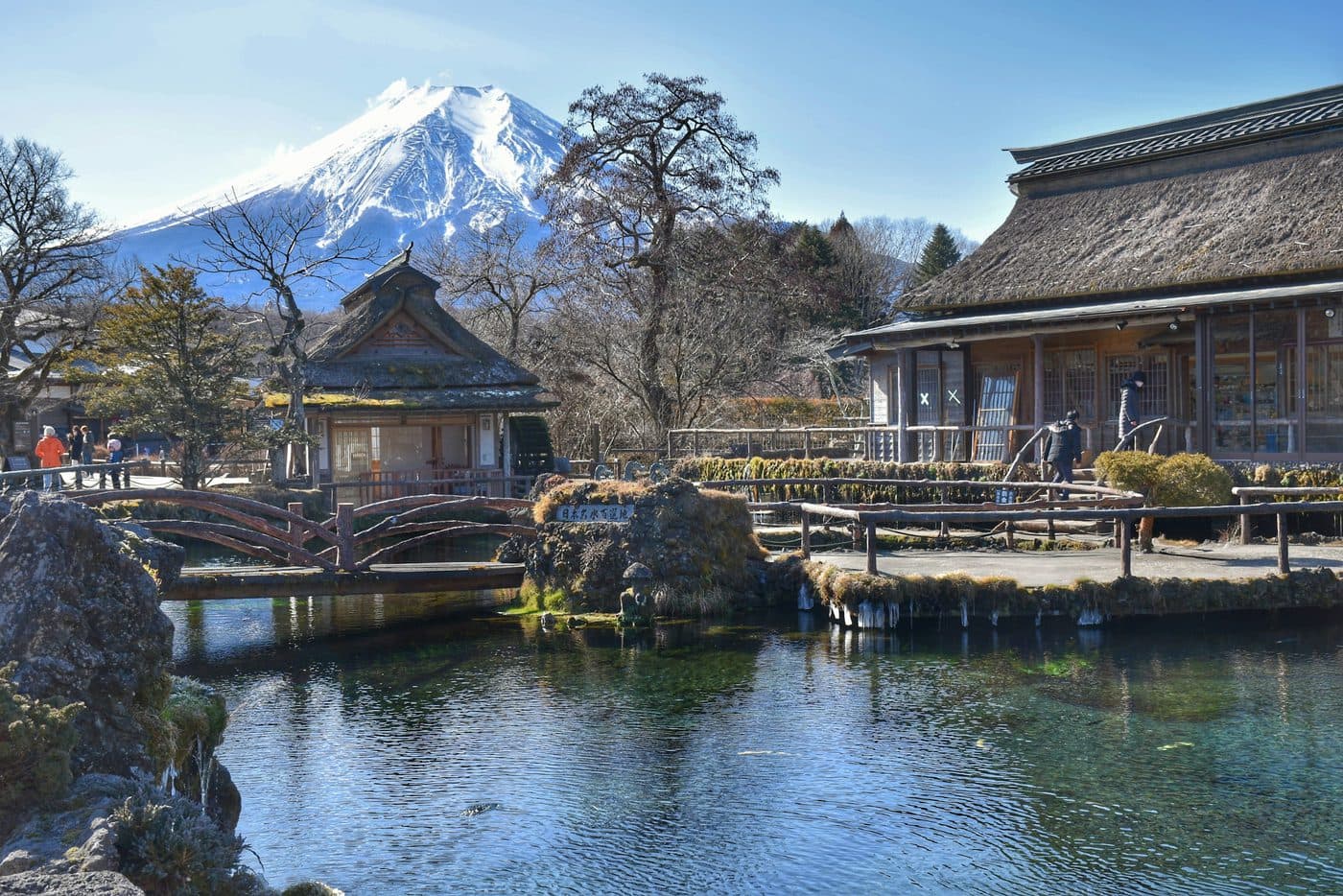
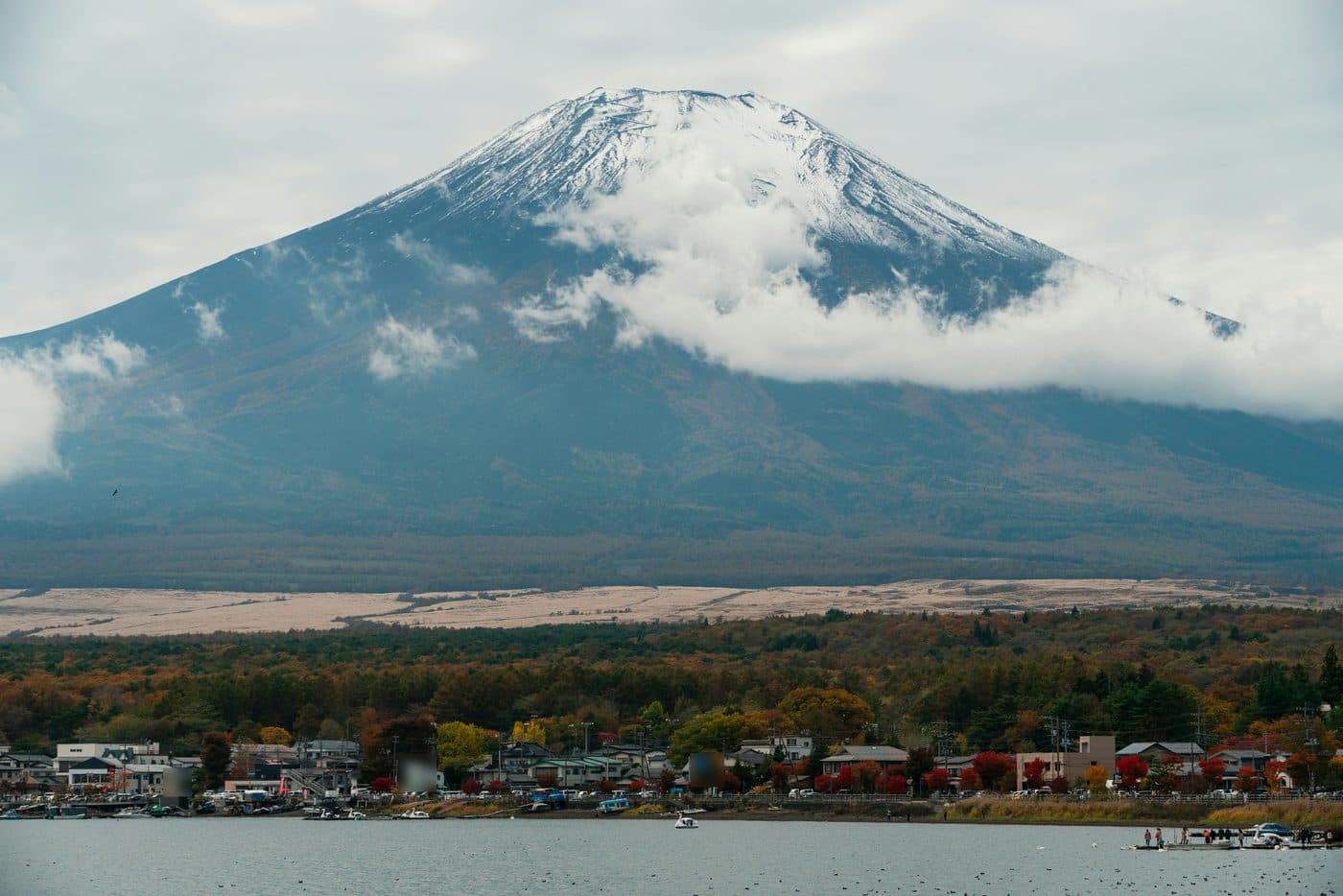
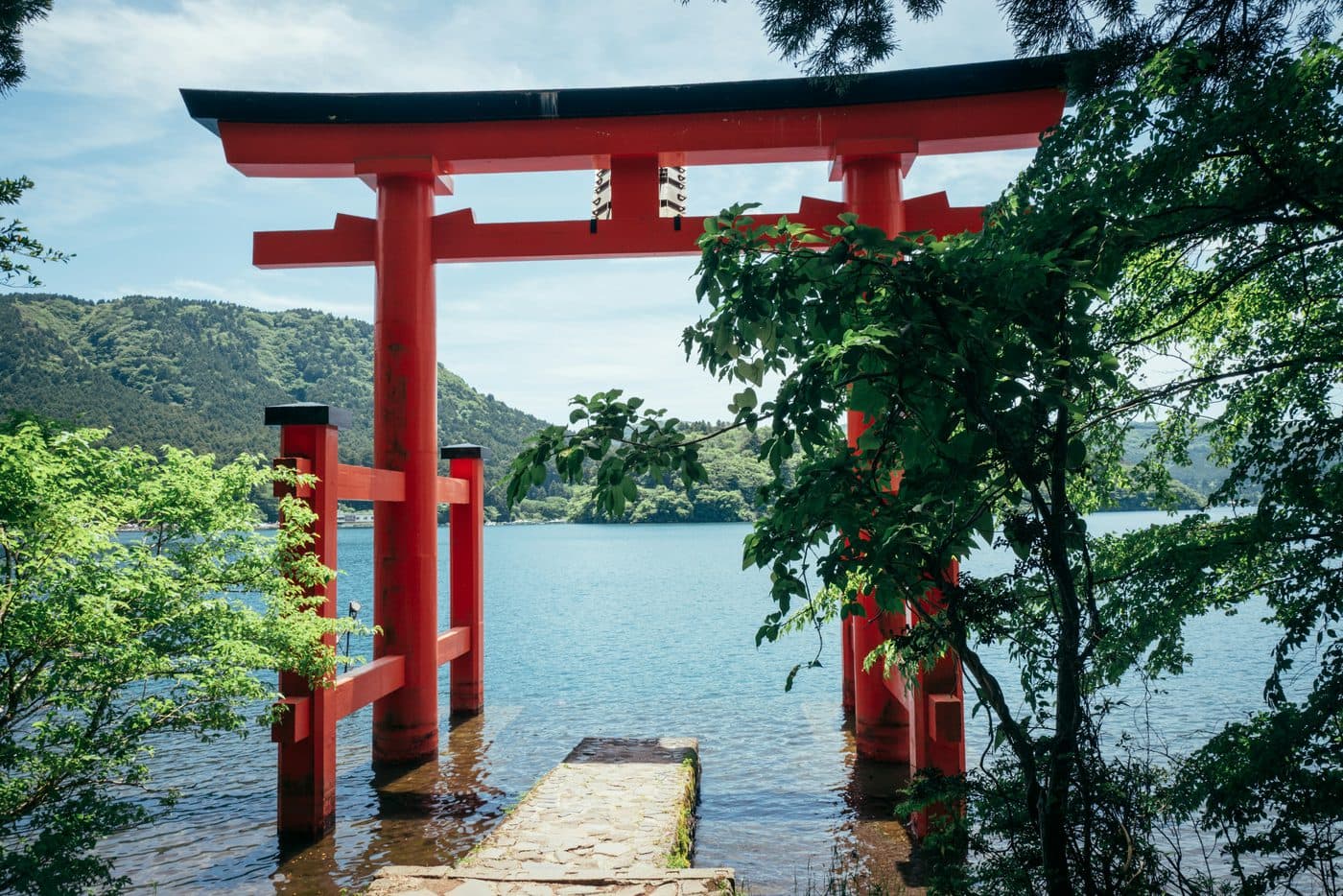
UNESCO inscribed Fujisan in 2013 as a sacred place and a source of artistic inspiration — the solitary, often snow-capped volcano that has drawn pilgrims for centuries and that artists, from the woodblock prints of the 19th century on, made known across the world — and its 25 component sites include Lake Kawaguchi, Lake Yamanaka, the eight spring ponds of Oshino Hakkai and the shrines at the mountain’s foot. On Lake Kawaguchi’s north shore, a lakeside path runs past the town’s art museums, open at all hours and flat, with Fuji across the water and cherry blossom in spring and red leaves in autumn; Yagisaki Park, on the same lake, has lawns, lavender and cherry trees. Kawaguchi Asama-jinja, held to have been founded after the eruption of 864, keeps seven cedars said to be about 1,200 years old, a natural monument of Yamanashi Prefecture. Across the hills to the south-east, Hakone Shrine stands where its first buildings were raised by Lake Ashi in 757, and its Heiwa no Torii stands in the lake itself: built in 1952 to mark the investiture of the then Crown Prince and the peace treaty that restored Japan’s independence, it has carried the word “peace” on its plaque since 1964. Above the lake, Owakudani is the steaming vent area of Hakone’s active volcano, from which Fuji can be seen on clear days, and at Moto-Hakone stands the cedar avenue of the old Tokaido road. At the eastern end of the lakes, in Fujiyoshida, the five-storey pagoda of Arakurayama Sengen Park, the Chureito, was built as a memorial to the war dead: it is not a backdrop for wedding photographs.
Couples come here mostly for the portraits — Fuji across a lake at first light, the torii in Lake Ashi, kimono or a wedding dress against the snow on the mountain — after marrying at a city office or at home; and Hakone Shrine holds Shinto weddings (shinzen-shiki) for couples on their own or with their families, starting at 9:15, 10:30, 11:45, 13:30, 14:45 or 16:00, for an offering of 50,000 yen or more with recorded music, or 150,000 yen or more with three musicians playing live (as of November 2026), booked at the shrine office, by telephone or by fax; the time for photographs in the grounds is not part of the ceremony, so plan it on top. In Japan there is no civil ceremony: a marriage is legal when a city, ward, town or village office (shiyakusho, kuyakusho) accepts your notification of marriage (kon’in todoke), signed by you both and by two witnesses aged 18 or over, of any nationality, and a shrine, temple or chapel wedding has no legal effect on its own; couples from abroad can marry here legally, neither of you needing to live in Japan, by handing it in, free of charge, at the office of the place where you are staying, each with your passport and a certificate of legal capacity to marry (kon’in yoken gubi shomeisho) from your own country’s embassy or consulate in Japan — or the document it issues instead — and Japanese translations naming the translator, and the day you hand it in, once it is accepted, is your wedding date; the office’s certificate of acceptance (juri shomeisho; usually 350 yen, or 1,400 yen on fine B4 paper, as of November 2026) is the proof you register at home as your own country requires, and same-sex couples cannot marry in Japan, though some prefectures and municipalities, Tokyo among them, issue partnership certificates that carry none of the legal effects of marriage.
Through the year
When to marry at Mount Fuji & in Hakone
April and May, October and November are the easiest months, and December to February bring the clearest skies, at a price in cold. In the Japan Meteorological Agency’s 1991–2020 normals for Kawaguchiko, the station 860 m up at Funatsu, by Lake Kawaguchi, under 1 km west of Kawaguchiko station, highs are about 16 °C in April, 21 °C in May, 18 °C in October and 14 °C in November, with nights of 4, 9, 9 and 2 °C, and rain of 1 mm or more falls, by JMA’s own count, on 7 to 10 days a month. December, January and February have the most sun of the year, 191 to 212 hours, and rain on only about 5 days, but highs of 6 to 9 °C and nights of −3 to −6 °C. From June to September the sky is greyer: the sun shines only 122 to 165 hours a month and rain falls on 10 to 12 days.
- January: Good with planning
- February: Good with planning
- March: Quieter
- April: Best
- May: Best
- June: Quieter
- July: Quieter
- August: Quieter
- September: Quieter
- October: Best
- November: Best
- December: Good with planning
- April and MaySpring comes late at 860 m: April reaches 16 °C by day, but nights are still about 4 °C and a little snow can still fall (4 cm in April, on average); May reaches 21 °C, with nights of 9 °C. Rain falls on 8 or 9 days a month, and the sun shines about 181 to 186 hours. JMA keeps no cherry or maple record at the lakes, so no average flowering date is given here.
- June to SeptemberThe rainy season (tsuyu) runs, on JMA’s 1991–2020 normals for the Kanto-Koshin region, from about 7 June to about 19 July. July and August reach 27 to 28 °C by day with nights of about 18 °C and a humidity of 81 %, and the station records fog on 3 or 4 days a month; September is the wettest month of the year, with 265 mm, and typhoons come closest in August (0.8 a year within 300 km of the region) and September (1.2). Hakone is far wetter than the lakes: JMA’s rain gauge there, 855 m up, records 3,561 mm a year, about 420 mm and rain on 16 days in each of June and July.
- October and NovemberOctober reaches 18 °C by day with nights of 9 °C and rain on 10 days, 230 mm; November dries out, at 14 °C by day and 2 °C at night, with rain on 7 days and 166 hours of sun. These are also the months with the most fog at the station, 6 to 7 days each. Yamanashi’s tourism body gives late October to mid-November as the usual peak of the autumn colours around Fujiyoshida, at the lakes’ eastern end.
- December to MarchThe sunniest and coldest months: 191 to 212 hours of sun from December to February and rain on only about 5 days, but highs of 6 to 9 °C, and frost on 21 to 30 nights a month from December to March. Snow falls too, about 37 cm in January, 28 cm in February and 20 cm in March on average, so dress for the cold, keep a warm car or room close by and leave time for icy roads.
In numbers
- UNESCO World Heritage
Weather station: Kawaguchiko, normals 1991–2020 · Checked 7 November 2026
Places
Where couples marry here
The kinds of places — ask your photographer which ones they know well.
Lake Kawaguchi
The lakeside path on the north shore is a public path, open at all hours and with no closing day, and the town’s tourism federation describes it as flat and quiet, with points where Fuji rises across the lake; Yagisaki Park, on the same shore, has a lawn and paths among the lavender and the cherry trees. Kawaguchi Asama-jinja is open from 9:00 to 16:00 every day; it publishes no rules on portrait sessions, so ask the shrine first. The Fuji Five Lakes Tourism Federation asks visitors not to step into the road to take photographs, to keep to the pavement and the crossings, and not to enter private land to take pictures, rest or eat — keep that in mind on the lake roads, where the views open between houses and fields. The town publishes no permit for a portrait session on the shore; for anything larger than a couple and a photographer, ask its tourism office.
Oshino Hakkai, Lake Yamanaka and Lake Motosu
Oshino Hakkai’s eight ponds, fed by springs at the foot of the mountain, are each listed by UNESCO among Fujisan’s 25 component sites, as is Lake Yamanaka; Oshino is 11 km by road from Kawaguchiko station, Lake Yamanaka 16 km and Lake Motosu, the westernmost of the Five Lakes, 22 km. The village publishes no rules for portrait sessions at the ponds: arrive early, keep to the paths and ask before you set up anything. Fujiyoshida’s Arakurayama Sengen Park, at the other end of the lakes, holds the Chureito, built as a memorial to the war dead; we don’t suggest it for wedding photographs.
Hakone Shrine and Lake Ashi
Hakone Shrine was founded on the shore of Lake Ashi in 757, and its Heiwa no Torii stands in the water below the shrine. Its wedding office is at the shrine office, open from 8:30 to 16:00, and it will show couples the ceremony hall on request, when no wedding is taking place, so call first. Weddings start at 9:15, 10:30, 11:45, 13:30, 14:45 or 16:00, some dates are taken by the shrine’s own festivals, and couples marrying on their own or with only their families are welcome. The shrine’s site gives no rules on photographs at the torii or on portrait sessions in the grounds: ask the office when you book.
Owakudani and the old Tokaido road
Owakudani is the steaming vent area of Hakone’s active volcano, one of Kanagawa’s 50 scenic spots, and its volcanic gases — hydrogen sulphide and sulphur dioxide — are measured around the clock: when they pass the limits, a warning is broadcast and visitors may be asked to shelter indoors, and the prefecture asks people with asthma, bronchial or other breathing illnesses or with a pacemaker not to visit at all. The 700 m nature trail beside the vents, closed after the volcanic activity of 2015, reopened on 28 March 2022 for guided groups only: about 40 minutes, four times a day, 30 people each, booked online in advance, 800 yen paid by card or electronic money, not for people with heart or breathing illness or anyone who couldn’t run away unaided, and cancelled when the gas is high or the weather bad. Down at Moto-Hakone, on Lake Ashi, stands the cedar avenue of the old Tokaido road; the prefecture’s walking guide to the old road names it among the views of the route, with Fuji seen from the lake.
Light
How the light falls
Japan keeps one clock all year, with no summer time. At midsummer at Lake Kawaguchi the sun rises at about 4:30 and sets at about 19:05, in the west-north-west; it is still ten degrees up at about 18:05, and civil twilight lasts until about 19:35. In mid-April it sets at about 18:20, mid-May about 18:40, mid-October about 17:10 and mid-November about 16:40; at midwinter it is up from about 6:50 to 16:35 and climbs no higher than about 31 degrees. From the north shore the summit is about 18 km away, a little west of due south, so from October to February the midday sun stands almost straight behind it and the mountain is seen against the light; at 9:00 in mid-November the sun is in the south-east, about 140°, and at 15:00 in the south-west, about 230°, to one side of the peak. At Hakone Shrine the times are within two minutes of these.
Travel
Getting there
Kawaguchiko station is 111 km by road from Tokyo Station and 124 km from Haneda Airport; the direct Fuji-Excursion limited expresses from Shinjuku take just under two hours (in JR East’s November 2026 timetable, 7:30 from Shinjuku reaches Kawaguchiko at 9:28, and 11:34 arrives at 13:31). From the station, Oshino Hakkai is 11 km by road, Lake Yamanaka 16 km, Lake Motosu 22 km and Hakone Shrine 59 km. Hakone Shrine is 103 km by road from Tokyo Station; from Shinjuku, Odakyu’s Romancecar reaches Hakone-Yumoto in about an hour and a half (85 to 100 minutes in its timetable from 14 March 2026), and the shrine is 17 km by road from Hakone-Yumoto and 10 km from Owakudani. Drones fly under Japan’s Civil Aeronautics Act as the Ministry of Land, Infrastructure, Transport and Tourism (MLIT) applies it: every drone of 100 g or more flown outdoors must be registered on MLIT’s DIPS 2.0 system — a visitor’s too, even one registered abroad — and carry its registration number and a Remote ID transmitter; without MLIT’s permit or approval, applied for on DIPS 2.0, you may not fly above 150 m, around airports, over densely inhabited districts (DID: the built-up areas of towns and cities), at night, out of your own sight, within 30 m of other people or their buildings and vehicles, or over festivals and events; and the Small Unmanned Aircraft Act, which the police enforce, bans flights over and within about 1,000 m of the Imperial Palace and the other sites it lists — the National Diet, the Prime Minister’s Office, designated embassies and defence sites, eight major airports and nuclear plants — while parks, shrines, temples and towns may ban drones on their own ground. The lakes and Hakone lie in the Fuji-Hakone-Izu National Park: ask the town, the shrine or the land’s owner before you fly.
Photographers
Photographers at Mount Fuji & in Hakone
No one at Mount Fuji & in Hakone yet
The first photographers at Mount Fuji & in Hakone are joining now. Tell our concierge your date and your plans — it checks who is free and fits.
Plan
Read before you plan
- Getting married in Japan as foreigners: the notification of marriage, your embassy’s certificate, the city officeHow couples from abroad marry legally in Japan: no residence needed, the notification of marriage (kon’in todoke) at a city or ward office, two witnesses, the certificate of legal capacity from your embassy and its Japanese translation, the night and holiday desks, the certificate of acceptance and its fee, marrying at your own embassy, Shinto, temple and chapel weddings, same-sex couples and partnership certificates, the apostille and registering at home, and the symbolic route.
- How to choose a wedding photographer: the steps, and the questions to askThe decision in order — whole weddings, style, availability, the package, the contract and deposit, cancellation, delivery and a conversation — then a checklist of questions, with why each one matters.
- A wedding-day timeline for photosFrom getting ready to the last dance, planned around the light.
- Deposits and payment protectionWhat you pay when, and what happens if plans change.
- Which country for a destination wedding? The law, prices, crowds and light, comparedThe legal route for couples who don’t live there, season and crowds, price levels, light, flights, venues and permits for photographs — Portugal, Italy, Spain, Greece, France and Austria compared with official figures, as of October 2026.
- A rain plan that still looks goodCovered spots, umbrellas and what photographers do on grey days.
- Wedding photography contract checklist: what it should say, and how Lens & Vows handles each pointThirteen things a good contract covers — the day and the hours, what is delivered, deposit and balance, cancellation on either side, date changes, illness, image rights, personal data, backups, travel, overtime and complaints — and what our terms say about each.
Japan
Other places
 Tokyo & YokohamaBest: Apr · May · Oct · NovPhotographers joining
 Kyoto, Osaka & NaraBest: Apr · May · Oct · NovPhotographers joining
 Kanazawa & the Japan AlpsBest: Apr · May · OctPhotographers joining
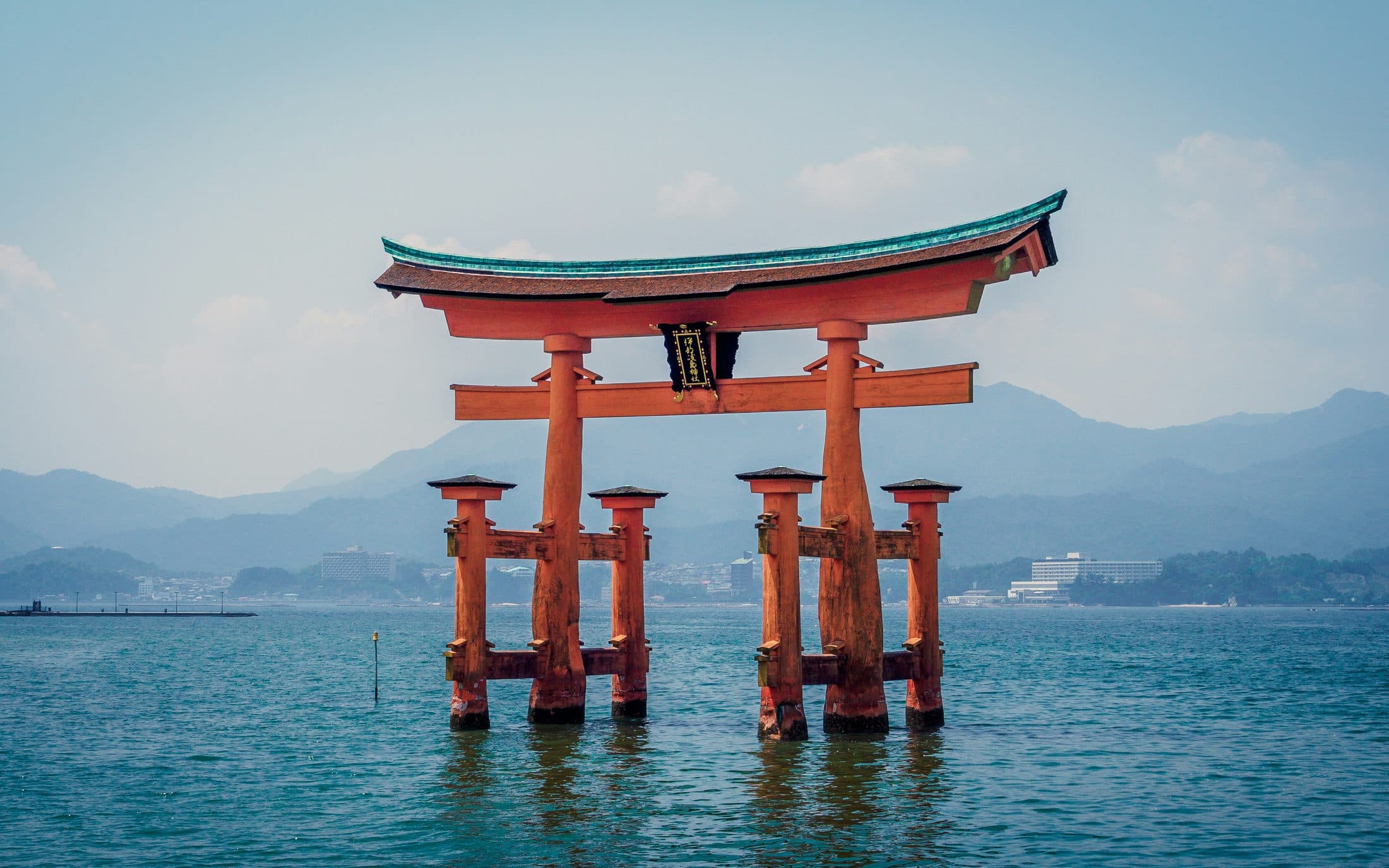 Hiroshima & MiyajimaBest: Apr · May · Oct · NovPhotographers joining
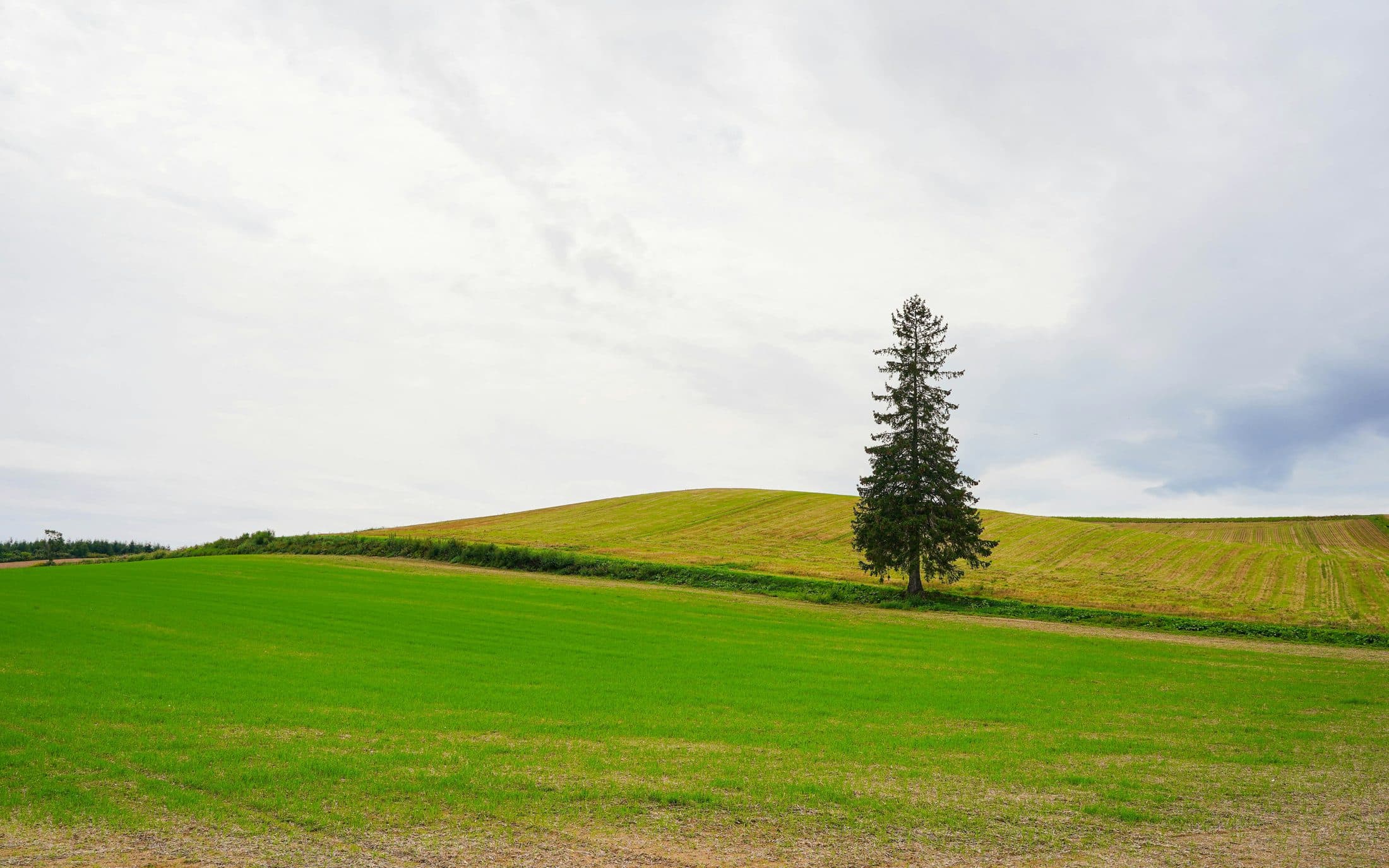 HokkaidoBest: Jun · Jul · Aug · SepPhotographers joining
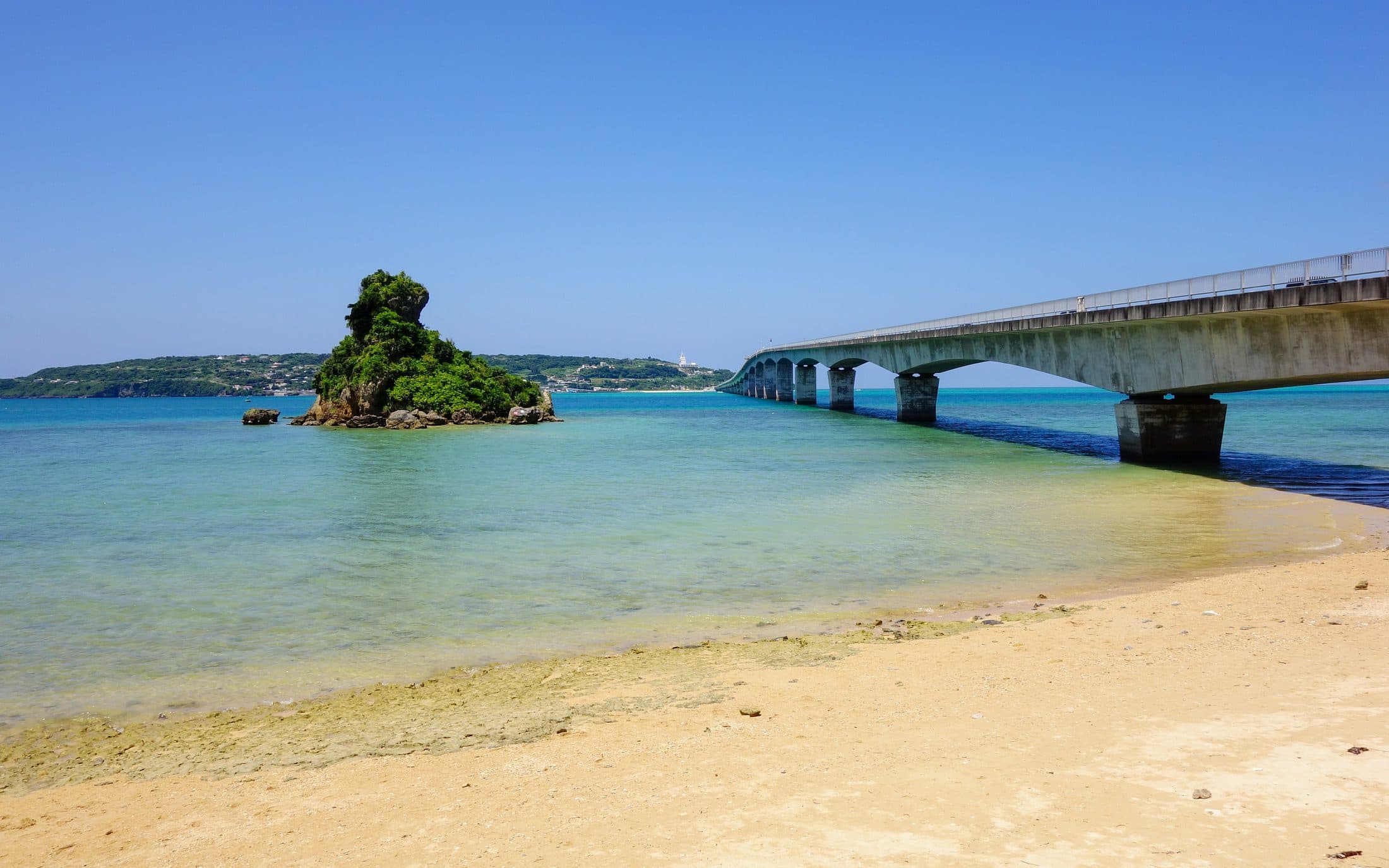 OkinawaBest: Mar · Apr · Oct · NovPhotographers joining