Getting married in Hiroshima & on Miyajima
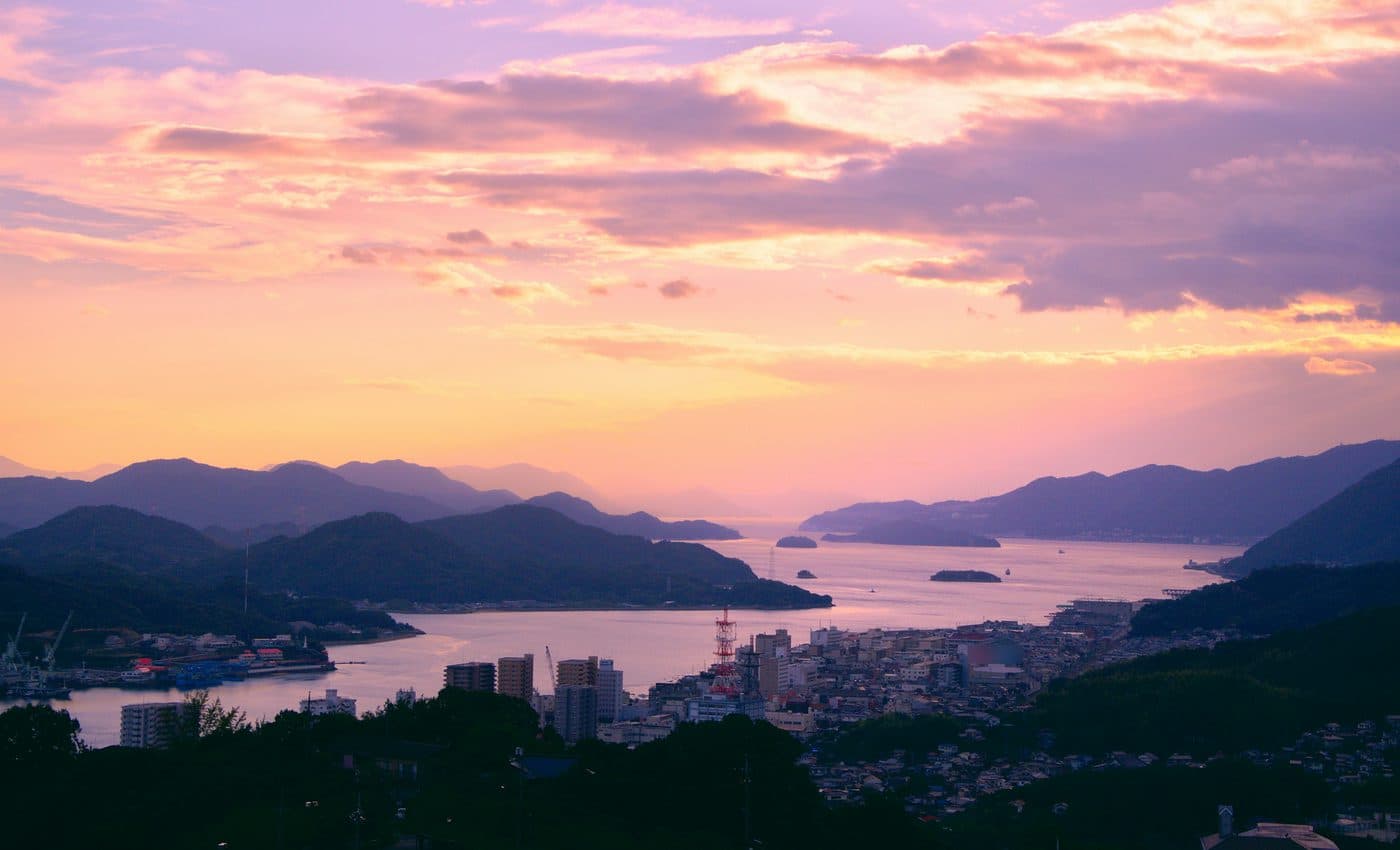
The holy island of the Seto Inland Sea and the city across the strait: Itsukushima Shrine built out over the tide on Miyajima, its great torii standing in the sea at high tide and on the sand at low tide, the primeval forest of Mount Misen above it and the maple valley of Momijidani, Hiroshima’s Shukkei-en garden and its castle inside the moat, and, 85 km east by road, Onomichi’s hill of temples above its channel and the Shimanami Kaido, the chain of bridges across the islands to Shikoku.
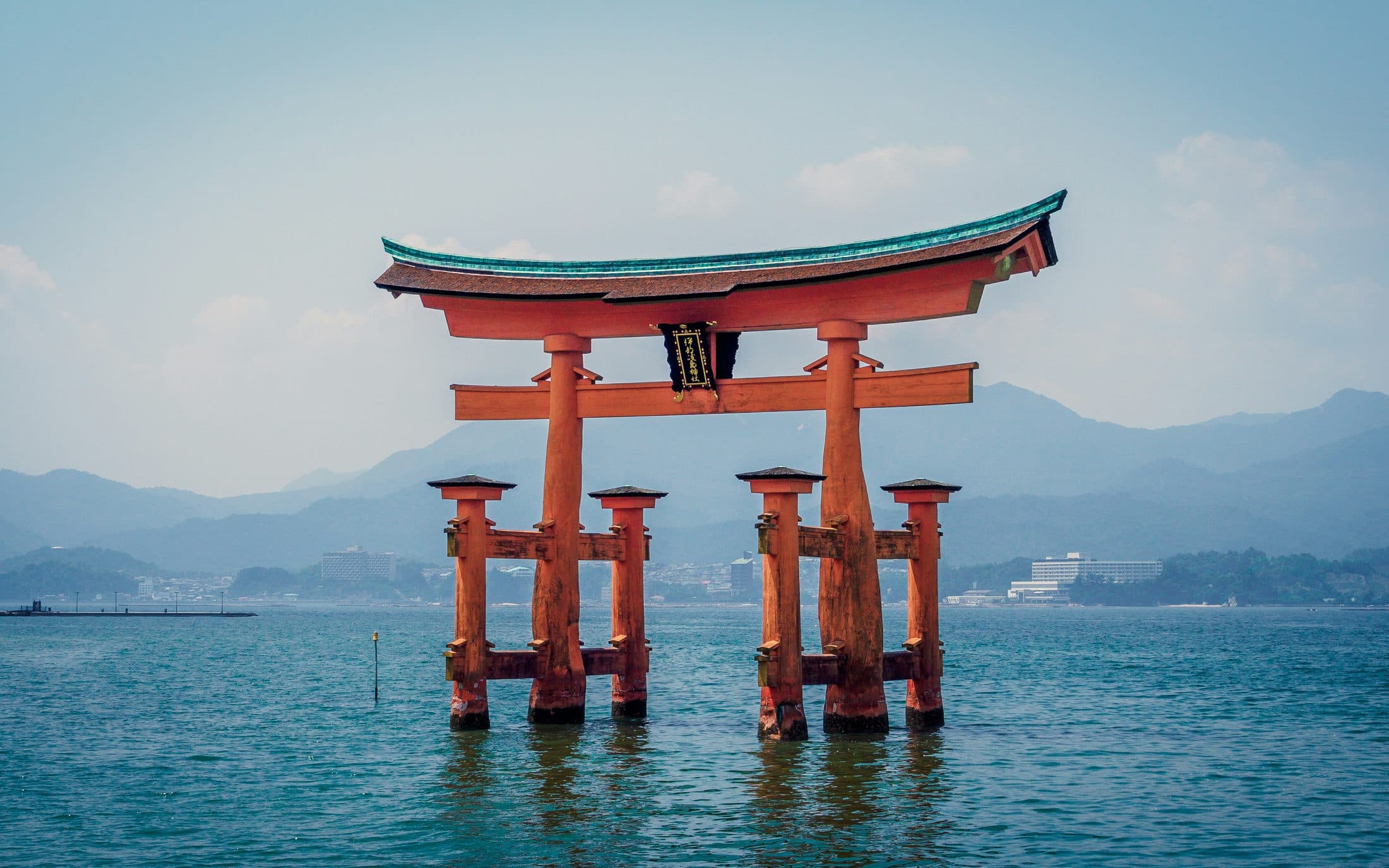
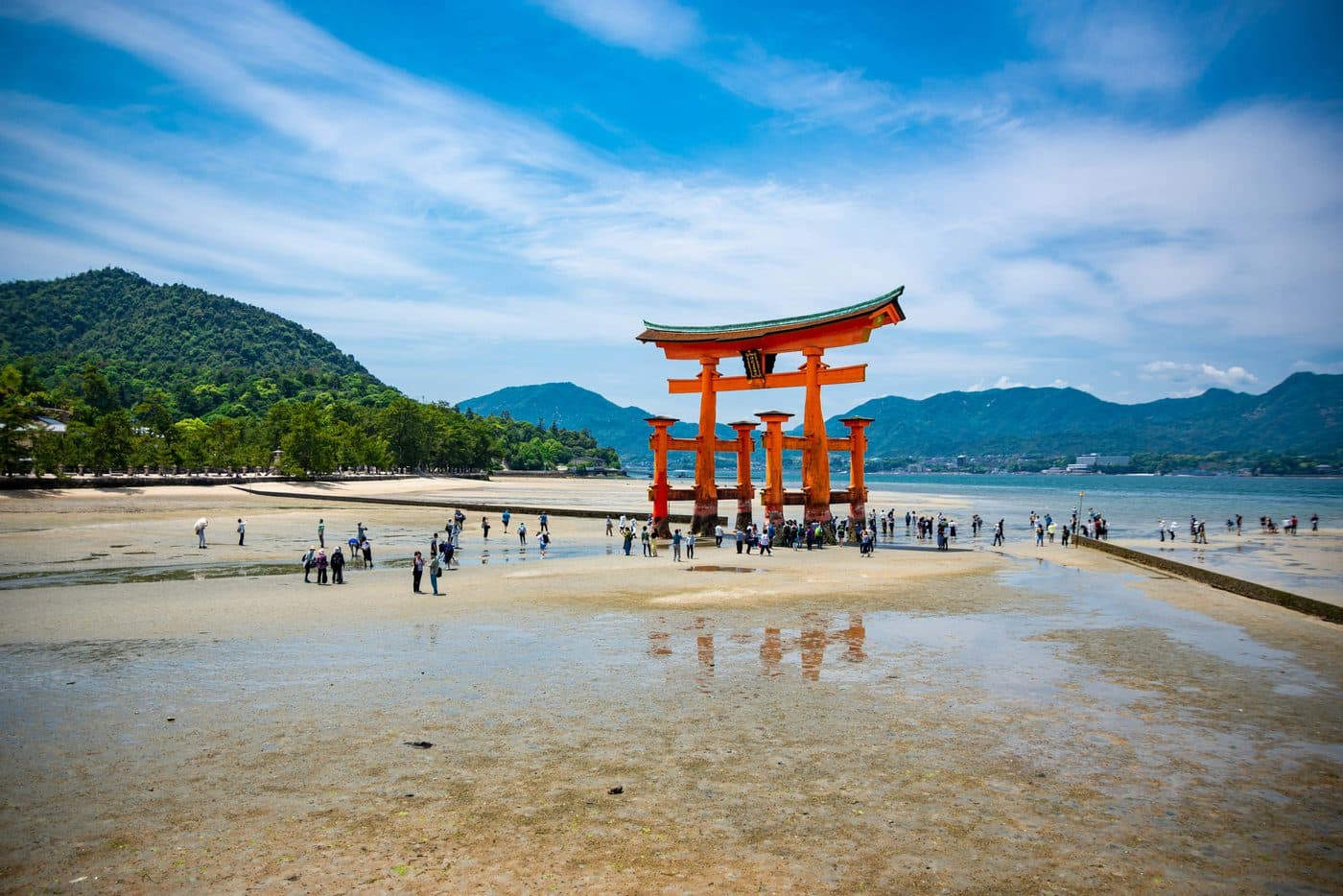
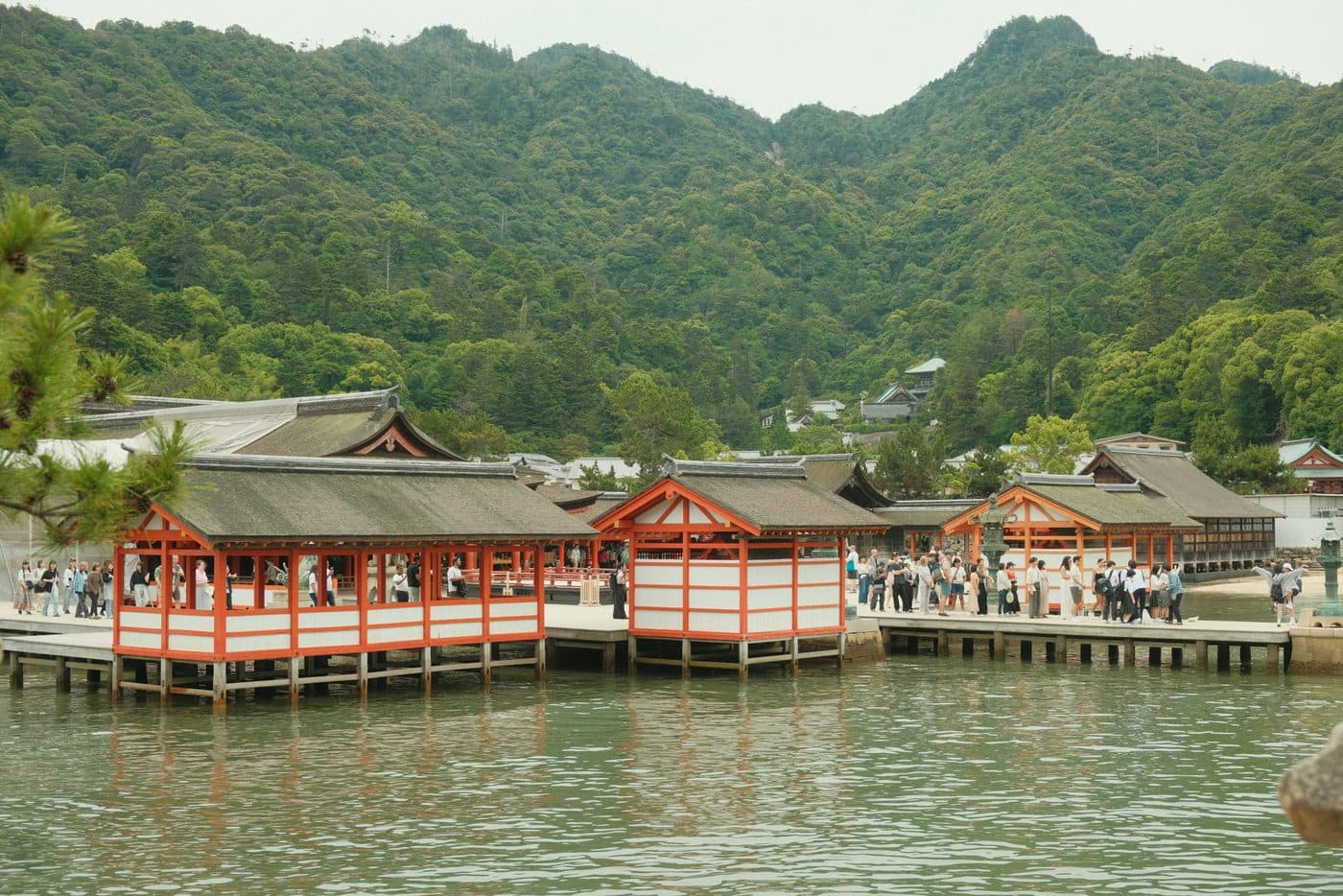
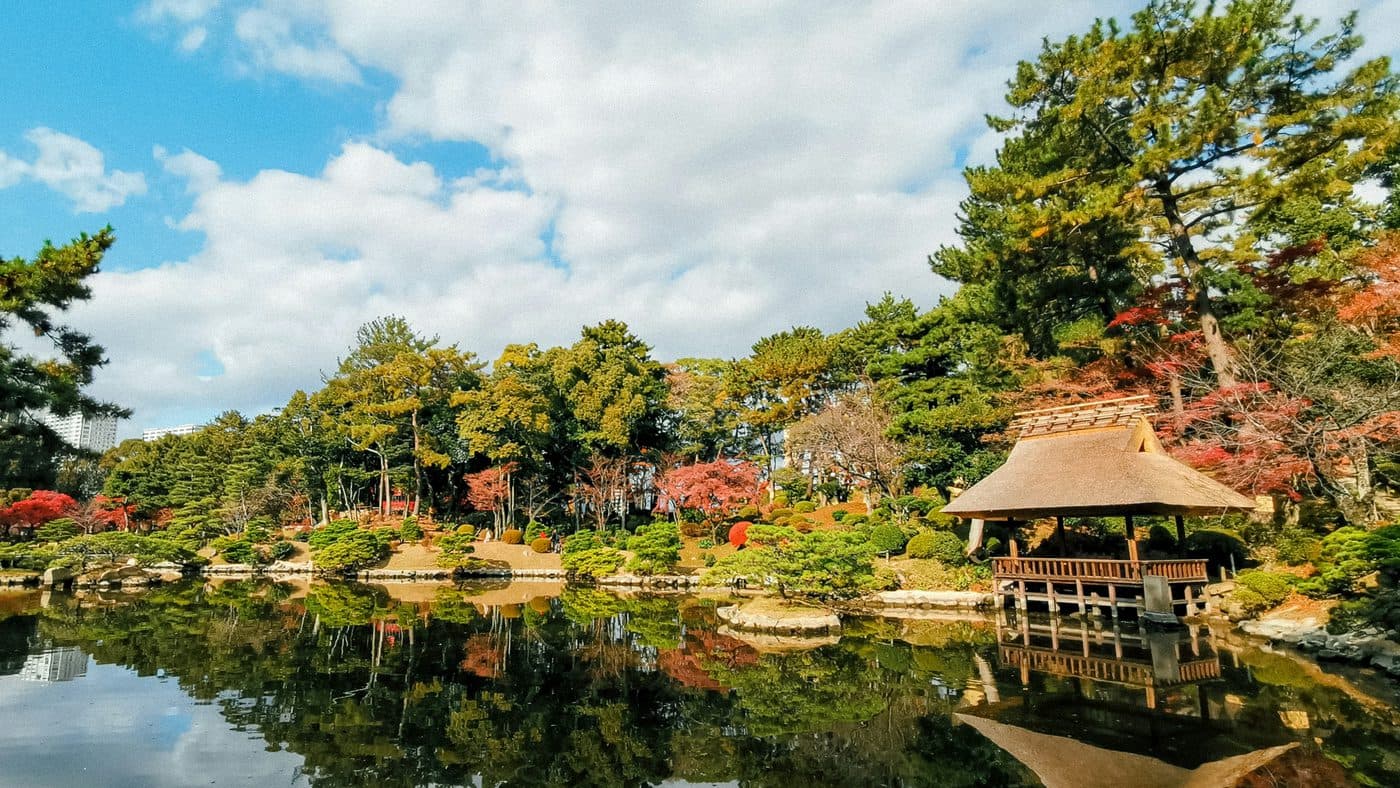
Itsukushima Shrine dates, by its own account, from 593, and has been on the World Heritage List since 1996: in UNESCO’s words, the island has been a holy place of Shintoism since the earliest times, the present shrine dates from the 12th century, and it plays on the contrasts between mountains and sea. The main shrine is made up of 37 buildings and the outer shrine of 19 more, on both sides of the shore, and their corridors stand on piers over the water. At high tide the whole complex seems to float, and at low tide ponds open in the sand and you can walk right up to the great torii, which stands in the sea in front of the shrine with Mount Misen behind it; its repairs, begun in June 2019, ended in December 2022. Above the shrine, the evergreen forest of Mount Misen has been a natural monument since 1929 and is part of the World Heritage site, and a ropeway climbs to the summit from Momijidani, the park of maples in the valley behind the town. Across the strait, Hiroshima’s Shukkei-en is a daimyo garden laid out in 1620 round a pond, a national Place of Scenic Beauty, badly damaged by the atomic bomb in 1945 and restored, 400 years old in 2020; under a kilometre to the west, Hiroshima Castle stands inside its moat on the delta of the Ota River. Further east along the Seto Inland Sea — a national park since 1934, Miyajima included — Onomichi climbs from its narrow channel to Senkoji Park, about 1,500 cherry trees on a hill 144 m high, and from the station the Shimanami Kaido carries a 70 km cycle route across the islands and their bridges to Imabari on Shikoku.
Couples marry here at Itsukushima Shrine, which holds Shinto weddings booked by telephone alone, or at the city office, and many come for the portraits: kimono and white wedding dress on the shore before the torii at the turn of the tide, in Shukkei-en under the maples or the cherry blossom, below the castle and on Onomichi’s slopes above the sea. In Japan there is no civil ceremony: a marriage is legal when a city, ward, town or village office (shiyakusho, kuyakusho) accepts your notification of marriage (kon’in todoke), signed by you both and by two witnesses aged 18 or over, of any nationality, and a shrine, temple or chapel wedding has no legal effect on its own; couples from abroad can marry here legally, neither of you needing to live in Japan, by handing it in, free of charge, at the office of the place where you are staying, each with your passport and a certificate of legal capacity to marry (kon’in yoken gubi shomeisho) from your own country’s embassy or consulate in Japan — or the document it issues instead — and Japanese translations naming the translator, and the day you hand it in, once it is accepted, is your wedding date; the office’s certificate of acceptance (juri shomeisho; usually 350 yen, or 1,400 yen on fine B4 paper, as of November 2026) is the proof you register at home as your own country requires, and same-sex couples cannot marry in Japan, though some prefectures and municipalities, Tokyo among them, issue partnership certificates that carry none of the legal effects of marriage.
Through the year
When to marry in Hiroshima & on Miyajima
April and May, October and November are the months to marry here. In the Japan Meteorological Agency’s (JMA) 1991–2020 normals for Hiroshima, its observatory 3.6 m up in the city, 0.6 km from Shukkei-en and 17 km from the torii, highs reach 19.8 °C in April and 24.4 °C in May, 23.7 °C in October and 17.7 °C in November, and rain of 1.0 mm or more falls on about 9 days in April and May and 6 in October and November; May is the sunniest month of the year, with 211 hours. The rainy season in this part of Japan runs, in JMA’s normals, from about 6 June to about 19 July, and July is the wettest month, with 280 mm; August is the hottest, with highs of 32.8 °C, 27 days of 30 °C or more and 18 nights that stay above 25 °C. March and December work with care: highs of 14.5 °C and 12.1 °C, rain on 9 and 6 days.
- January: Quieter
- February: Quieter
- March: Good with planning
- April: Best
- May: Best
- June: Quieter
- July: Quieter
- August: Quieter
- September: Quieter
- October: Best
- November: Best
- December: Good with planning
- March to MayIn JMA’s normals the cherry trees in Hiroshima open their first flowers on about 25 March and are in full bloom on about 3 April; highs climb from 14.5 °C in March to 19.8 °C in April and 24.4 °C in May, with rain on about 9 days a month. By mid-April the sun sets at about twenty to seven and by mid-May at about five past seven. The castle’s rebuilt Ninomaru takes no wedding photo shoots in the Golden Week holidays at the turn of April and May.
- June to SeptemberThe rainy season, from about 6 June to about 19 July, brings rain on 11 days in June and July and 280 mm in July alone. Then comes the humid heat: highs of 30.9 °C in July and 32.8 °C in August, with 8 days a year of 35 °C or more, 6 of them in August, and nights that stay above 25 °C. Typhoons come within 300 km of the region about three times a year, in JMA’s 1991–2020 normals, most often in September (1.1) and August (0.8); the shrine warns that a typhoon or ferries cancelled by the weather can stop a wedding. At midsummer the sun sets at about twenty-five past seven.
- October and NovemberThe clearest, driest part of the year for portraits: highs of 23.7 °C in October and 17.7 °C in November, rain on only 6 days a month and 179 hours of sun in October. In JMA’s normals the maples in Hiroshima turn red on about 22 November, the season of Momijidani’s valley and Shukkei-en’s pond. In mid-October the sun sets at about twenty-five to six, in mid-November at about five past five, so plan the last light early.
- December to FebruaryCool and dry rather than cold: highs of 10 to 12 °C, nights of 2 to 4 °C, rain on 6 or 7 days a month, and only 8 cm of snow in the whole year. At midwinter the sun is up only from about a quarter past seven to five past five, and the shrine closes at 17:00 in December and at 17:30 from 4 January to the end of February. On New Year’s Day the shrine opens at midnight.
In numbers
- UNESCO World Heritage
- Itsukushima Shinto Shrine (1996)
Weather station: Hiroshima, normals 1991–2020 · Checked 7 November 2026
Places
Where couples marry here
The kinds of places — ask your photographer which ones they know well.
Itsukushima Shrine and the great torii
The shrine opens every day at 6:30 and closes at 18:00 from 1 March to 14 October, at 17:30 from 15 October to 30 November, at 17:00 in December and at 17:30 from 4 January to the end of February; an adult pays 300 yen to enter (as of November 2026). Its corridors are built with gaps between the boards against the high tides, and the shrine asks visitors to mind high heels, which can catch in them. Weddings are booked by telephone only: a provisional booking, a confirmation sent by the shrine, a visit and a briefing, and then the final booking; the island’s tourist association lists the wedding offering at 100,000 yen (as of November 2026). The shrine publishes no rules on photography of its own, so ask it before any shoot (its office answers from 9:00 to 16:00). Miyajima Park, the urban park the prefecture manages on the island, lies inside the Seto Inland Sea National Park and a Special Historic Site and Special Place of Scenic Beauty: taking photographs as a business there needs the prefecture’s permission, and other permits under the park and heritage laws can take months. The tide decides the picture — in the sea at high tide, on the sand at low tide — and the times change every day: JMA publishes the tide table for Hiroshima. The shrine’s five-storey pagoda is being restored until November 2027.
Mount Misen and Momijidani
The Miyajima Ropeway starts in Momijidani Park, where a free shuttle bus runs from the town: small eight-seat cabins, one a minute, ride for about 10 minutes, and then a 35-seat car takes about 4 more to Shishiiwa. It runs from 9:00 to 16:00, the last car down leaving at 16:30, and costs 2,000 yen return for an adult (as of November 2026); allow an hour for the ride and the views, and another hour on foot there and back to the summit, where a clearing among great rocks looks over the islands of the Inland Sea to the mountains of Shikoku and Kyushu. The forest was made a natural monument in 1929 and a special protection area in 1957; keep to the paths, and remember the steep steps and the early last car when you plan the evening light.
Shukkei-en and Hiroshima Castle
Shukkei-en opens from 9:00 to 18:00 between 16 March and 15 September and to 17:00 the rest of the year, closes from 29 to 31 December, and costs 350 yen for an adult (as of November 2026). A photographer working for you registers at the reception on the day for a wedding or pre-wedding shoot, but may not shoot on the days the garden lists as closed to photographers, for its events and its busiest days; a commercial shoot or one with models needs the prefecture’s permit in advance. The rules: no reflectors, lights or stepladders, no drones or selfie sticks, no more than about ten minutes in one place, nobody’s path blocked, no leaning on trees or stepping over fences, and no shooting at all when the garden is crowded. Every 1 August the garden holds a memorial service for the victims of the atomic bomb, leave its memorial out of the pictures. Hiroshima Castle’s keep closed in March 2026, its concrete and fittings worn out, but its outside can still be seen and photographed; the rebuilt Ninomaru buildings are open and free. A shoot inside the Ninomaru needs a park-use permit, applied for about a month ahead from Hiroshima Castle Associates, and a form handed to the guard on the day; no tripods, reflectors or large flashes, and none in Golden Week, the Obon holidays or the food festival. Between the station and Miyajima lie the Peace Memorial Park, the Atomic Bomb Dome, the Peace Memorial Museum and the Cenotaph: places of remembrance, not places to shoot.
Onomichi and the Shimanami Kaido
Onomichi sits on a narrow channel of the Inland Sea, its houses and temple roofs climbing the slopes behind the station. Senkoji Park runs from the top of Mount Senkoji, 144.2 m, halfway down its side; it is free, its 1,500 or so cherry trees are among Japan’s Top 100 Cherry Blossom Spots and are lit by lanterns at night in season, and a ropeway climbs to the top, 500 yen one way and 700 yen return for an adult (as of November 2026), to a lookout over the channel and the islands. From JR Onomichi Station the Shimanami Kaido cycle route runs 70 km over the islands and their bridges to Sunrise Itoyama on the Shikoku side, by the national government’s count the first cycle route in Japan to cross a strait; the whole route is a long day in the saddle, so for portraits in the evening light on the bridges and the sea between the islands, drive to one bridge or ride a short stretch.
Light
How the light falls
The times here are for a flat horizon at the shrine; Japan keeps the same clock all year, with no summer time. On 21 June the sun rises at about one minute to five and sets at about twenty-five past seven, in the west-north-west; it is still ten degrees up at about half past six, and civil twilight lasts until about five to eight. In mid-April it sets at about twenty to seven, in mid-May at about five past seven, in mid-July at about twenty-five past seven, in mid-August at about seven, in mid-September at about twenty past six, in mid-October at about twenty-five to six and in mid-November at about five past five. At midwinter it is up from about a quarter past seven to about five past five and climbs to 32 degrees at noon, so even December’s light has some height. In JMA’s normals Hiroshima has 2,033 hours of sun a year, the most in May (211 hours) and August (207), the fewest in January (139). From March to mid-October the shrine closes at 18:00, well before sunset, so the evening pictures of the torii are taken from the shore.
Travel
Getting there
Hiroshima Airport is 52 km by road from Hiroshima Station, and the airport limousine bus takes about 50 minutes to the station’s shinkansen side. By shinkansen, the Nozomi 71 leaves Tokyo at 12:48 and reaches Hiroshima at 16:42, 3 h 54 min, 1 h 25 min after leaving Shin-Osaka (JR West’s timetable, as of November 2026). From Hiroshima Station the JR Sanyo Line reaches Miyajimaguchi in about 30 minutes, and from the pier there JR West’s Miyajima Ferry and Miyajima Matsudai Kisen both cross in about 10 minutes, for 200 yen plus Hatsukaichi’s visitor tax of 100 yen a visit (or 500 yen for a year), paid with the fare (as of November 2026); the shrine is a ten-minute walk from Miyajima’s pier. Shukkei-en is 1.6 km by road from the station, Miyajimaguchi 23 km, Onomichi Station 85 km (34 km from the airport), and from Onomichi to Imabari it is 57 km by the Shimanami Kaido. Drones fly under Japan’s Civil Aeronautics Act as the Ministry of Land, Infrastructure, Transport and Tourism (MLIT) applies it: every drone of 100 g or more flown outdoors must be registered on MLIT’s DIPS 2.0 system — a visitor’s too, even one registered abroad — and carry its registration number and a Remote ID transmitter; without MLIT’s permit or approval, applied for on DIPS 2.0, you may not fly above 150 m, around airports, over densely inhabited districts (DID: the built-up areas of towns and cities), at night, out of your own sight, within 30 m of other people or their buildings and vehicles, or over festivals and events; and the Small Unmanned Aircraft Act, which the police enforce, bans flights over and within about 1,000 m of the Imperial Palace and the other sites it lists — the National Diet, the Prime Minister’s Office, designated embassies and defence sites, eight major airports and nuclear plants — while parks, shrines, temples and towns may ban drones on their own ground. Shukkei-en bans drones and any high-angle shot from a pole, and on Miyajima a drone flight over the park or the shrine touches the national-park and heritage rules above: ask the shrine and the prefecture first.
Photographers
Photographers in Hiroshima & on Miyajima
No one in Hiroshima & on Miyajima yet
The first photographers in Hiroshima & on Miyajima are joining now. Tell our concierge your date and your plans — it checks who is free and fits.
Plan
Read before you plan
- Getting married in Japan as foreigners: the notification of marriage, your embassy’s certificate, the city officeHow couples from abroad marry legally in Japan: no residence needed, the notification of marriage (kon’in todoke) at a city or ward office, two witnesses, the certificate of legal capacity from your embassy and its Japanese translation, the night and holiday desks, the certificate of acceptance and its fee, marrying at your own embassy, Shinto, temple and chapel weddings, same-sex couples and partnership certificates, the apostille and registering at home, and the symbolic route.
- How to choose a wedding photographer: the steps, and the questions to askThe decision in order — whole weddings, style, availability, the package, the contract and deposit, cancellation, delivery and a conversation — then a checklist of questions, with why each one matters.
- A wedding-day timeline for photosFrom getting ready to the last dance, planned around the light.
- Deposits and payment protectionWhat you pay when, and what happens if plans change.
- Which country for a destination wedding? The law, prices, crowds and light, comparedThe legal route for couples who don’t live there, season and crowds, price levels, light, flights, venues and permits for photographs — Portugal, Italy, Spain, Greece, France and Austria compared with official figures, as of October 2026.
- A rain plan that still looks goodCovered spots, umbrellas and what photographers do on grey days.
- Wedding photography contract checklist: what it should say, and how Lens & Vows handles each pointThirteen things a good contract covers — the day and the hours, what is delivered, deposit and balance, cancellation on either side, date changes, illness, image rights, personal data, backups, travel, overtime and complaints — and what our terms say about each.
Japan
Other places
 Tokyo & YokohamaBest: Apr · May · Oct · NovPhotographers joining
 Kyoto, Osaka & NaraBest: Apr · May · Oct · NovPhotographers joining
 Mount Fuji & HakoneBest: Apr · May · Oct · NovPhotographers joining
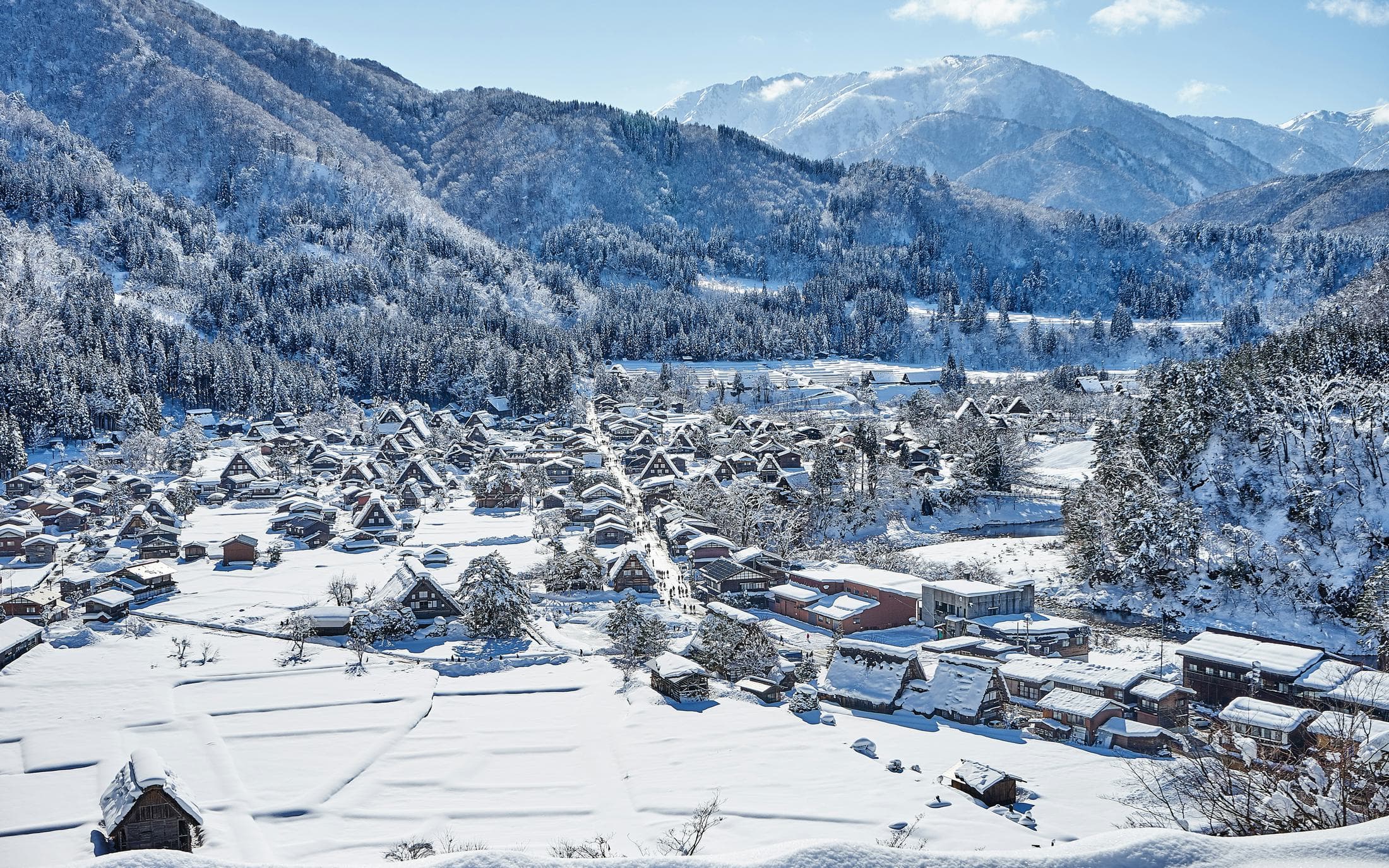 Kanazawa & the Japan AlpsBest: Apr · May · OctPhotographers joining
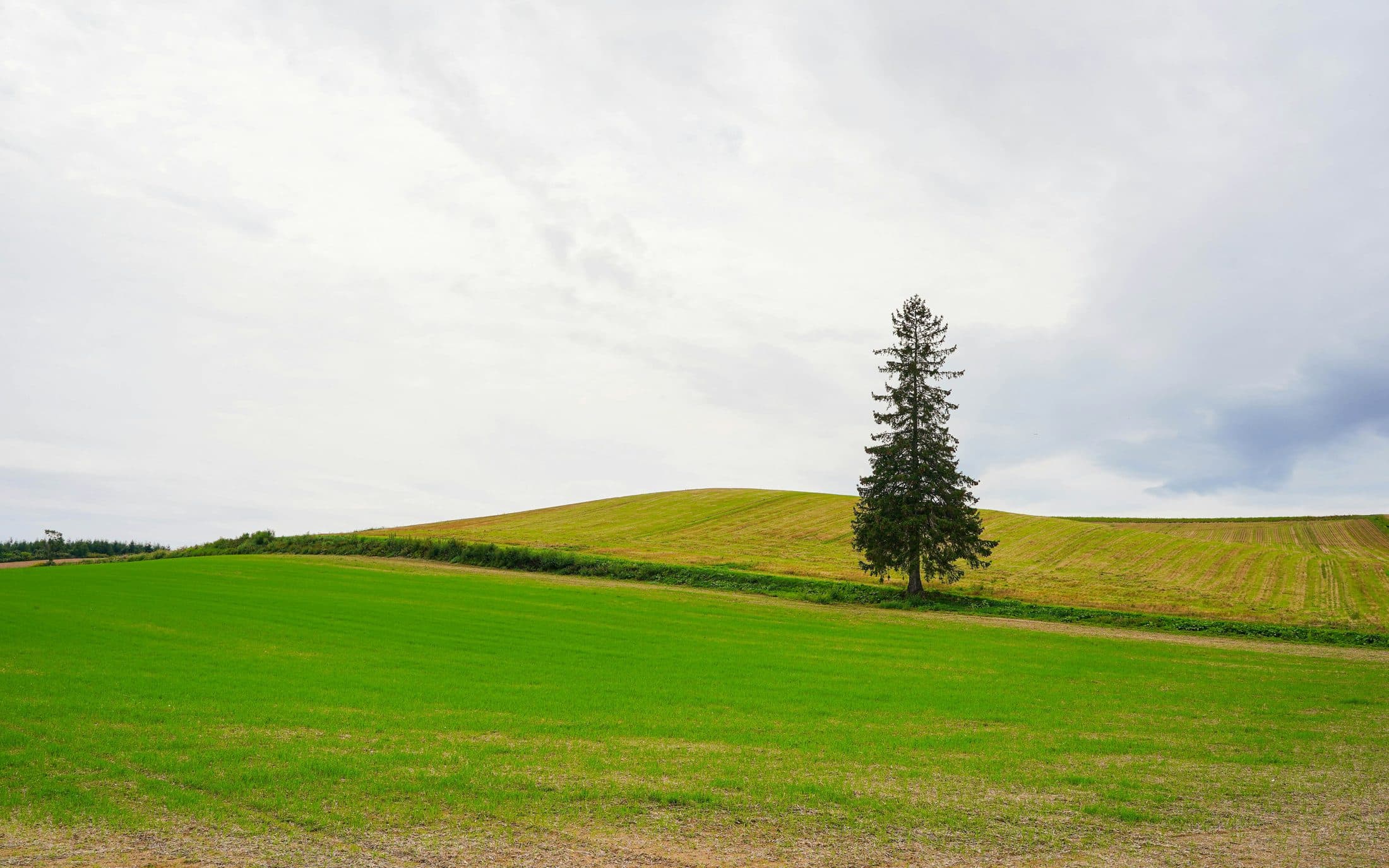 HokkaidoBest: Jun · Jul · Aug · SepPhotographers joining
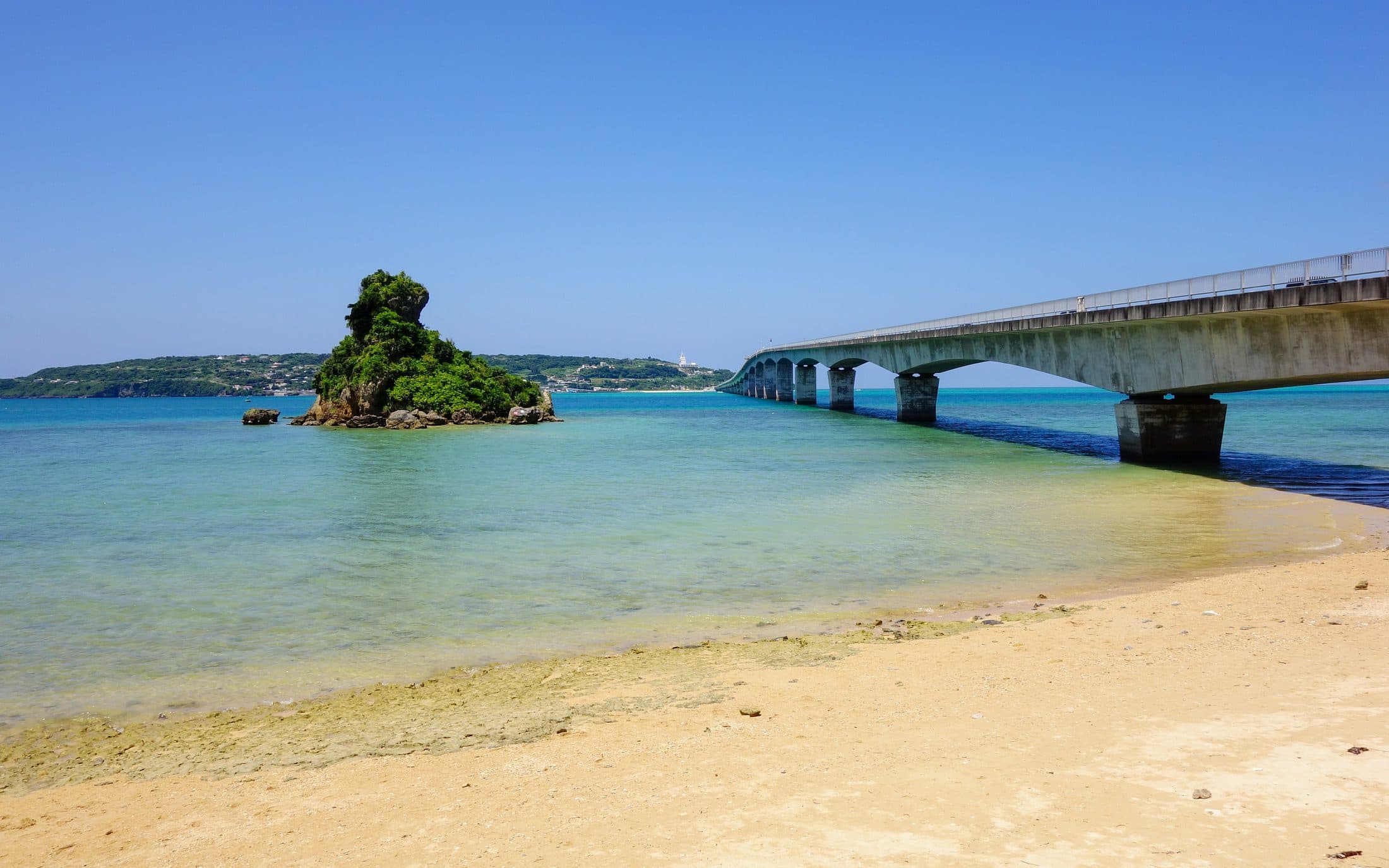 OkinawaBest: Mar · Apr · Oct · NovPhotographers joining