Getting married in Hokkaido
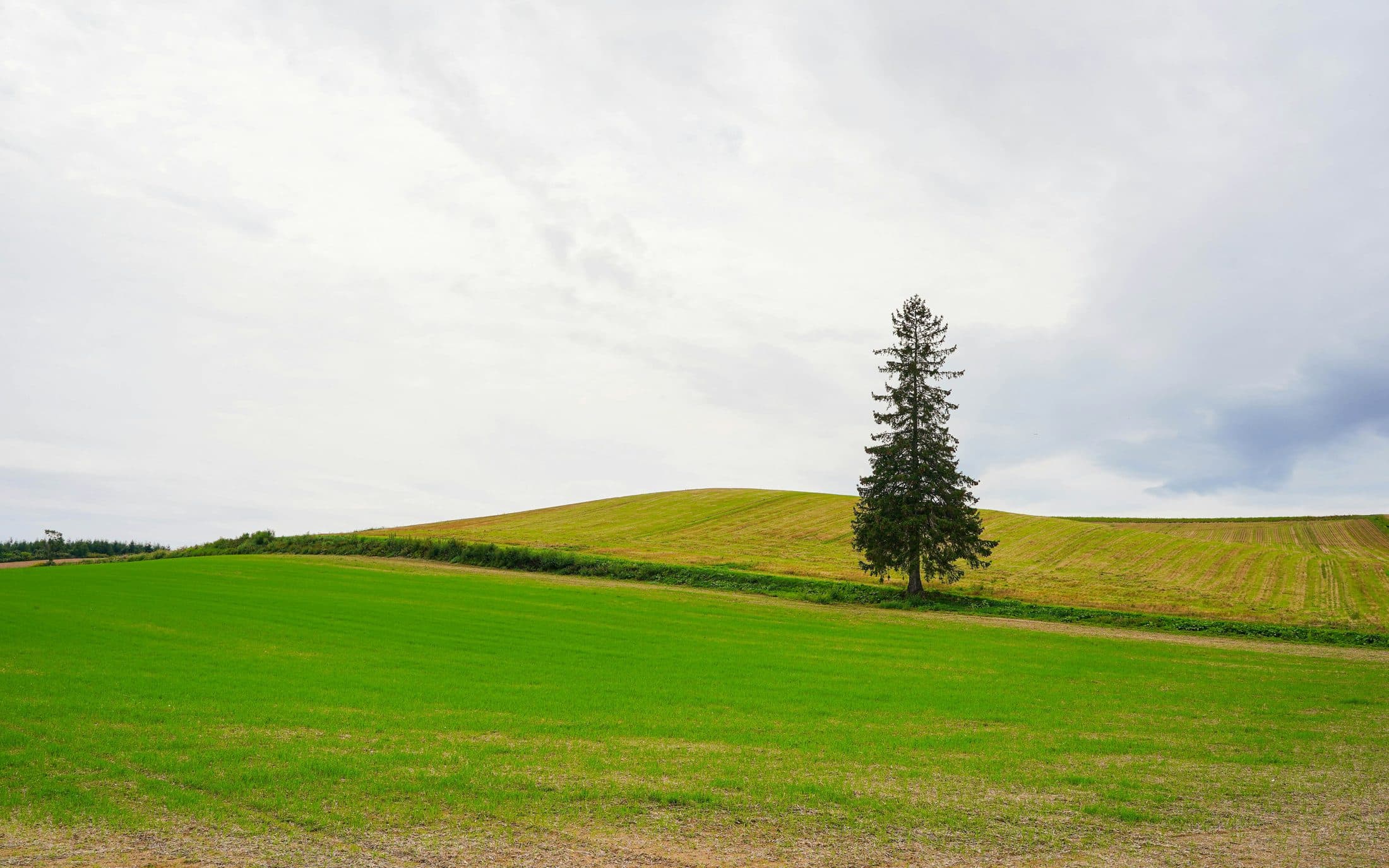
Japan’s northern island, where long snowy winters give way to summers with no rainy season: Sapporo — Odori Park through the middle of the city, Maruyama Park and Hokkaido Shrine at the foot of Maruyama, Nakajima Park and the snow festival every February —, Otaru’s canal and its stone warehouses, the farm hills of Biei and Furano and the Blue Pond in the woods below the Tokachi range, the caldera lakes of Toya and Shikotsu, Niseko and Mount Yotei in deep winter snow, and, at the island’s southern tip, Hakodate, its old quarter of Motomachi and the night view from Mount Hakodate.
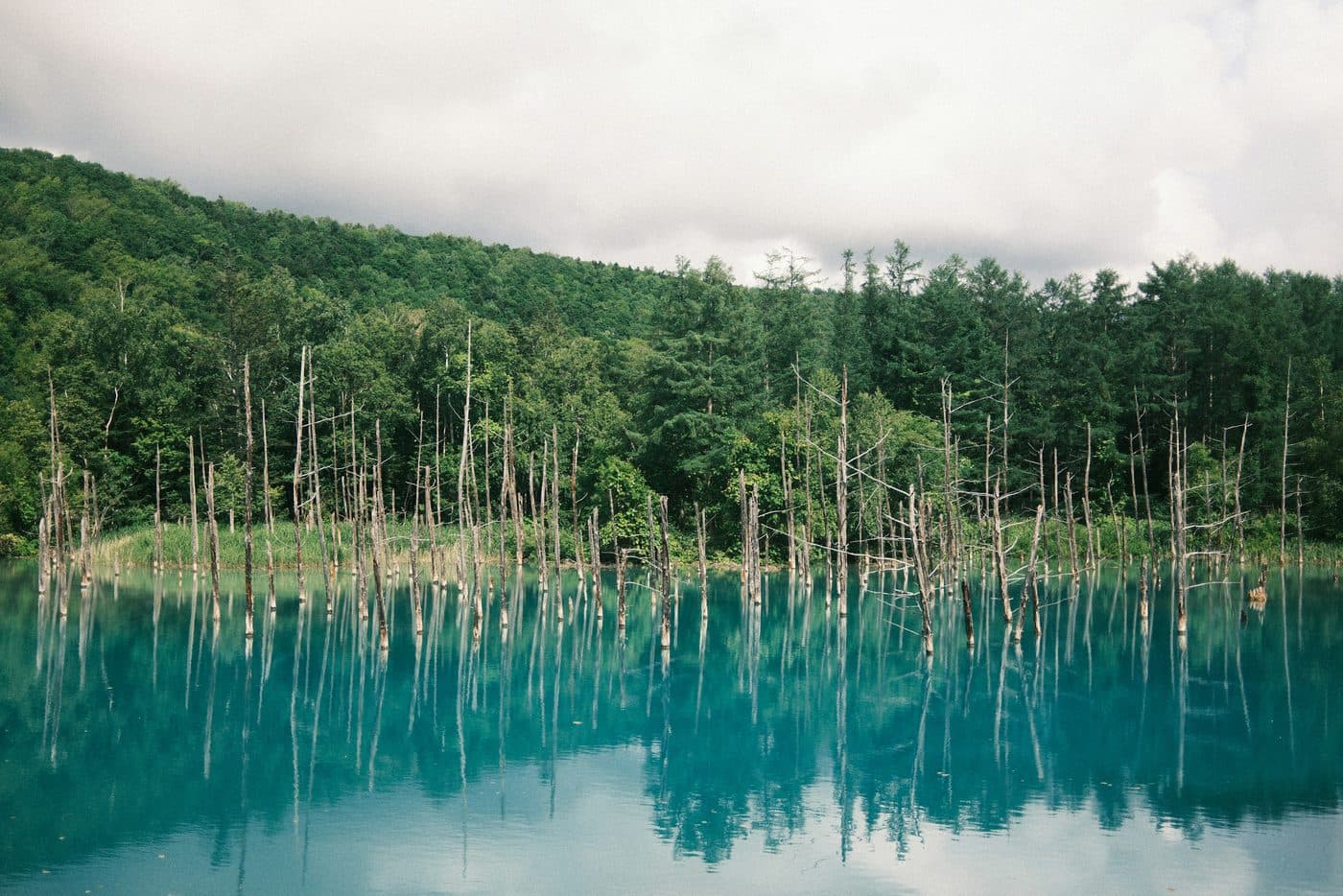
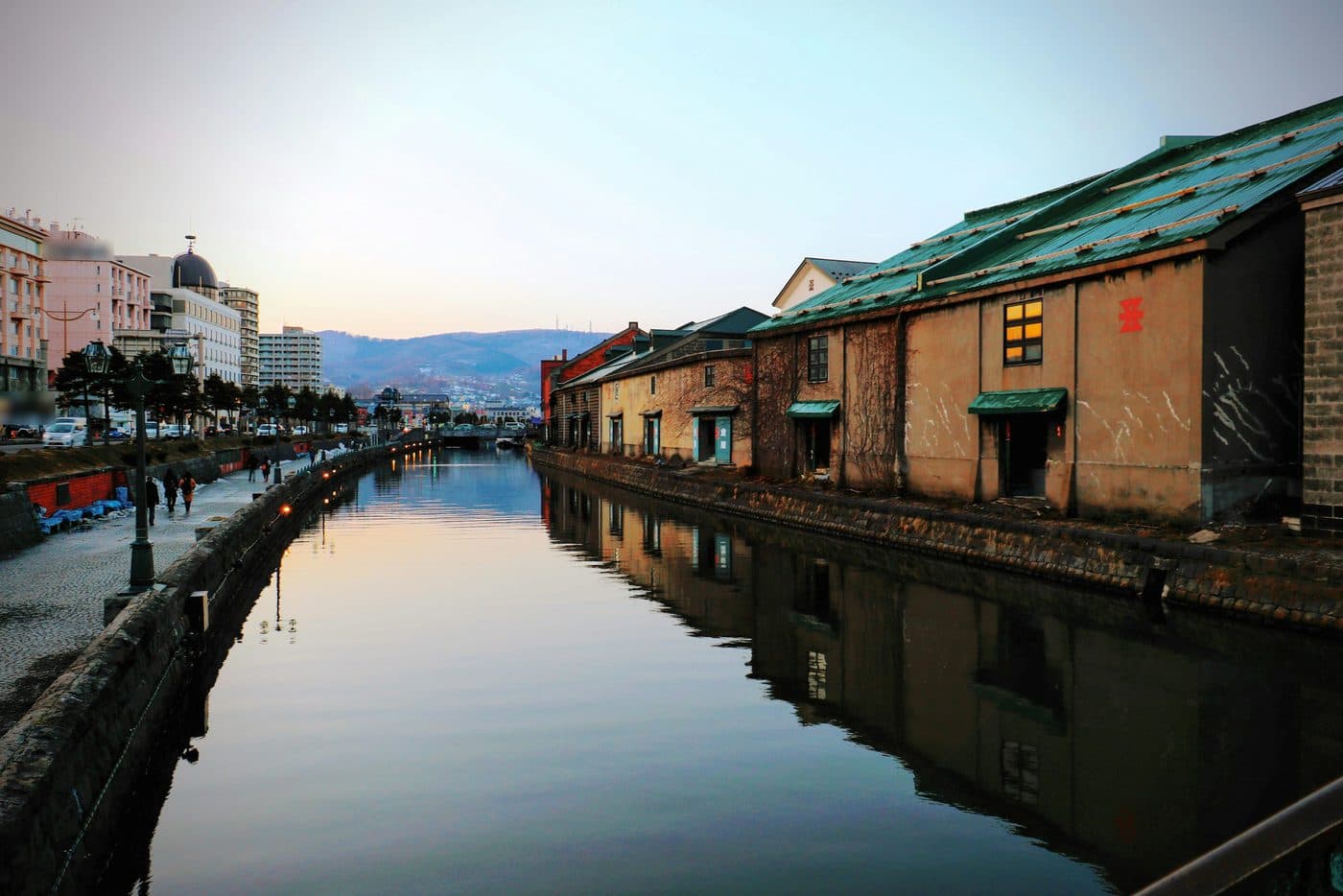
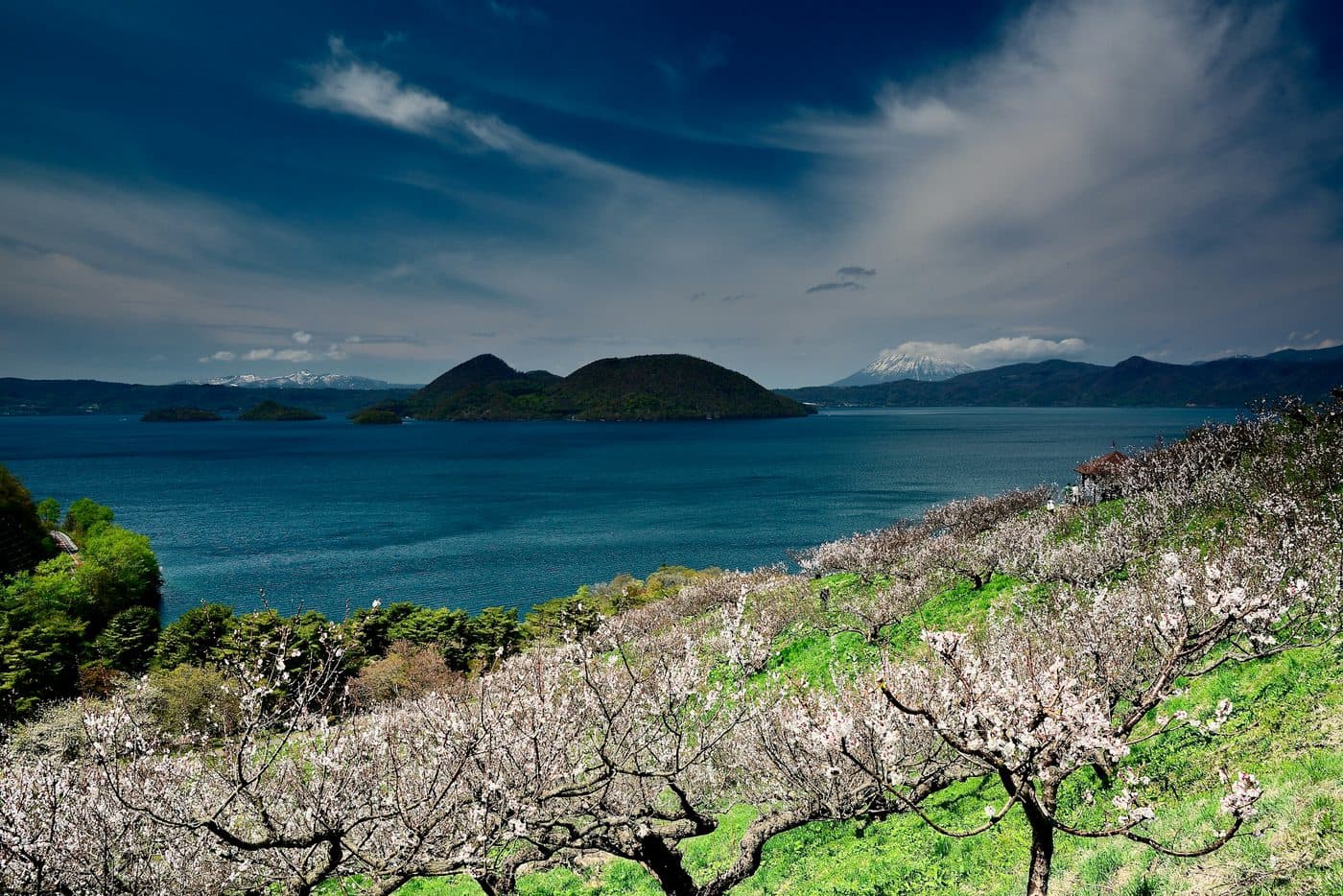
Odori Park runs about 1.5 km through the middle of Sapporo, from West 1-chome to West 12-chome, 7.8 ha of lawns and flower beds with some 4,700 trees of 92 kinds and a rose garden at its western end; the Lilac Festival fills it in May and the Sapporo Snow Festival every February, when snow and ice sculptures line it from West 1 to West 11 (from 4 to 11 February in 2027, its organisers say). Three kilometres west of the centre, Maruyama Park spreads over some 70 ha at the foot of Maruyama beside Hokkaido Shrine and is the city’s favourite place for cherry blossom, a custom that began with the trees planted along the shrine’s approach; south of the centre, Nakajima Park sets its water and trees against Mount Moiwa. On the coast west of Sapporo, Otaru finished its canal in 1923 on land reclaimed from the sea, so that barges could carry cargo between the ships and the warehouses; a plan of 1966 to fill it in was fought by the townspeople, part of it was filled in from 1983, and the stone-paved walk along the water was finished in 1986, while the North Canal keeps its original width of 40 m. South of Asahikawa, Biei’s fields turn, as its tourism association puts it, into a patchwork of colours from late June, and in the woods below the Tokachi range the Blue Pond (Aoi-ike), water held behind a dam built in the volcano’s disaster-prevention works, stands blue among dead larches. South-west of Sapporo, the Shikotsu-Toya National Park, created in 1949, holds two great caldera lakes — Shikotsu, in the Ministry of the Environment’s words the northernmost lake that never freezes, and Toya — among the volcanoes Usu, Tarumae and Yotei, and Niseko is one of its towns. Hakodate lies at the island’s southern tip below Mount Hakodate, whose summit, three minutes by ropeway from Motomachi, looks down on the city’s lights; Goryokaku, completed in 1864 as Japan’s first Western-style fort, has been a public park since 1914 and a Special Historic Site since 1952.
Couples here register their marriage at a city or town office and hold the ceremony or the portraits elsewhere: a Shinto wedding (shinzen-shiki) at a shrine that holds them, as Hokkaido Shrine in Sapporo does, or portraits in kimono or Western dress by Otaru’s canal, under the cherry trees of Sapporo and Hakodate in late April and early May, from the roadsides of Biei’s hills in summer, in deep snow in winter and above Hakodate’s lights at dusk. In Japan there is no civil ceremony: a marriage is legal when a city, ward, town or village office (shiyakusho, kuyakusho) accepts your notification of marriage (kon’in todoke), signed by you both and by two witnesses aged 18 or over, of any nationality, and a shrine, temple or chapel wedding has no legal effect on its own; couples from abroad can marry here legally, neither of you needing to live in Japan, by handing it in, free of charge, at the office of the place where you are staying, each with your passport and a certificate of legal capacity to marry (kon’in yoken gubi shomeisho) from your own country’s embassy or consulate in Japan — or the document it issues instead — and Japanese translations naming the translator, and the day you hand it in, once it is accepted, is your wedding date; the office’s certificate of acceptance (juri shomeisho; usually 350 yen, or 1,400 yen on fine B4 paper, as of November 2026) is the proof you register at home as your own country requires, and same-sex couples cannot marry in Japan, though some prefectures and municipalities, Tokyo among them, issue partnership certificates that carry none of the legal effects of marriage. In Sapporo you hand the notification in at a ward office (kuyakusho), not at the City Hall itself or its certificate service corner: the family-register desk takes it on weekdays from 8:45 to 17:15, and at other times the duty staff or guard receive it; the places below give the rest.
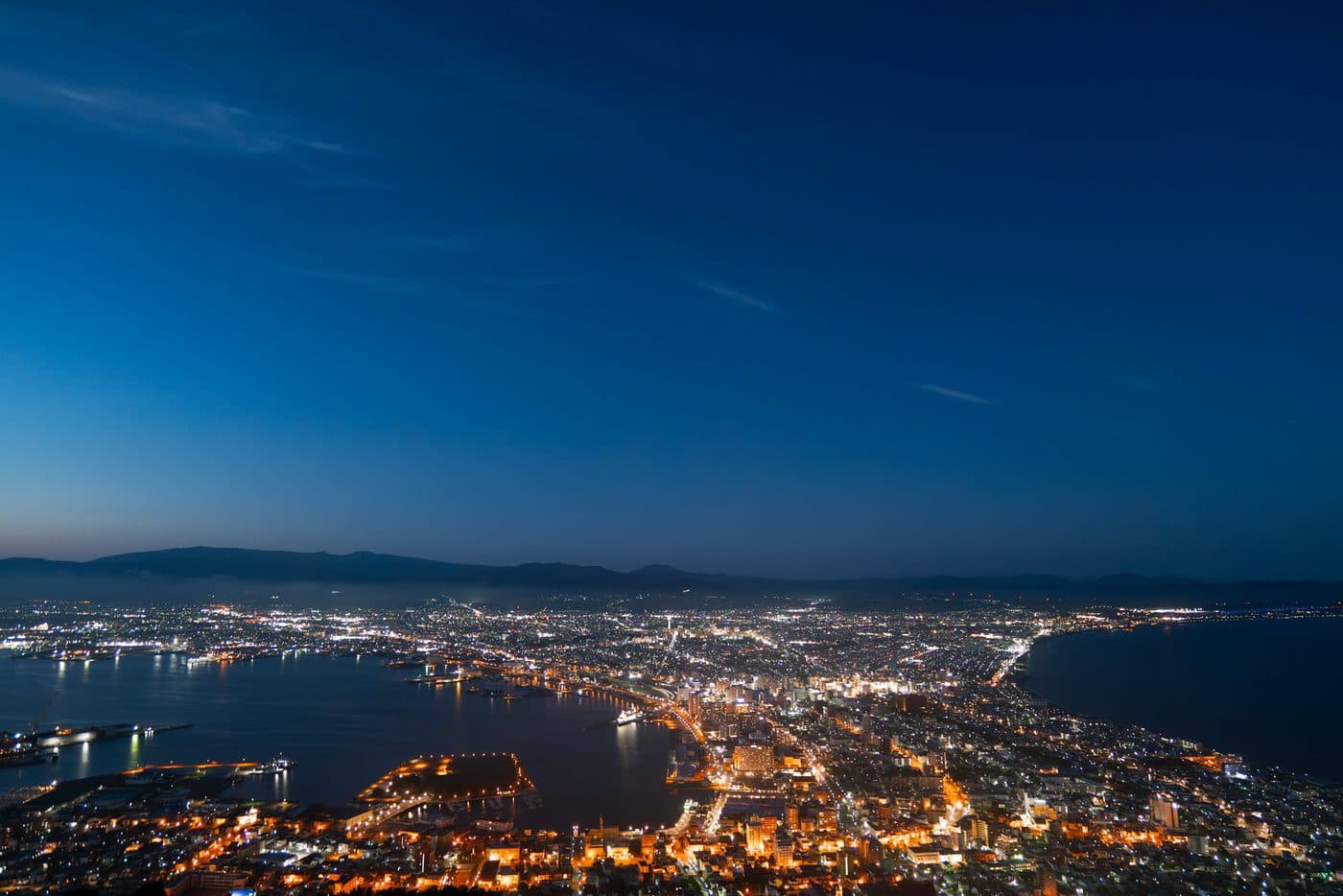
Through the year
When to marry in Hokkaido
June to September are the months to marry here. The Japan Meteorological Agency (JMA) announces no rainy season (tsuyu) for Hokkaido, as it does for the rest of Japan, and its 1991–2020 normals for Sapporo give highs of 21.8 °C in June, 25.4 °C in July, 26.4 °C in August, the warmest month, and 22.8 °C in September, with nights of 13 to 19 °C; rain of 1.0 mm or more falls on 7.5 days in June, the fewest of the year, 7.7 in July, 9.5 in August and 10.2 in September, though September brings the most rain, 142 mm. Typhoons seldom reach the island: JMA counts 1.9 a year passing within 300 km of a Hokkaido station, most of them in August and September. May and October work with care: highs of 17.9 °C and 16.4 °C, nights of 9 °C and 8 °C, and rain on 8.5 and 11.6 days.
- January: Quieter
- February: Quieter
- March: Quieter
- April: Quieter
- May: Good with planning
- June: Best
- July: Best
- August: Best
- September: Best
- October: Good with planning
- November: Quieter
- December: Quieter
- April and MaySnow lingers into April — Sapporo has snow on the ground on about 5 days that month — and highs reach 11.7 °C; May warms to 17.9 °C and is the sunniest month of the year, with 200 hours of sun. JMA’s average dates for the cherry trees are first bloom on 28 April and full bloom on 2 May in Hakodate, 1 and 6 May in Sapporo and 4 and 7 May in Asahikawa (there for the Ezo mountain cherry); Goryokaku’s 1,600 or so cherry trees make it, with Hakodate Park, the city’s great place for them, and the lilacs flower in Odori Park in mid to late May.
- June to AugustSummer comes without a rainy season: in Sapporo highs of 22 to 26 °C, nights of 13 to 19 °C and rain on 7.5 to 9.5 days a month, with 30 °C reached on only about 3 days in July and 4 or 5 in August. Biei’s fields take on their patchwork of colours from late June. At midsummer the sun rises at about five to four and sets at about a quarter past seven, for Japan keeps the same clock all year.
- September and OctoberSeptember keeps highs of 22.8 °C but brings the most rain of the year, 142 mm over about 10 days, and what few typhoons reach Hokkaido; October cools to 16.4 °C by day and 8 °C at night, with rain on about 12 days. JMA’s average dates for the maples’ autumn colour are 23 October in Asahikawa, 28 October in Sapporo and 2 November in Hakodate, and Biei’s tourism association puts the peak of its autumn colours in mid-October.
- November to MarchWinter is long and white. In Sapporo snow falls on most days from December to March, 479 cm in a year, and lies on the ground on 27 to 31 days a month, on average 95 cm deep at its deepest in February; highs stay around 0 °C in January and February and nights fall to −6 °C. At Kutchan, by Niseko, 921 cm falls in a year and the snow lies 181 cm deep in February, and in Asahikawa January nights average −12 °C. At midwinter the sun is up in Sapporo only from about seven to four. The Sapporo Snow Festival fills Odori Park in early February — from 4 to 11 February in 2027 — and Otaru’s Snow Light Path lights the canal in February.
In numbers
- UNESCO World Heritage
Weather station: Sapporo, normals 1991–2020 · Checked 7 November 2026
Places
Where couples marry here
The kinds of places — ask your photographer which ones they know well.
Sapporo’s parks and Hokkaido Shrine
Odori, Maruyama and Nakajima are city parks, and the City of Sapporo’s park ordinance asks for its permit, and a fee, before anyone photographs or films there as a business — a photographer you hire included —, applied for ahead to its Greenery Management Division, which runs these central parks; so does setting anything up beyond hand luggage or taking over part of a park, and the city bans radio-controlled models and drones in its parks in principle, as a danger or nuisance to others. Hokkaido Shrine, beside Maruyama Park, holds Shinto weddings to the music of gagaku and has no reception hall of its own. Holding its grounds to be a place of worship, it does not as a rule allow photographers working for hire to photograph there, and makes an exception only for people who have received a prayer ritual (gokito) at the shrine; it also bans live streaming and photography of its buildings, objects or people for profit. While its main buildings are re-roofed ahead of its 160th anniversary in 2029, it will hold no weddings from 1 March to 30 November 2028. At most of Hokkaido’s cherry spots, Maruyama Park notes, the trees are Ezo mountain cherries, while Hakodate’s are mostly Somei-Yoshino. During the Snow Festival, Odori Park is given over to the sculptures from West 1 to West 11, with two more sites at Tsudome and in Susukino.
Otaru, Lake Toya, Lake Shikotsu and Niseko
Otaru’s canal is a public walk, ten minutes on foot from JR Otaru station, and the city’s own walking guide calls the view down the water from the Chuo bridge (Chuo-bashi) a photo spot; the North Canal beyond it keeps its old 40 m width, with small work boats still moored. Lake Toya’s spa town, Toyako Onsen, is about 20 minutes by bus from JR Toya station, and JR Hokkaido lists the lake’s fireworks from late April to the end of October. Lake Shikotsu, 31 km by road from New Chitose Airport, is known, in the Ministry of the Environment’s words, for its deep navy-blue water. In winter Niseko is a ski area, its season late November to early May by JR Hokkaido’s reckoning, with Mount Yotei above it. On the coast south of Lake Toya lie two of the Jomon Prehistoric Sites in Northern Japan, on UNESCO’s list since 2021, the Irie site and the Takasago burial site, and about 25 km north-east of central Hakodate two more, the Ofune and Kakinoshima sites; in UNESCO’s words they bear a unique testimony to some 10,000 years of the settled Jomon culture of hunters, fishers and gatherers. They are archaeological sites, Takasago a burial ground, and not places for portraits.
Biei, Furano and the Blue Pond
Biei’s fields, pastures and woods are private farmland, and the town’s rules for photographers say so plainly: do not step into any field, pasture, wood or garden, even where there is no sign — it is trespass, and the soil on your shoes can carry disease to the crops —, remembering that in winter the snow covers wheat sown in autumn; do not park in field entrances, stop shooting when farm vehicles pass, use a tripod only where it is safe, never take over a spot, never break branches, and respect the farmers’ right to their own image. Since 1 April 2023 the town’s ordinance for a sustainable tourist destination says that no one may enter another’s private land without permission, and lets the mayor close areas to visitors. The lone trees that made the hills famous, the Ken and Mary Tree and the Christmas Tree among them, stand in those fields: the tourism association asks you never to walk into them and says the paved roads give views enough. The Blue Pond, about 20 minutes by car or bus from JR Biei station, is busiest on fine days between 13:00 and 15:00, so come in the morning; keep to the marked places and never go into the water. Snowmelt in spring and heavy rain can cloud its colour, and in winter, when snow hides the water, it is lit after dark. Parking costs 1,000 yen a car (as of November 2026). The town bans drone flights and aerial filming in principle, allowing only flights with MLIT’s permit and the landowners’ consent, applied for at the town office at least a week ahead. Furano, 34 km south by road on the same JR Furano Line, is known for its summer flower fields, which JR Hokkaido gives as early to late July for the lavender; they are farms, so ask before you step in.
Hakodate
Mount Hakodate’s summit is reached by the ropeway in three minutes from Motomachi (1,800 yen return as of November 2026), by bus from Hakodate station in about 30 minutes, or on foot by a gentle path of about an hour from the Hakodateyama Fureai Center. To avoid congestion in the night-view hours, private cars are barred from the mountain road from 17:00 to 22:00 between 17 April and 30 September and from 16:00 to 21:00 from 1 October until the winter closure, and the road is shut to all vehicles from 11:00 on the second Monday of November to 11:00 on the second Monday of April, when the ropeway is the way up. Below it in Motomachi, the Old Public Hall of Hakodate Ward (Kyu Hakodate-ku Kokaido), built in 1910 and an Important Cultural Property since 1974, welcomes wedding portraits: everyone buys an entry ticket (300 yen as of November 2026), you sign its rules for photography — no tripods, no shoes indoors, no large or sharp equipment, no crossing the ropes or using the furniture, no taking over a room —, larger groups tell it in advance, and you change elsewhere, as it has no room for that. Goryokaku, Japan’s first Western-style fort, is a park with about 1,600 cherry trees. On the hillside north-west of Mount Hakodate, the Foreigners’ Cemetery looks over the harbour: it is a cemetery, not a backdrop.
Light
How the light falls
The times here are for a flat horizon over Sapporo, on Japan Standard Time, which has no summer time. On 21 June the sun rises at about five to four and sets at about a quarter past seven, far to the north-west; it is still ten degrees up at about ten past six, and civil twilight lasts until nearly eight. In mid-May it sets at about ten to seven, in mid-July at about a quarter past seven, in mid-August at about twenty to seven, in mid-September at about a quarter to six and in mid-October at about five to five, and in early February, in the Snow Festival’s week, at about ten to five. At midwinter it is up only from about seven to four, never more than 24 degrees high. Hakodate’s times are within seven minutes of these. JMA’s normals give Sapporo 200 hours of sunshine in May, the most of the year, 180 in June, 168 in July and in August, and only 83 in December. From Mount Hakodate the view runs north-east along the city, so in summer the sun goes down behind your left shoulder, over the bay, and the lights come on in the half hour of twilight that follows: on 21 June the sun sets there at about a quarter past seven and civil twilight ends at about ten to eight. At Biei’s Blue Pond the morning is quieter than the fine afternoons.
Travel
Getting there
New Chitose Airport is 45 km by road from Odori Park, and JR’s Rapid Airport trains leave from the station beneath its terminal and reach Sapporo in 37 minutes at the fastest, six an hour in the middle of the day, some running on to Otaru. By road Otaru’s canal is 39 km from Odori Park, Lake Shikotsu 31 km from the airport, Toyako Onsen 99 km from the airport and Niseko 90 km from Sapporo. Limited expresses run from Sapporo to Asahikawa in about 1 hour 25 minutes; Biei, on the Furano Line beyond, is 14 km by road from Asahikawa Airport and 146 km from Sapporo, and from JR Biei station a bus reaches the Blue Pond in about 20 minutes. For Hakodate, the Hokuto limited express takes about 3 hours 50 minutes from Sapporo, and the Hokkaido Shinkansen runs from Tokyo to Shin-Hakodate-Hokuto in 3 hours 57 minutes at the fastest, with the Hakodate Liner meeting every train for the 15 to 22 minutes into Hakodate; the line’s extension to Sapporo is expected around the end of the 2038 financial year. Hakodate Airport is 12 km by road from the ropeway’s foot station, about 30 minutes by taxi. Drones fly under Japan’s Civil Aeronautics Act as the Ministry of Land, Infrastructure, Transport and Tourism (MLIT) applies it: every drone of 100 g or more flown outdoors must be registered on MLIT’s DIPS 2.0 system — a visitor’s too, even one registered abroad — and carry its registration number and a Remote ID transmitter; without MLIT’s permit or approval, applied for on DIPS 2.0, you may not fly above 150 m, around airports, over densely inhabited districts (DID: the built-up areas of towns and cities), at night, out of your own sight, within 30 m of other people or their buildings and vehicles, or over festivals and events; and the Small Unmanned Aircraft Act, which the police enforce, bans flights over and within about 1,000 m of the Imperial Palace and the other sites it lists — the National Diet, the Prime Minister’s Office, designated embassies and defence sites, eight major airports and nuclear plants — while parks, shrines, temples and towns may ban drones on their own ground. In Hokkaido, New Chitose is one of those eight airports; Sapporo bans drones in its city parks in principle, and Biei in the whole town unless MLIT has given its permit and the landowner consents, with the town’s own application made a week ahead.
Photographers
Photographers in Hokkaido
No one in Hokkaido yet
The first photographers in Hokkaido are joining now. Tell our concierge your date and your plans — it checks who is free and fits.
Plan
Read before you plan
- Getting married in Japan as foreigners: the notification of marriage, your embassy’s certificate, the city officeHow couples from abroad marry legally in Japan: no residence needed, the notification of marriage (kon’in todoke) at a city or ward office, two witnesses, the certificate of legal capacity from your embassy and its Japanese translation, the night and holiday desks, the certificate of acceptance and its fee, marrying at your own embassy, Shinto, temple and chapel weddings, same-sex couples and partnership certificates, the apostille and registering at home, and the symbolic route.
- How to choose a wedding photographer: the steps, and the questions to askThe decision in order — whole weddings, style, availability, the package, the contract and deposit, cancellation, delivery and a conversation — then a checklist of questions, with why each one matters.
- A wedding-day timeline for photosFrom getting ready to the last dance, planned around the light.
- Deposits and payment protectionWhat you pay when, and what happens if plans change.
- Which country for a destination wedding? The law, prices, crowds and light, comparedThe legal route for couples who don’t live there, season and crowds, price levels, light, flights, venues and permits for photographs — Portugal, Italy, Spain, Greece, France and Austria compared with official figures, as of October 2026.
- A rain plan that still looks goodCovered spots, umbrellas and what photographers do on grey days.
- Wedding photography contract checklist: what it should say, and how Lens & Vows handles each pointThirteen things a good contract covers — the day and the hours, what is delivered, deposit and balance, cancellation on either side, date changes, illness, image rights, personal data, backups, travel, overtime and complaints — and what our terms say about each.
Japan
Other places
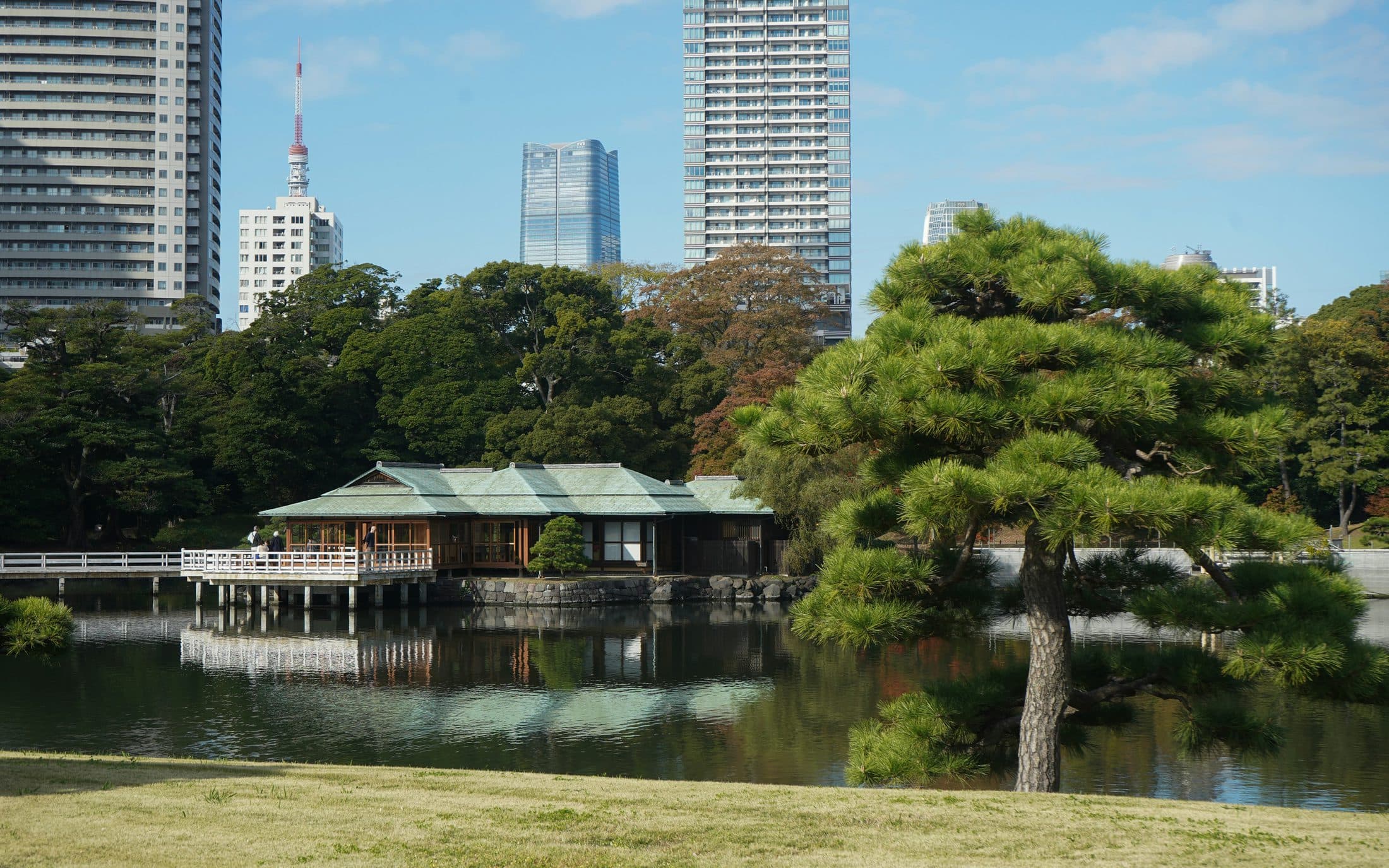 Tokyo & YokohamaBest: Apr · May · Oct · NovPhotographers joining
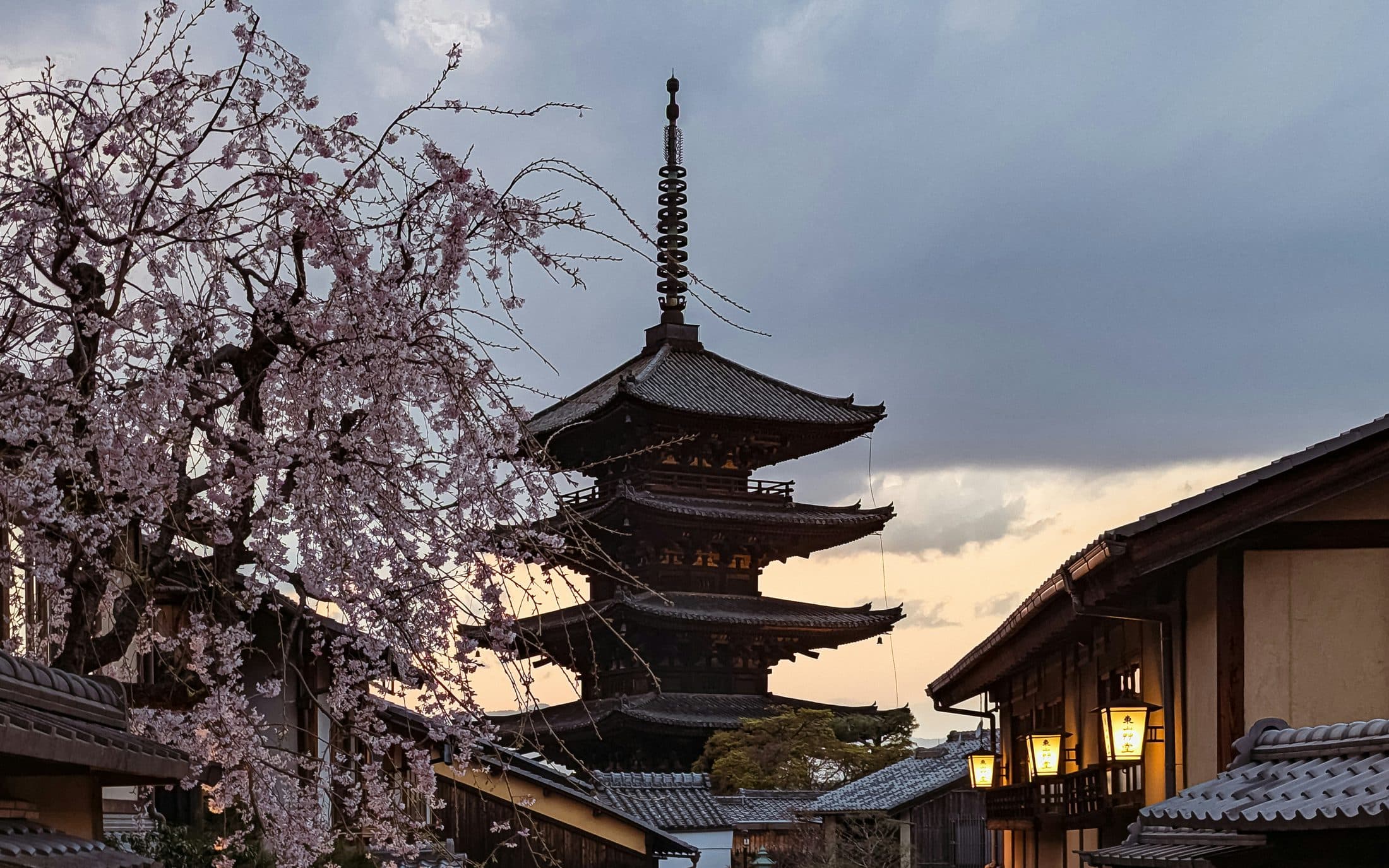 Kyoto, Osaka & NaraBest: Apr · May · Oct · NovPhotographers joining
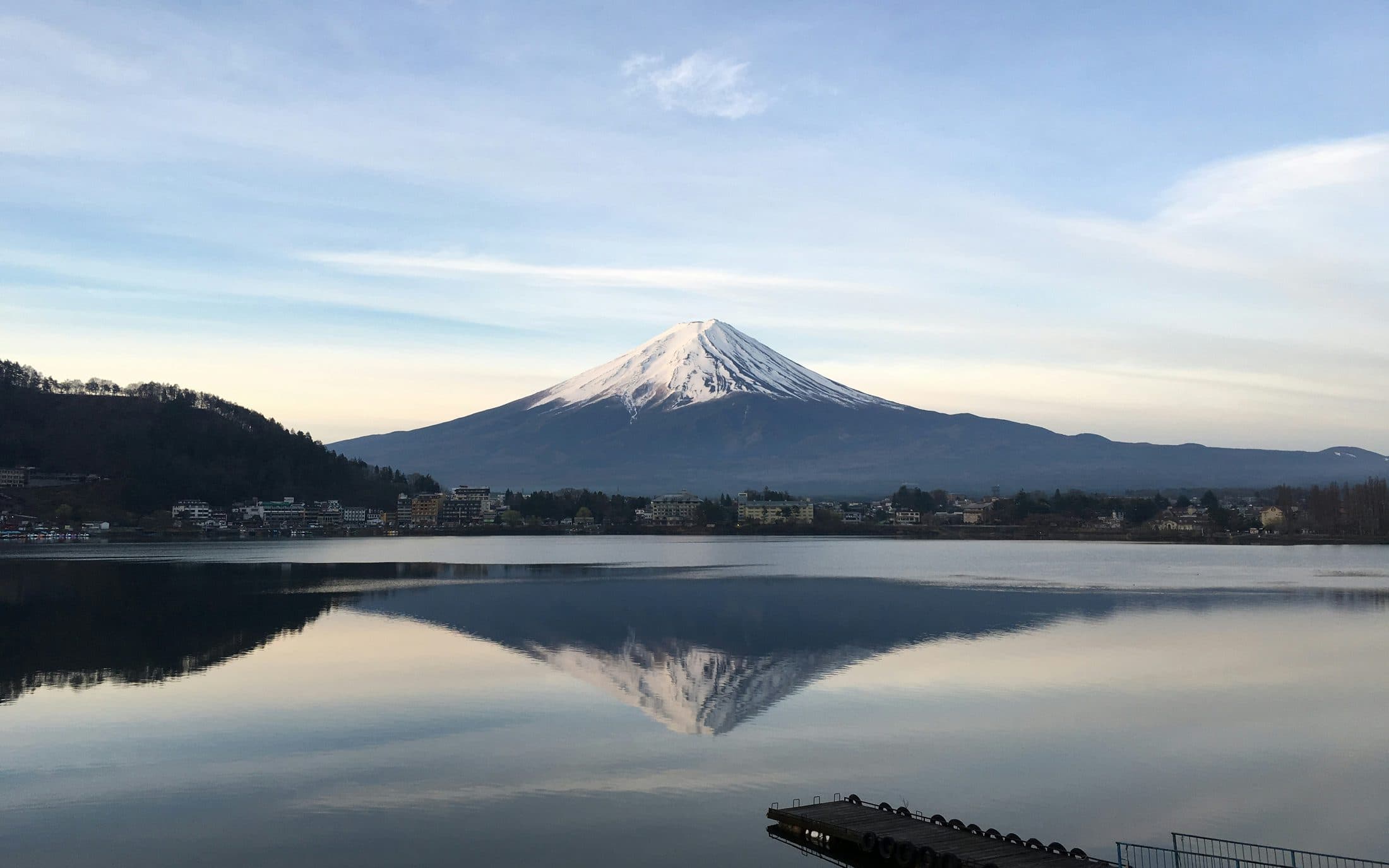 Mount Fuji & HakoneBest: Apr · May · Oct · NovPhotographers joining
 Kanazawa & the Japan AlpsBest: Apr · May · OctPhotographers joining
 Hiroshima & MiyajimaBest: Apr · May · Oct · NovPhotographers joining
 OkinawaBest: Mar · Apr · Oct · NovPhotographers joining