Japan
Getting married in Japan
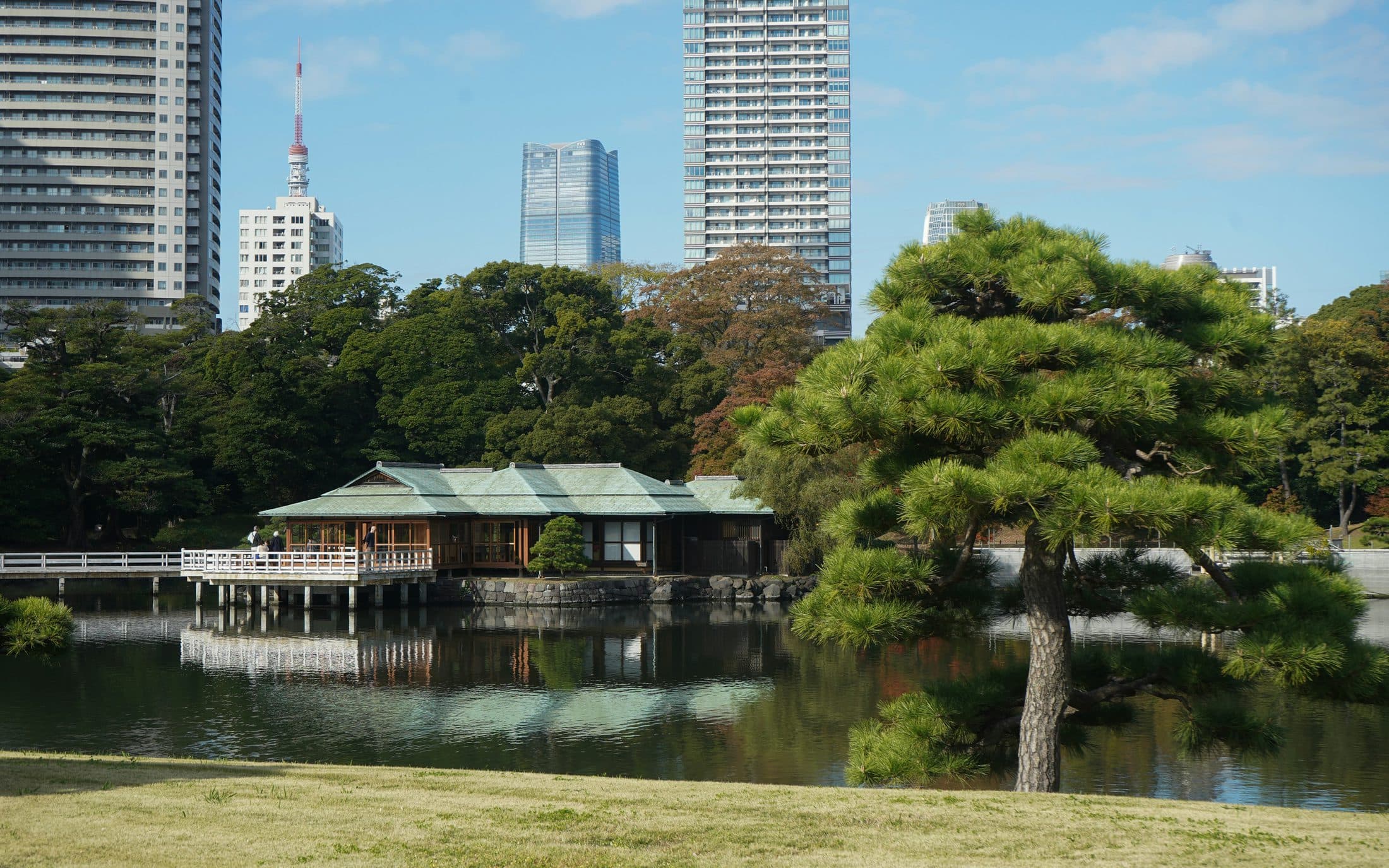
Meiji Jingu’s forest and the Imperial Palace’s East Gardens in Tokyo, Yokohama’s waterfront and Kamakura’s temples, Kyoto’s lanes below Kiyomizu-dera, Arashiyama’s bamboo and the deer of Nara Park, Mount Fuji above Lake Kawaguchi and Hakone’s Lake Ashi, Kanazawa’s Kenroku-en and the thatched farmhouses of Shirakawa-go, the torii of Itsukushima Shrine on Miyajima, Hokkaido’s fields, snow and Otaru’s canal, and Okinawa’s beaches and islands.
Japan runs from snowy Hokkaido in the north to subtropical Okinawa in the south, and its seasons arrive at different times along the way.
August’s mean temperature, day and night together, is about 27 to 29 °C in Tokyo, Kyoto, Hiroshima and Naha and 22 °C in Sapporo; January’s about 5 °C in Tokyo and Kyoto, −3 °C in Sapporo and 17 °C in Naha (the Japan Meteorological Agency’s 1991–2020 normals). On the Agency’s normal dates the cherries open around 24 March in Tokyo and 26 March in Kyoto but not until about 1 May in Sapporo, and its reference maples turn around 28 November in Tokyo and 5 December in Kyoto. The rainy season (tsuyu) lasts, on average, from early or mid-June to the second half of July on Honshu and from 10 May to 21 June in Okinawa, and typhoons come closest in August and September. Japan has no summer time: on 21 June the sun rises at about 4:25 in Tokyo and sets at 19:00, and on 21 December it sets at about half past four.
A legal wedding in Japan is a registration, not a ceremony. You hand a notification of marriage (kon’in todoke) to a city, ward, town or village office, signed by you both and by two witnesses aged 18 or over, of any nationality, and you are married from the day the office accepts it; the notification is free, and the office’s certificate of acceptance usually costs 350 yen (as of November 2026). You don’t have to live in Japan: two foreigners hand it in where they are staying, each with a passport and a certificate of legal capacity to marry from their own embassy or consulate in Japan — or the document it issues instead — and Japanese translations that name the translator. A Shinto wedding at a shrine, a Buddhist ceremony or a chapel wedding has no legal effect on its own, so couples who want one register as well. Same-sex couples cannot marry in Japan as of November 2026; some prefectures and municipalities issue partnership certificates to couples who live there, without the legal effects of marriage.
7 places
Where in Japan
A capital of shrines, gardens and waterfronts, the old capitals of Kyoto and Nara, a volcano mirrored in mountain lakes, a castle town and the villages of the Alps, a shrine built over the sea, a northern island of fields and snow, or subtropical beaches: each has its own light, landscape and best months. Start with the one that feels like you.
- Tokyo & YokohamaJapan’s capital and its port city: the Imperial Palace’s moats and East Gardens, the forest of Meiji Jingu, Shinjuku Gyoen, the tidal garden of Hamarikyu, Asakusa’s Senso-ji and the Sumida river, Yanaka’s old lanes, Odaiba’s waterfront and Tokyo Station’s Marunouchi side; 36 km south by road, Yokohama’s harbour at Minato Mirai and Yamashita Park and the Sankeien garden; Kamakura’s shrine and temples by the sea, and Nikko’s shrines and temples in the mountains to the north.Best: Apr · May · Oct · NovPhotographers joining
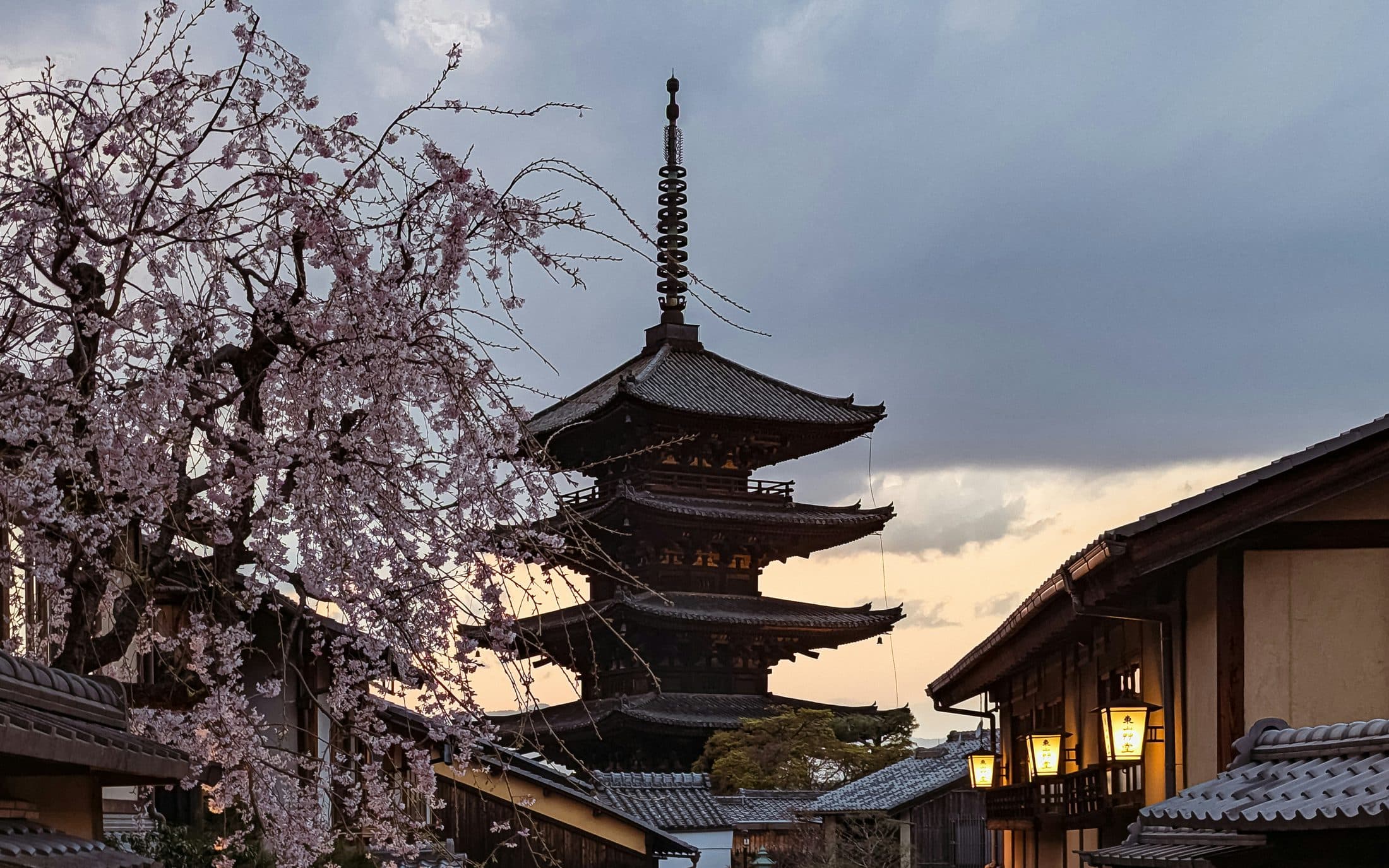 Kyoto, Osaka & NaraJapan’s old imperial capital and its two neighbours: Kiyomizu-dera on its hillside and the stone slopes of Sannenzaka below the Yasaka Pagoda, Yasaka Shrine and the lanes of Gion — Shirakawa and Hanamikoji —, the vermilion gates of Fushimi Inari, the bamboo grove and the Togetsukyo bridge at Arashiyama, the Philosopher’s Path, the banks of the Kamogawa and the garden of Heian Shrine; in Osaka, the castle on its stone walls and the riverside park of Nakanoshima; and in Nara, just over half an hour away by train, Nara Park, Todai-ji, Kasuga Taisha and the deer.Best: Apr · May · Oct · NovPhotographers joining
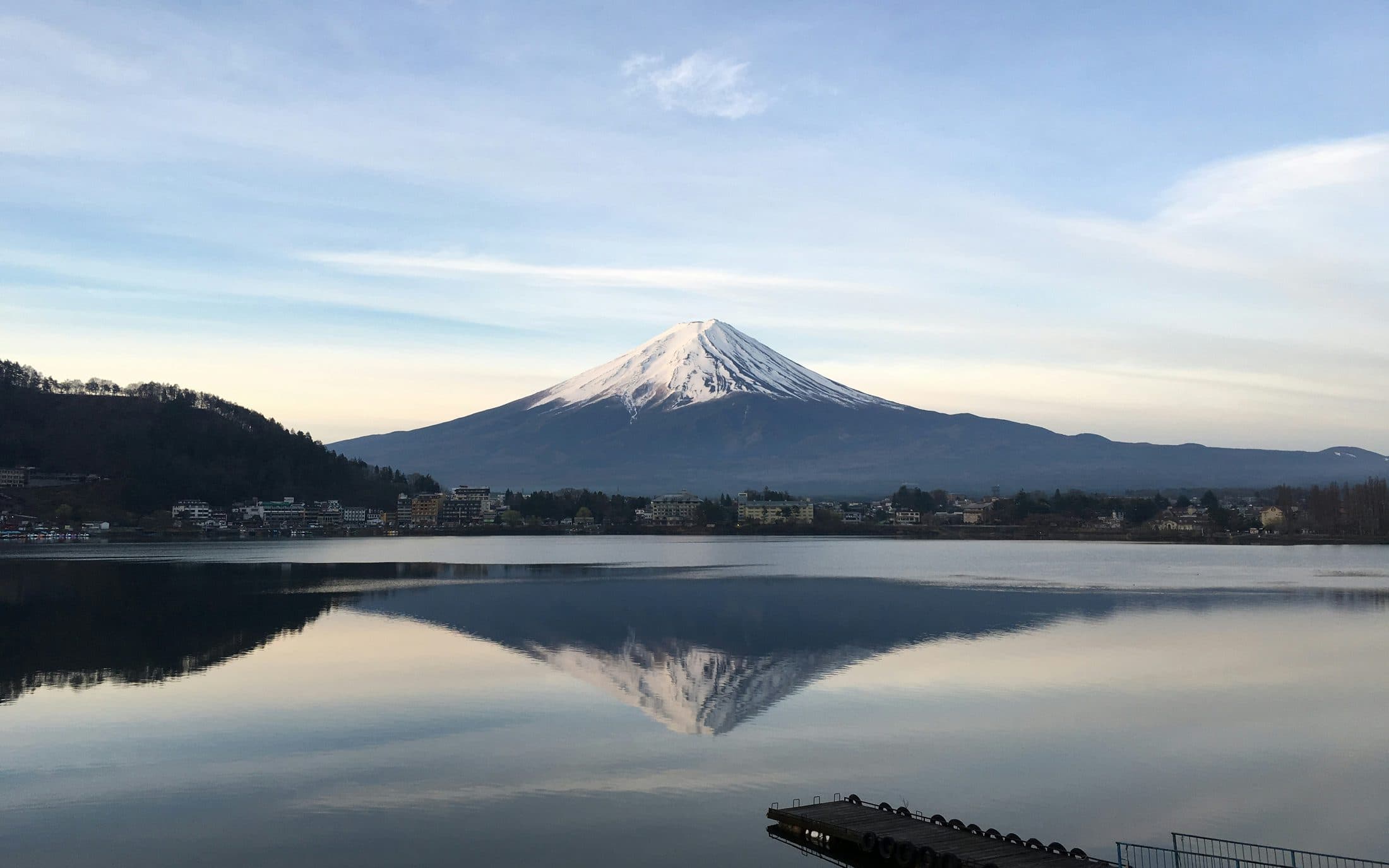 Mount Fuji & HakoneJapan’s highest mountain, 3,776 m, and the lakes at its northern foot — Lake Kawaguchi’s north shore with Fuji across the water, Lake Yamanaka, the spring-fed ponds of Oshino Hakkai and Lake Motosu to the west — and, over the hills to the south-east, Hakone: Lake Ashi and the Hakone Shrine’s torii standing in the water, the steaming valley of Owakudani and the cedars of the old Tokaido road at Moto-Hakone.Best: Apr · May · Oct · NovPhotographers joining
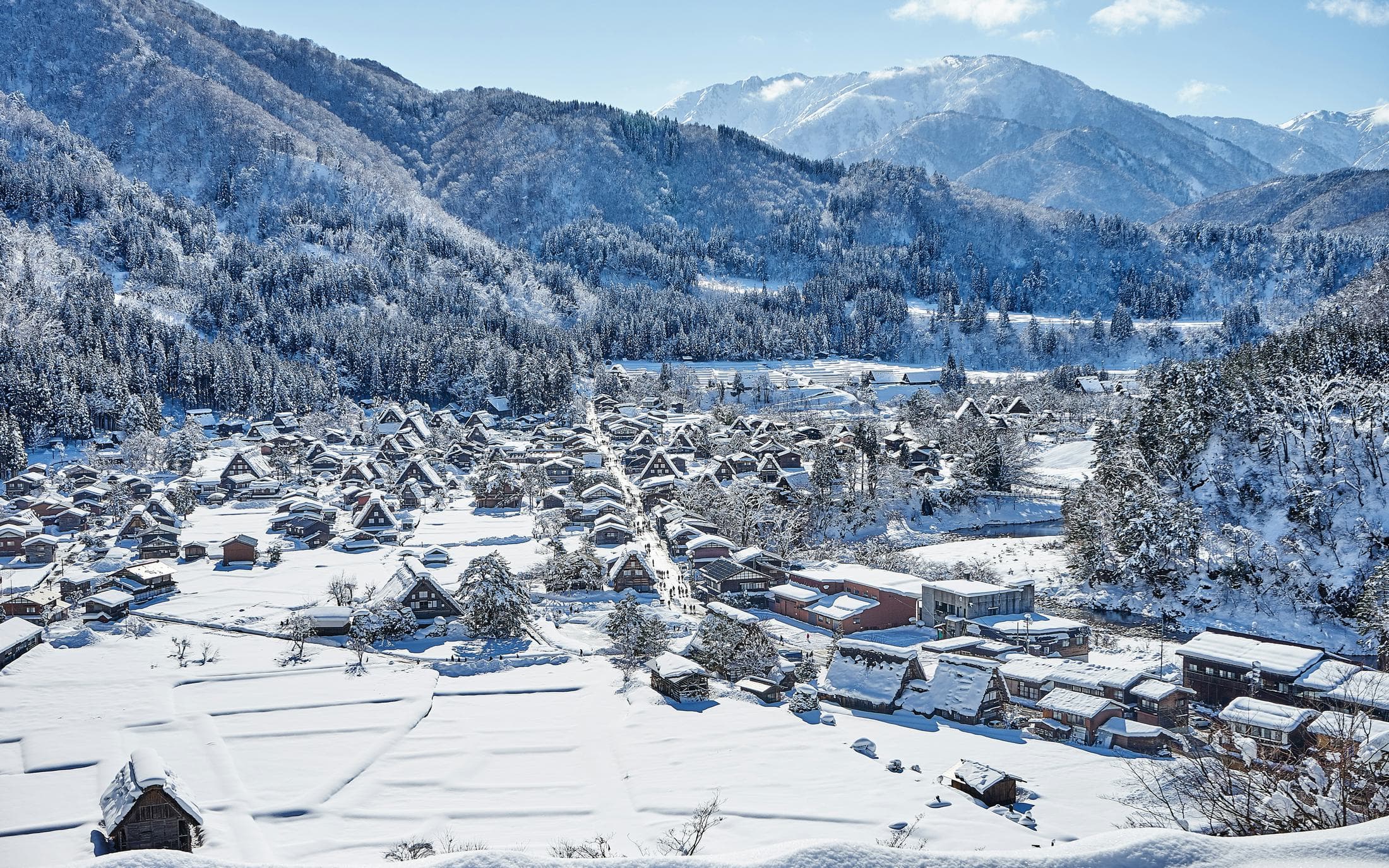 Kanazawa & the Japan AlpsThe castle town of the old Kaga domain and the mountains behind it: Kenroku-en, one of the three great gardens of Japan, with Kanazawa Castle Park beside it, the teahouse lanes of Higashi Chaya and the old samurai quarter of Nagamachi; then, inland, the thatched villages of Shirakawa-go and Gokayama, the old merchant streets of Takayama and Kamikochi’s valley under the peaks of the Northern Alps.Best: Apr · May · OctPhotographers joining
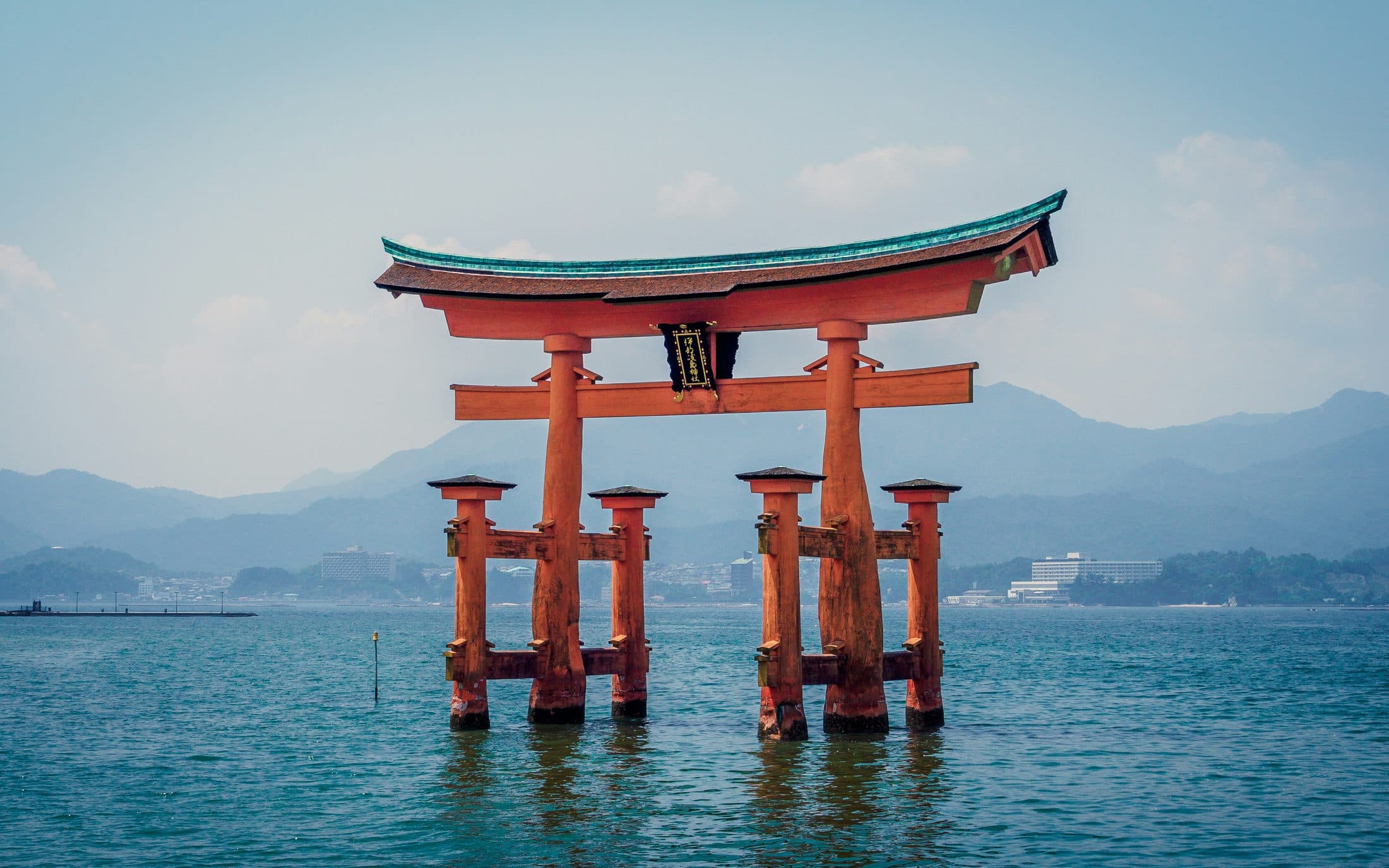 Hiroshima & MiyajimaThe holy island of the Seto Inland Sea and the city across the strait: Itsukushima Shrine built out over the tide on Miyajima, its great torii standing in the sea at high tide and on the sand at low tide, the primeval forest of Mount Misen above it and the maple valley of Momijidani, Hiroshima’s Shukkei-en garden and its castle inside the moat, and, 85 km east by road, Onomichi’s hill of temples above its channel and the Shimanami Kaido, the chain of bridges across the islands to Shikoku.Best: Apr · May · Oct · NovPhotographers joining
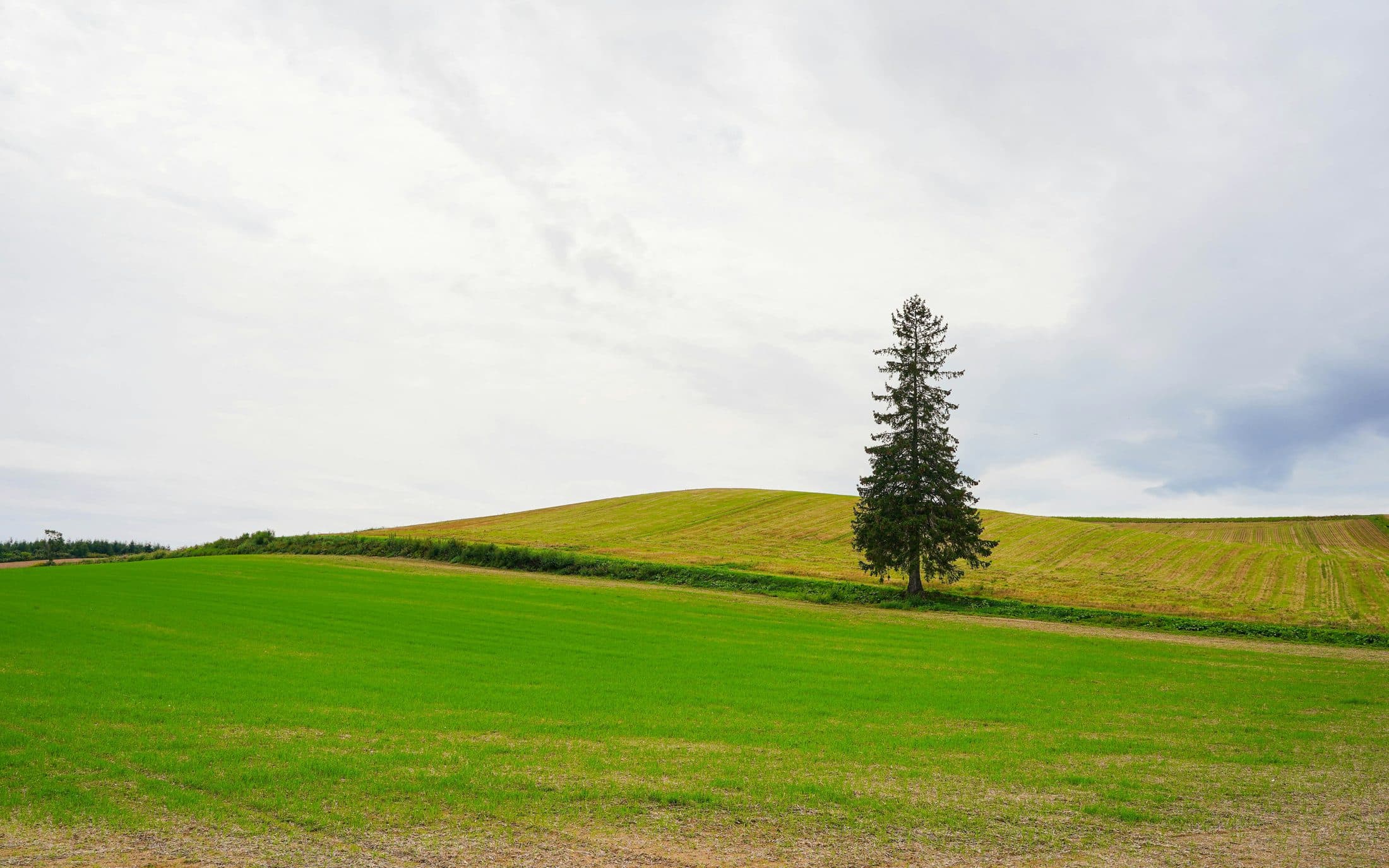 HokkaidoJapan’s northern island, where long snowy winters give way to summers with no rainy season: Sapporo — Odori Park through the middle of the city, Maruyama Park and Hokkaido Shrine at the foot of Maruyama, Nakajima Park and the snow festival every February —, Otaru’s canal and its stone warehouses, the farm hills of Biei and Furano and the Blue Pond in the woods below the Tokachi range, the caldera lakes of Toya and Shikotsu, Niseko and Mount Yotei in deep winter snow, and, at the island’s southern tip, Hakodate, its old quarter of Motomachi and the night view from Mount Hakodate.Best: Jun · Jul · Aug · SepPhotographers joining
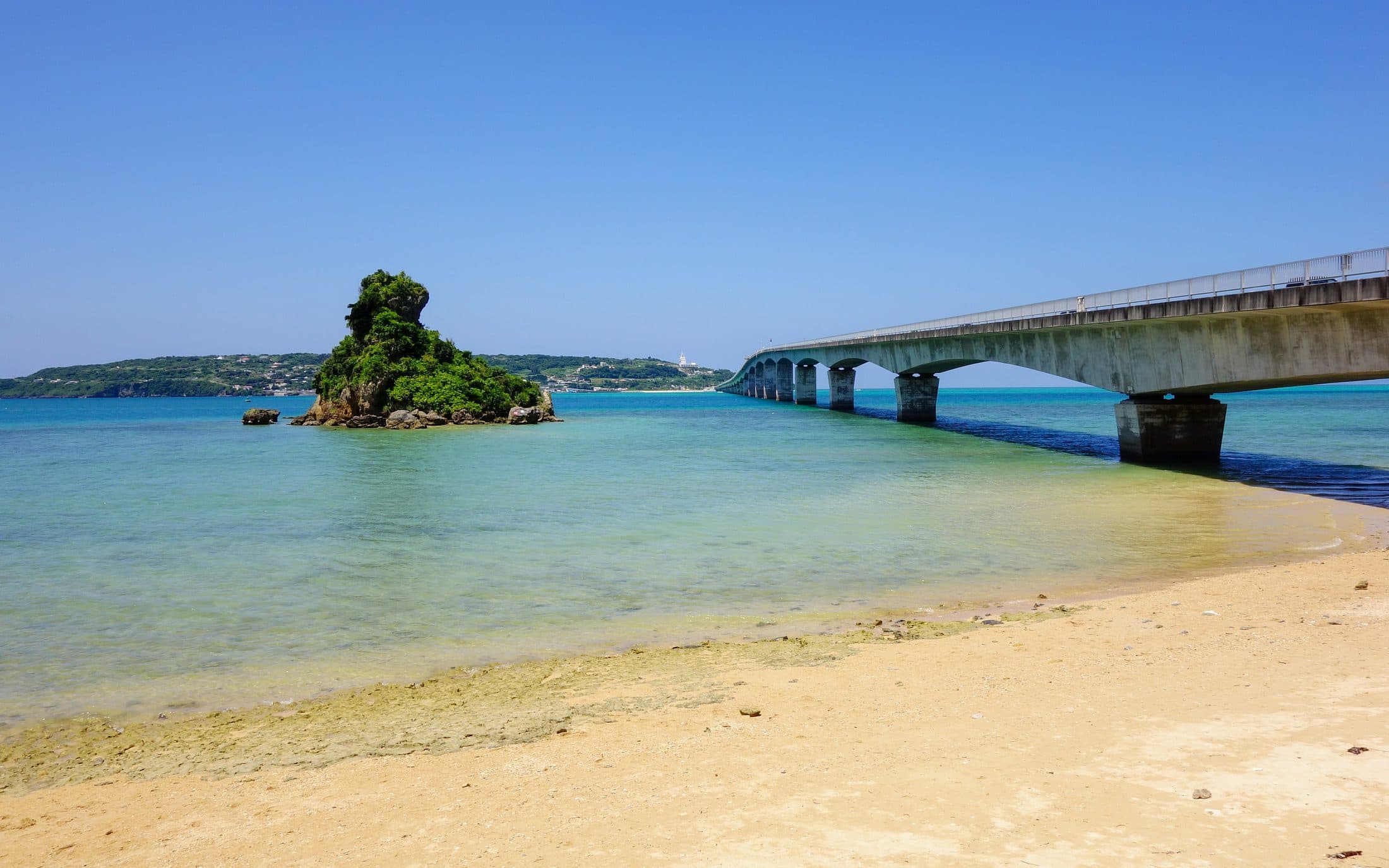 OkinawaJapan’s subtropical south: on the main island, Cape Manzamo’s cliff over the sea, the Kouri Bridge running out to its island and the forests of Yanbaru up to Cape Hedo, the Ryukyu kingdom’s castle walls at Nakijin, Nakagusuku and Katsuren and Naha’s Shuri Castle with its rebuilt main hall; the clear water of the Kerama Islands a boat ride west of Naha; and, some 400 km to the south-west, Ishigaki’s Kabira Bay and the red-tiled village of Taketomi.Best: Mar · Apr · Oct · NovPhotographers joining
Through the year
When to marry, region by region
Dark: the easiest months. Outlined: they work with some planning. Grey: the quieter, wetter or hotter part of the year there.
- Tokyo & Yokohama
- January: Quieter
- February: Quieter
- March: Good with planning
- April: Best
- May: Best
- June: Quieter
- July: Quieter
- August: Quieter
- September: Quieter
- October: Best
- November: Best
- December: Good with planning
- Kyoto, Osaka & Nara
- January: Quieter
- February: Quieter
- March: Good with planning
- April: Best
- May: Best
- June: Quieter
- July: Quieter
- August: Quieter
- September: Quieter
- October: Best
- November: Best
- December: Good with planning
- Mount Fuji & Hakone
- January: Good with planning
- February: Good with planning
- March: Quieter
- April: Best
- May: Best
- June: Quieter
- July: Quieter
- August: Quieter
- September: Quieter
- October: Best
- November: Best
- December: Good with planning
- Kanazawa & the Japan Alps
- January: Quieter
- February: Quieter
- March: Quieter
- April: Best
- May: Best
- June: Quieter
- July: Quieter
- August: Good with planning
- September: Good with planning
- October: Best
- November: Good with planning
- December: Quieter
- Hiroshima & Miyajima
- January: Quieter
- February: Quieter
- March: Good with planning
- April: Best
- May: Best
- June: Quieter
- July: Quieter
- August: Quieter
- September: Quieter
- October: Best
- November: Best
- December: Good with planning
- Hokkaido
- January: Quieter
- February: Quieter
- March: Quieter
- April: Quieter
- May: Good with planning
- June: Best
- July: Best
- August: Best
- September: Best
- October: Good with planning
- November: Quieter
- December: Quieter
- Okinawa
- January: Quieter
- February: Good with planning
- March: Best
- April: Best
- May: Quieter
- June: Quieter
- July: Quieter
- August: Quieter
- September: Quieter
- October: Best
- November: Best
- December: Good with planning
The seasons
What each season brings
- March – MaySpringCherry season travels north with the spring. The Japan Meteorological Agency’s normal dates (1991–2020) for the first blossoms are about 24 March in Tokyo, 25 March in Hiroshima, 26 March in Kyoto and 3 April in Kanazawa, with full bloom about a week later — 31 March in Tokyo, 4 April in Kyoto — and 1 May in Sapporo; in Okinawa another cherry flowers in January. April’s mean temperature, day and night together, is about 14 °C in Tokyo and Kyoto and 7 °C in Sapporo, May’s about 19 and 13 °C, and in Tokyo rain (1 mm or more) falls on about 9 to 10 days a month. The famous places are at their busiest in cherry week, so plan the portraits for the first hours after sunrise. On 1 April the sun sets at about six in Tokyo (18:02) and Kyoto (18:18); in Okinawa the rainy season begins, on average, around 10 May.
- June – AugustSummerSummer opens with the rainy season (tsuyu): on the Agency’s normal dates it lasts from about 7 June to 19 July around Tokyo and Mount Fuji, 6 June to 19 July around Kyoto and Hiroshima and 11 June to 23 July around Kanazawa, while in Okinawa it is over by about 21 June and Hokkaido has none in the Agency’s table. Then comes the humid heat: August’s mean is 26.9 °C in Tokyo, with afternoons of about 31 °C, 28.5 °C in Kyoto and Hiroshima, with afternoons of 33 to 34 °C, and 29.0 °C in Naha, while Sapporo stays at 22.3 °C and has the fewest rain days of its year in June and July. Keep shade, water and a covered plan. Japan has no summer time, so on 21 June the sun rises at about 4:25 in Tokyo and 3:55 in Sapporo, and sets at about seven (19:00 and 19:17).
- September – NovemberAutumnLate summer and September are the typhoon months: in the Agency’s normals about three typhoons in each of August and September pass within 300 km of a Japanese weather station, Okinawa’s most often, and September and October are Tokyo’s wettest months, with about 225 and 235 mm. Then the air dries and cools — October’s mean is about 18 °C in Tokyo and Kyoto, November’s 12.5 °C, with rain on about 6 to 7 November days. The maples turn last: the Agency’s reference trees colour, on average, about 28 October in Sapporo, 22 November in Hiroshima, 24 November in Kanazawa, 28 November in Tokyo and 5 December in Kyoto, and the famous gardens fill again. The days shorten fast: by mid-November the sun sets at about twenty-five to five in Tokyo (16:35) and ten to five in Kyoto (16:52).
- December – FebruaryWinterTwo winters in one country. On the Sea of Japan side snow and rain are frequent — in Kanazawa precipitation falls on about 23 January days, some 256 mm — and in Hokkaido Sapporo’s January mean is −3.2 °C, with snow lying, on average, about 95 cm deep at February’s deepest. The Pacific side is dry and bright: Tokyo has rain on only about 5 days a month from December to February and a January mean of 5.4 °C, and at Lake Kawaguchi, below Mount Fuji, January is the sunniest month of the year. Okinawa stays mild, about 17 °C in January, when its cherries flower. On 21 December the sun sets at about half past four in Tokyo (16:31), four in Sapporo (16:02) and twenty to six in Naha (17:42). City offices such as Yokohama’s and Hiroshima’s close from 29 December to 3 January; their night and holiday desks still take a notification of marriage.
The legal basics
Three ways to say yes
What makes a wedding legally binding in Japan, in short. Couples from abroad can marry here legally — neither of you needs to live in Japan — by handing a notification of marriage (kon’in todoke) to a city, ward, town or village office, free of charge, with a certificate of legal capacity to marry from each foreign partner’s embassy and Japanese translations. There is no ceremony: the day the office accepts the notification is your wedding date.
- CivilThe only legal wedding in Japan is a registration, not a ceremony: you hand in a notification of marriage (kon’in todoke) at a city, ward, town or village office, signed by you both and by two witnesses aged 18 or over — of any nationality, relatives included — and you are married once the office accepts it (Civil Code arts. 739–742). Two foreigners hand it in at the office of the place where they are staying; a Japanese partner may also use the office of his or her registered domicile (Family Register Act art. 25). It is free, and the date you hand it in becomes your wedding date, even at a night or holiday desk, where the form is held and, if all is in order, accepted back to that day. Each foreign partner’s freedom to marry is judged by his or her own country’s law (Act on General Rules for Application of Laws, art. 24), which is why the office asks for a certificate from your embassy; its certificate of acceptance (juri shomeisho) usually costs 350 yen, or 1,400 yen on fine B4 paper (as of November 2026). Same-sex couples cannot marry: the Civil Code and the Family Register Act provide marriage only between a man and a woman, and although high courts in Tokyo (October 2024) and Fukuoka (December 2024) held that this breaches the Constitution, the law is unchanged as of November 2026. Tokyo and some other prefectures and municipalities issue partnership certificates to couples who live, work or study there, with none of the legal effects of marriage.
- ReligiousA Shinto wedding at a shrine (shinzen-shiki), a Buddhist ceremony at a temple or a wedding in a chapel has no legal effect on its own — the Ministry of Justice’s own example is a church wedding held in Japan — so couples who want both also hand in the notification, before or after. At shrines that hold weddings, priests and shrine maidens lead the couple, under a red umbrella, in procession to the main hall; a priest recites the prayers, the couple shares three cups of sacred sake as their vow, and a shrine maiden may dance (Japan Tourism Agency, on Meiji Jingu). Ask the shrine whether it marries couples from abroad and what your photographer may do during the rite, and if you meet another couple’s procession on a shrine path, step aside and let it pass.
- SymbolicAny place, any words, any celebrant — but no legal weight, and no Japanese paperwork: the route for couples who would rather marry at home and celebrate here, in a garden, on a beach or with Mount Fuji behind them, wherever the owner allows it. Shrines, temples, gardens and parks set their own rules for photography and events, so ask before you plan. Drones fly under Japan’s Civil Aeronautics Act as the Ministry of Land, Infrastructure, Transport and Tourism (MLIT) applies it: every drone of 100 g or more flown outdoors must be registered on MLIT’s DIPS 2.0 system — a visitor’s too, even one registered abroad — and carry its registration number and a Remote ID transmitter; without MLIT’s permit or approval, applied for on DIPS 2.0, you may not fly above 150 m, around airports, over densely inhabited districts (DID: the built-up areas of towns and cities), at night, out of your own sight, within 30 m of other people or their buildings and vehicles, or over festivals and events; and the Small Unmanned Aircraft Act, which the police enforce, bans flights over and within about 1,000 m of the Imperial Palace and the other sites it lists — the National Diet, the Prime Minister’s Office, designated embassies and defence sites, eight major airports and nuclear plants — while parks, shrines, temples and towns may ban drones on their own ground.
Before any legal wedding
Each foreign partner brings a passport and a certificate of legal capacity to marry (kon’in yoken gubi shomeisho) from his or her own embassy or consulate in Japan, which says that your country’s law lets you marry. Where a country issues none, the office may accept another document instead — a statement sworn before your consul, for one — or, failing that, a copy of your country’s marriage law with your identity papers and birth certificate (Ministry of Justice). The British Embassy in Tokyo, for example, issues a marital status affirmation or affidavit: £50 online, then an appointment, on a Tuesday or a Wednesday, at least seven days later (GOV.UK). Every document in another language comes with a Japanese translation that names the translator — you may translate it yourselves — and offices may ask for a birth certificate too (Ministry of Justice; Yokohama; Chiba). What you need depends on your nationalities, so ask the office where you will hand in the notification, naming them, before you set the date: in some cases it must consult the Legal Affairs Bureau first, which takes longer (Hiroshima). Two foreigners may instead marry at the embassy of one of their countries, under its law, where it holds weddings — Portugal’s embassy in Tokyo marries two Portuguese citizens — and then need no Japanese notification (Ministry of Justice; Act on General Rules, art. 24(3)).
Rules, documents and fees change and depend on your nationality: always check with the city or ward office where you will hand in the notification, and with your own country’s embassy or consulate in Japan, before you set a date; and, for photos or a drone at a shrine, a temple, a garden or a park, with whoever manages it.
Photographers
Photographers in Japan
The first photographers in Japan are joining now
We approve every photographer by hand, from three whole weddings, so the list starts small. Tell our concierge your date and your plans — it checks who is free and fits.
Plan your wedding
Guides
- Getting married in Japan as foreigners: the notification of marriage, your embassy’s certificate, the city officeHow couples from abroad marry legally in Japan: no residence needed, the notification of marriage (kon’in todoke) at a city or ward office, two witnesses, the certificate of legal capacity from your embassy and its Japanese translation, the night and holiday desks, the certificate of acceptance and its fee, marrying at your own embassy, Shinto, temple and chapel weddings, same-sex couples and partnership certificates, the apostille and registering at home, and the symbolic route.
- Which country for a destination wedding? The law, prices, crowds and light, comparedThe legal route for couples who don’t live there, season and crowds, price levels, light, flights, venues and permits for photographs — Portugal, Italy, Spain, Greece, France and Austria compared with official figures, as of October 2026.
- How to choose a wedding photographer: the steps, and the questions to askThe decision in order — whole weddings, style, availability, the package, the contract and deposit, cancellation, delivery and a conversation — then a checklist of questions, with why each one matters.
- A wedding-day timeline for photosFrom getting ready to the last dance, planned around the light.
- A rain plan that still looks goodCovered spots, umbrellas and what photographers do on grey days.
- Deposits and payment protectionWhat you pay when, and what happens if plans change.
- Wedding photography contract checklist: what it should say, and how Lens & Vows handles each pointThirteen things a good contract covers — the day and the hours, what is delivered, deposit and balance, cancellation on either side, date changes, illness, image rights, personal data, backups, travel, overtime and complaints — and what our terms say about each.
All the countries we work in · More countries are coming.
Not sure yet?
Tell us about your wedding — we’ll find who is free
The place, the date, the guests, the photos you like. Our concierge checks who is free and fits, and comes back with photographers to choose from.