Verified — Identity verified by Lens & Vows

Yana V.from €1,500
Umbria, Rome & Lazio +7 · Documentary, FilmWedding photographers in Italy
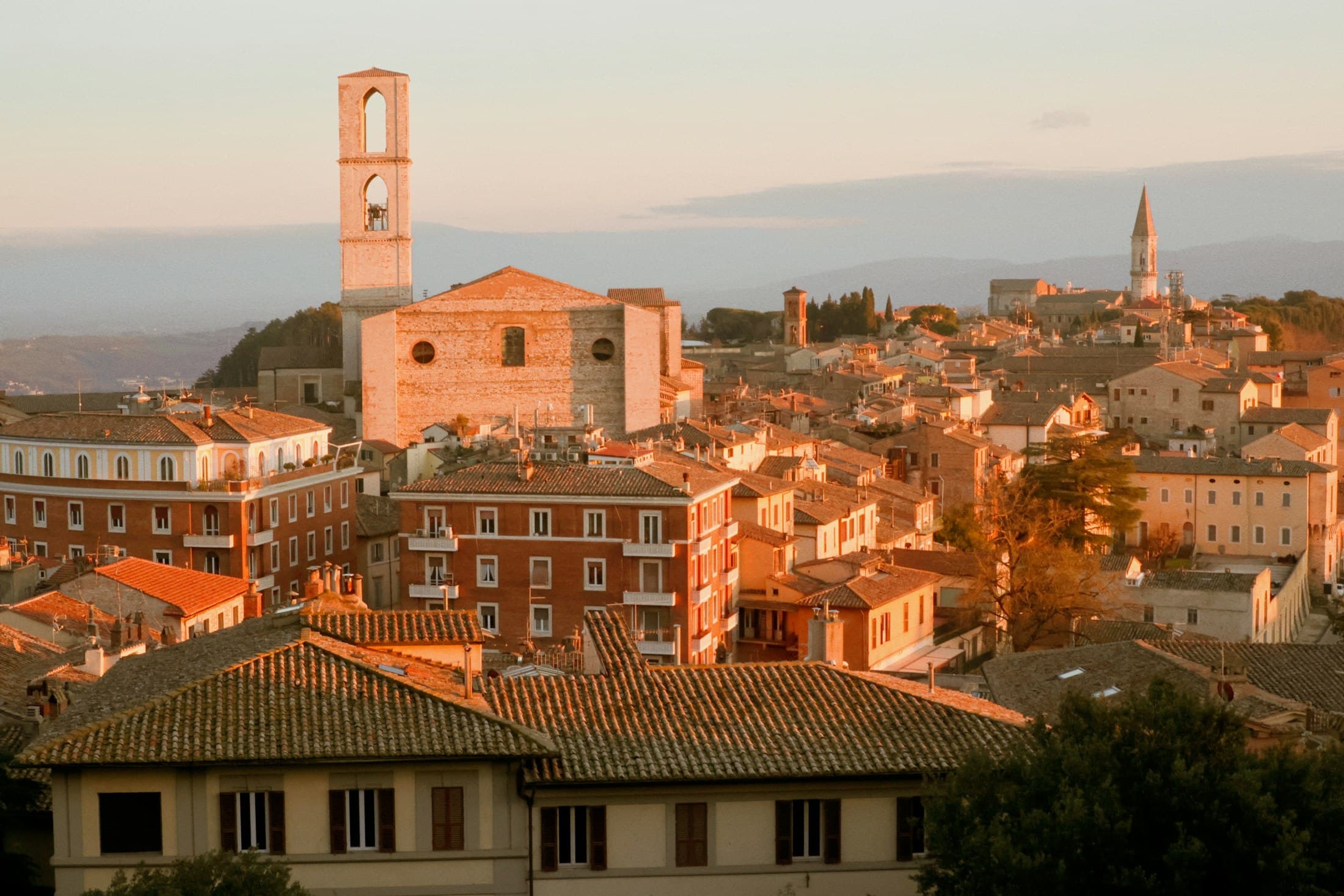
Umbria’s hilltop capital, where the comune marries you in a 13th-century hall above the great fountain, or in a castle on its list out in the hills.
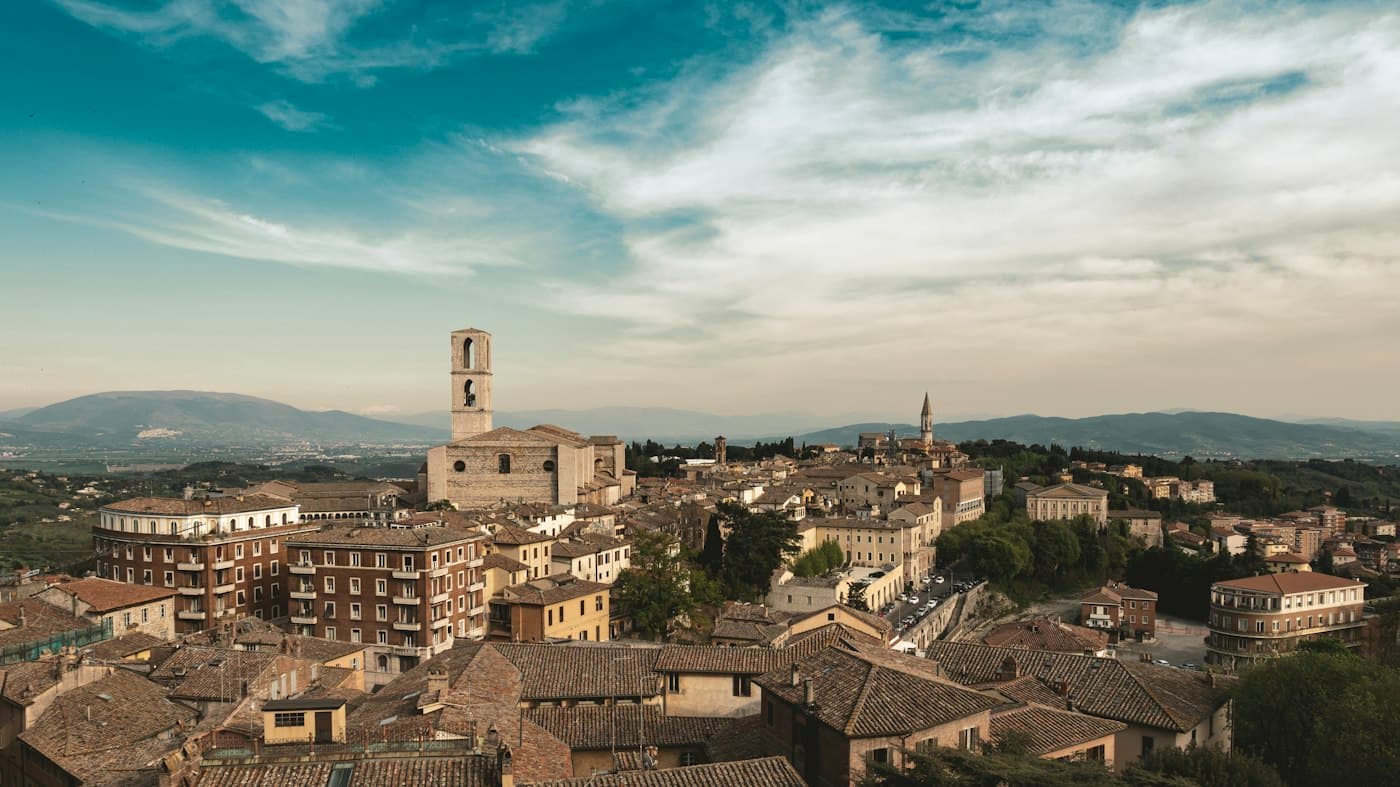
Perugia, about 162,000 people, climbs to 494 metres at Porta Sole and looks out over the Tiber valley.
Its Etruscan arch still carries the words “Augusta Perusia”, cut after Augustus restored it, and its centre runs from the Fontana Maggiore down Corso Vannucci, with the Palazzo dei Priori along the way: a Gothic town hall built in phases from 1293 to 1443, part of it still the seat of the city government.
Perugia is plain about what a civil wedding costs: it publishes its rooms and fees, and with its project “Sposi a Perugia” it also marries couples in private villas and castles the city has inspected, residents or not. So the day can start in the palazzo’s frescoed hall, on the comune’s half-hour slot, and move out to the hills for dinner — or stay on one hilltop from ceremony to last dance.
Photographers
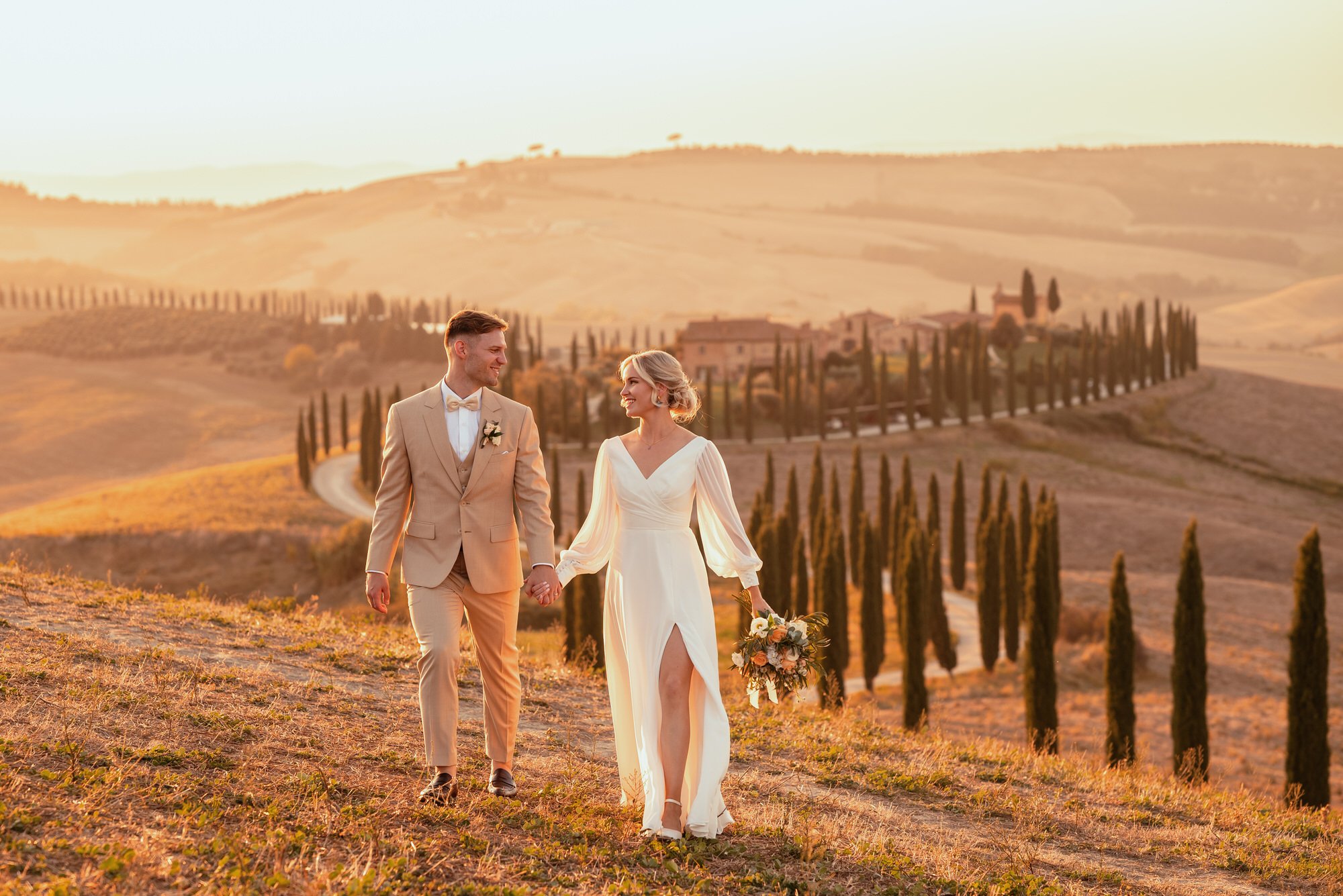
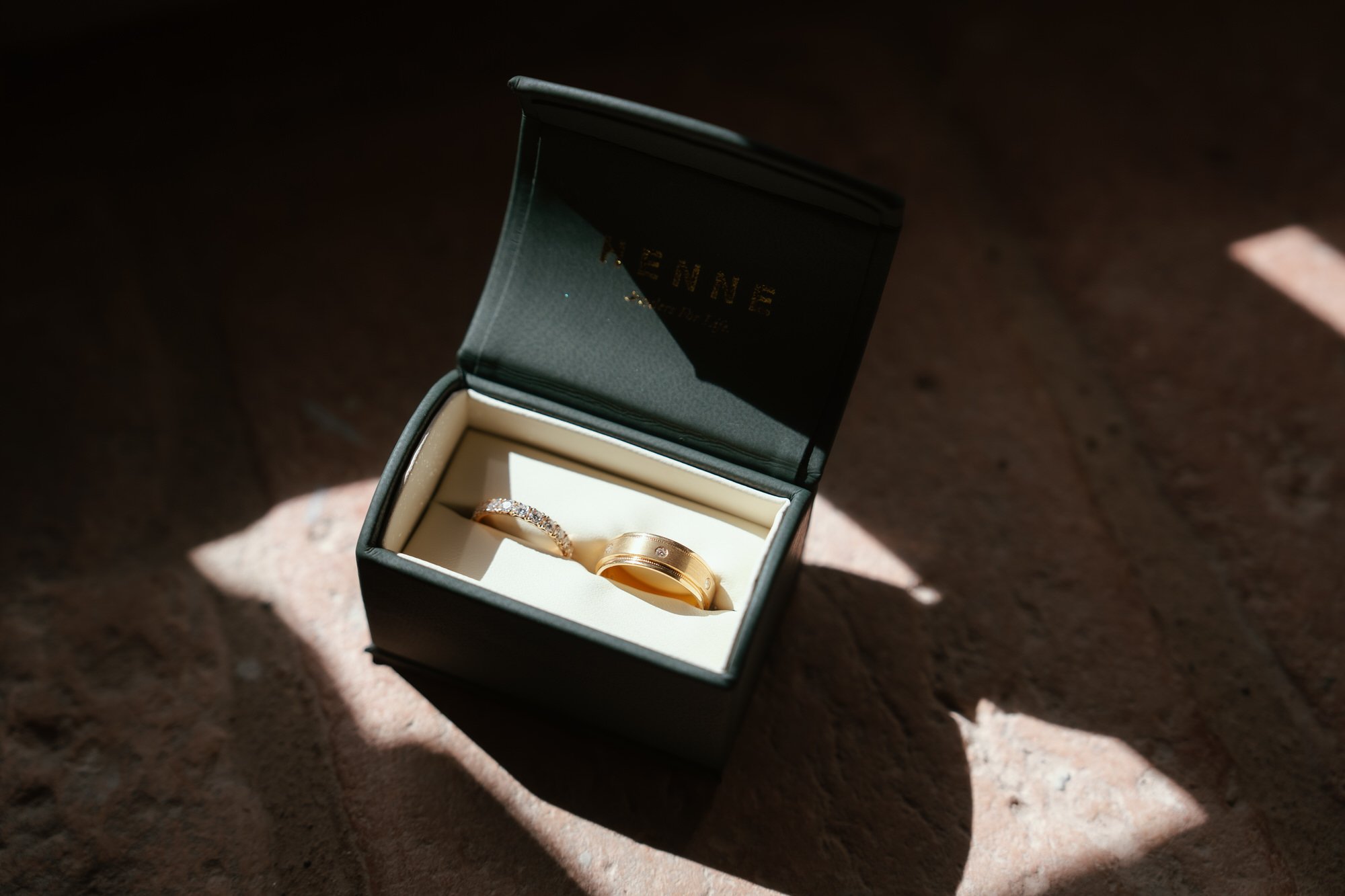
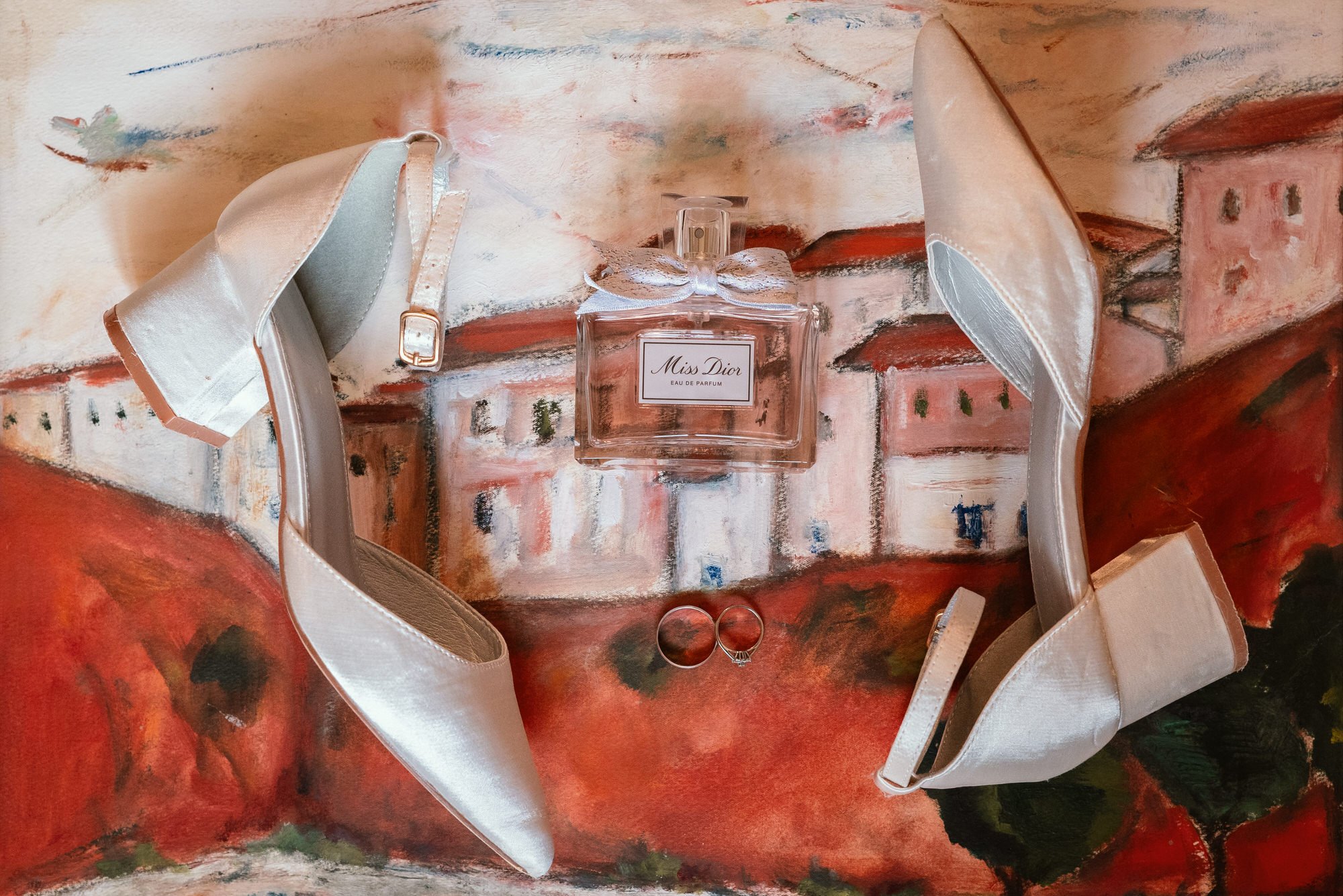
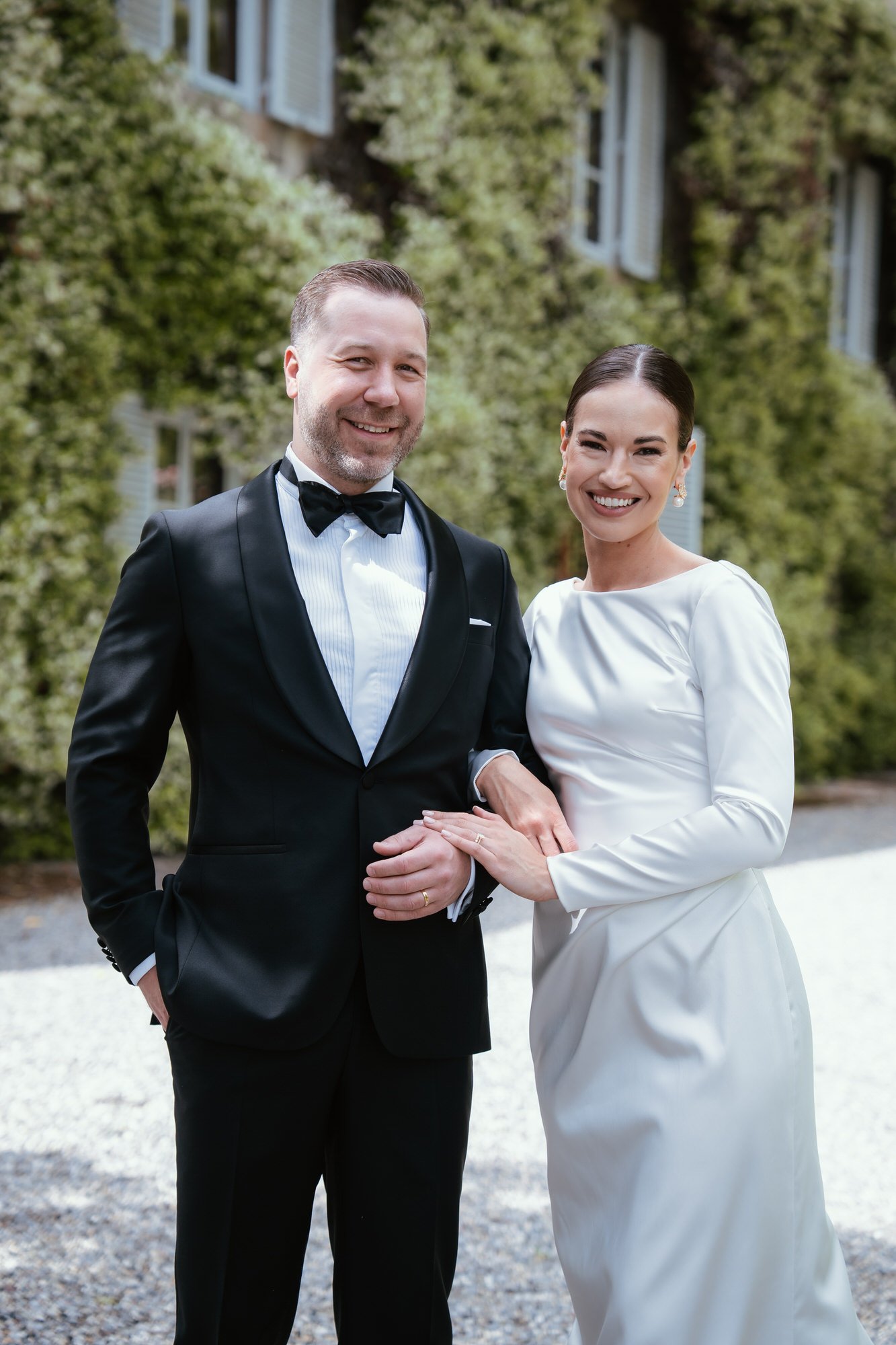
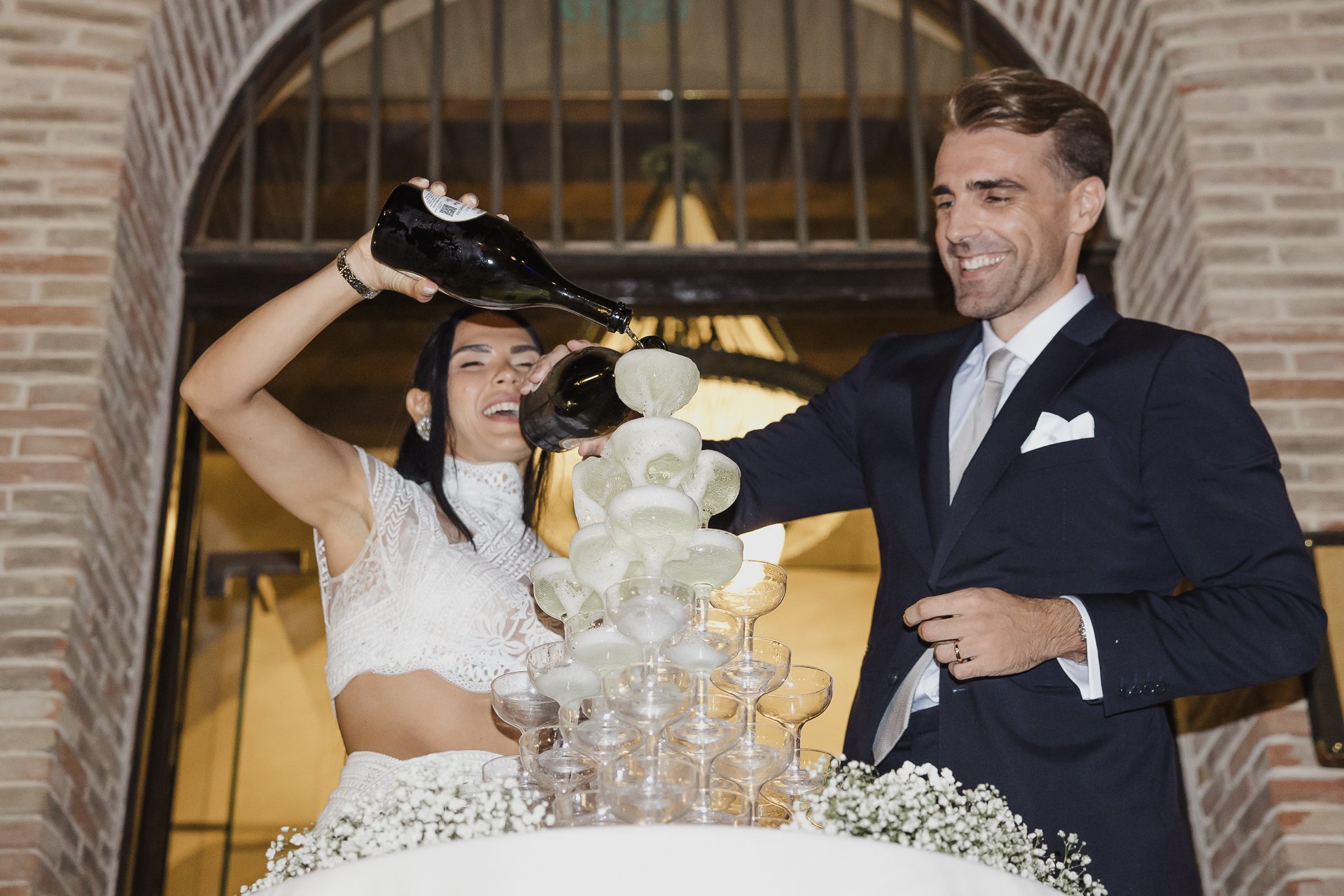
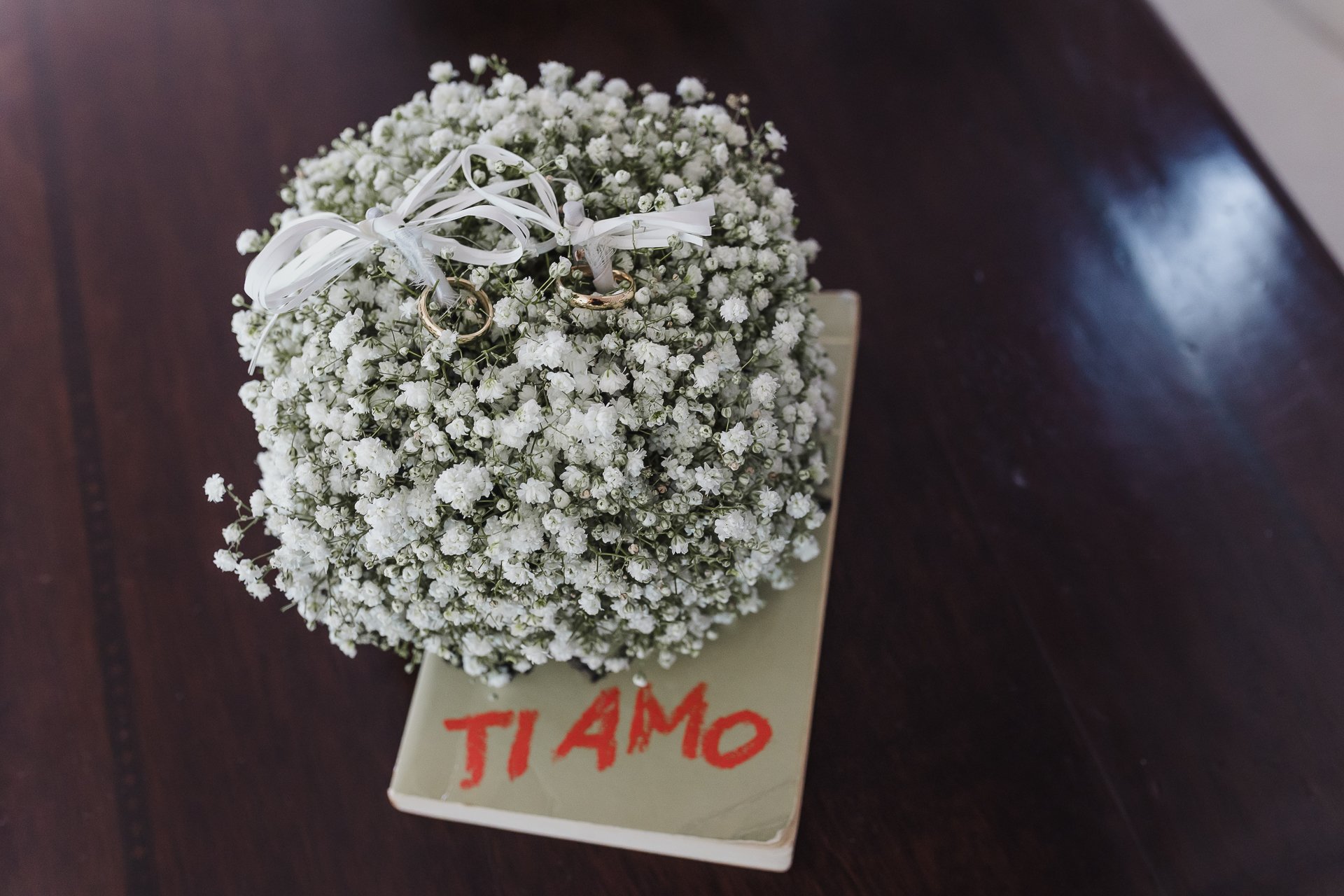
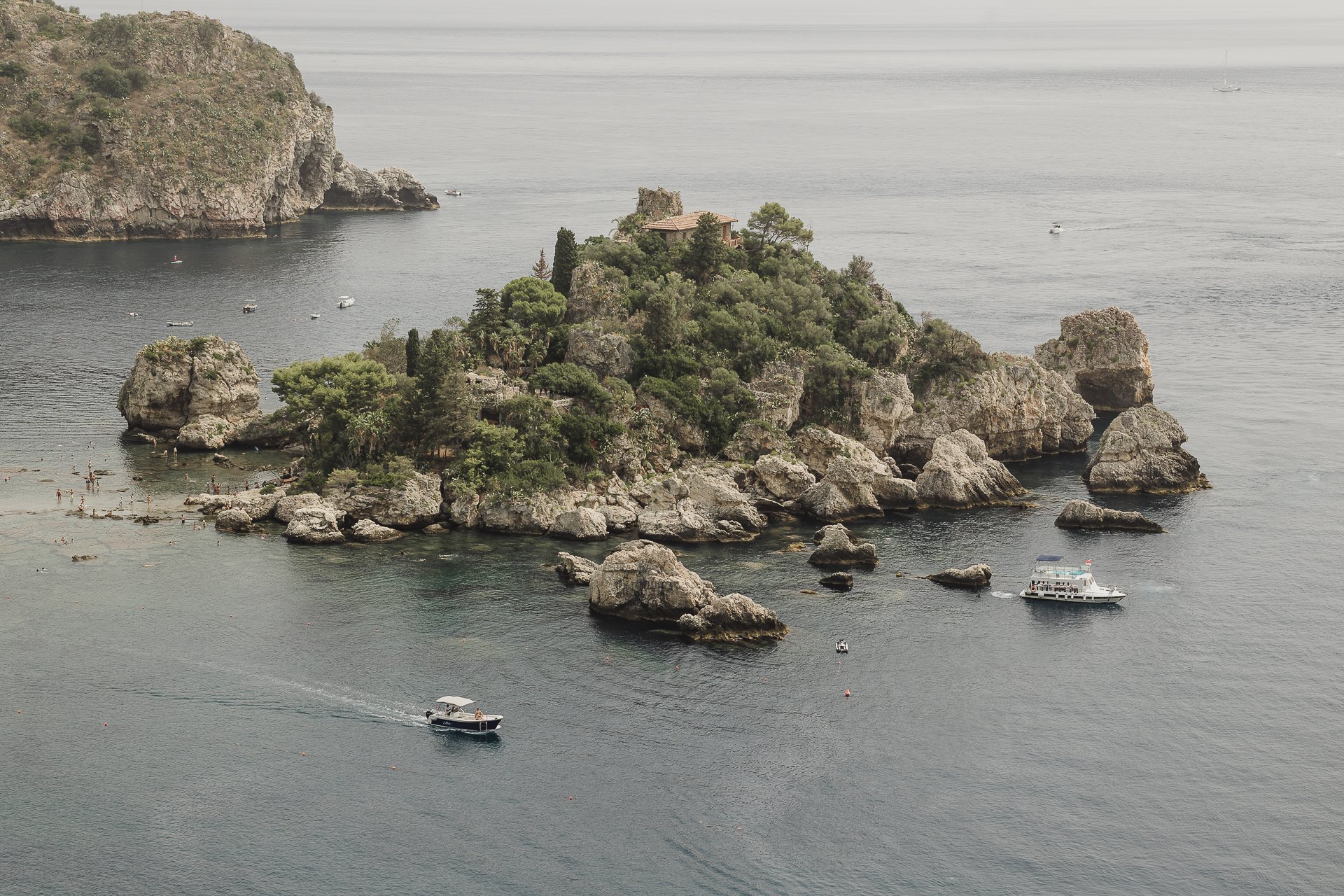
They shoot everywhere in Umbria — in Perugia too. Their whole weddings are on their pages.
See all 13 photographers
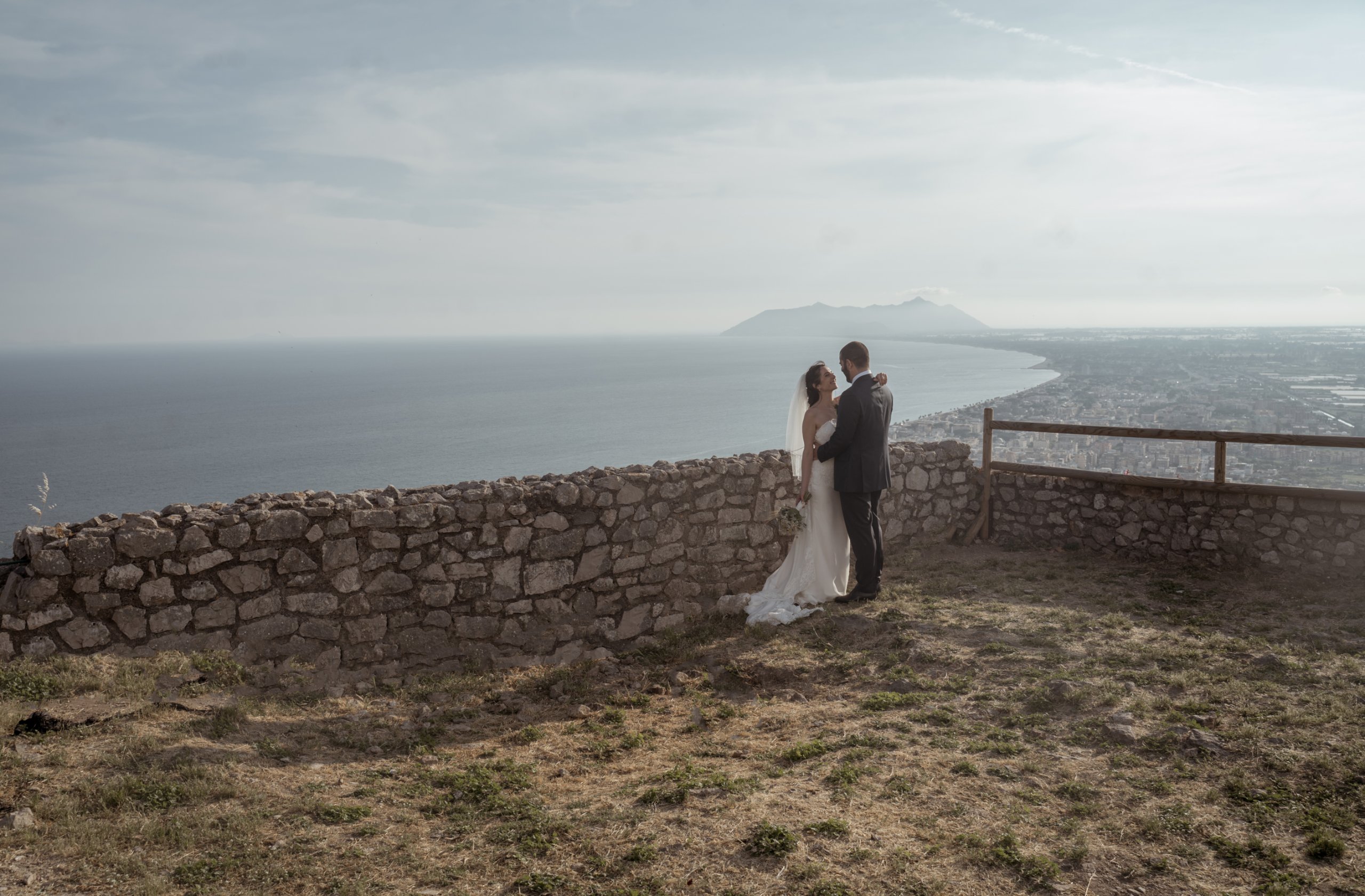
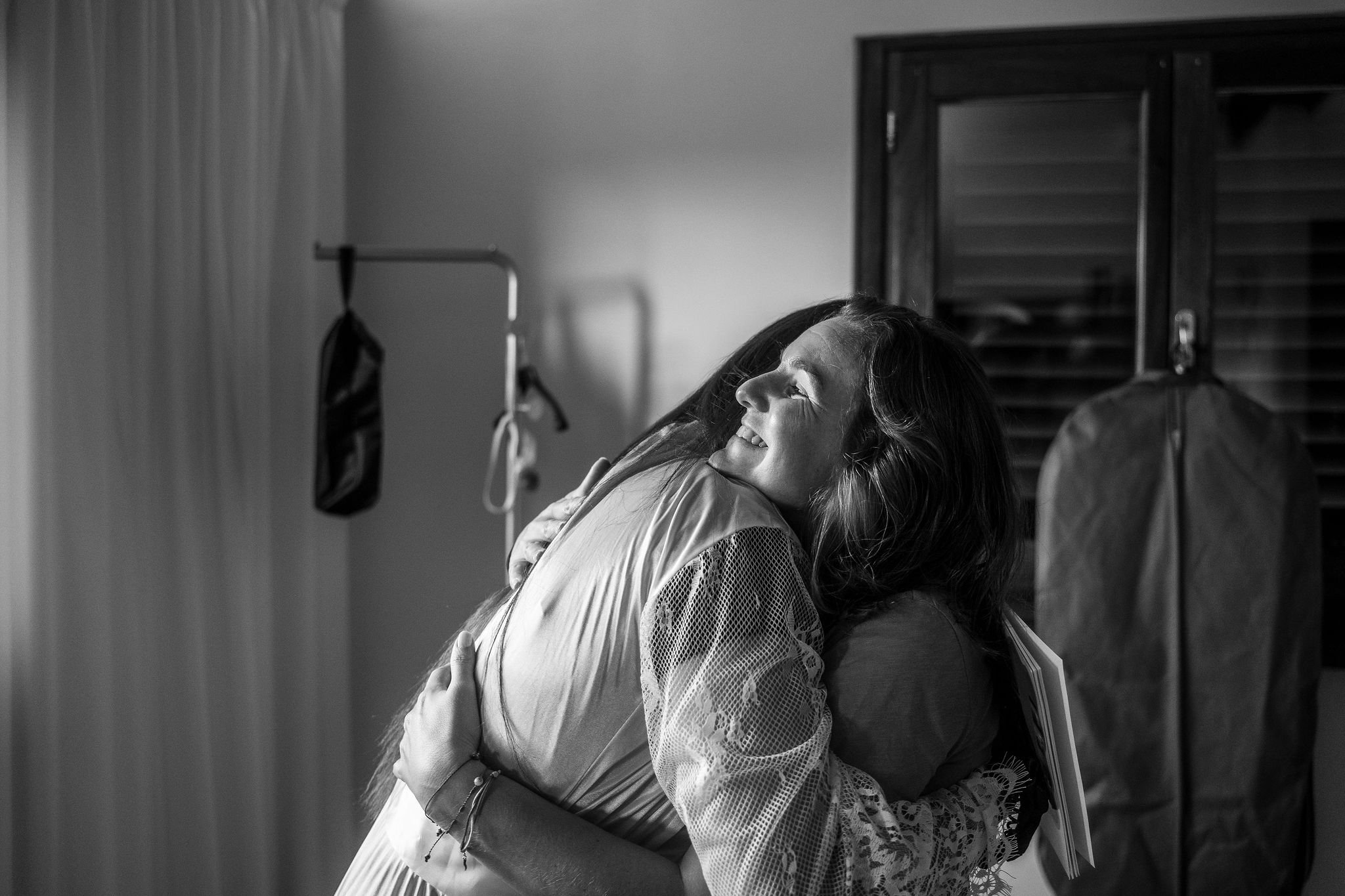
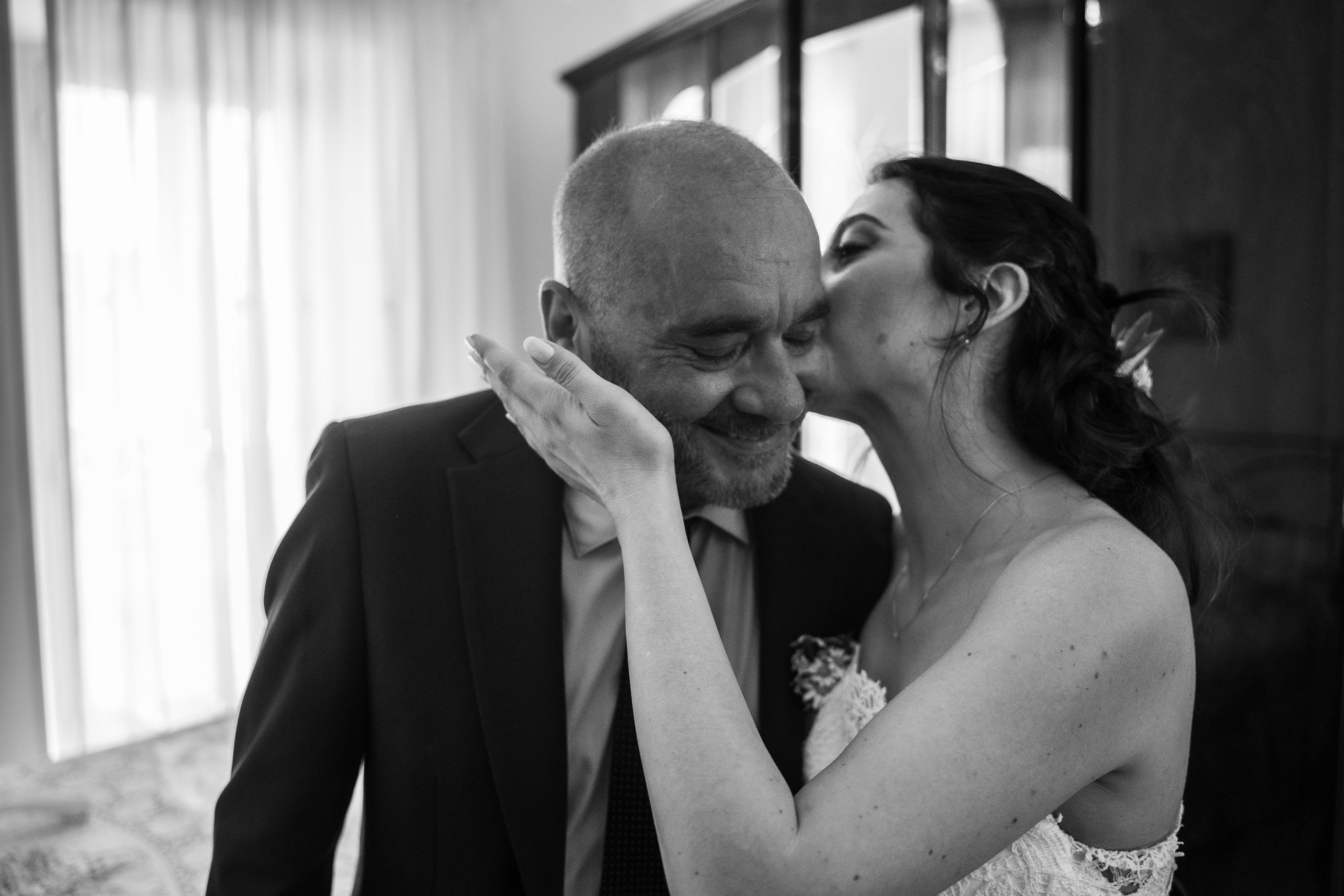
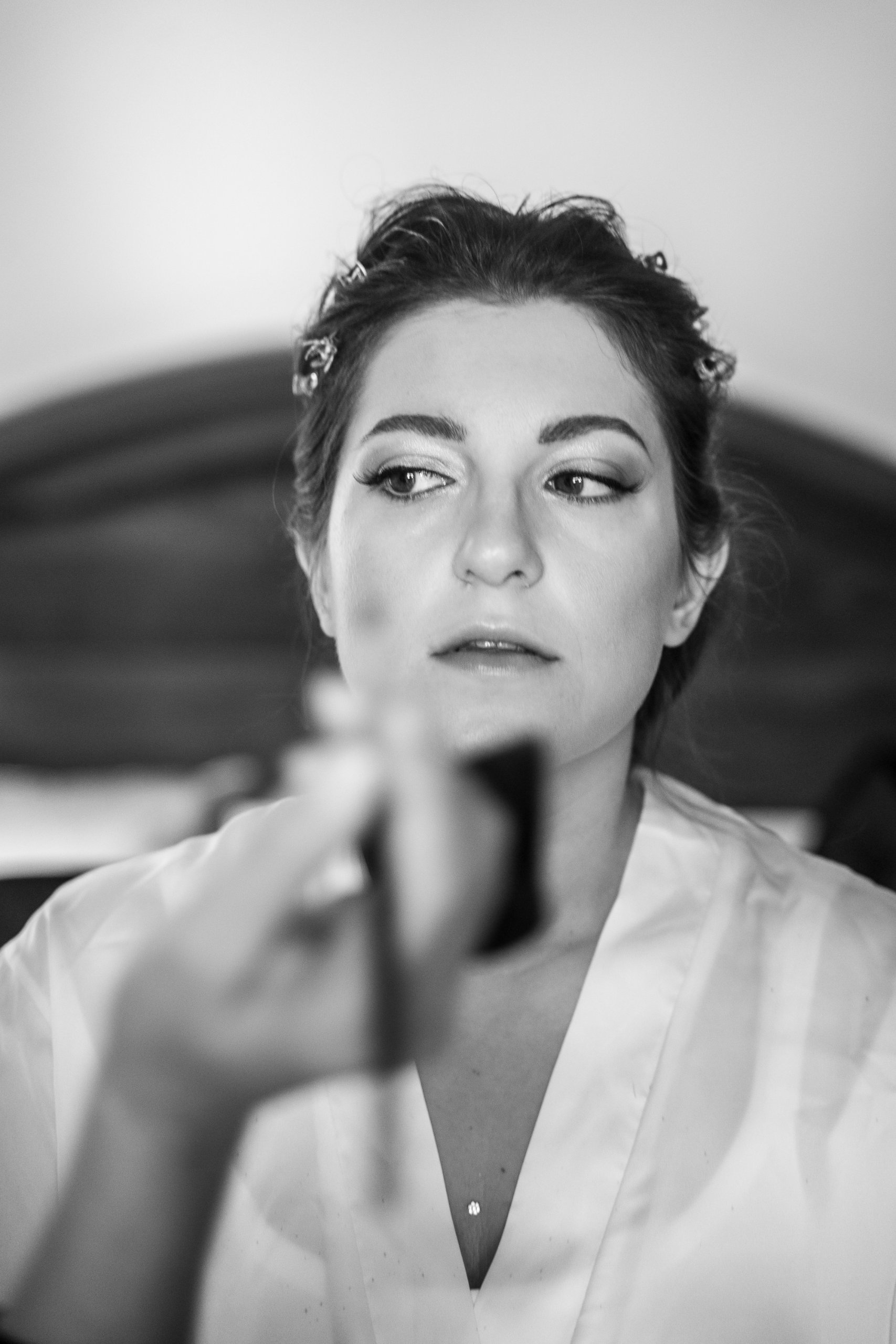
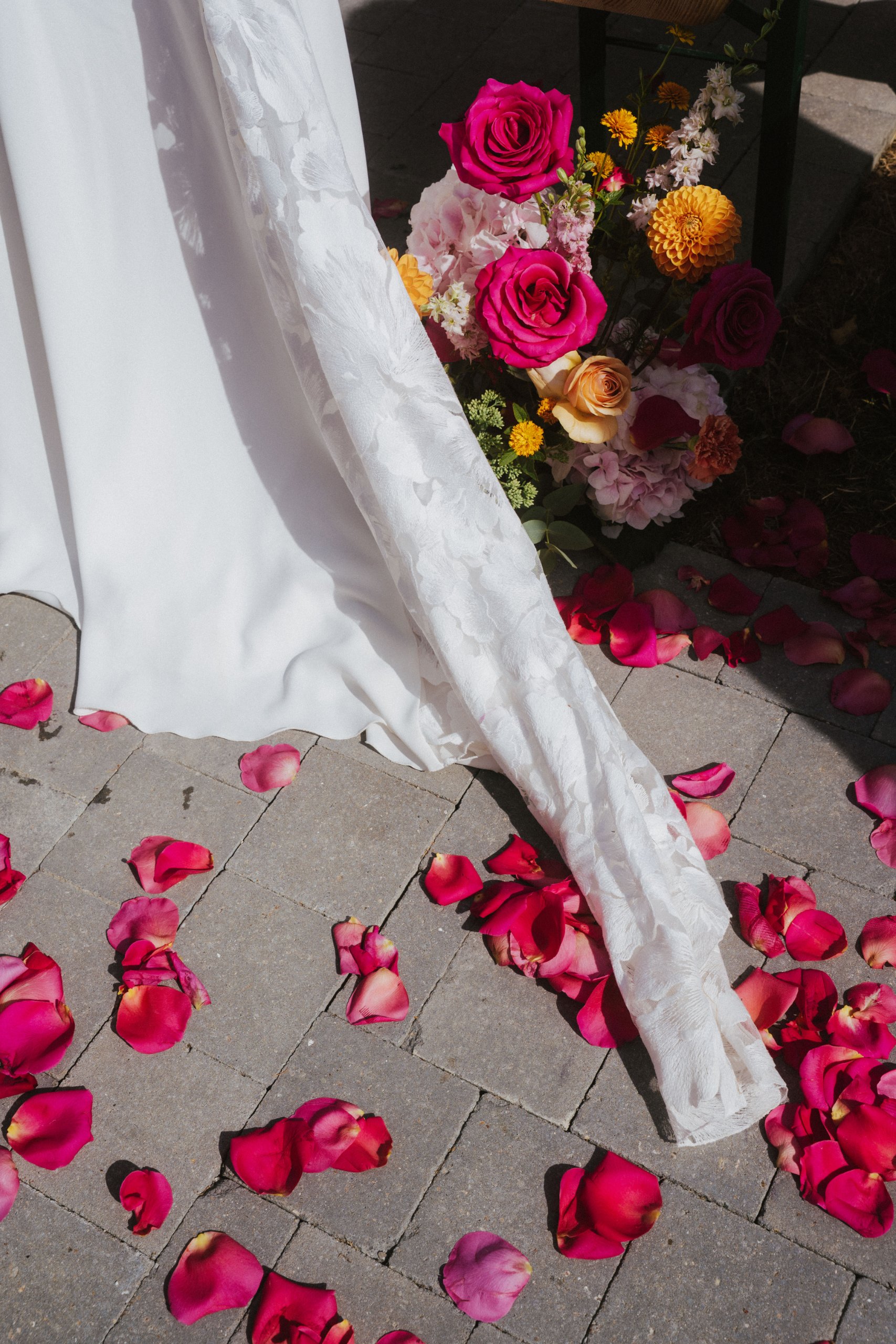
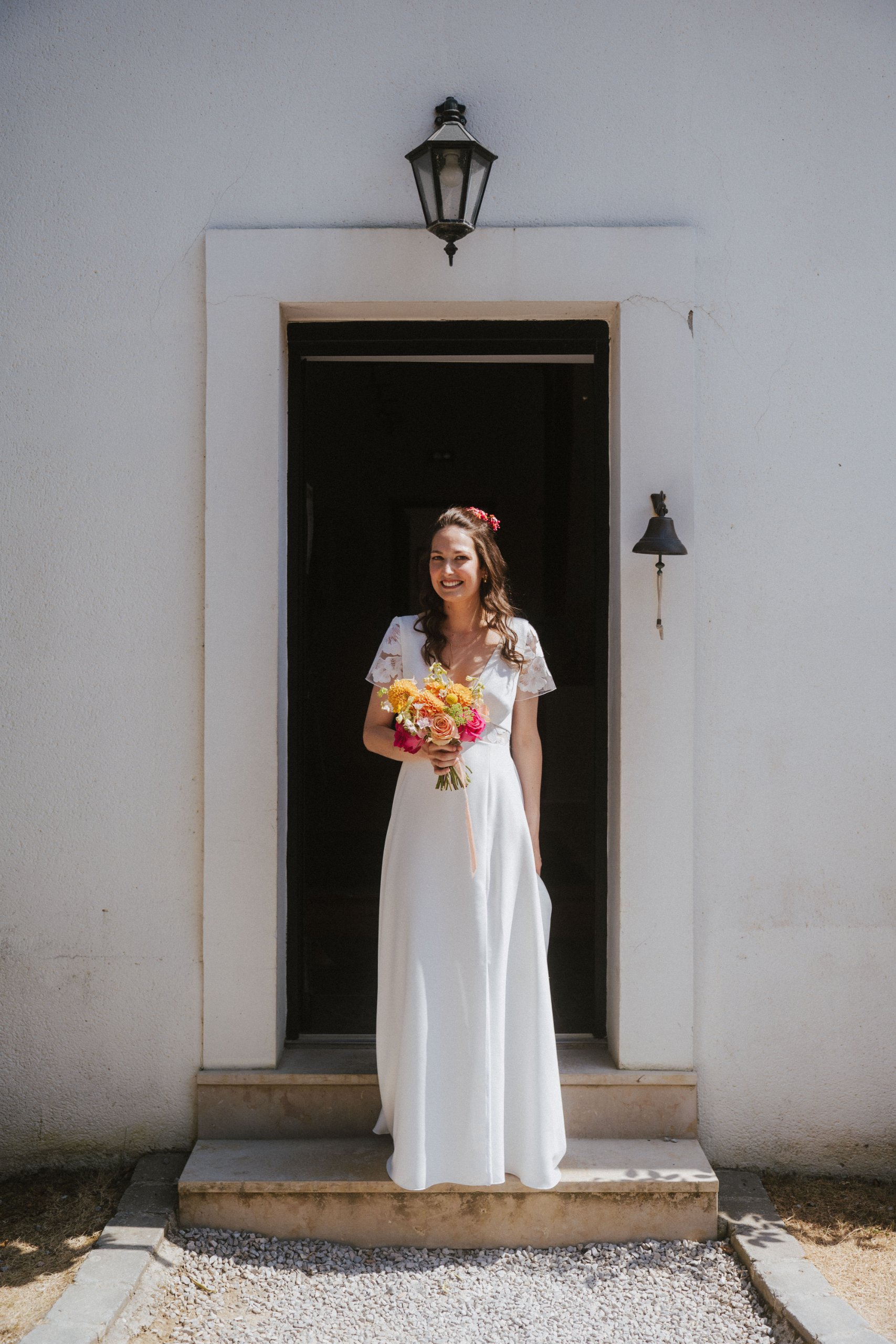
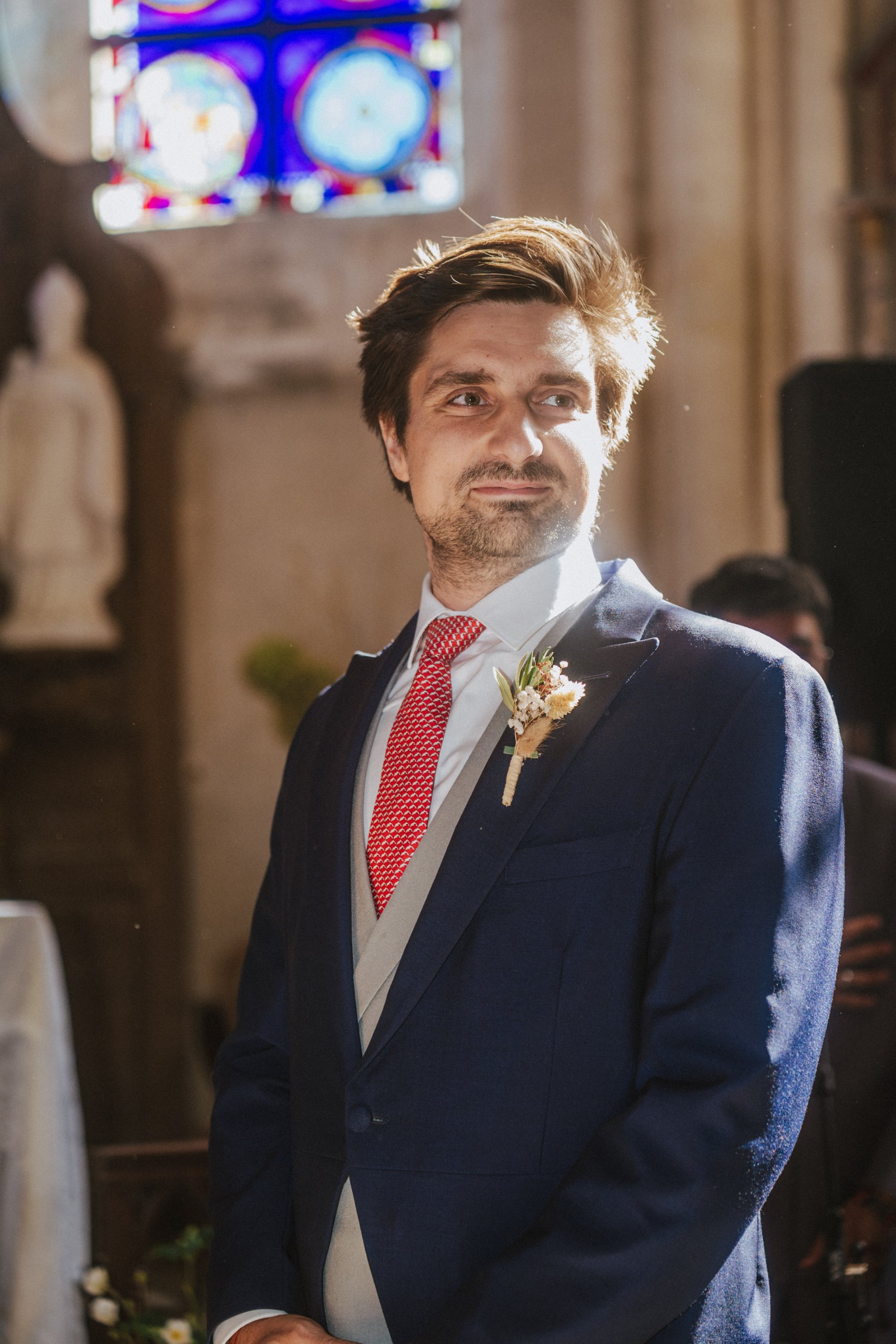
Booking through Lens & Vows
Ceremonies
The oldest part of the Palazzo dei Priori, from 1293–1297, with late-13th-century frescoes restored in 1860, reached up the fan of steps from Piazza IV Novembre. As of 2026: €200 on weekday mornings for residents and €400 for non-residents, €250 and €350 on weekday afternoons, €300 and €500 on Saturday mornings, €400 and €600 on Saturday afternoons, €600 on holidays. The resident rate applies when at least one of you is resident in Perugia or on its AIRE register. The former church complex of San Francesco al Prato is on the same rates, plus a sum to its managers.
The room the comune’s guidelines name as its main public place for civil weddings, also in the Palazzo dei Priori. Weekday mornings are free for residents and €50 for non-residents; weekday afternoons €100 and €200; Saturday mornings €150 and €200; Saturday afternoons €300 and €400; holidays €600 (2026). It keeps strictly to the half-hour slot: the others can sometimes give you longer on a morning.
The Sala Walter Binni in the Biblioteca Augusta (36 seats, via delle Prome), the Sala Sant’Anna, the ground floor of the San Matteo degli Armeni library (40 seats for weddings, via Monteripido) and the Cassero di Porta Sant’Angelo cost €200 for residents and €400 for non-residents from Monday to Saturday, €600 on Sundays and holidays; at the Cassero its managers charge an extra sum. San Matteo has a garden it lets for events: ask if a ceremony can use it. The Nobile Collegio della Mercanzia and the Sodalizio Braccio Fortebracci cost €150 to the comune.
Under “Sposi a Perugia”, the city inspects a private room of historic or artistic value, then makes it a branch of its civil registry for the length of the ceremony; anyone can use one, not just residents. The 2026 list runs to some twenty residences, among them the castles of Solfagnano, Procopio and Bagnara and Villa Taticchi. The comune’s fee is €500 on weekdays and €700 on holidays and the days before them, and whatever else you need is agreed with the owner. The Complesso Templare of San Bevignate is listed as unavailable for now.
Portraits
The 13th-century Fontana Maggiore, its panels carved with the twelve months, stands before the palazzo’s fan of steps, built in 1902. Straight after a ceremony in the Notari the whole party is already here, with the fountain in the frame.
The gardens on Piazza Italia, at the far end of Corso Vannucci, look out from the edge of the hill. Late light is best: on 15 June 2027 the sun sets at 20:52, with golden light from 20:08 to 21:13 (NOAA’s solar equations); on 15 September at 19:21, with golden light from 18:44.
Agostino di Duccio’s coloured reliefs of 1457–1461 cover its façade on Piazza San Francesco, next to the old Franciscan complex of San Francesco al Prato, deconsecrated today, near Porta Trasimena: an open square away from the Corso.
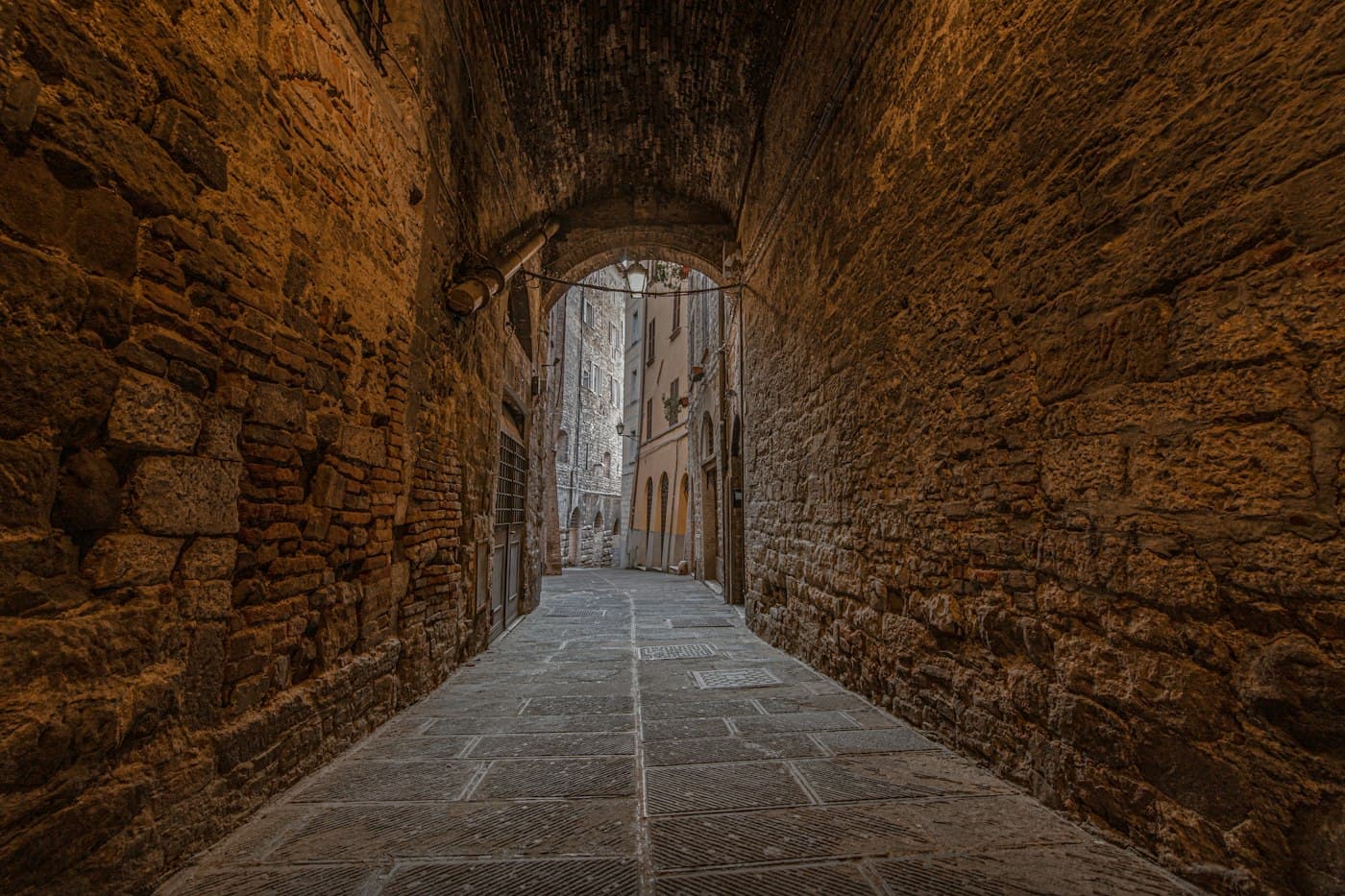
The arch with its Augustan inscription is one of the old ways into the centre, and Perugia’s lanes run on under vaults of stone and brick that stay shaded at midday, when the squares don’t.
Through the year
The station at Sant’Egidio (205 m, in the valley; Aeronautica Militare 1971–2000) records average highs of 22.1 °C in May on 8 rainy days, 26.1 °C in June on 7, 30.0 °C in July and August on 5, 25.5 °C in September on 7 and 19.7 °C in October on 8; the hill is some 290 metres higher, and cooler. Umbria Jazz runs from 9 to 18 July 2027: for that week, book rooms first and pick a venue with its own parking.
Umbria, month by month
Practical
Umbria’s only airport with scheduled flights, Perugia San Francesco d’Assisi at Sant’Egidio, is about 12 km out, some 20 minutes by Busitalia bus. Most guests fly into Rome or Florence and drive about two hours. The main station, Fontivegge, is on the Terontola–Foligno line.
The line, opened in 2008, runs 3 km through seven stations from Pian di Massiano, with its 3,000-space car park, past Fontivegge to Pincetto, with lifts up to via Oberdan in the centre: a good way to bring guests up. The comune’s guidelines give the couple’s car a permit for the limited-traffic zone for the ceremony, and for loading decorations; the ZTL office’s number is on the fee sheet.
The guidelines set ceremonies from 10:30 to 12:30 and from 15:00 to 18:30, every 30 minutes, any day but a list of holidays that includes 29 January, the patron’s day. The comune advises starting three months ahead. Witnesses’ names and your property regime go in at least 10 days before; the room’s fee is paid by PagoPA no later than the 15th day before. If another comune delegates your wedding to Perugia, the room request is due 60 days ahead.
Anywhere in Italy a drone may not fly over a gathering of people, and the operator must check the D-Flight map before every flight. The airport lies close to the city, so ask your photographer what is possible where you marry.
A foreign partner needs a nulla osta from their consulate or embassy in Italy, legalised at the Prefettura unless the London Convention exempts it, or the certificate of capacity if they come from a Munich Convention country. Anyone who doesn’t understand Italian needs an interpreter at the ceremony, found by the couple. Our guide to getting married in Italy sets out the steps.
Questions
From free (the Sala della Vaccara on a weekday morning, if one of you is resident) to €600 in the comune’s rooms; a non-resident pays €50 for that same Vaccara morning, and up to €600 in the Sala dei Notari. The private residences on its list cost €500–700 to the comune, plus what the owner charges. Figures as of 2026.
Yes, at the non-resident rate, from €350 on a weekday afternoon. The ceremony’s time is agreed with the Ufficio Matrimoni, which answers the phone on Monday and Wednesday from 11:00 to 12:30 and receives by appointment only.
Legally, yes, where the comune has made the room a branch of its civil registry: its 2026 sheet names some twenty residences within the comune. A castle outside the comune’s boundary follows that comune’s rules, so ask which one it is in.
Italy gives same-sex couples a civil union, not marriage. Perugia celebrates them before two witnesses in the same rooms at the same fees, and sets the date at your appointment with the office.
May, June and September: valley highs of 22–26 °C and seven or eight rainy days a month, cooler up on the hill. July and August reach 30 °C in the valley, so the ceremony and portraits move late in the day.
Umbria
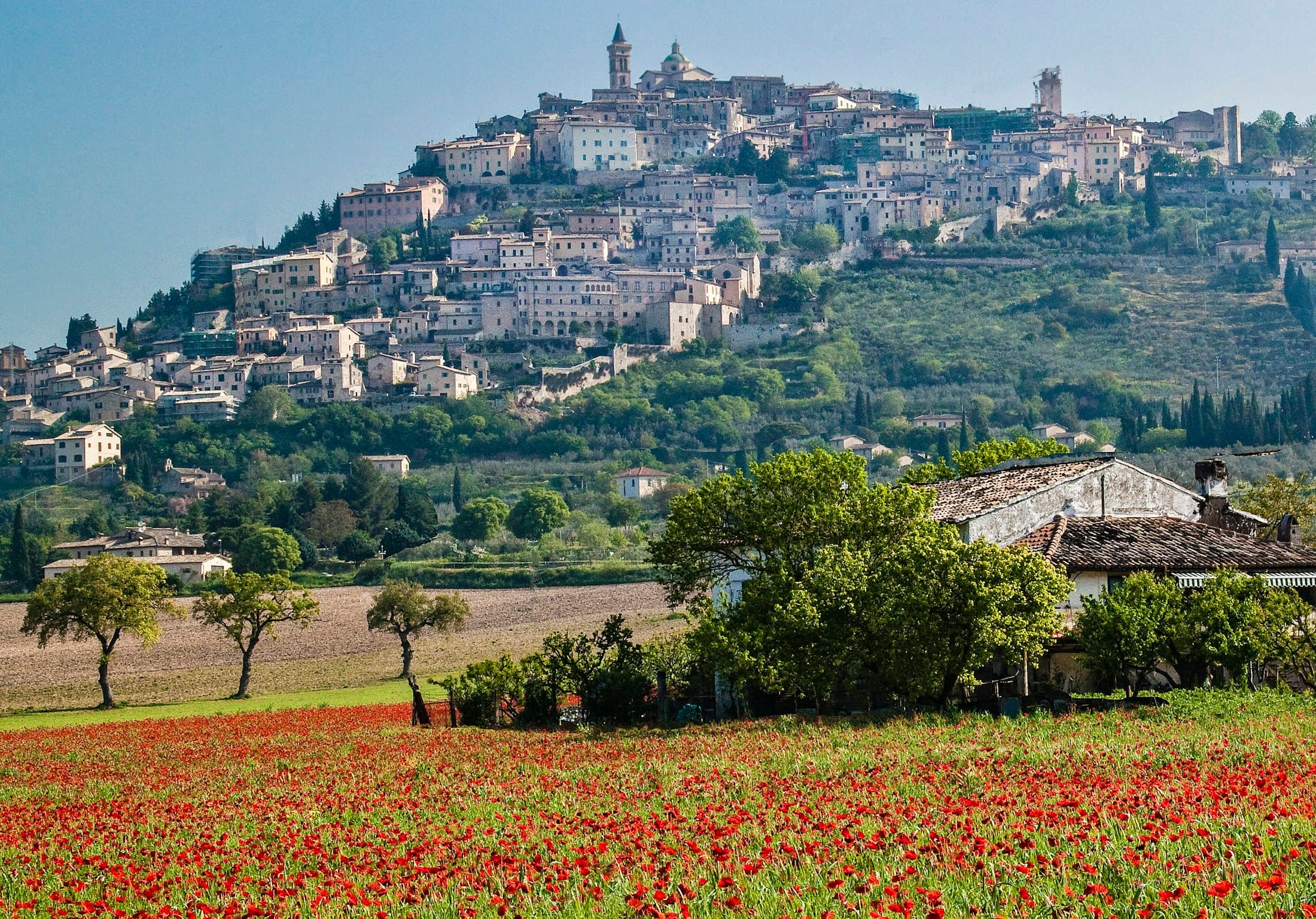 UmbriaThe whole region: when to marry, the kinds of places, the light, getting there.
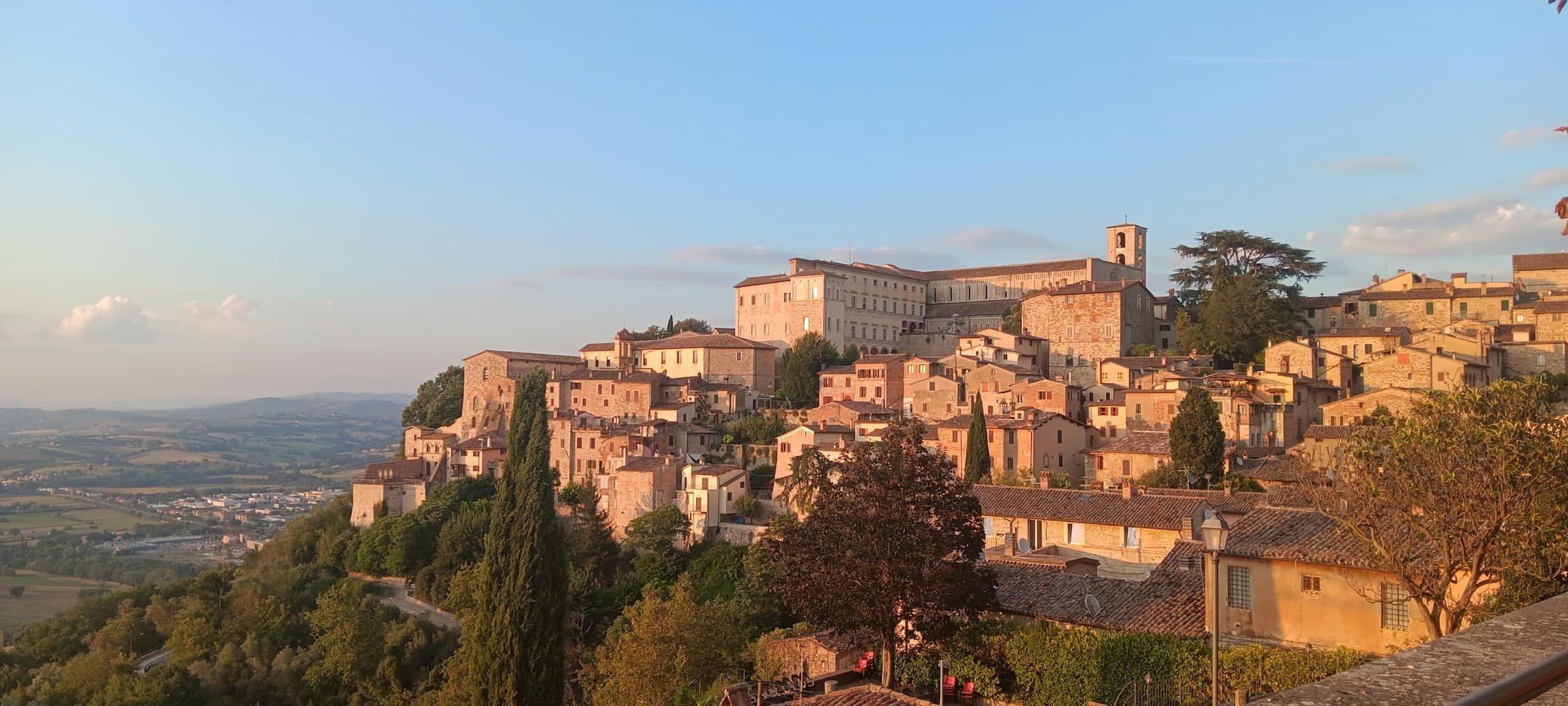 TodiA small hill town above the Tiber valley that counts its weddings by the dozen, most of them for couples from somewhere else.
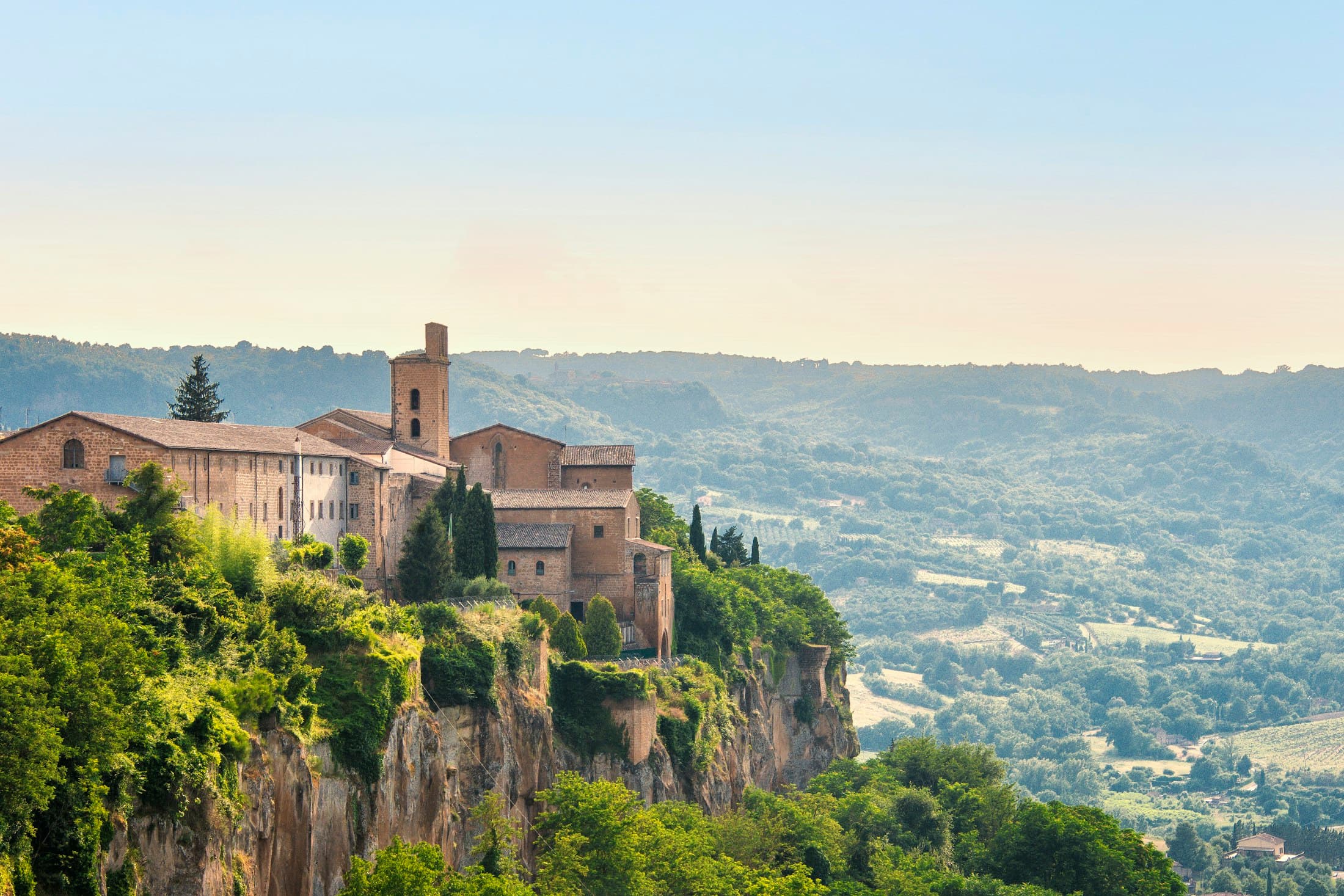 OrvietoA town on a cliff of volcanic rock, a Gothic cathedral on top and a railway at the bottom, an hour or so from Rome.
Plan
Not sure yet?
The place, the date, the guests, the photos you like. Our concierge checks who is free and fits, and comes back with photographers to choose from.