Founding photographerVerified — Identity verified by Lens & Vows

Ian P.from €5,506
Vienna, The Wachau Valley +4 · Documentary, EditorialWedding photographers in Austria
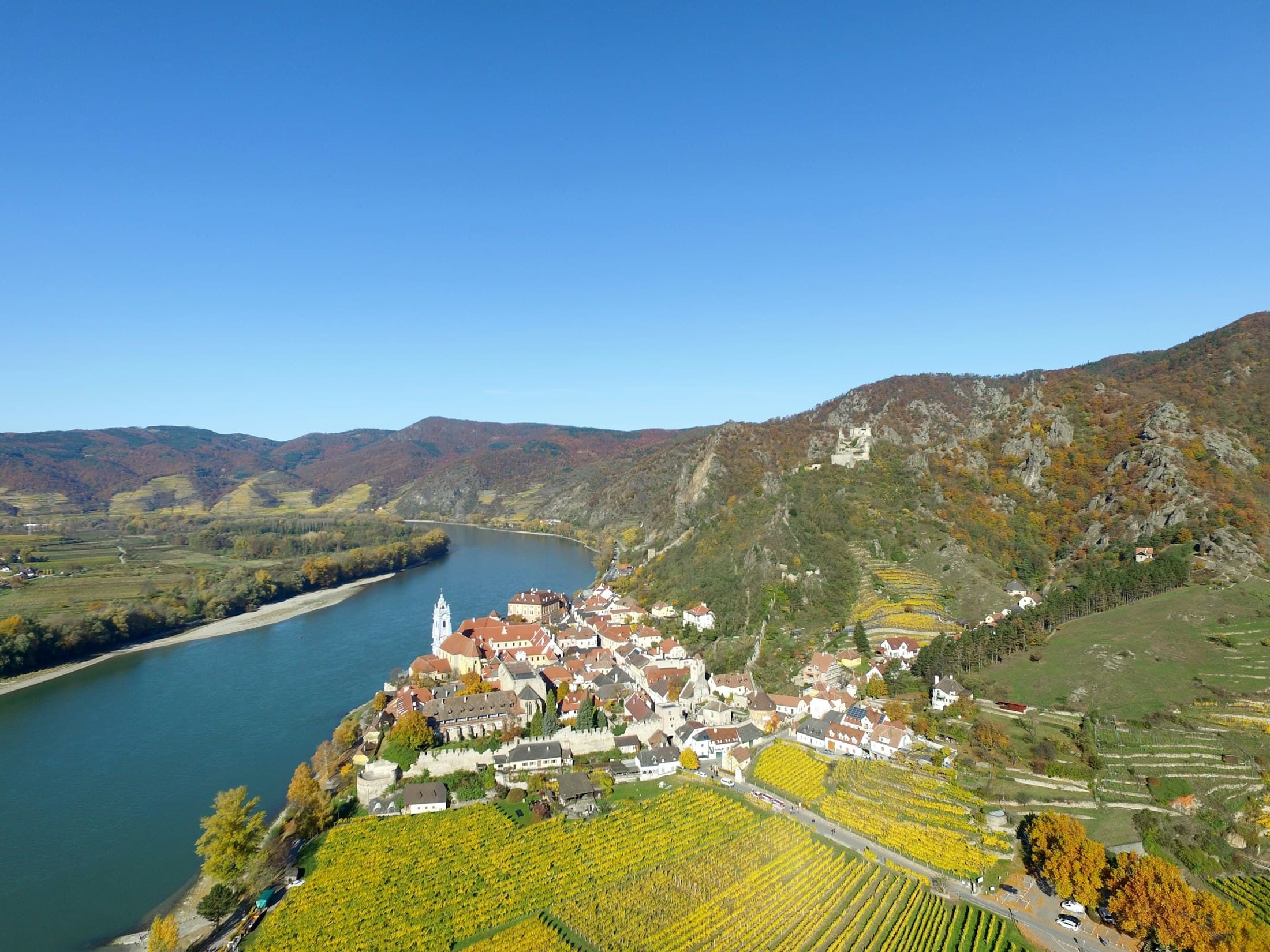
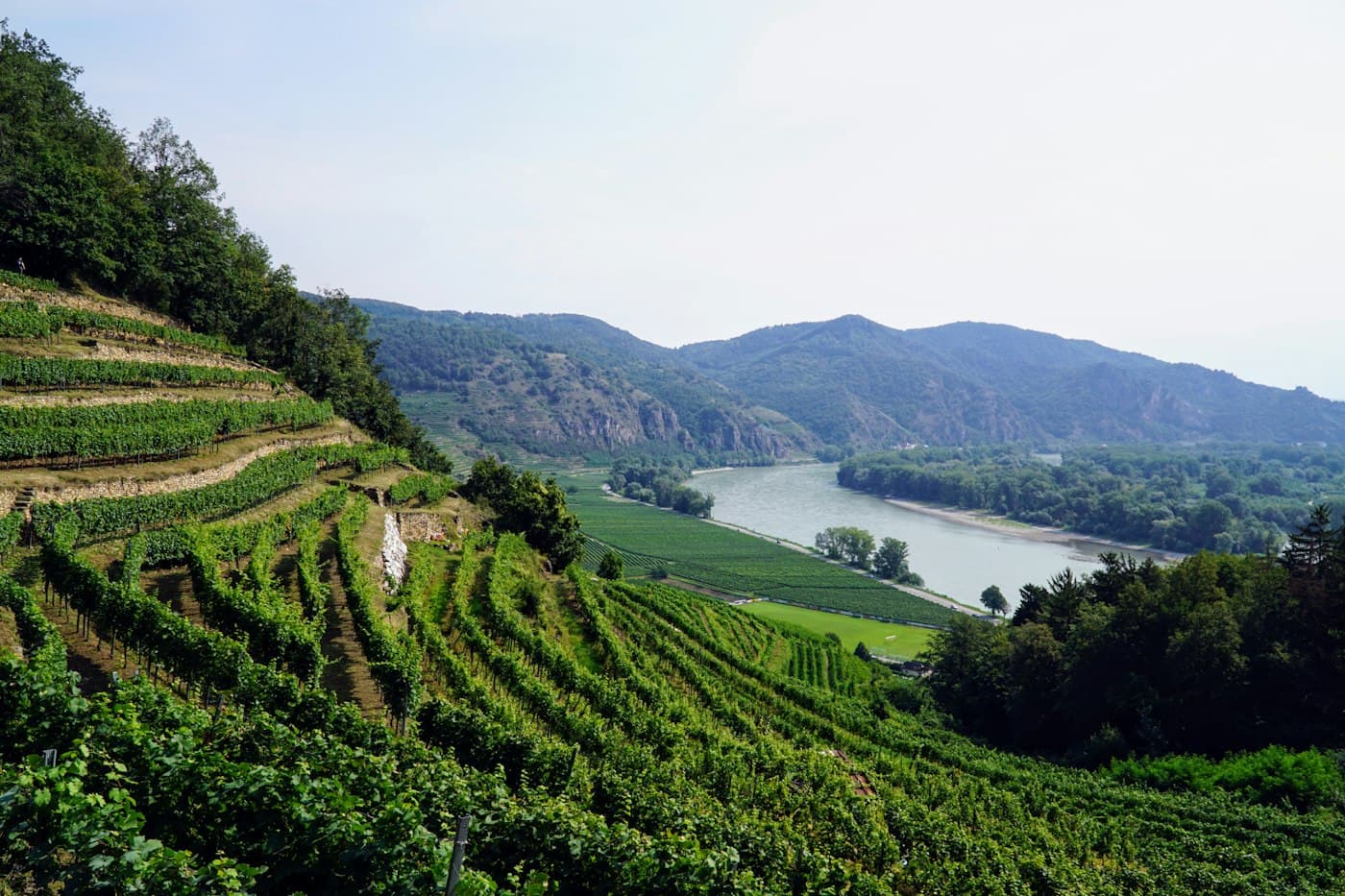
Terraced vineyards above the Danube, apricot orchards, wine villages and baroque abbeys — the valley between Melk and Krems, an hour or so from Vienna.
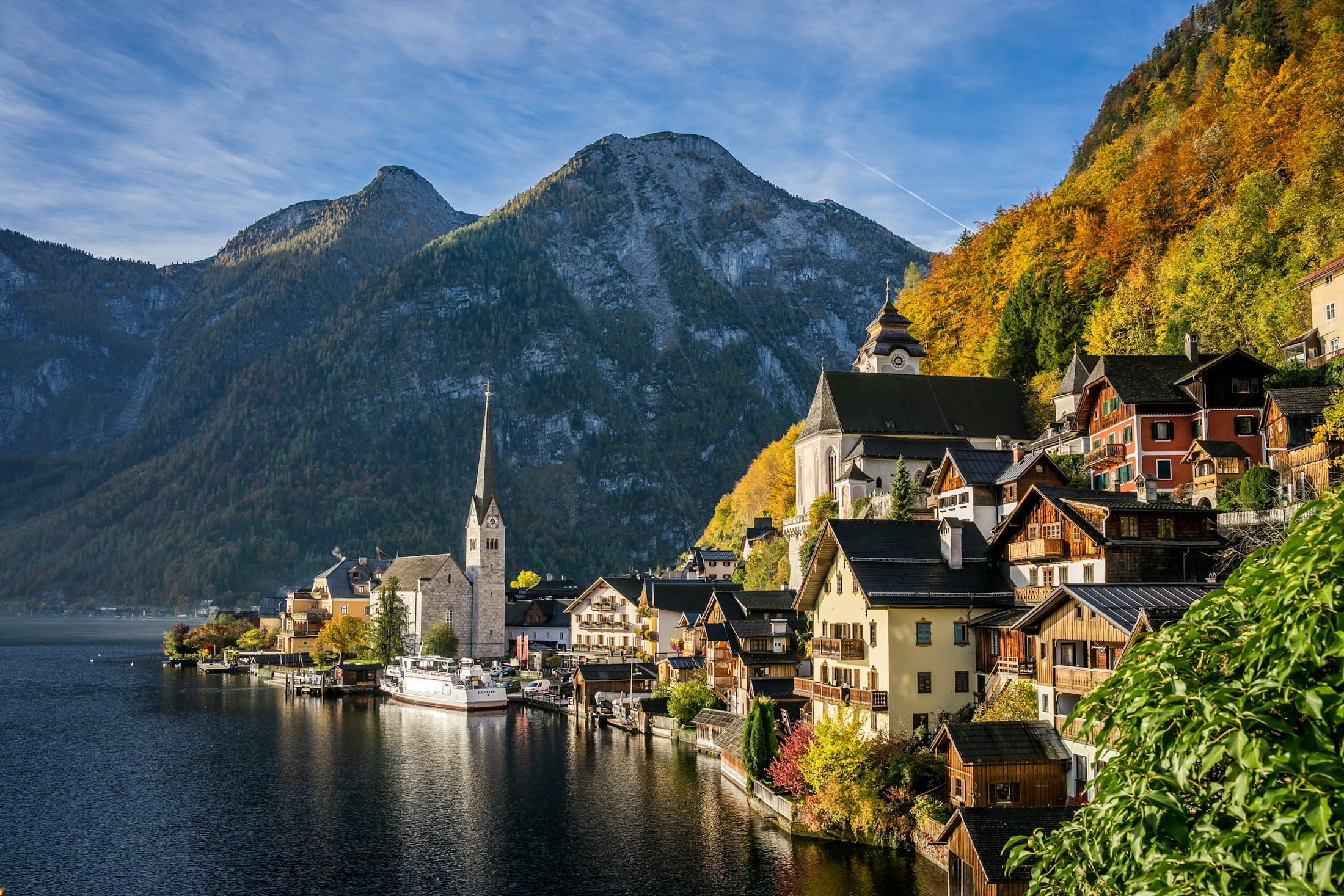
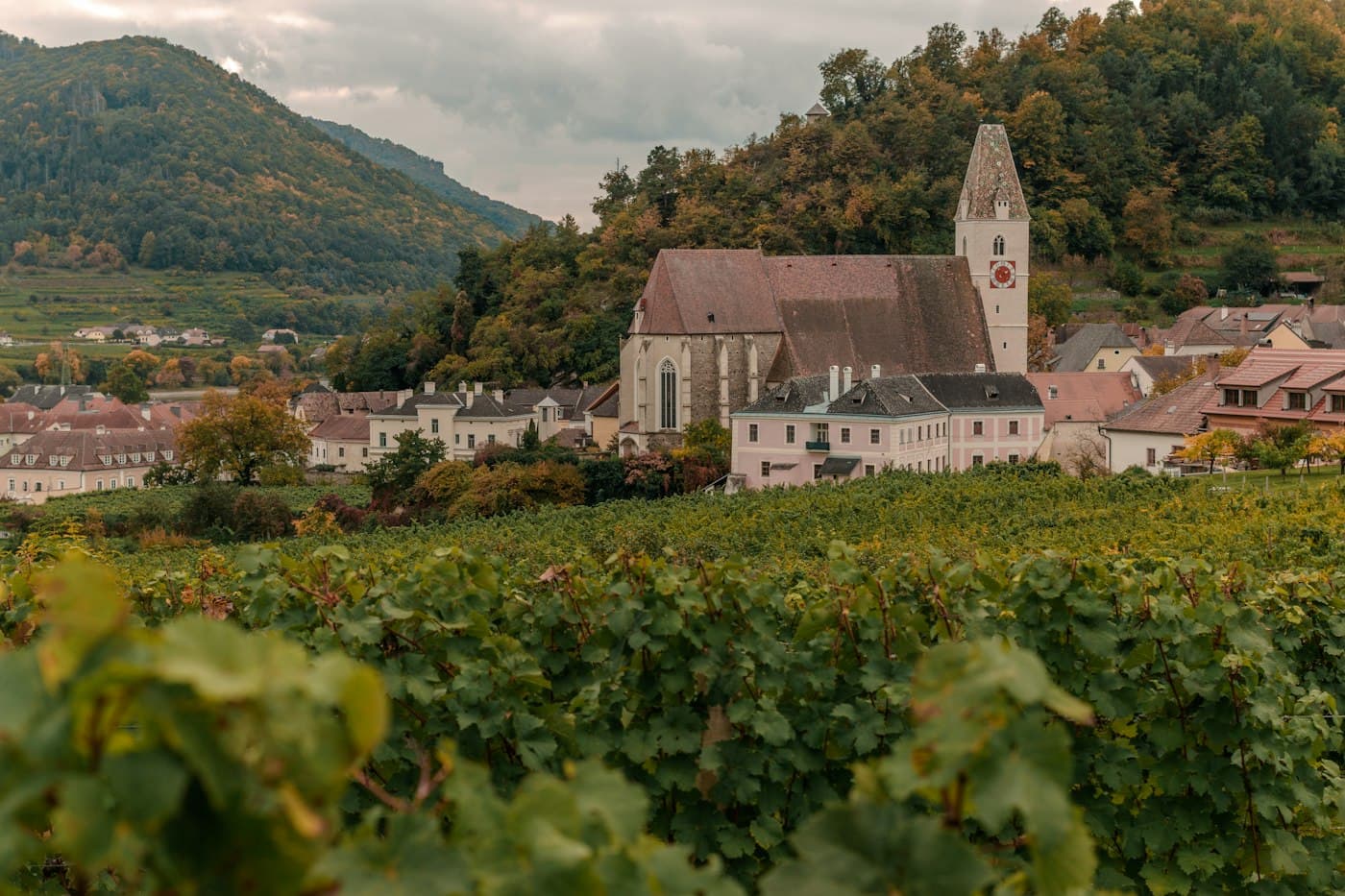
The Wachau is the stretch of the Danube between Melk and Krems, west of Vienna. Its steep slopes are terraced with dry-stone walls and planted with vines, apricot orchards fill the valley floor, and wine villages line the water — Spitz, Weißenkirchen, and Dürnstein below its ruined castle — with a great baroque abbey at either end. The whole landscape is a UNESCO World Heritage site.
Weddings gather around a wine estate or an old winemaker’s courtyard, with the ceremony in a village church, an abbey or a castle above the river — and sometimes a boat on the Danube before dinner.
Photographers
They shoot here and know the light. Their whole weddings are on their pages.
See the photographerThrough the year
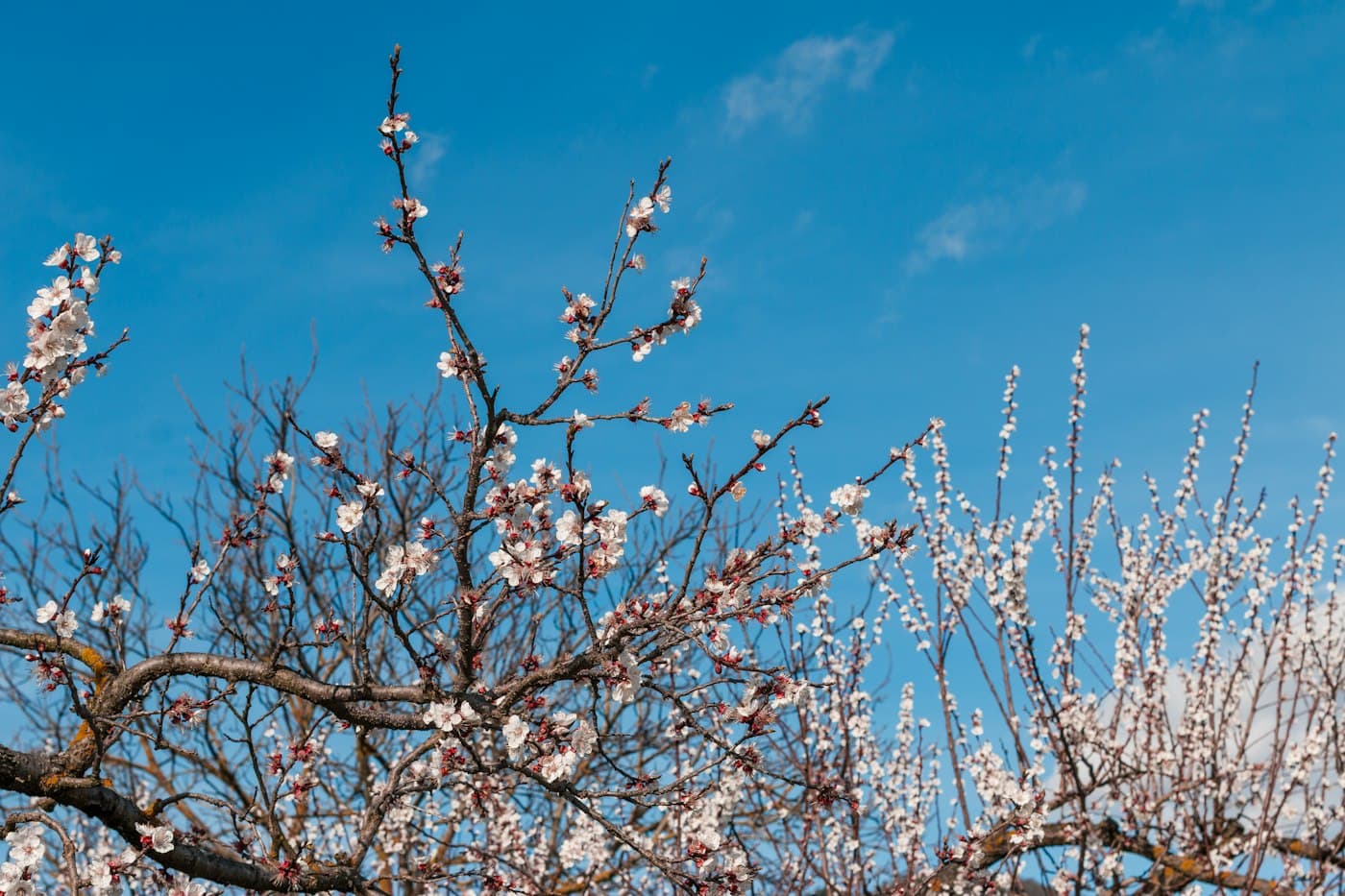
May, June and September are the valley at its best: warm days, cool evenings by the river, the vines green or turning gold. Most of the year’s rain falls from May to August, often in short afternoon storms. The apricot trees blossom in late March or April; the harvest runs on through October, when the terraces turn gold but the nights are cold. The riverboats run from spring to autumn.
Weather station: Krems, normals 1991–2020 · Checked 15 October 2026
Places
The kinds of places — ask your photographer which ones they know well.
Winemakers’ houses with stone courtyards and vaulted cellars: the ceremony among the terraces, a toast in the cellar, dinner outside.
Baroque abbeys high above the river and Gothic churches in the wine villages; some abbey halls and gardens host the dinner too.
Castles above the Danube, some of them hotels now, and medieval ruins on rocky crags for portraits with the valley below.
Cobbled lanes, riverside paths and the Danube itself: portraits by the water, a ride on a boat, the terraces rising behind.
Light
The valley is narrow and its slopes steep, so the river falls into shadow early in the evening while the upper terraces and the ruins keep the last sun — the portraits happen up the slope. The great vineyards on the north bank face south, into the sun. In autumn, mornings often begin with mist on the Danube; at midsummer the sun sets just after nine.
Travel
Fly into Vienna: Krems and Melk are each about an hour away by train or car. The villages line both banks, with bridges only at Melk and Krems and small ferries in between, so plan cars or a coach for the guests — or a boat.
Plan
Austria