Verified — Identity verified by Lens & Vows

Yana V.from €1,500
🇮🇹 Tuscany, Rome & Lazio +7, Italy · Documentary, FilmWedding photographers in Italy
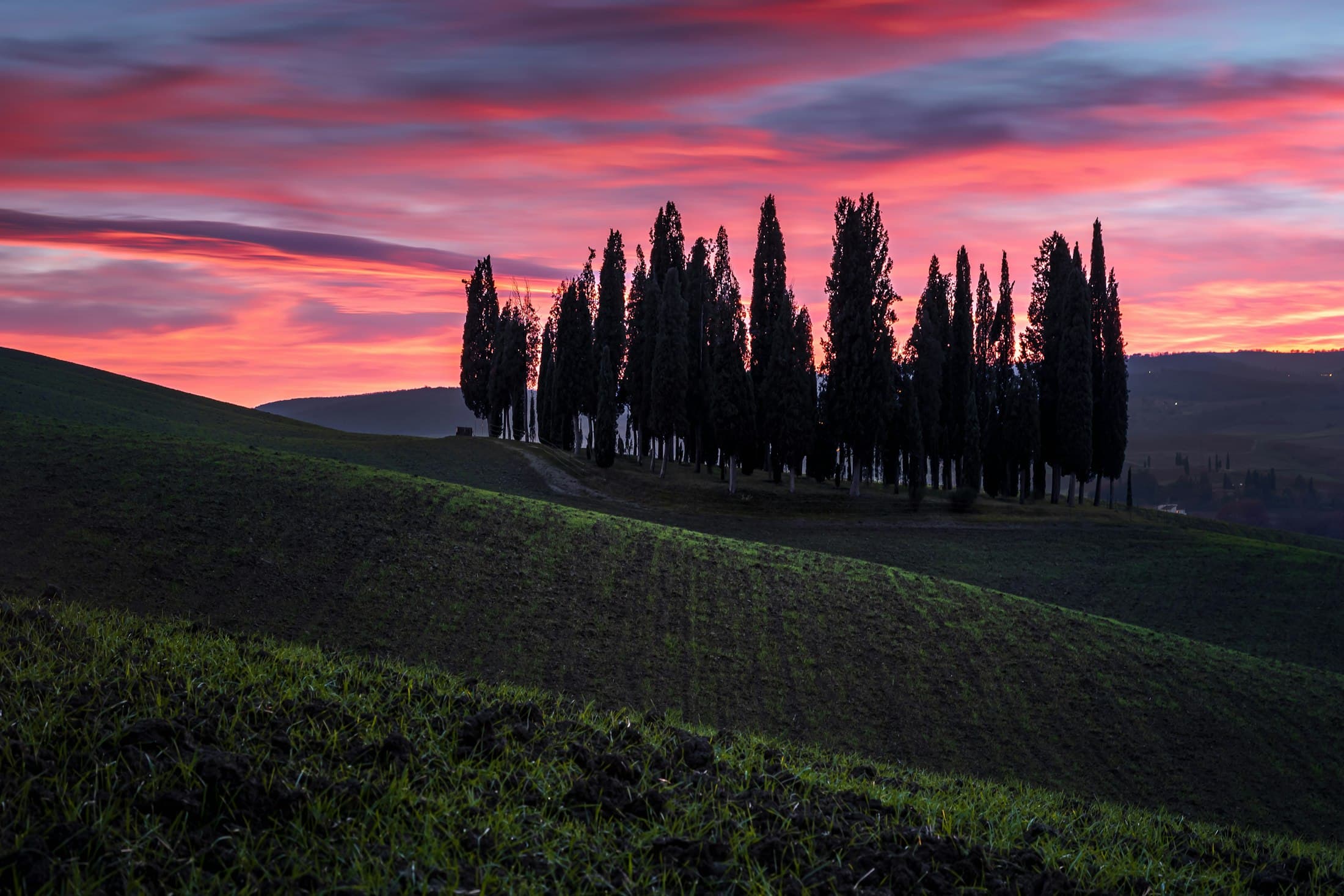
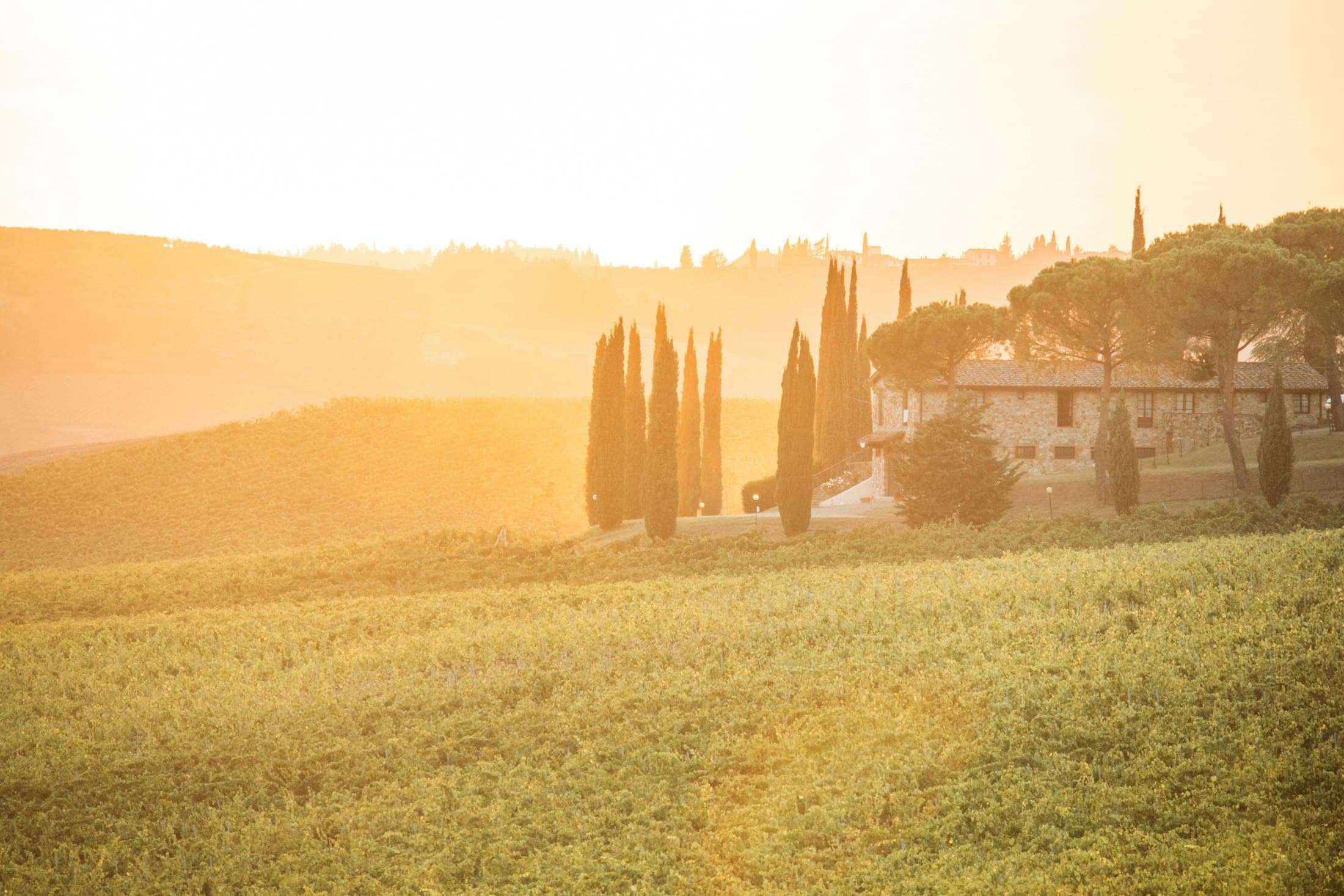
Bare rolling hills, lone cypresses and small stone towns south of Siena — a landscape that stays in every photograph.
The Val d’Orcia is the valley of the river Orcia, south of Siena, shared by five comuni — Castiglione d’Orcia, Montalcino, Pienza, Radicofani and San Quirico d’Orcia — and listed by UNESCO in 2004 as a landscape redesigned in the Renaissance. Couples come for its openness: eroded clay hills, roads lined with cypresses, farmhouses alone on the ridges and the volcanic cone of Monte Amiata above it all.
A wedding here is part small town, part open country: the legal ceremony in San Quirico d’Orcia, whose comune marries couples in a palazzo and a Renaissance garden, then dinner at a farmhouse or an estate in the hills, with the guests staying close by. Distances are short on the map and slower on the ground.
Photographers
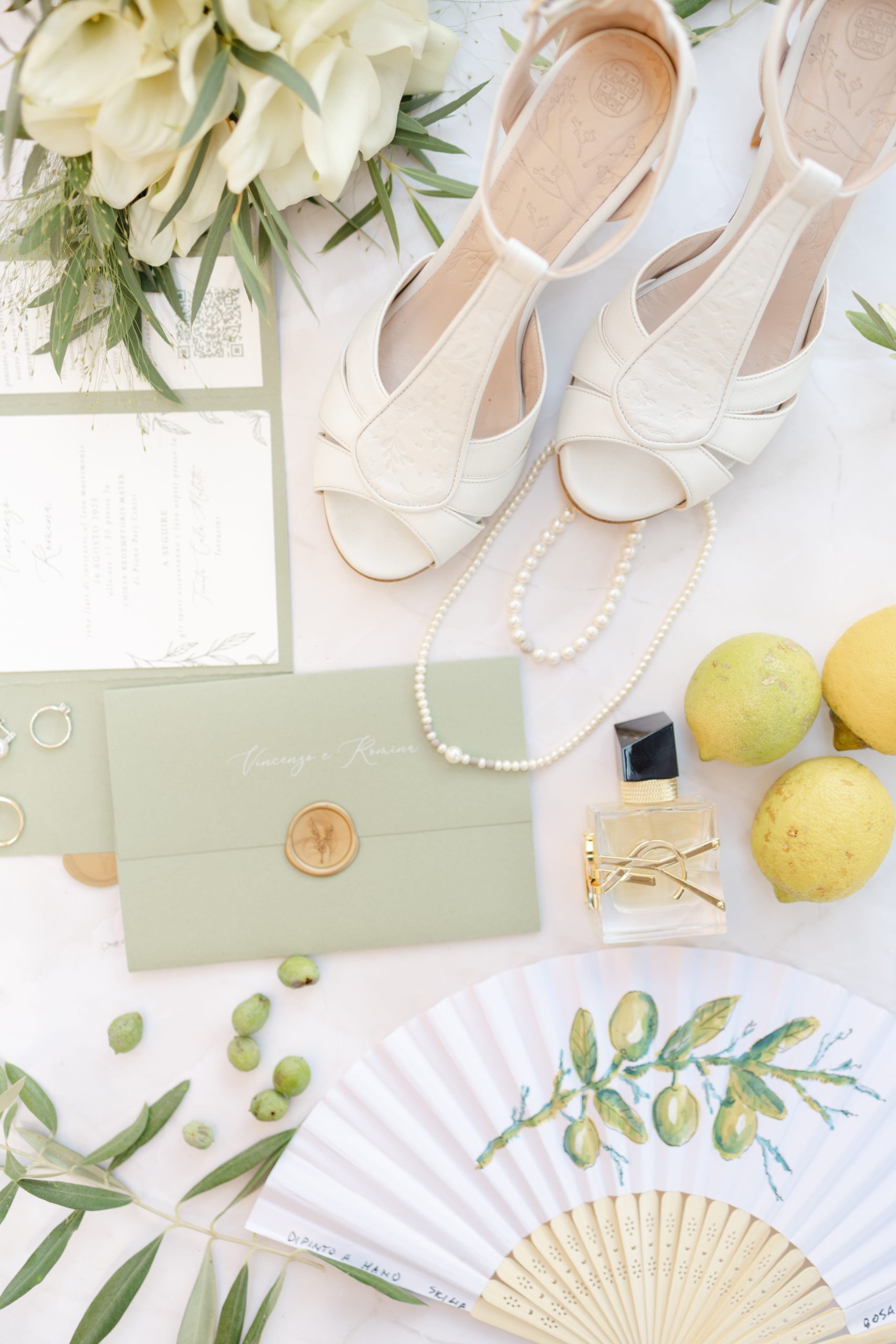
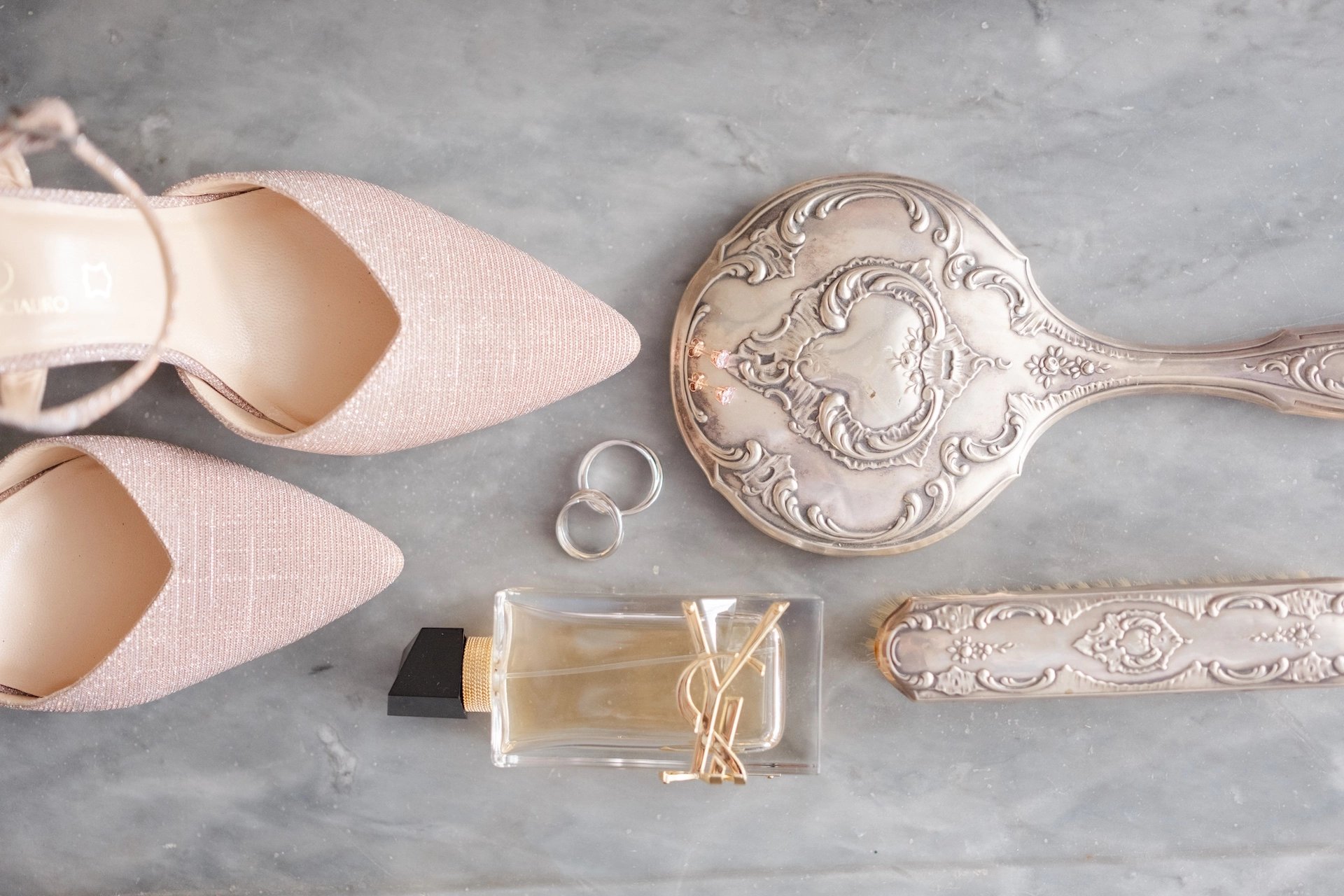
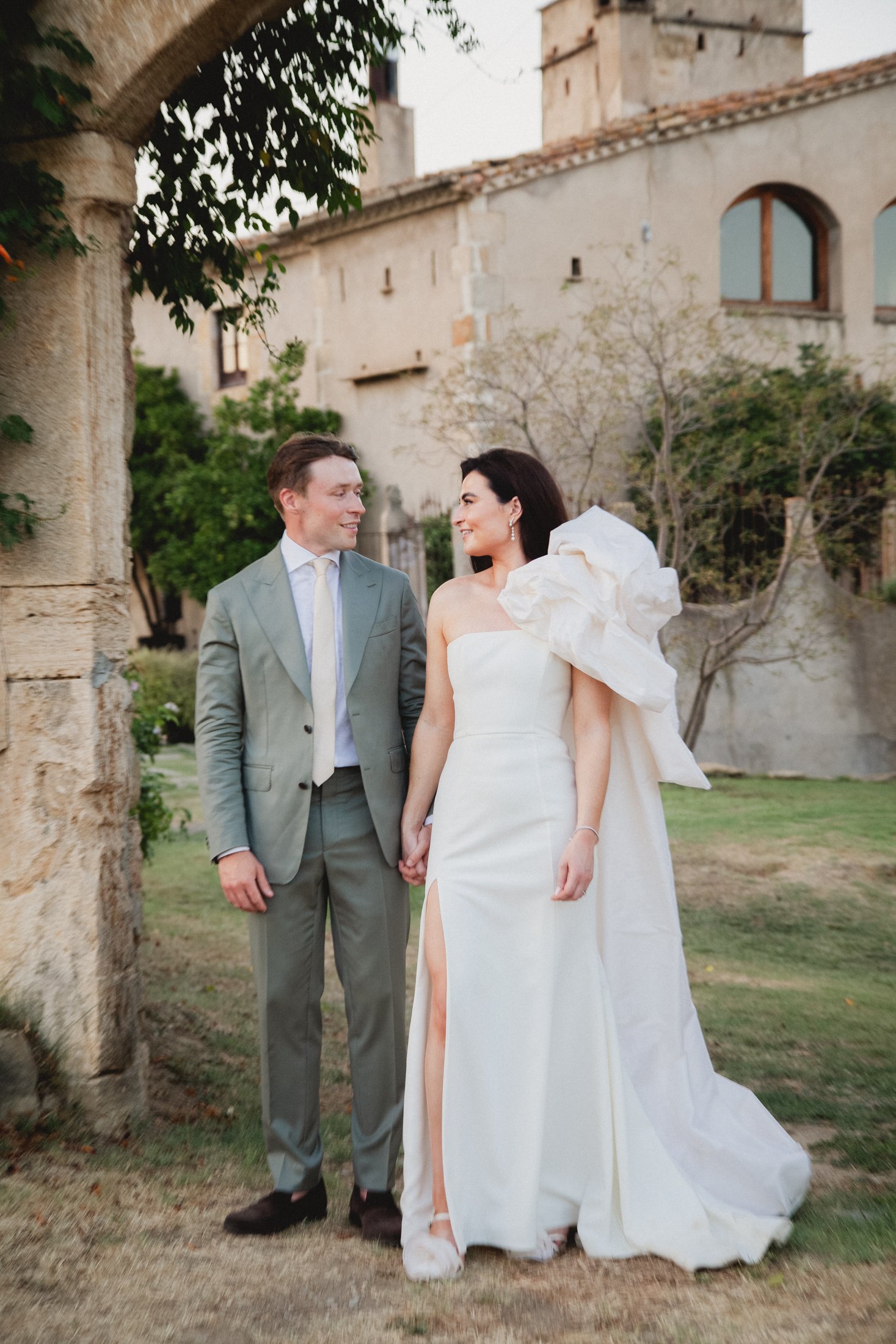
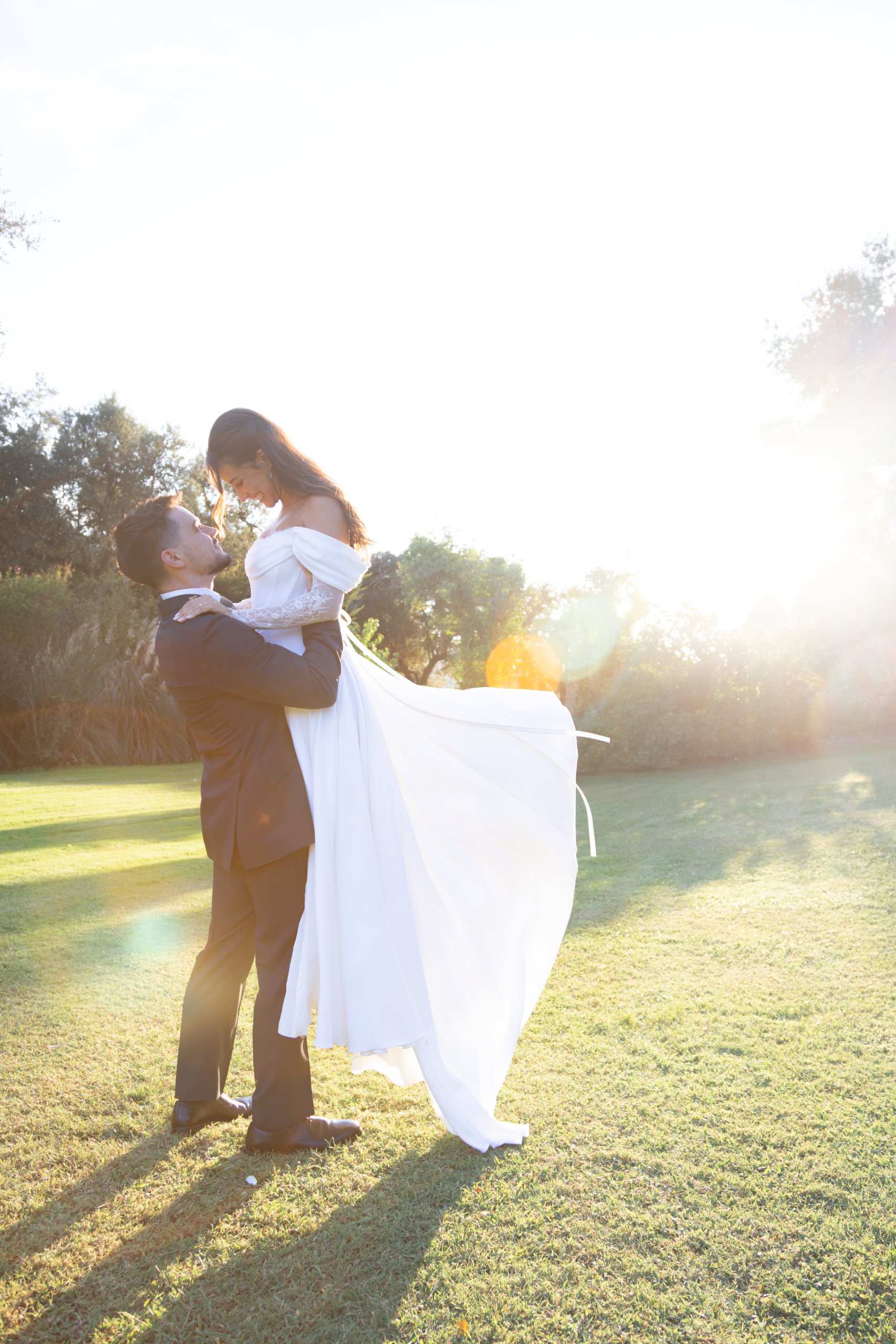
They shoot everywhere in Tuscany — in the Val d’Orcia too. Their whole weddings are on their pages.
See all 36 photographers
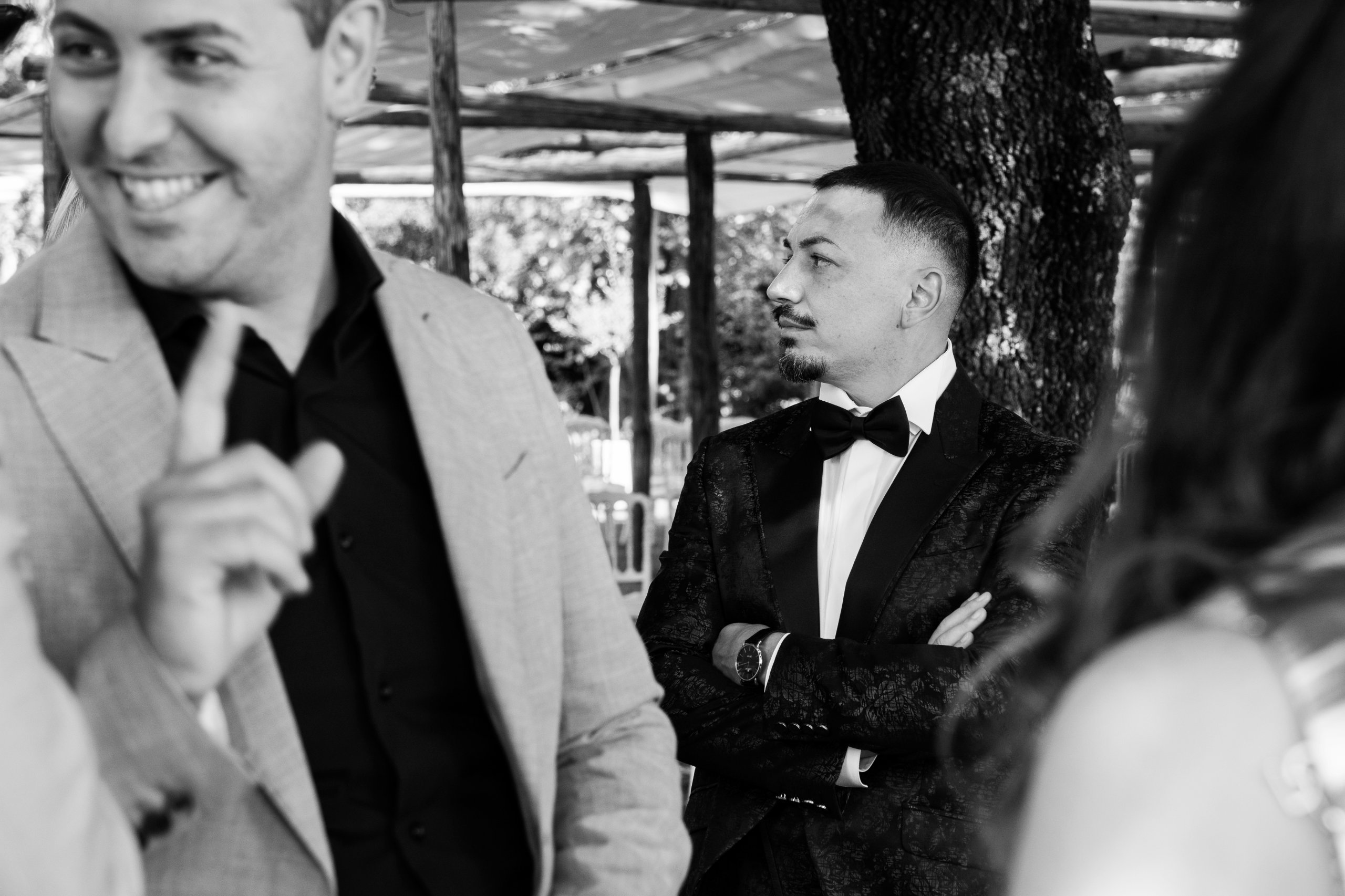
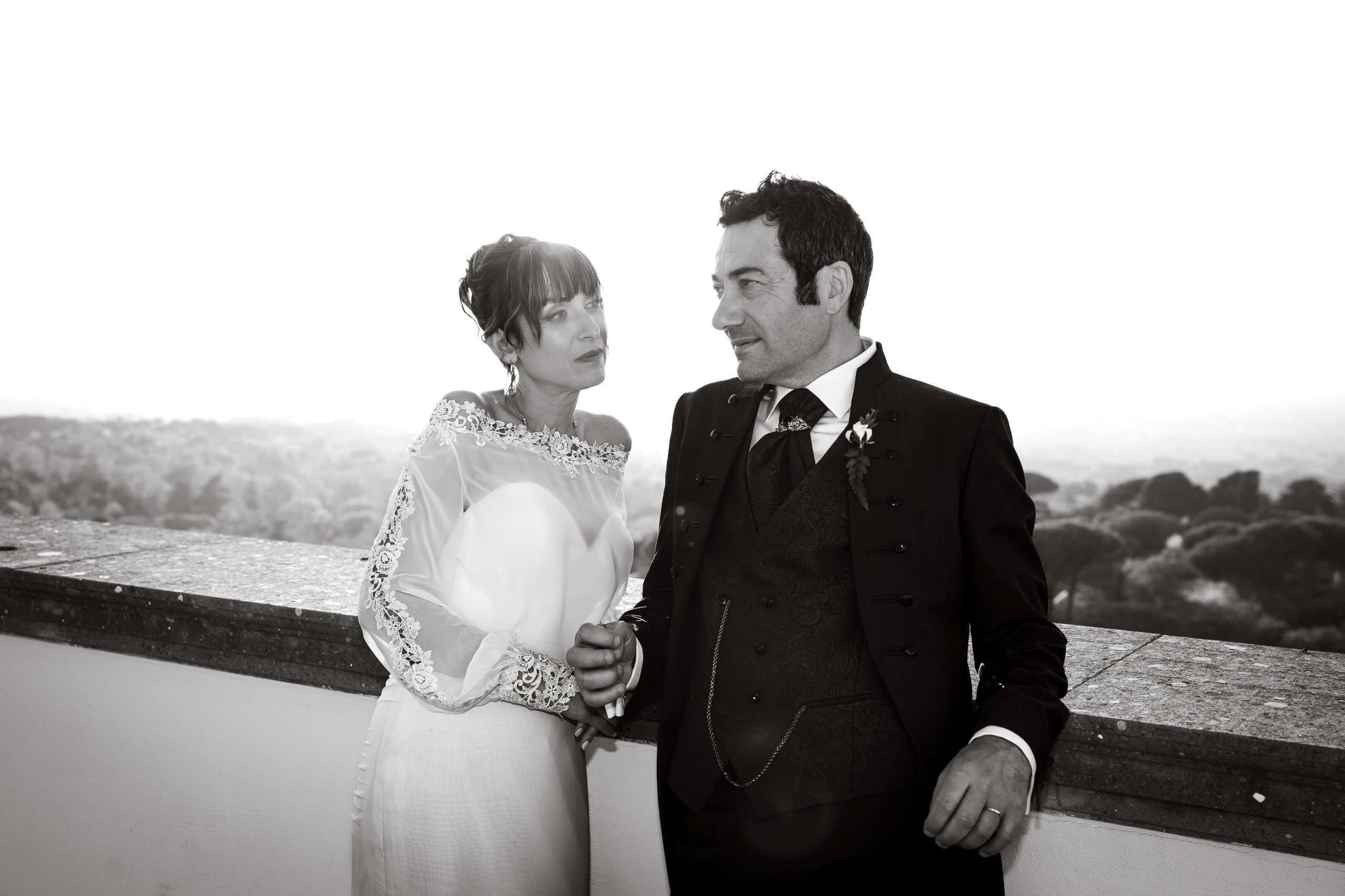
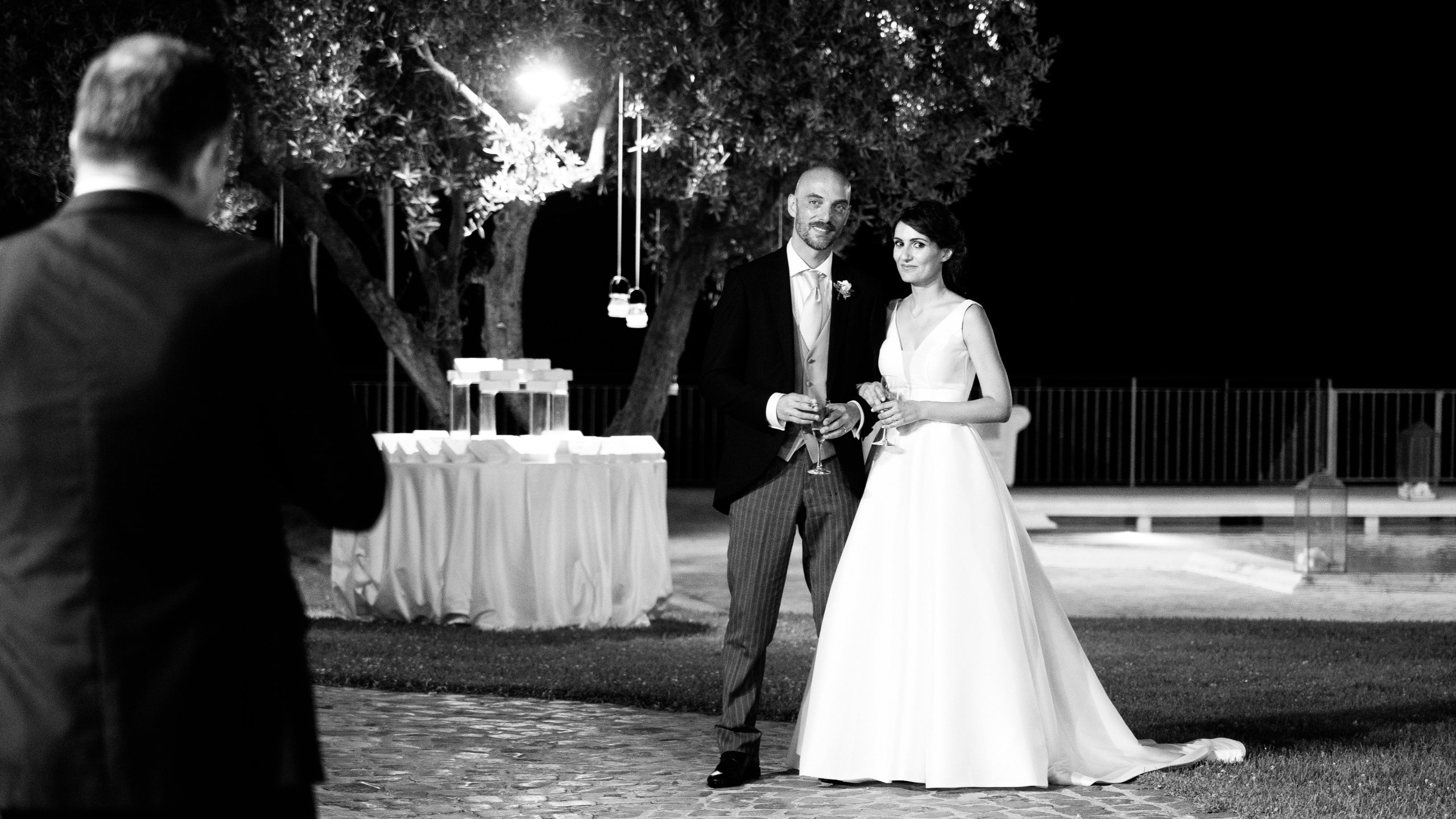
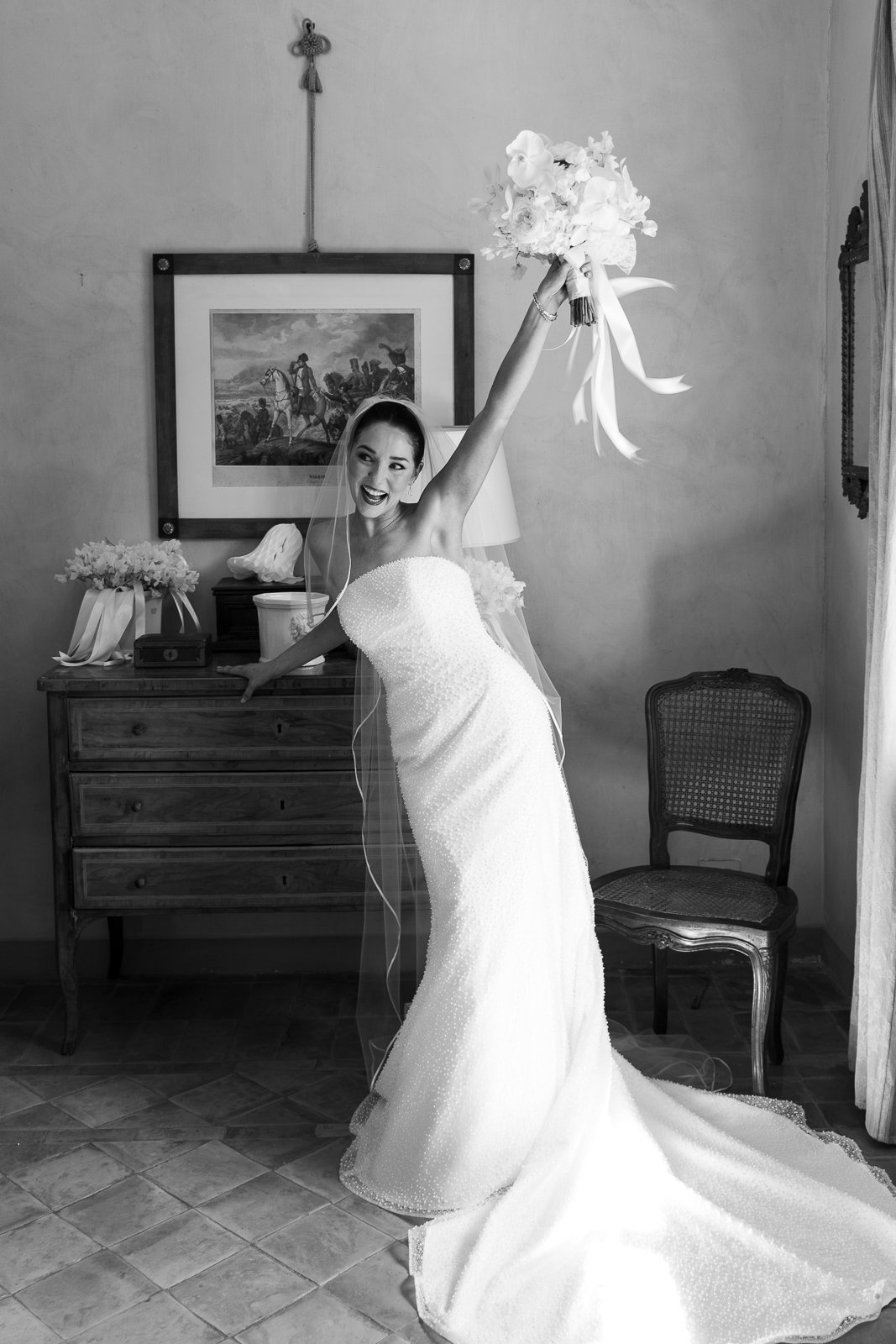
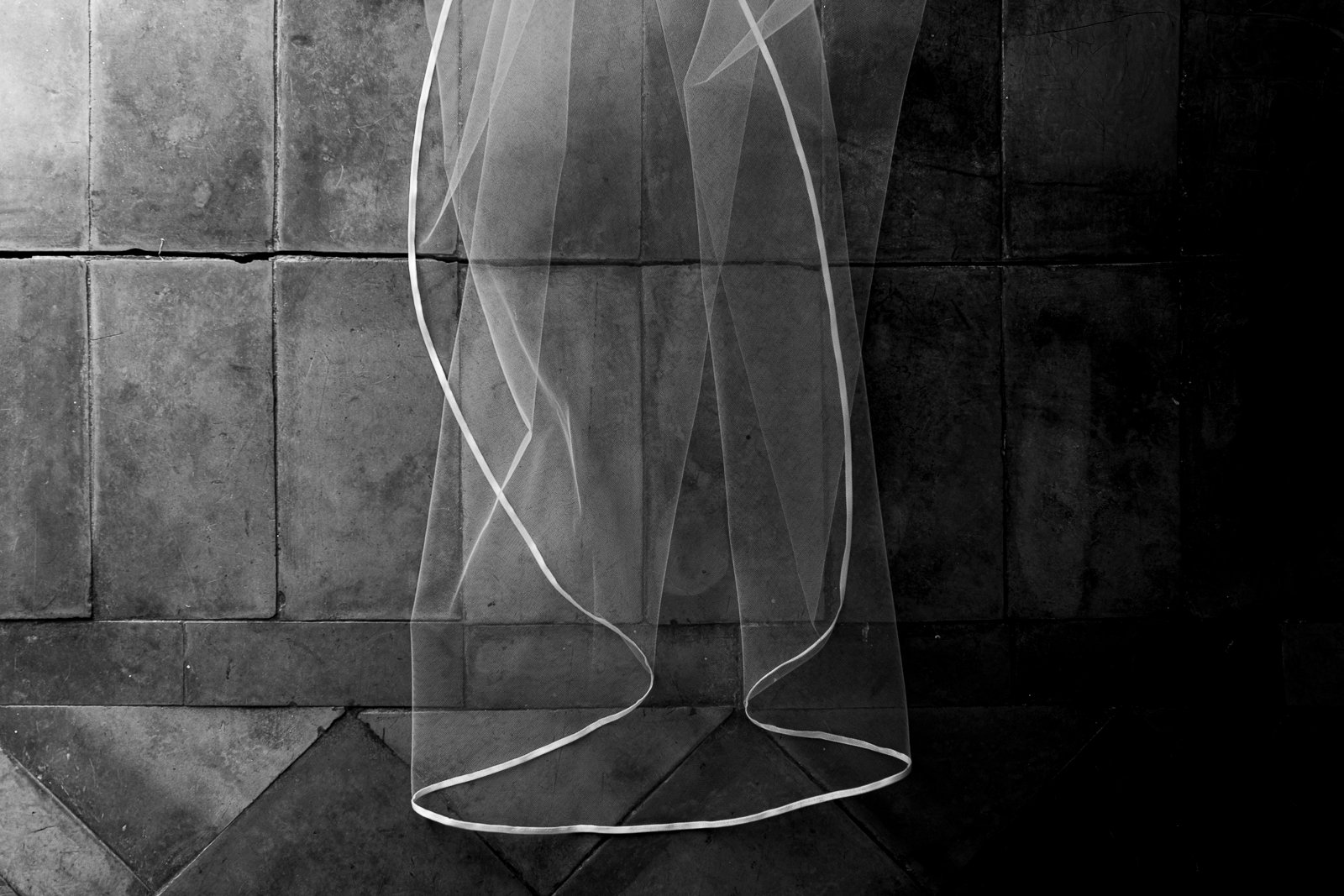
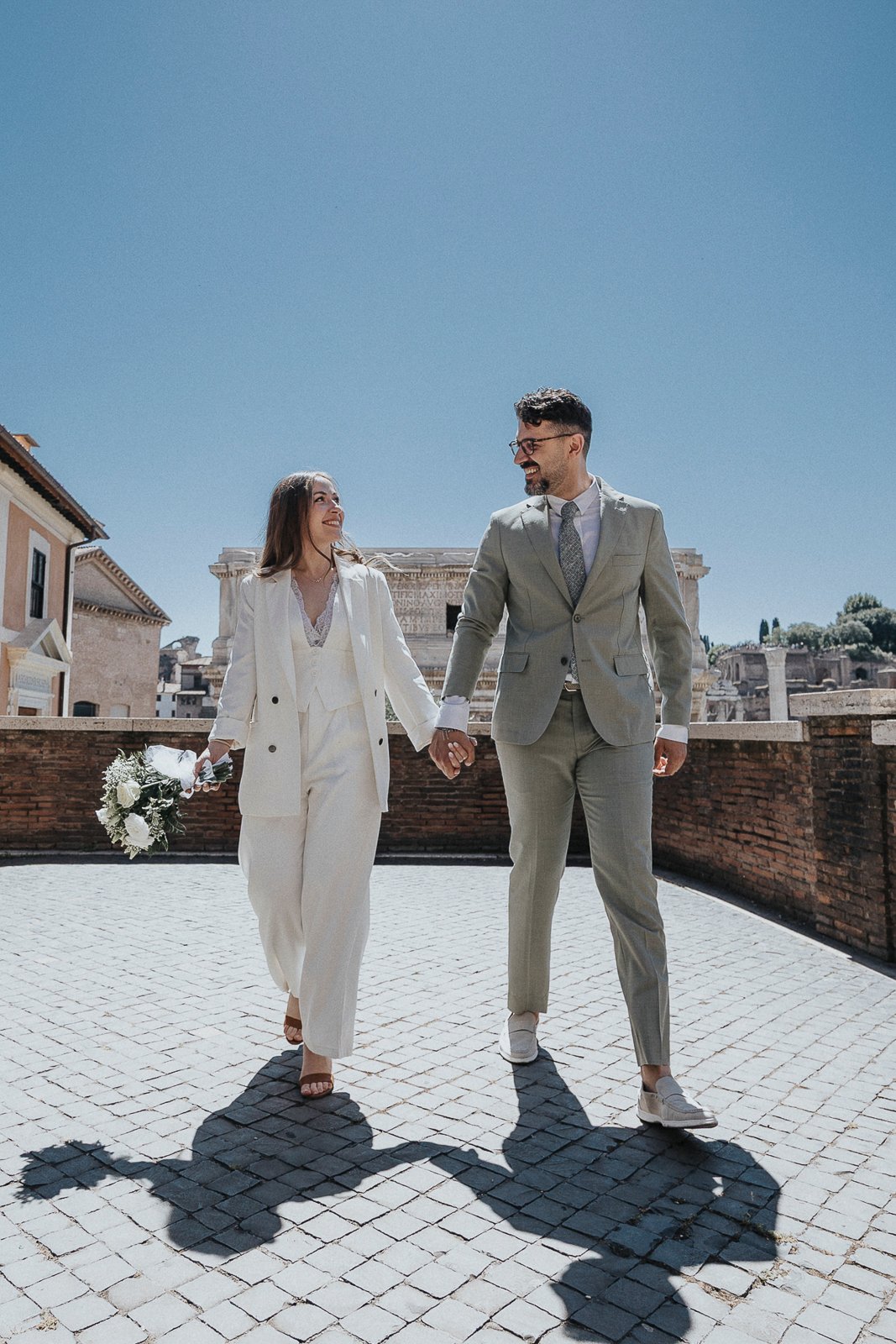
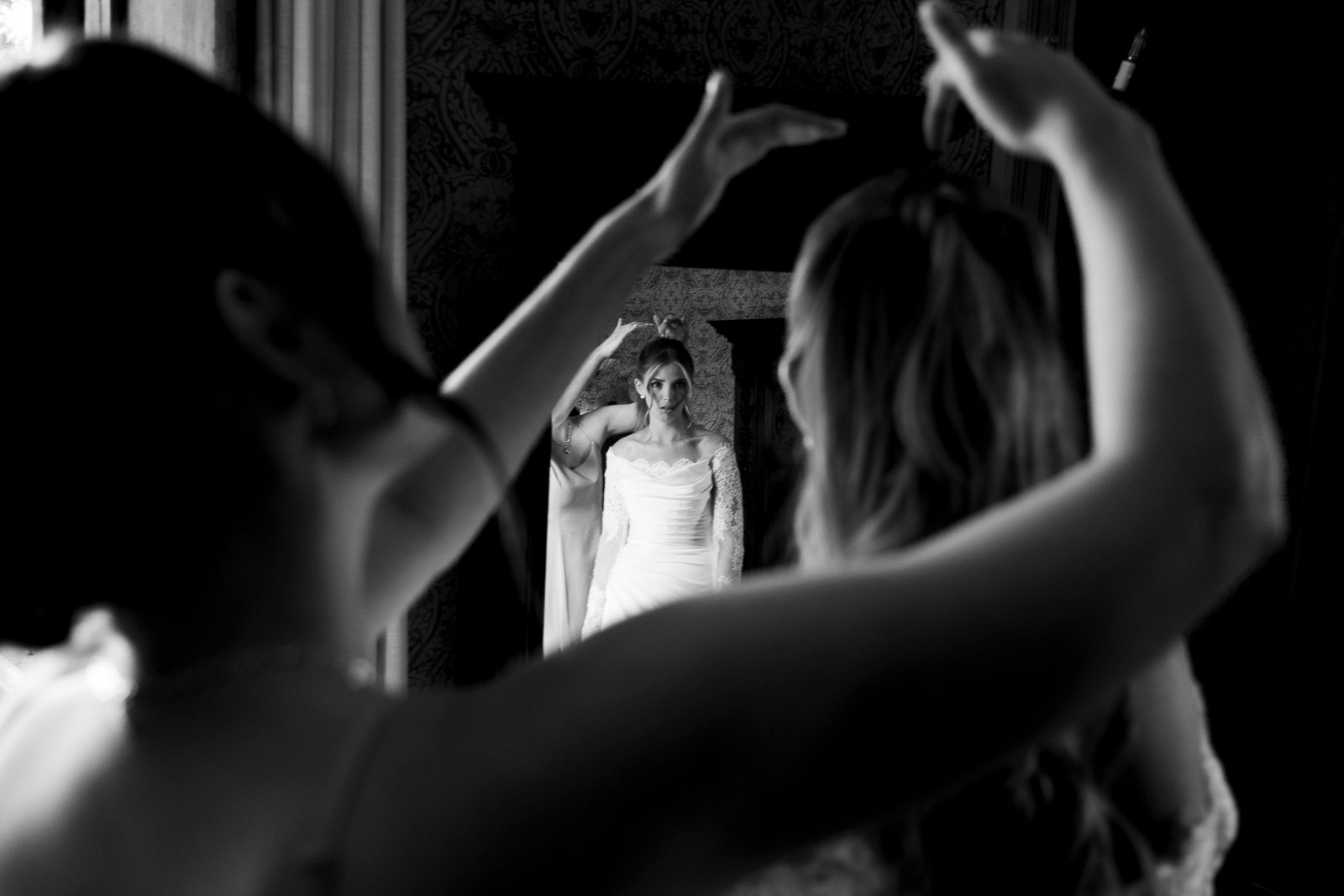
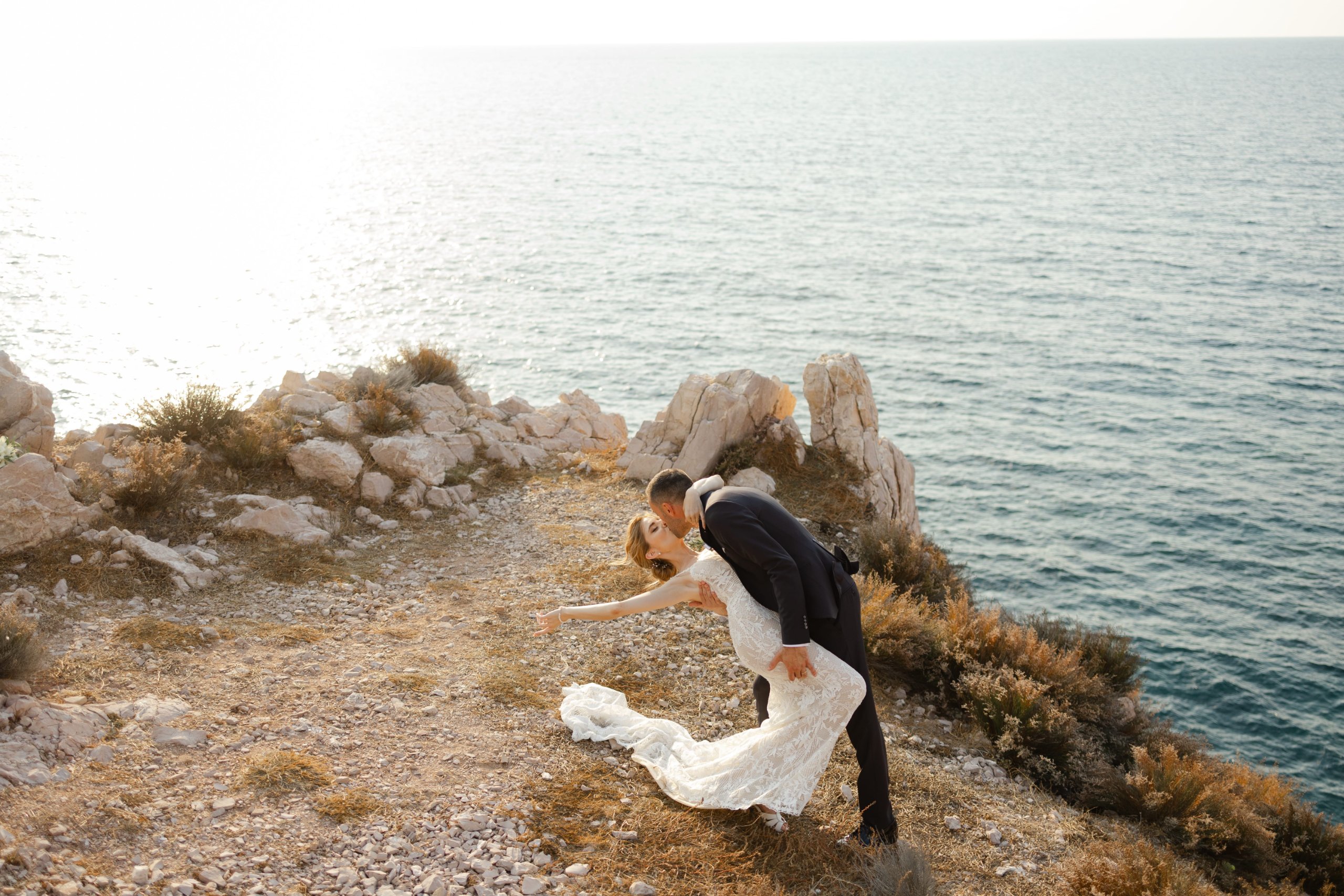

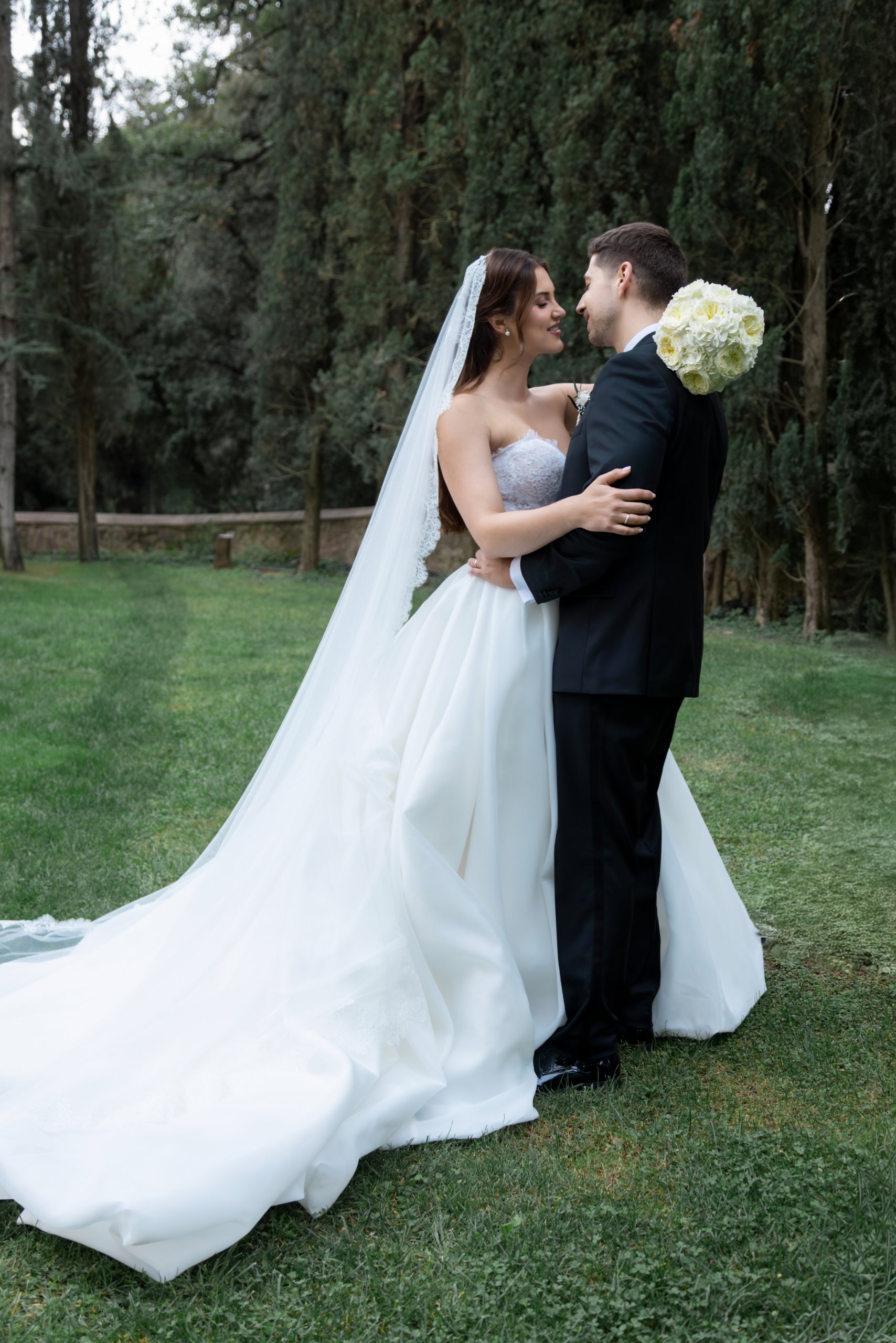
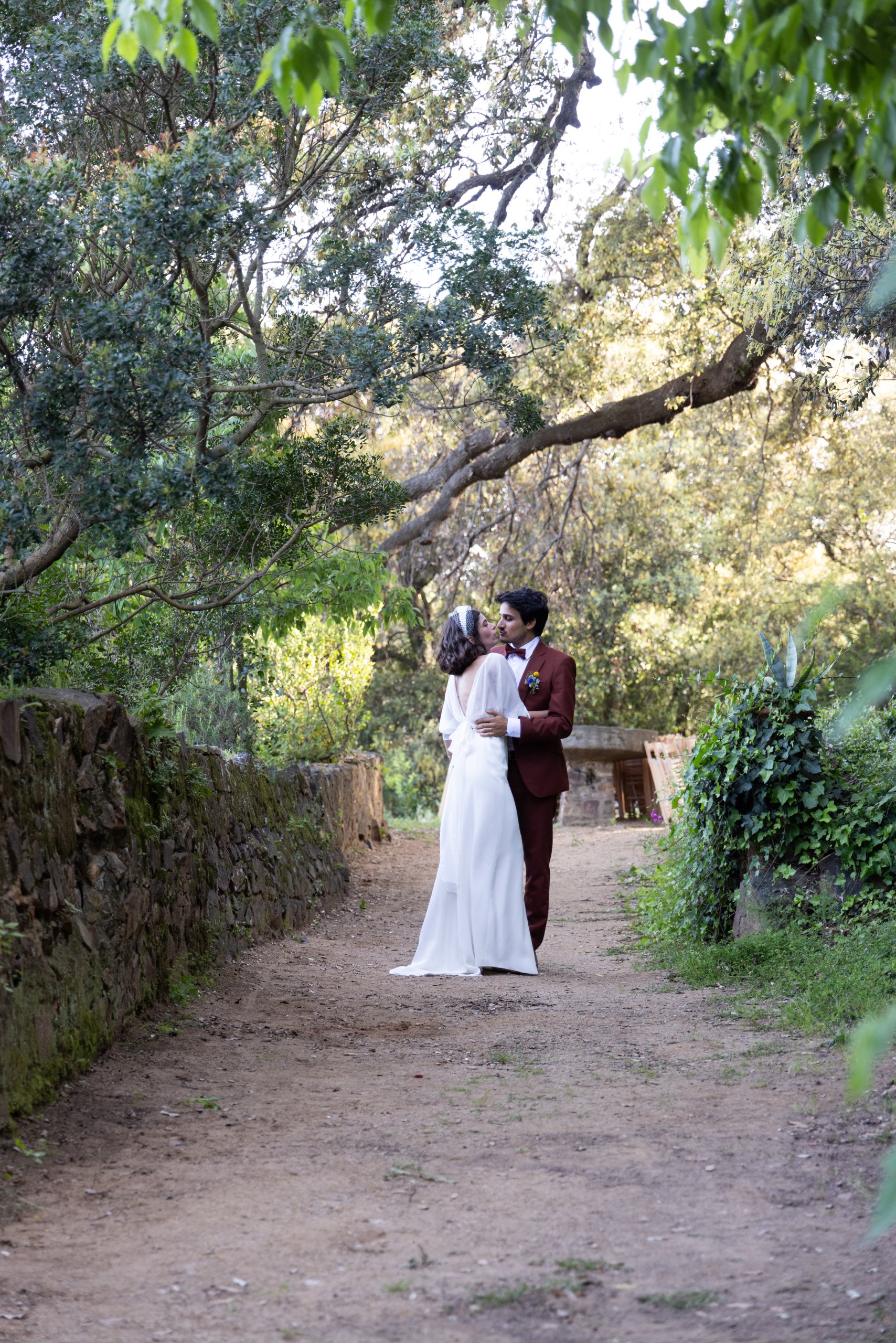
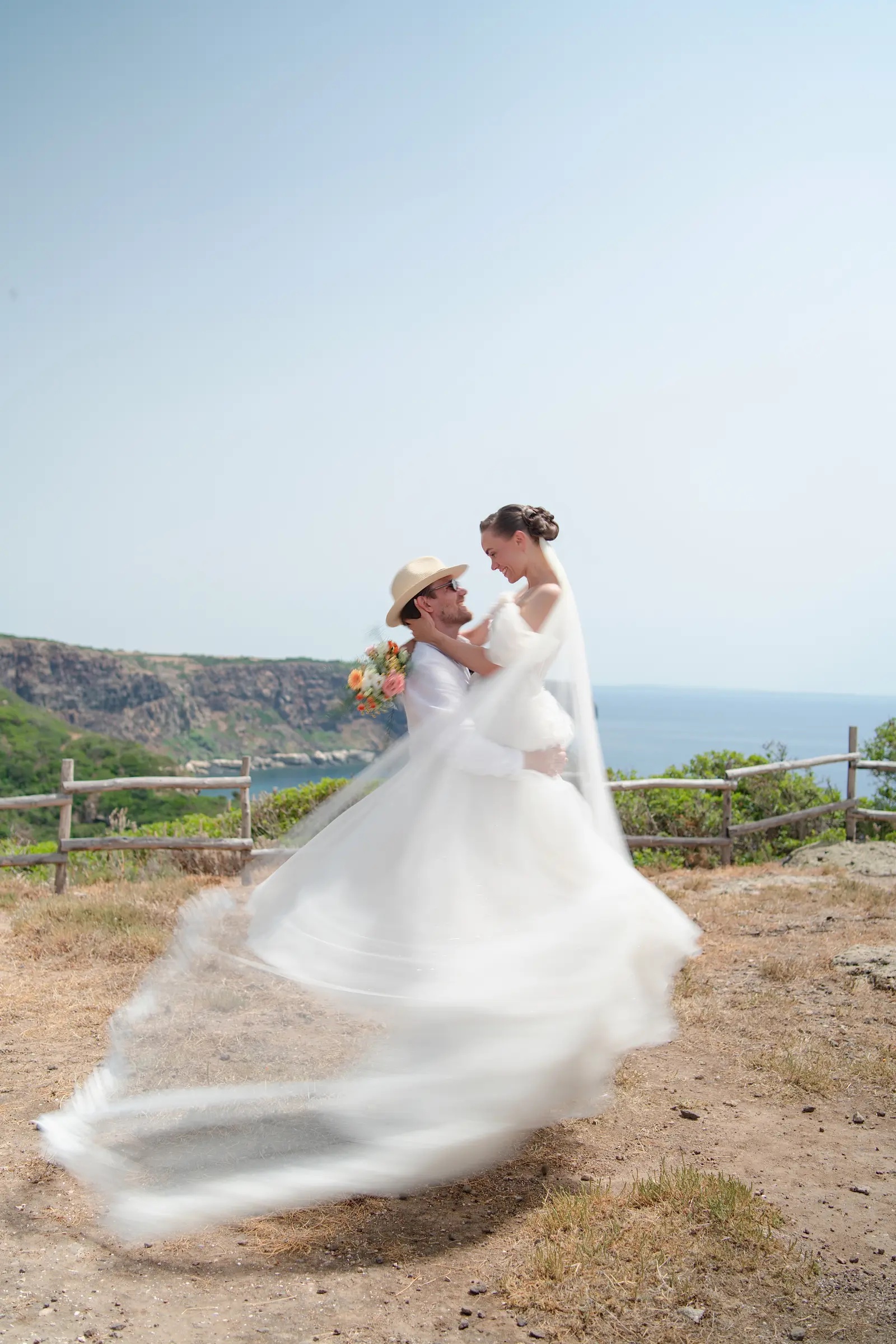
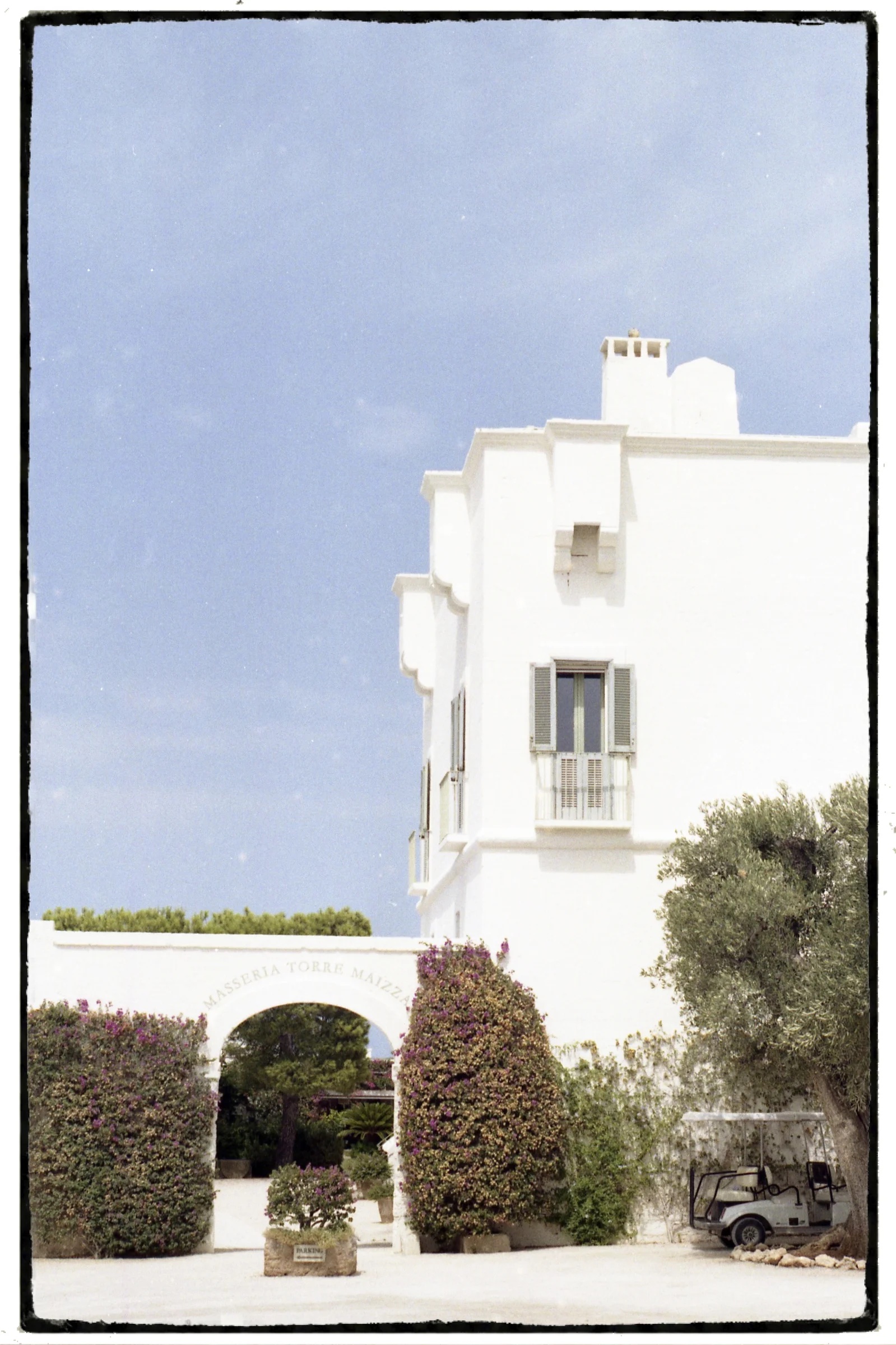
Booking through Lens & Vows
Ceremonies
A palace in the heart of San Quirico, designed by Carlo Fontana. The comune celebrates civil weddings in its seventeenth-century rooms or in the Teatrino, a small nineteenth-century theatre built into the arcades — a good choice when the weather is uncertain.
San Quirico also marries couples outdoors: in the Horti Leonini, an Italian garden laid out in the sixteenth century by Diomede Leoni; in the Giardino Nilde Iotti, the garden of Palazzo Chigi; and in the town’s rose garden — a garden ceremony with legal effect.
In Bagno Vignoni, a hamlet of San Quirico, the main square is a sixteenth-century pool of thermal water. The valley’s tourism site suggests the Loggiato di Santa Caterina, on the square, for exchanging vows; for a small symbolic ceremony, ask the comune what is possible.
Most dinners happen at a farmhouse, an agriturismo or a whole estate; near Montalcino, Castiglion del Bosco is a village of its own, with a medieval borgo, castle ruins from the 1100s and a church frescoed by Pietro Lorenzetti. Unless its comune lists a venue for civil weddings, the ceremony there is symbolic.
Portraits
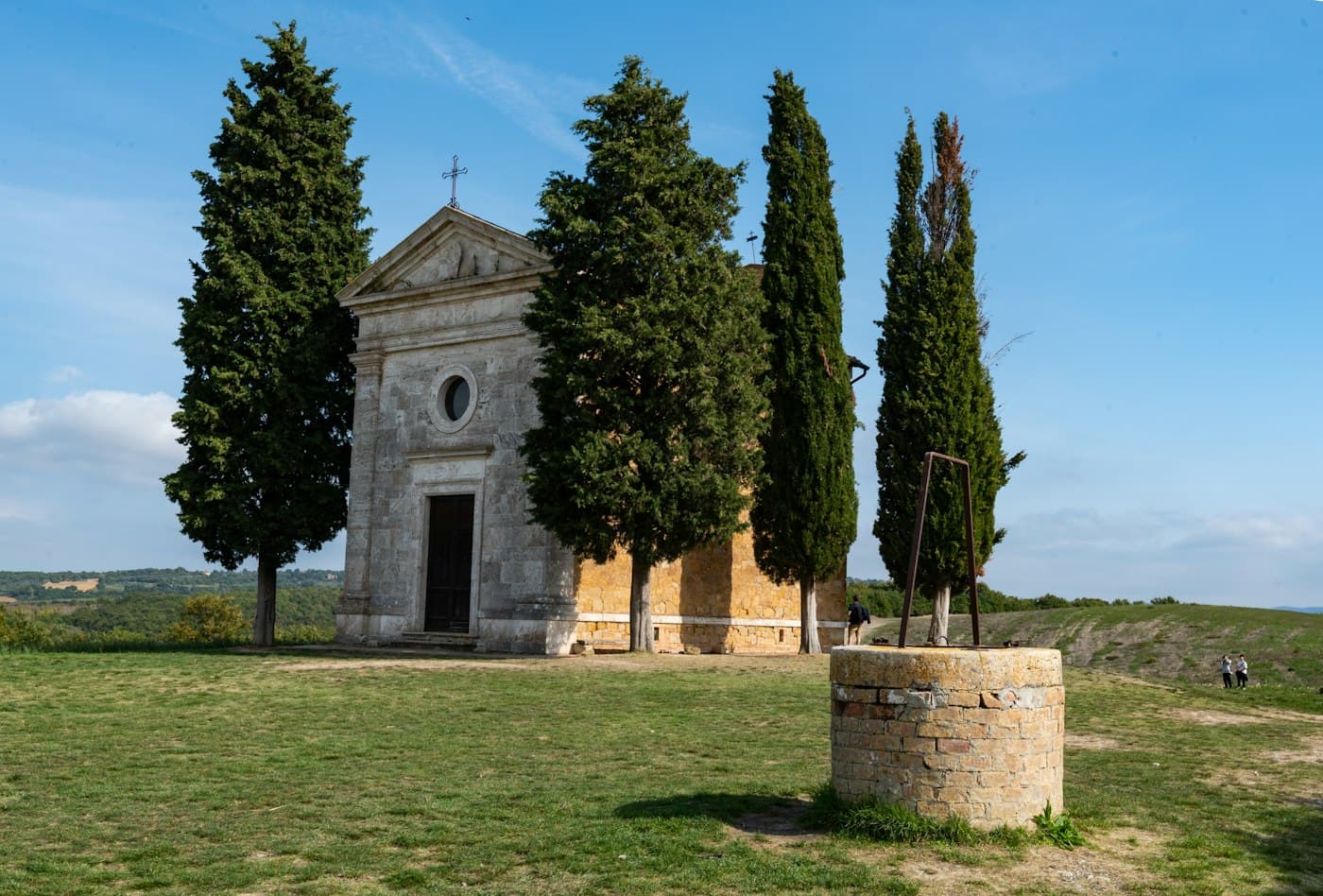
A small chapel alone on a hill between cypresses, on an unpaved road between Pienza and San Quirico d’Orcia. It is private, restored by its owner in 2021: photograph it from the road and the track, and ask before anything more. Best at sunrise, with mist in the valley, or in the last hour of light.
Pope Pius II had his birthplace rebuilt in the fifteenth century by Bernardo Rossellino as an ideal Renaissance town, a UNESCO site of its own since 1996. On Piazza Pio II, beside the cathedral, Palazzo Piccolomini opens a loggia over the Val d’Orcia: stone and symmetry, then the whole valley behind you.
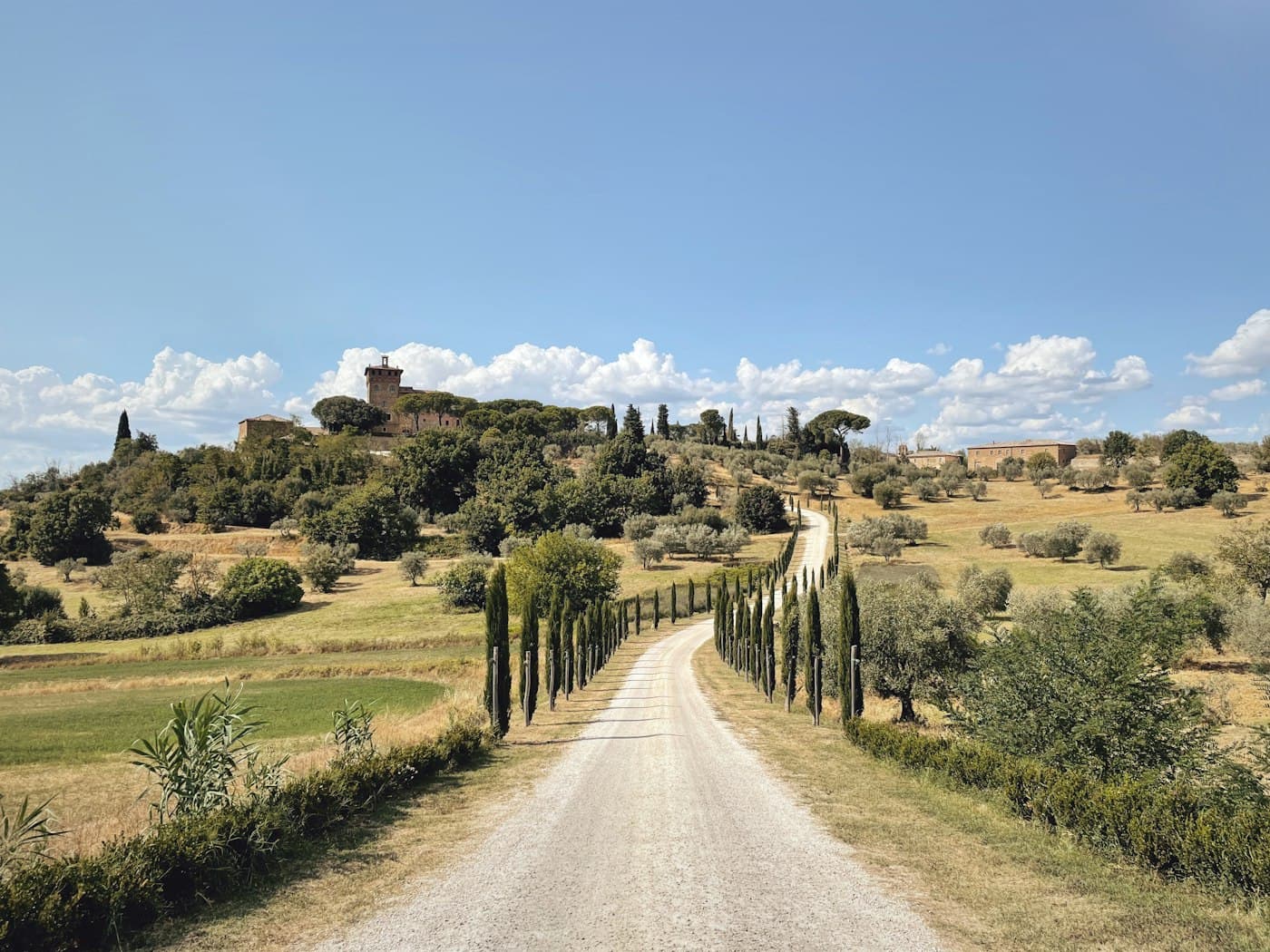
The grove of cypresses near San Quirico d’Orcia is one of the images of Tuscany, best in the low light of early morning or evening. Like most of the valley, the land around it is farmed: keep to the roads and tracks unless the owner says otherwise.
The square of water at dusk, when the day visitors have gone, and just below the village the Parco dei Mulini, with four medieval mills cut into the rock above the valley.
Through the year
The valley has no long-term station of its own; Siena’s, at 350 m to the north, averages highs of 30.5 °C in July and 30.7 °C in August, with about ten days a year above 34 °C (LaMMA, 1991–2020) — and the open hills have little shade. July is the driest month (29 mm), November the wettest (125 mm). Late May, June and September are the easiest months for a dinner outside. In spring and autumn the mornings often start with mist in the valleys, worth an early alarm.
Tuscany, month by month
Practical
The nearest airports are Florence and Rome Fiumicino. By car, leave the A1 motorway at Chiusi–Chianciano Terme and take the SS146 towards Pienza; the old Via Cassia also runs through the valley. Trains on the Rome–Florence line stop at Chiusi–Chianciano Terme — from there you need a car or a driver.
Some roads to chapels and farmhouses are strade bianche, white gravel tracks — the one to the Vitaleta chapel among them: dust in summer, mud after rain. Book drivers who know the way, ask the venue whether a coach can reach it, and leave room in the timeline between places.
The famous views are farmland and private houses and chapels. A few portraits from a public road rarely need anything; for anything set up — chairs, an arch, a celebrant, a drone — ask the owner first, and fly only under the EU rules: registered on d-flight, insured, never over the guests.
Each of you needs a nulla osta from your own country, and you sign a declaration at the comune a few days before the wedding. San Quirico d’Orcia’s registry office books its rooms and gardens; our legal guide has every step.
Questions
Yes, at a place a comune uses for weddings: San Quirico d’Orcia marries couples in Palazzo Chigi Zondadari, its Teatrino and its gardens, the Horti Leonini among them. A farmhouse or estate is a legal venue only if its comune has made it one.
Not without its owners: the chapel is private, restored in 2021. Photograph it from the road and the track; for a ceremony, ask the owners first — and the legal wedding still happens at a comune’s wedding place.
Late May, June and September: warm days, few rain days and long evenings. July and August are hot on the open hills — Siena averages highs of 30.5–30.7 °C — and November is the wettest month (125 mm, LaMMA normals 1991–2020).
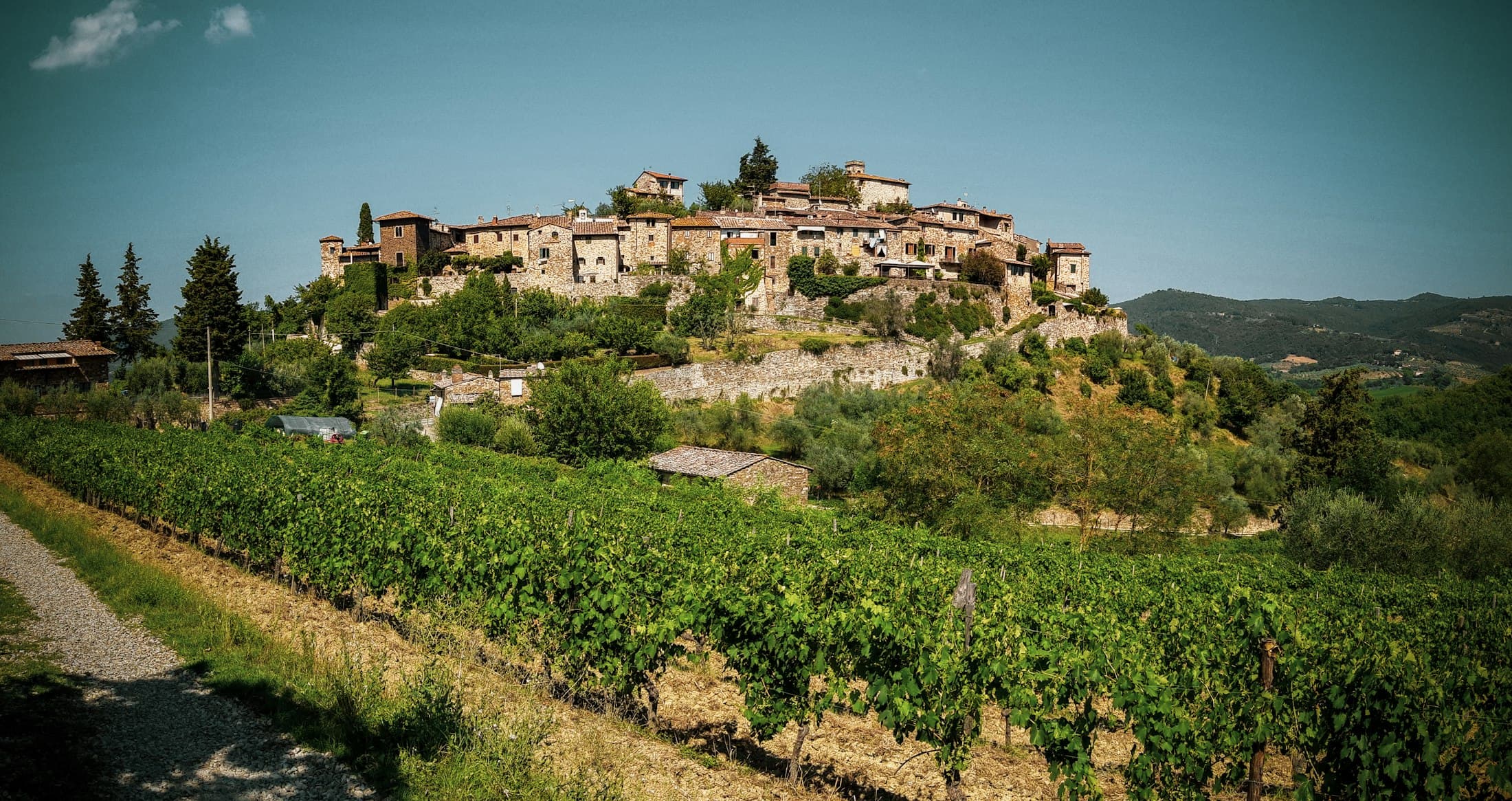
The Val d’Orcia is open country — bare clay hills, single cypresses and wide skies — while Chianti, further north between Florence and Siena, is wooded, with castles and vineyards among the trees. Choose by the landscape you want behind you.
Plan
Not sure yet?
The place, the date, the guests, the photos you like. Our concierge checks who is free and fits, and comes back with photographers to choose from.