Verified — Identity verified by Lens & Vows

Yana V.from €1,500
🇮🇹 Tuscany, Rome & Lazio +7, Italy · Documentary, FilmWedding photographers in Italy
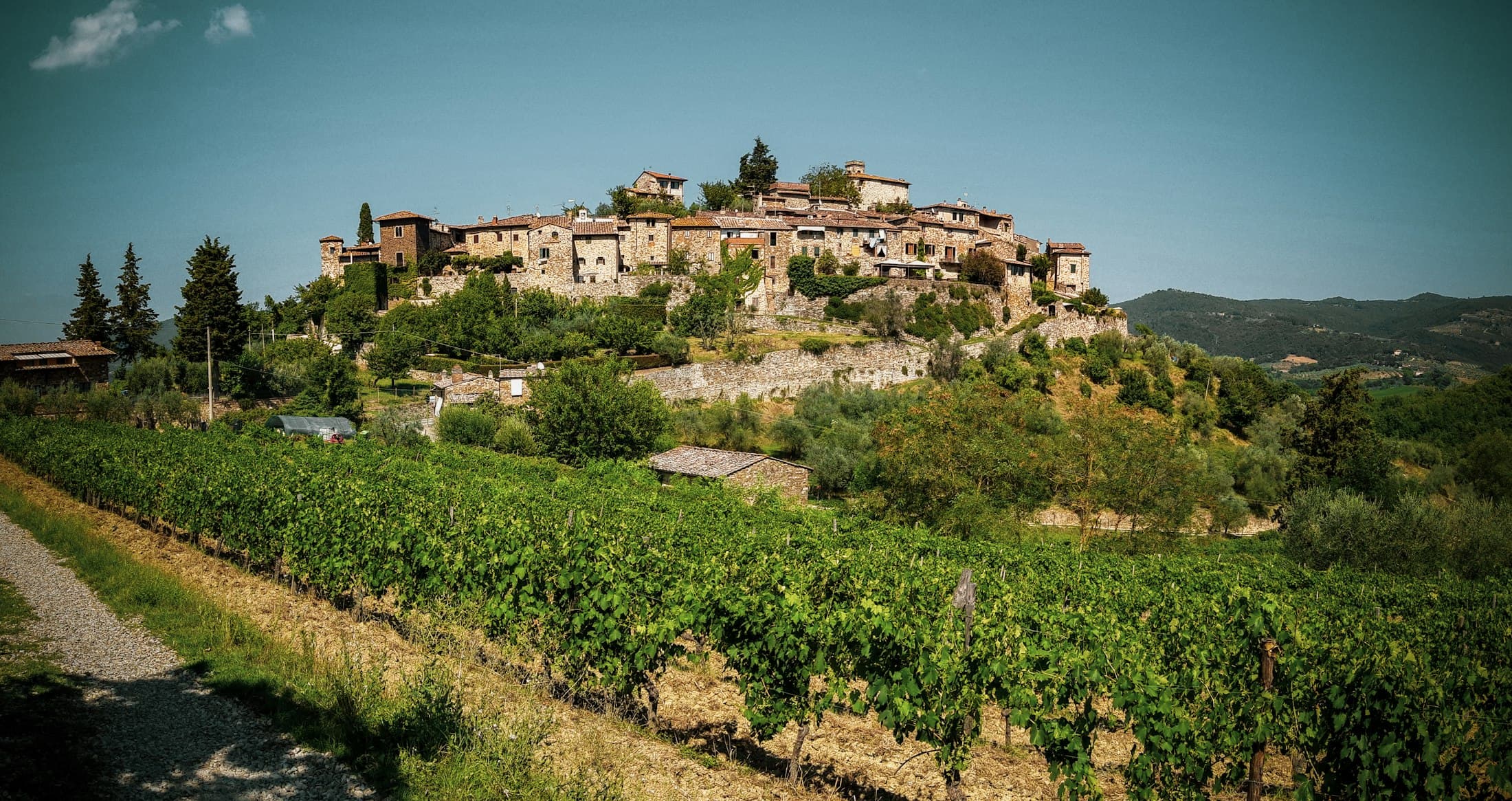
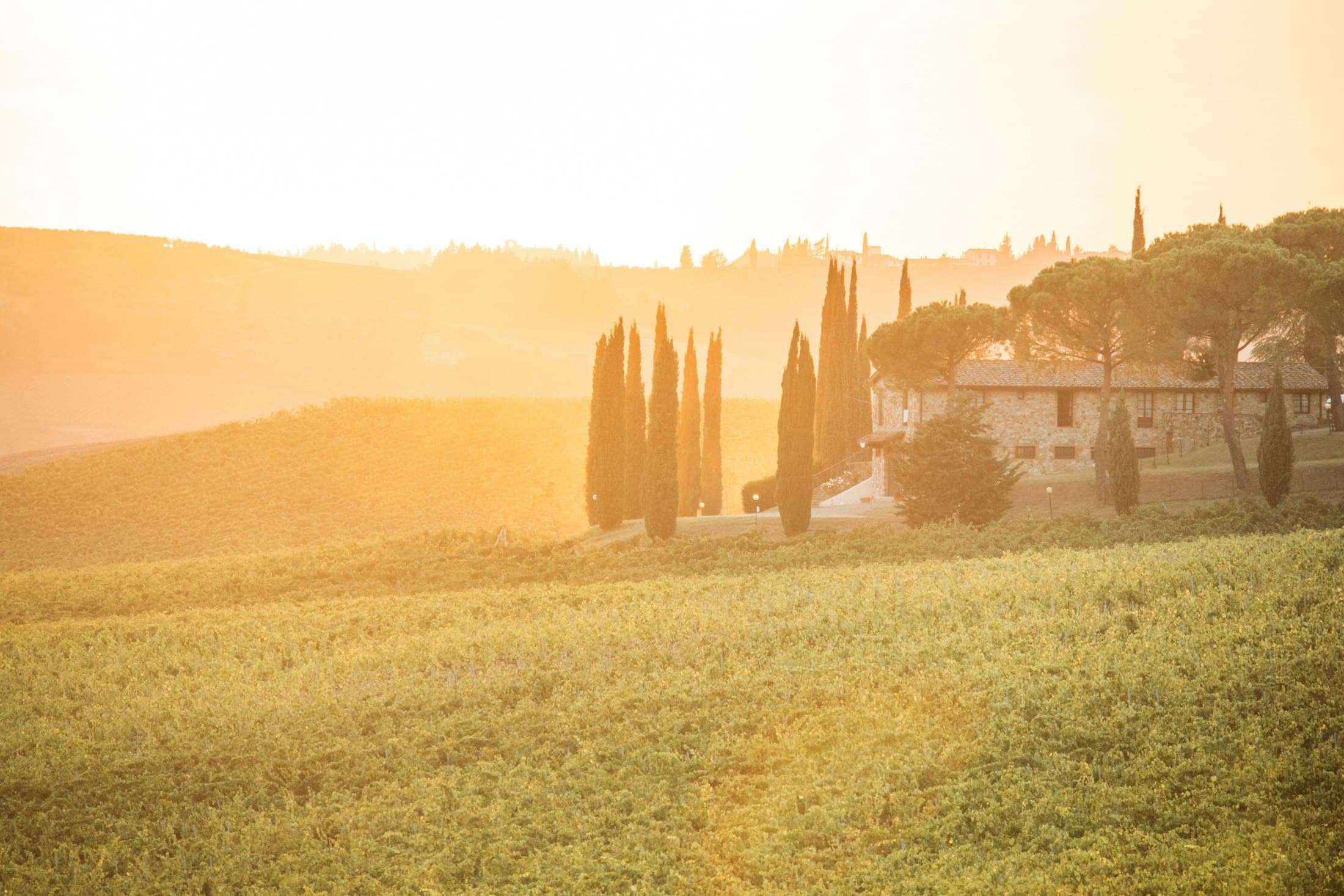
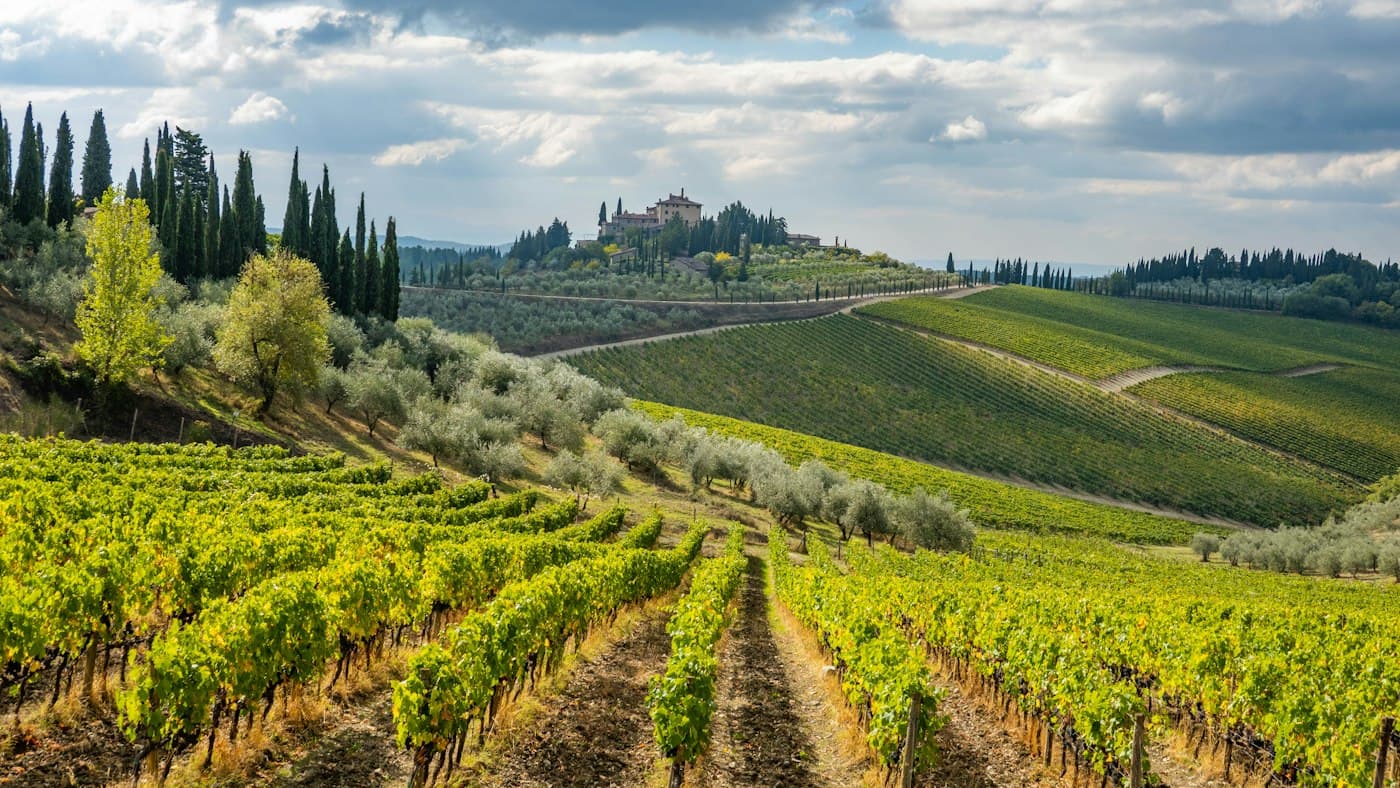
Vineyards, woods and castle towers on the hills between Florence and Siena.
Chianti is the hill country between Florence and Siena.
Its historic heart is the Chianti Classico area: all of Greve, Castellina, Radda and Gaiole in Chianti, and part of four neighbouring comuni. It is closer to the cities and more enclosed than the open south of Tuscany — vineyards and olive groves among woods, with castles, fortified villages and old parish churches on the ridges.
A Chianti wedding is usually built around a castle or a wine estate: rooms for the guests, a cellar, a long table among the vines. Some comuni here have made such places their own wedding venues, so the legal ceremony and the party can share one address. In September and October the harvest is on, and the estates are at work around you.
Photographers
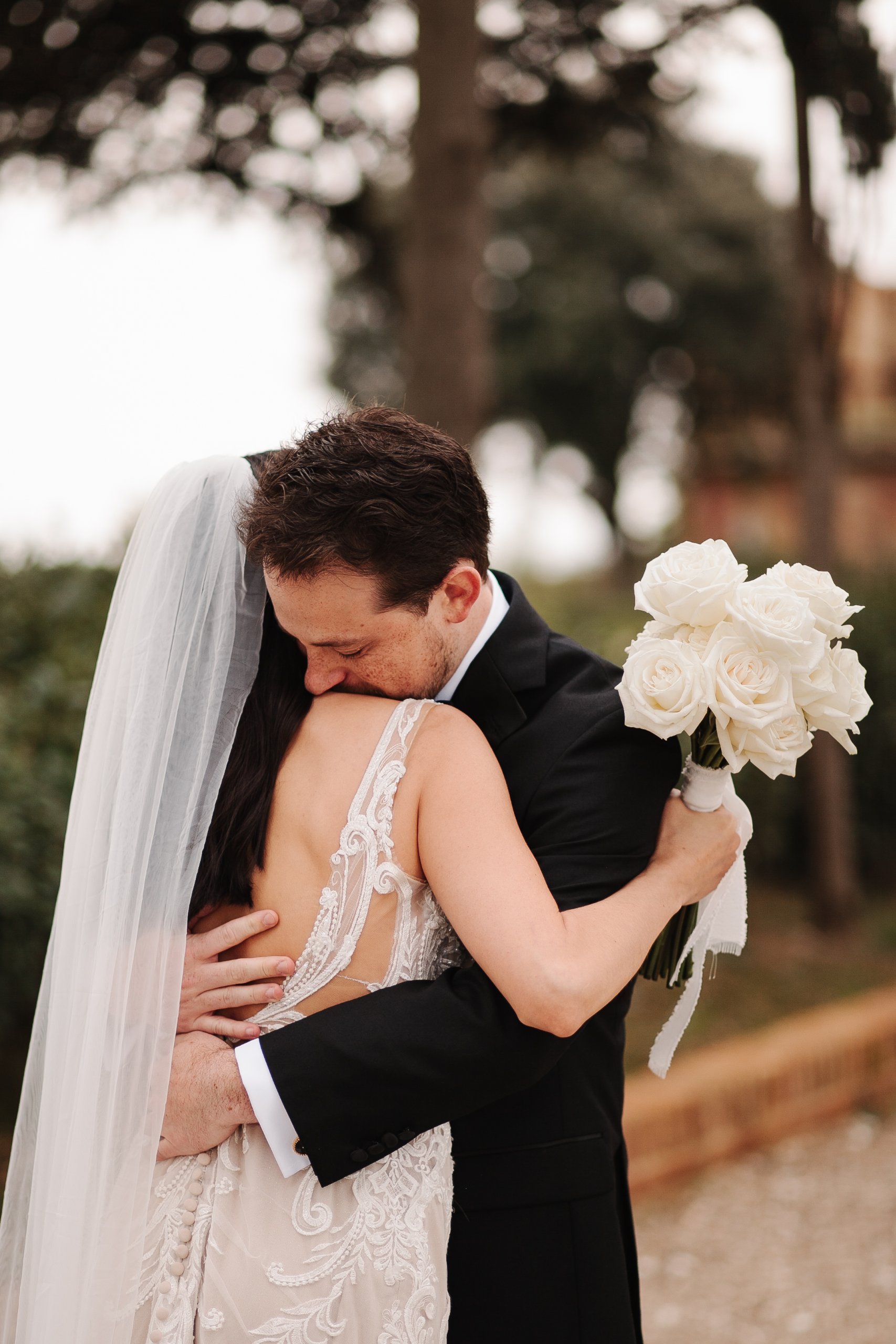
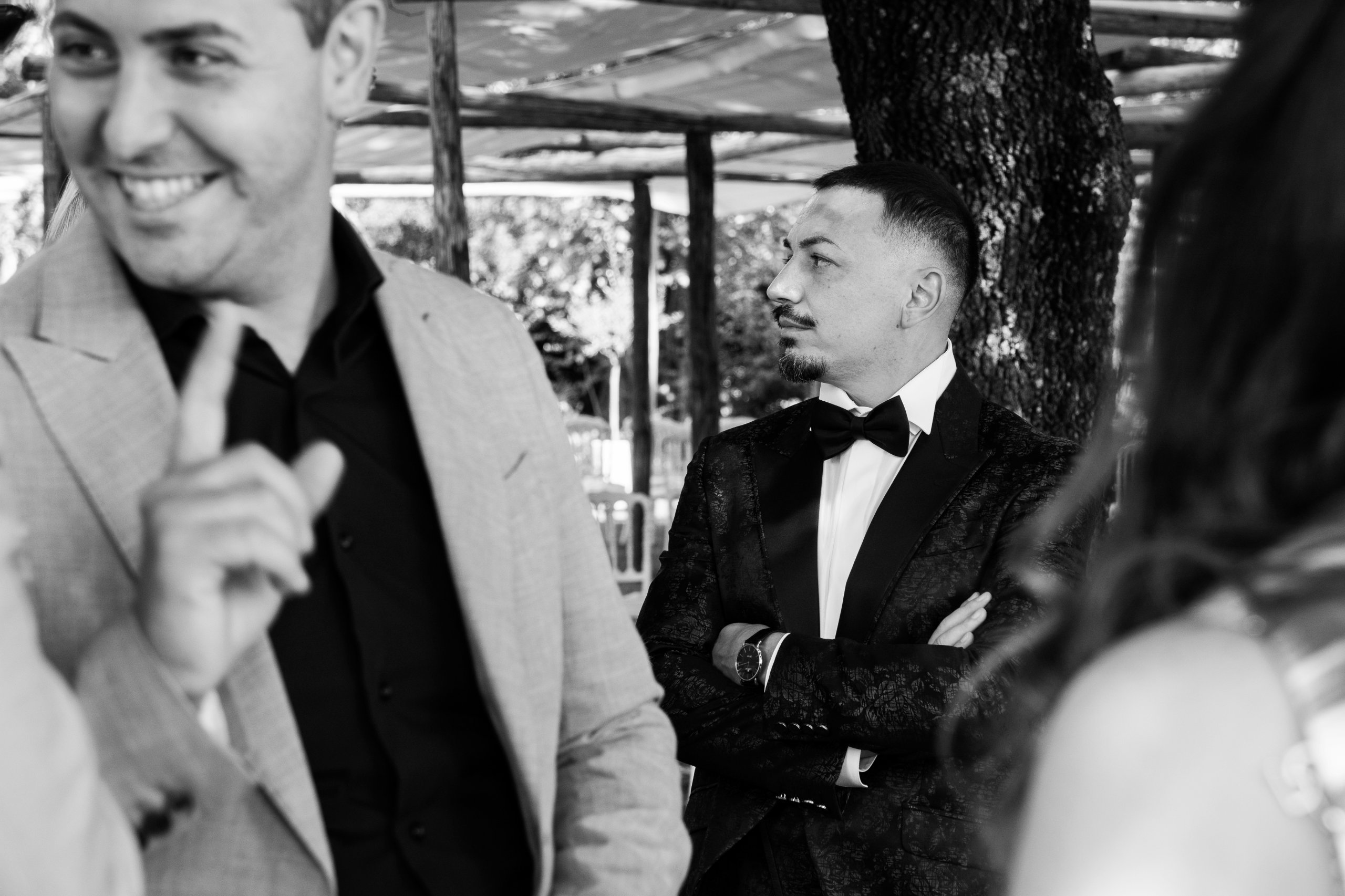
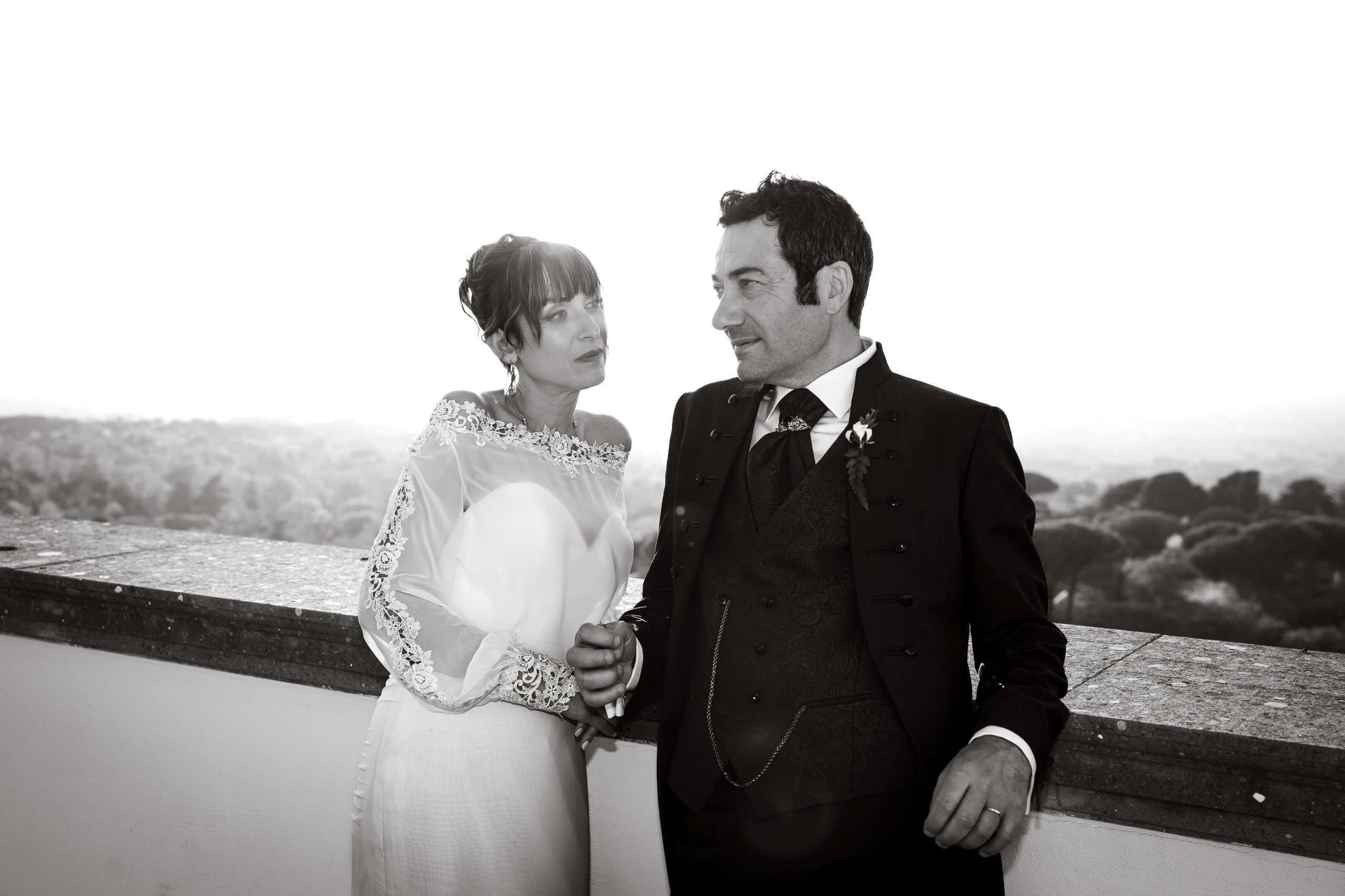
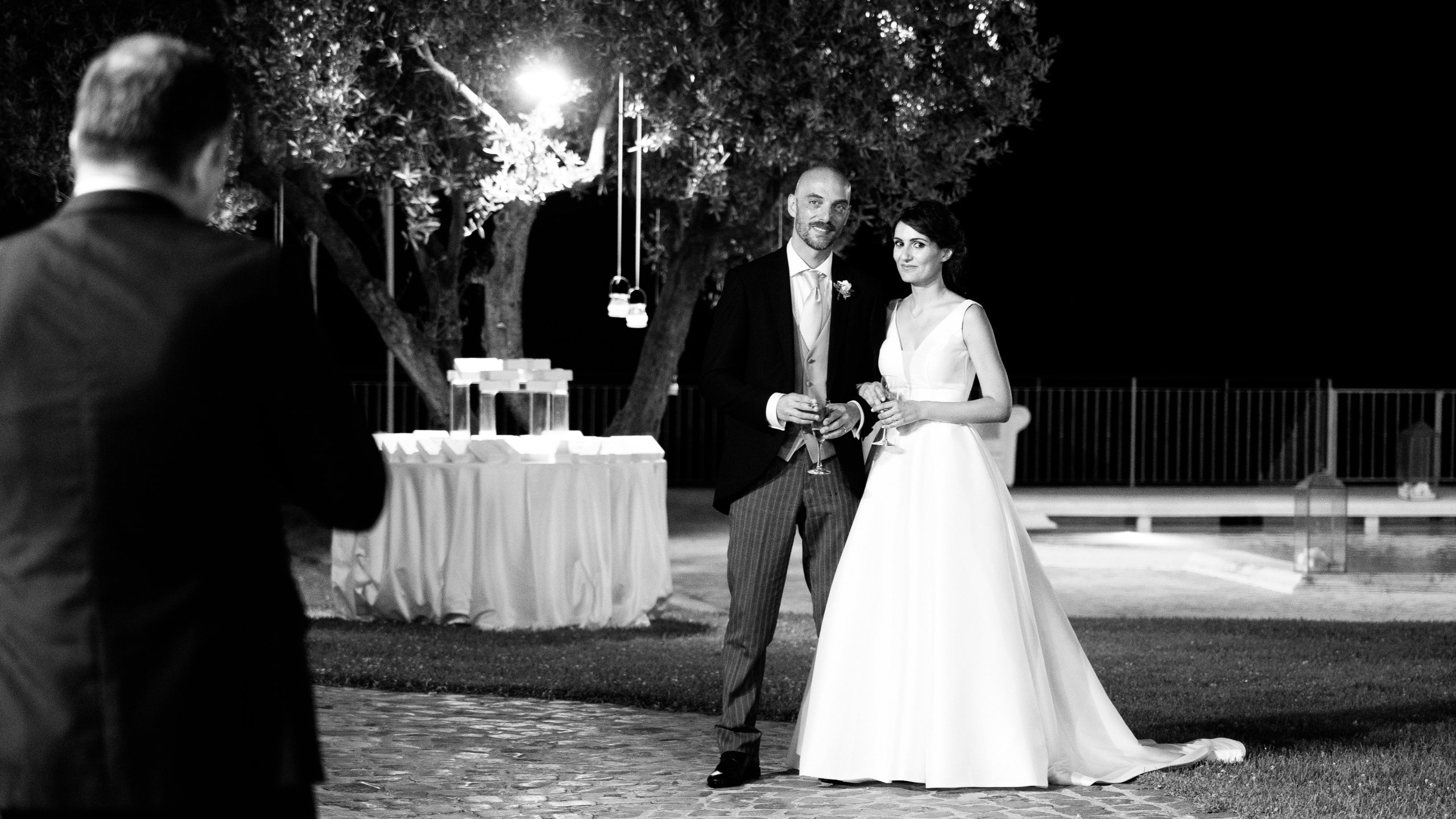
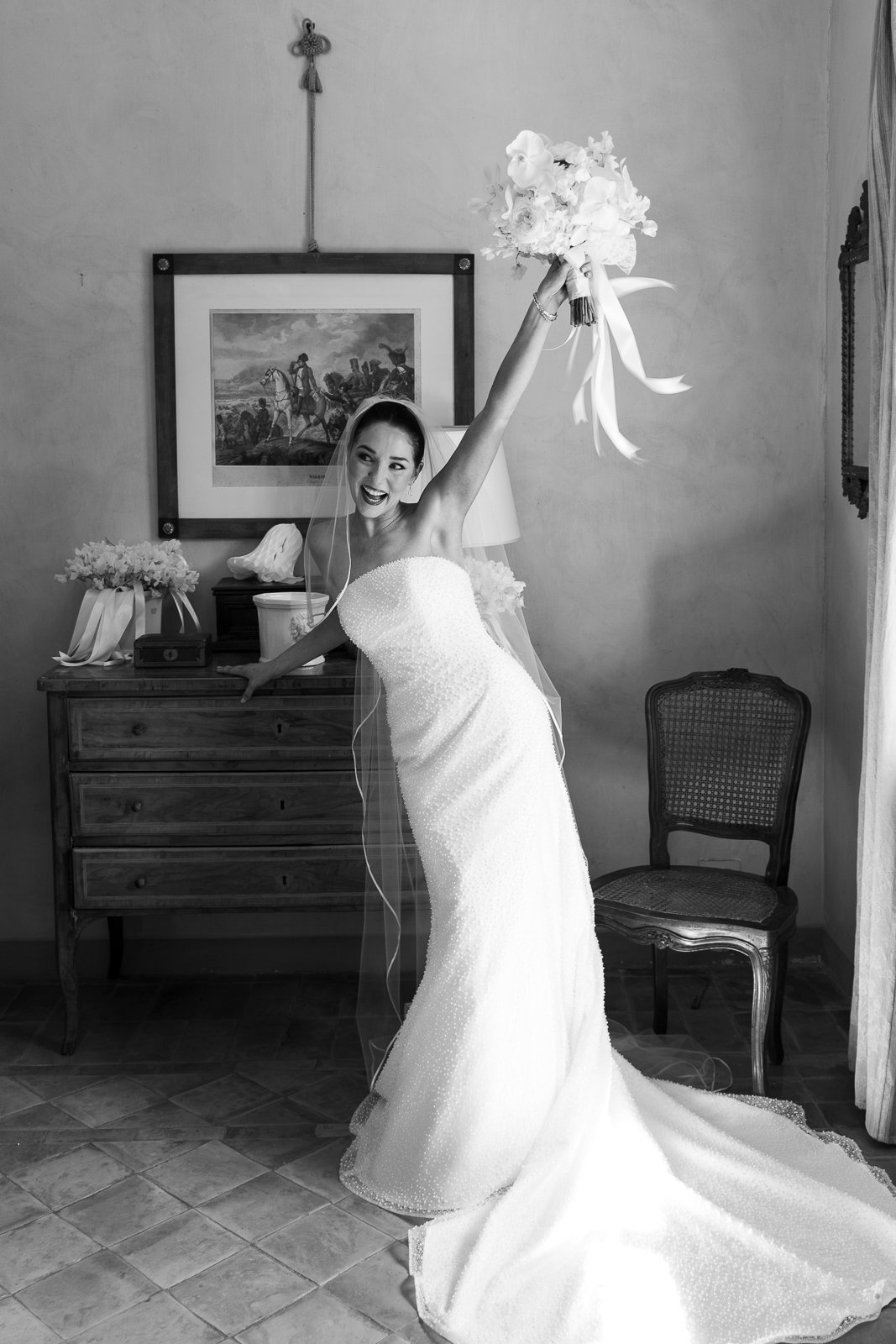
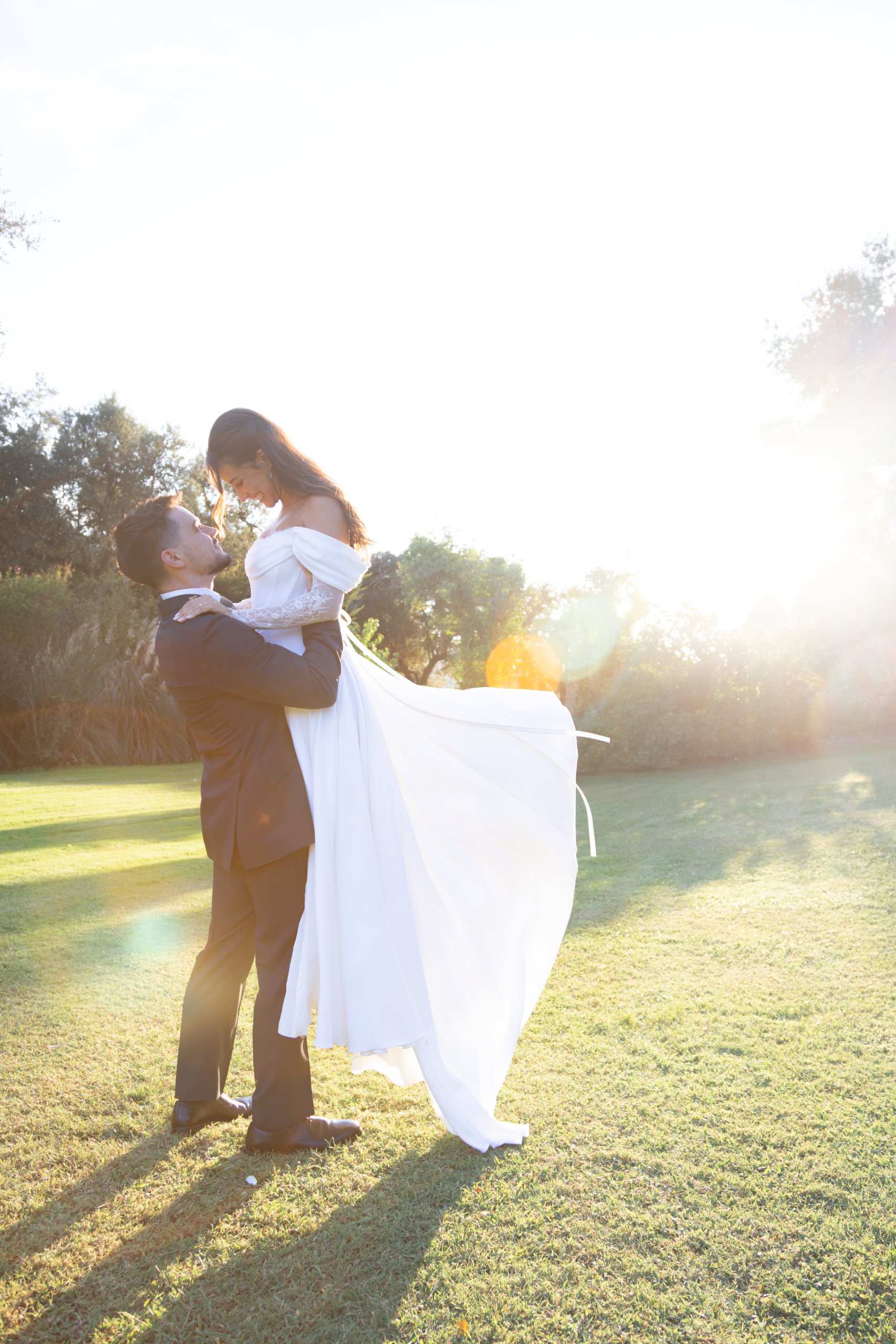
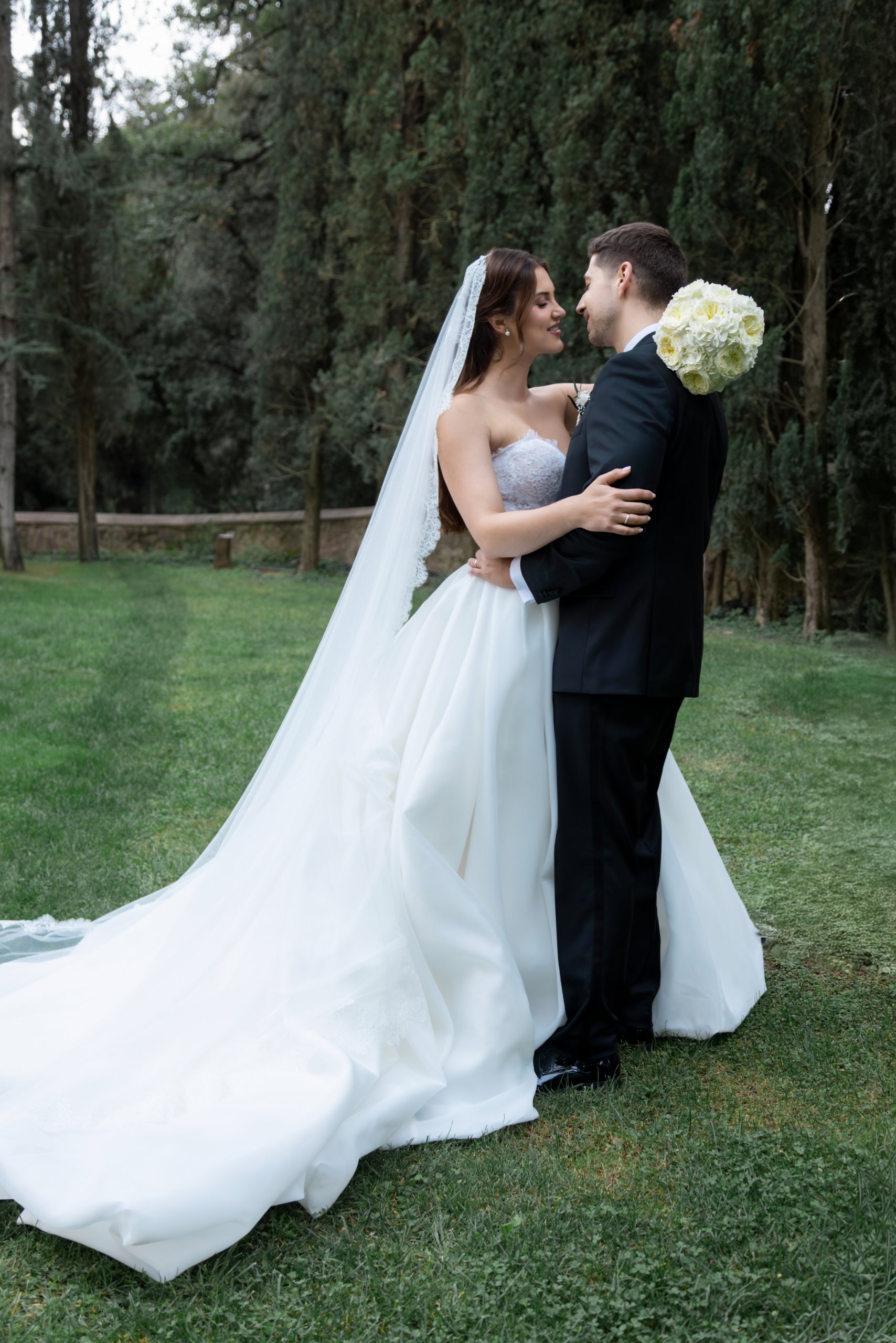
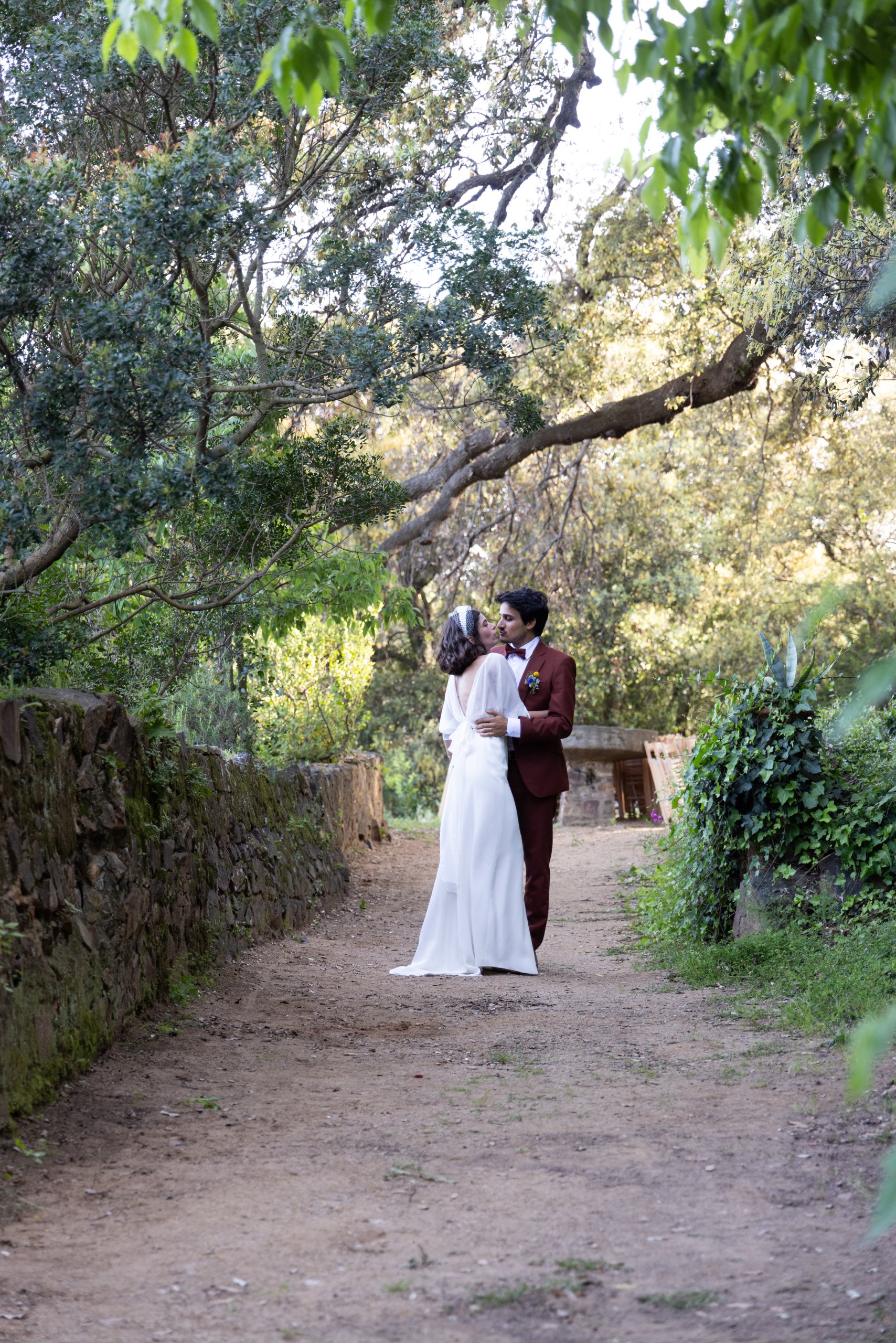
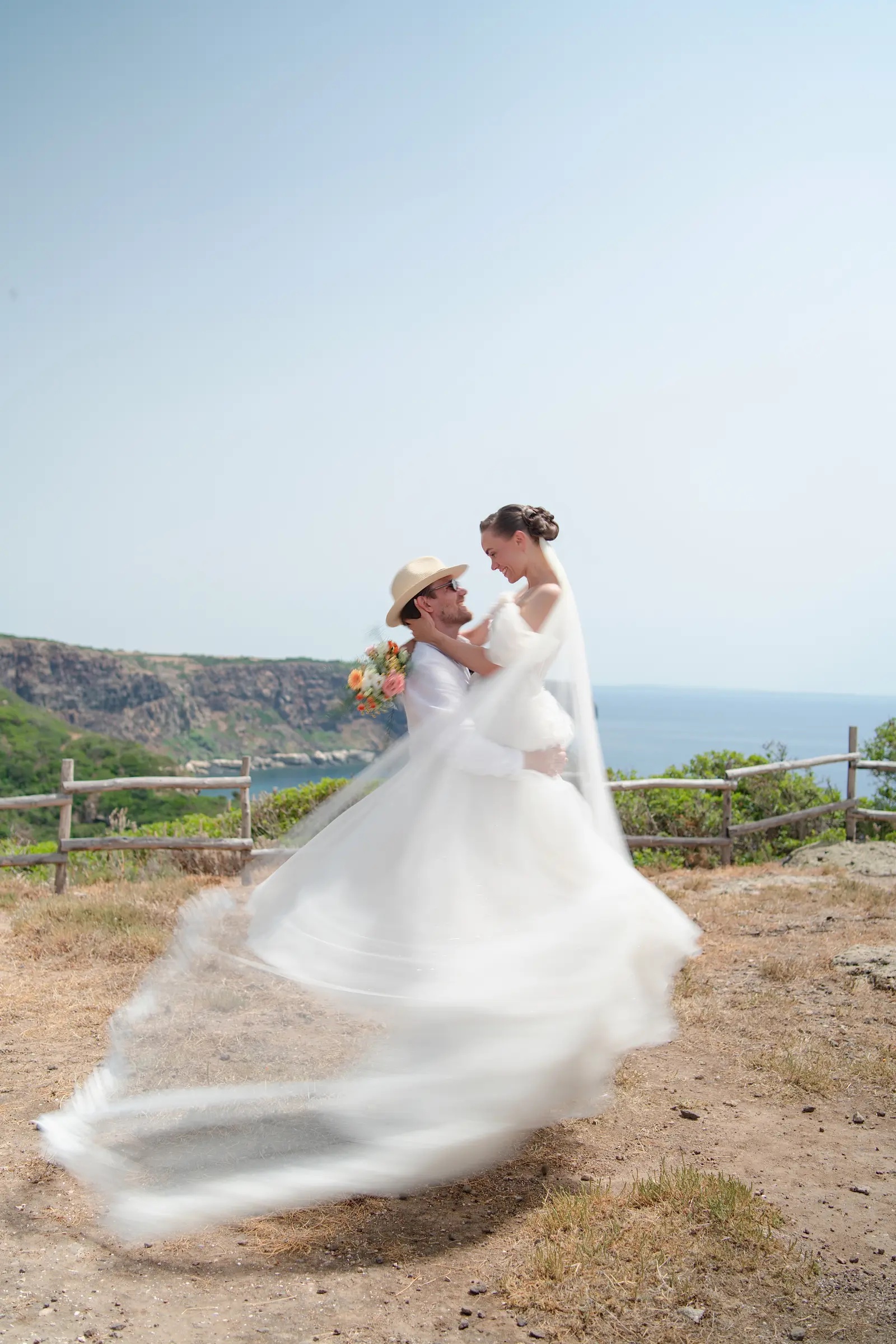
They shoot everywhere in Tuscany — in Chianti too. Their whole weddings are on their pages.
See all 36 photographers
Booking through Lens & Vows
Ceremonies
Greve in Chianti lists two private estates among its civil-wedding places: Castello di Vicchiomaggio, with a Renaissance garden, a courtyard and the small church of Santa Maria beside the castle, and the Borgo di Vignamaggio. The ceremony there is legal; fix the date with both the estate and the comune.
The council chamber on Piazza Matteotti holds up to 40 people; Greve also marries couples on the terrace of the Museo di San Francesco and in the former chapel of San Michele Arcangelo at San Michele, or the garden beside it. Ceremonies are on weekday mornings and on Monday and Thursday afternoons; a Saturday can be requested.
Radda in Chianti marries couples at its town hall, the Palazzo del Podestà on Piazza Ferrucci, in the loggia at the entrance or the Sala del Podestà upstairs. Castellina in Chianti uses the Sala del Capitano inside its medieval Rocca, as well as the council chamber and the courtyard within.
Many estates host the whole day: a ceremony between the vines, an aperitif in a historic cellar, dinner outside. Castellina can set up separate registry offices in historic private buildings, agriturismi and hotels; where no comune has done that for your estate, the ceremony there is symbolic and the legal one happens in town.
Portraits
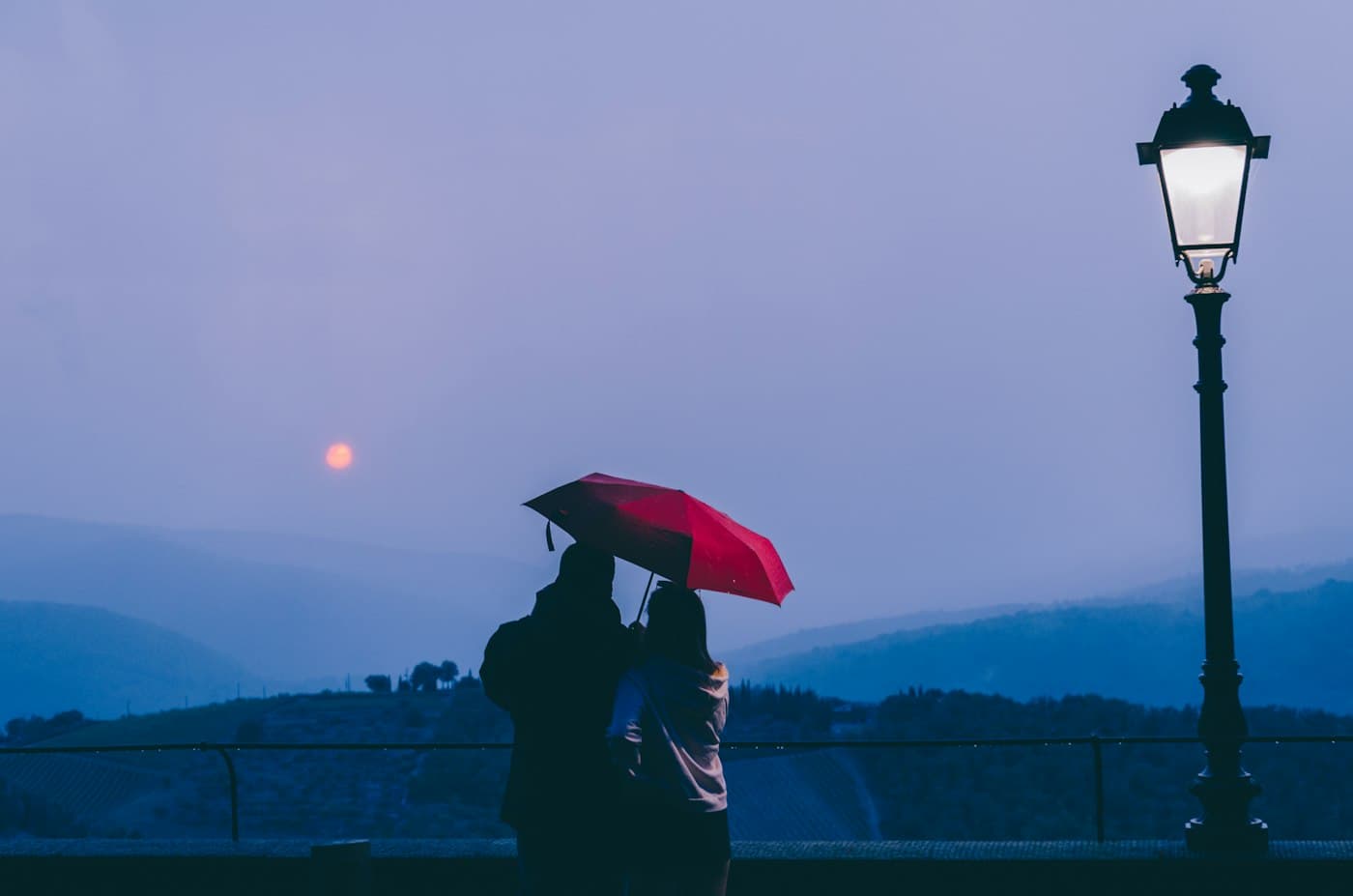
Panzano’s sunny side drops into the wide valley of the Pesa: the Conca d’Oro, a bowl of Chianti Classico vineyards. In the evening the light runs low across the rows; nearby stands the Pieve di San Leolino, a country church first recorded in 982.
An arcaded square with a monument to the explorer Giovanni da Verrazzano, born nearby — shade at midday and room for the whole party to gather after a ceremony in the council chamber.
Castellina’s Via delle Volte, a covered street that was once an underground passage for the guards, gives stone vaults and soft light when the sun is high. Radda, the old capital of the League of Chianti, is still enclosed by its walls — narrow lanes for a short walk after the ceremony.
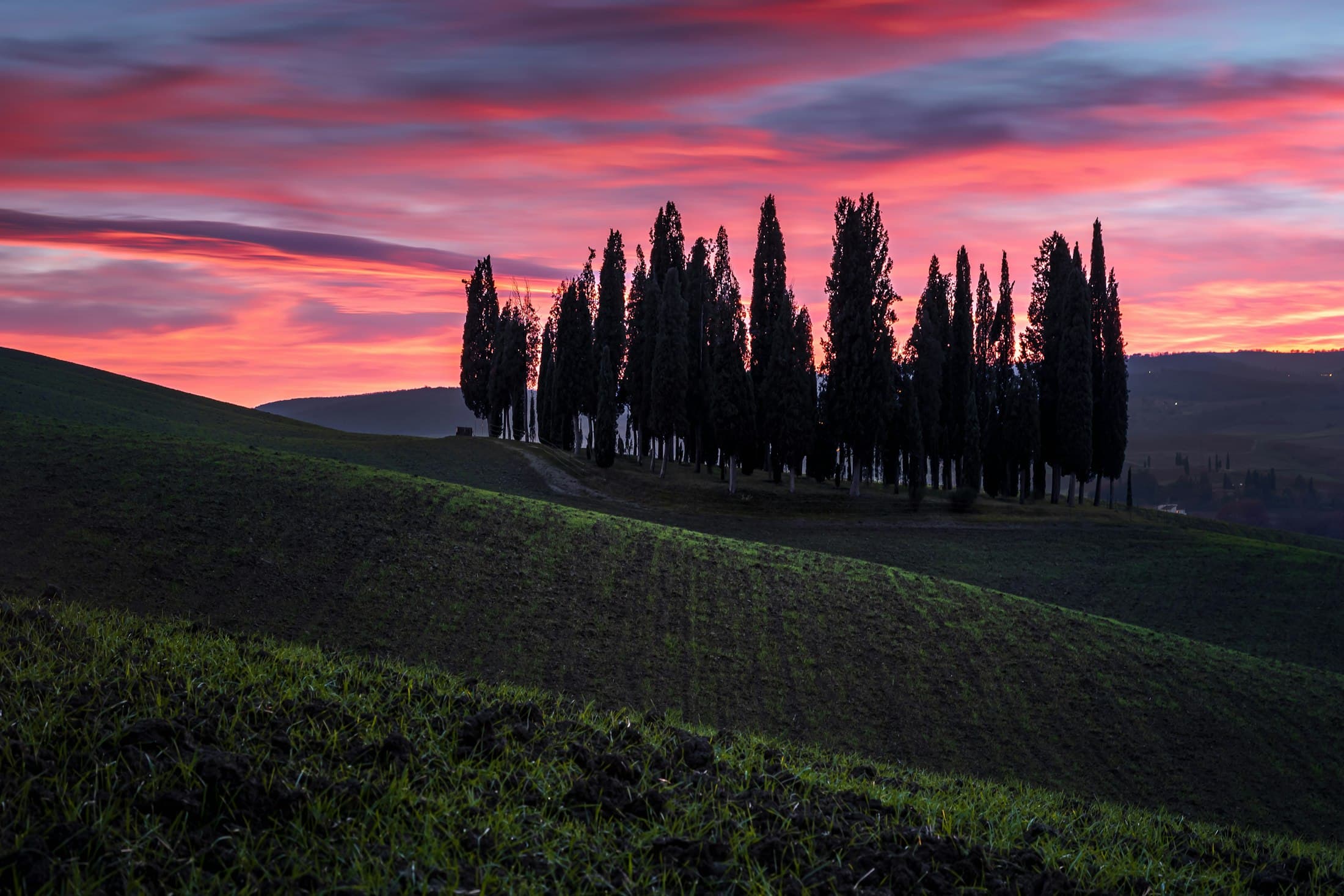
On every estate: rows running downhill for the two of you, an avenue of cypresses for a walking shot. Ask which rows you may walk in — at harvest the pickers are working.
Through the year
Siena’s station, just south of the Chianti Classico area at 350 m, averages highs of 22.7 °C in May, 27.1 °C in June and 25.0 °C in September, and 30.5–30.7 °C in July and August (LaMMA, 1991–2020). Rain falls on about 8 days in May, 6 in June and 7 in September; October brings 106 mm. The harvest runs through September into October — the finest time in the vineyards and the busiest on the estates, so ask whether the cellar will be working on your date.
Tuscany, month by month
Practical
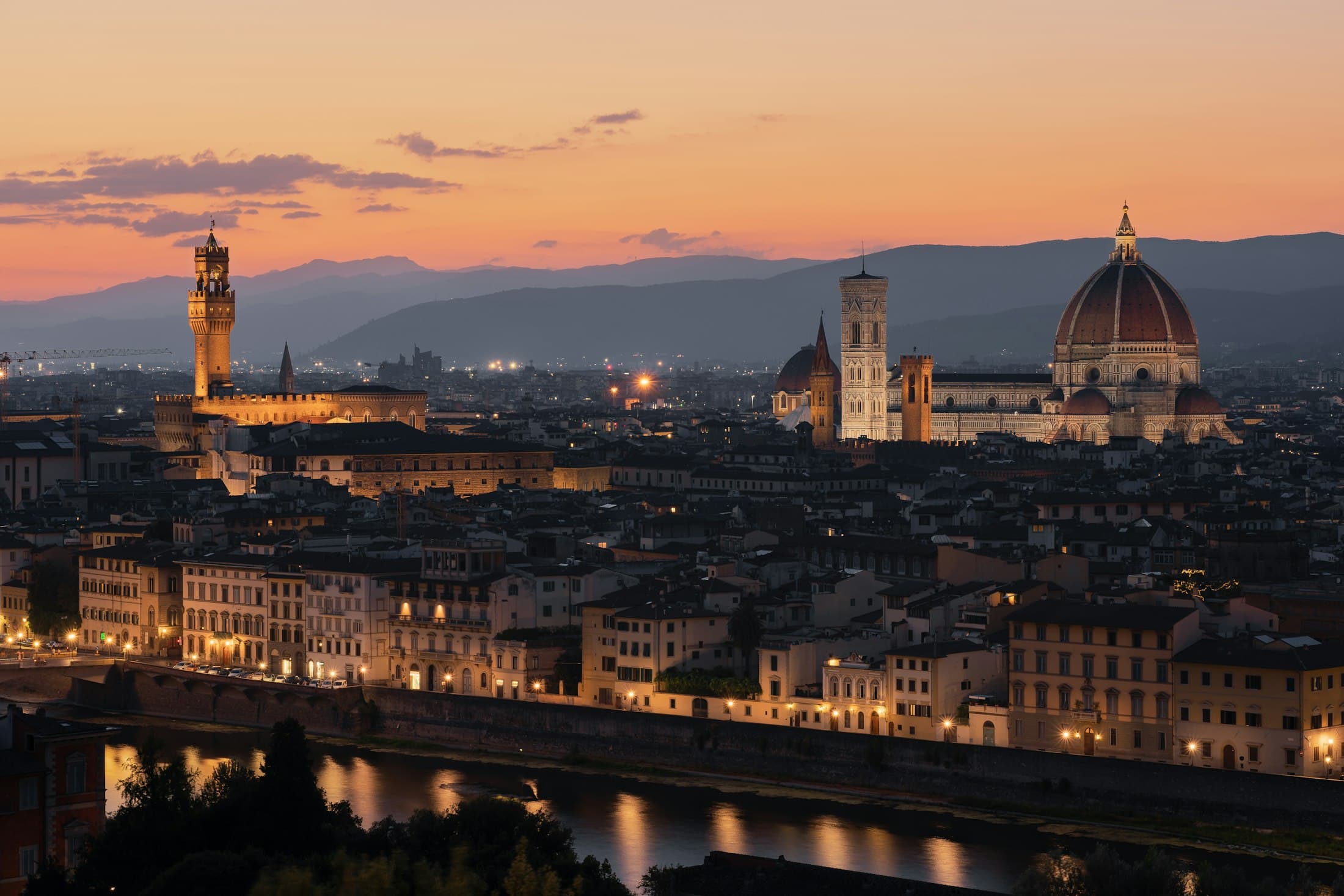
Florence is the gateway. From the city the SR222, the Chiantigiana, runs south through Greve and Panzano and passes near Castellina on its way to Siena; Radda and Gaiole lie further east. Plan on cars or drivers: the estates are spread across the hills on winding roads.
Italy’s limit is 0.5 g/l of alcohol in the blood, and zero for drivers in their first three years with a licence, drivers under 21 and professional drivers (ACI). After a tasting and a wedding dinner, nobody should drive: book drivers or a minibus, or keep the guests on the estate.
Greve asks for the celebration to be requested at least 30 days ahead, the documents two weeks before and your declaration at least three days before, by appointment; it doesn’t provide an interpreter. Radda and Castellina have their own forms and fees. Each of you brings a nulla osta; our legal guide has the steps.
Over vineyards and an estate, the owner decides and the EU rules apply: the drone registered on d-flight and insured, the zones on its map checked, and never flown over the guests.
Questions
Yes, where the comune has made it a wedding place. Greve in Chianti lists Castello di Vicchiomaggio and the Borgo di Vignamaggio among its civil-wedding venues, and Castellina can set up separate registry offices in private historic buildings. Elsewhere, marry at the town hall and hold the estate ceremony as a symbolic one.
Greve (its council chamber on Piazza Matteotti, up to 40 people), Radda (the loggia or the Sala del Podestà) and Castellina (the Sala del Capitano in its Rocca). Each has its own days, forms and fees.
It is beautiful, and usually mild: Siena averages highs of 25.0 °C in September, with rain on about 7 days (1991–2020). But the estates are busy from September into October — ask whether the cellar and the vineyards will be working on your date, and plan the photographs around them.
By car or with drivers: the estates are spread across the hills. With Italy’s drink-driving limit at 0.5 g/l, and zero for new drivers, book drivers or a minibus after dinner, or keep everyone on the estate.
Tuscany
Plan
Not sure yet?
The place, the date, the guests, the photos you like. Our concierge checks who is free and fits, and comes back with photographers to choose from.