Verified — Identity verified by Lens & Vows

Antoine P.from €2,500
Ghent & East Flanders, Brussels & Brabant +29 · Documentary, EditorialBased in France · travels to weddings in BelgiumWedding photographers in Belgium
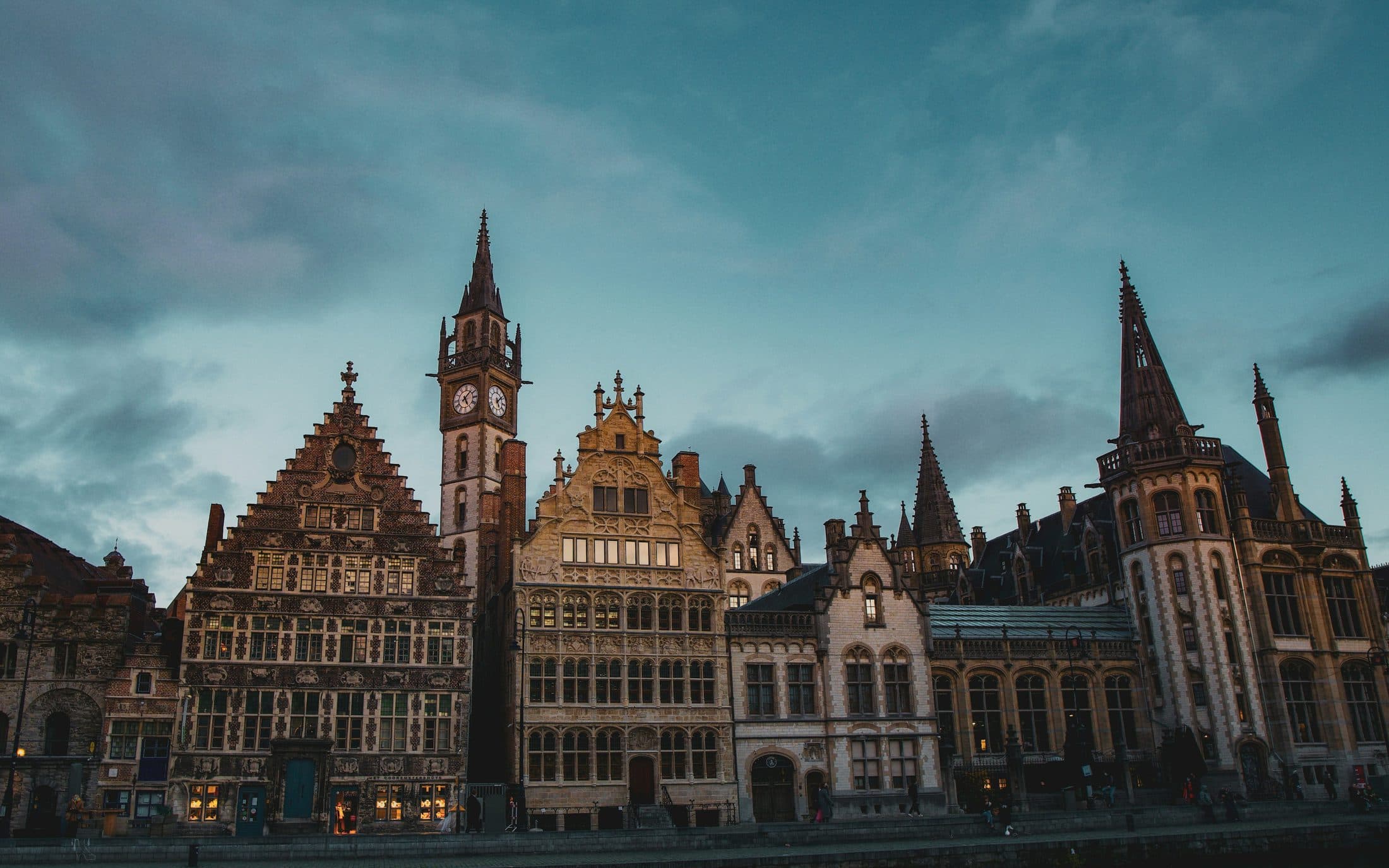
Ghent’s gabled quays on the Leie and its castle of the Counts, which marries couples in its Knights’ Hall, the artists’ villages on the river 9 to 15 km upstream, the moated castle of Laarne and, half an hour to the south, the hills of the Flemish Ardennes around Oudenaarde.
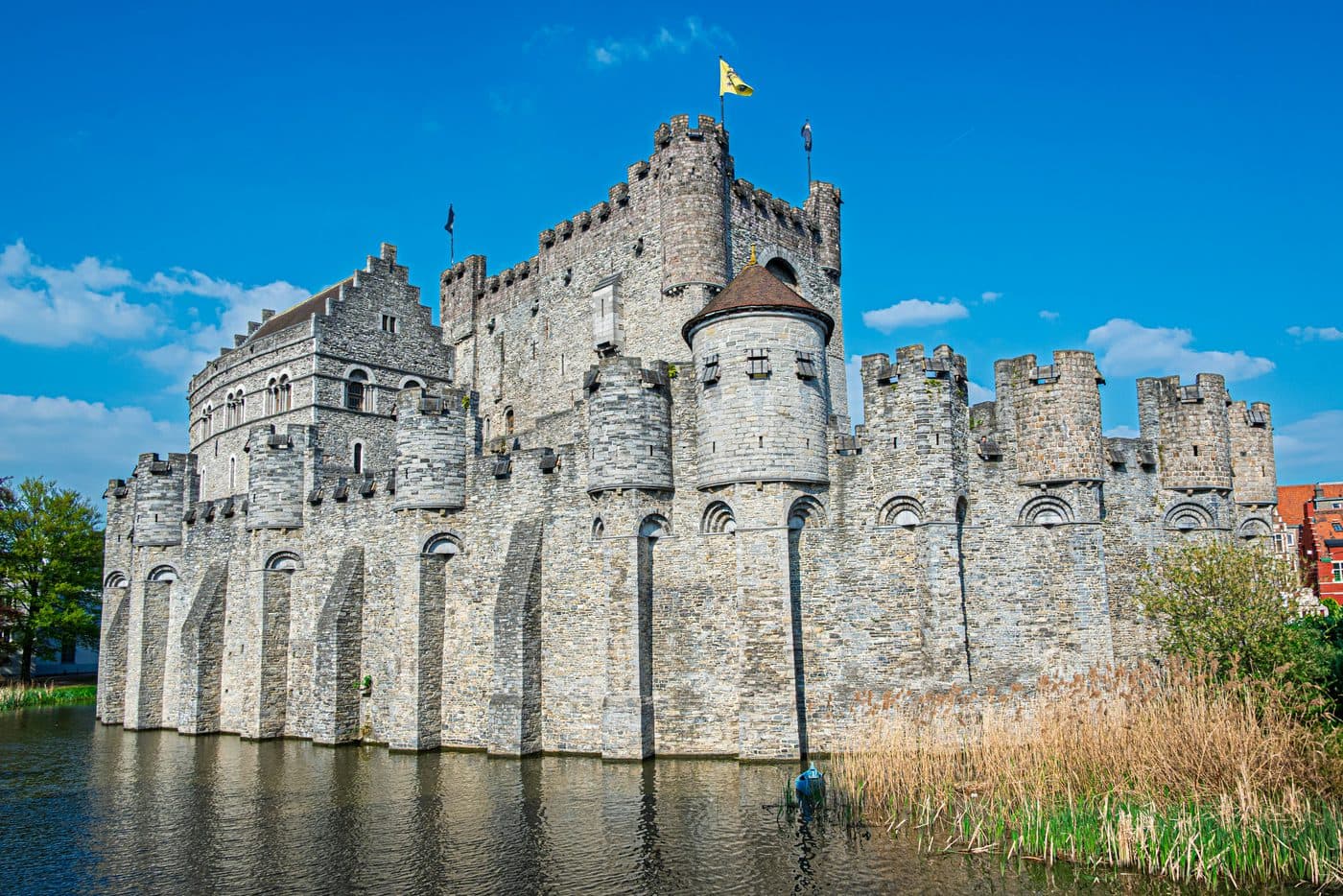
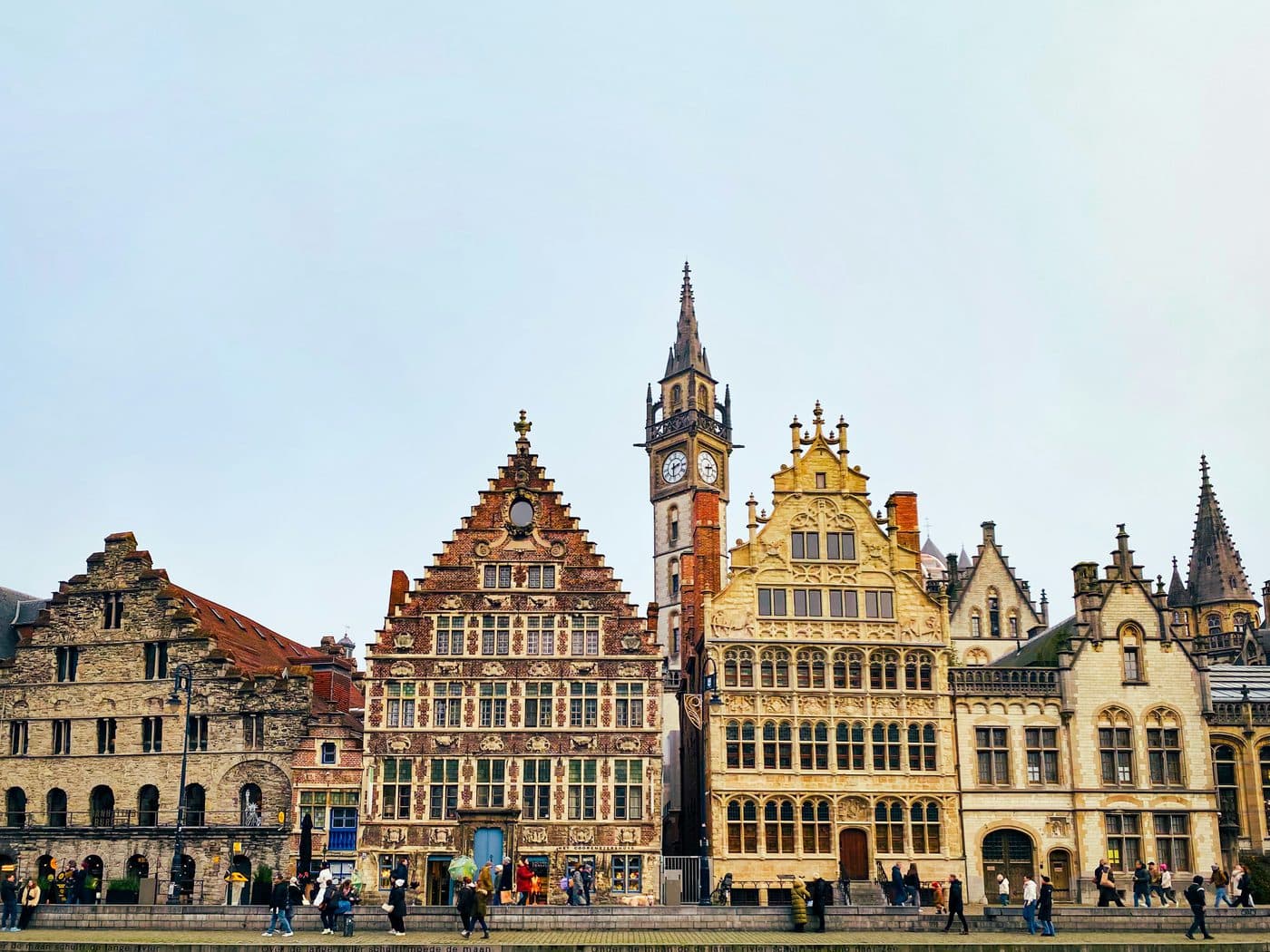
In the middle of Ghent two quays face each other across the Leie, the Graslei on the east bank and the Korenlei on the west, both lined with tall gabled houses of stone and brick, and St Michael’s Bridge between them looks over both. A few streets away the Gravensteen rises from its moat, the castle of the Counts of Flanders, rebuilt in stone in 1180 with a keep some thirty metres high and a wall of 24 turrets. The belfry, with its cloth hall, is one of the belfries of Belgium and France on UNESCO’s list, and so are the city’s two beguinages, the Small Beguinage near the centre and the Large Beguinage at Sint-Amandsberg. Upstream, the Leie winds through water meadows past Sint-Martens-Latem and Deurle, where an artists’ colony grew up, and on to the moated castle of Ooidonk; east of the city stands the medieval moated castle of Laarne, and to the south the Scheldt runs past Oudenaarde, whose town hall is on the belfry list too, into the hills of the Flemish Ardennes.
Couples who live in Ghent marry in the town hall, in the Gravensteen or, on summer Fridays, in the garden of St Peter’s Abbey; in the villages they marry in their own town hall, as in Sint-Martens-Latem, then take the party to a castle, a farm or a hall by the river. Couples from abroad can come for a small wedding in the city, with portraits on the quays and in the lanes, or a quieter day among the villages. In Belgium a marriage is legal only before a commune’s civil registrar (officier de l’état civil, ambtenaar van de burgerlijke stand), at the town hall or another neutral public place the commune has designated, and a religious ceremony may only follow it; two partners who are both foreign and live abroad can’t marry legally here, so they sign the papers at home. Oudenaarde, for one, marries only couples of whom at least one lives in the town; others can hold a ceremony of their own here. Sint-Martens-Latem lets couples who don’t speak Dutch bring an interpreter, who takes an oath before the mayor.
Photographers
They still have dates open here. Their whole weddings and free dates are on their pages.
See all 2 photographers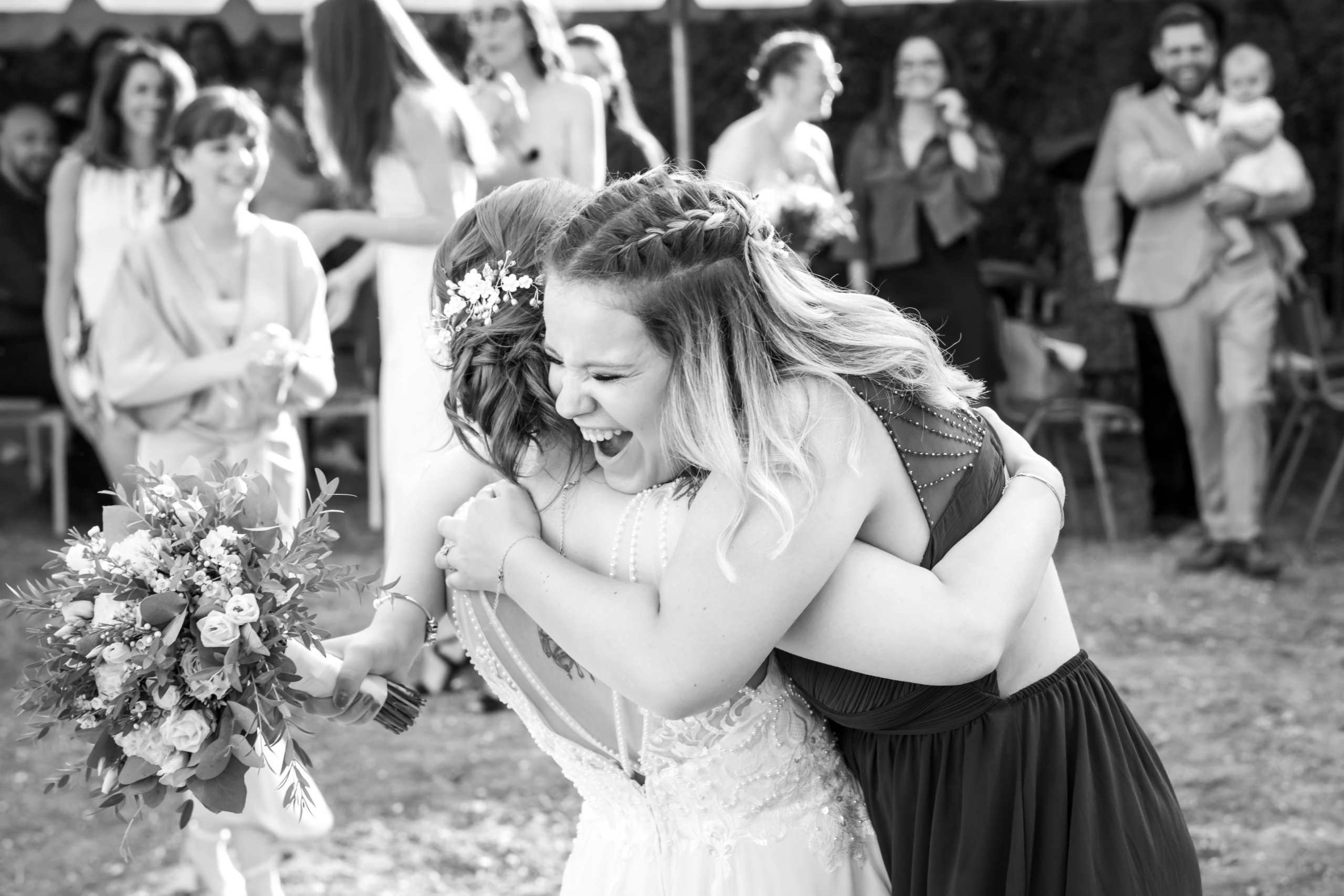
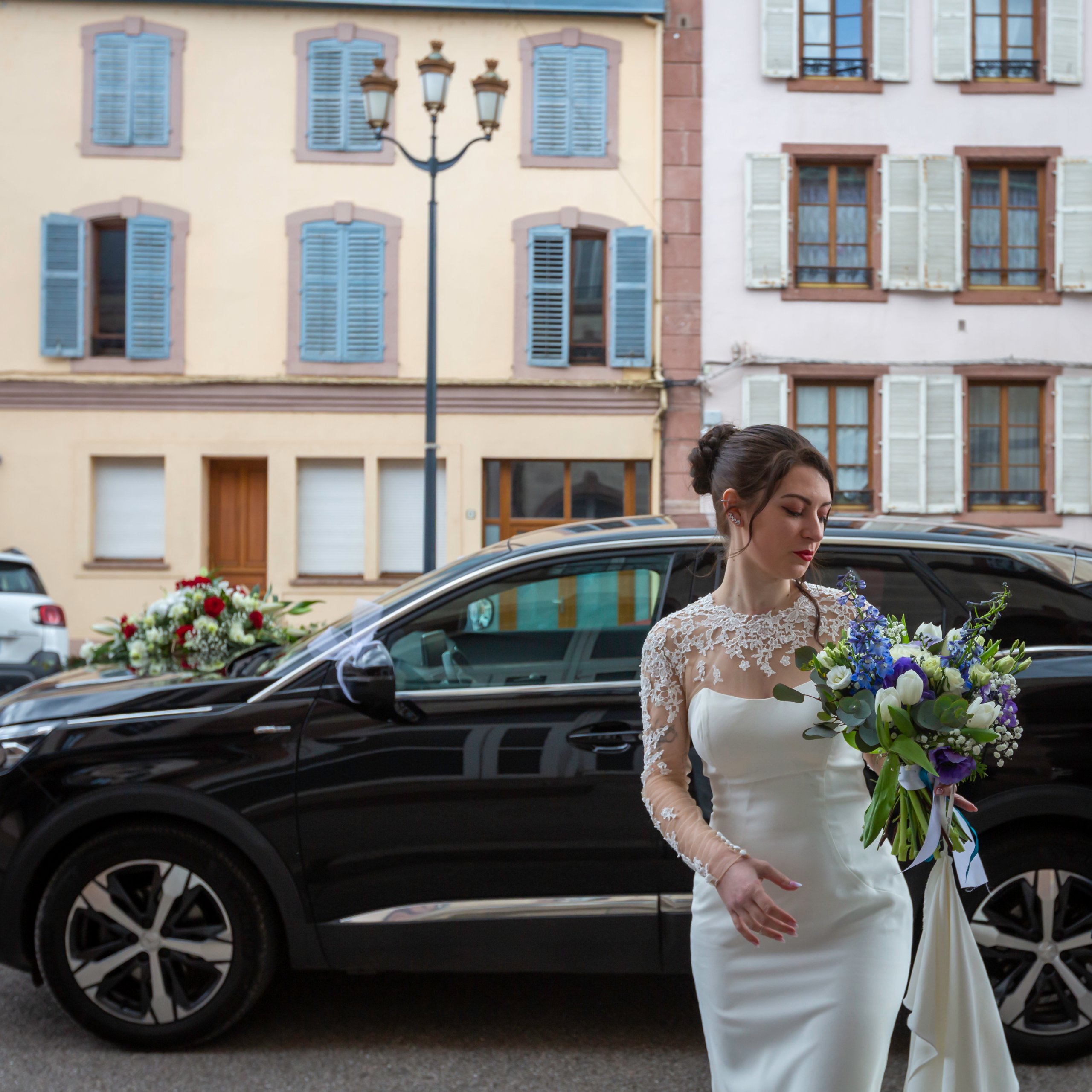
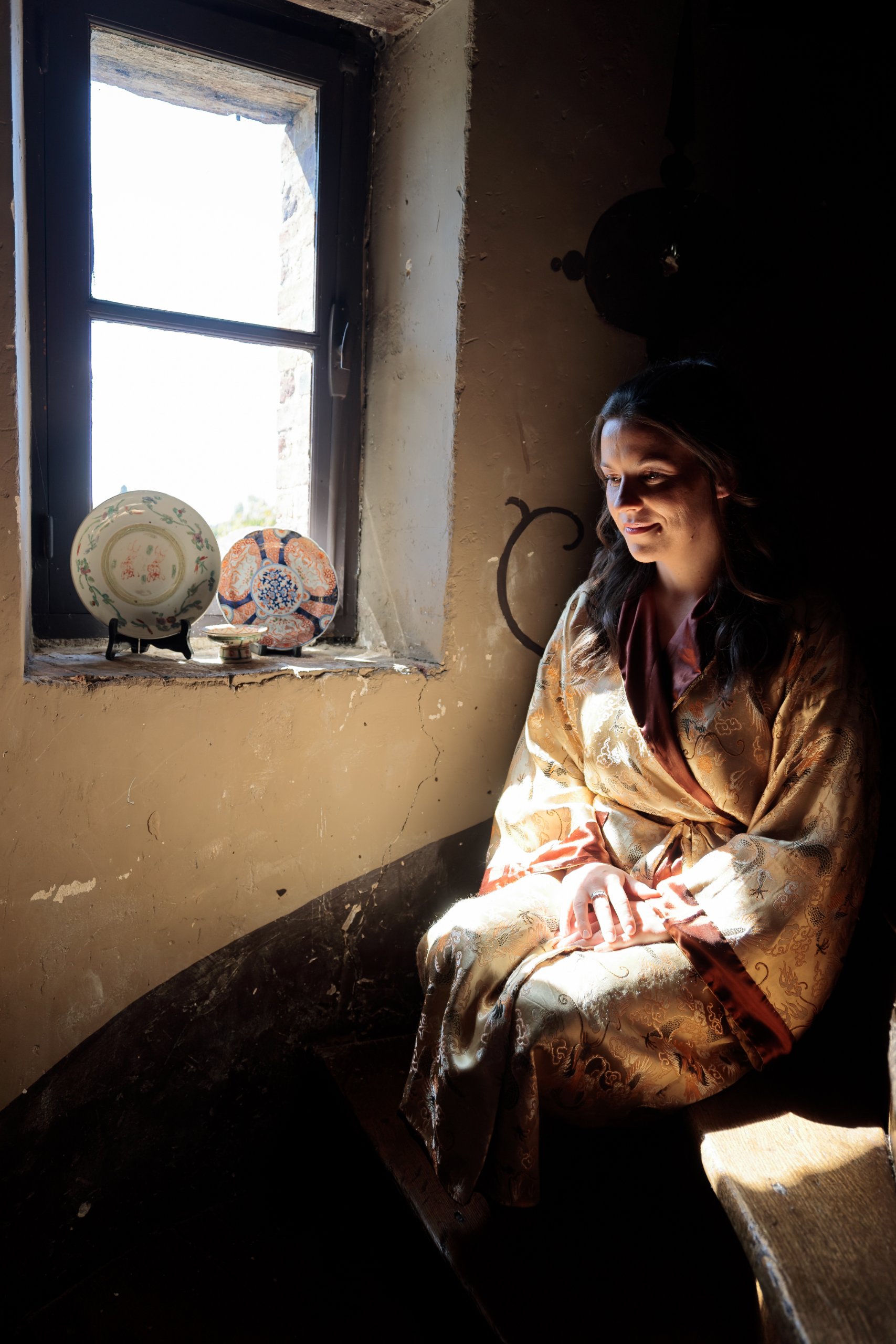
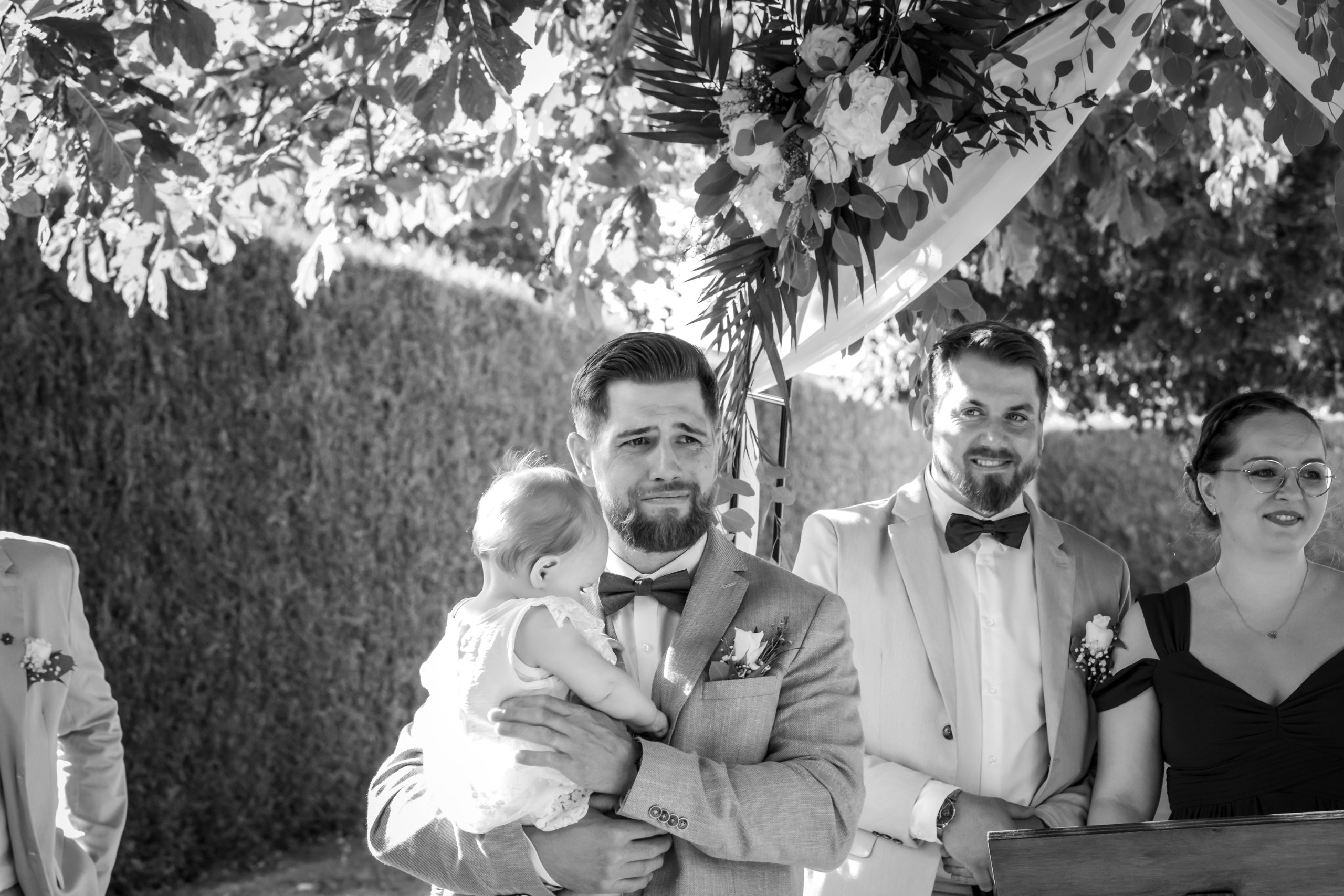
Booking through Lens & Vows
Through the year
May, June and September are the easiest months. In the Royal Meteorological Institute’s 1991–2020 statistics for the commune of Ghent, highs reach about 19 °C in May, 21 °C in June and 20 °C in September, with rain (1 mm or more) on about ten days a month, and May is the driest of the three, with 63 mm. July and August are the warmest, at 23 °C, with two or three days of 30 °C or more each and about two and a half days a month that bring 10 mm or more; August is the wettest month of summer, with 91 mm. April is the driest month of all, with 46 mm, but reaches only 15 °C, as does October. From November to February the highs stay between 7 and 10 °C, rain falls on 12 to 14 days a month and the sun shines for two or three hours a day.
Weather station: Gent, normals 1991–2020 · Checked 3 November 2026
Places
The kinds of places — ask your photographer which ones they know well.
The Graslei faces west across the water, so its gables take the evening sun while the Korenlei opposite is lit in the morning, and St Michael’s Bridge gives the view along both. The Gravensteen stands a few minutes’ walk to the north, its grey walls rising straight from the moat. Ghent requires anyone organising a photo shoot in the city to get permission from its police, through the police events cell, and anyone filming in public space to hold a permit, applied for at least six weeks ahead; ask early whether your portraits count. The castle is run by the city’s Historic Houses service, so ask it before planning pictures inside.
Ghent marries couples in its town hall, free on Wednesdays, and with a ceremony of their own on Fridays and Saturdays for €333; in the Gravensteen on Fridays, one couple at a time, in the Knights’ Hall on the first floor of the keep or the smaller Suikerlade above the gatehouse, for €841; and on Fridays from 1 May to 30 September in the garden of St Peter’s Abbey, also €333, with the abbey’s hall ‘Tussen Hemel en Aarde’ as the rain plan (fees as of November 2026). The personalised ceremony lasts about twenty minutes, with up to two speakers and eight minutes of words between them. At the castle you may bring your own glasses and drinks for a toast of about half an hour, and for the castle and the abbey a site visit at least four weeks before is compulsory.
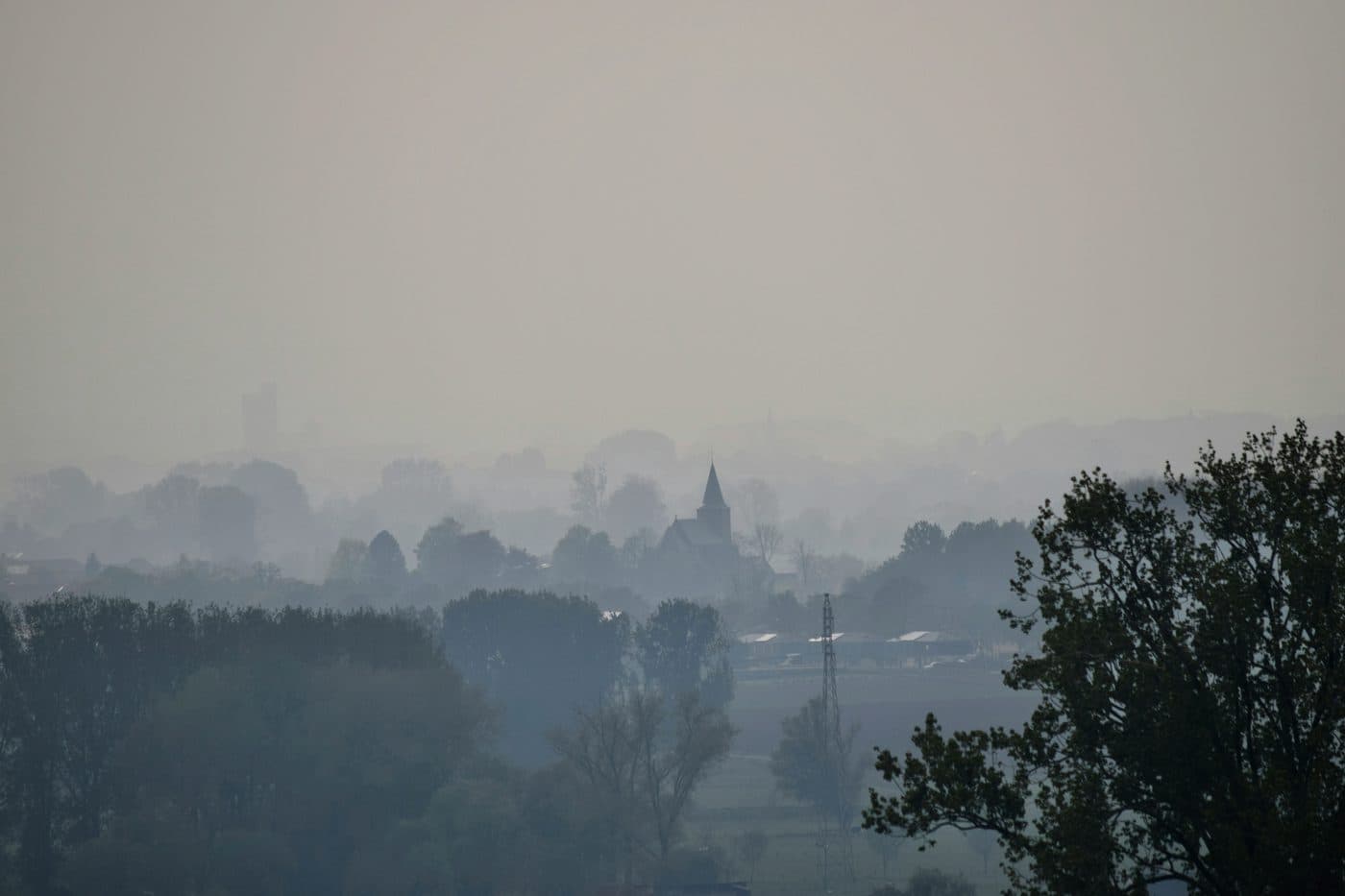
Upstream from Ghent the Leie loops through water meadows, protected as a landscape at Sint-Martens-Latem, past Latem and Deurle, whose artists’ colony, modelled on Barbizon, the Flemish government calls unique in Belgium. Latem marries couples in the Leiezaal of its town hall, for up to 100 guests, free in office hours and €315 after them or on Saturday afternoons (as of November 2026); rice and plastic confetti aren’t allowed, and petals must be swept up within a day. Further upstream, the moated castle of Ooidonk is lived in: the house is seen only on guided tours, the gardens open from Tuesday afternoon to Sunday, and it publishes no rule on wedding portraits, so ask before planning any.
Laarne’s moated castle, 14 km east of Ghent, is a monument run by the heritage trust Herita and books wedding photo sessions: two hours outdoors for €150, indoors and out for €300 and €75 for each hour after that, booked at least three weeks ahead (as of November 2026); drones are strictly forbidden over its grounds. South of Ghent, Oudenaarde marries couples in its town hall on the Markt, a half-hour ceremony, €30 on Friday afternoons and €240 on Saturdays (as of November 2026). Around the town, the Scheldt valley at Ename and hills such as the Koppenberg, 6 km from the Markt, are the start of the Flemish Ardennes. In the woods and reserves of Flanders’ Agency for Nature and Forests, pictures for private use are free, but a commercial or exclusive shoot, a ceremony or a reception needs a contract and a fee through its agency Natuurinvest, so ask whether a hired photographer counts.
Light
Ghent’s summer evenings are long. At midsummer the sun rises at about half past five and sets just after ten, far round in the north-west; it drops below ten degrees at about twenty to nine, and the sky stays light until about ten to eleven. That last hour is when the Graslei, facing west across the water, glows and the Korenlei falls into shade; the Korenlei has its turn in the morning. In mid-September the sun sets at eight and in mid-October just before seven. At midwinter it rises at about a quarter to nine, sets at about twenty to five and climbs no higher than about 15 degrees. In the RMI’s statistics Ghent has about seven hours of sun a day from May to July and under two in December.
Travel
Brussels Airport’s station lies beneath the terminal, with direct trains to Ghent in about 55 minutes; from Brussels-South, Ghent-Sint-Pieters is about 28 minutes away, several times an hour, with Bruges about 25 minutes further on. Trains from Ghent reach Oudenaarde in about 30 minutes, twice an hour. By road it is 66 km from Brussels Airport to the Graslei and, from the centre, 9 km to Sint-Martens-Latem, 14 km to Laarne’s castle and to Ooidonk, 15 km to Deurle and 30 km to Oudenaarde; Brussels South Charleroi Airport is 107 km away. Belgium applies the EU’s drone rules: the operator of a drone with a camera, or of any drone of 250 g or more, registers in the EU country where they live (in Belgium, on the Drone Portal of the Federal Public Service Mobility; from outside the EU, in the first EU country they fly in), holds the A1/A3 certificate from 250 g and third-party insurance unless the flight is purely private with a drone under 900 g, flies in sight, below 120 m and never over a crowd, and checks the geozones on skeyes’ Droneguide map (map.droneguide.be) before every flight. Ghent says it lies outside controlled airspace, so no airport clearance is needed, and the city asks for no permission of its own as long as the EU rules are kept and no zone is active, such as those around prisons or the port; Laarne bans drones over its castle grounds.
Plan
Belgium