Founding photographer
Julián R.from $3,790,000
🇦🇷 Mendoza & the Uco Valley, Buenos Aires & the Pampas +34, Argentina · Documentary, Fine artWedding photographers in Argentina
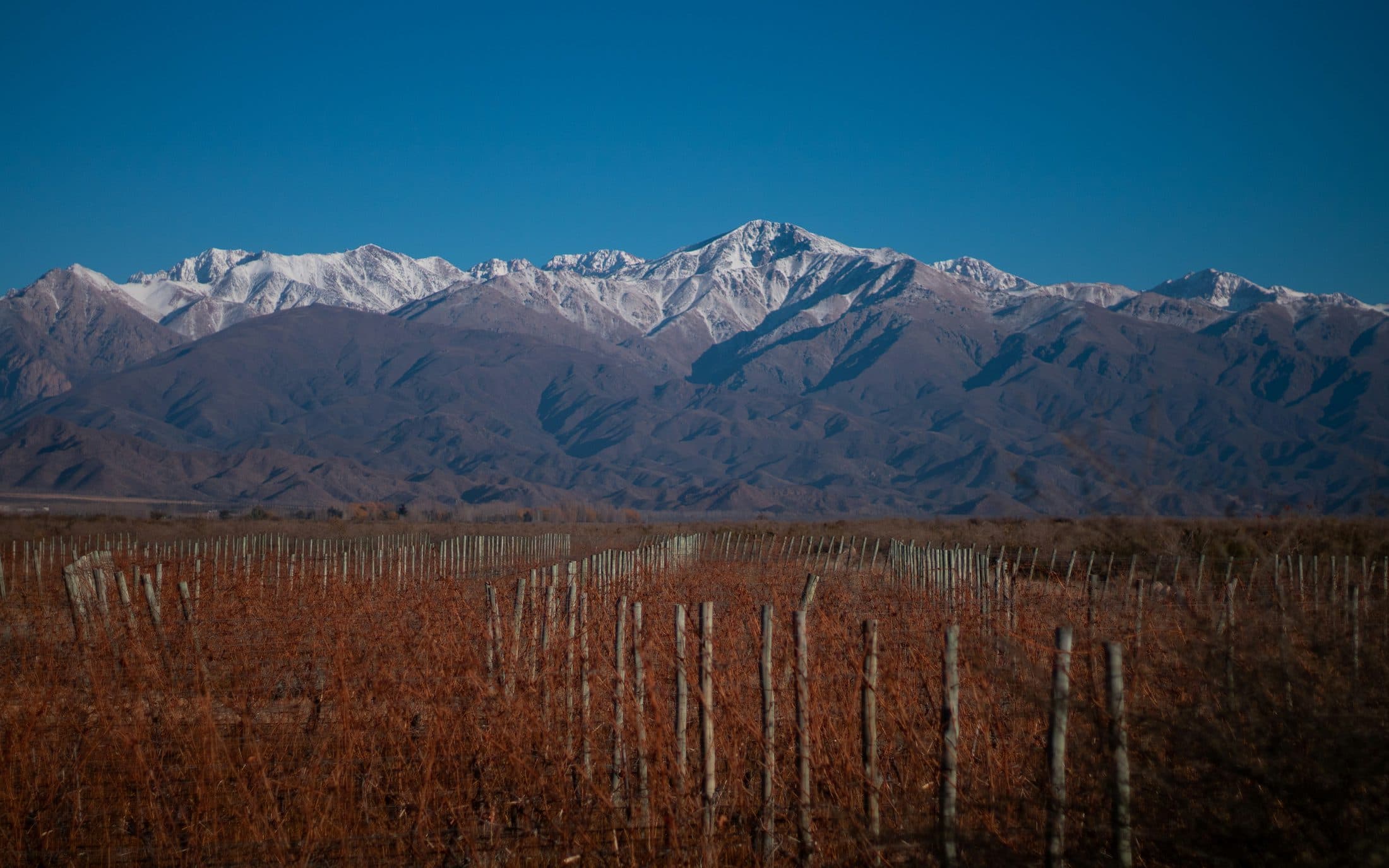
Argentina’s wine country at the foot of the Andes: the city of Mendoza with its plazas and its great park, the vineyards of Luján de Cuyo and Maipú a short drive south, the high vines of the Uco Valley under the snow, and the road west past the Potrerillos reservoir and Uspallata to Aconcagua.
Mendoza is laid out on a grid of 64 blocks with five plazas spaced evenly across it, the Plaza Independencia, about four hectares, in the middle.
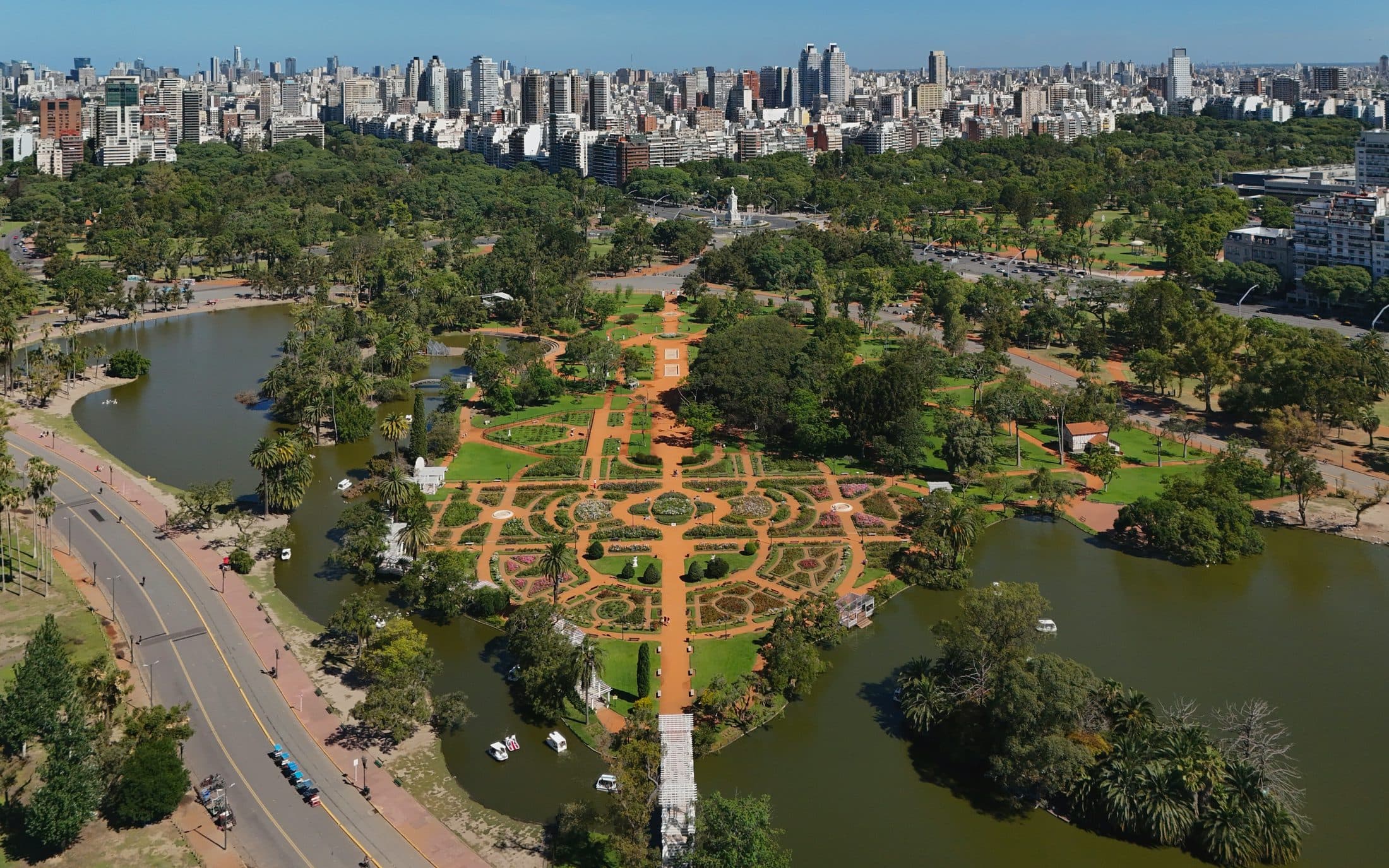
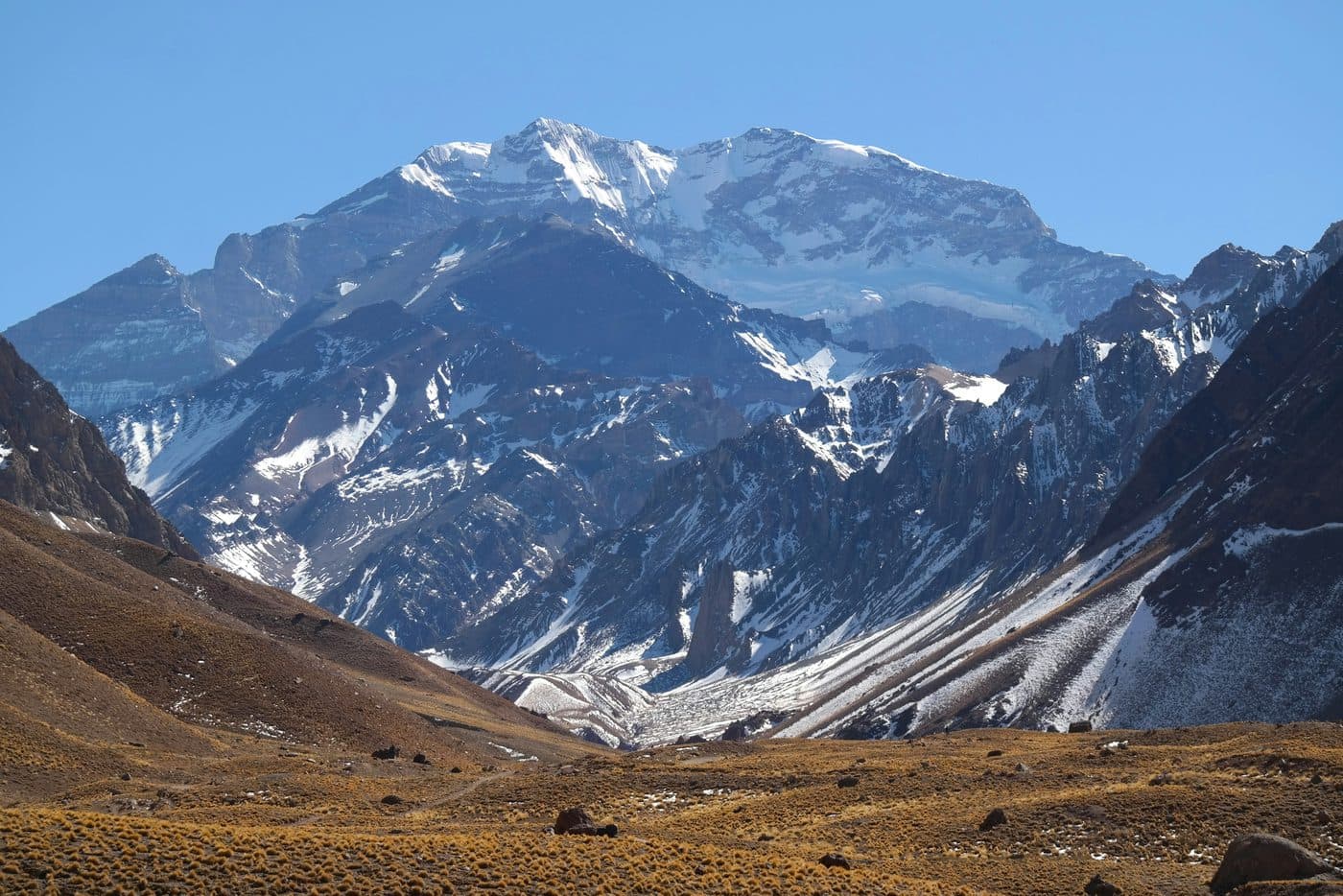
The Parque General San Martín, created by law in 1896 as the Parque del Oeste and given its present name in 1947, holds 394 hectares of woodland around an artificial lake, with a rose garden planted in 1919–1920. Wine country starts some 20 km from the centre: Luján de Cuyo calls itself the cradle of Malbec, and Maipú, the cradle of wine and the olive, has more than 40 wineries open to visitors. Further south, along Route 40, the Uco Valley spreads across the departments of Tupungato, Tunuyán and San Carlos, with vineyards from about 900 m at Tunuyán to 1,250 m at Tupungato, right under the high Andes. West of the city, National Route 7 follows the Mendoza river into the mountains, past the Potrerillos reservoir, which began to fill in 2001, at 1,380 m, and the valley of Uspallata, to the Horcones valley in Aconcagua Provincial Park, a protected area since 1983, where Aconcagua rises to 6,961 m — in the province’s words, the highest mountain in the Americas.
Couples come for a wedding among the vines: a ceremony at a winery in Luján de Cuyo or the Uco Valley with the Andes behind the rows, dinner in a cellar or at a long table outside, and portraits in the vineyard as the light goes. In Argentina only a civil wedding is legal: an officer of the civil registry (Registro Civil) marries you before two witnesses at the registry office or four outside it, and same-sex couples have married on the same terms since 2010. The Civil and Commercial Code ties the wedding to the registry where one of you is domiciled, and each province – and the City of Buenos Aires – sets its own rules for couples who both live abroad: the City marries visitors at its central registry, free, with a notary’s record of their address in the city and two witnesses holding an Argentine identity card (DNI); Río Negro, Misiones and Jujuy accept such couples too, each with its own papers; elsewhere – the Province of Buenos Aires included – ask the local registry. Papers from abroad need an apostille (or consular legalisation) and a translation by an Argentine sworn translator (traductor público), a partner who doesn’t speak Spanish must be assisted by one at the ceremony, and a religious or symbolic ceremony has no legal effect on its own. Mendoza’s Registro Civil has a booking form for weddings of foreigners, to be sent no more than 30 days before the date, but no current page says whether two people who don’t live in the province can marry here, so ask the registry before you plan; if the answer is no, marry where the law lets you and hold a symbolic ceremony among the vines.
Photographers
They still have dates open here. Their whole weddings and free dates are on their page.
See the photographerBooking through Lens & Vows
Through the year
March, April, October and November are the easiest months. The official normals for 1991–2020 come from the national weather service’s (SMN) station at Mendoza Aero, at the airport north-east of the centre, at 705 m: highs of about 28 °C in March, 23 °C in April, 26 °C in October and 29 °C in November, with rain on two or three days a month. This is dry country, with 238 mm of rain a year, seven tenths of it from November to March, much of it in thunderstorms. The Uco Valley’s vineyards lie 200 to 550 m higher than the station and the Horcones valley about 2,100 m higher, and both are cooler than these figures, but SMN publishes no 1991–2020 normals for a station in either. December to February are hot, with highs of 31 to 33 °C, and May and September, at 19 and 22 °C, work with some care.
Weather station: Mendoza Aero, normals 1991–2020 · Checked 24 November 2026
Places
The kinds of places — ask your photographer which ones they know well.
The city’s centre is a grid of 64 blocks with five plazas: the Plaza Independencia, about four hectares, in the middle, and the Plazas España, Chile, San Martín and Italia spaced around it. The Parque General San Martín, begun in 1896, keeps 394 hectares of woodland, an artificial lake whose plans were redrawn in 1906 and the Rosedal, its rose garden, laid out in 1919–1920. The province lends the park’s grounds for filming when a request is made, and the city asks for express authorisation at least 72 hours ahead for any event that uses the public way; we found no rule aimed at a couple and their photographer, so ask before you bring chairs, a set or a crew. In 1910 the park grew west to take in the Cerro de la Gloria, which carries the Monumento al Ejército de los Andes, a bronze group 16 m high inaugurated in 1914 in tribute to the Army of the Andes: a memorial, not a backdrop.
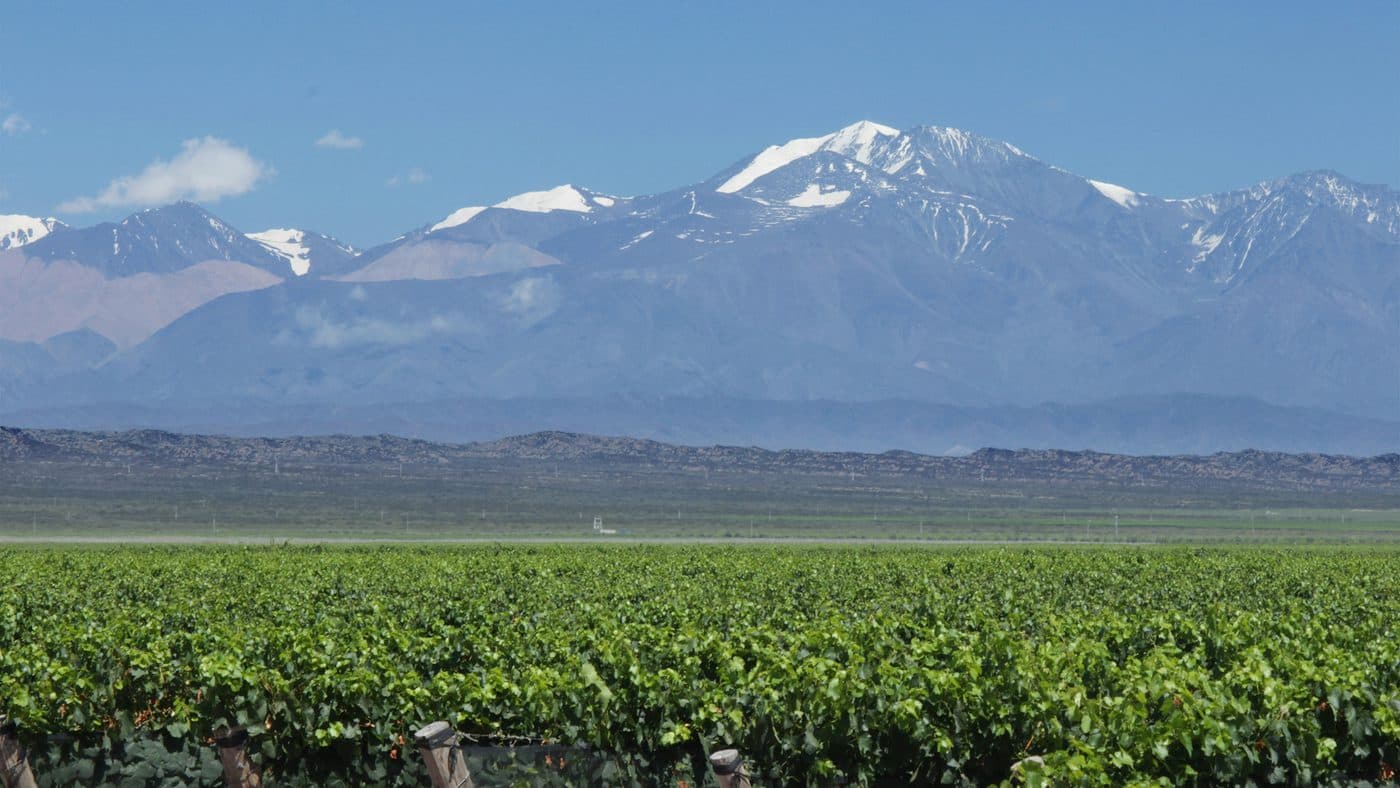
The nearest wine country lies some 20 km from the centre. Luján de Cuyo calls itself the cradle of Malbec; Maipú calls itself the cradle of wine and the olive and counts more than 40 wineries open to visitors and eight olive-oil makers. This is where couples who want the city close at hand marry: an old cellar or a modern winery among the vines, with the Andes on the western horizon, a long table outside and portraits in the rows at the end of the day. Every winery is a private estate with its own rules on ceremonies, music and photographers, so ask yours what it allows, and whether yours will be the only wedding that day.
The Uco Valley is the high country of Mendoza’s wine: the departments of Tupungato, Tunuyán and San Carlos, with vineyards from about 900 m to 1,250 m and the main range of the Andes rising straight behind them. The national wine institute (INV) notes that frost and hail often cost growers their harvest, so ask any outdoor site what shelter it has. In Tunuyán, the Manzano Histórico, a reserve of 1,100 hectares, marks the place that welcomed the hero of independence on his return from the campaigns in Chile and Peru, with the Retorno a la Patria monument: a memorial, not a backdrop. Further south in San Carlos, the Laguna del Diamante provincial reserve lies at over 3,200 m below the Maipo volcano, 5,323 m; its road is open only in summer, tickets are bought before you go (none are sold at the Alvarado ranger post), entry closes at 17:00, swimming and boats are banned, and a drone needs the province’s authorisation beforehand.
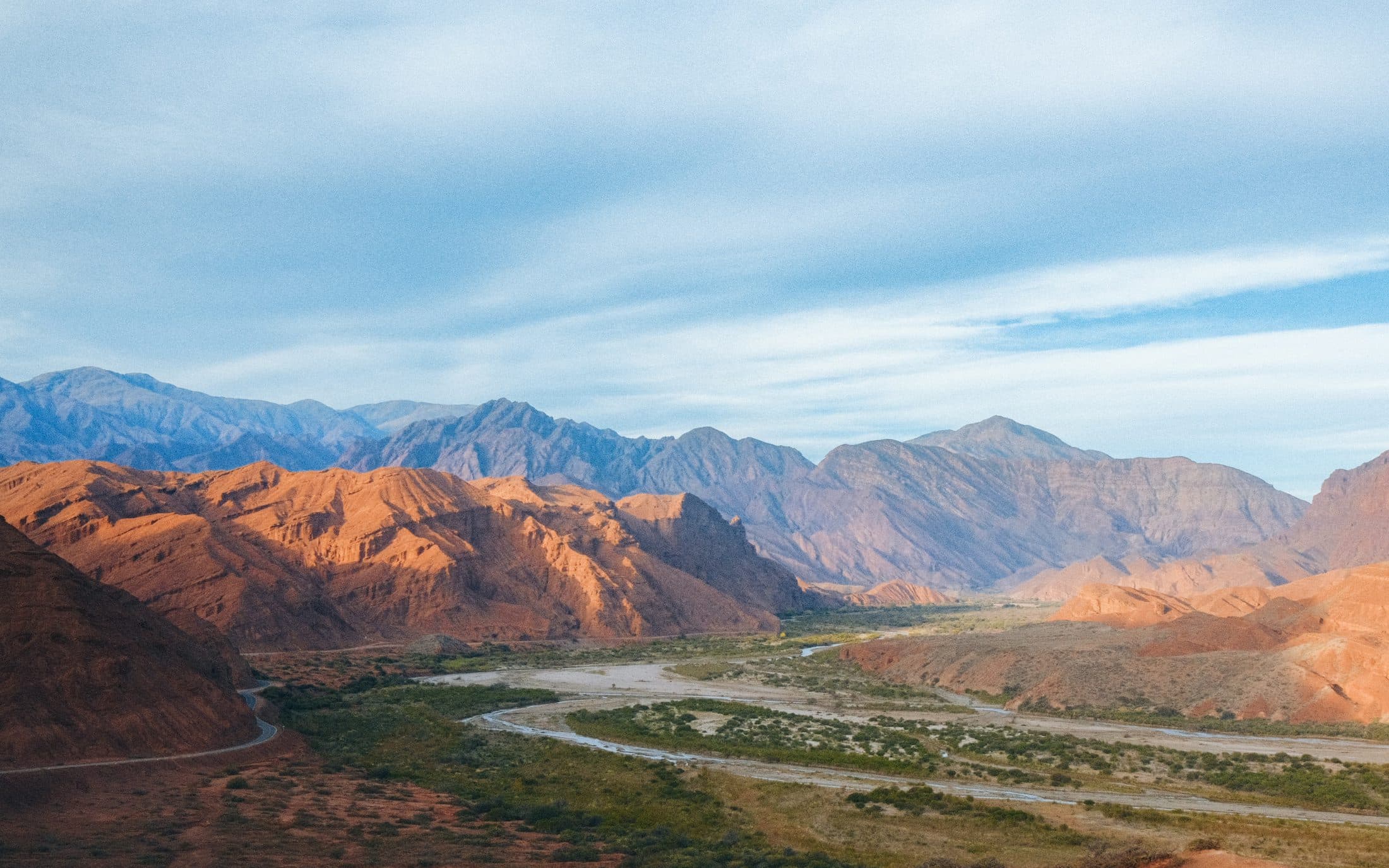
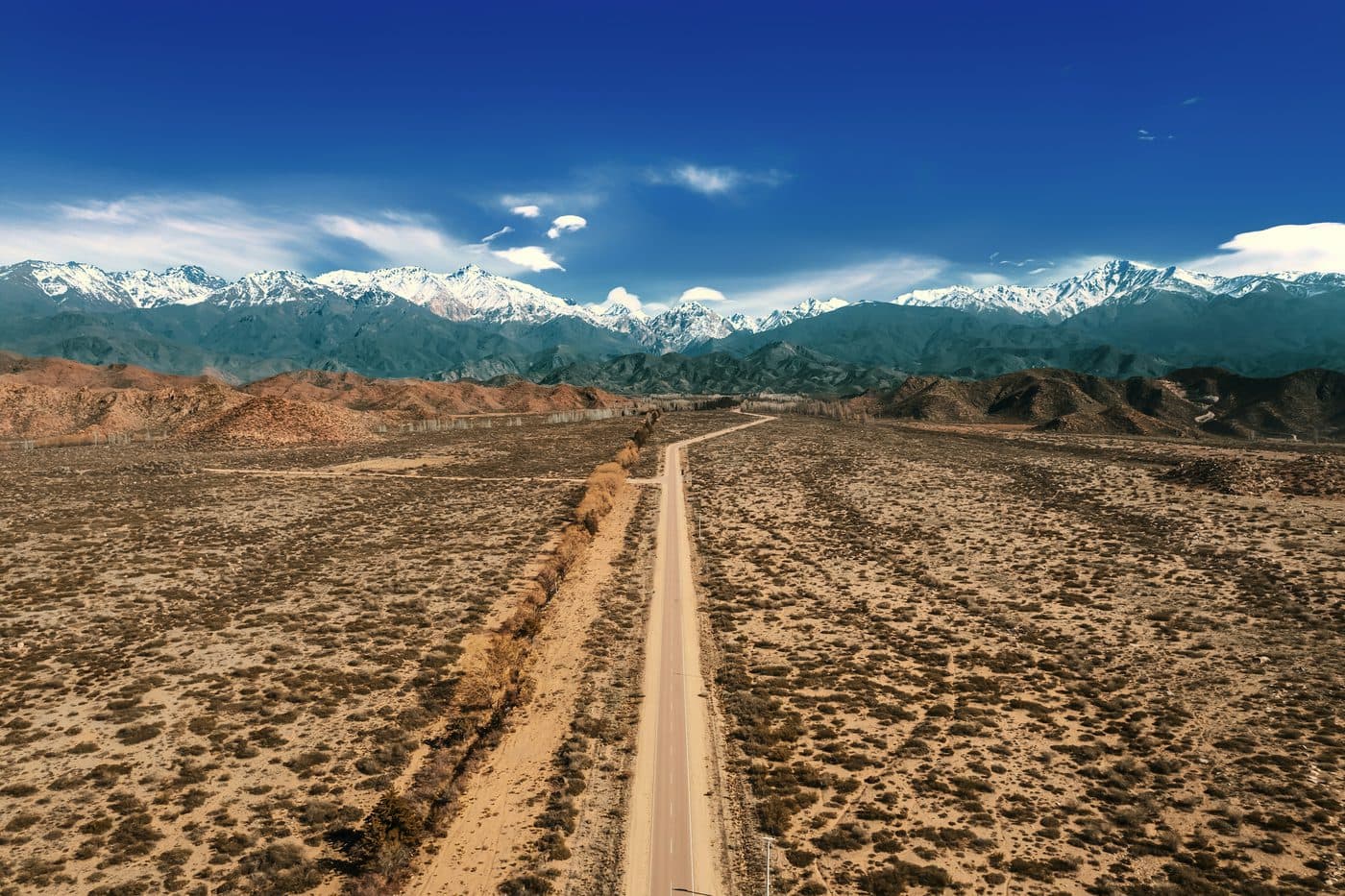
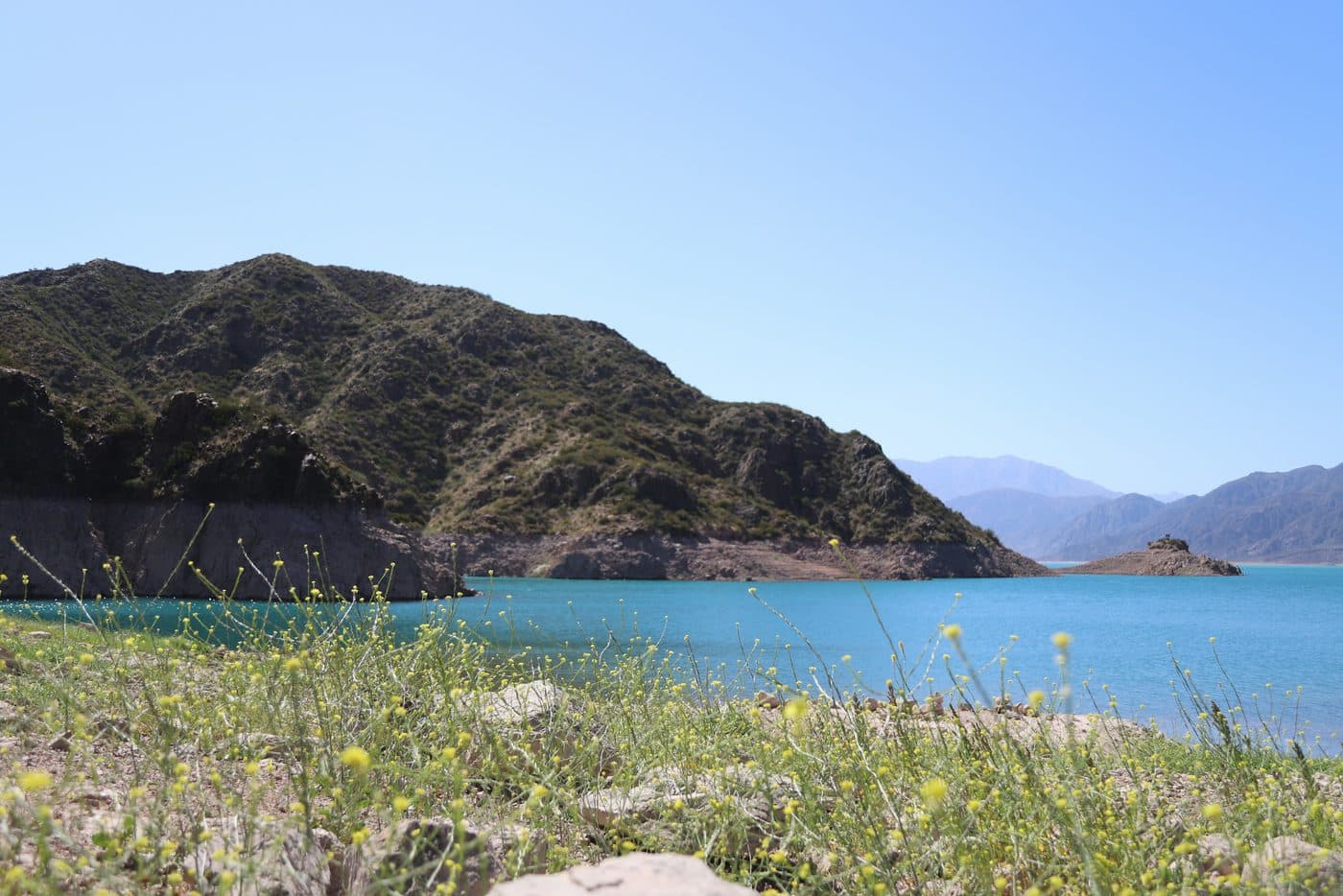
National Route 7, the road to Chile, climbs west along the Mendoza river. The Potrerillos reservoir, built from 1999 and filling since 2001, lies at 1,380 m among bare mountains, with kitesurfing, windsurfing, sailing, diving and kayaking on the water; beyond it the road crosses the valley of Uspallata and reaches the Horcones valley in Aconcagua Provincial Park. From the visitor centre an easy, waymarked trail climbs from 2,800 to 3,000 m to the Laguna de Horcones and a viewpoint on Aconcagua’s South Face; it is open all year, weather permitting, and the ticket must be booked and paid before you travel, as none is sold at the park. The park is run by the province’s Dirección de Áreas Protegidas, not by the national parks administration: it bans drones without its authorisation, and filming, photo productions and other special events need its permission, asked at least 30 working days ahead, so a wedding shoot there is something to arrange with it first.
Light
The times here are for a flat horizon, and Mendoza has none to the west: the Andes stand between the city and the sunset, so the direct sun leaves the city, and the Uco Valley right under the range sooner still, before these times, while the sky over the peaks keeps its glow. On 21 December the sun rises at about twenty-five past six and sets at about a quarter to nine, in the south-west; it is still ten degrees up at about a quarter to eight, and the sky stays light until about ten past nine. At noon it stands 80 degrees high, so the midday light is hard, and portraits belong to the morning and the last two hours. In mid-October the sun sets at about ten to eight, in mid-November at about a quarter past eight, in mid-March at about five to eight and in mid-April at about a quarter past seven; on 21 June it is up only from about twenty to nine to twenty-five to seven, setting in the north-west. Mendoza Aero averages over ten hours of sun a day from November to January and about six in May and June (1991–2020). Argentina keeps the same clock all year, three hours behind UTC.
Travel
Mendoza’s airport, El Plumerillo (officially Gobernador Francisco Gabrielli), is 10 km by road from the Plaza Independencia; flights from Buenos Aires’s Aeroparque take about 1 hour 40 minutes, and direct flights from Santiago de Chile take under an hour (as of November 2026). By road from the Plaza Independencia, Maipú is 18 km away, Luján de Cuyo 21 km, Potrerillos 65 km, Tunuyán 83 km, Tupungato 96 km, Uspallata 116 km and the Horcones visitor centre in Aconcagua Provincial Park 190 km; in the Uco Valley, Tunuyán is 34 km from Tupungato and 23 km from San Carlos. Beyond Horcones, Route 7 crosses into Chile by the Cristo Redentor pass, which closes in heavy snow. Drones follow the rules of Argentina’s civil aviation authority, ANAC (Resolution 550/2025, amended in May 2026): a drone under 250 g is outside them; one from 250 g to 25 kg needs no permit once it is registered – with ANAC, by a free declaration the rules let you make with a passport, or with the aviation authority of the country where it is registered – and flies in sight, below 400 ft (122 m), never over a crowd, over people only with their consent, not inside an airport’s control zone and no higher than 43 m within 5 km of a runway. National parks ban drones unless the parks administration expressly allows them, so ask the place, and the park, before you fly. In Aconcagua Provincial Park and the Laguna del Diamante, two of Mendoza’s own protected areas, drones are banned without the province’s authorisation too.
Plan
Argentina