Lens & Vows
SavedSign inFor photographers
Find my photographer

Tell us the place and the date — see who is free.

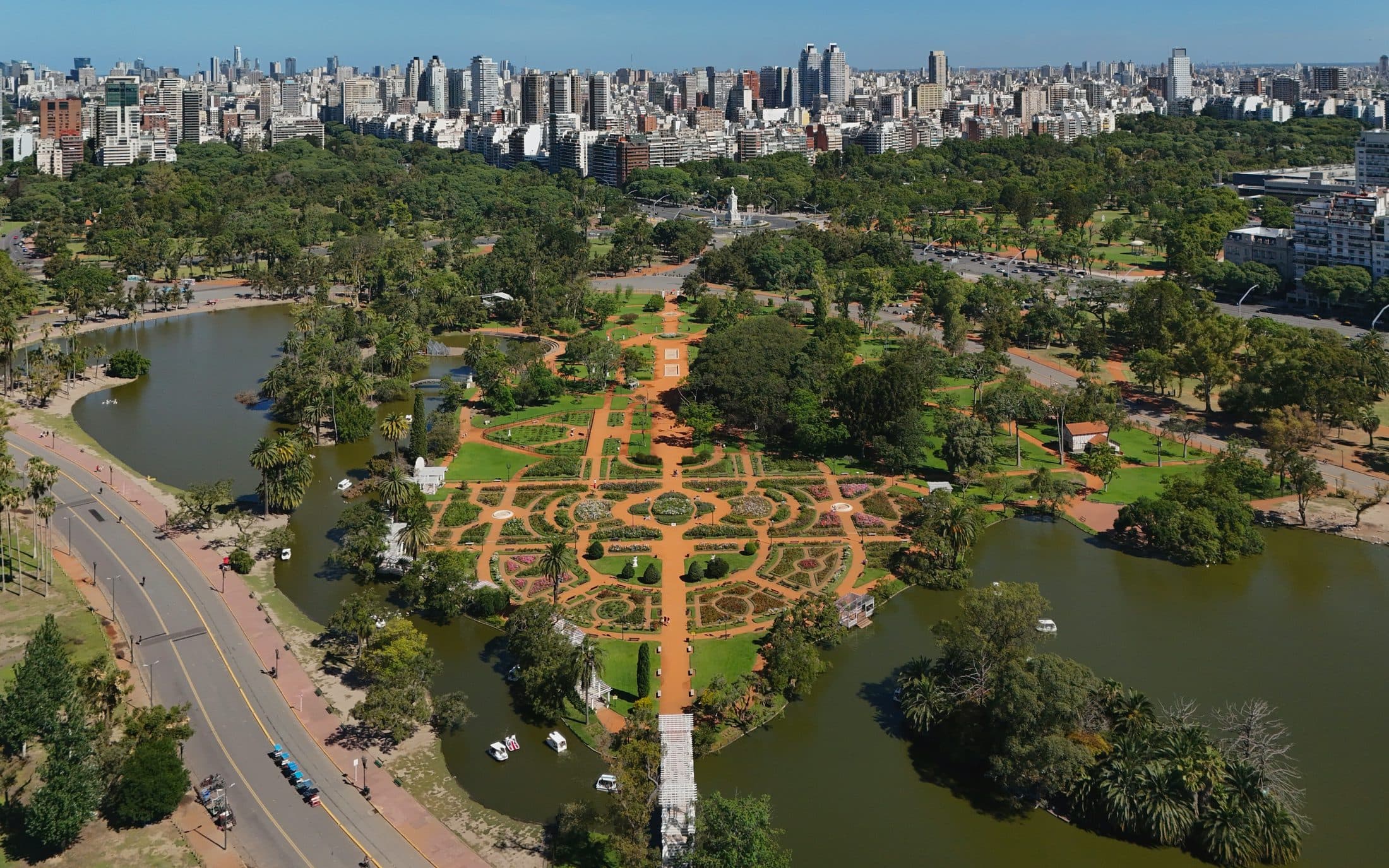
The Rosedal in Palermo from the air: star-shaped beds of roses and orange paths on a tongue of land between two lakes, white pergolas, a long white walkway and pedal boats on the water in the foreground, a road curving along the lake on the left, and the park’s woods and the city’s towers beyond under a clear blue sky

Argentina

Wedding photographers in Argentina

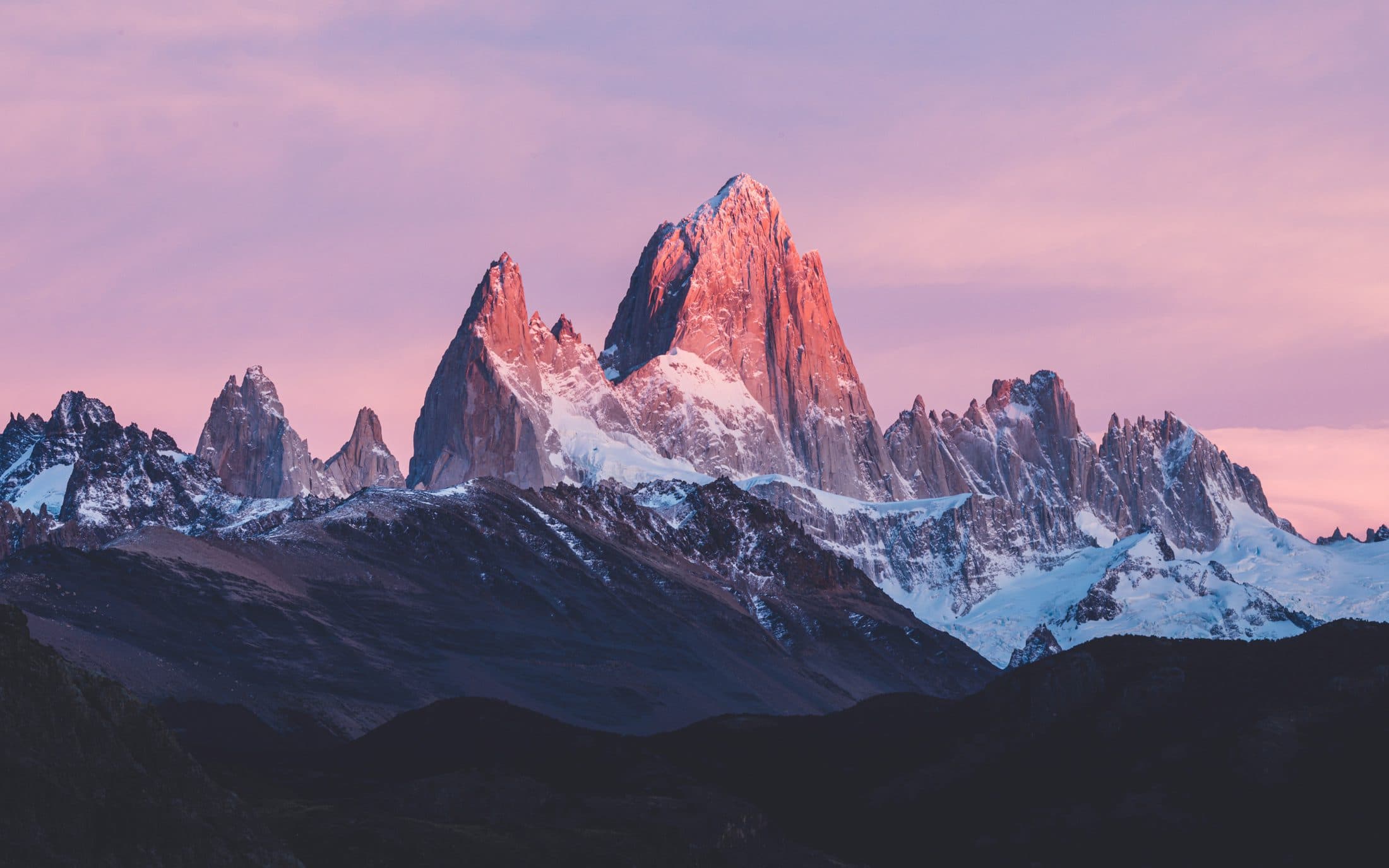
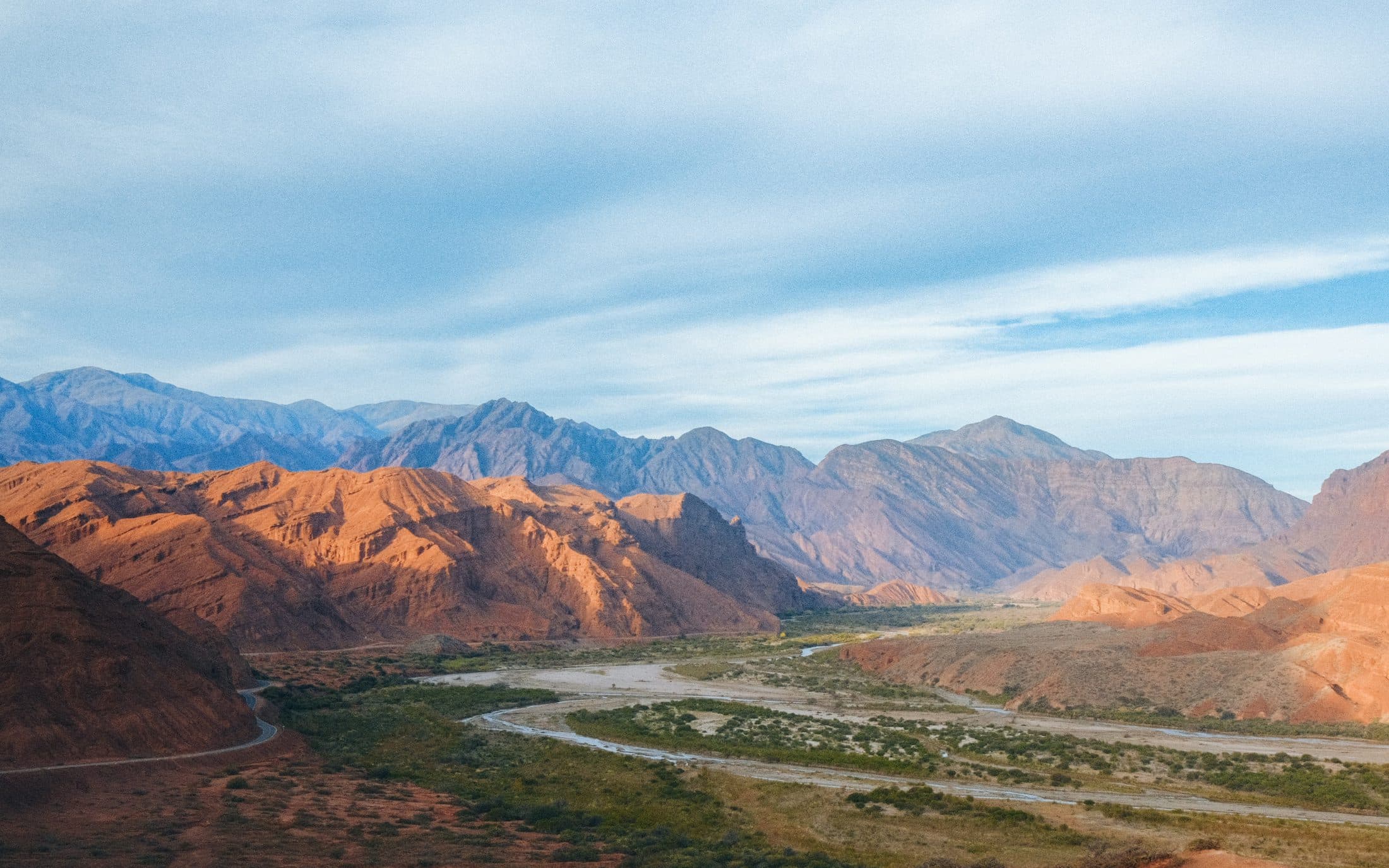
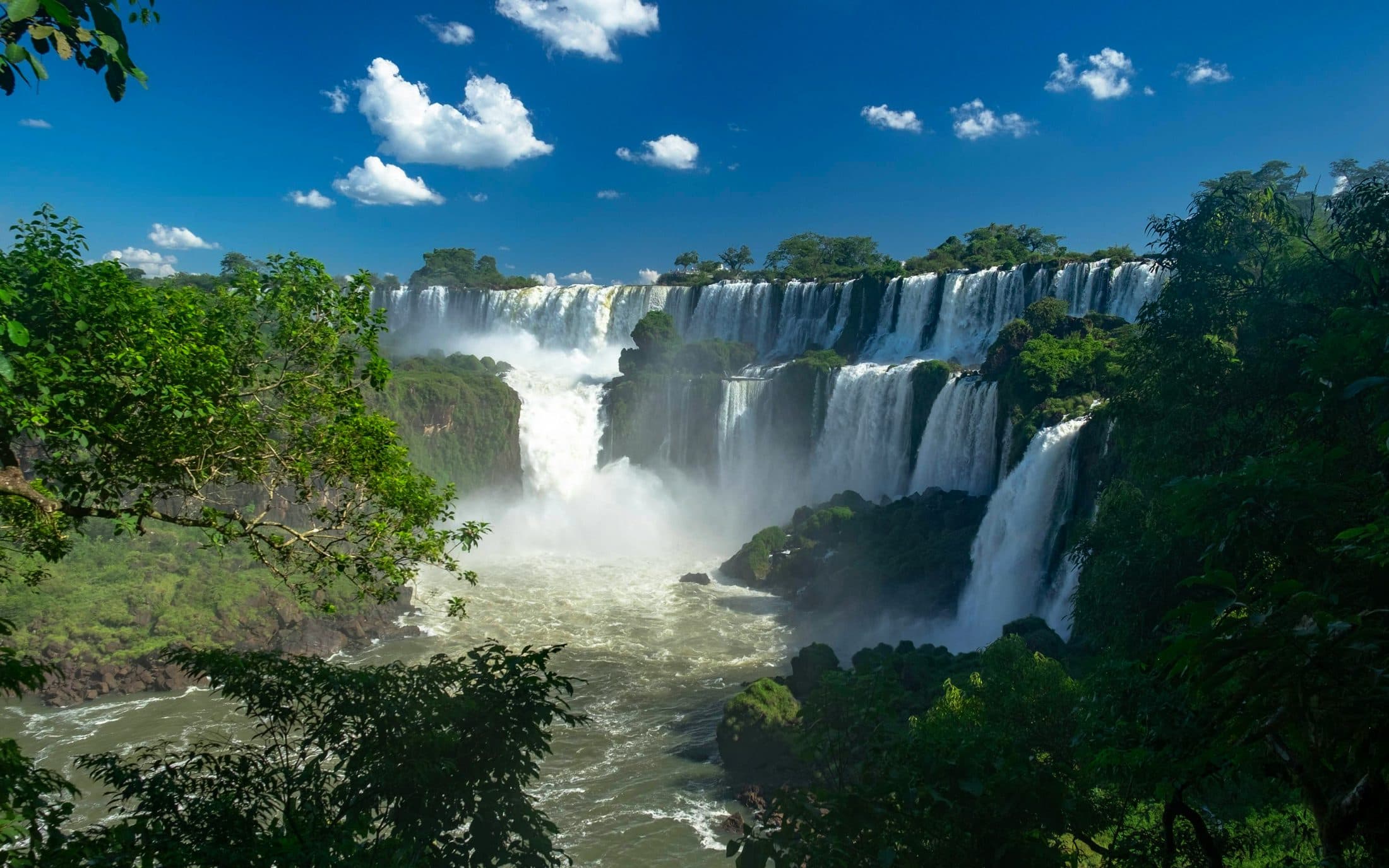
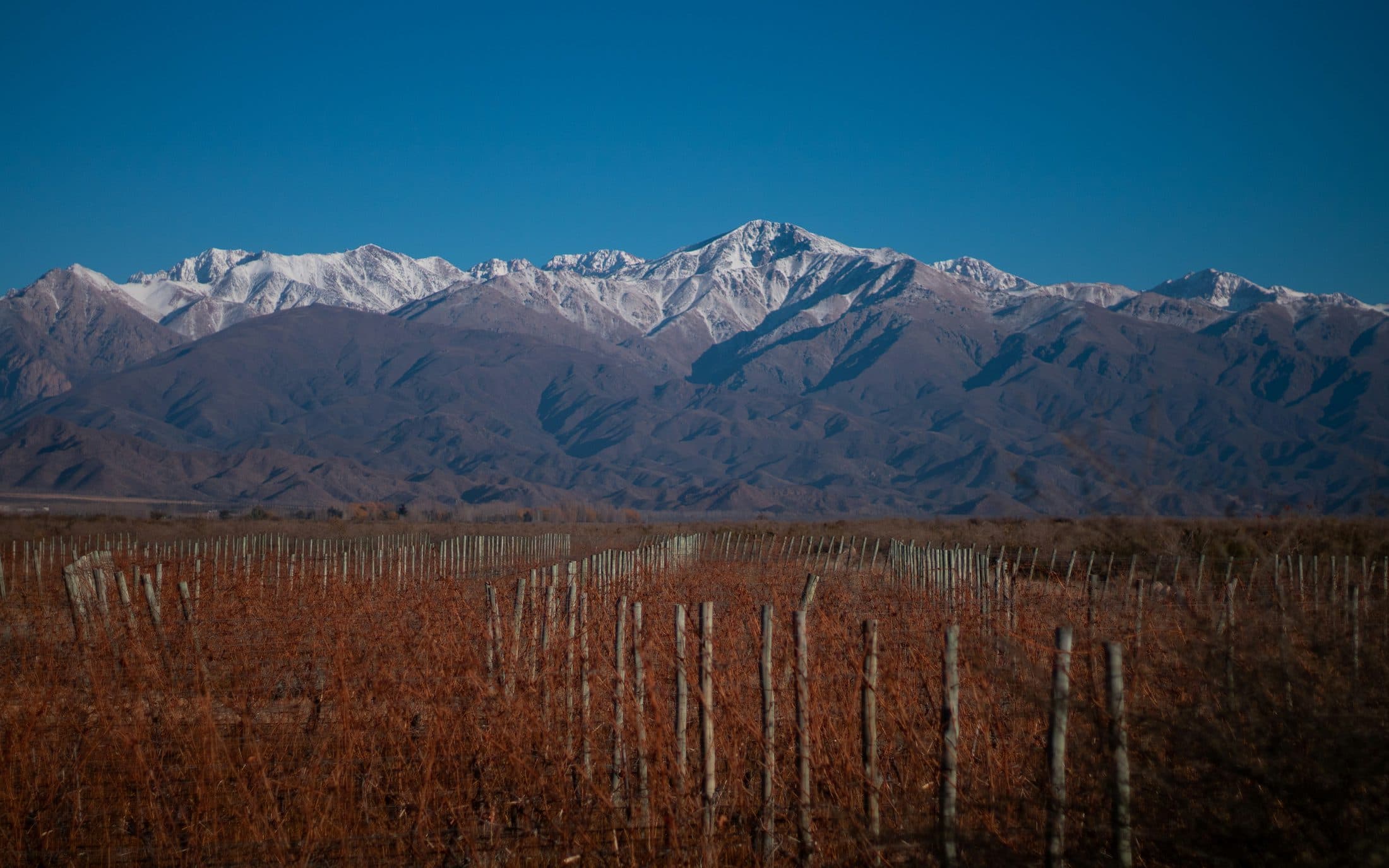
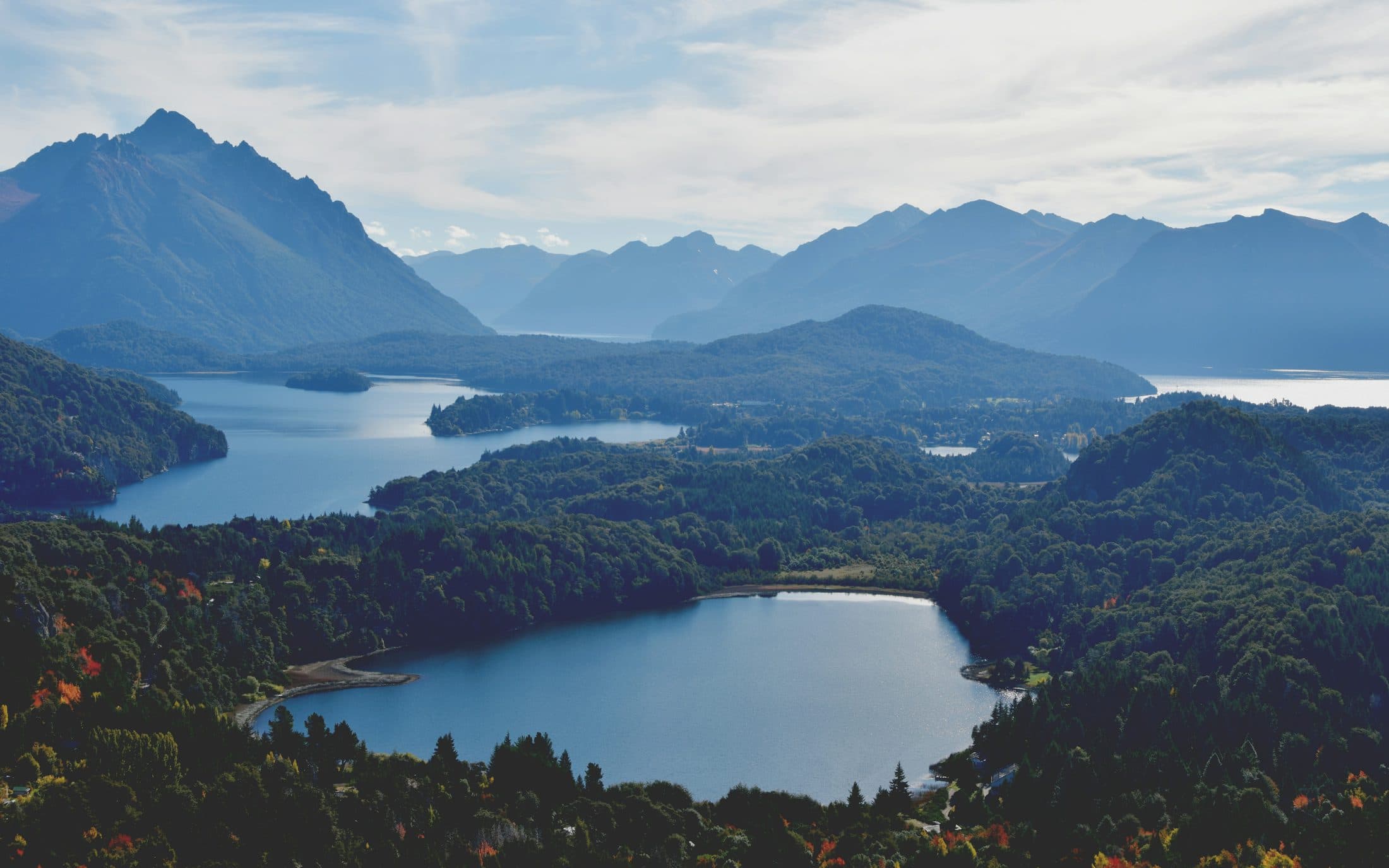
Palermo’s parks and rose garden, San Telmo, La Boca’s colours and the grand avenues of Buenos Aires, the Tigre delta and the estancias of the Pampas, the vineyards of Mendoza and the Uco Valley under the Andes, Nahuel Huapi’s lakes and forests around Bariloche, Lago Argentino, the Perito Moreno glacier and Fitz Roy above El Chaltén, the coloured hills and salt flats of Salta and Jujuy, and the Iguazú Falls in their forest.

Argentina’s weddings span very different climates: Buenos Aires and the Pampas, the wine country of Mendoza under the Andes, the lakes and forests around Bariloche, the glaciers near El Calafate, the high valleys of Salta and Jujuy and the Iguazú Falls. South of the equator the seasons are the reverse of Europe’s — summer runs from December to February. The Servicio Meteorológico Nacional’s normals for 1991–2020 show the range: January afternoons average about 30 °C in Buenos Aires, 33 °C in Mendoza, 32 °C at Iguazú, 28 °C in Salta, 23 °C in Bariloche and 19 °C in El Calafate (whose normals cover 2001–2020 only); July afternoons about 16, 15, 22, 20, 7 and 5 °C. Salta has four-fifths of its rain from December to March, Bariloche nearly two-thirds of its own from May to August, Iguazú about 1,960 mm spread through the year, and Mendoza and El Calafate little at any time — about 240 and 160 mm a year. Argentina keeps the same time all year, three hours behind UTC; in Buenos Aires the sun sets at about five past eight on 21 December and at about ten to six on 21 June.

Only a civil wedding is legal in Argentina, before an officer of the civil registry (Registro Civil), and the Civil and Commercial Code ties it to the registry of either partner’s domicile, so where two people who live abroad can marry depends on the province. The City of Buenos Aires marries visiting couples at its central registry, free, with a notary’s record of their address in the city and two witnesses holding an Argentine identity card; Río Negro, Misiones and Jujuy accept such couples too, each with its own papers; elsewhere, the Province of Buenos Aires included, ask the local registry. Same-sex couples have married on the same terms since 2010, and a religious or symbolic ceremony has no legal effect on its own.

6 places

Where in Argentina

The capital and the Pampas, the wine country under the Andes, the lakes and forests of northern Patagonia, the glaciers and peaks of the far south, the valleys and salt flats of the north-west, or the falls on the border with Brazil: each has its own light, landscape and best months — and, south of the equator, summer runs from December to February. Start with the one that feels like you.
Through the year

When to marry, region by region

Dark: the easiest months. Outlined: they work with some planning. Grey: the quieter, wetter or hotter part of the year there.

  • Buenos Aires & the Pampas
    1. January: Quieter
    2. February: Quieter
    3. March: Best
    4. April: Best
    5. May: Good with planning
    6. June: Quieter
    7. July: Quieter
    8. August: Quieter
    9. September: Good with planning
    10. October: Best
    11. November: Best
    12. December: Good with planning
  • Mendoza & the Uco Valley
    1. January: Quieter
    2. February: Good with planning
    3. March: Best
    4. April: Best
    5. May: Good with planning
    6. June: Quieter
    7. July: Quieter
    8. August: Quieter
    9. September: Good with planning
    10. October: Best
    11. November: Best
    12. December: Good with planning
  • Bariloche & the Lake District
    1. January: Best
    2. February: Best
    3. March: Best
    4. April: Good with planning
    5. May: Quieter
    6. June: Quieter
    7. July: Quieter
    8. August: Quieter
    9. September: Quieter
    10. October: Quieter
    11. November: Good with planning
    12. December: Best
  • El Calafate & El Chaltén
    1. January: Best
    2. February: Best
    3. March: Good with planning
    4. April: Good with planning
    5. May: Quieter
    6. June: Quieter
    7. July: Quieter
    8. August: Quieter
    9. September: Quieter
    10. October: Good with planning
    11. November: Best
    12. December: Best
  • Salta & Jujuy
    1. January: Quieter
    2. February: Quieter
    3. March: Quieter
    4. April: Best
    5. May: Best
    6. June: Good with planning
    7. July: Good with planning
    8. August: Good with planning
    9. September: Best
    10. October: Best
    11. November: Good with planning
    12. December: Quieter
  • Iguazú Falls
    1. January: Quieter
    2. February: Quieter
    3. March: Good with planning
    4. April: Best
    5. May: Best
    6. June: Good with planning
    7. July: Good with planning
    8. August: Best
    9. September: Best
    10. October: Quieter
    11. November: Good with planning
    12. December: Quieter

The seasons

What each season brings

The legal basics

Three ways to say yes

What makes a wedding legally binding in Argentina, in short. Two partners who both live abroad can marry legally here — but only where the local registry has a route for them: the City of Buenos Aires, Río Negro, Misiones and Jujuy do, and elsewhere — the Province of Buenos Aires included — you ask first.

  • CivilThe only legal wedding in Argentina: an officer of the civil registry (Registro Civil) of a province, or of the City of Buenos Aires, marries you in public, at the registry office before two witnesses or elsewhere before four (Civil and Commercial Code, art. 418). The Code ties the wedding to the registry of either partner’s domicile (arts. 416 and 418), and each registry decides what that means for couples who live abroad. The City of Buenos Aires marries two visitors at its central registry on Avenida Uruguay, free, with a date within five working days once their file is approved; its weddings in the Rosedal, the Jardín Japonés and other landmark places, or at home, are for couples with an address in the city on an Argentine identity card. Río Negro has married couples whatever their residence since August 2025, Misiones has accepted non-resident foreigners since 2023, and Jujuy says couples may or may not live there; Salta’s capital asks that one of you live there, and the Province of Buenos Aires’s procedure card (November 2026) takes foreigners who live abroad with a passport and a sworn declaration of an address in the province, while its registry’s page still speaks of a partner’s domicile, so ask its delegación. Same-sex couples have married on the same terms since 2010.
  • ReligiousA religious wedding has no legal effect in Argentina on its own: the Civil and Commercial Code gives effect only to consent given before the competent authority, the civil registrar (art. 406). So couples marry at the registry and, if they wish, also in a church, a synagogue or a temple, on the same day or another. Each faith has its own steps and papers: ask the parish or community early what it needs from a couple married at the registry or abroad.
  • SymbolicAny place, any words, any celebrant — an estancia in the Pampas, a winery under the Andes, a lakeshore in Patagonia — and no legal weight, which makes it the route for couples whom the local registry can’t marry: the papers at home or at a registry, the ceremony where you like, if the place allows it. In a national park a ceremony or a toast is a special event that needs the park’s own authorisation and a fee, and paid photography needs the parks administration’s permission. Drones follow ANAC’s rules (Resolution 550/2025, amended in May 2026): under 250 g they are outside them; from 250 g to 25 kg they need no permit once registered — with ANAC, or with the aviation authority of the country where they are registered — and fly in sight, below 400 ft (122 m), never over a crowd, over people only with their consent and not inside an airport’s control zone; national parks ban them unless the parks administration expressly allows them.

Before any legal wedding

Ask the registry for its own list early, and plan to be in Argentina for the steps it takes in person. In the City of Buenos Aires a couple visiting from abroad starts once in the country: the sworn forms and a copy of each passport by email, a notary of the city records your temporary address and how long you are staying, the registry asks for anything missing and then gives you a date at its central office within five working days. The two witnesses must be adults with a current Argentine identity card (DNI) and an address in Argentina; a partner who doesn’t speak Spanish is assisted at the ceremony by a sworn translator (traductor público) registered with the city’s College of Translators. Papers in another language are translated by a traductor público, and documents from abroad carry an apostille (Argentina has been party to the Apostille Convention since 1988) or a consular legalisation. A partner who married and divorced abroad first needs the registry’s authorisation, with the marriage certificate and the divorce judgment legalised and translated. Other provinces ask for other papers: Jujuy, for instance, asks a foreign partner for an apostilled, translated birth certificate and a passport with a current visa and a report from the immigration office.

Rules, documents and fees change, differ from province to province and depend on your nationality and where you live: always check with the civil registry that will marry you and with your own country’s embassy or consulate — whether and how your country recognises a wedding held in Argentina is for its own rules to say — and, for photos, a ceremony or a drone in a national park, with the park’s office (intendencia), before you set a date.

Read the guide

Photographers

Photographers in Argentina

Hand-picked and ID-verified: whole weddings, packages and real calendars — pick one, check your date.

All photographers

Booking through Lens & Vows

  • The other 70% in up to 3 paymentsafter the deposit, by card through us (+10%)
  • 12-month online gallery3 more years free after your review
  • Chat and video callsmessages translated into your language
  • Protected paymentseverything paid through us comes back if the photographer cancels

Plan your wedding

Guides

All the countries we work in · More countries are coming.

Not sure yet?

Tell us about your wedding — we’ll find who is free

The place, the date, the guests, the photos you like. Our concierge checks who is free and fits, and comes back with photographers to choose from.

Tell the concierge