Founding photographer
Julián R.from $3,790,000
🇦🇷 El Calafate & El Chaltén, Buenos Aires & the Pampas +34, Argentina · Documentary, Fine artWedding photographers in Argentina
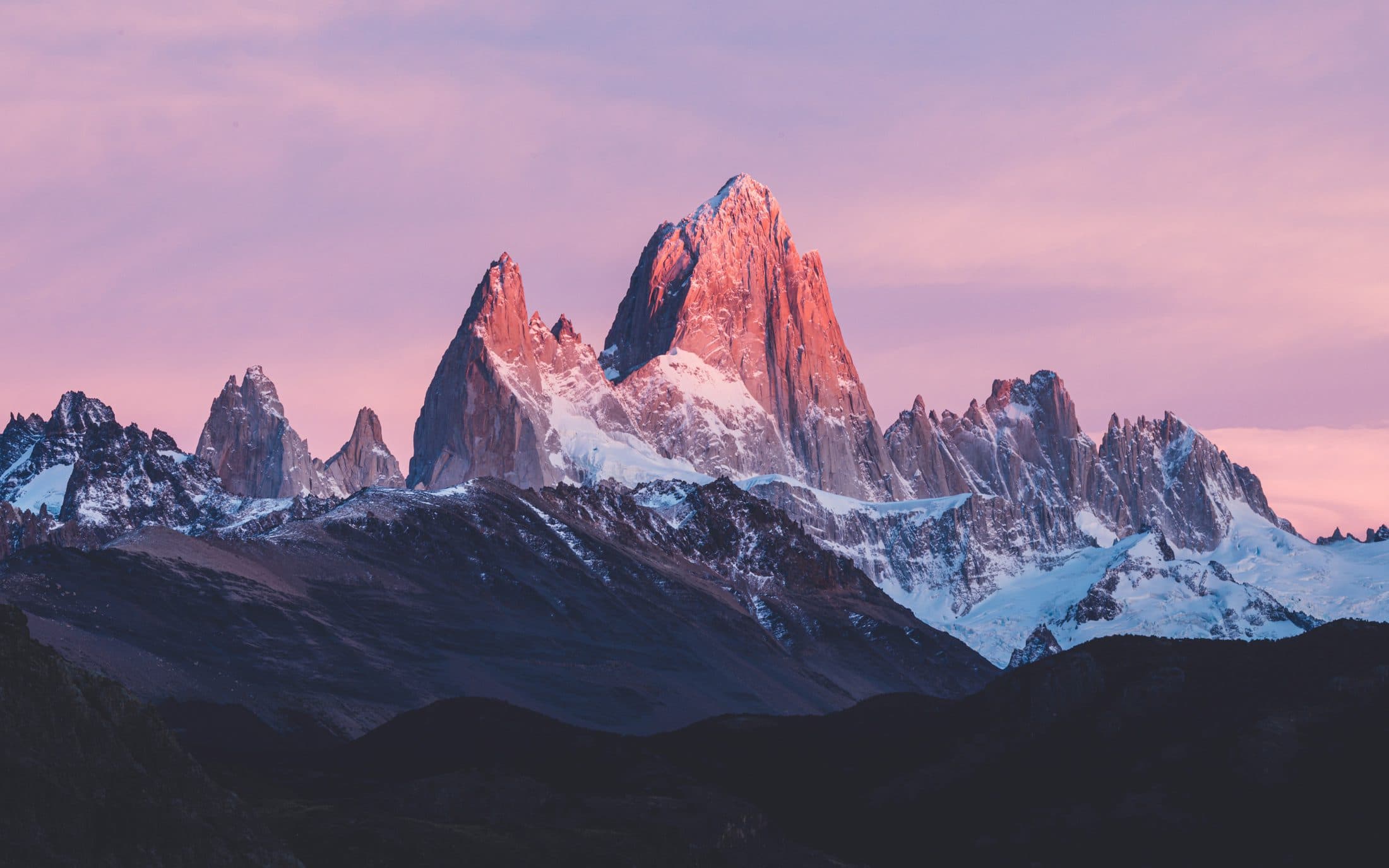
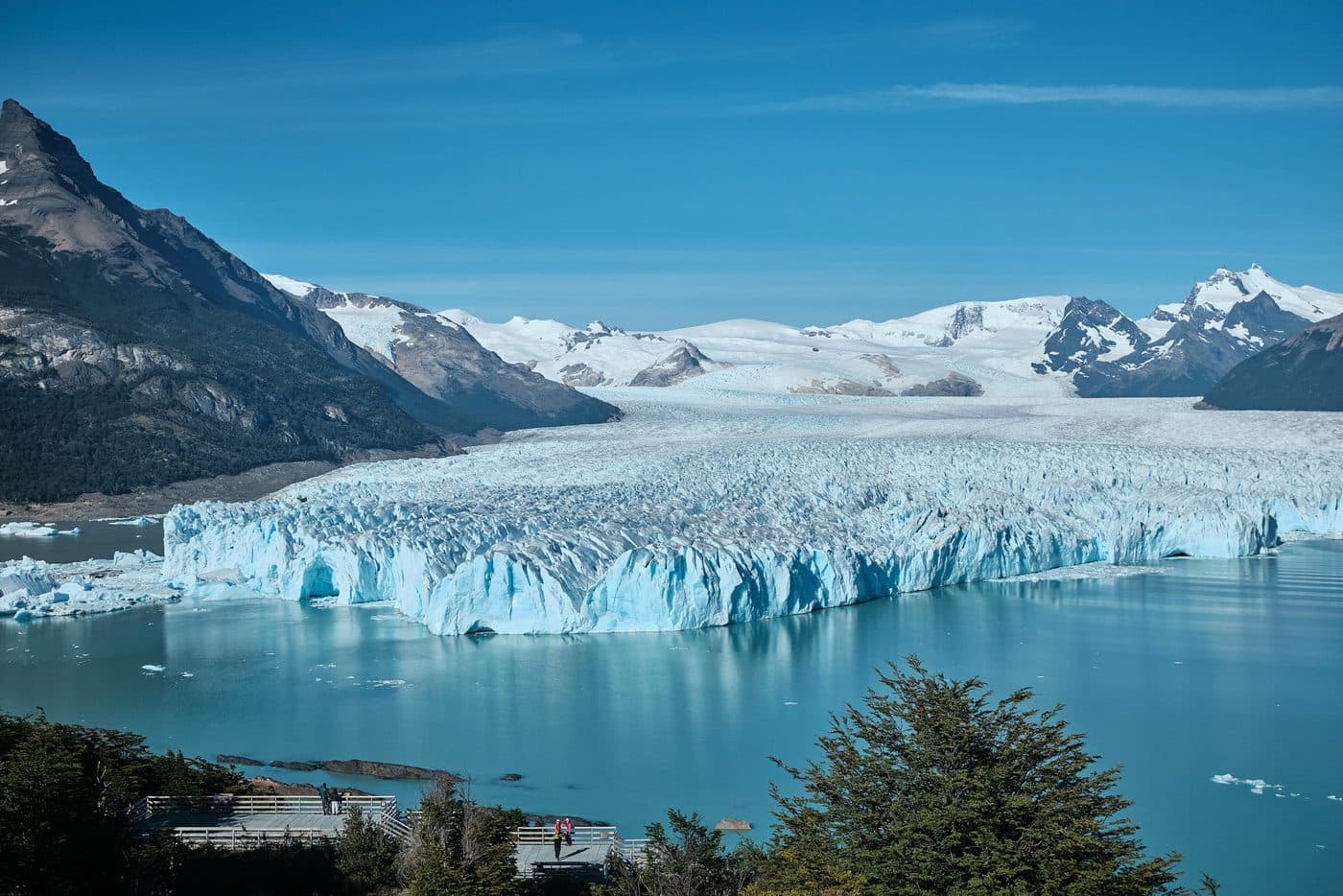
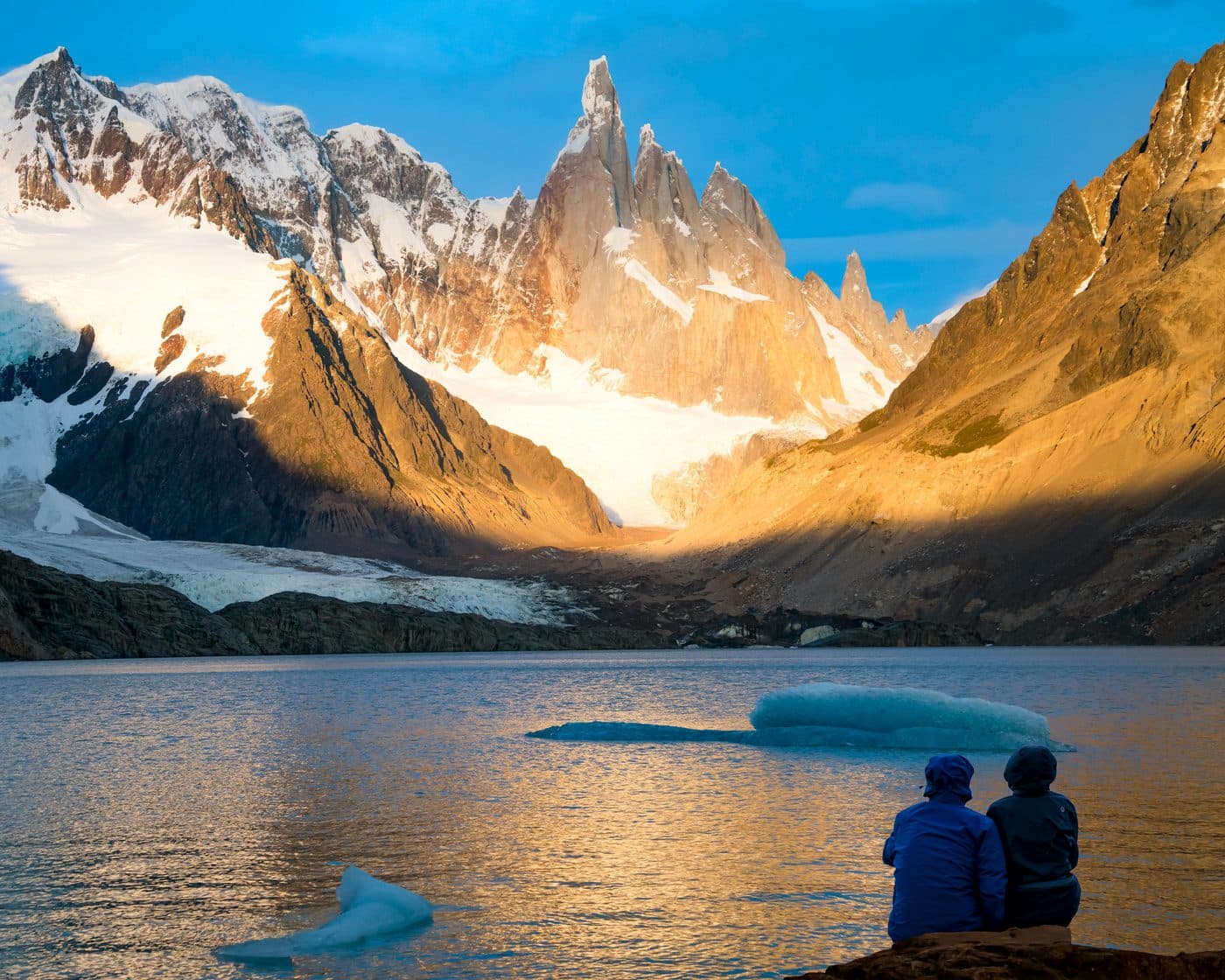
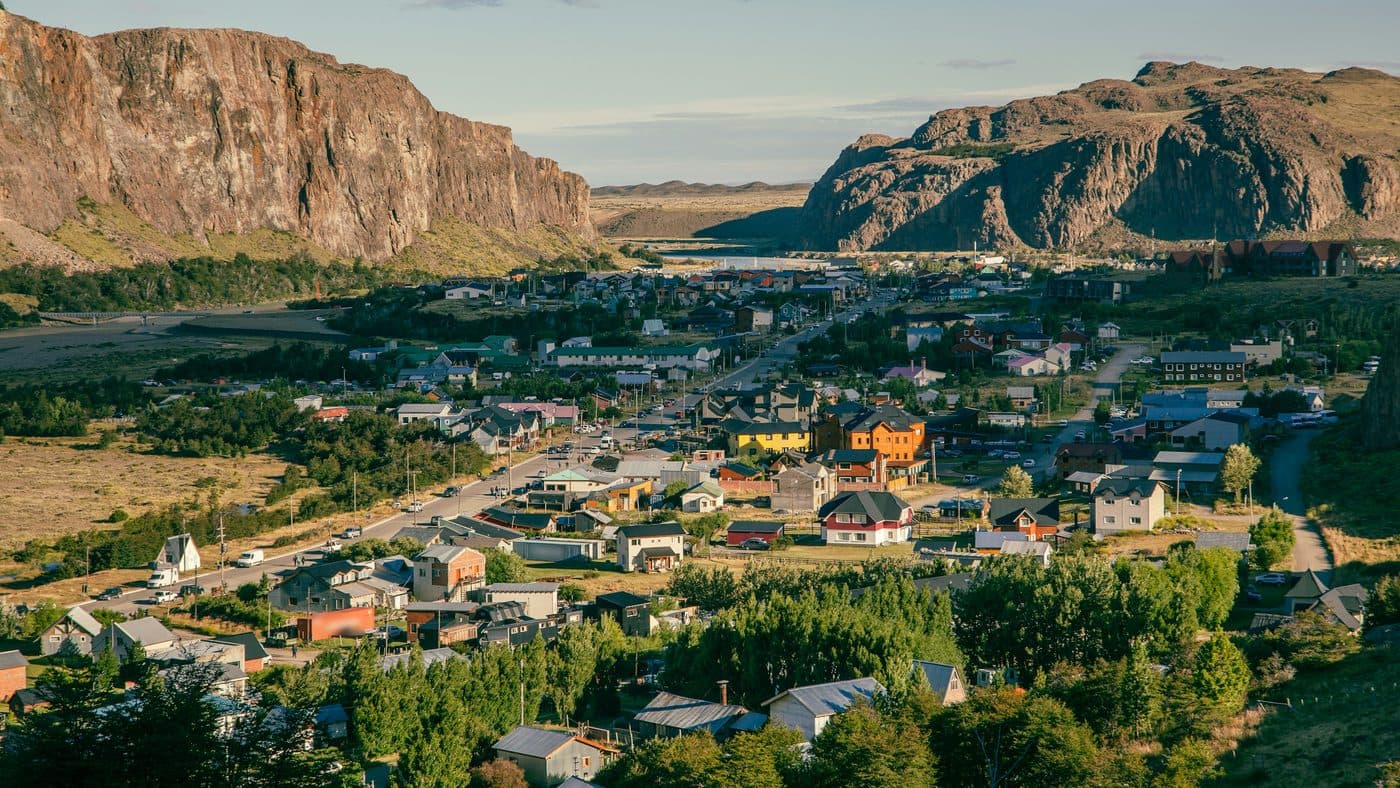
Los Glaciares, Argentina’s largest national park and a World Heritage site since 1981: El Calafate on the shore of Lago Argentino, the Perito Moreno glacier seen from its walkways, and El Chaltén, the trekking village 220 km to the north under Fitz Roy and Cerro Torre.
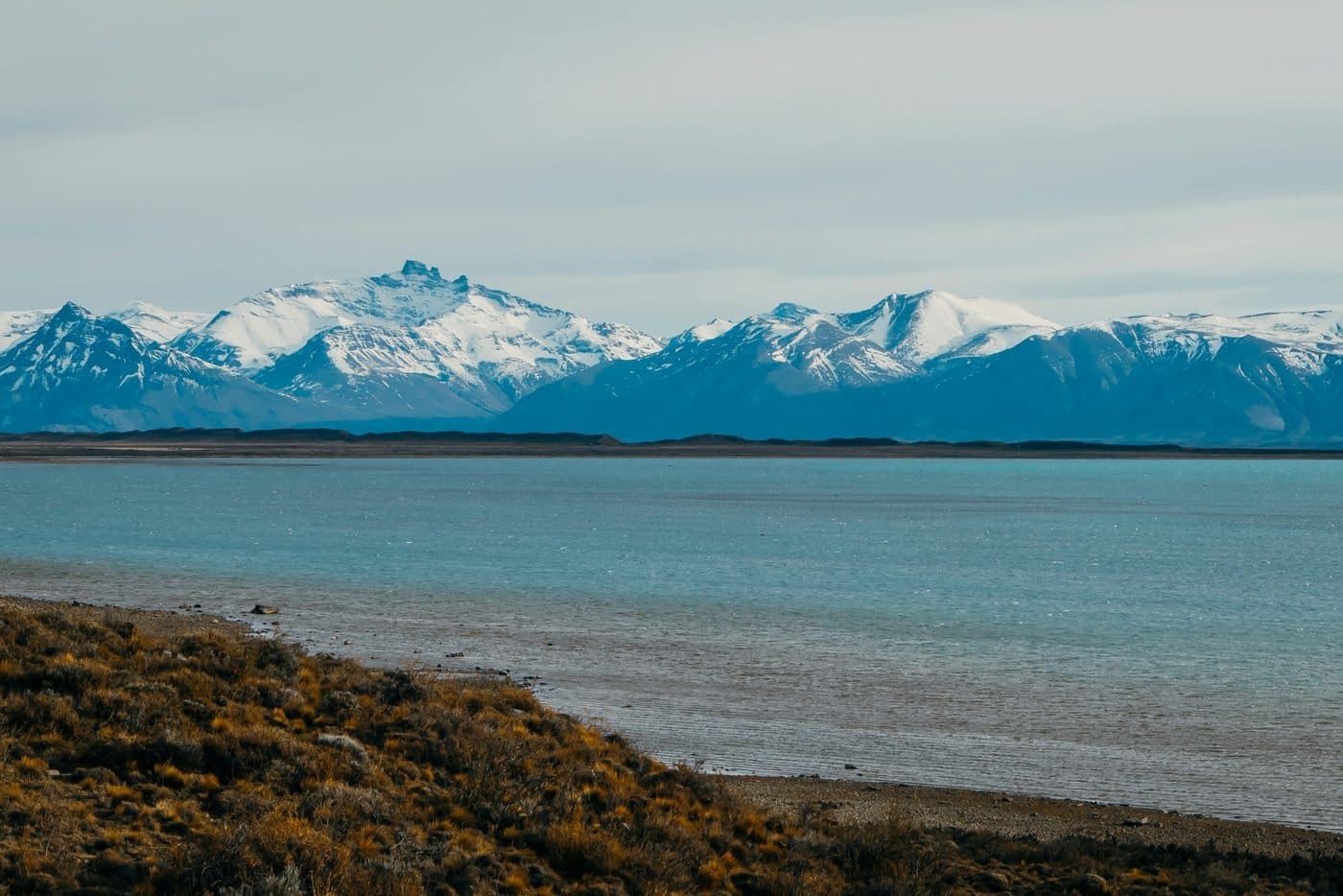
Los Glaciares National Park, created in 1937 and on the World Heritage List since 1981, is the largest of Argentina’s national parks: 726,927 hectares of the Patagonian Andes, about half of them under ice, many of the glaciers fed by the Southern Patagonian Ice Field. The glaciers in turn feed two great lakes, Viedma in the north and Argentino, 160 km long, in the south. El Calafate, on the southern shore of Lago Argentino, is the gateway to the park’s south. Some 80 km to the west, the Perito Moreno glacier, about 30 km long, ends in a front 4 to 5 km wide on the lake’s southern arm, and every so often, when the advancing ice touches the Magallanes peninsula and cuts off the water flowing between the main lake and the Brazo Rico, the water breaks through it in the rupture the park calls impossible to predict; the Upsala and Onelli glaciers calve into the same lake. In the north, 220 km from El Calafate, El Chaltén lies beside the Río de las Vueltas under Cerro Chaltén — Fitz Roy — and Cerro Torre, peaks that draw technical climbers from all over the world; the park calls the village Argentina’s trekking capital. Chaltén is the Tehuelche word for ‘smoking mountain’, the name the first people of the region gave the massif for the clouds that so often crown it.
Couples come for the scale of it: a ceremony on an estancia on the steppe or by the lake, portraits at the glacier’s balconies in the day’s open hours, a dawn walk under Fitz Roy. In Argentina only a civil wedding is legal: an officer of the civil registry (Registro Civil) marries you before two witnesses at the registry office or four outside it, and same-sex couples have married on the same terms since 2010. The Civil and Commercial Code ties the wedding to the registry where one of you is domiciled, and each province – and the City of Buenos Aires – sets its own rules for couples who both live abroad: the City marries visitors at its central registry, free, with a notary’s record of their address in the city and two witnesses holding an Argentine identity card (DNI); Río Negro, Misiones and Jujuy accept such couples too, each with its own papers; elsewhere – the Province of Buenos Aires included – ask the local registry. Papers from abroad need an apostille (or consular legalisation) and a translation by an Argentine sworn translator (traductor público), a partner who doesn’t speak Spanish must be assisted by one at the ceremony, and a religious or symbolic ceremony has no legal effect on its own. Santa Cruz’s registry says weddings away from its offices are particularly common in tourist places such as El Calafate, and in February 2026 a ceremony out of hours, at a weekend or on a holiday cost 300,000 pesos in provincial stamps; its application form asks for witnesses who are of age, one of them living in the town, and we found nothing on couples who both live abroad, so ask the Registro Civil in El Calafate before planning a legal wedding here.
Photographers
They still have dates open here. Their whole weddings and free dates are on their page.
See the photographerBooking through Lens & Vows
Through the year
November to February are the surest months, within the September-to-April season the park recommends. SMN’s station here, El Calafate Aero, stands at 199 m at the airport, about 17 km east of the town, and SMN gives its normals for 2001–2020 only. There, afternoons average 16 °C in November, 18 °C in December and 19 °C in January and February, nights 4 to 7 °C, and the steppe is dry — 161 mm of rain in a whole year, with 1 mm or more on only one or two days a month from November to February — and bright, with about nine hours of sun a day from November to January. The wind is what to plan for: in SMN’s 2011–2020 figures it averages 23 to 24 km/h from November to January, seven times in ten from the west, with strong wind on about 20 days a month, and the park, too, warns that summer’s winds are intense and that the weather can change at any moment, in any season. El Chaltén, at the foot of the range, and the glacier, 80 km west, have no official normals of their own: the park describes the steppe as the part of Los Glaciares where rain is scarce, the sun intense and the winds strong, and Cerro Chaltén owes its name to its clouds, so read these figures as the steppe’s and pack for rain and wind in the mountains. March, April and October work with some care, at highs of 17, 13 and 14 °C.
Weather station: El Calafate Aero, normals 2001–2020 · Checked 24 November 2026
Places
The kinds of places — ask your photographer which ones they know well.
The walkways stand on the Magallanes peninsula, facing the glacier’s front across the water, 80 km from El Calafate by Ruta Provincial 11. Six marked trails link the balconies, from the accessible one, 565 m and about half an hour, to the lower trail, 1,100 m and two hours, the hardest; the floor is metal grating, so the park asks for trekking shoes that hold the ankle, warns that rain, ice or snow make it slippery, and reminds you that every step down has to be climbed back up. It forbids climbing or crossing the railings: when the ice falls, its splinters fly dozens of metres. The access corridor admits visitors from 8:00 to 18:00, with everyone out by 20:00, from 1 September to 30 April, and from 9:00 to 16:00, out by 18:00, from 1 May to 31 August. Entry has cost 50,000 pesos a day at the general rate since 1 June 2026, paid at the gate in cash or by card, or online. This is a place for portraits among other visitors, not for a sunset: in summer the sun sets two hours after the last visitors leave.
El Calafate stretches along the southern shore of Lago Argentino, outside the park, whose southern gates stand on the roads to the glacier and to Puerto Bandera, 47 km from town. On the edge of town, 3 km from the centre by road, the municipal Laguna Nimez reserve has an interpretive trail round its lagoon. Out on the steppe, estancias open to visitors — the park lists them among the area’s draws — are the classic setting for a reception, with the region’s traditional lamb roasted on the cross; on private land like this the owner’s word and the registry’s arrangements are what count, while anything inside the park follows its rules, below.
El Chaltén’s trails start in the village and enter the park at its northern gates, where tickets are sold only online, on the web or by scanning a QR code at the gate, and only by card: 50,000 pesos a day at the general rate, as at the glacier. The park’s leaflet times the walks one way: the Mirador de los Cóndores, 1 km and 45 minutes, looks over the village and the mountains; Laguna Capri, 4 km and an hour and three quarters, has the Fitz Roy range across the water; the Mirador Torre, 3 km and an hour and a quarter, looks towards Cerro Torre; Laguna Torre, 10 km and three and a half hours, holds its glacier and lagoon; and Laguna de los Tres, 10 km and five hours with a climb of 750 m, very steep, is the closest view of Fitz Roy. Climbs and remote routes must be registered at the park’s visitor centre at the entrance to the village, or online; there is nothing to buy on the trails, no fire is allowed in this part of the park, and the park asks you never to walk alone and to be back before dark. A long dress and a 10 km hike are a choice to make with your photographer: the short viewpoints near the village give the peaks without the climb.
Between the two towns, 220 km of paved road cross the steppe, which the park sums up in a line: rain is scarce, the sun intense, and strong winds dry the leaves of its cushion plants and thorny shrubs. Lago Viedma, north of Lago Argentino, has at its western end the Viedma glacier, the largest in Argentina. From El Chaltén, the Mirador de las Águilas, 2 km and an hour, looks out over Lago Viedma and the steppe, and the Loma del Pliegue Tumbado, 10 km and four hours with a climb of 1,000 m, gives the whole range on a clear day. Daily buses link El Calafate and El Chaltén.
Light
The times here are for a flat horizon at El Calafate. This far south the summer days are very long: on 21 December the sun rises at about twenty-five to six and sets at about 22:00, far to the south-west; it is still ten degrees up at about twenty to nine, so the low, warm light lasts well over an hour, and the sky stays light until about a quarter to eleven. At El Chaltén it sets at about 21:58, but the cliffs and mountains round the village take it from the streets earlier; there the peaks get the first light instead, and Fitz Roy turns pink at dawn, which on 21 December begins at about five. By mid-February the sun sets at about ten past nine, by mid-March at about ten past eight and by mid-April at about seven. At midwinter it is up only from about ten to ten in the morning until ten to six, never more than 16 degrees high. Argentina keeps UTC−3 all year, with no change of the clocks, and El Calafate, at 72° west, is far west in that time zone: the sun is highest at about a quarter to two, and the summer evenings run late.
Travel
El Calafate’s airport receives daily flights from around Argentina and, in season, international ones; a nonstop flight from Buenos Aires’s Aeroparque takes about 3 hours 20 minutes, and one from Bariloche about 1 hour 50 minutes. The airport is 21 km from the town by road; the Perito Moreno walkways are 80 km from El Calafate along Ruta Provincial 11, and El Chaltén 220 km, paved all the way, with daily buses between the two. Inside the park the speed limit is 40 km/h, and in winter studded tyres or chains are compulsory on its roads. Drones follow the rules of Argentina’s civil aviation authority, ANAC (Resolution 550/2025, amended in May 2026): a drone under 250 g is outside them; one from 250 g to 25 kg needs no permit once it is registered – with ANAC, by a free declaration the rules let you make with a passport, or with the aviation authority of the country where it is registered – and flies in sight, below 400 ft (122 m), never over a crowd, over people only with their consent, not inside an airport’s control zone and no higher than 43 m within 5 km of a runway. National parks ban drones unless the parks administration expressly allows them, so ask the place, and the park, before you fly. In a national park, the Administración de Parques Nacionales decides: a paid photo shoot needs its permission – either the photographer holds a licence from that park, or the shoot is approved as a production, asked for at least 20 working days ahead, for a fee per day counted in park entry tickets and a quarter more in a World Heritage park; drones are banned unless it expressly authorises them, and even then fly only outside opening hours; a ceremony, a toast or any other gathering is a special event, which needs the park’s own authorisation and a fee, asked for well ahead. Ask the park’s office (intendencia) before you plan anything there. Los Glaciares is a World Heritage park, so the quarter more applies to production fees here, and its own rules forbid drones and pets. Its entry has cost 50,000 pesos a day at the general rate, which visitors from abroad pay, since 1 June 2026, at the glacier and at El Chaltén alike, with half off a second day within 72 hours. The intendencia is in El Calafate, on the Avenida del Libertador.
Plan
Argentina