Verified — Identity verified by Lens & Vows
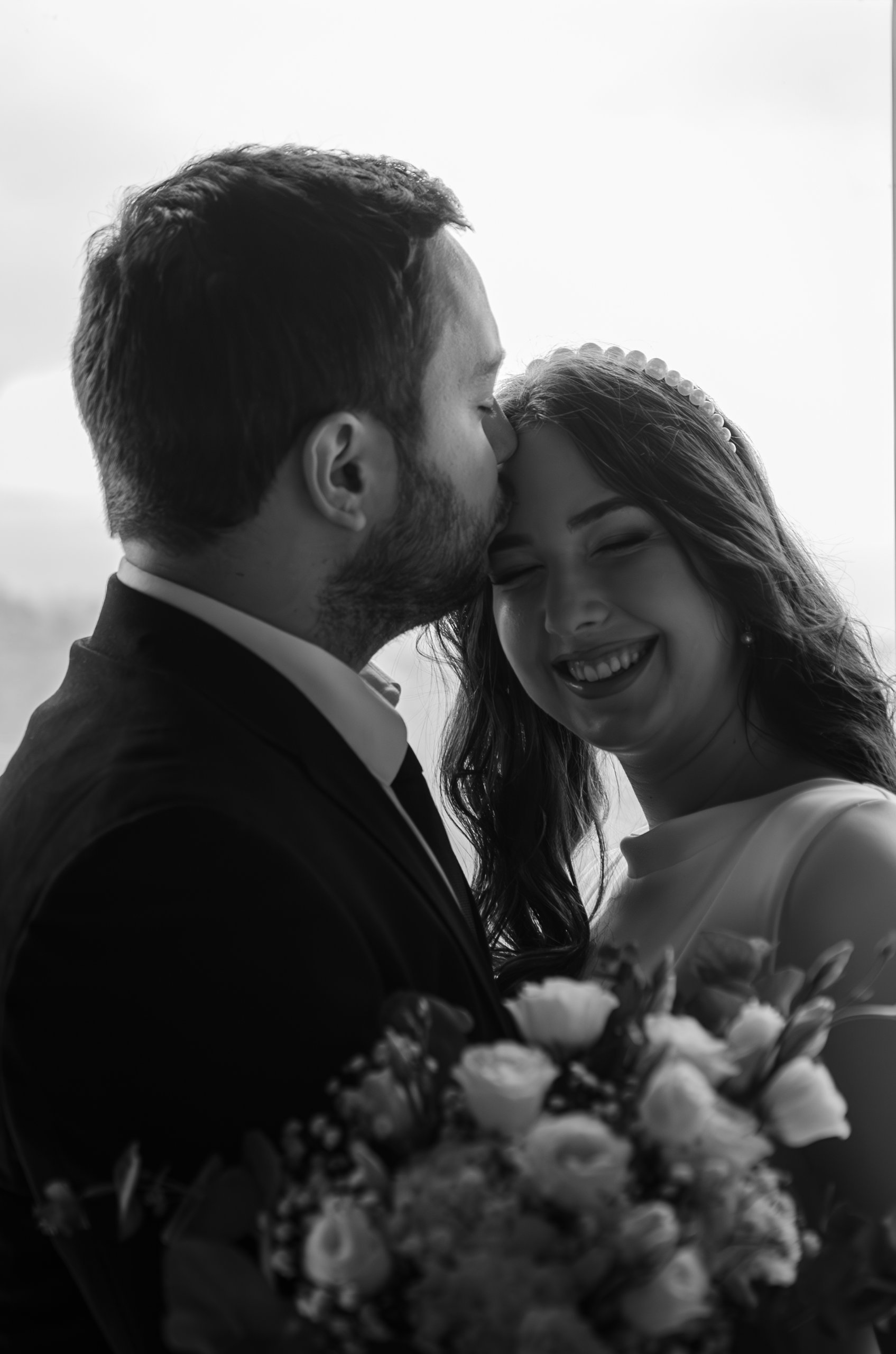
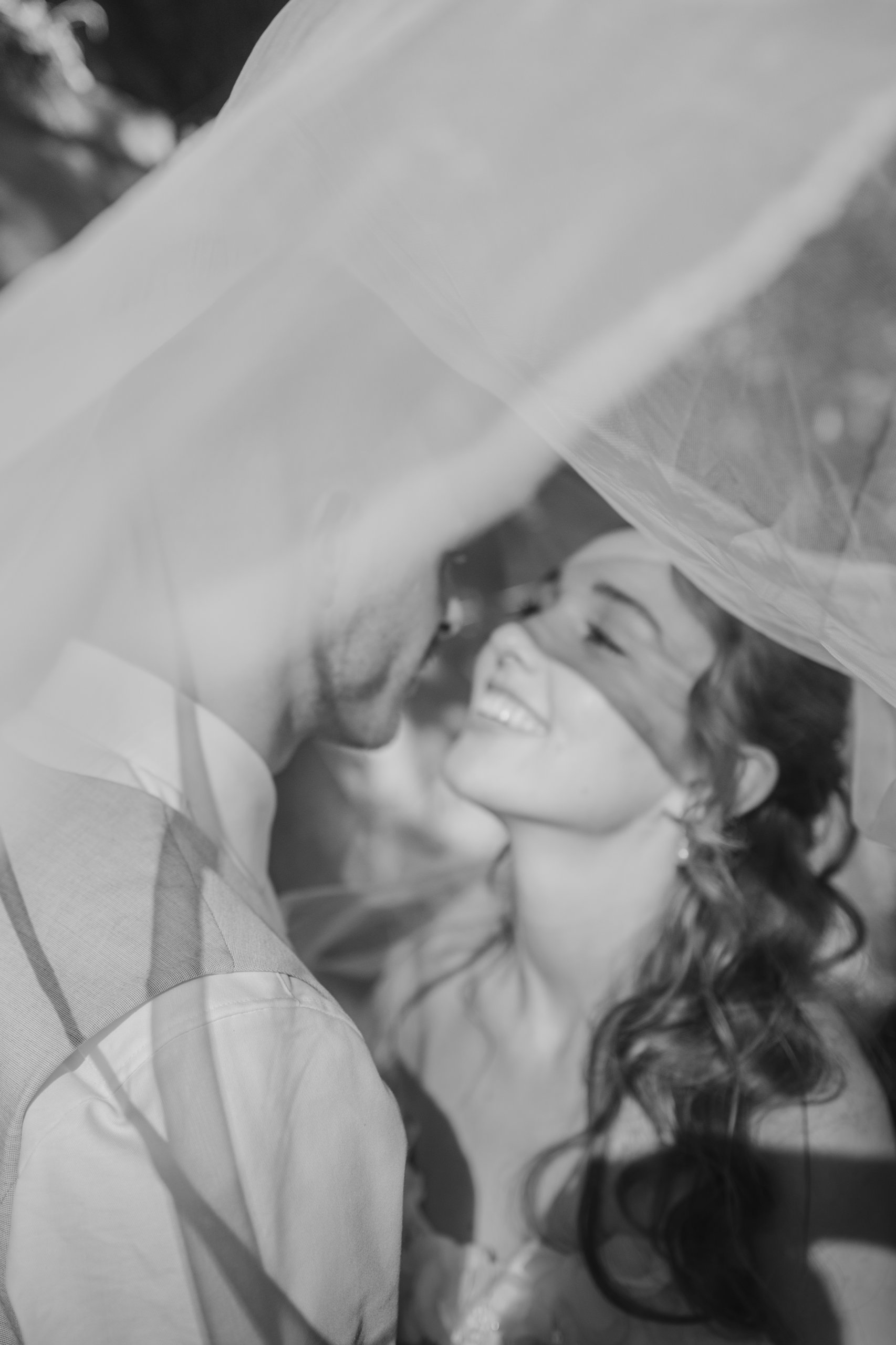
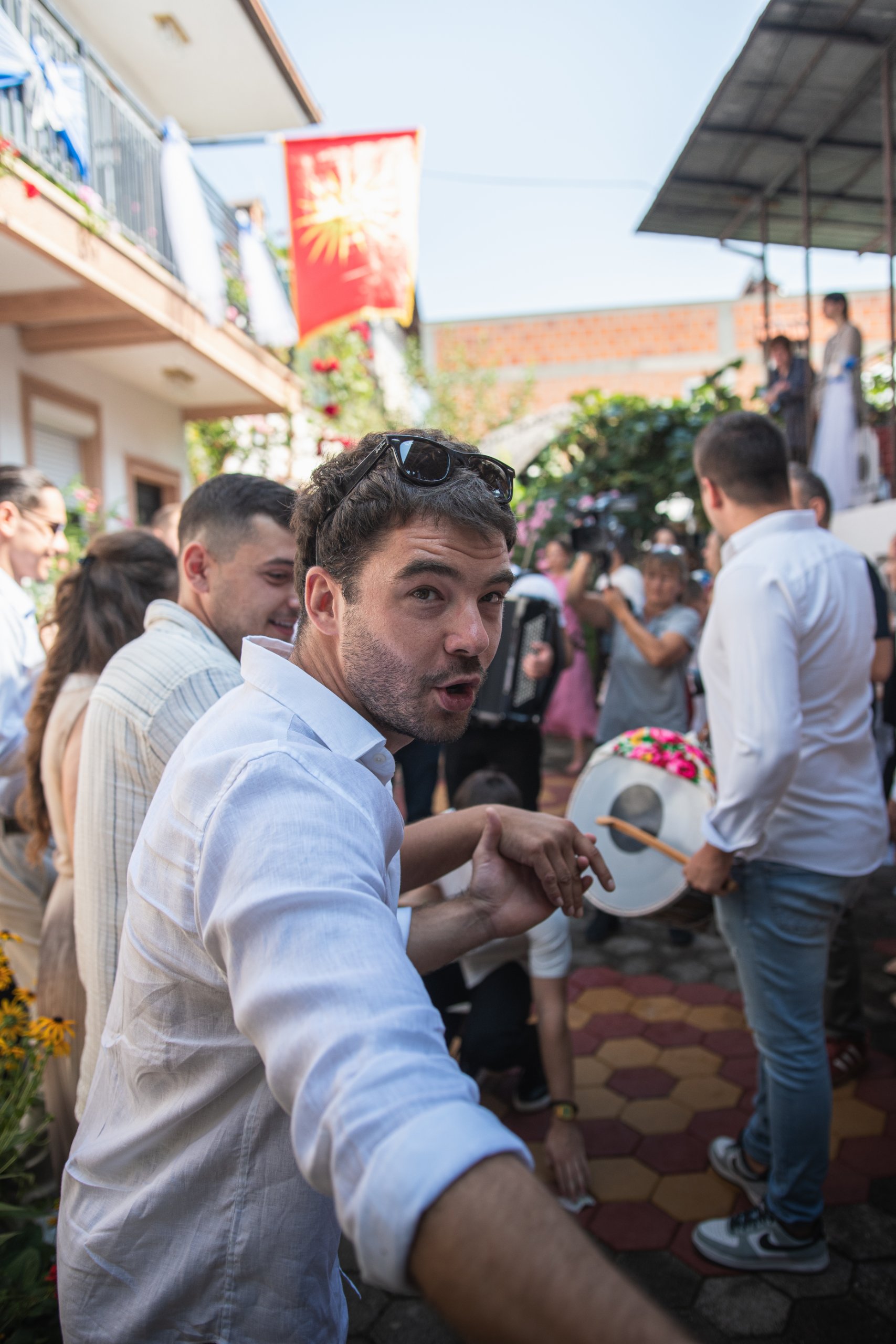
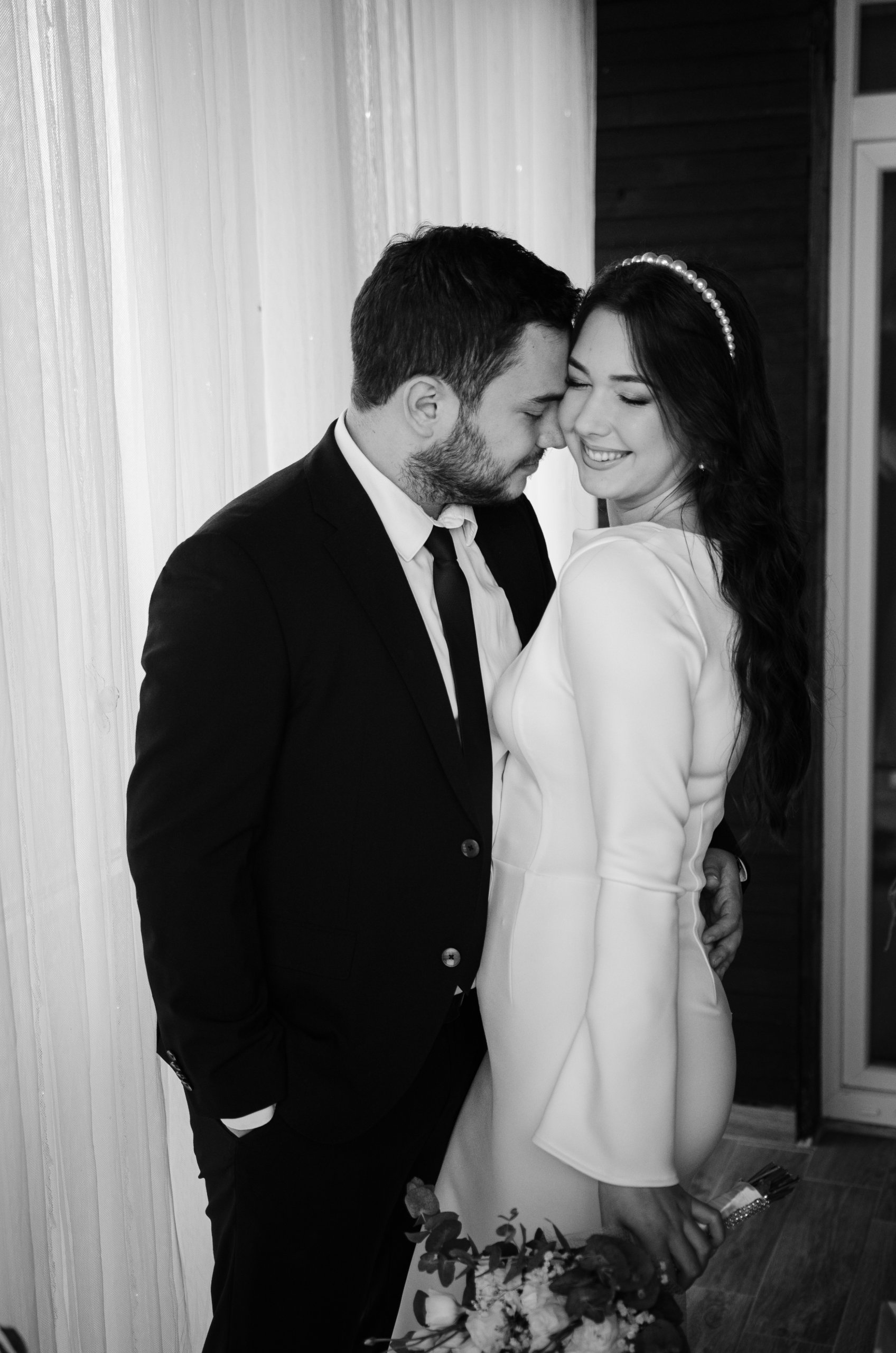
Erik V.from €900
Ljubljana, Bled & Bohinj +35 · DocumentaryBased in Austria · travels to weddings in SloveniaWedding photographers in Slovenia
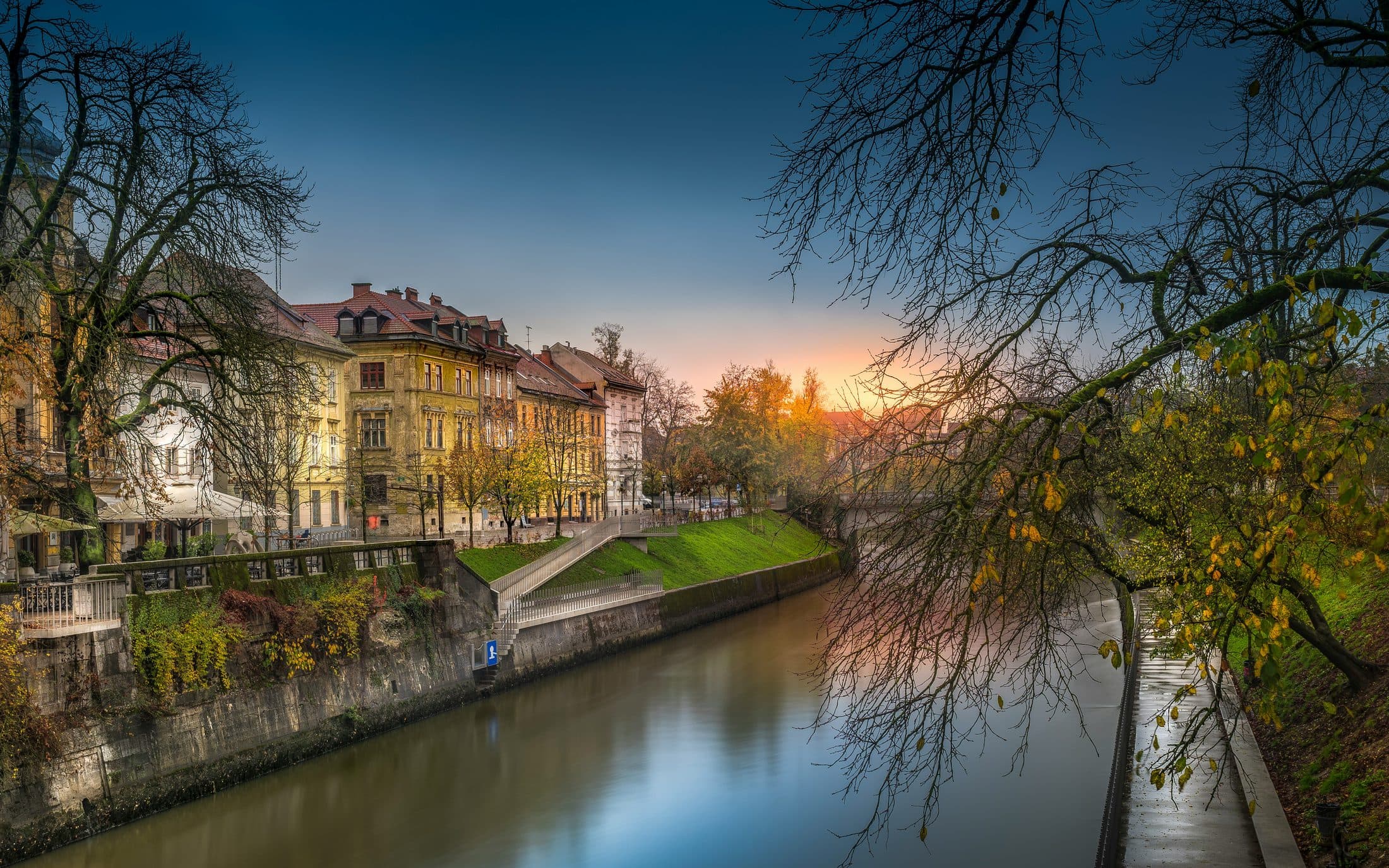
Slovenia’s capital on its river: an old town between the Ljubljanica and the castle hill, embankments, bridges and a riverside market hall on UNESCO’s list, Tivoli Park running up into the woods, and within an hour Škofja Loka, Kamnik and the herdsmen’s huts of Velika Planina below the Kamnik–Savinja Alps.
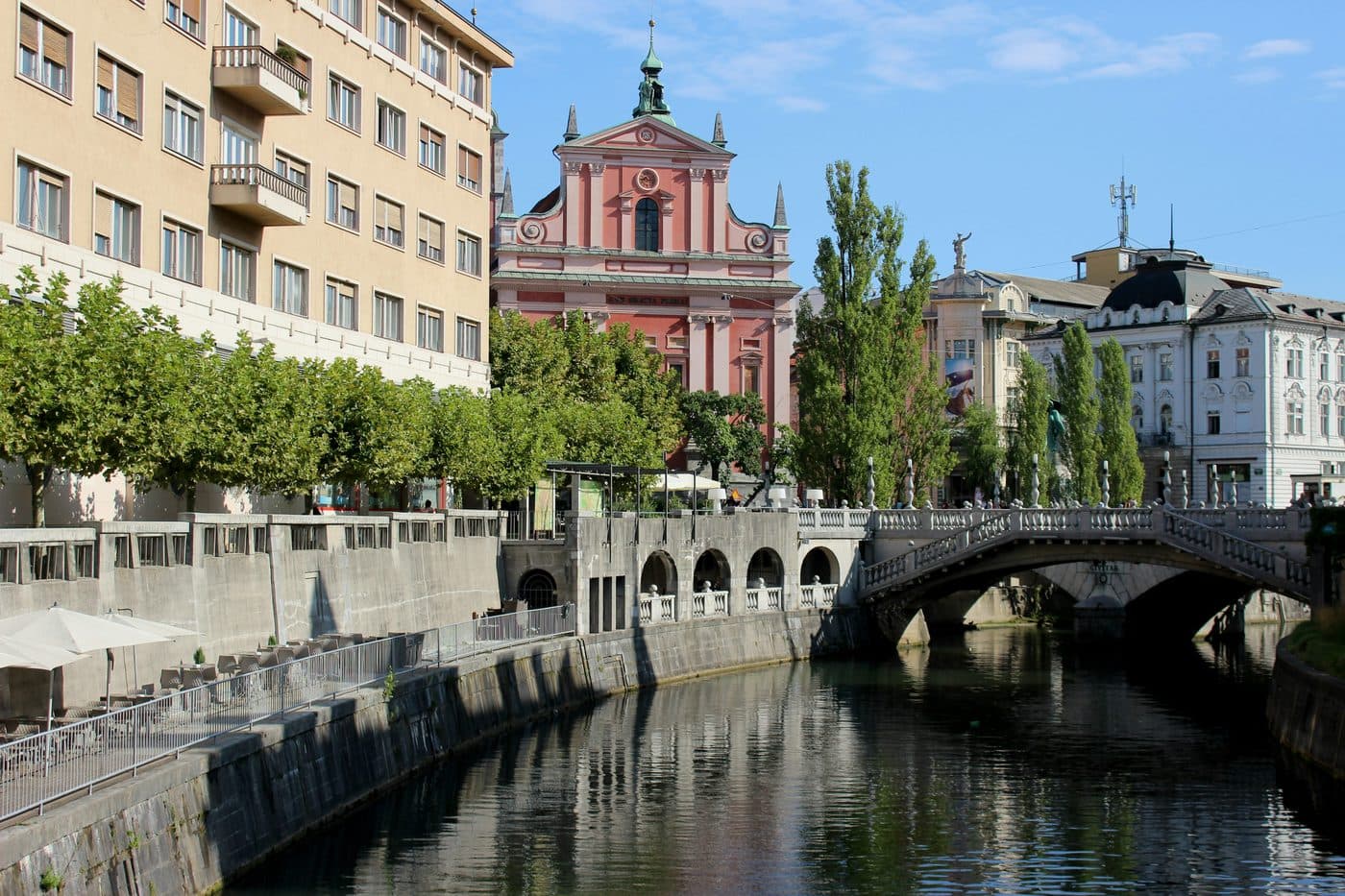
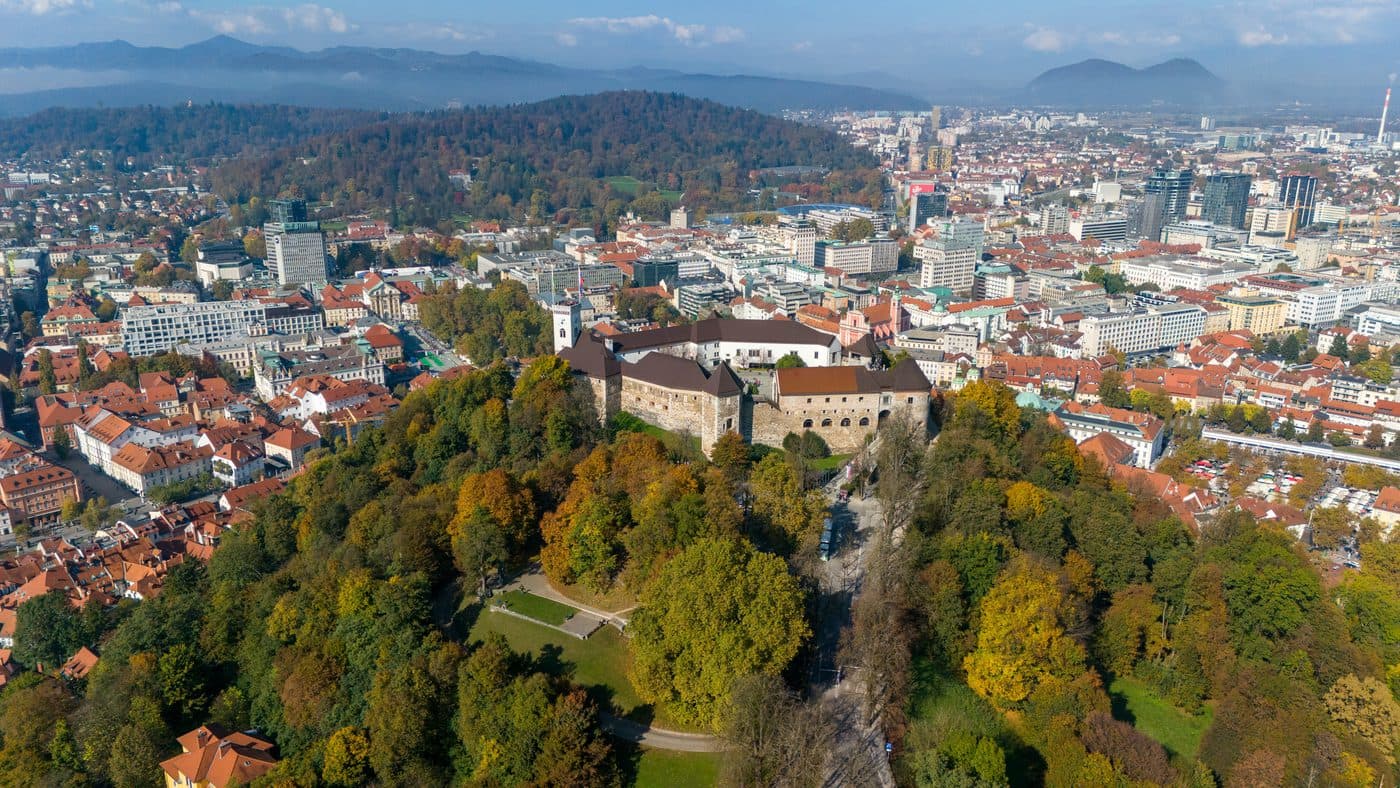
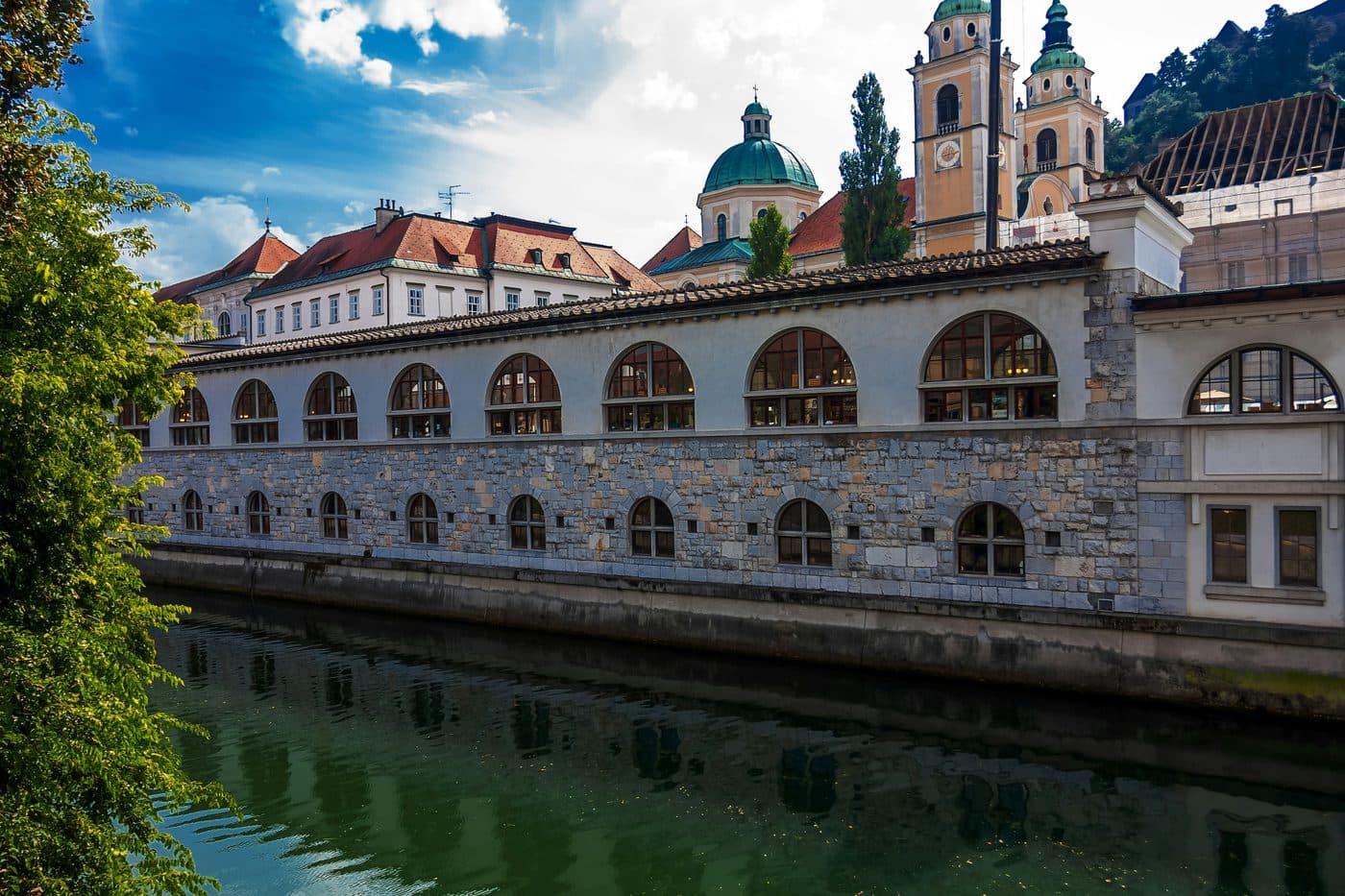
The old town lies on a strip of land between the Ljubljanica and the castle hill, and the castle above it is a short ride on the funicular from Krekov trg or a ten-minute walk up a footpath from the central market. The river’s embankments and bridges — the Triple Bridge, the Cobblers’ Bridge, the long market hall along the water — belong to “The works of Jože Plečnik in Ljubljana – Human Centred Urban Design”, on UNESCO’s World Heritage List since 2021 together with the Trnovo Bridge, Vegova Street, Congress Square and St Michael’s church on the city’s southern edge. South of the city, on the Ljubljana Marshes at Ig, two groups of sites belong to another World Heritage property, the Prehistoric Pile Dwellings around the Alps, settlements built from about 5000 to 500 BC on the edges of lakes and wetlands. To the north-west, Tivoli Park opens into a landscape park of 459 hectares of woods and hills, protected since 1984. Within an hour by road lie Škofja Loka, with its castle and a stone bridge of the mid-14th century, the walled medieval town of Kamnik, and the cable car up to Velika Planina, the largest mountain pasture in Slovenia.
Couples marry at the castle, whose White and Blue Halls, two modernised rooms overlooking the castle courtyard, are official wedding rooms and whose 15th-century Chapel of St George takes church weddings; in the administrative unit’s own rooms in the city; in the wedding hall of Škofja Loka’s castle; in Kamnik’s municipal building or the great hall of the Mekinje monastery; and then go down to the river and its bridges, or up to the pastures of Velika Planina, for portraits. Only a civil wedding is legal in Slovenia: a registrar of the administrative unit (upravna enota) marries you in one of its official rooms or, applied for 30 days ahead and for €170 (as of November 2026), at another place the unit agrees to; couples from abroad can marry here legally, giving notice together in person with documents from home, same-sex couples marry on the same terms, and a church wedding has no legal effect but can come in addition. The country page explains the papers.
Photographers
They still have dates open here. Their whole weddings and free dates are on their page.
See the photographerBooking through Lens & Vows
Through the year
May, June and September are the easiest months: in the Slovenian Environment Agency’s (ARSO) 1991–2020 normals for Ljubljana-Bežigrad, the highs average 21.8 °C in May and September and 25.8 °C in June. Ljubljana is no dry city, though: 1 mm of rain or more falls on nine to eleven days in each of those months, and 1,368 mm in the year, with September (160 mm) and October (150 mm) the wettest months and January (67 mm) the driest. July is the warmest, at 27.9 °C, with about ten days of 30 °C or more, and much of the summer rain comes with thunder: ARSO’s older 1971–2000 table counts thunder on eight to ten days a month from June to August. In autumn and winter the basin fills with fog — on ten to thirteen days a month from September to December in that table — and snow lies on the ground on nine to twelve days a month from December to February. Whatever the month, keep a roof in the plan: the castle’s halls, a covered terrace, a hall in town.
Weather station: Ljubljana-Bežigrad, normals 1991–2020 · Checked 5 November 2026
Places
The kinds of places — ask your photographer which ones they know well.
The funicular climbs to the castle from Krekov trg, beside the Puppet Theatre, and footpaths go up in about ten minutes from Vodnik Square or the Upper Square. At the top, the White and Blue Halls are the official wedding rooms and the 15th-century Chapel of St George hosts church weddings; the castle can also arrange civil ceremonies in its other rooms and on days outside the official ones. If you only want photographs on the castle’s outdoor areas, with no ceremony there, the castle’s public institution asks for its consent in advance and an advance payment of €300, plus VAT (as of November 2026). Rice and confetti are not allowed, soap bubbles are, and since the castle is a cultural monument no food or drink may be served in its grounds, the castle park or the car park. Tourist coaches and camper vans may not drive up or park at the castle.
What UNESCO calls the city’s water axis runs along the Ljubljanica’s embankments from Trnovo to the sluice gate, past the Triple Bridge, the Cobblers’ Bridge and the market hall; the land axis, the Green Promenade, runs from the Trnovo Bridge along Vegova Street to Congress Square and Zvezda Park. The city’s ordinance on the special use of public spaces asks for a permit to shoot films and commercial adverts in its streets and squares — €800 a day for an advert in the narrow centre (as of November 2026) — but says nothing of wedding portraits, and we found no other rule on them; ask the city first if you plan lights or a crew. North-west of the centre, Tivoli Park is the formal edge of the Tivoli, Rožnik and Šiška Hill Landscape Park: its wide central promenade ends at the steps below Tivoli Castle, and beyond it paths climb into the woods of Rožnik. Open fires and camping are banned in the landscape park, and dogs must be on a lead.
Škofja Loka, 25 km north-west of the centre, keeps its castle above the old town, home to the Loka Museum and to a wedding hall that is one of the administrative unit’s official rooms; the town also has a wedding hall in its municipal building on the Town Square. Below the old town, a stone bridge of the mid-14th century crosses the Selca Sora in a single arch, with a statue of St John of Nepomuk at its centre. Kamnik, 24 km to the north-east, was first recorded in 1229 and walled in the 15th century; on the rocky hill of Mali grad above the town stands a two-storey Romanesque chapel with a crypt, and the Stari grad hill, half an hour’s walk up, looks out over the Kamnik–Savinja Alps. Kamnik’s official wedding rooms are in the municipal building on the Main Square and in the great hall of the Mekinje monastery, a convent of more than 700 years that the Ursuline sisters gave to the town in 2016. We found no published rule on wedding photographs in either town; ask the town first.
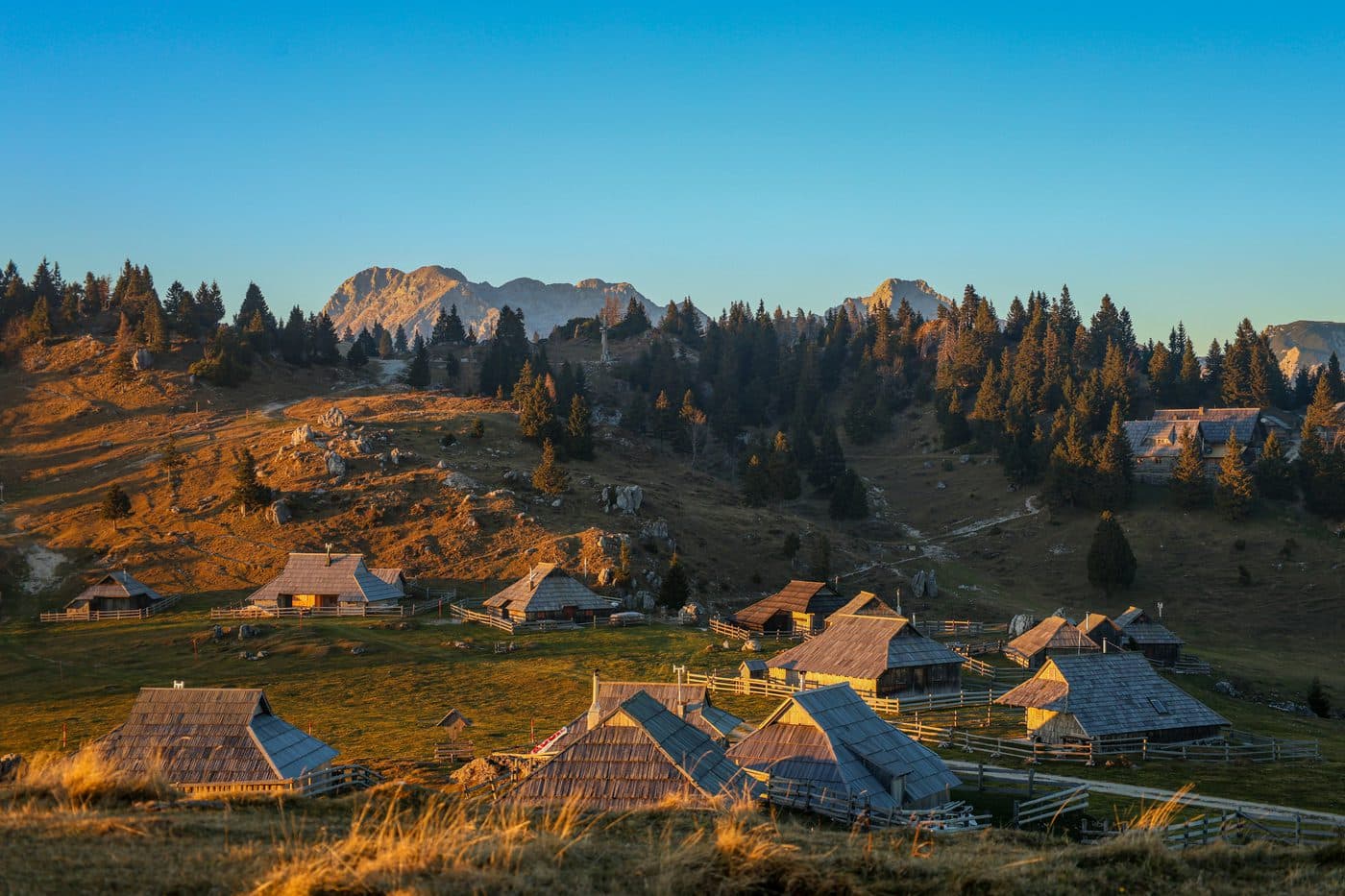
From the valley of the Kamniška Bistrica a cable car climbs in about five minutes to the edge of the plateau at 1,407 m, and a chairlift or a steep path goes on to 1,612 m; the highest point, Gradišče, stands at 1,666 m. It is the largest mountain pasture in Slovenia and one of the few high-mountain herdsmen’s settlements in Europe still at work: about 200 huts, 63 of them the herdsmen’s own, where farmers from the villages below bring their cattle at the beginning of June and stay for three months. Above the settlement stands the chapel of Our Lady of the Snows, rebuilt by the herdsmen in 1988, where Mass is said on Sundays in the grazing season. There is no official wedding room up here, so a legal ceremony would be one outside the official rooms, for the administrative unit in Kamnik to agree to. The cable car runs all year, apart from closures for maintenance, so check its dates before planning a shoot up there.
Light
Ljubljana lies in a basin ringed by hills, and the almanac’s times assume a flat horizon, so behind the hills the sun goes a little earlier. On 21 June it rises at about ten past five and sets at about three minutes to nine, far in the north-west; it is still ten degrees up at about a quarter to eight, and the sky stays light until about twenty-five to ten. In mid-May it sets at about twenty-five past eight, in mid-July at about ten to nine, in mid-September at about a quarter past seven and in mid-October at about a quarter past six. At midwinter it is up only from about twenty to eight until twenty past four, no higher than about 21 degrees at noon. ARSO’s 1991–2020 normals give Ljubljana about nine hours of sun a day in July and fewer than two in December, the month with the most fog in the 1971–2000 table. From the castle’s ramparts the view runs west over the old town’s roofs towards the setting sun, and on Velika Planina, 1,400 to 1,666 m up, the open pasture keeps the evening light after the valleys below have lost it.
Travel
Ljubljana’s Jože Pučnik Airport is 29 km by road from the Triple Bridge. A public bus runs from it to the city’s main bus and train station, with tickets online, on board or from the machine at the airport, which has no railway yet, and shuttle services sell tickets in Terminal B. From the airport it is 21 km to Škofja Loka, 24 km to Kamnik and 35 km to the Velika Planina cable car; from the city centre, 25 km to Škofja Loka, 24 km to Kamnik, 34 km to the cable car and 11 km to Ig on the marshes. Klagenfurt’s airport, in Austria, is 88 km from the centre, Trieste’s 124 km, Zagreb’s 151 km and Venice’s 233 km. Drones fly under the EU’s rules — an operator registered where they live, insured, in sight, below 120 m and clear of people not involved — and Slovenia bars open-category flights within 5 km of a controlled airport and, over built-up areas where people are, allows only a drone of up to 1.2 kg, below 50 m, by day, with the property owner’s consent and a notice to the Civil Aviation Agency, so check its zone map first. The old town and the castle also lie inside the zone around the University Medical Centre’s heliport, where a flight needs the heliport’s permission and an A2 certificate.
Plan
Slovenia