Verified — Identity verified by Lens & Vows
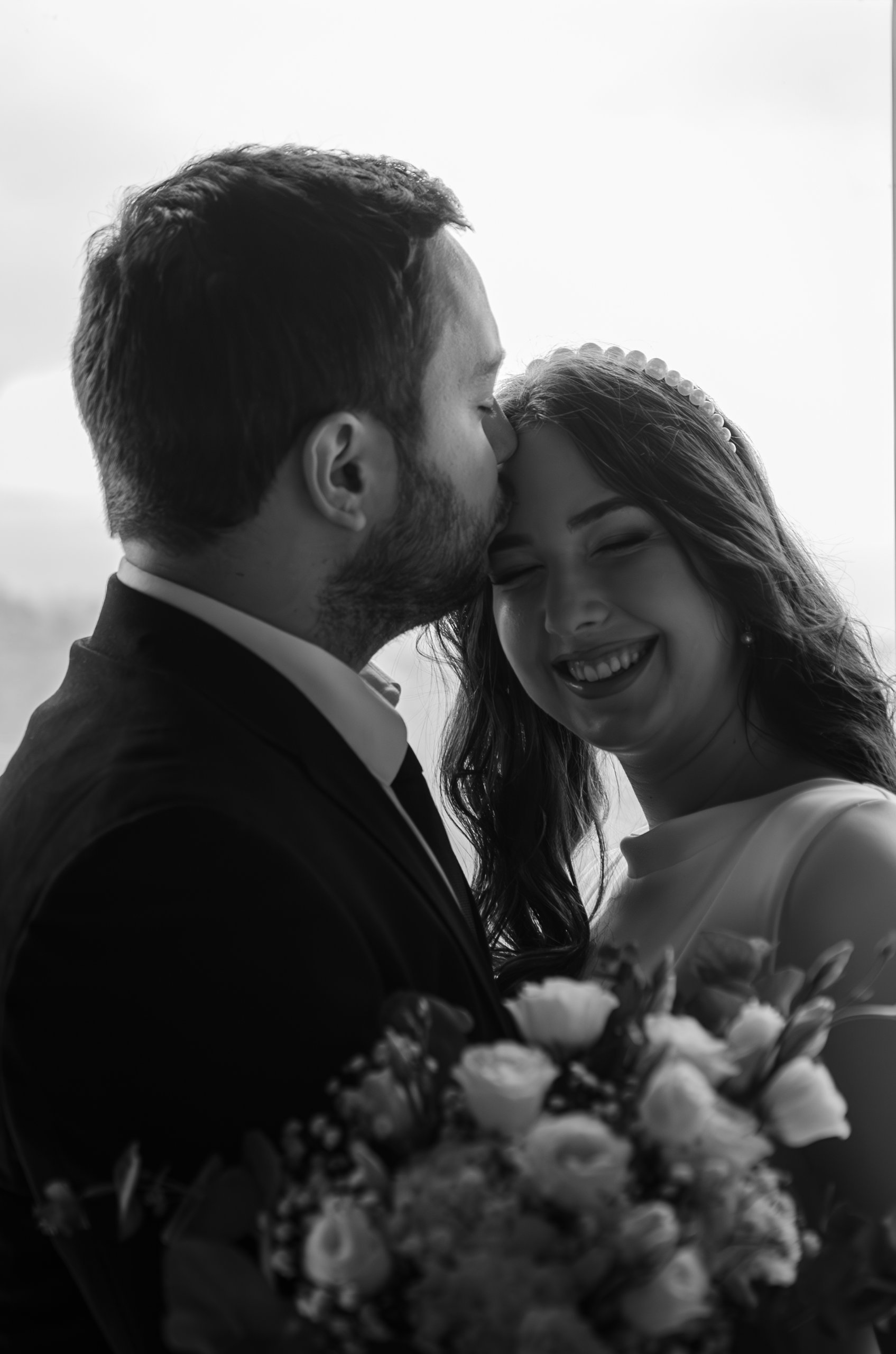
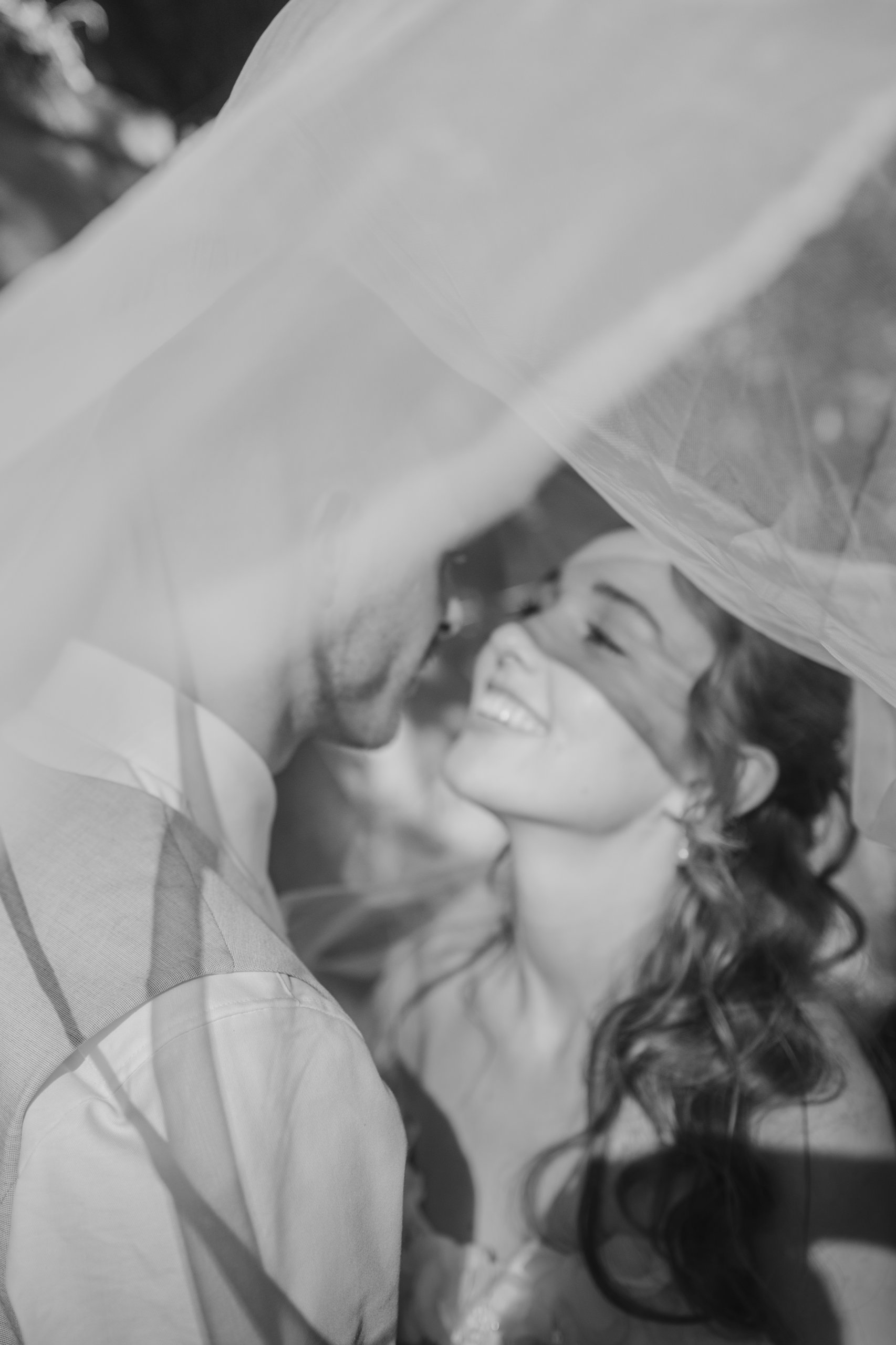
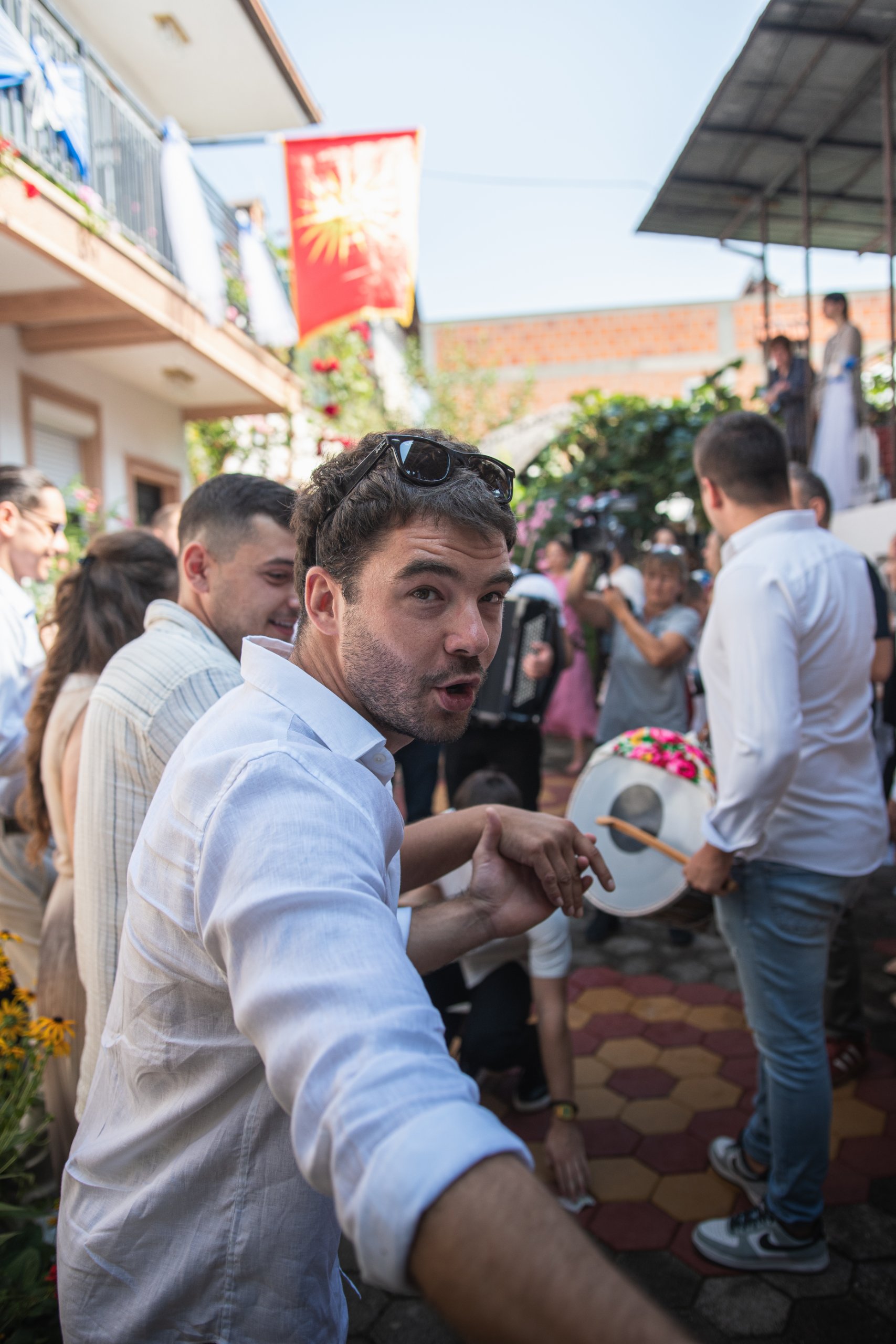
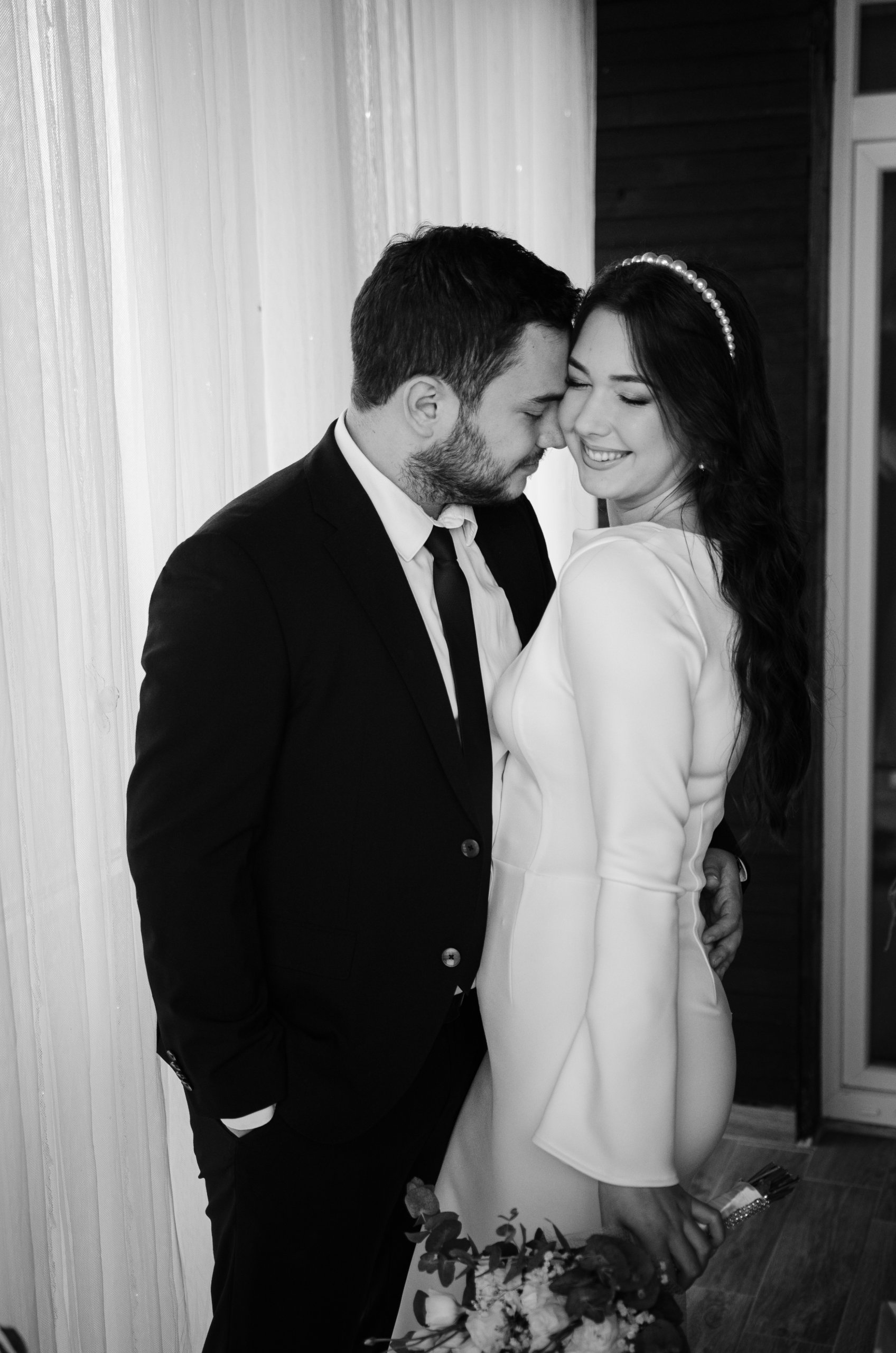
Erik V.from €900
Postojna & the Karst, Bled & Bohinj +35 · DocumentaryBased in Austria · travels to weddings in SloveniaWedding photographers in Slovenia
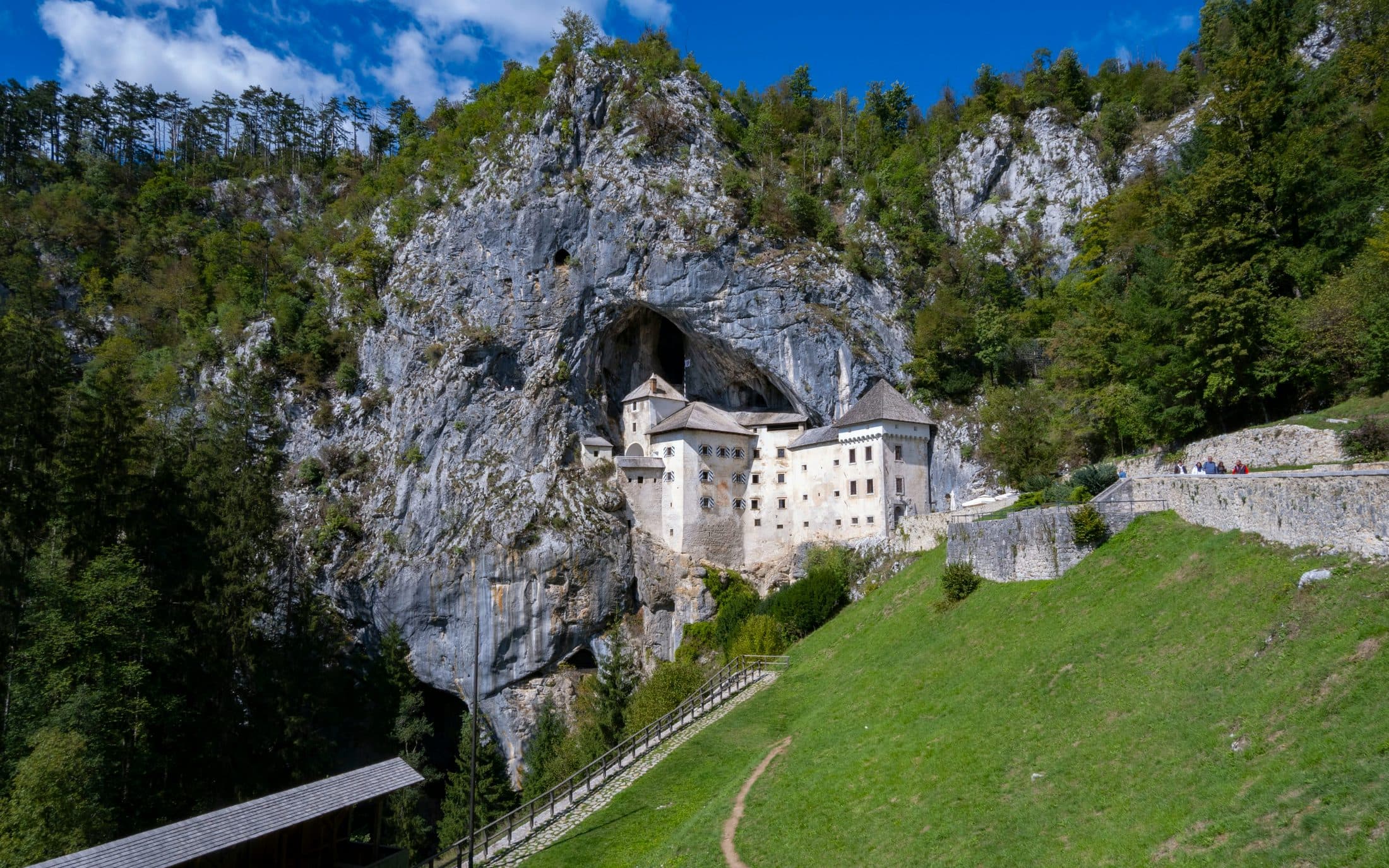
The limestone country behind the coast: Postojna Cave and its underground railway, Predjama Castle in the mouth of a cave halfway up a cliff, the gorge of the Škocjan Caves, the white horses of Lipica, the stone village of Štanjel on its hill, the Vipava Valley and, when the rains fill it, Lake Cerknica.
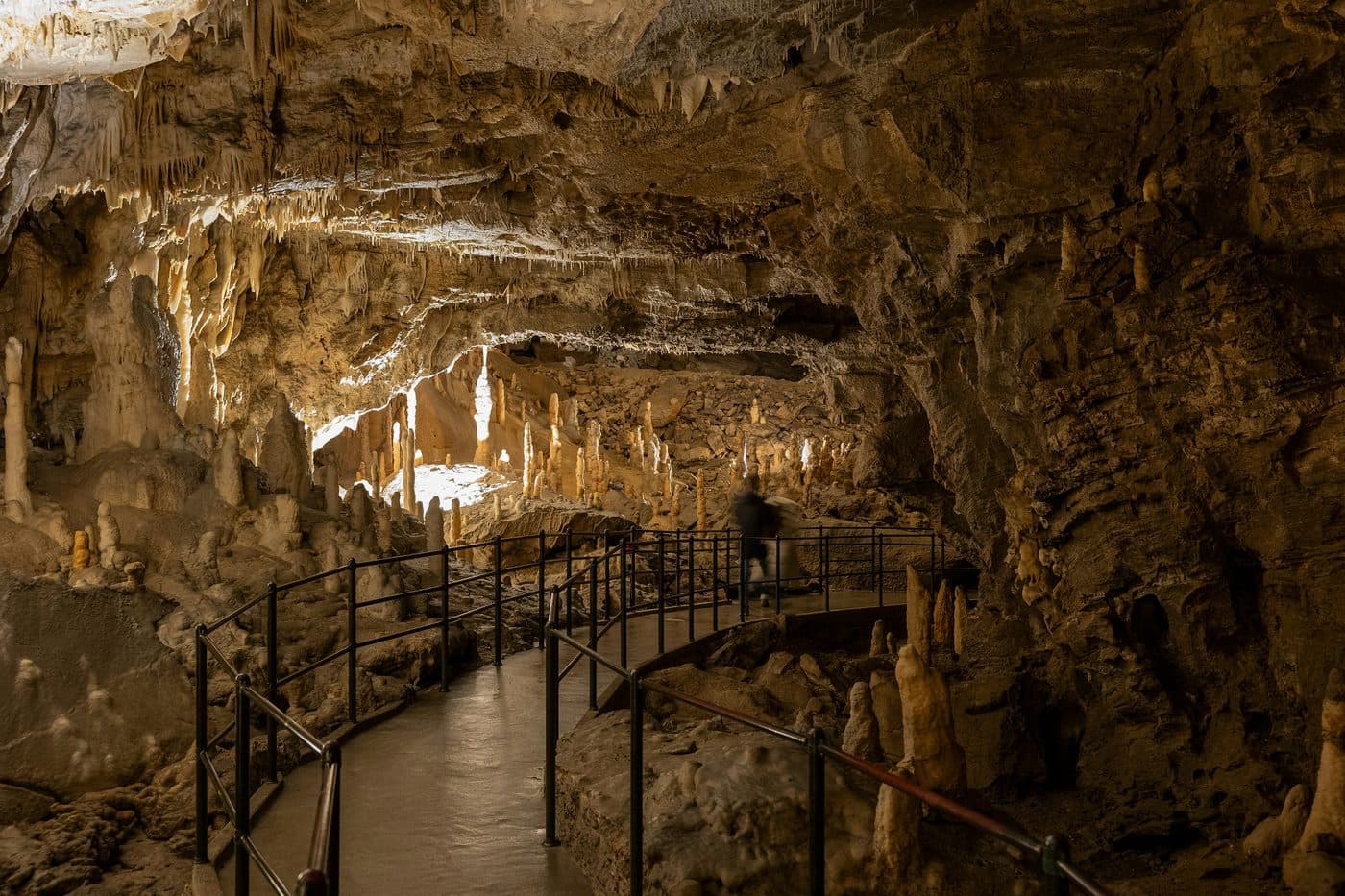
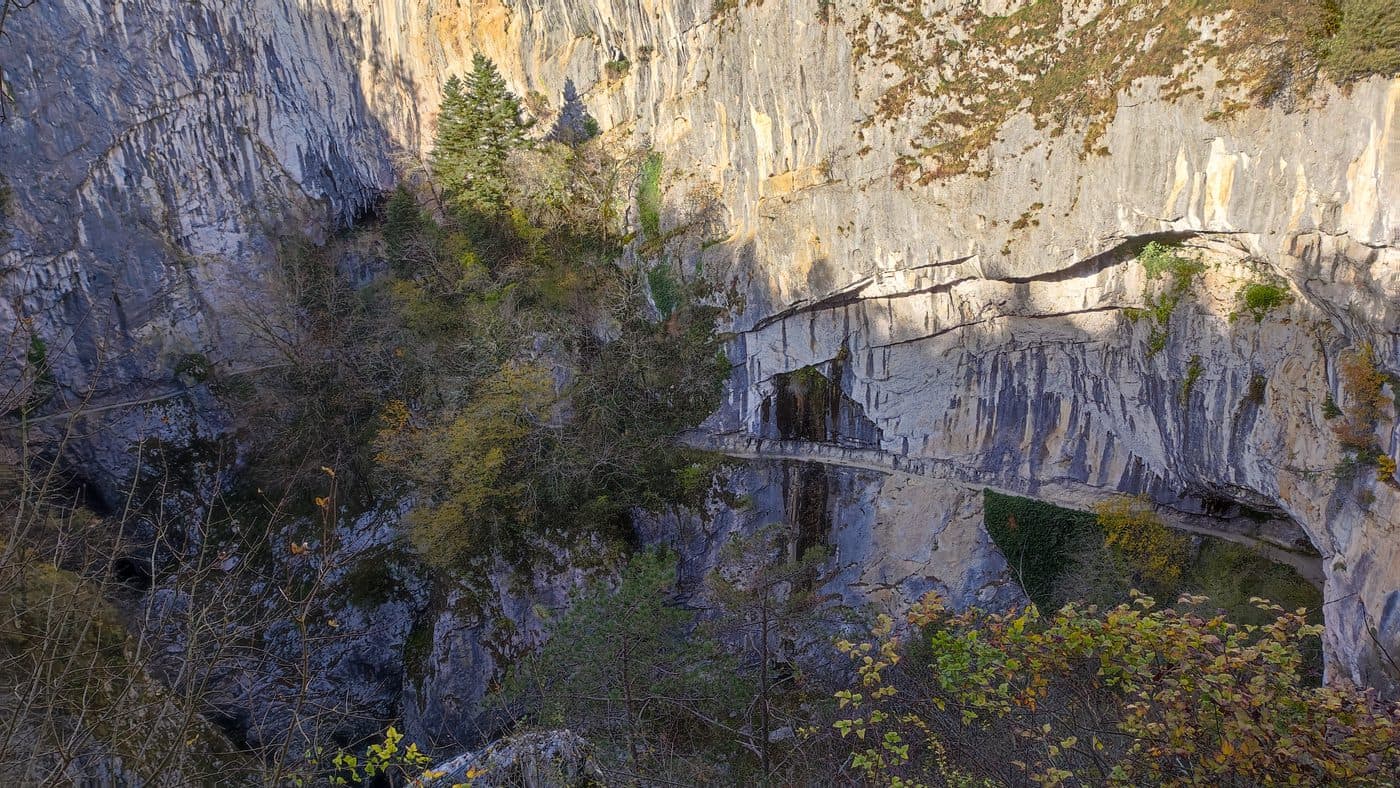
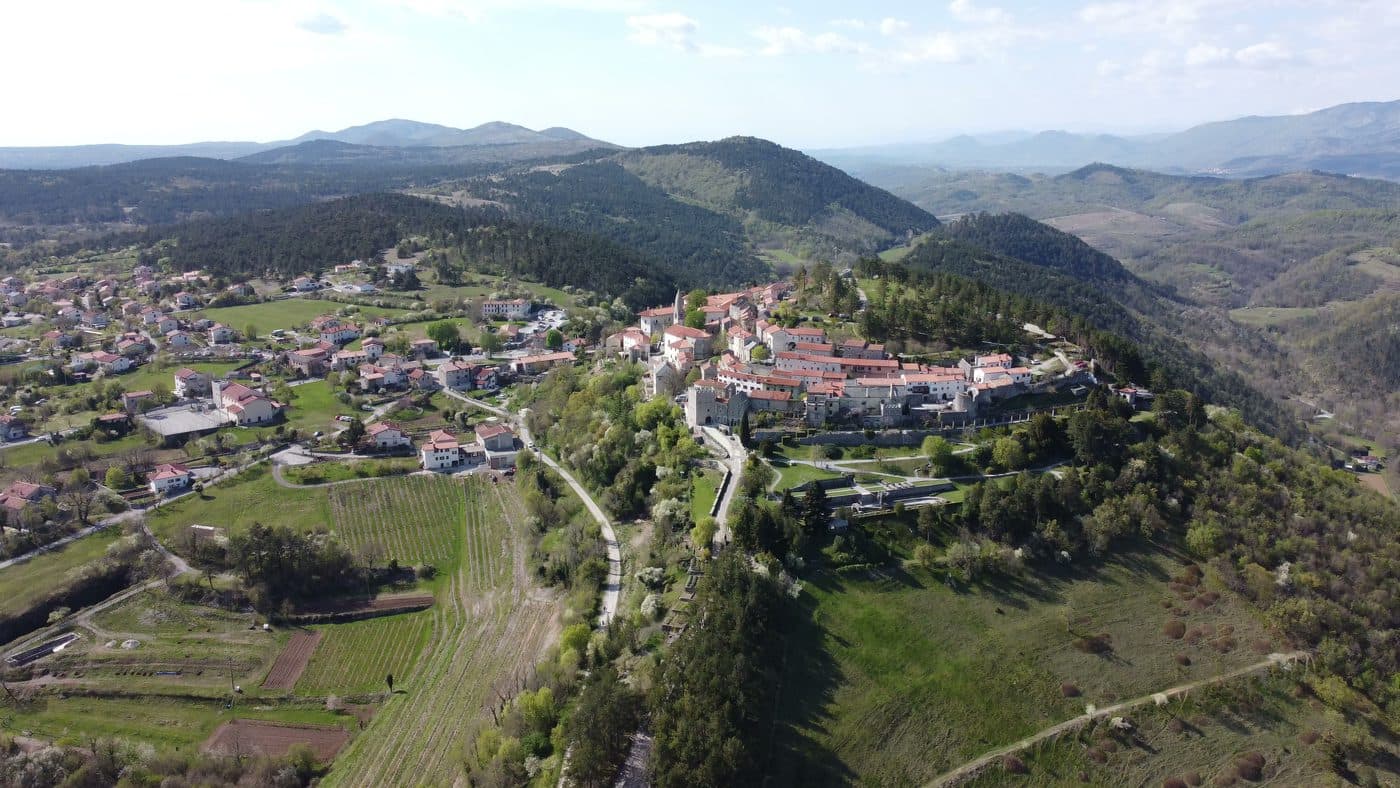
Postojna Cave has drawn more than 39 million visitors in some 200 years: a tour takes about an hour and a half and covers some 5 km of a 24-km system, partly on the world’s only double-track cave railway — the first railway in a cave opened here in 1872 — and the cave keeps 10 °C all year. Nine kilometres away, Predjama Castle has stood in the middle of a 123-metre cliff for more than 800 years, built into the mouth of a cave. To the south-west, the Škocjan Caves, on UNESCO’s World Heritage List since 1986, hold some 6 km of passages more than 200 m deep, many waterfalls and one of the largest known underground chambers, where the Reka river runs through an underground canyon; they are also a Ramsar wetland and part of a UNESCO biosphere reserve. Further west lie Lipica, home of the Lipizzaner since 1580, with more than 300 white horses on more than 300 hectares, and Štanjel, a stone village first recorded in 1402 on the terraces of Turn Hill, with its castle, its walls and the Ferrari Garden. North of the plateau opens the Vipava Valley, with the walled hilltop town of Vipavski Križ, and east of Postojna, Lake Cerknica fills its karst field for about eight months a year.
Couples marry in the official rooms of the administrative units: at Lipica, in the stone Karst House on the stud farm’s estate, where wedding celebrations are also held, with church weddings in the estate’s chapel of St Anthony of Padua; in Štanjel castle; in Vipava’s Lanthieri mansion; in Snežnik Castle, south-east of Lake Cerknica; and in Postojna, in the unit’s own building only. Predjama Castle, its operator says, is chosen by many couples for their vows; there, as anywhere outside the official rooms, a legal ceremony needs the administrative unit’s agreement. Only a civil wedding is legal in Slovenia: a registrar of the administrative unit (upravna enota) marries you in one of its official rooms or, applied for 30 days ahead and for €170 (as of November 2026), at another place the unit agrees to; couples from abroad can marry here legally, giving notice together in person with documents from home, same-sex couples marry on the same terms, and a church wedding has no legal effect but can come in addition. The country page explains the papers.
Photographers
They still have dates open here. Their whole weddings and free dates are on their page.
See the photographerBooking through Lens & Vows
Through the year
May, June and September are the easiest months, but the Karst is cooler and wetter than the coast below it. In the Slovenian Environment Agency’s (ARSO) 1991–2020 normals for Postojna, at 538 m, the highs average 19.4 °C in May, 23.6 °C in June and 20.3 °C in September, with 1 mm of rain or more on nine to eleven days a month; the year brings 1,469 mm, most of it from September to November (161, 160 and 172 mm). July and August peak at about 26 °C, with only four or five days of 30 °C or more. The lower plateau near Štanjel and Lipica is warmer: at Tomaj, 320 m up, May reaches 21.9 °C, June 26.0 °C and August 28.7 °C, with twelve days of 30 °C or more in July and in August. The wind is the Karst’s own hazard: the bora, the strongest wind in Slovenia, a gusty north-easterly that rushes down from the plateaus after a cold front, blows hardest in the Vipava Valley — above all between Razdrto and Vipava — and on the Karst, where its gusts can pass 145 km/h, break trees and stop traffic. Keep a roof in the plan in any month; the caves themselves stay at 10 to 12 °C whatever the weather outside.
Weather station: Postojna, normals 1991–2020 · Checked 5 November 2026
Places
The kinds of places — ask your photographer which ones they know well.
Postojna Cave is open every day of the year, holidays included; tours leave at set times, with boarding 15 minutes before, and last about an hour and a half, part by train and just over a kilometre on foot, including a 200-metre stretch at a 20 % gradient up and the same down. You may take photos and videos on a regular tour, but without flash or tripod and not of the guide’s commentary; photographing or filming for commercial or other purposes needs the park’s prior agreement, and pets wait outside in free kennels. Predjama Castle, 9 km away, is open all year, with the last entry 30 minutes before closing and a shuttle from the cave in high season for holders of combined tickets; it has many stairs and does not suit people with reduced mobility, and drones are banned around it, both to protect the monument and because rare birds nest in the cliff above. A ceremony at Predjama is one outside the official rooms of the Postojna unit, which marries couples only in its own building.
The guided tour of the Škocjan Caves starts at the visitor centre at Matavun and walks down into the Silent Cave, a dry passage rich in stalactites and stalagmites, then on to the Murmuring Cave, where the Reka roars through one of the largest underground canyons in Europe and the path crosses the river on the Cerkvenik bridge. It lasts two to three hours over about 5 km and some 1,000 steps, and the caves stay at 12 °C. Photography is not allowed inside. Back in daylight, the path climbs through the collapse dolines of Velika and Mala dolina, where Alpine and Mediterranean plants grow side by side, to the village of Škocjan. The caves close on 1 January and 25 December. Camping is forbidden in the regional park, and visitors are asked to leave it by 20:00. From the railway station at Divača, a marked footpath reaches the caves in about 50 minutes.
Lipica, founded in 1580, is the original stud farm of the Lipizzaner and the oldest in Europe to breed a single breed; more than 300 horses live on its more than 300 hectares of meadows and avenues. Every day the herd of mares goes out to pasture in the morning and comes back in the afternoon past their 18th-century stables, and the stone Karst House, where weddings are celebrated, is one of the Sežana unit’s official wedding rooms; the chapel of St Anthony of Padua, painted with frescoes in the 19th century, is used for church weddings. We found no published rule on photo shoots on the estate, so ask the stud farm first. Štanjel, 22 km to the north, climbs the terraces of Turn Hill: its castle, whose lower palace holds an official wedding room, walls of the 15th century, the church of St Daniel with its lemon-shaped bell tower and, below, the Ferrari Garden, the most important park design in Slovenia between the two world wars. Since May 2026 the garden is entered through the renovated Natalija’s House, open from 9:00 to 17:00 from Tuesday to Friday and to 18:00 at weekends and on holidays.
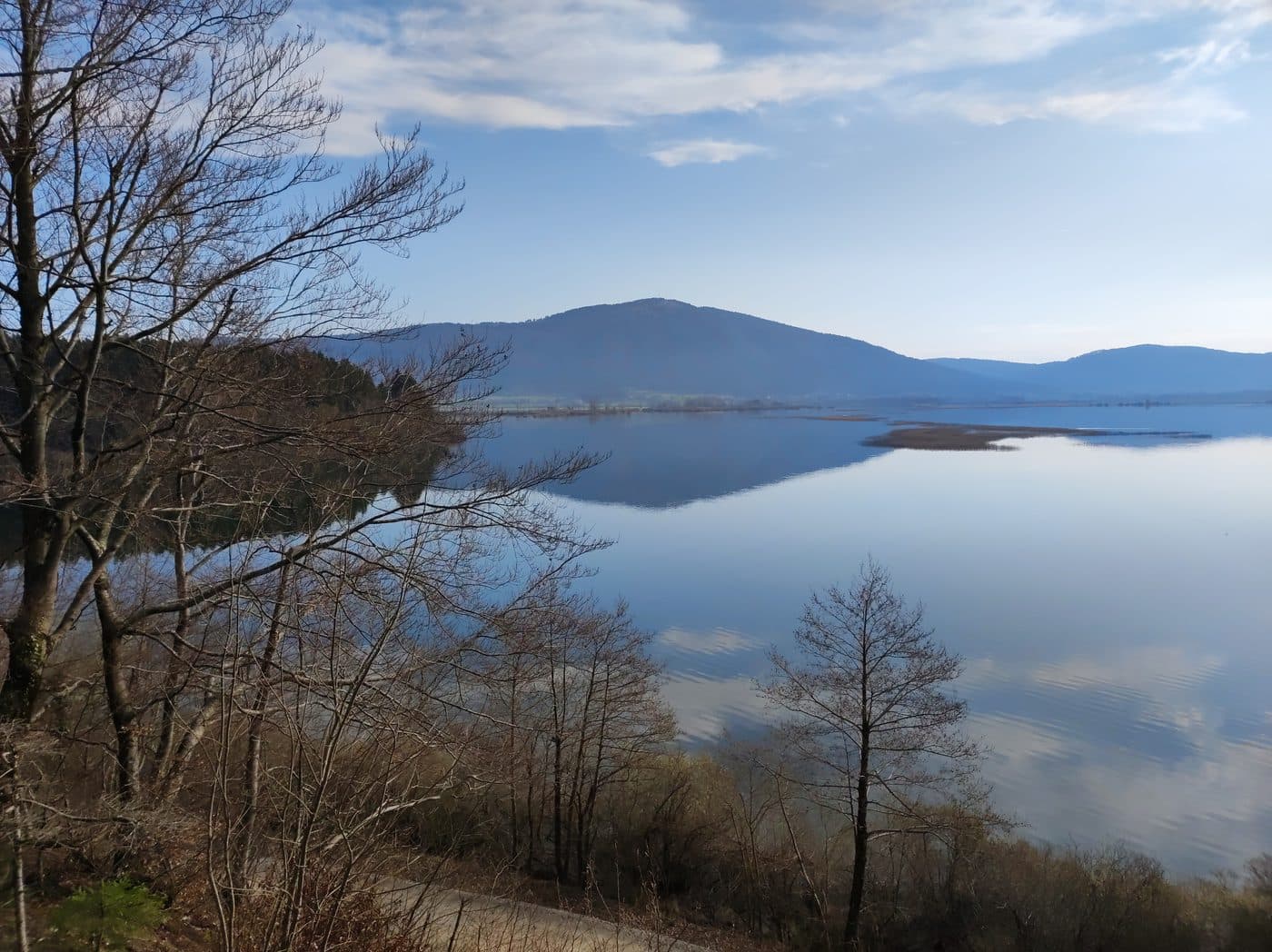
Vipavski Križ, first recorded in the 13th century, grew up round a four-towered castle that the bishop of Gorizia had built against Ottoman raids at the end of the 15th century; the little town is still walled, a Capuchin monastery of the 17th century keeps its library and paintings (visits by appointment), and a 7.1-km trail circles the hill through fields, vineyards, olive groves and orchards. In Vipava, the Doctors’ Room and the Aula Magna of the Lanthieri mansion are official wedding rooms. East of Postojna, Lake Cerknica, one of the largest intermittent lakes in Europe, fills its karst field after long rains and usually stays for about eight months, spreading over a good 20 km² and up to about 26 km² — the largest lake in Slovenia when full — before it drains away in the dry part of the year; with the Rakov Škocjan valley and Križna Cave it is a Ramsar wetland and a Natura 2000 site. Keep to the marked paths, keep dogs on a lead, light no fires, park only in marked places, and ask the park’s visitor centre about the water level before you come. Snežnik Castle, 22 km further on in the Lož valley, has an official wedding hall.
Light
On 21 June the sun rises over Postojna at about a quarter past five and sets at about three minutes to nine, in the north-west; it is still ten degrees up at about a quarter to eight, and the sky stays light until about twenty-five to ten. In mid-May it sets at about half past eight, in mid-July at about ten to nine, in mid-September at about a quarter past seven and in mid-October at about twenty past six. At midwinter it is up only from about twenty to eight until twenty past four, no higher than about 21 degrees at noon. ARSO’s 1991–2020 normals give Postojna about nine and a half hours of sun a day in July and under three in December. There is no daylight in the caves, and with flash and tripods barred in Postojna and photography barred in Škocjan, portraits belong outside: Štanjel stands on its hill above the fields and keeps the evening sun after the land below has lost it.
Travel
Ljubljana’s airport is 76 km by road from Postojna Cave, 72 km from Lake Cerknica, 100 km from the Škocjan Caves, 108 km from Lipica and 109 km from Štanjel; Trieste’s airport, in Italy, is closer to the west of the region: 46 km to Štanjel, 50 km to Vipavski Križ, 51 km to Lipica, 58 km to Škocjan and 77 km to Postojna. Rijeka’s airport is 92 km from Postojna, Venice’s 186 km and Zagreb’s 201 km; central Ljubljana is 55 km away. Within the region, Predjama is 9 km from Postojna Cave, the Škocjan Caves 31 km, Vipava 30 km and Lake Cerknica 25 km; Škocjan is 13 km from Lipica, Lipica 22 km from Štanjel and Štanjel 19 km from Vipavski Križ. Postojna has a railway station on the line between Vienna and Venice, about 25 minutes’ walk from the cave, and buses run hourly from Ljubljana; for Škocjan, take the train to Divača and walk the marked 4-km path. Drones fly under the EU’s rules — an operator registered where they live, insured, in sight, below 120 m and clear of people not involved — and Slovenia bars open-category flights within 5 km of a controlled airport and, over built-up areas where people are, allows only a drone of up to 1.2 kg, below 50 m, by day, with the property owner’s consent and a notice to the Civil Aviation Agency, so check its zone map first. Around Postojna, Predjama, the Škocjan Caves and Lake Cerknica the region lies inside restricted airspace whose activity Slovenia Control publishes by NOTAM, the airfields at Divača and Ajdovščina have no-fly zones of their own, and drones are banned at Predjama Castle. Check the NOTAMs as well before any flight.
Plan
Slovenia