Founding photographerVerified — Identity verified by Lens & Vows

Joseph J.from €1,000
Zeeland, Amsterdam & Haarlem +36 · Documentary, EditorialBased in France · travels to weddings in the NetherlandsWedding photographers in the Netherlands
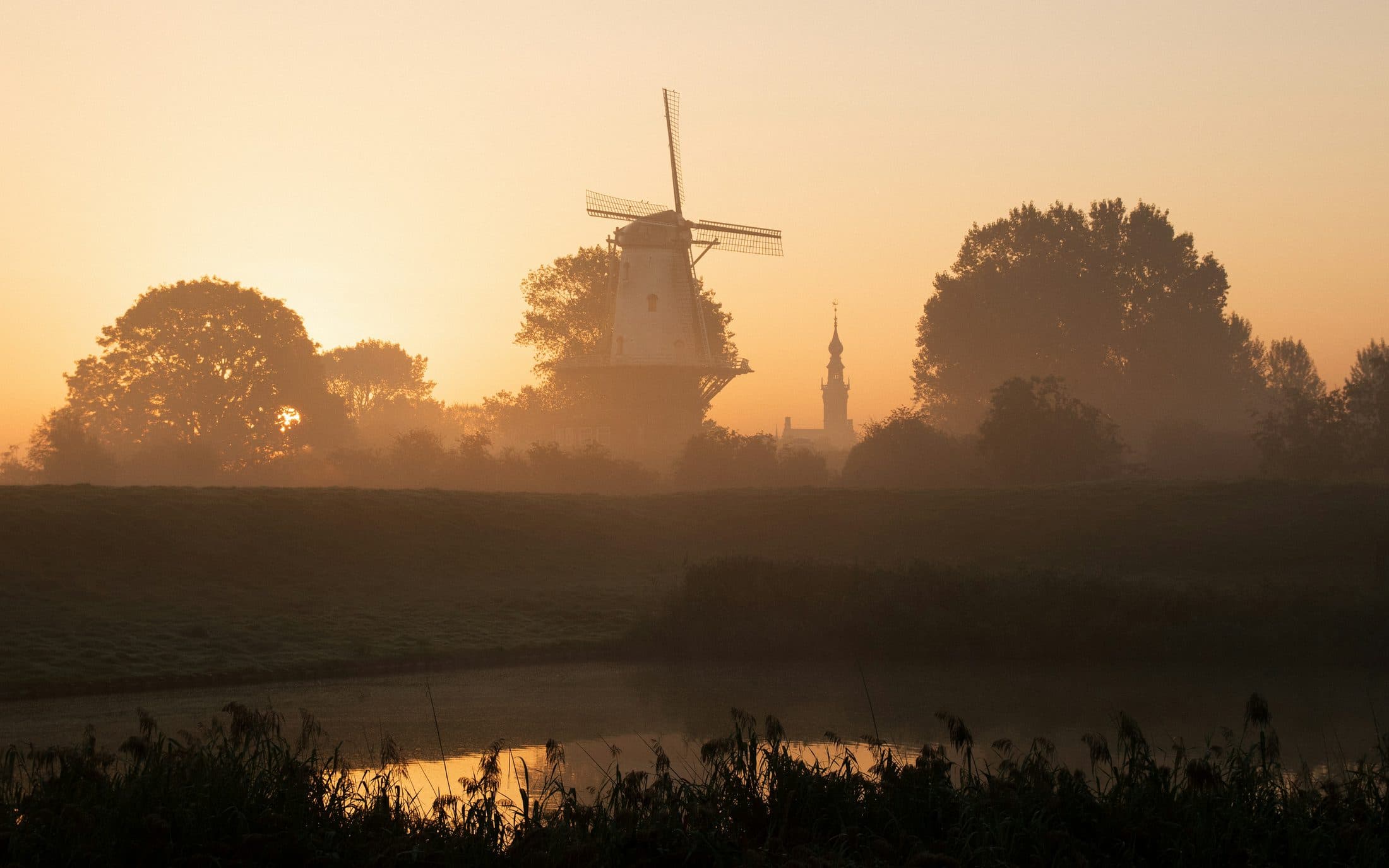
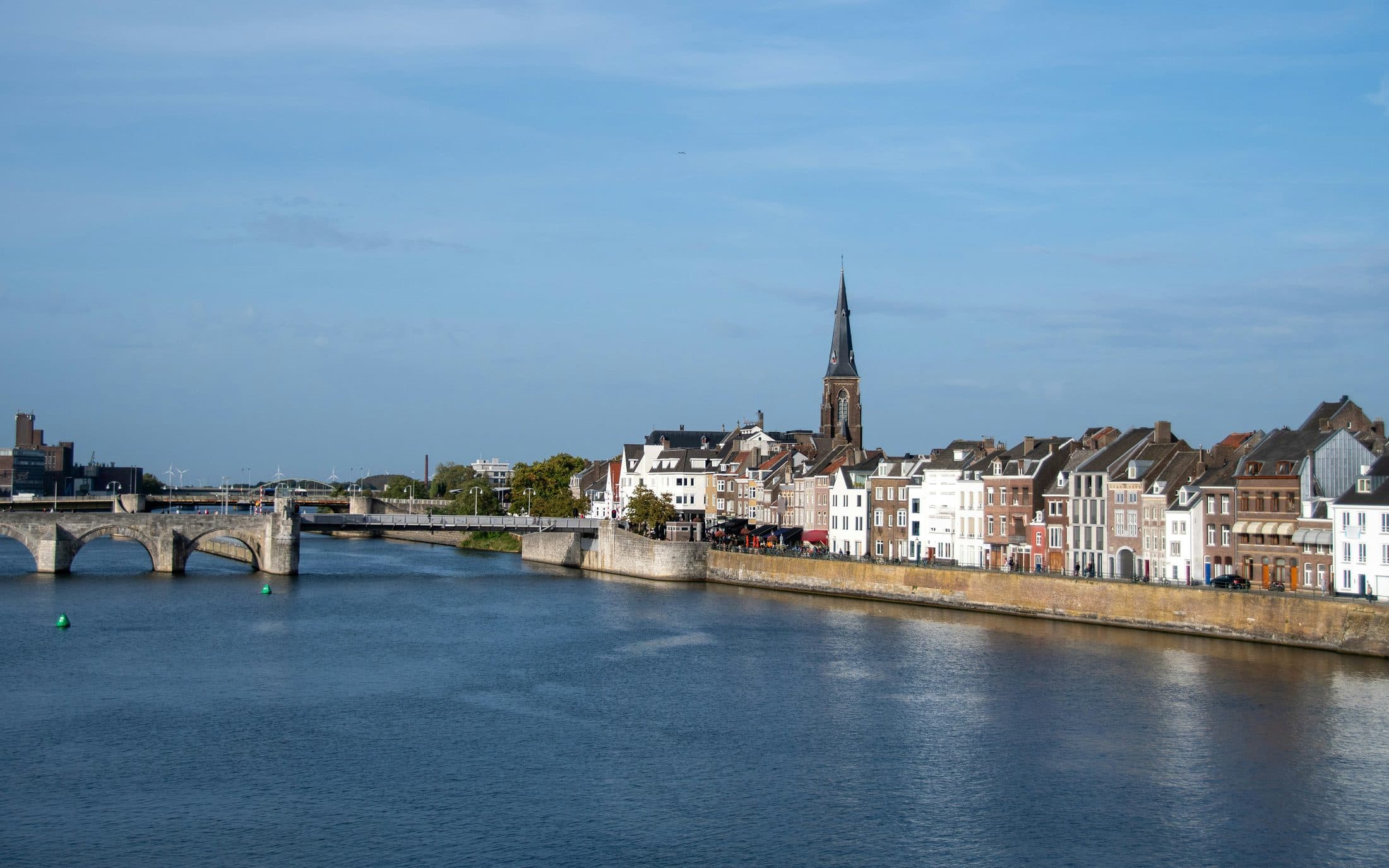
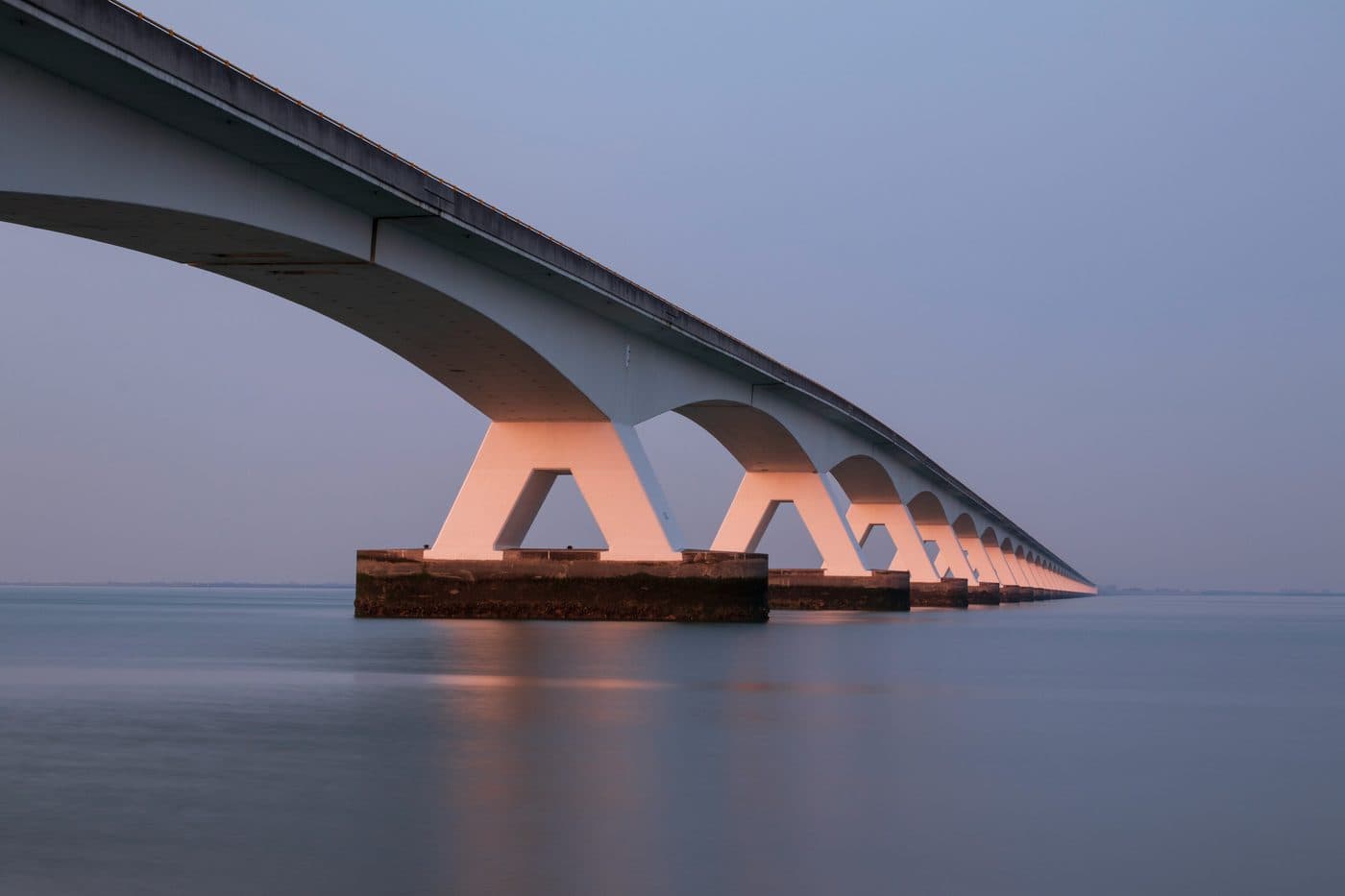
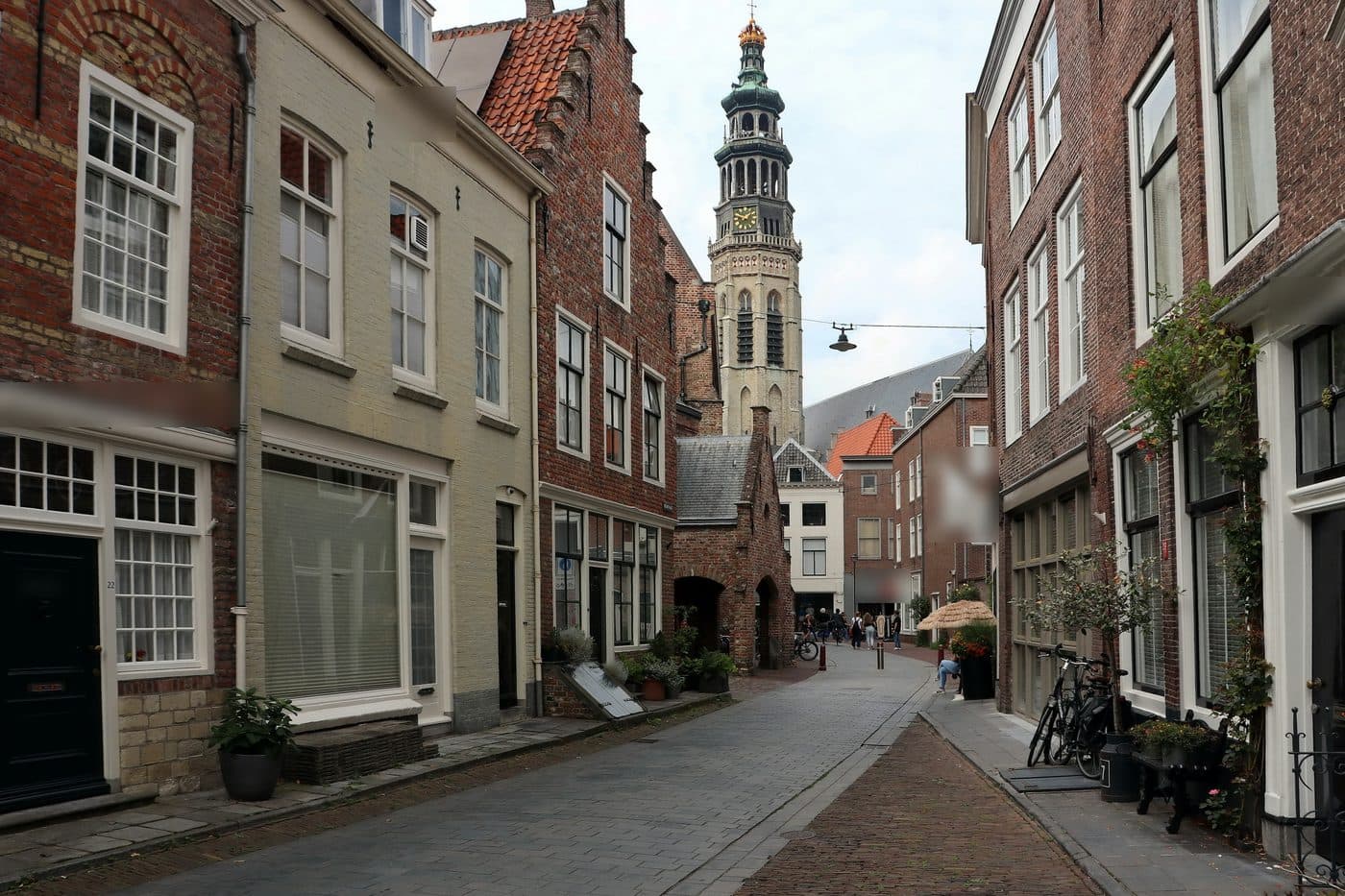
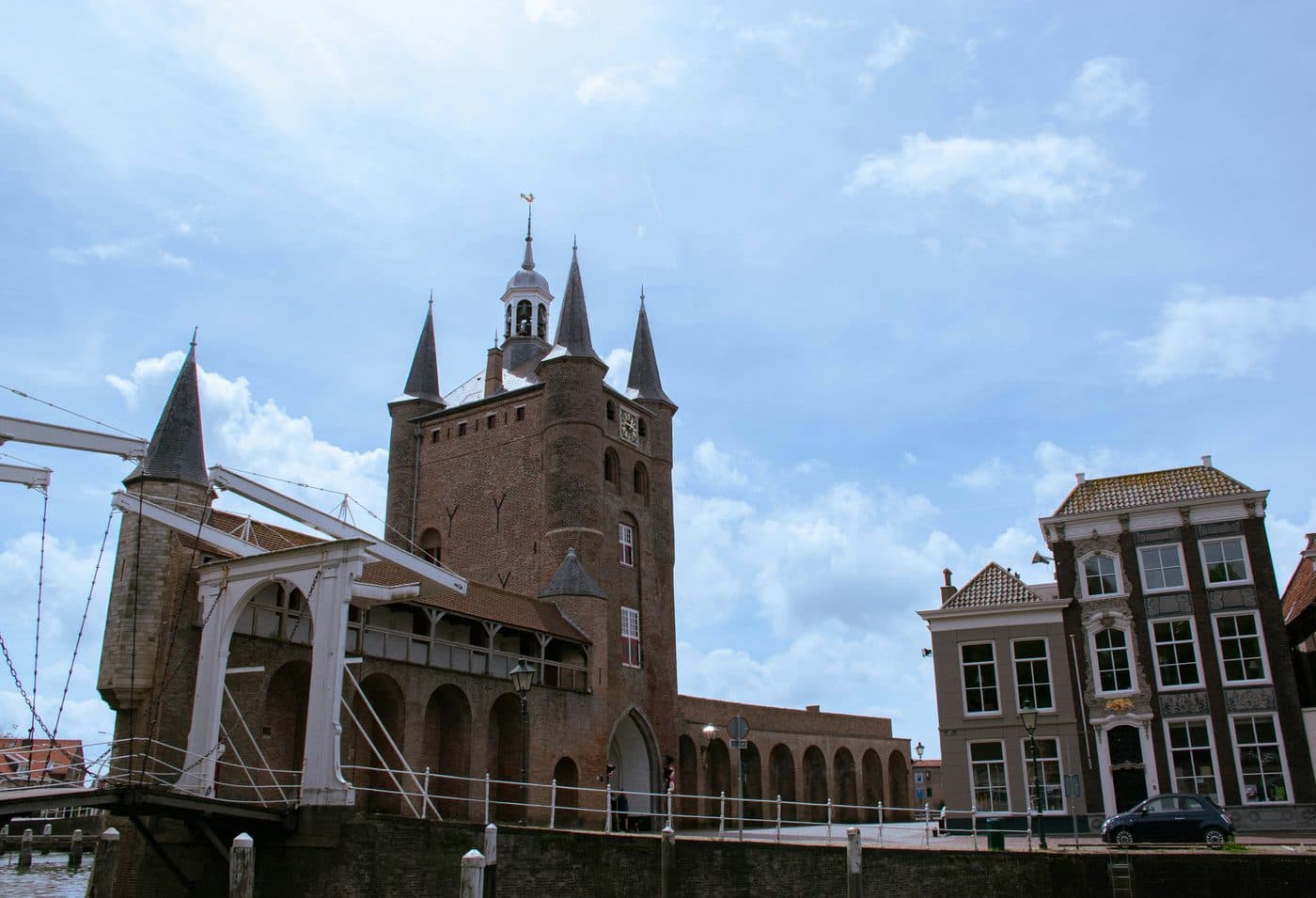
Middelburg’s abbey under its tower, the Lange Jan, Veere’s late-Gothic town hall above a quiet harbour, the harbour gates and the unfinished great tower of Zierikzee, the beach and dunes at Domburg and, between them, the wide water of the Oosterschelde under the Zeeland Bridge.
Zeeland is the delta in the south-west of the Netherlands, a land of former islands, dikes and estuaries.
Middelburg, its capital, grew around a 12th-century abbey whose tower, the Lange Jan, stands 90.5 m high; the provincial government still sits in the abbey, and the old town counts some 1,200 monuments. A short way north-east, Veere was a seaport until the Veerse Gat was closed in 1961; its harbour now opens onto a lake, the Veerse Meer, below a town hall begun in 1474 and a great church whose tower was never finished. On the north-west coast of Walcheren, Domburg, the oldest seaside resort in Zeeland, lies behind the dunes. To the north-east, the Oosterschelde, a national park of about 37,000 hectares since 2002, is crossed by the Zeeland Bridge, a little over five kilometres long, on the way to Zierikzee, a harbour town of 557 listed monuments whose great tower stopped at 62 m.
Couples who live in the Netherlands can marry in any municipality they choose, and here the choices differ: Middelburg, while its town hall is restored, on Fridays in a hall of 1607 or in a building or moored boat they choose, Veere in its old town hall on the Markt, a museum now used only for weddings and receptions, or in the garden or on the terrace of a building it approves, never on the open beach or in the woods, and Noord-Beveland, across the Zeeland Bridge, in the open air anywhere in the municipality. Couples from abroad come for a small wedding in an old town, a ceremony of their own by the sea, and portraits on the harbours, the dikes and the beach. In the Netherlands a marriage is legal only before a municipality’s registrar or a registrar appointed for the day (BABS), in public at the town hall or another place the municipality has designated, and a religious ceremony may only follow it; and a couple can give notice of marriage only if at least one partner is Dutch or lives in the Netherlands, so two partners who are both foreign and live abroad sign the papers at home and hold a ceremony of their own here.
Photographers
They shoot here and know the light. Their whole weddings are on their pages.
See all 4 photographers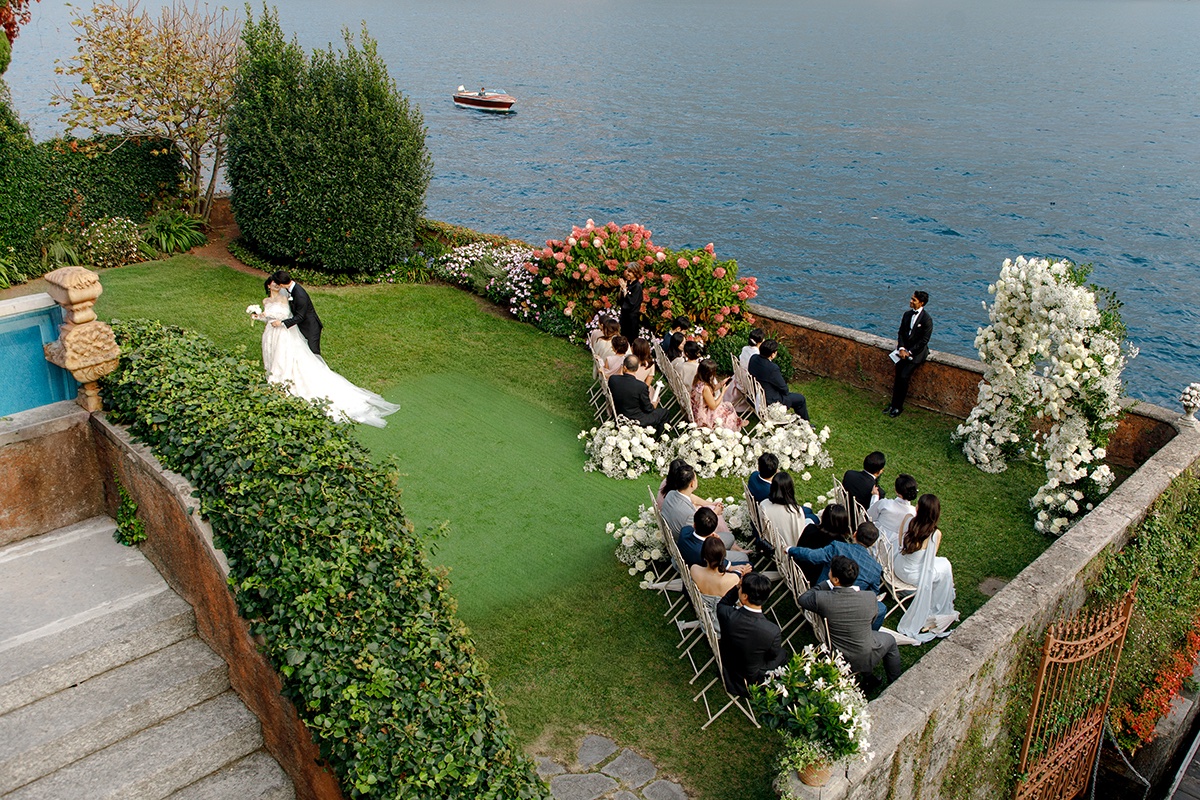







Booking through Lens & Vows
Through the year
May, June and September are the surest months. In the Royal Netherlands Meteorological Institute’s (KNMI) 1991–2020 normals for Vlissingen, on the south coast of Walcheren, highs reach about 17 °C in May, 20 °C in June and 19 °C in September, rain (1 mm or more) falls on nine days a month in May and June and on ten in September, and from May to July the sun shines for seven and a half hours a day. July and August are the warmest, at about 22 °C, but also wetter, with 72 and 82 mm, and only five or six days a month reach 25 °C: the sea keeps the coast mild, and summer nights stay at about 15 °C. Wind is the constant: the hourly wind reaches force 6 on five or six days a month even in summer and on 13 in December and January, about a hundred days a year, twice as many as at Schiphol.
Weather station: Vlissingen, normals 1991–2020 · Checked 3 November 2026
Places
The kinds of places — ask your photographer which ones they know well.
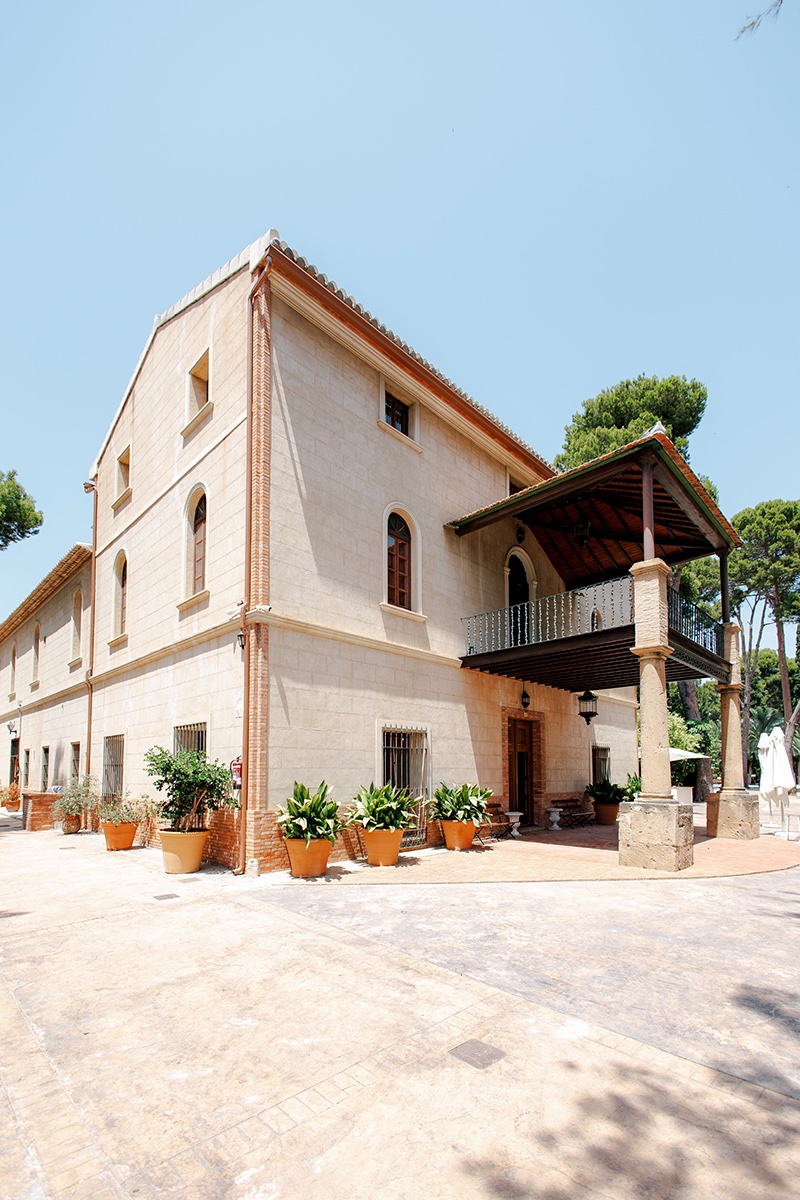
Middelburg’s town hall on the Markt, begun in 1452, lost its interior to the fire of 17 May 1940 and reopened in 1950; it is now being restored until 2030, with scaffolding on its façades, and since 1 August 2026 nobody marries there. Meanwhile the city marries couples on Fridays in the Kloveniersdoelen, a building of 1607, for up to 50 guests with children and photographer, at €383.20 (as of November 2026), and free on Monday mornings at its city office, for up to eight guests with the witnesses. A place of your own choosing must be a building or a boat moored at a quay, never a home, applied for at least six weeks ahead; a registrar of your own choosing is asked for six months ahead and costs nothing extra. One of the city’s registrars can marry you in English, German, French or Italian. The Lange Jan can be climbed in season, 207 steps, and its bell rings every Friday at ten to one: worth knowing for a Friday ceremony a few streets away.
Veere’s town hall, begun in 1474, has a stone front with corner turrets and a slender tower top added in 1594–1599, with a carillon that can play before or after your ceremony for €190 a half-hour. Its wedding room on the first floor takes up to 50 people, with no lift and no air conditioning; you may strew lavender outside, not rose petals, and soap bubbles are allowed. Veere marries couples on weekdays from 9 to 5 for €601, from 5 to 9 in the evening for €728 and on Saturdays for €1,012, the same with a registrar of your own choosing, and never on Sundays or public holidays; its free ceremony is on Monday mornings, for up to ten people, at the municipal hall in Domburg (fees as of November 2026). A place of your own must be a building, or its terrace, veranda or garden, and should be put to the municipality three months ahead. The great church a few streets away, begun in 1479, kept its unfinished tower; in 2026 its tower closed from 1 October so that the bats inside could hibernate.
At the end of Zierikzee’s old harbour stand two gates of 14th-century origin, the Noordhavenpoort and the Zuidhavenpoort, joined by a white wooden drawbridge; the town’s great tower, begun in 1454, reached its 62 m by about 1506 and was never built to the 130 m planned, and it can be climbed from April to October. The former town hall, now a museum, hires out its wedding room for up to 100 people and charges €75 for a shoot inside if you marry elsewhere. Schouwen-Duiveland marries couples free on Monday and Wednesday mornings, and for €548 on weekdays and €715 on Saturdays at the place you choose, the same with your own registrar; plan at least six weeks ahead (fees as of November 2026). The Zeeland Bridge has crossed the Oosterschelde since 1965. In the national park nobody may walk on the mudflats at low tide, and from 15 March to 15 August some of its beaches and dikes are closed. The monument to the drowned villages at the bridge’s southern end, by Colijnsplaat, is a place of remembrance, not a backdrop.
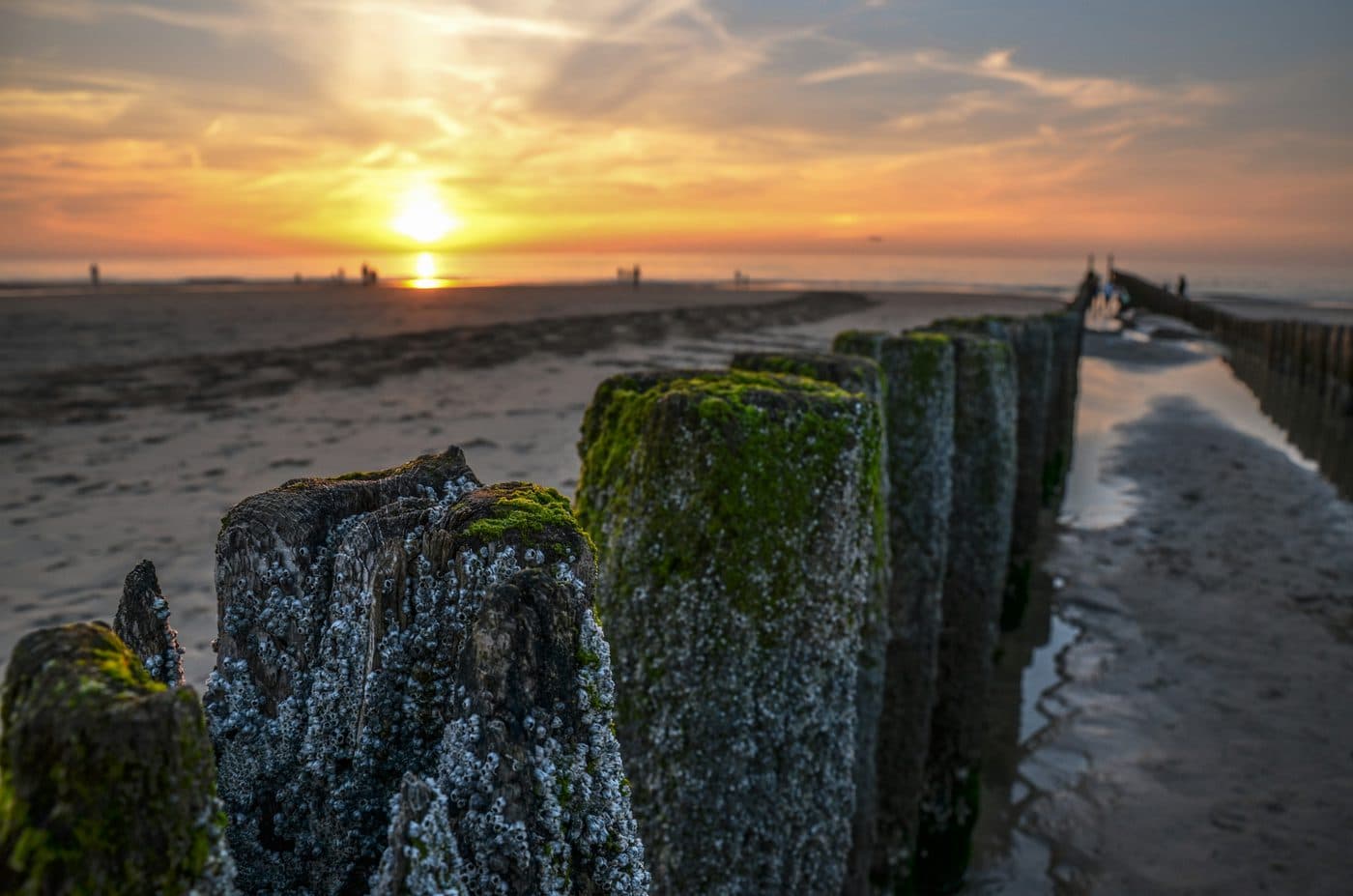
Domburg’s beach faces the open North Sea to the north-west, lined with wooden groynes, with the dunes behind it. In the beach season, from 1 May to 15 September, no fire of any kind is allowed on the beach, and no tent or other structure may stand on it between 8 in the evening and 8 in the morning without an exemption; the municipality asks the organisers of small events, up to 100 people, only for a notice three weeks ahead, so ask whether your gathering counts as one; a legal ceremony on the beach is not possible in Veere. Behind the town the Manteling, a Natura 2000 area of dunes and woods, holds old country estates managed by Staatsbosbeheer, the state forestry service: shoots on the paths need no permission, but photographers who leave the paths, bring lights, props or a car, or come with more than 50 people ask six weeks ahead and pay a fee. Further east, Oranjezon, kept by Het Zeeuwse Landschap, opens from sunrise to sunset with a ticket, allows no dogs and never allows drones. The memorials on the dune top in Domburg and around Westkapelle’s lighthouse, where Walcheren remembers its liberation every November, are places of remembrance, not backdrops.
Light
Walcheren’s coast runs from south-west to north-east, so from the beach at Domburg the summer sun sets over the sea: at midsummer it goes down at seven minutes past ten, far round in the north-west; it is still ten degrees up at a quarter to nine, and the sky stays light until about five to eleven. In mid-May it sets at half past nine, in mid-September at about eight and in mid-October at about five to seven. At midwinter it rises at ten to nine and sets at twenty to five in the south-west, down the line of the shore towards Westkapelle, no higher than 15 degrees at noon. The Zeeland Bridge also runs from south-west to north-east, so on summer evenings the low sun from the north-west lights the whole length of its north-western side. Vlissingen averages seven and a half hours of sun a day from May to July and two in December.
Travel
Intercity trains run direct from Rotterdam Centraal to Middelburg twice an hour, in 1 hour 22 to 1 hour 40, and from Amsterdam Centraal in 2 hours 37 to 2 hours 55; from Schiphol it takes about two to two and three-quarter hours with one change at Rotterdam, and Rotterdam The Hague Airport is half an hour from Rotterdam Centraal on bus 33. In 2026, bus 52 ran from Middelburg station to Domburg in 29 minutes every hour, a community bus to Veere in 17 minutes on weekdays only, and bus 132 from Goes station to Zierikzee in about 23 minutes twice an hour; Zeeland’s buses change operator on 13 December 2026, so check the 2027 timetable. The Westerschelde road tunnel is closed from 11 January to 14 May 2027, and the foot and bicycle ferry between Vlissingen and Breskens, about 23 minutes, sails more often then. By road it is 143 km from Schiphol to Middelburg, 97 km from Rotterdam The Hague Airport and 127 km from Brussels Airport; from Middelburg it is 9 km to Veere, 13 km to Domburg and 41 km to Zierikzee. Drones follow the EU’s rules: the operator registers in the EU country where they live (in the Netherlands with the RDW; from outside the EU, in the first EU country they fly in), even for a camera drone under 250 g, holds the A1/A3 certificate from 250 g, and flies in sight, below 120 m, by day and never over a crowd. In the open category nobody may fly over government buildings, railways, roads of 80 km/h or more, events, the areas around airports, or the Natura 2000 areas where the province or the manager forbids it; until 25 November 2026 the open category is barred from every airport control zone, and from 26 November it may fly in the outer parts of the civil ones, more than about 5 km from the airport, while the military ones stay closed. None of the towns on this page lies in such a zone, but the Oosterschelde and the Manteling are Natura 2000 areas, where the province or the manager decides, and Het Zeeuwse Landschap and Natuurmonumenten allow no drones on their land at all. Check GoDrone or the government’s Aeret map before any flight.
Plan
Netherlands