Founding photographerVerified — Identity verified by Lens & Vows
Joseph J.from €1,000
Friesland, Giethoorn & the Wadden Islands, Amsterdam & Haarlem +36 · Documentary, EditorialBased in France · travels to weddings in the NetherlandsWedding photographers in the Netherlands
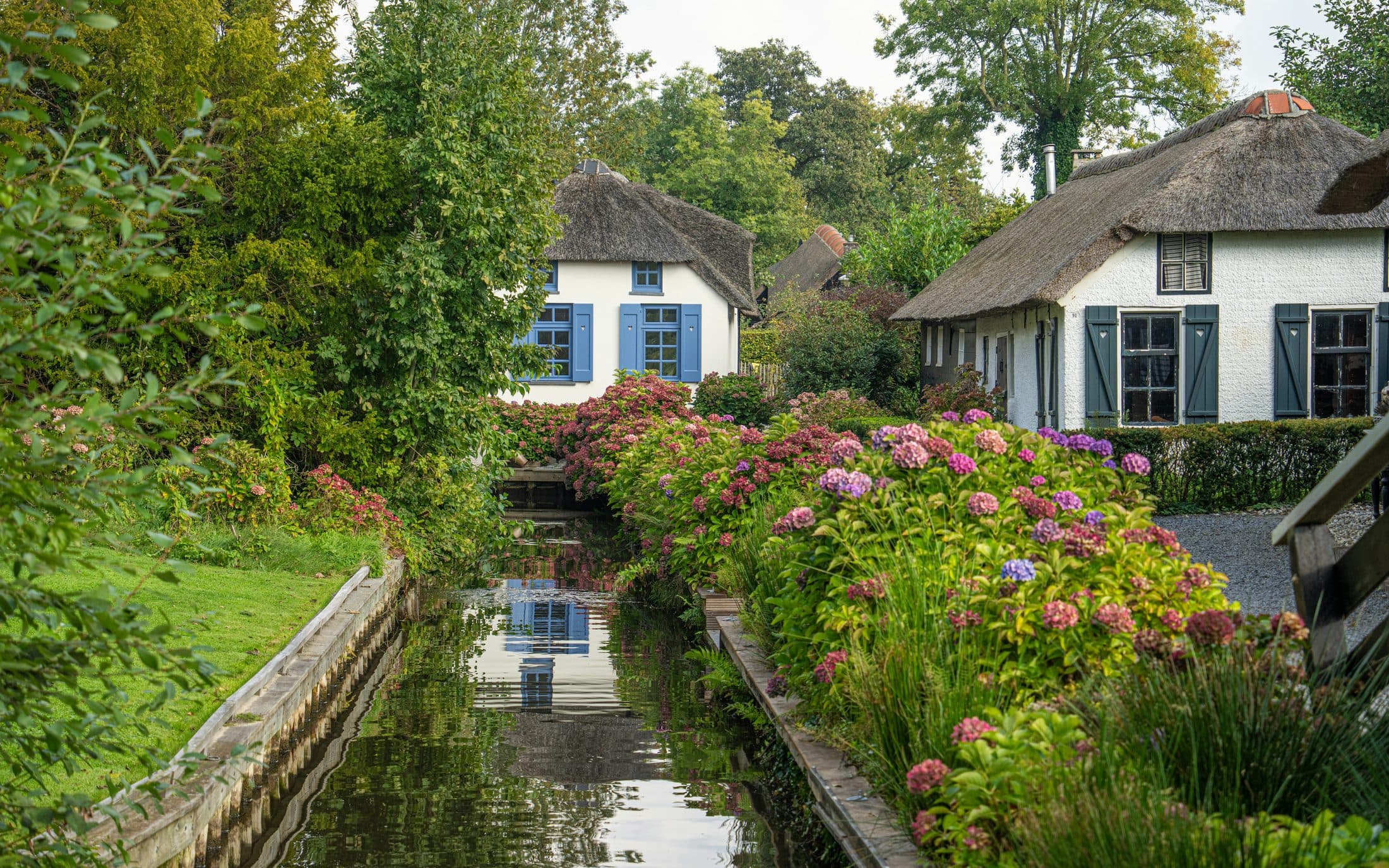
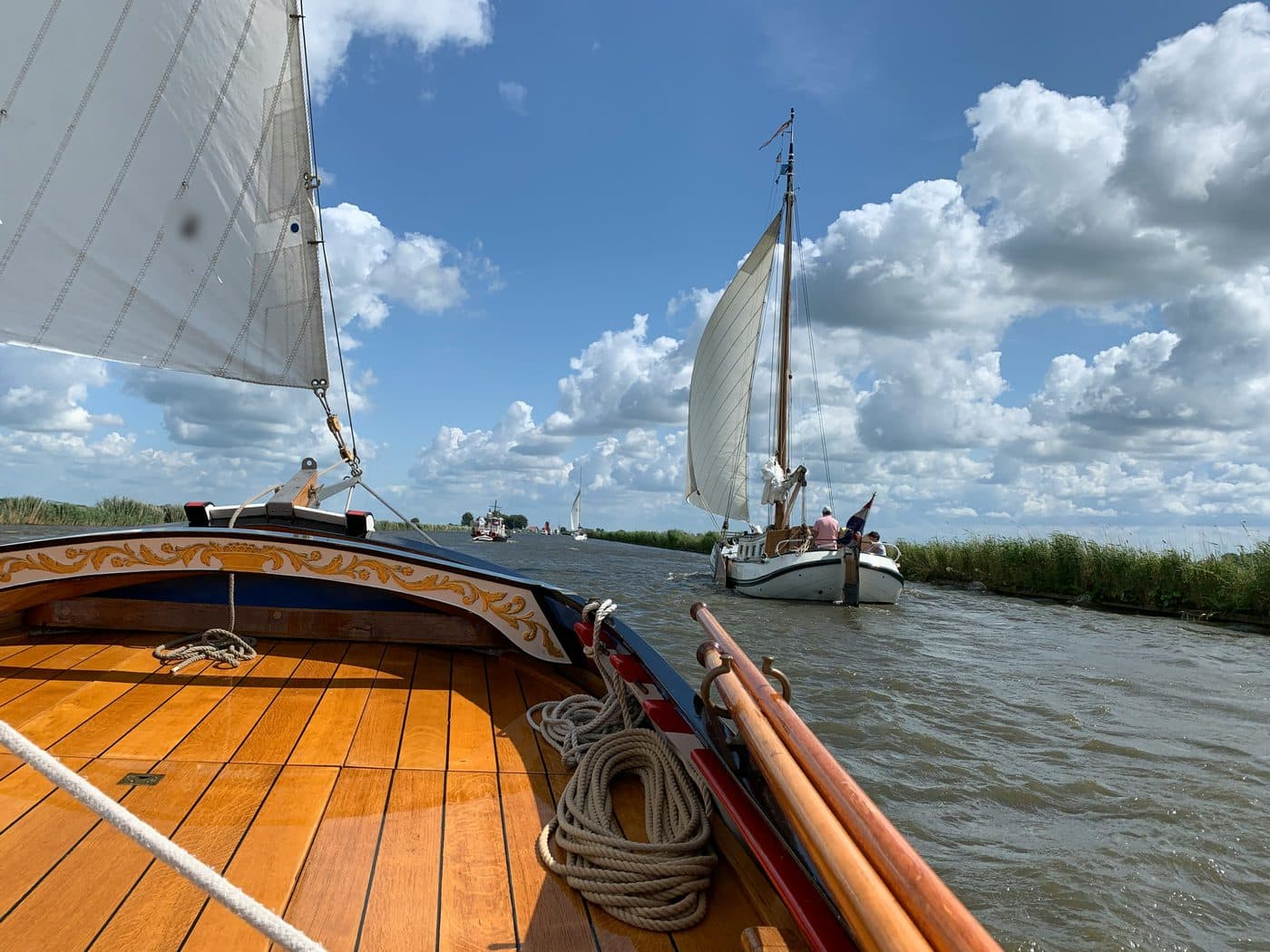
Four islands across the Wadden Sea, Texel, Vlieland, Terschelling and Ameland, with their lighthouses, dunes and North Sea beaches; on the mainland, the lakes and small towns of Friesland, from Sneek’s Water Gate to Sloten and Lemmer; and, across the border in Overijssel, the thatched farmhouses and canals of Giethoorn.
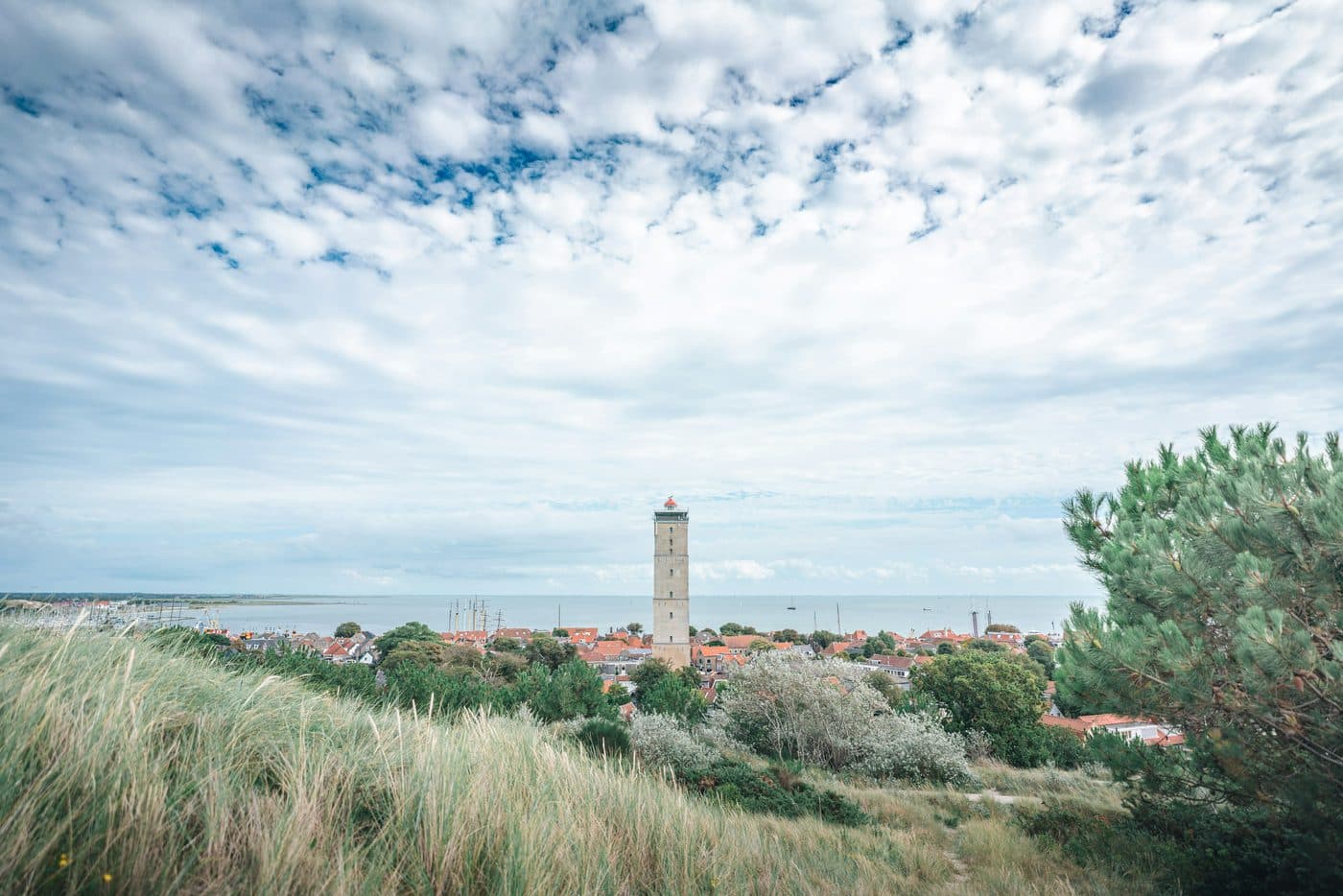
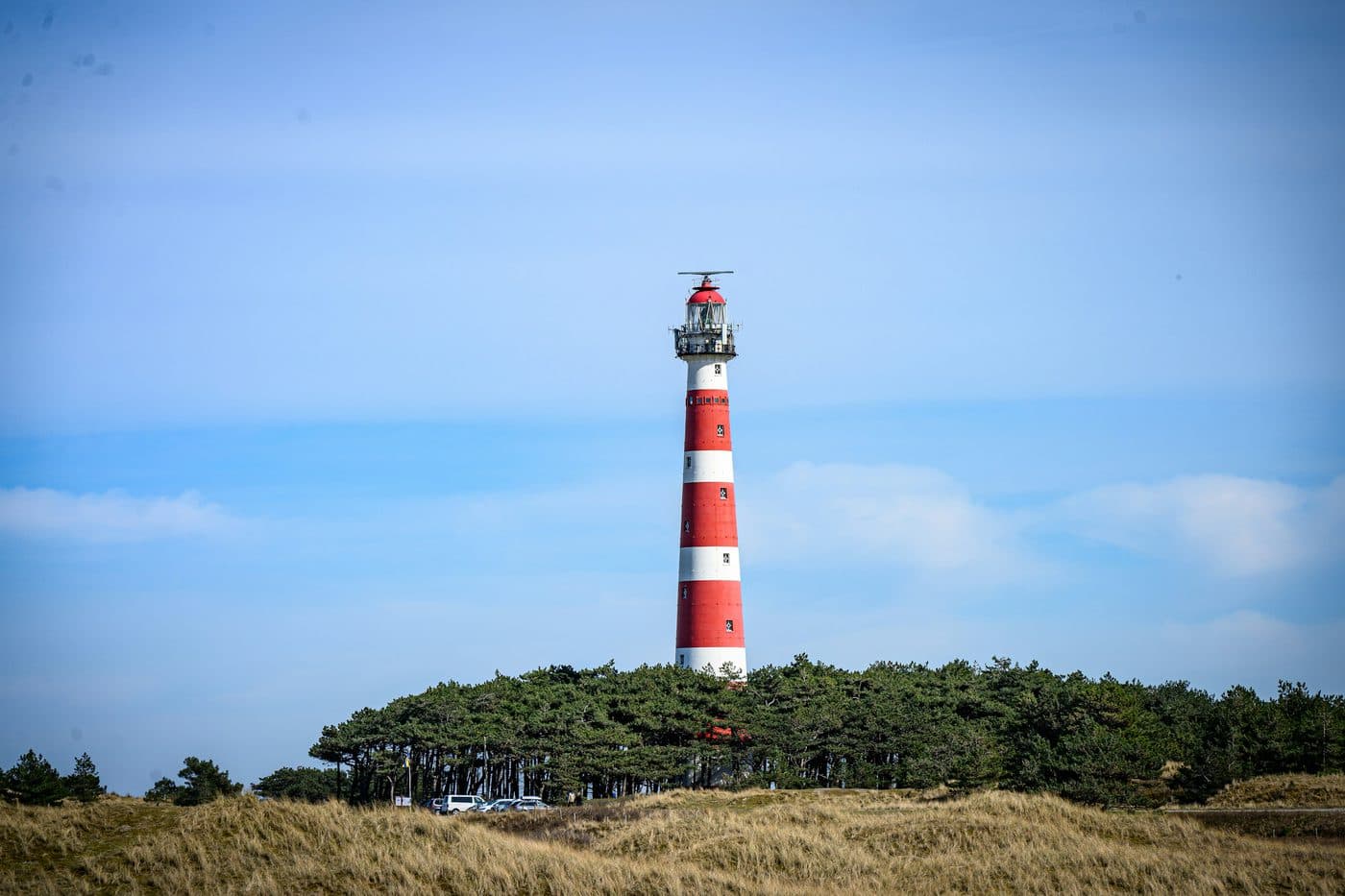
The Wadden Sea, a World Heritage site since 2009, lies between the mainland and a chain of islands; Texel is reached by ferry from Den Helder, Vlieland and Terschelling from Harlingen, Ameland from Holwert. The Brandaris on Terschelling has been a lighthouse since 1594 and is still manned day and night as the sea traffic centre for the whole Wadden area, and Ameland’s red-and-white tower at Hollum was first lit in 1881. On the mainland, Friesland is a province of lakes and waterways: Sneek’s Water Gate dates from 1613, Sloten is the smallest of the eleven Frisian cities, and at Lemmer the Woudagemaal, the largest steam pumping station still in working order, has been World Heritage since 1998. To the south-east, in Overijssel, Giethoorn strings its farmhouses along both sides of a narrow canal, their plots linked by footpaths and wooden footbridges, beside the lakes and marshes of the Weerribben-Wieden National Park.
Couples who live in the Netherlands can marry in any municipality they choose, and the islands offer rooms few town halls can match: the second floor of Ameland’s lighthouse, for up to 25 people, Terschelling’s Westerkerk, for up to 400, or a beach beside a beach pavilion; Texel allows almost anywhere on the island. On the mainland, De Fryske Marren also marries couples on a moored boat or in the open air, and Steenwijkerland, Giethoorn’s municipality, at a place of their choosing, never on a boat under way. Couples from abroad come for a ceremony of their own in the dunes or by the water. In the Netherlands a marriage is legal only before a municipality’s registrar or a registrar appointed for the day (BABS), in public at the town hall or another place the municipality has designated, and a religious ceremony may only follow it; and a couple can give notice of marriage only if at least one partner is Dutch or lives in the Netherlands, so two partners who are both foreign and live abroad sign the papers at home and hold a ceremony of their own here.
Photographers
They still have dates open here. Their whole weddings and free dates are on their pages.
See all 3 photographers



Booking through Lens & Vows
Through the year
May, June and July are the surest months on the islands. In the Royal Netherlands Meteorological Institute’s (KNMI) 1991–2020 normals for Hoorn, on Terschelling, rain (1 mm or more) falls on about nine days a month in May and June and on nine or ten in July, the highs climb from 15 °C in May to 18 °C in June and 21 °C in July, and May has the most sun of the year, eight hours a day. August is the islands’ warmest month, at 21 °C, but brings more rain, 86 mm on eleven days; inland at Leeuwarden, the Frisian capital, summer is about a degree warmer, and August is the wettest month, with 94 mm. Wind belongs to the islands: on Terschelling the hourly wind reaches force 6 on four or five days a month in summer and on 13 or 14 in December and January, about a hundred days a year, against 38 at Leeuwarden.
Weather station: Terschelling, normals 1991–2020 · Checked 3 November 2026
Places
The kinds of places — ask your photographer which ones they know well.
Terschelling marries couples in its town hall, for 75 seated, in a hidden Mennonite church of 1850, for 125, and in the Westerkerk, for 400. A place of your own can be almost anywhere, the open air included, for instance on the beach near a beach pavilion, provided a building stands within 50 m; ask three months ahead, and expect no tents. Nobody marries on the island of Griend or in the nature reserve east of the Wierschuur. Ceremonies cost €324.86 on weekdays and €758.42 on Saturdays at the fixed places, €616.90 and €1,042.52 at a place of your own; a registrar of your choosing must already work as one in another municipality and hold the ceremony at least in Dutch (fees as of November 2026). The Brandaris is not open to visitors and, while it is renovated, not a wedding place. On Vlieland, where visitors may not bring cars, the municipality publishes no list of wedding places, so ask it early, and ask Staatsbosbeheer and Rijkswaterstaat, who own the beach. Out on the flats, walking is banned without a licensed guide, except a short way onto a sandbank or salt marsh by the island’s own shore.
Ameland’s lighthouse at Hollum, first lit in 1881, can be climbed, and its wedding room on the second floor, up a long spiral stair, takes up to 25 people; the island also marries couples in its town hall at Ballum, in the Mennonite church at Nes and in a hut in the dunes of Het Oerd. A place of your own must be a permanent building with a covered room, so not the open beach. Ameland marries couples from Monday to Saturday, for €304.95 on weekdays and €636.80 on Saturdays. Texel lets couples marry almost anywhere public whose owner agrees, with an indoor alternative if outdoors, never on an unmoored boat, for €464.75 on weekdays and €876.25 on Saturdays, or €385.65 and €797.15 in the town hall, where no rice, confetti or petals may be thrown (fees as of November 2026). In the Dunes of Texel National Park, ask Staatsbosbeheer before any bridal shoot. The Georgian cemetery on Texel’s Hoge Berg and the war graves in the cemeteries of Den Burg, West-Terschelling, Vlieland and Nes are places of remembrance, not backdrops.
Súdwest-Fryslân marries couples in the town halls of Sneek and Workum, for up to 40, and in Sneek’s council chamber, for up to 100, never on Sundays or public holidays and with no rice or confetti, for €467.50 on weekdays and €964.45 on Saturdays; a place of your own, arranged two months ahead, may be on its grounds or on deck if covered shelter is close by. Its registrars write speeches in Dutch, Frisian or English, and one in Hindeloopen’s own tongue, Hylpers. De Fryske Marren, the municipality of Sloten and Lemmer, charges €316.80 on weekdays until 5 and €608.85 later or at weekends, plus €120.70 at a place of your own, outdoors or on a moored boat, booked between a year and six weeks ahead (fees as of November 2026). Sloten keeps its ramparts and a corn mill on the bastion; and at Lemmer the Woudagemaal opens from Wednesday to Saturday by online booking and bans drones over the pumping station.
Steenwijkerland marries couples in its town hall in Steenwijk, for up to 65, and at a place of their choosing on any day, for €549.80 on weekdays, €1,072.70 on Saturdays and €1,340.85 on Sundays; outdoors needs covered shelter within 100 m, and a boat under way is not allowed. Unlike the islands and the Frisian lake towns, it will swear in a friend or relative as your registrar for the day, on the last Wednesday of the month, for €354.10, asked for at least three months ahead (fees as of November 2026). In Giethoorn the farmhouses face the water on narrow plots, and the gardens are private, like many of the bridges: keep to the public paths and ask before stepping onto a lawn. Around the village, in De Wieden, Natuurmonumenten asks for paid permission for any wedding reportage and allows no drones; in the Weerribben, Staatsbosbeheer wants activities reported six weeks ahead.
Light
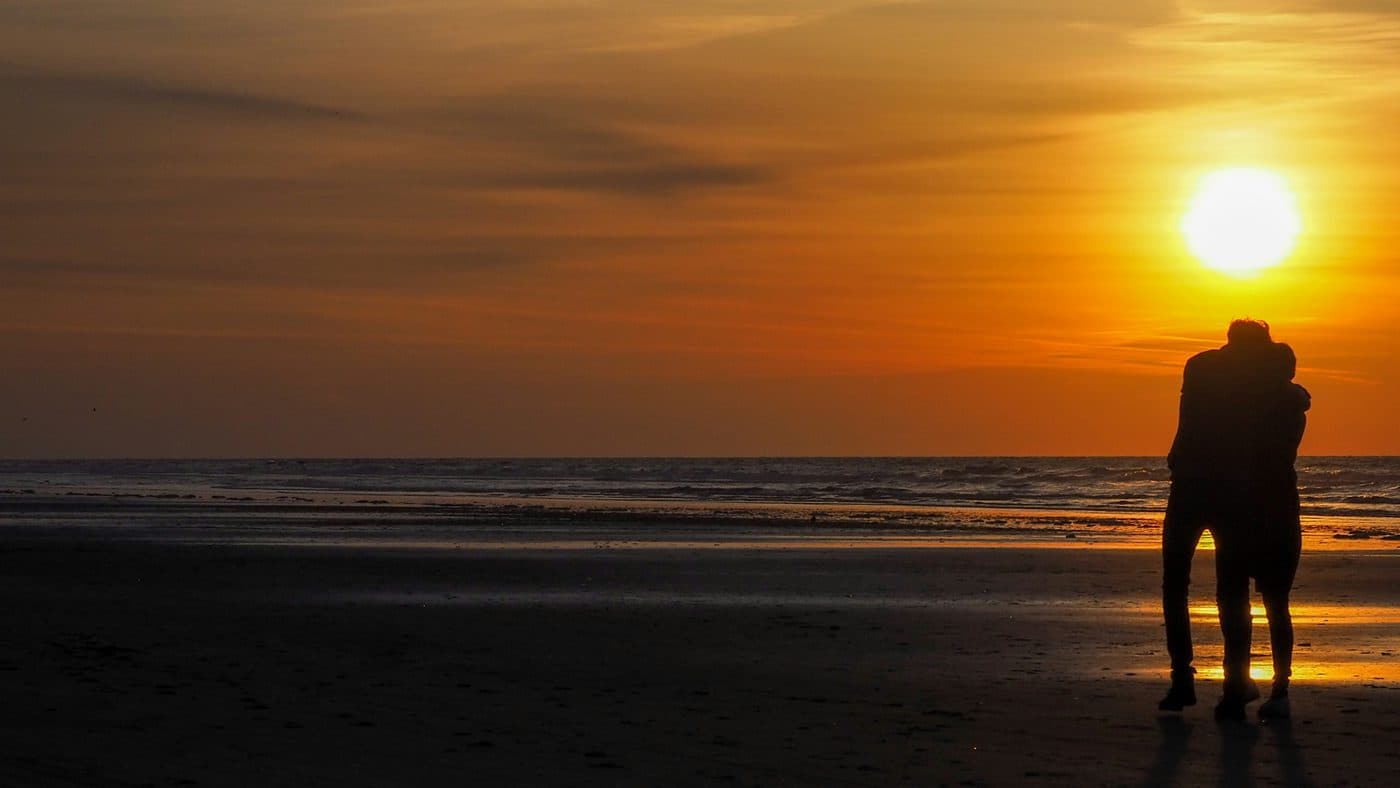
The islands’ North Sea beaches face north-north-west, so from spring to early autumn the sun sets over the sea: on Terschelling at midsummer at ten past ten, far round in the north-west, still ten degrees up at a quarter to nine, and the sky stays light until just after eleven. In mid-May it sets at about half past nine and in mid-September just before eight. At midwinter it rises at about ten to nine and sets at about twenty past four, low in the south-west, and climbs no higher than 13 degrees. Giethoorn, further south-east, loses it a few minutes earlier. Terschelling averages eight hours of sun a day in May and two in December. After dark, the Boschplaat, the Netherlands’ first Dark Sky Park since 2015, is a place for portraits under the stars, outside the breeding closures.
Travel
TESO’s ferry crosses from Den Helder to Texel in about 20 minutes every hour, without booking; Rederij Doeksen sails from Harlingen to Terschelling in about two hours, or 50 minutes by fast boat, and to Vlieland in an hour and 35, or 45 minutes; Wagenborg sails from Holwert to Ameland in about 50 minutes, or 20 to 25 by fast boat, passengers only. By train from Schiphol, Den Helder is about an hour and a half away with one change, Steenwijk an hour and three-quarters and Leeuwarden two and a quarter hours, both with a direct train every hour, and Harlingen Haven, by the ferries, about 2 hours 50 with two changes. Bus 66 runs from Leeuwarden to the Ameland ferry and waits for it; from Steenwijk station, buses reach Giethoorn in about 15 minutes. By road it is 89 km from Schiphol to the ferry at Den Helder, 122 km to Harlingen, 171 km to Holwert and 126 km to Giethoorn. Drones follow the EU’s rules: the operator registers in the EU country where they live (in the Netherlands with the RDW; from outside the EU, in the first EU country they fly in), even for a camera drone under 250 g, holds the A1/A3 certificate from 250 g, and flies in sight, below 120 m, by day and never over a crowd. In the open category nobody may fly over government buildings, railways, roads of 80 km/h or more, events, the areas around airports, or the Natura 2000 areas where the province or the manager forbids it; until 25 November 2026 the open category is barred from every airport control zone, and from 26 November it may fly in the outer parts of the civil ones, more than about 5 km from the airport, while the military ones stay closed. The military zones around Den Helder’s ferry port and Leeuwarden stay closed on both sides of that date. The Wadden Sea is closed to drones below 450 m, and the official zone map draws that zone over all four islands, beaches included. Check GoDrone or the government’s Aeret map before any flight.
Plan
Netherlands