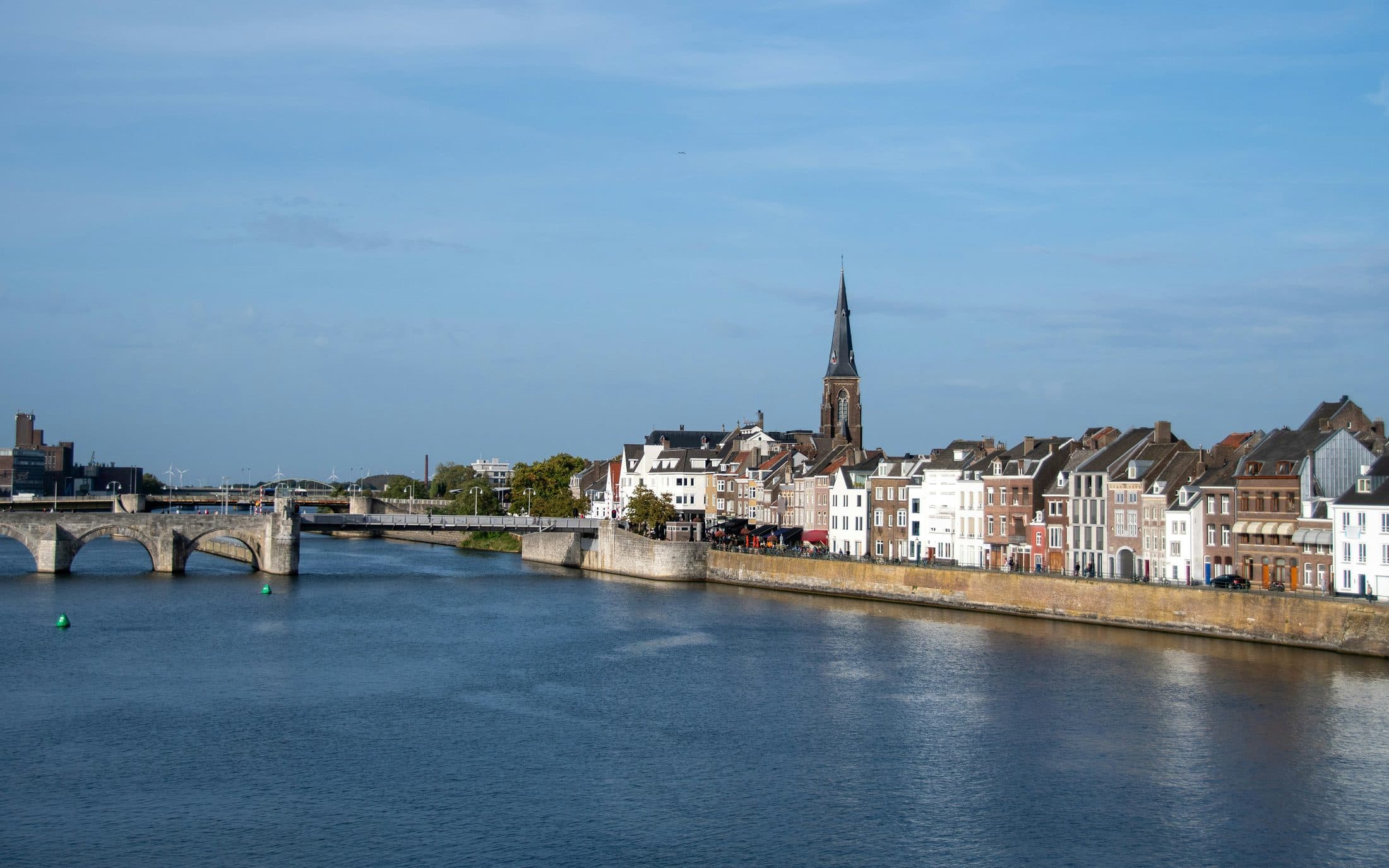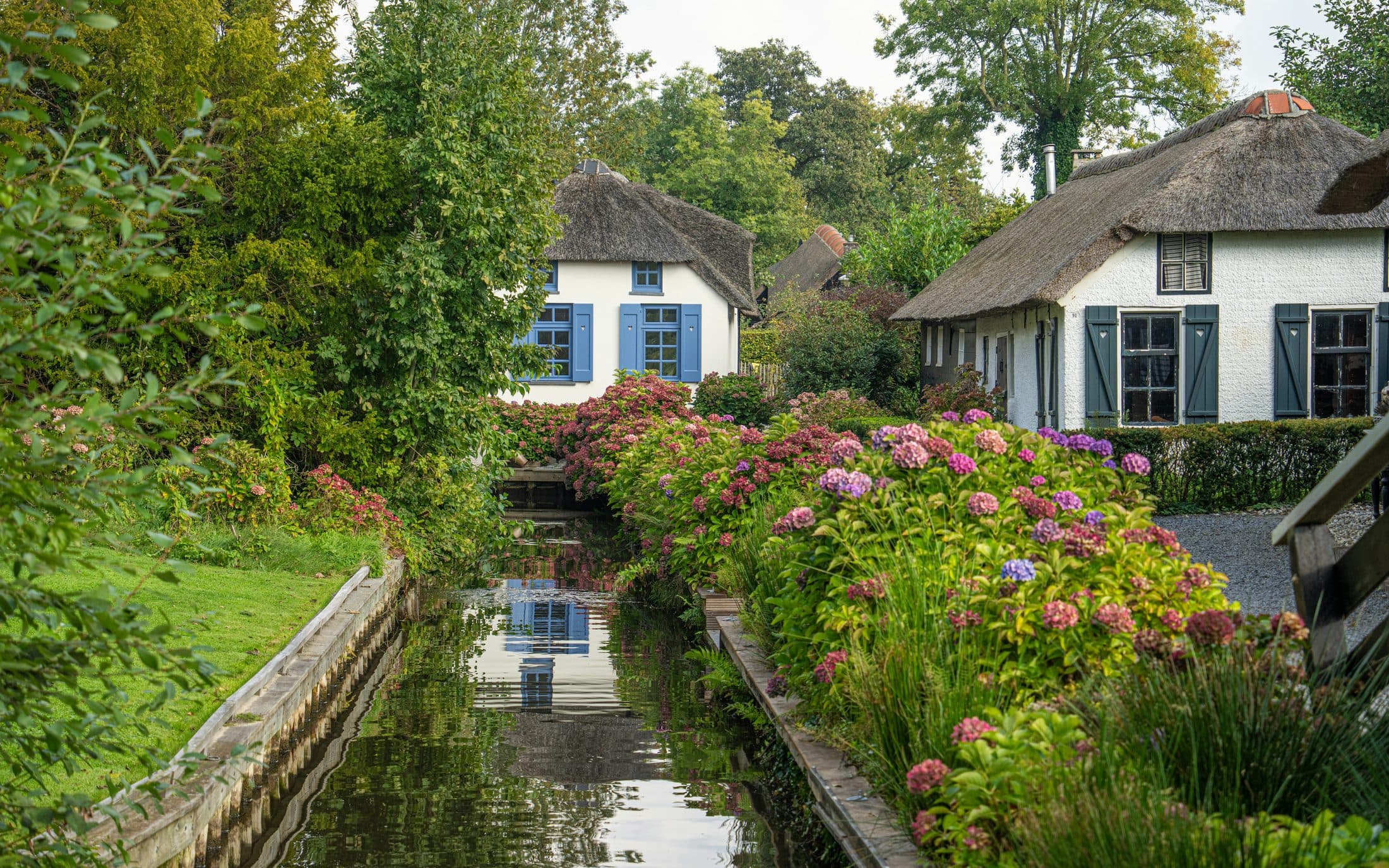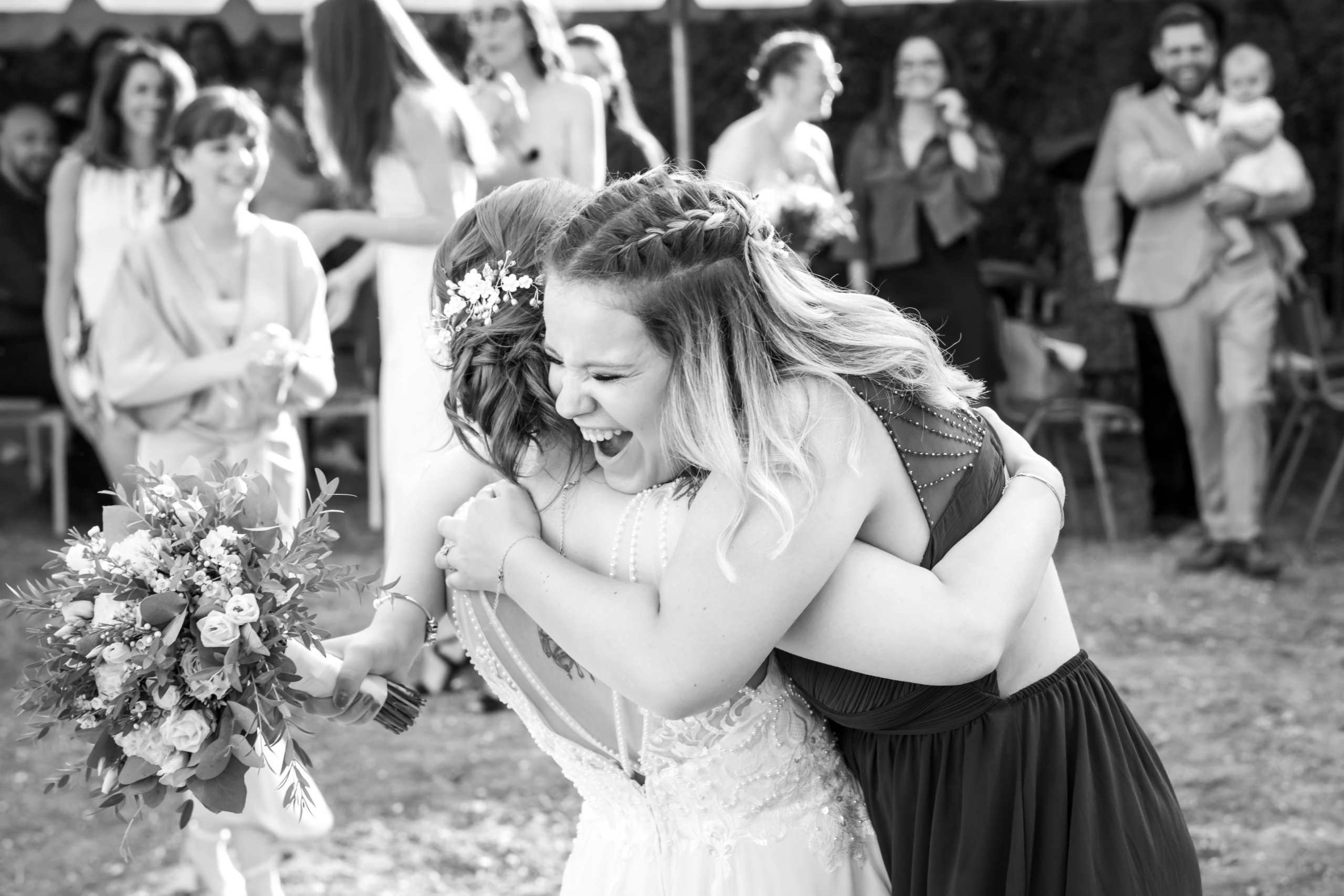
Founding photographerVerified — Identity verified by Lens & Vows

Joseph J.from €1,000
Amsterdam & Haarlem, Rotterdam, The Hague & Delft +36 · Documentary, EditorialBased in France · travels to weddings in the NetherlandsWedding photographers in the Netherlands
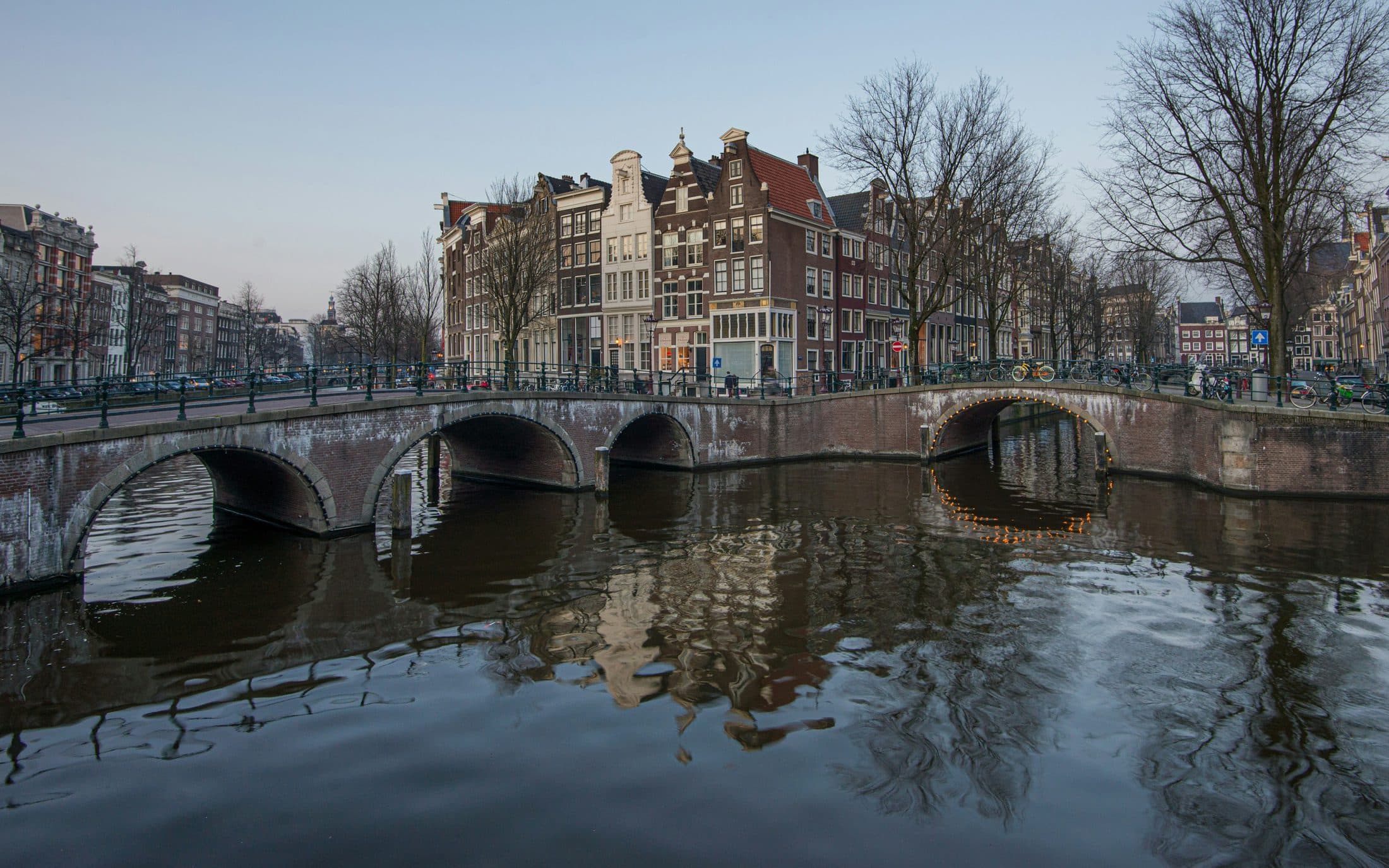
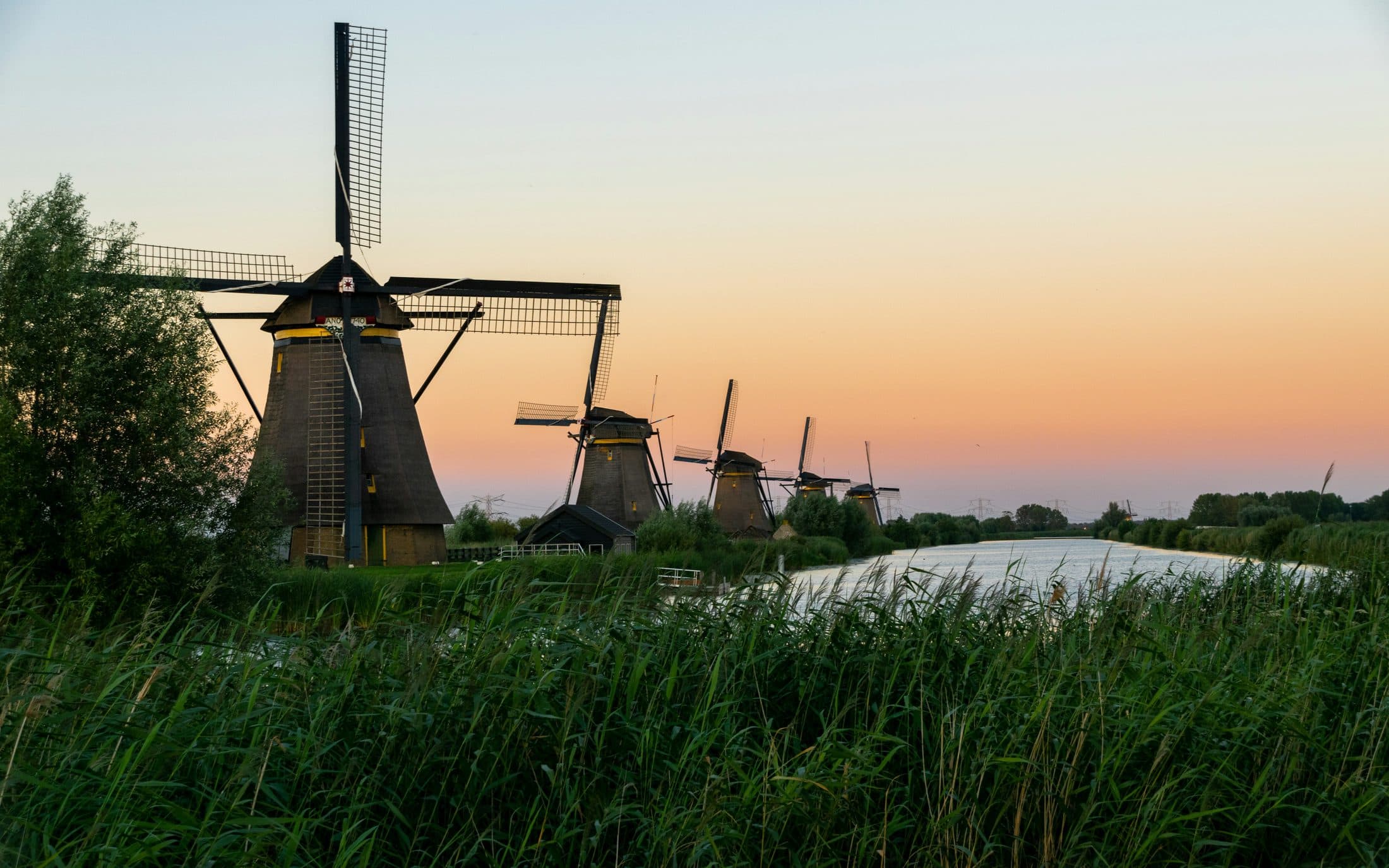
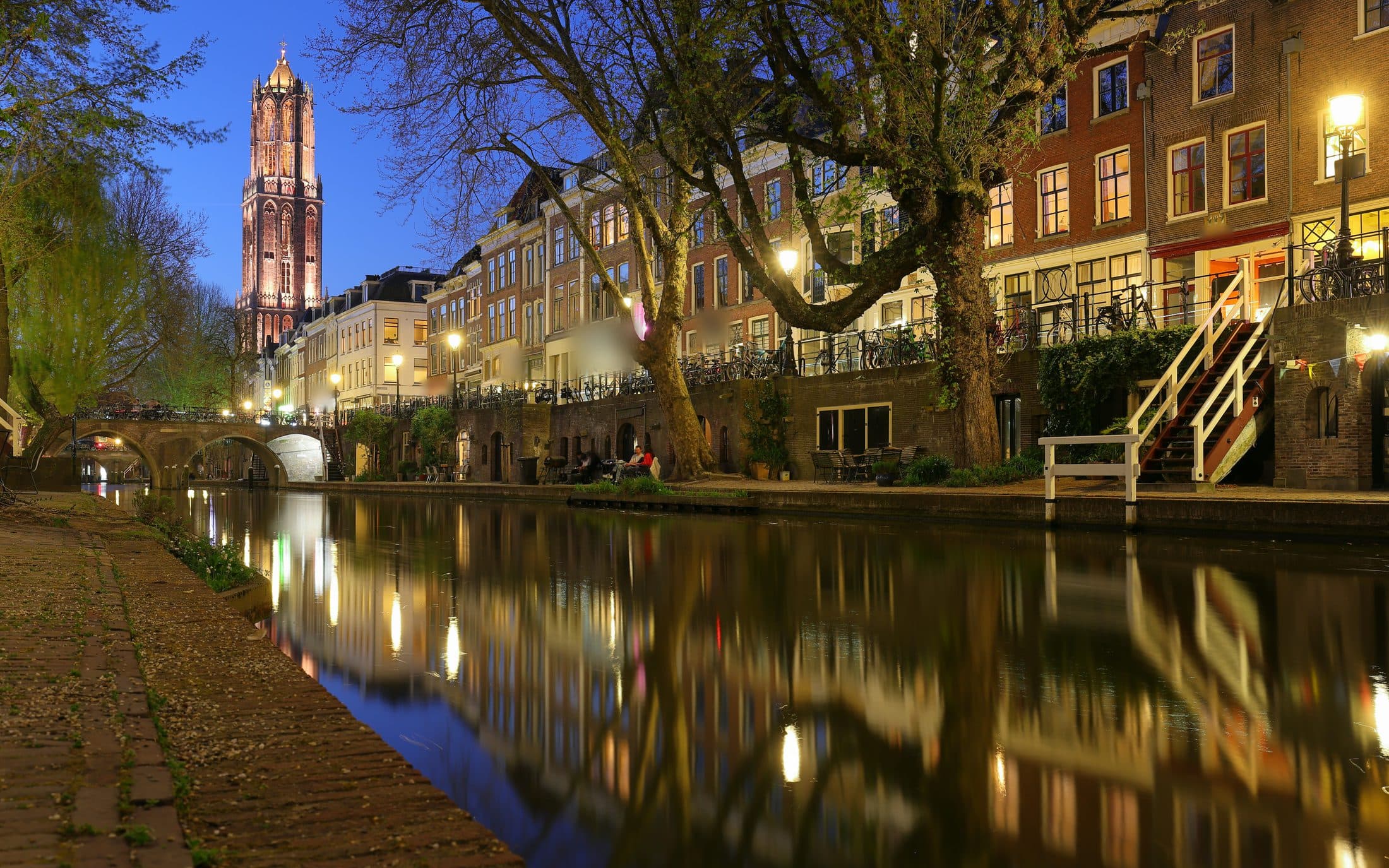
Amsterdam’s canal ring and its town hall on the Amstel, Haarlem’s gables a quarter of an hour away by train, the windmills of the Zaanse Schans, the dunes and beaches at Bloemendaal and Zandvoort and, in spring, the bulb fields around Lisse and Hillegom.
Amsterdam’s canal ring was dug in the late 16th and the 17th centuries: canals in concentric arcs to the west and south of the medieval town, lined with tall gabled houses, inside the outer canal called the Singelgracht. UNESCO listed it in 2010 as the Seventeenth-Century Canal Ring Area. The Amstel runs through the centre to the town hall, where the city marries many of its couples. Haarlem, a quarter of an hour west by train, keeps its own old town around the Grote Markt and its town hall. North of Amsterdam, the Zaanse Schans is a heritage village of green wooden houses and windmills by the water; west of Haarlem lie the dunes of the Zuid-Kennemerland National Park and the North Sea beaches at Bloemendaal aan Zee and Zandvoort; and to the south-west, around Lisse and Hillegom, the bulb fields flower in long stripes of colour each spring.
Couples who live in Amsterdam marry at the town hall, at one of the city’s 216 official wedding locations, from churches on the canals and the Hortus Botanicus to windmills and boats, or at a place they have had designated for the day; Haarlem marries couples in its town hall on the Grote Markt or at a place of their choosing that the city approves. Couples from abroad come for a small wedding in the old centre with portraits on the bridges, or for a day among the windmills, the dunes or the tulips. In the Netherlands a marriage is legal only before a municipality’s registrar or a registrar appointed for the day (BABS), in public at the town hall or another place the municipality has designated, and a religious ceremony may only follow it; and a couple can give notice of marriage only if at least one partner is Dutch or lives in the Netherlands, so two partners who are both foreign and live abroad sign the papers at home and hold a ceremony of their own here. Amsterdam’s standard ceremony can be held in Dutch, German, English or French.
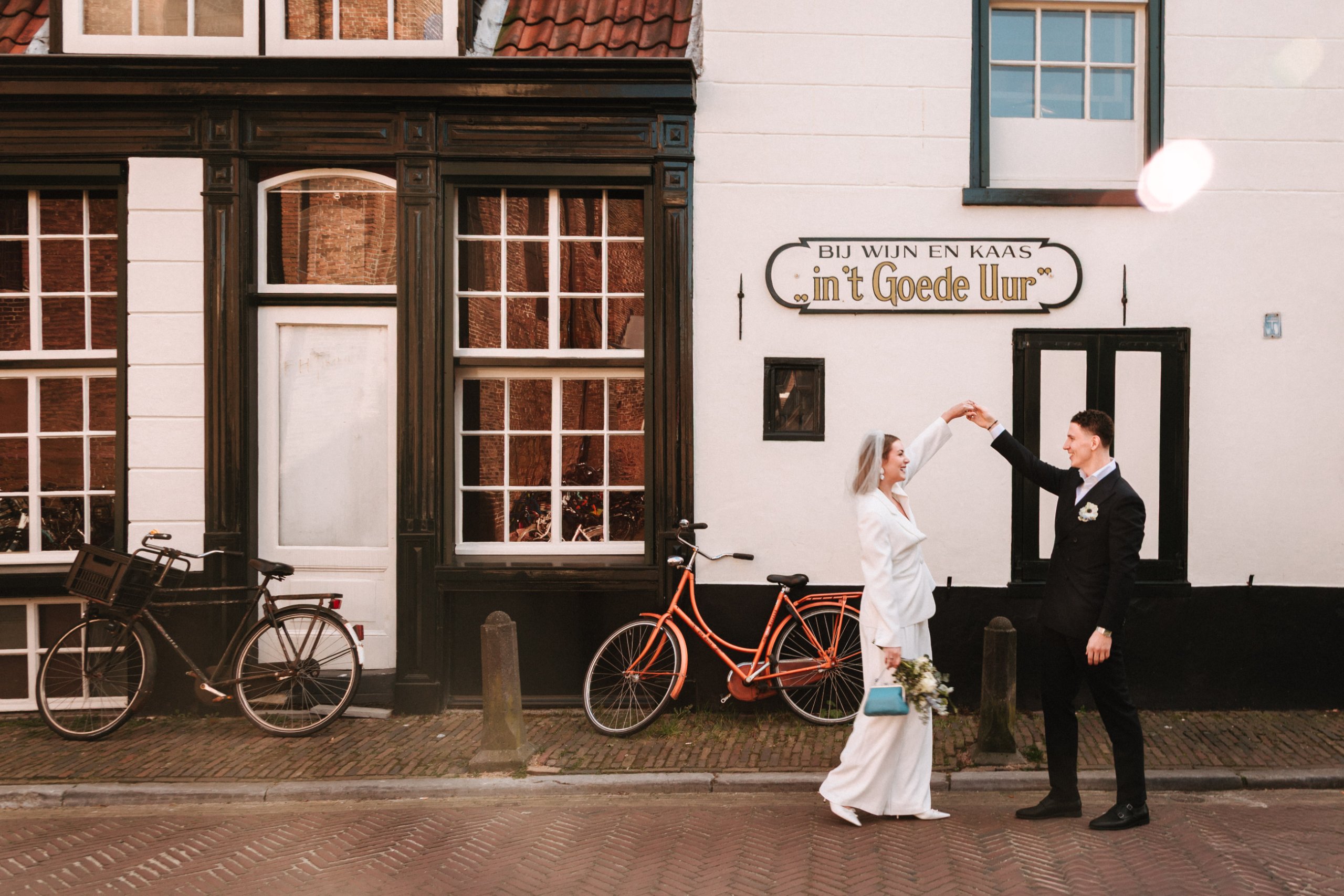
Photographers
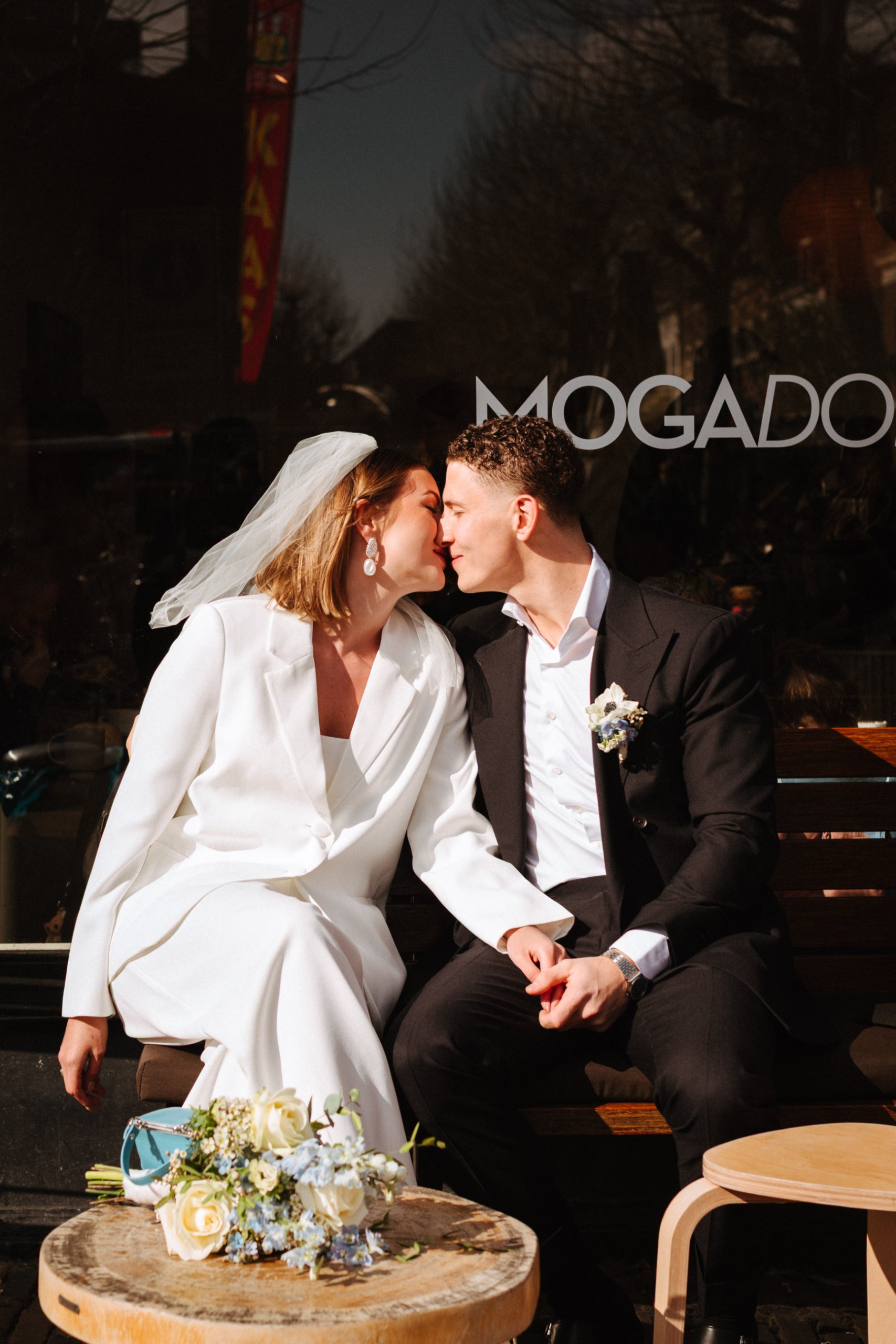
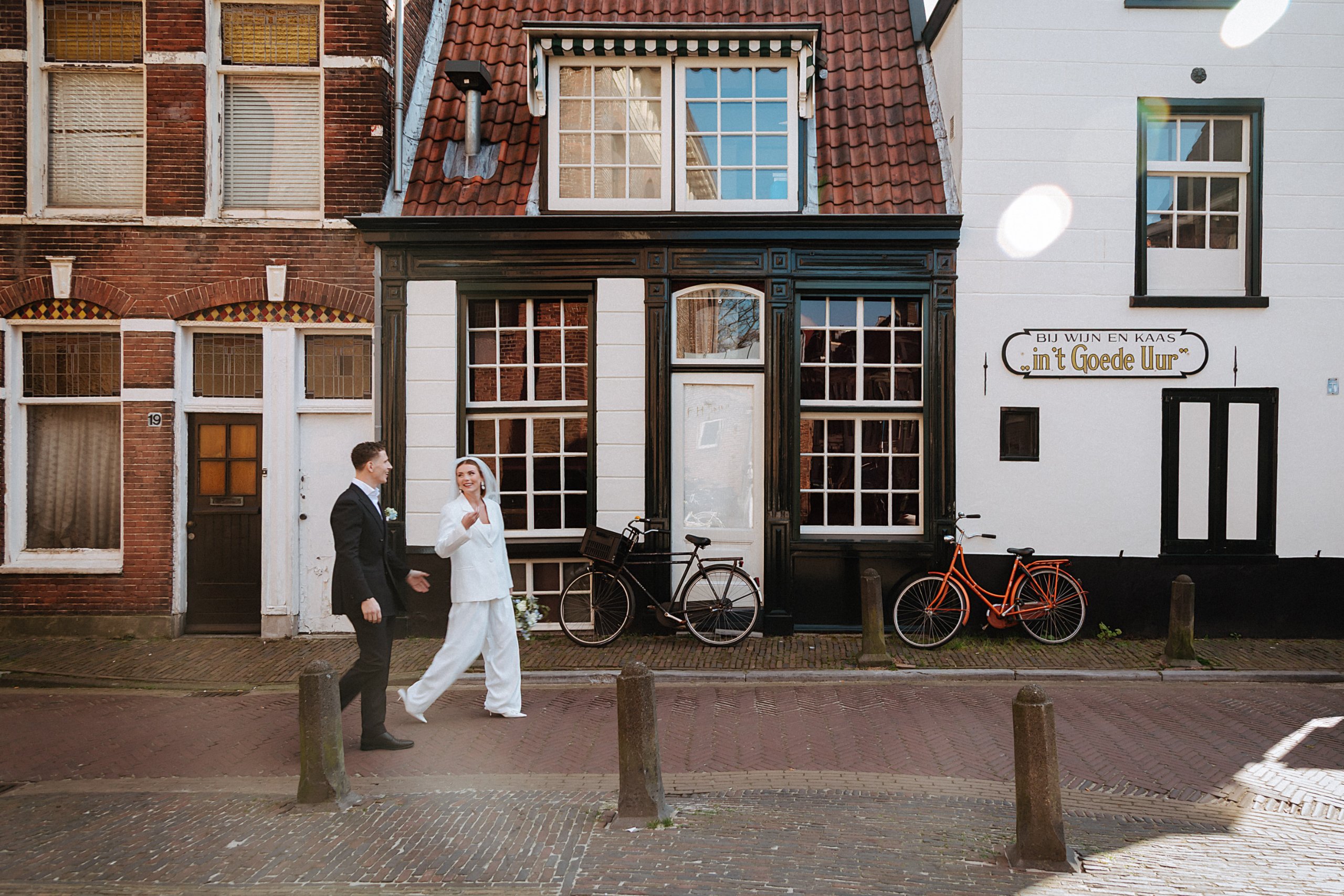
They shoot here and know the light. Their whole weddings are on their pages.
See all 5 photographers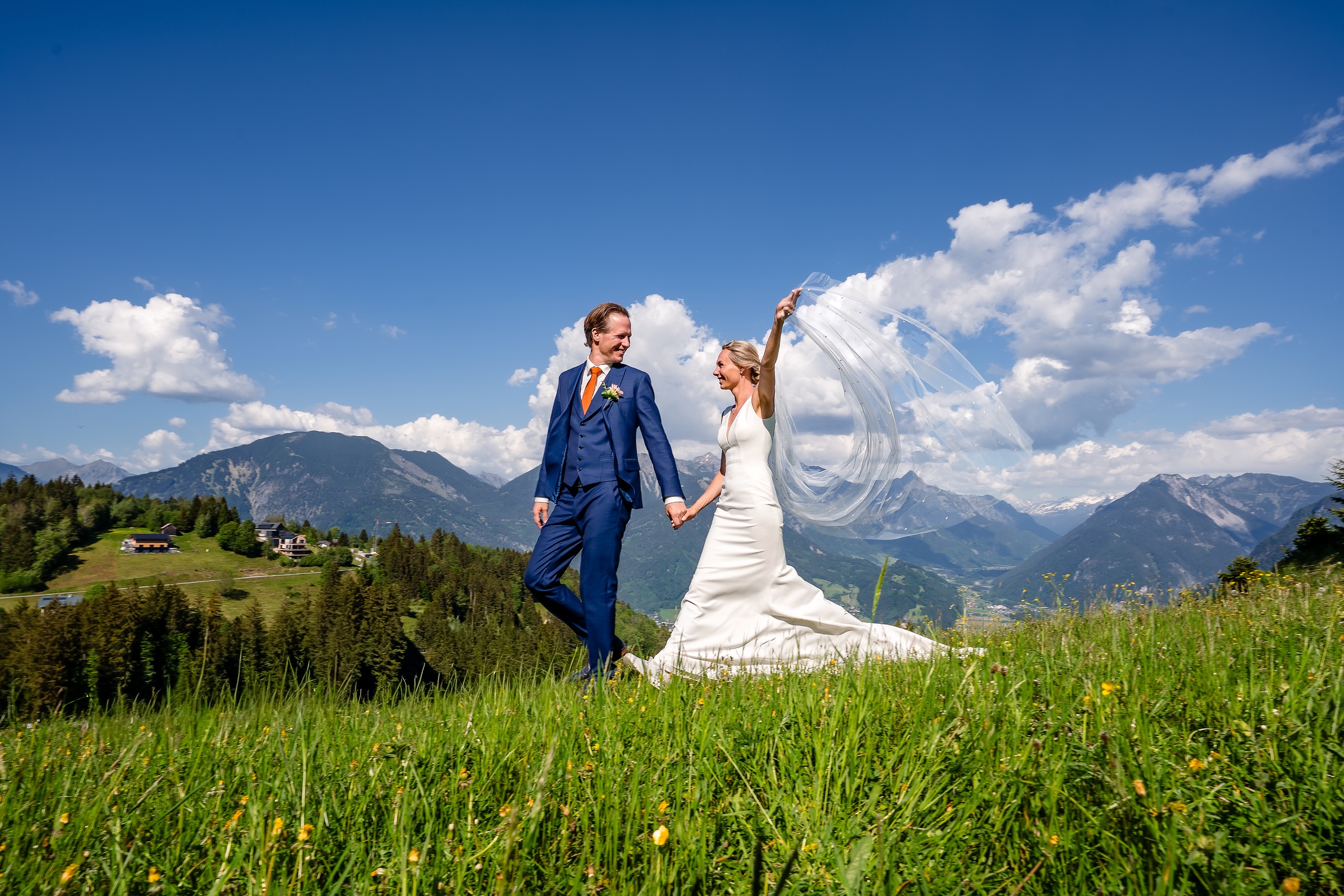

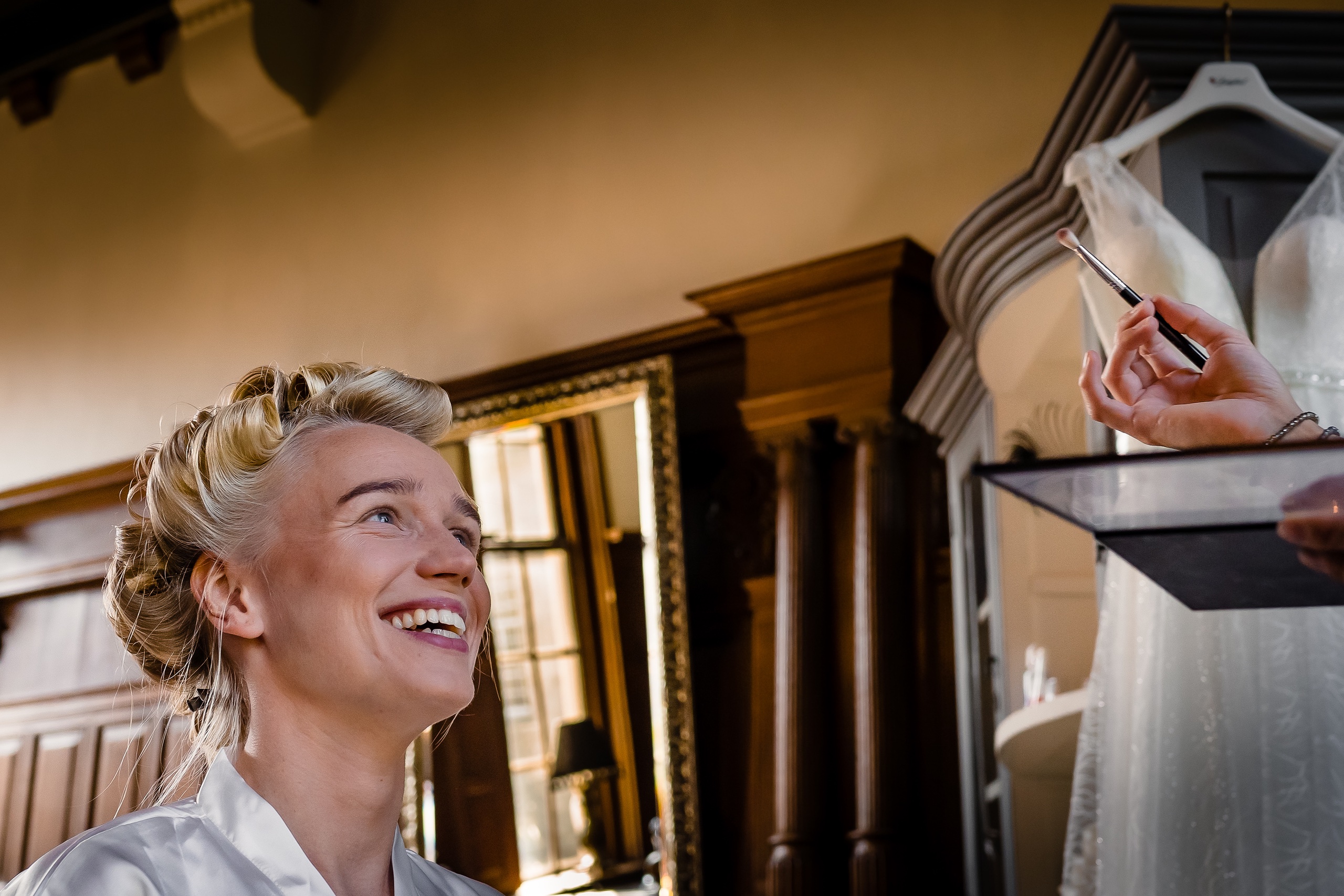
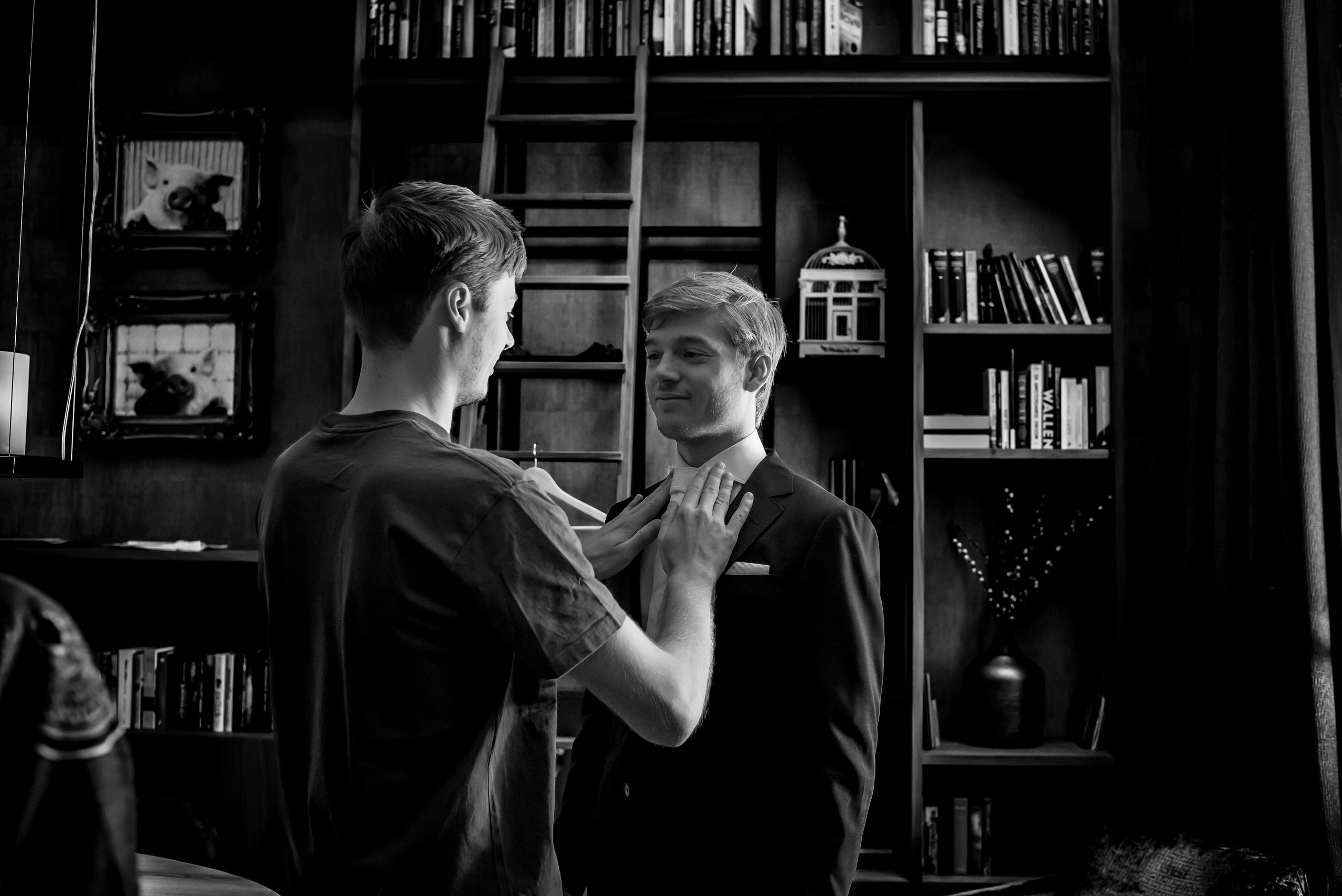
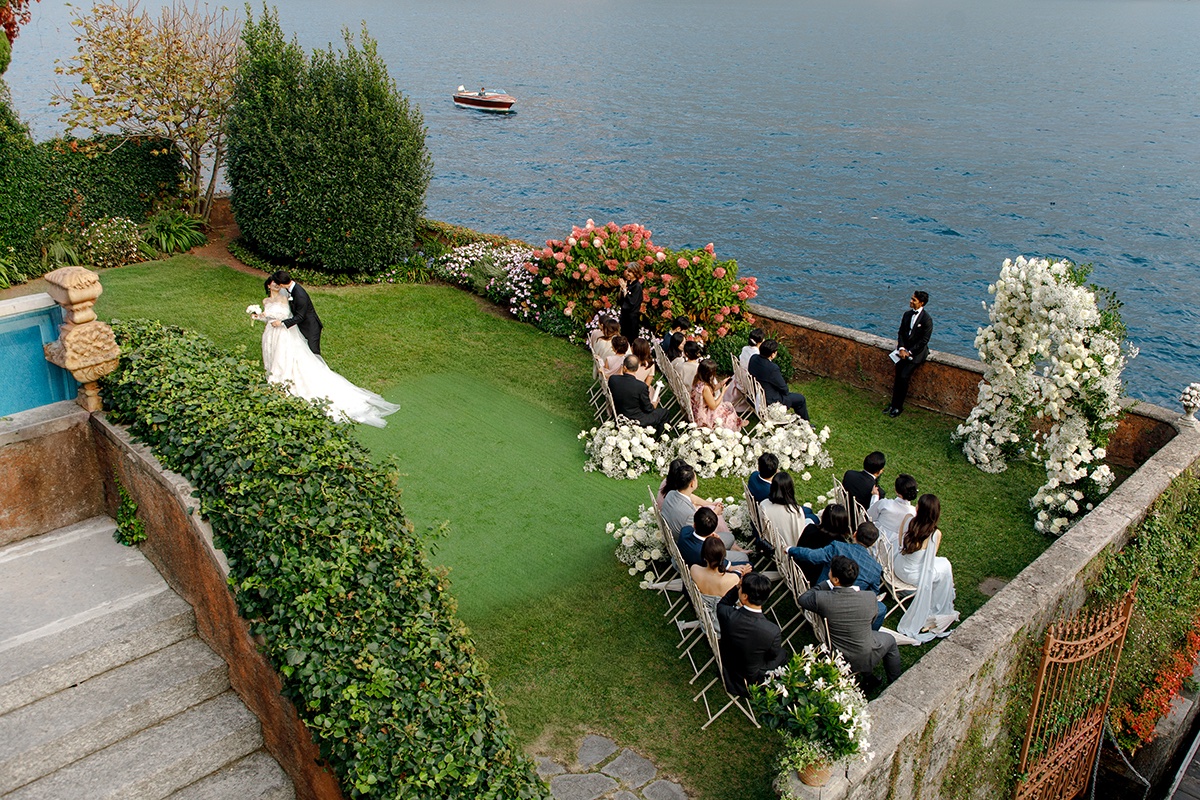
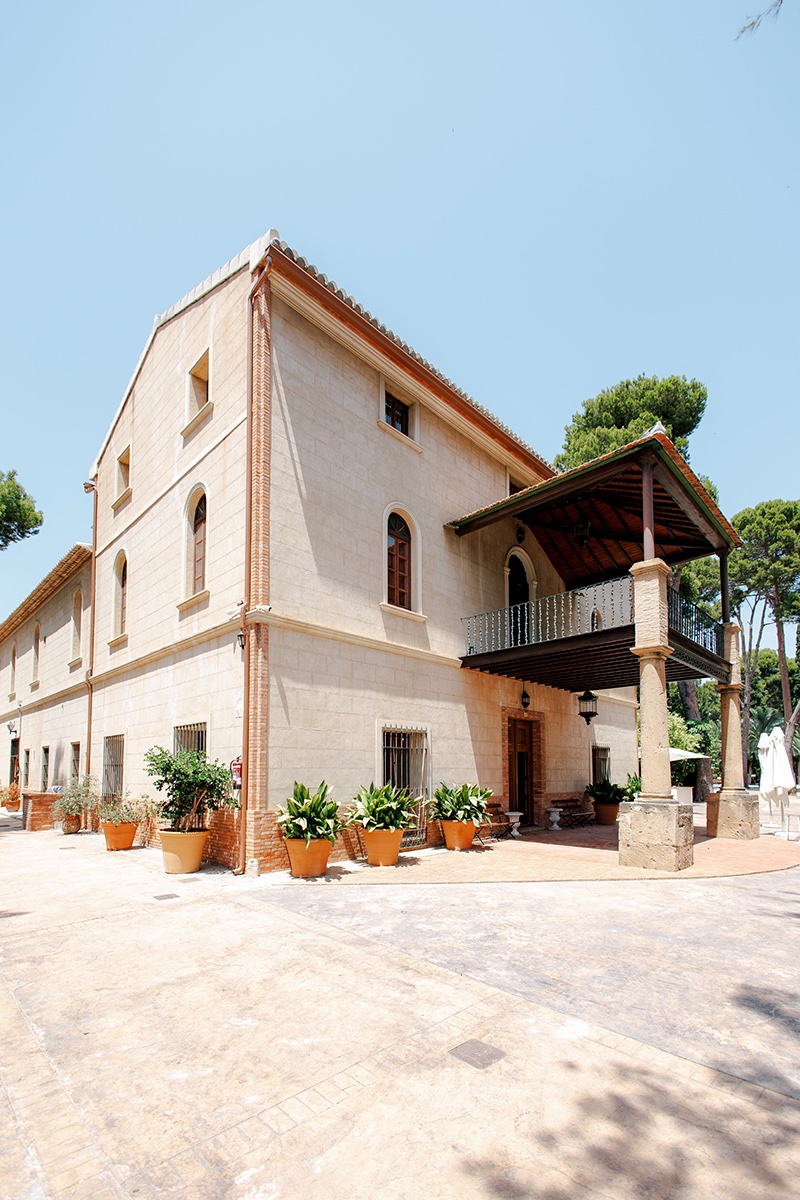




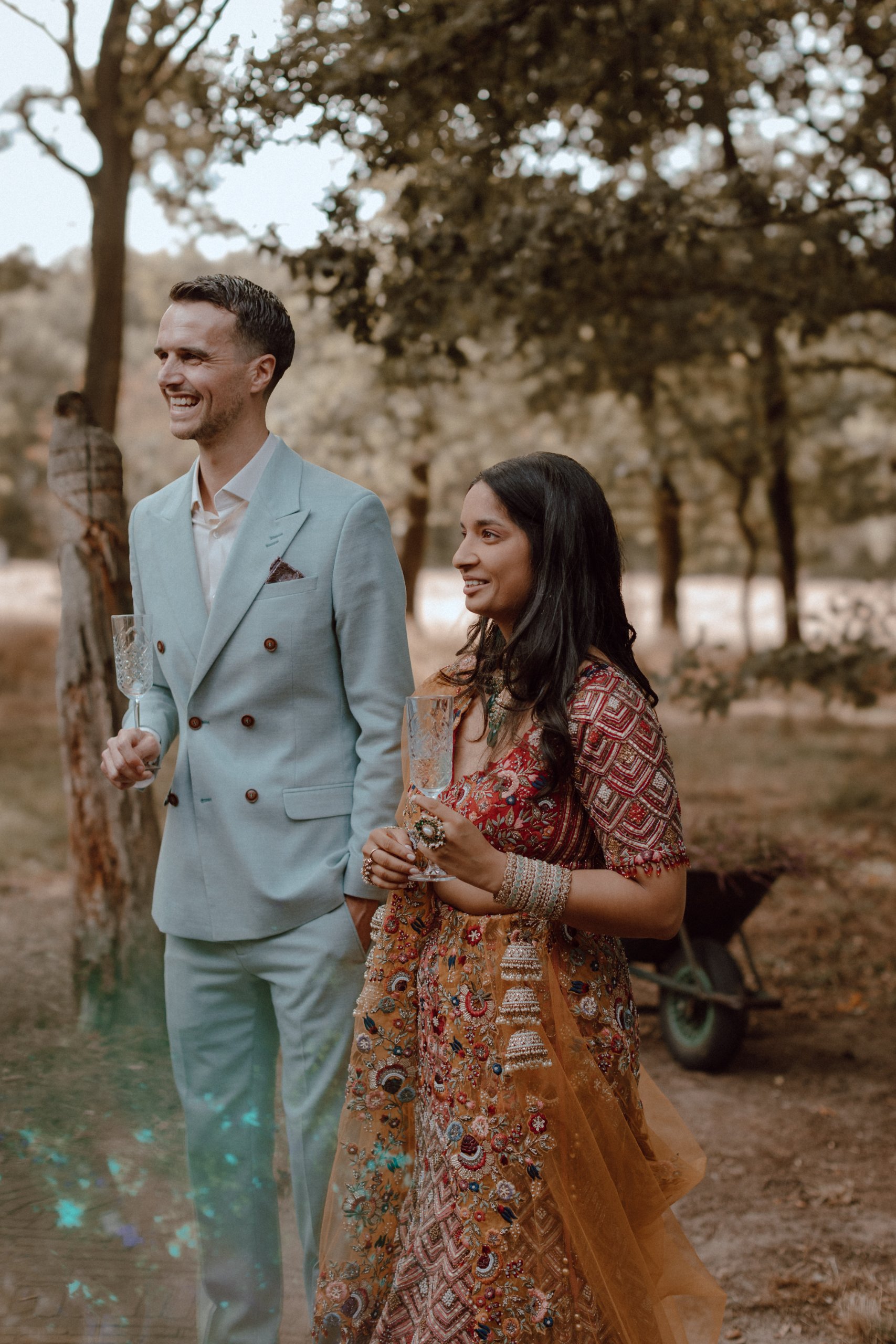

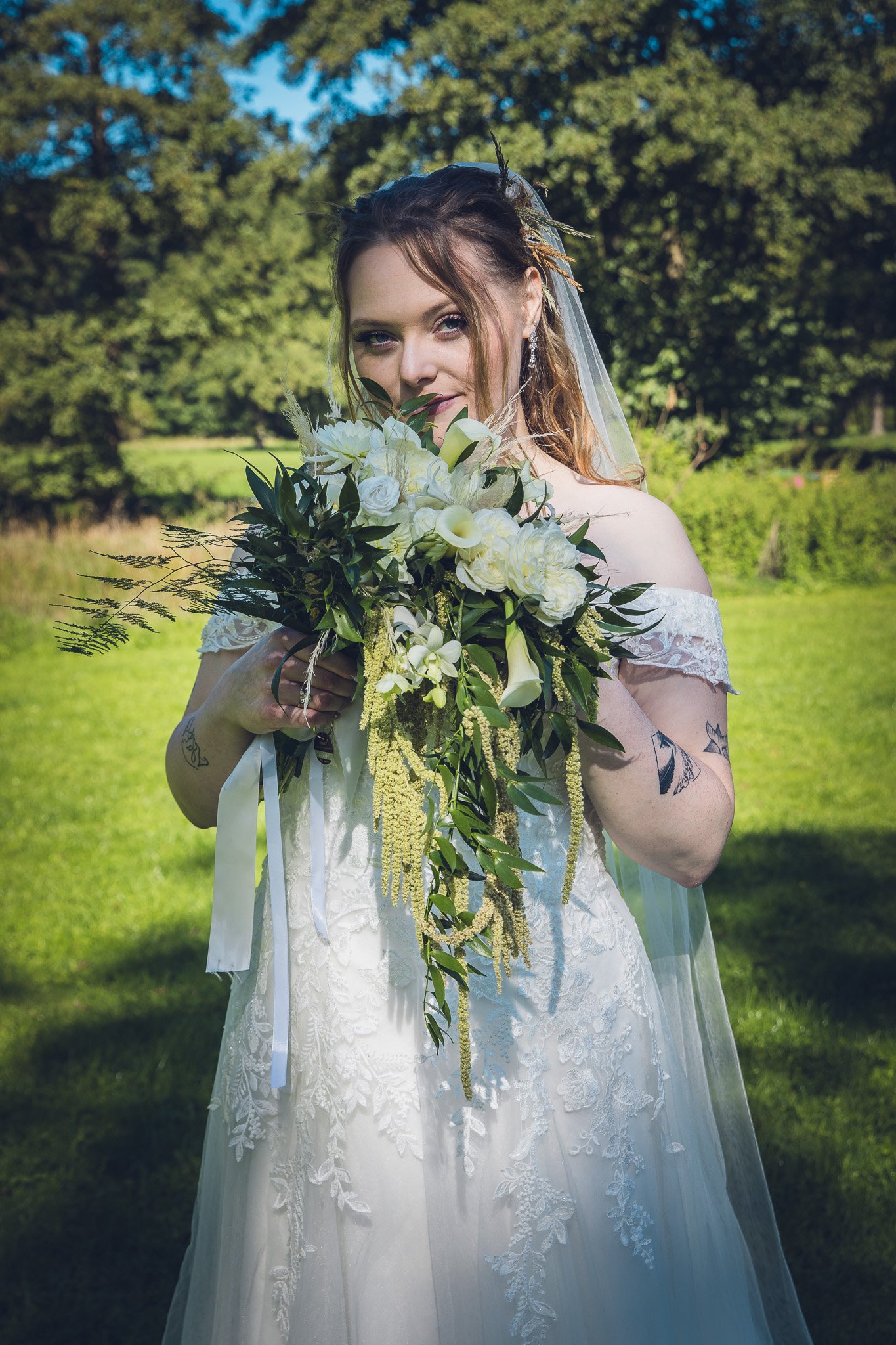
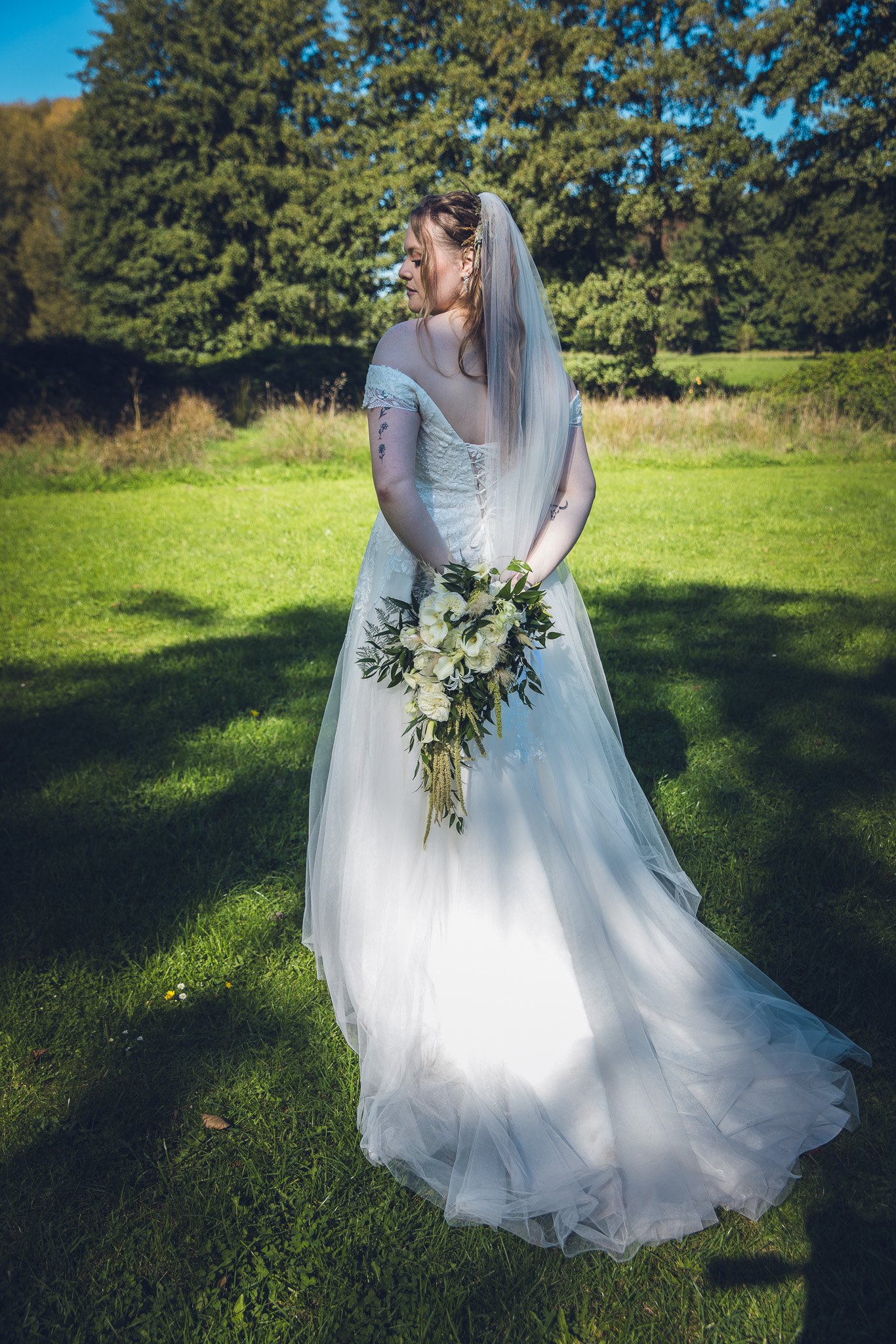
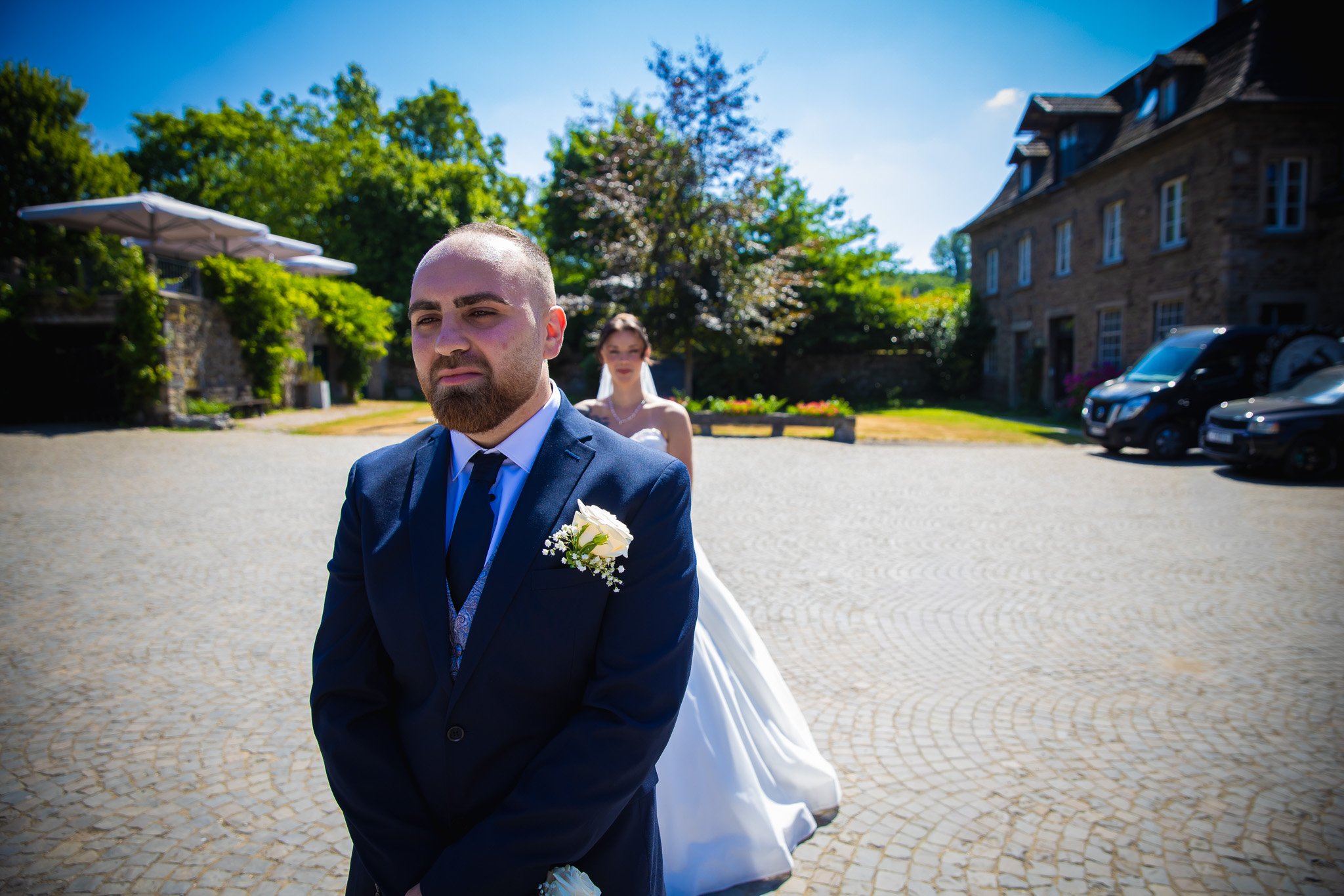
Booking through Lens & Vows
Through the year
May, June and September are the easiest months. In the Royal Netherlands Meteorological Institute’s (KNMI) 1991–2020 normals for Schiphol, highs reach about 18 °C in May, 20 °C in June and 19 °C in September, with rain (1 mm or more) on nine or ten days a month in May and June and on eleven in September, and May is the driest of the three, with 54 mm. July and August are the warmest, at about 22 °C, with a day or so of 30 °C or more each; August is the wettest month of the whole year, with 99 mm and about three days that bring 10 mm or more. April is the driest month of all, with 40 mm, but reaches only 14 °C, and October 15 °C, with rain on twelve days. From November to February the highs stay between 6 and 10 °C, rain falls on 11 to 14 days a month and the sun shines for two or three hours a day. Wind is the Dutch constant: the hourly wind reaches force 6 on about two days a month from May to September and on seven to nine from December to February. Amsterdam itself warns that dates in May, June and September fill fast.
Weather station: Schiphol, normals 1991–2020 · Checked 3 November 2026
Places
The kinds of places — ask your photographer which ones they know well.
The canal ring’s houses stand shoulder to shoulder along the water, with arched brick bridges across it, and the Keizersgracht and the canals that cross it give the classic views. Amsterdam’s marketing office says anyone taking professional photographs in the city must report it to the municipality in advance, through its press office, and that some shoots need a permit, for instance to close a road; ask early whether your portraits count. In and beside the ring stand places of remembrance: the house on the Prinsengracht where a Jewish family hid during the war, now a museum, the National Monument on Dam Square and, within a kilometre of the town hall, the Holocaust Names Memorial and the Hollandsche Schouwburg. They are not places for wedding pictures.
Amsterdam marries couples free on Tuesday mornings at its Stadsloket, a ceremony of about ten minutes in Dutch and English for up to 20 people including the witnesses and the photographer, with a long wait for a date. A budget ceremony, also about ten minutes, costs €200.40. The standard ceremony lasts about 45 minutes, lets you choose the place and bring your own registrar for the day, and costs €940.50 in a municipal wedding room on weekdays from 9 to 5, €893.40 at a location in the city on weekdays from 8 to 6 and €1,157.80 in the evening, at weekends and on public holidays (fees as of November 2026). The wedding room of the town hall takes 20 guests, photographer included, and forbids confetti, rice, doves, balloons and soap bubbles. Elsewhere the place must be one of the city’s official wedding locations or be designated for the day at least four months ahead, and it can’t be in public space: a canal bridge is for the portraits, not the vows.
Haarlem marries couples in two rooms of its town hall on the Grote Markt: the Librije, for up to 75 guests, 24 of them seated, and the Gravenzaal, for up to 140, 51 seated. A basic ceremony of at most ten minutes in the Librije, on Mondays to Wednesdays, costs €358; a personal ceremony of up to 40 minutes costs €707 in the Librije and €1,022 in the Gravenzaal on weekdays, and €1,022 and €1,304 on Saturdays from May to September; a place of your own choosing, approved by the city, costs €780 on weekdays from 9 to 6 and €865 at other times, plus the place’s own charges (fees as of November 2026). Haarlem marries nobody on Sundays, and on Saturdays the market fills the Grote Markt. West of the town, the Zuid-Kennemerland National Park is open from sunrise to sunset; walkers keep to the marked paths, drones are banned throughout, and photo shoots, like any commercial activity there, need a permit.
The Zaanse Schans, 18 km north of the canal ring by road, is a heritage village where people still live and work, and it welcomes wedding photos without asking for permission; only pictures inside a windmill or a museum, or of its crafts, need a request by email, and drones need its foundation’s permission. In the bulb country, Keukenhof opens from 18 March to 9 May 2027: photographs for personal use are allowed, any commercial use needs its written permission, professional shoots on the castle estate need its permission, drones are banned and nobody may step into the flower beds. The fields around it belong to the growers, and Keukenhof itself says walking into them isn’t allowed, because it damages the bulbs: take the pictures from the road. On Saturday 17 April 2027 the Bollenstreek’s flower parade closes several of the area’s roads from noon to five.
Light
Amsterdam’s summer evenings are long. At midsummer the sun rises at about a quarter past five and sets just after ten, far round in the north-west; it drops below ten degrees at twenty to nine, and the sky stays light until about five to eleven. In mid-April, in the bulb season, it sets at twenty to nine; in mid-September just before eight and in mid-October at a quarter to seven. At midwinter it rises at about ten to nine, sets at half past four and climbs no higher than 14 degrees. In the KNMI’s normals Schiphol has about seven hours of sun a day from May to July and under two in December. Keukenhof’s own advice for its gardens is the photographer’s: the best light, and the fewest people, come before half past ten and after four.
Travel
Schiphol’s station lies directly below the terminal, with trains to Amsterdam Centraal eight times an hour in 14 to 17 minutes. From Amsterdam Centraal, Haarlem is 15 minutes away by intercity and Zaandijk Zaanse Schans 17 to 19 minutes by local train, and from Haarlem trains reach Zandvoort aan Zee in 10 minutes, twice an hour; from Schiphol, Haarlem takes about half an hour by train with one change, or 40 minutes on bus 300. By road it is 14 km from Schiphol to the canal ring, and from the canal ring 18 km to the Zaanse Schans, 24 km to Haarlem’s Grote Markt and 33 km to Keukenhof, which is 21 km from Schiphol; from Haarlem it is 9 km to Bloemendaal aan Zee and 10 km to Zandvoort. Drones follow the EU’s rules: the operator registers in the EU country where they live (in the Netherlands with the RDW; from outside the EU, in the first EU country they fly in), even for a camera drone under 250 g, holds the A1/A3 certificate from 250 g, and flies in sight, below 120 m, by day and never over a crowd. In the open category nobody may fly over government buildings, railways, roads of 80 km/h or more, events, the areas around airports, or the Natura 2000 areas where the province or the manager forbids it; until 25 November 2026 the open category is barred from every airport control zone, and from 26 November it may fly in the outer parts of the civil ones, more than about 5 km from the airport, while the military ones stay closed. Much of Amsterdam lies inside Schiphol’s control zone; the Zuid-Kennemerland National Park and Keukenhof ban drones outright, and the Zaanse Schans allows them only with its permission. Check GoDrone or the government’s Aeret map before any flight.
Real weddings
Plan
Netherlands