Getting married on the Snæfellsnes Peninsula
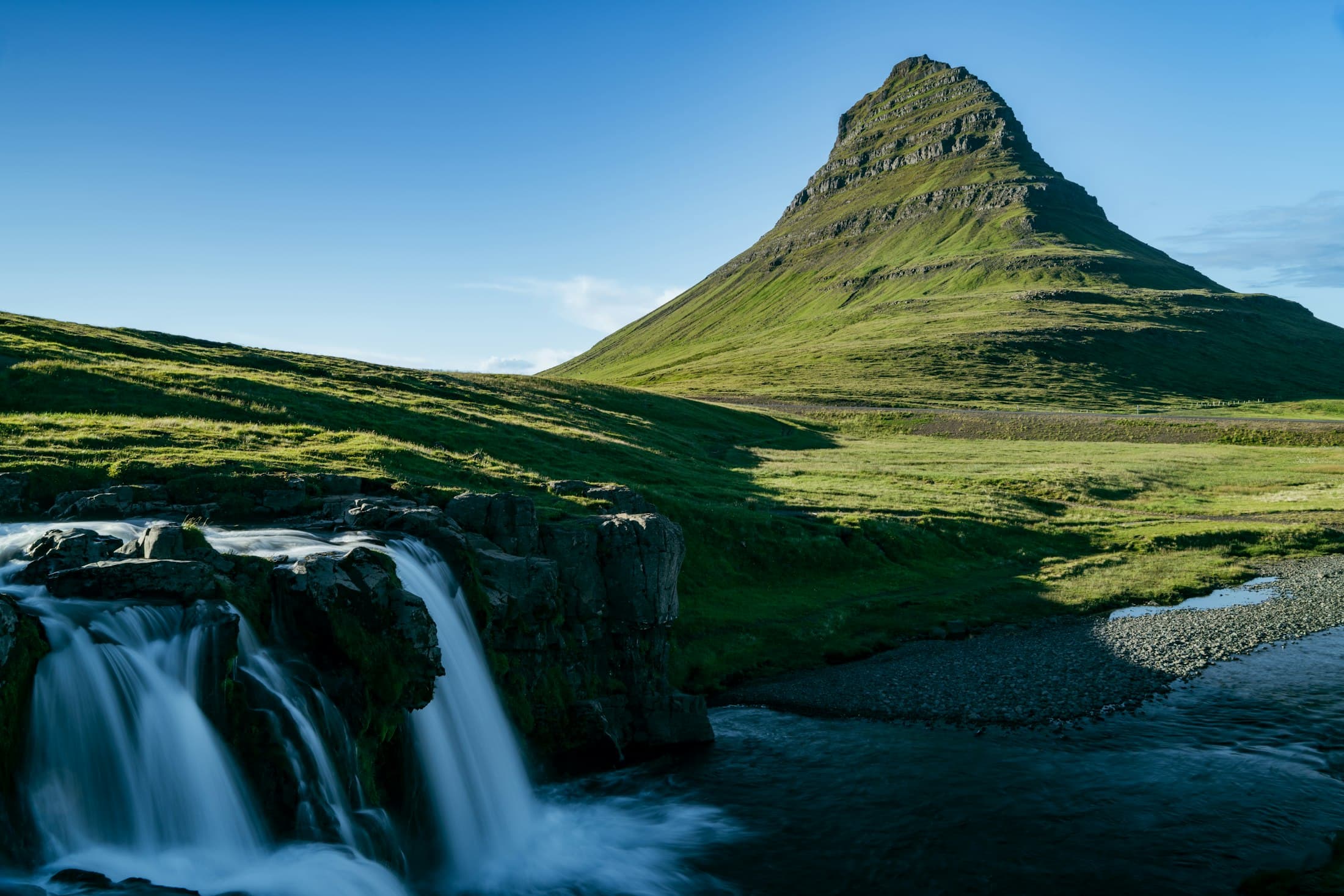
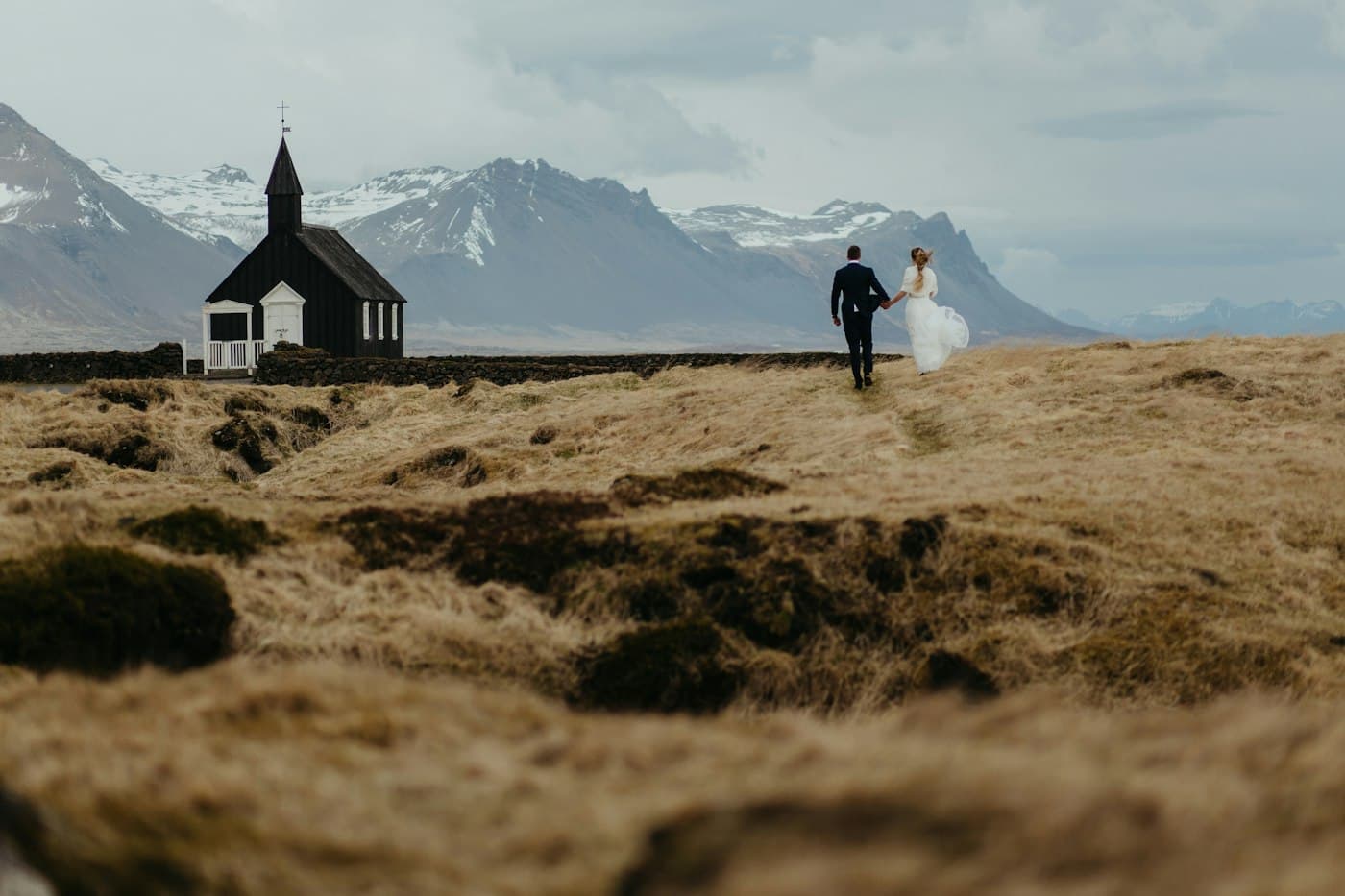
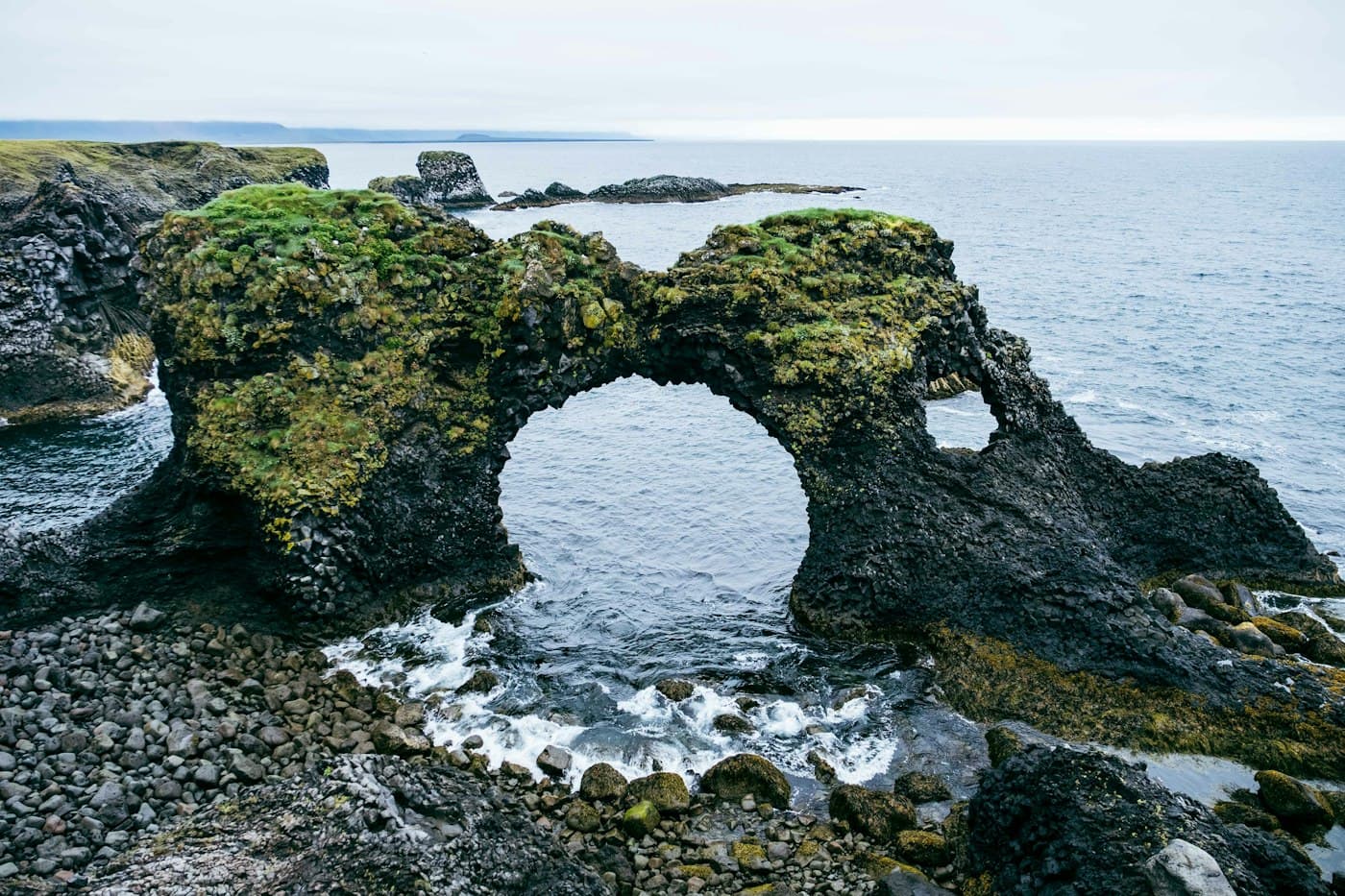
Kirkjufell above its waterfalls, the black church at Búðir, sea arches at Arnarstapi and a glacier-capped volcano at the tip — a peninsula a short drive from Reykjavík.
Snæfellsnes reaches far out into the Atlantic north of Reykjavík, with Snæfellsjökull, a volcano of 1,446 m under its glacier, at the western tip, in Snæfellsjökull National Park. Along the north coast lie Grundarfjörður, below the steep cone of Kirkjufell, and Stykkishólmur, looking out over the islands of Breiðafjörður; along the south, lava fields, the black wooden church at Búðir, and the basalt cliffs and sea arches between Arnarstapi and Hellnar.
It suits elopements and small weddings: close enough to Reykjavík for a day trip, varied enough for a whole day of portraits — mountain, church, lava and sea within an hour’s drive of each other. Couples from abroad can marry legally in Iceland, before a district commissioner or a registered officiant; others sign the papers at home and hold a symbolic ceremony here.
Through the year
When to marry on the Snæfellsnes Peninsula
June, July and August are the mild months: at Stykkishólmur highs average 12 to 14 °C, rain falls on eight to ten days a month, and around midsummer the light lasts nearly all night. May and September are cooler and quieter, and still work well. From October to March the Atlantic storms come through — the wind at Stykkishólmur averages about 7 m/s in midwinter against under 5 in July — but Kirkjufell under snow, with the northern lights above it, draws couples in winter too.
- January: Quieter
- February: Good with planning
- March: Good with planning
- April: Quieter
- May: Good with planning
- June: Best
- July: Best
- August: Best
- September: Good with planning
- October: Quieter
- November: Quieter
- December: Quieter
- Early summerBright nights and green slopes: in late June the sun sets at Arnarstapi around half past midnight and rises again before three, and the sea cliffs fill with nesting kittiwakes.
- Late summer and autumnCalm evenings into August, then darker nights from late August and the first northern lights; in September the heath turns red and brown and the peninsula empties.
- WinterSnow on Kirkjufell and on the glacier, under four hours of daylight around the solstice, and the northern lights on clear nights. Plan around the weather and leave room to move the day.
In numbers
Temperatures: Stykkishólmur, normals 1991–2020 · Rain: Stykkishólmur, normals 1961–1990 · Checked 16 October 2026
Places
Where couples marry here
The kinds of places — ask your photographer which ones they know well.
Kirkjufell and its waterfalls
The classic view of the mountain from Kirkjufellsfoss, best in the evening when the low sun lights its flank. Portraits are taken from below: the mountain itself is a steep, dangerous climb.
The black church at Búðir
Búðakirkja, a small black wooden church alone in a lava field by the sea, with the mountains behind: one of the peninsula’s landmarks, and a backdrop for portraits in any season.
Arnarstapi and Hellnar
Basalt cliffs, sea arches and a coastal path of about two and a half kilometres between the two villages, in a nature reserve since 1979: vows along the way, and portraits at the arch of Gatklettur.
Snæfellsjökull and the western tip
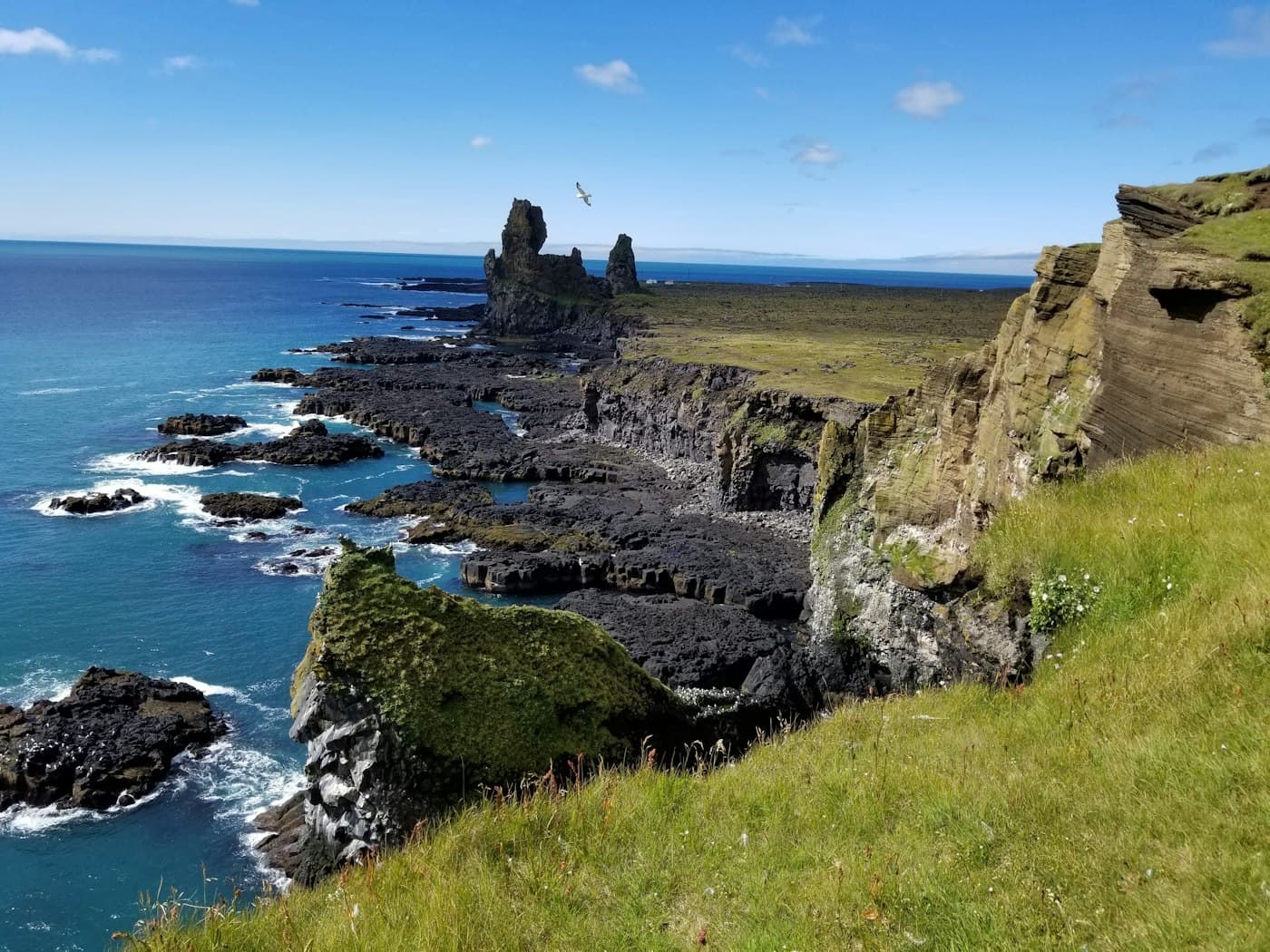
The black-pebble beach of Djúpalónssandur, the sea stacks of Lóndrangar and the lava fields under the glacier. Drones are banned along the park’s coast from mid-April to mid-September, and commercial filming needs a licence — your photographer will know.
Light
How the light falls
The north coast looks out over Breiðafjörður, so on summer evenings the sun goes down late over the water, far to the north, and the low light catches Kirkjufell’s green flanks. At midsummer it sets at Arnarstapi around half past midnight and is back before three; the evening glow runs straight into the morning. In December the sun is up only from about twenty to twelve until twenty-five past three, low across the southern sky.
Travel
Getting there
Stykkishólmur is about 170 km from Reykjavík and Arnarstapi about 190 km — two to two and a half hours’ drive, a little more from Keflavík airport — so the peninsula works as a long day or, better, one or two nights. A car ferry crosses Breiðafjörður from Stykkishólmur to the Westfjords. In winter, check umferdin.is and safetravel.is before you set out.
Photographers
Photographers on the Snæfellsnes Peninsula
No one on the Snæfellsnes Peninsula yet
The first photographers on the Snæfellsnes Peninsula are joining now. Tell our concierge your date and your plans — it checks who is free and fits.
Plan
Read before you plan
- How to choose a wedding photographer: the steps, and the questions to askThe decision in order — whole weddings, style, availability, the package, the contract and deposit, cancellation, delivery and a conversation — then a checklist of questions, with why each one matters.
- A wedding-day timeline for photosFrom getting ready to the last dance, planned around the light.
- Deposits and payment protectionWhat you pay when, and what happens if plans change.
- Wedding photography contract checklist: what it should say, and how Lens & Vows handles each pointThirteen things a good contract covers — the day and the hours, what is delivered, deposit and balance, cancellation on either side, date changes, illness, image rights, personal data, backups, travel, overtime and complaints — and what our terms say about each.
- Which country for a destination wedding? The law, prices, crowds and light, comparedThe legal route for couples who don’t live there, season and crowds, price levels, light, flights, venues and permits for photographs — Portugal, Italy, Spain, Greece, France and Austria compared with official figures, as of October 2026.
- A rain plan that still looks goodCovered spots, umbrellas and what photographers do on grey days.
Iceland
Other places
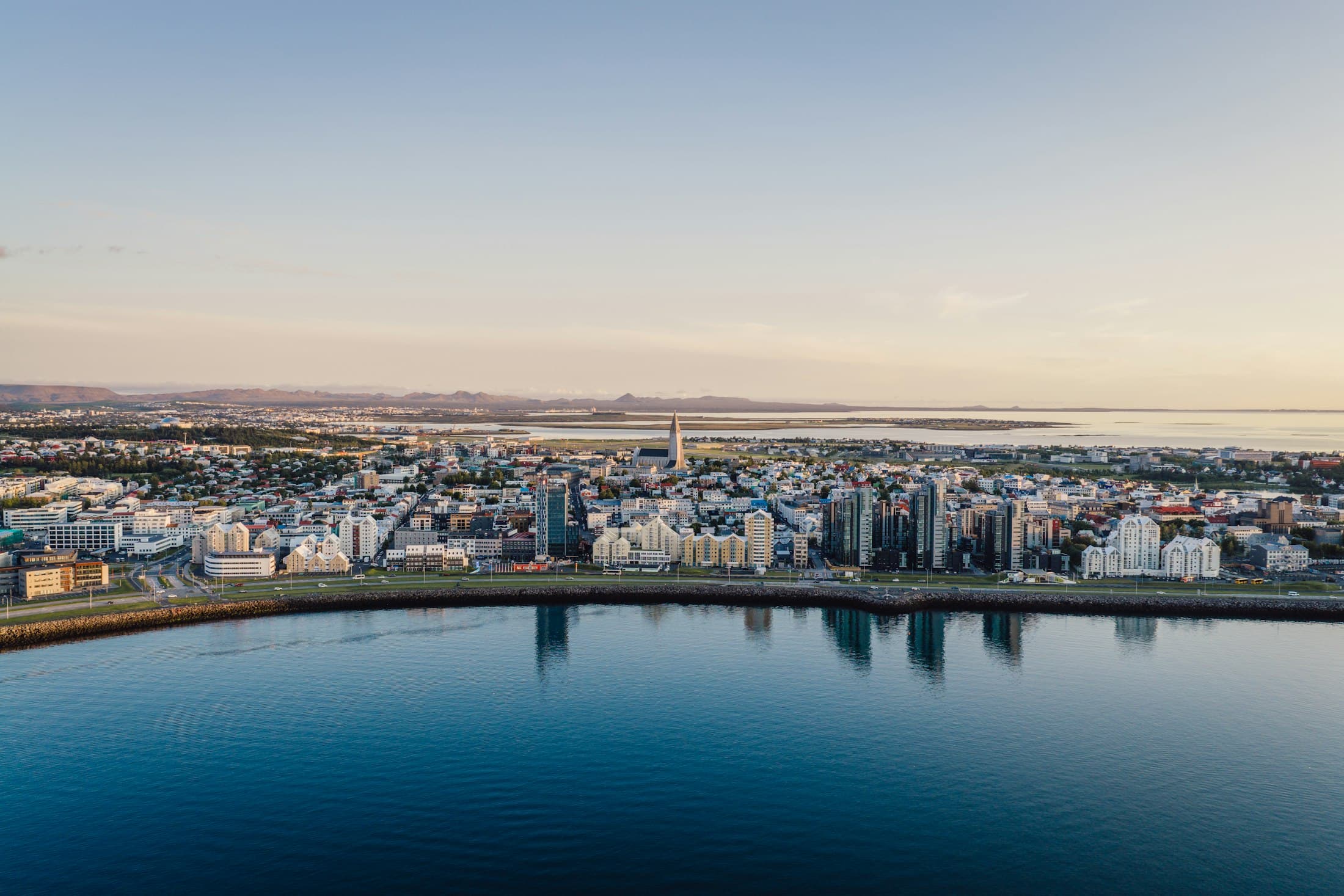 Reykjavík & ReykjanesBest: Jun · Jul · AugPhotographers joining
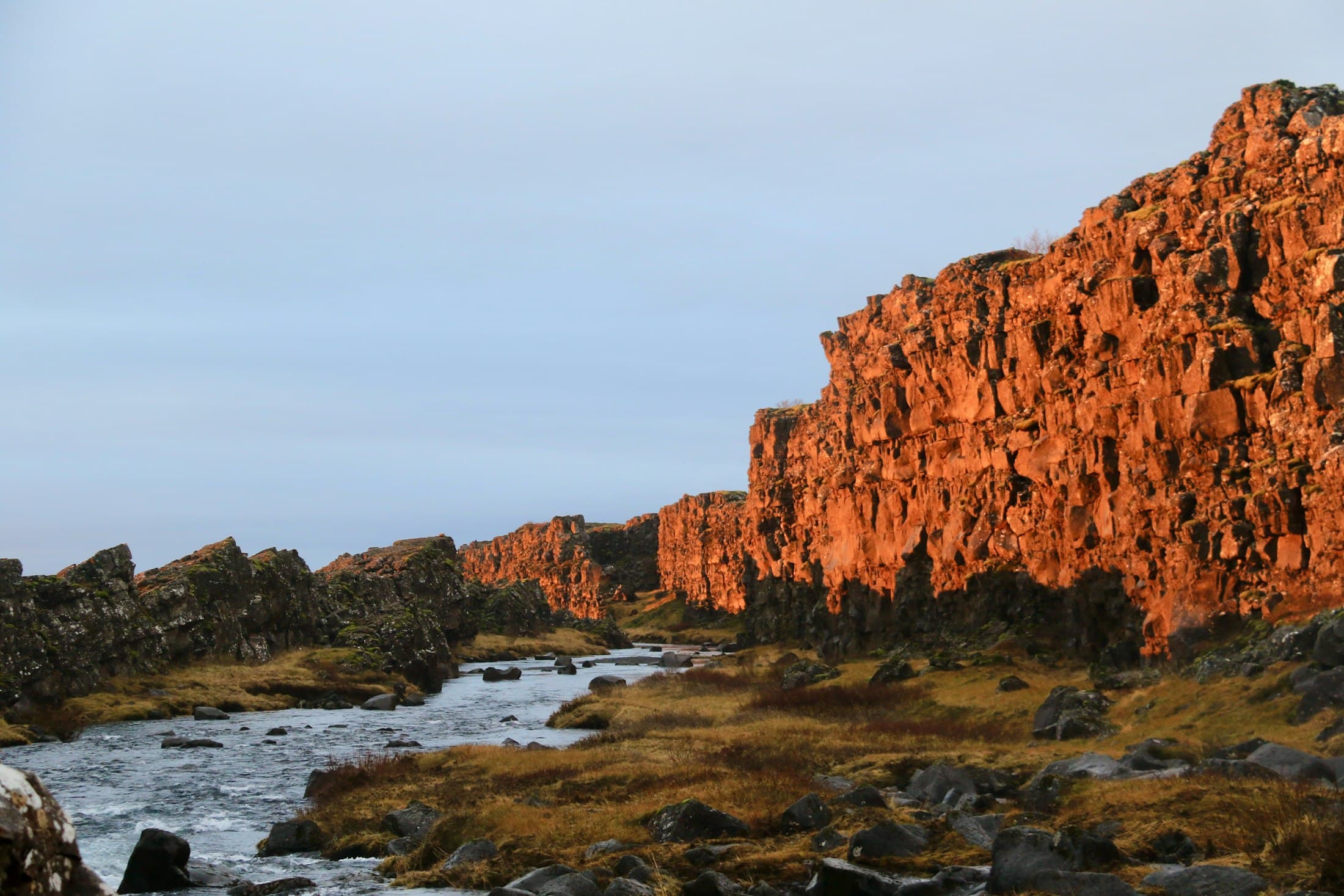 The Golden CircleBest: Jun · Jul · AugPhotographers joining
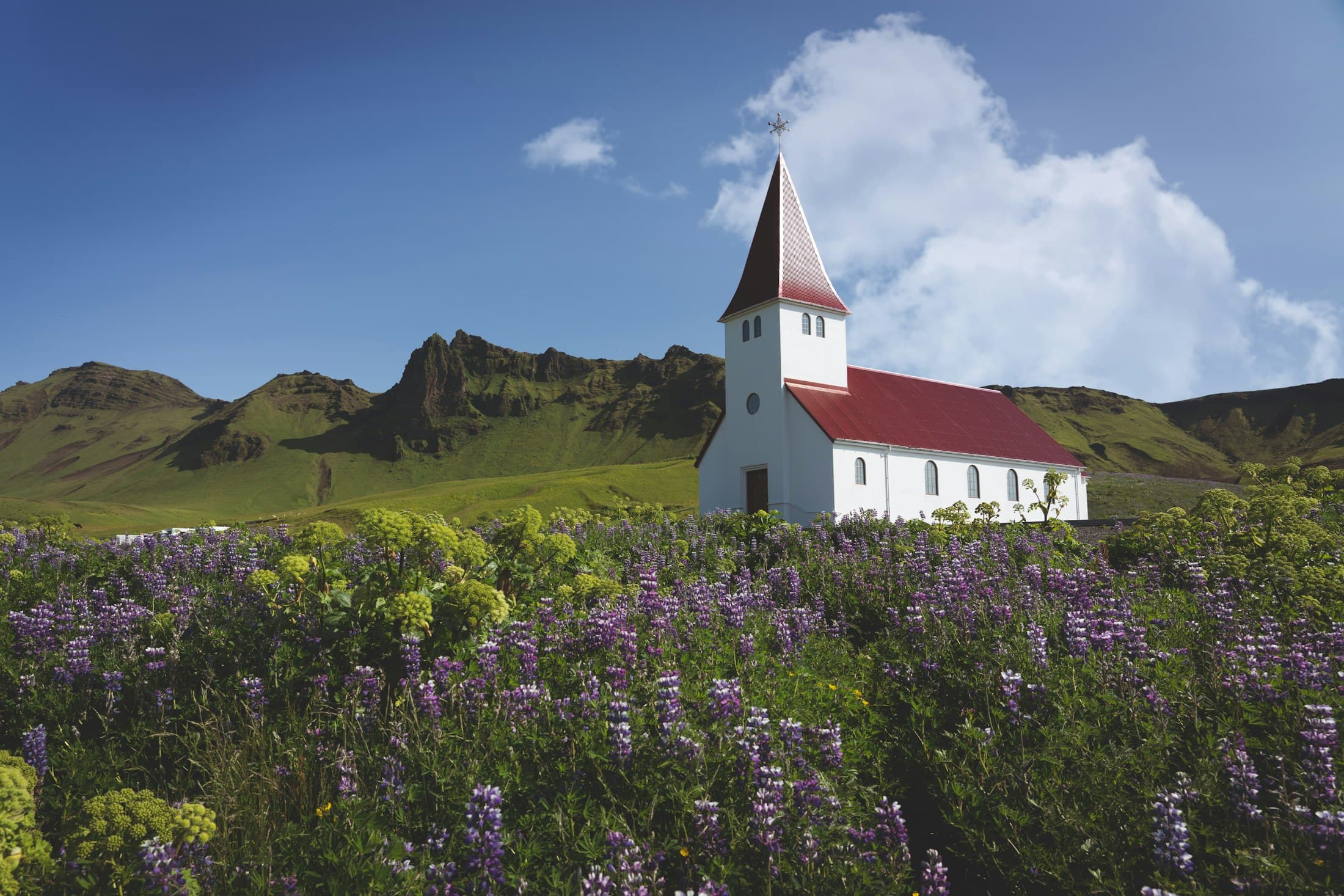 The South Coast & VíkBest: Jun · Jul · AugPhotographers joining
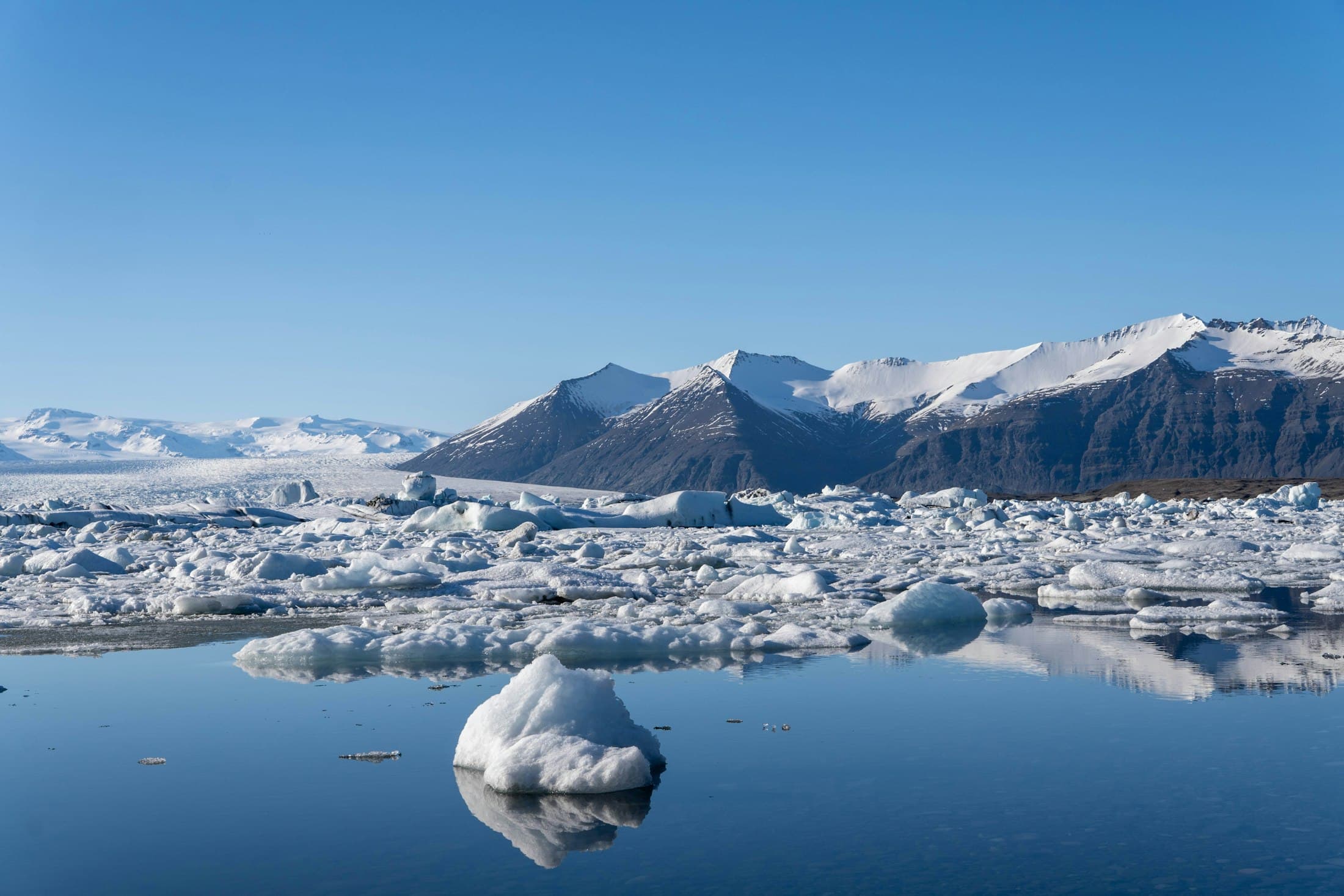 Jökulsárlón & the EastBest: Jun · Jul · AugPhotographers joining
 Akureyri & the NorthBest: Jun · Jul · AugPhotographers joining