Getting married in Akureyri & the North
The North’s small capital at the head of a long fjord, with Goðafoss, Lake Mývatn and the whale-watching harbour of Húsavík a short drive away — and the midnight sun in June.
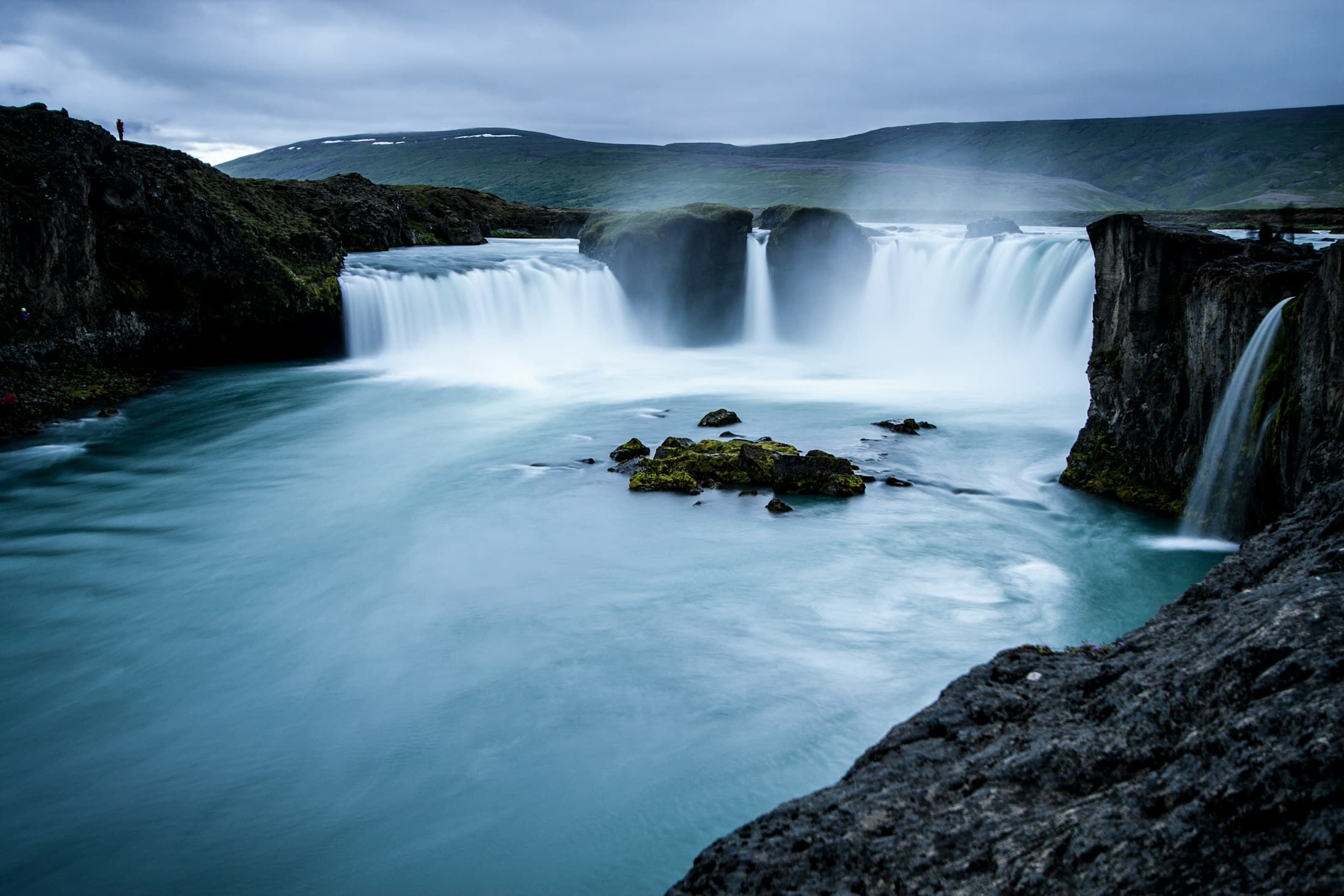
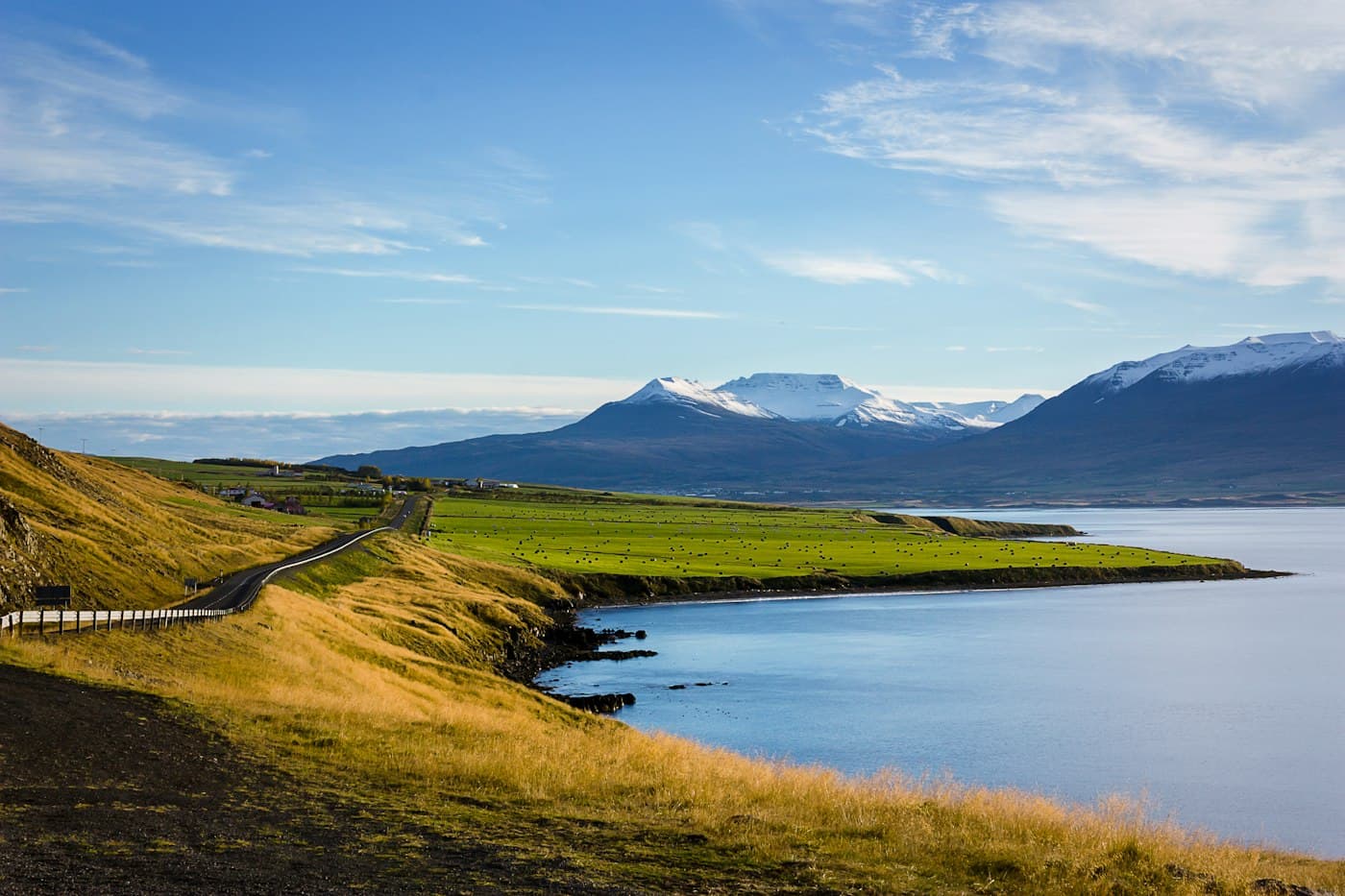
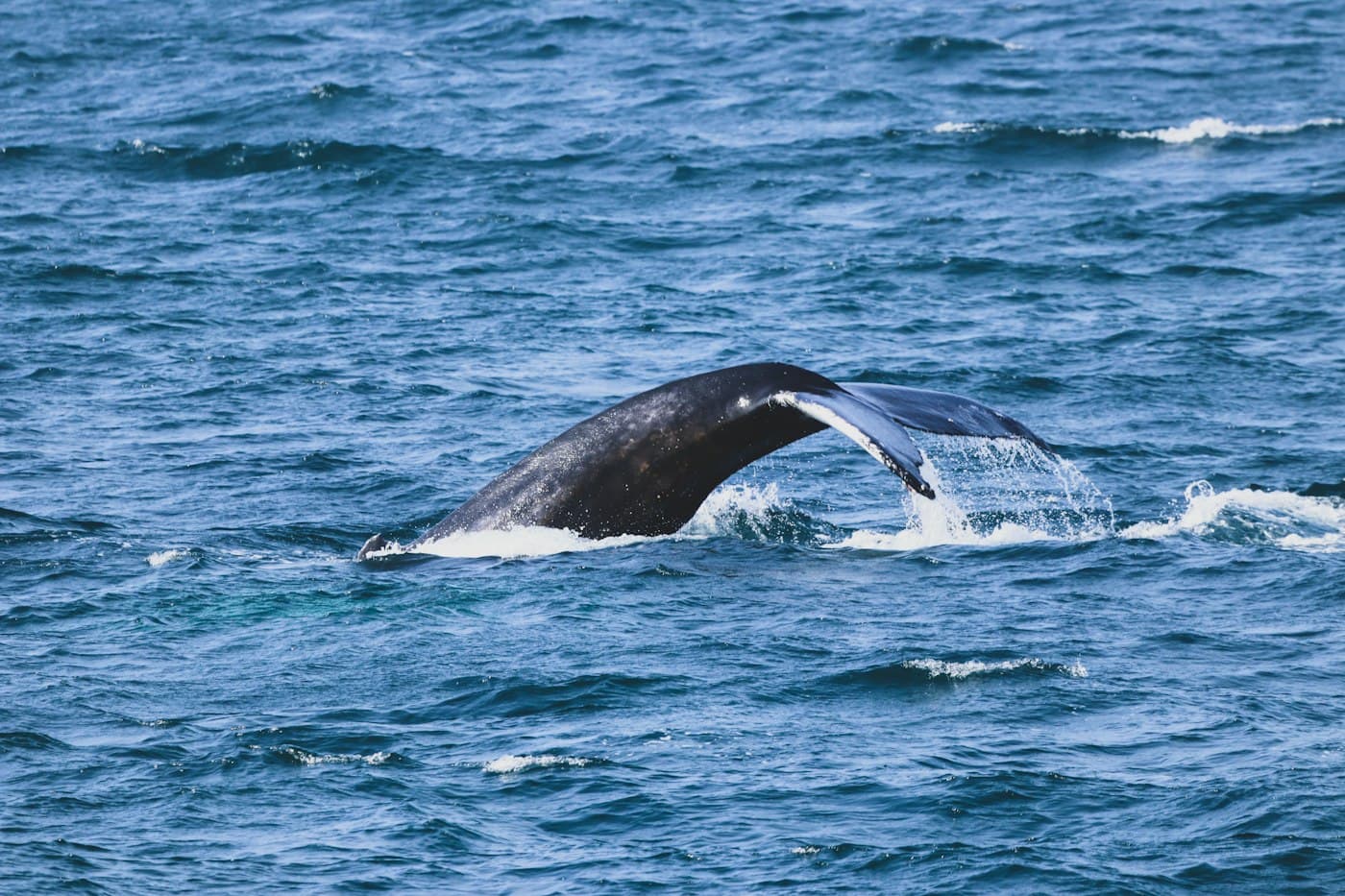
Akureyri, a town of about 20,000, sits at the head of Eyjafjörður, a fjord some 60 km long, sheltered by mountains on both sides. East of it, Goðafoss spreads across the Skjálfandafljót river; beyond lies Lake Mývatn, with the lava towers of Dimmuborgir, the pseudocraters of Skútustaðir and the steaming vents of Námaskarð. To the north is Húsavík, on Skjálfandi Bay, often called Iceland’s whale-watching capital, and further east the horseshoe canyon of Ásbyrgi and the waterfall of Dettifoss, in the northern part of Vatnajökull National Park.
Couples come for the light and the space: vows by a waterfall or on the shore of Mývatn, portraits through a June night that never gets dark, then dinner back in Akureyri. Couples from abroad can marry legally in Iceland, before a district commissioner or a registered officiant; others sign the papers at home and hold a symbolic ceremony here.
Through the year
When to marry in Akureyri & the North
The North is drier and calmer than the south and west. At Akureyri rain falls on only about one June day in five, July highs average 15 °C, and the mean wind stays under 4 m/s all year. June brings the midnight sun; July and August are the warmest months and the busiest. May is dry but cool, with snow still on the mountains, and September brings the first northern lights. Winters are cold and snowy, with only about three hours of daylight at the solstice, but bright snow and dark skies suit winter portraits. On calm days in early summer and in August, swarms of harmless midges gather at Mývatn.
- January: Quieter
- February: Good with planning
- March: Good with planning
- April: Quieter
- May: Good with planning
- June: Best
- July: Best
- August: Best
- September: Good with planning
- October: Quieter
- November: Quieter
- December: Quieter
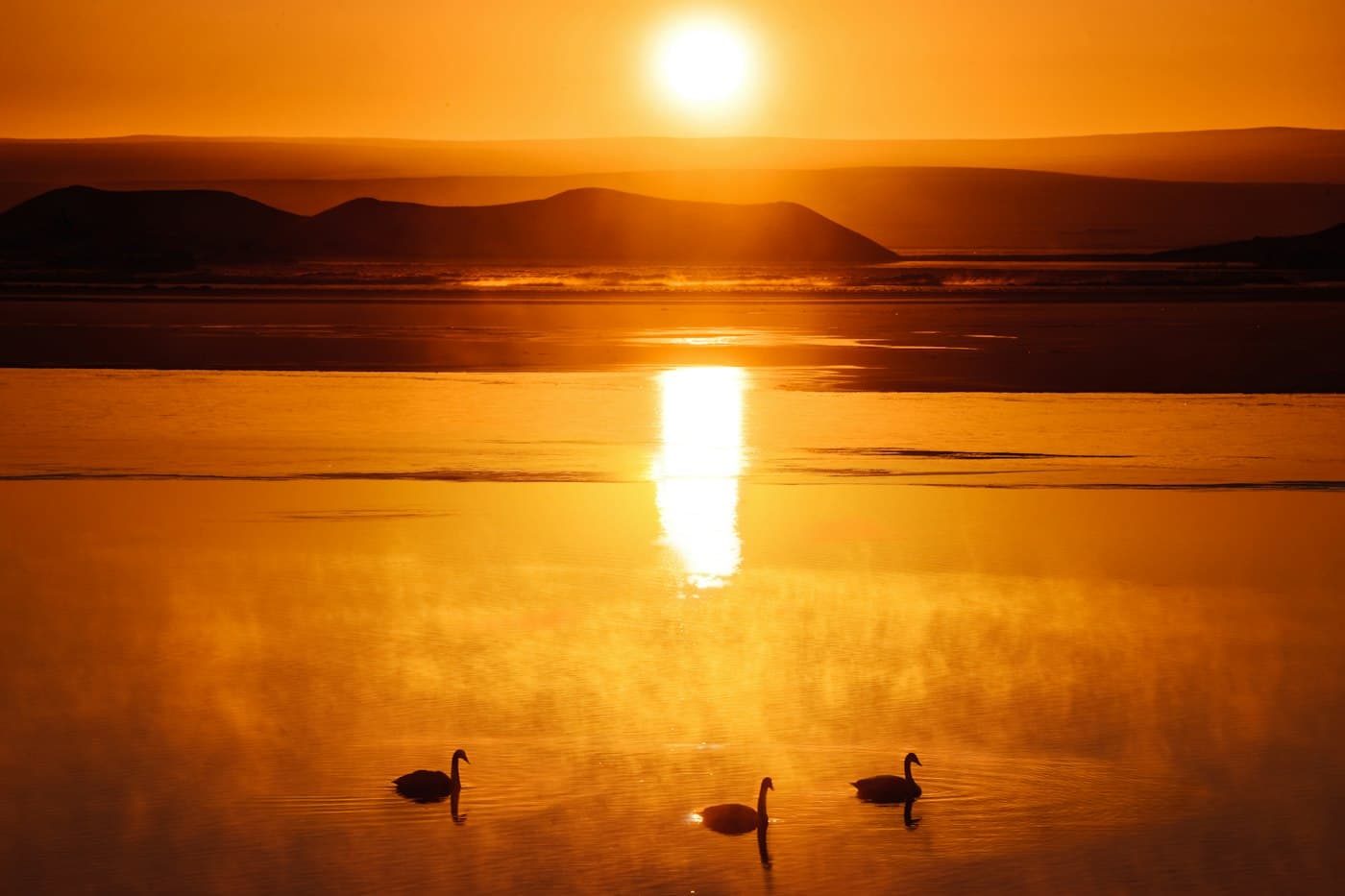
- MidsummerAround 21 June the sun barely sets: in Akureyri it slips below the horizon just before one in the morning and is back half an hour later, and at Húsavík it doesn’t set at all. A ceremony or portraits at midnight are entirely possible.
- Late summer and autumnWarm evenings into August, whales still in the bays, then darker nights and the first northern lights; in September the heath and the birch woods turn red and gold.
- WinterSnow on the town and the mountains, Goðafoss half frozen, skiing above Akureyri and the northern lights over Mývatn — with about three hours of daylight around the solstice.
In numbers
Temperatures: Akureyri, normals 1991–2020 · Rain: Akureyri, normals 1961–1990 · Checked 16 October 2026
Places
Where couples marry here
The kinds of places — ask your photographer which ones they know well.
Goðafoss
The ‘waterfall of the gods’, a wide horseshoe of falls half an hour’s drive east of Akureyri, with paths on both banks: vows by the river, portraits with the spray behind you.
Lake Mývatn
Lava towers at Dimmuborgir, green pseudocraters by the shore, the black crater of Hverfjall and the steaming, ochre ground of Námaskarð — a whole day of portraits within a few kilometres. Mývatn is a protected area: professional shoots and drones may need a permit from the Nature Conservation Agency.
Akureyri and Eyjafjörður
The town’s church at the top of its long flight of steps, the old wooden houses, the botanical garden and the fjord shore; whale-watching boats leave from the harbour all year round.
Húsavík, Ásbyrgi and Dettifoss
Húsavík’s harbour and its wooden church for a boat trip and portraits by the sea, then Ásbyrgi’s horseshoe canyon and the thundering Dettifoss in Vatnajökull National Park, where a wedding needs the park’s permit and drones are banned, except at set hours on the west side of Dettifoss.
Light
How the light falls
In June the sun circles the northern sky and only dips below the horizon for half an hour, so sunset runs straight into sunrise and the golden hour lasts most of the night. The fjord is often calm, a mirror for the mountains. In December the sun rises in late morning and sets before three, never more than about a degree above the horizon — soft blue light over snow, and long nights for the northern lights.
Travel
Getting there
Akureyri’s airport, a few minutes from town, has flights from Reykjavík of about 45 minutes, and some seasonal flights from abroad; by road the town is about 390 km from Reykjavík on the ring road. Through the tolled tunnel under Vaðlaheiði, Goðafoss is about 35 km east, Mývatn about 85 km and Húsavík about 75 km. In winter, check umferdin.is and safetravel.is before every drive.
Photographers
Photographers in Akureyri & the North
No one in Akureyri & the North yet
The first photographers in Akureyri & the North are joining now. Tell our concierge your date and your plans — it checks who is free and fits.
Plan
Read before you plan
- How to choose a wedding photographer: the steps, and the questions to askThe decision in order — whole weddings, style, availability, the package, the contract and deposit, cancellation, delivery and a conversation — then a checklist of questions, with why each one matters.
- A wedding-day timeline for photosFrom getting ready to the last dance, planned around the light.
- Deposits and payment protectionWhat you pay when, and what happens if plans change.
- Wedding photography contract checklist: what it should say, and how Lens & Vows handles each pointThirteen things a good contract covers — the day and the hours, what is delivered, deposit and balance, cancellation on either side, date changes, illness, image rights, personal data, backups, travel, overtime and complaints — and what our terms say about each.
- Which country for a destination wedding? The law, prices, crowds and light, comparedThe legal route for couples who don’t live there, season and crowds, price levels, light, flights, venues and permits for photographs — Portugal, Italy, Spain, Greece, France and Austria compared with official figures, as of October 2026.
- A rain plan that still looks goodCovered spots, umbrellas and what photographers do on grey days.
Iceland
Other places
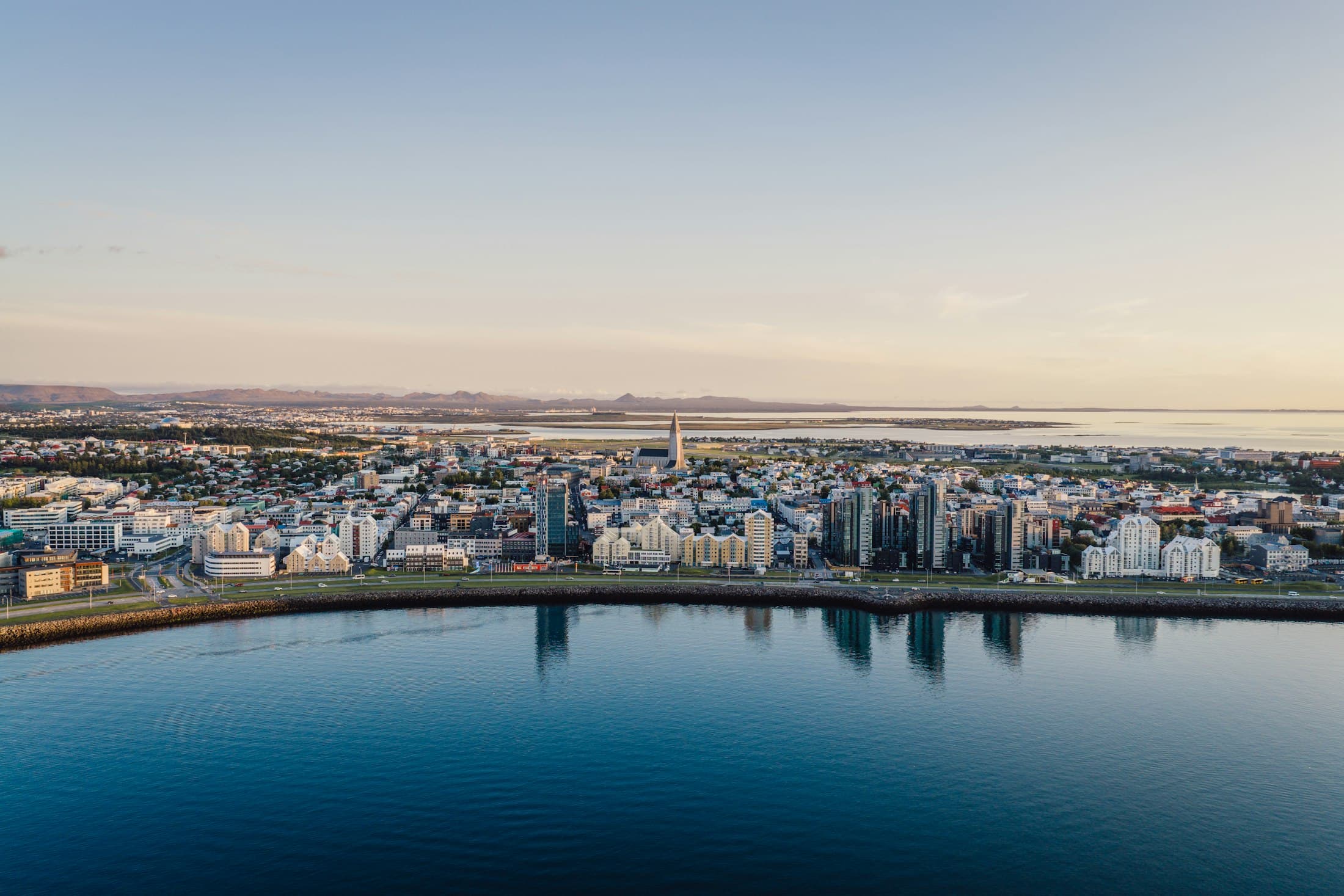 Reykjavík & ReykjanesBest: Jun · Jul · AugPhotographers joining
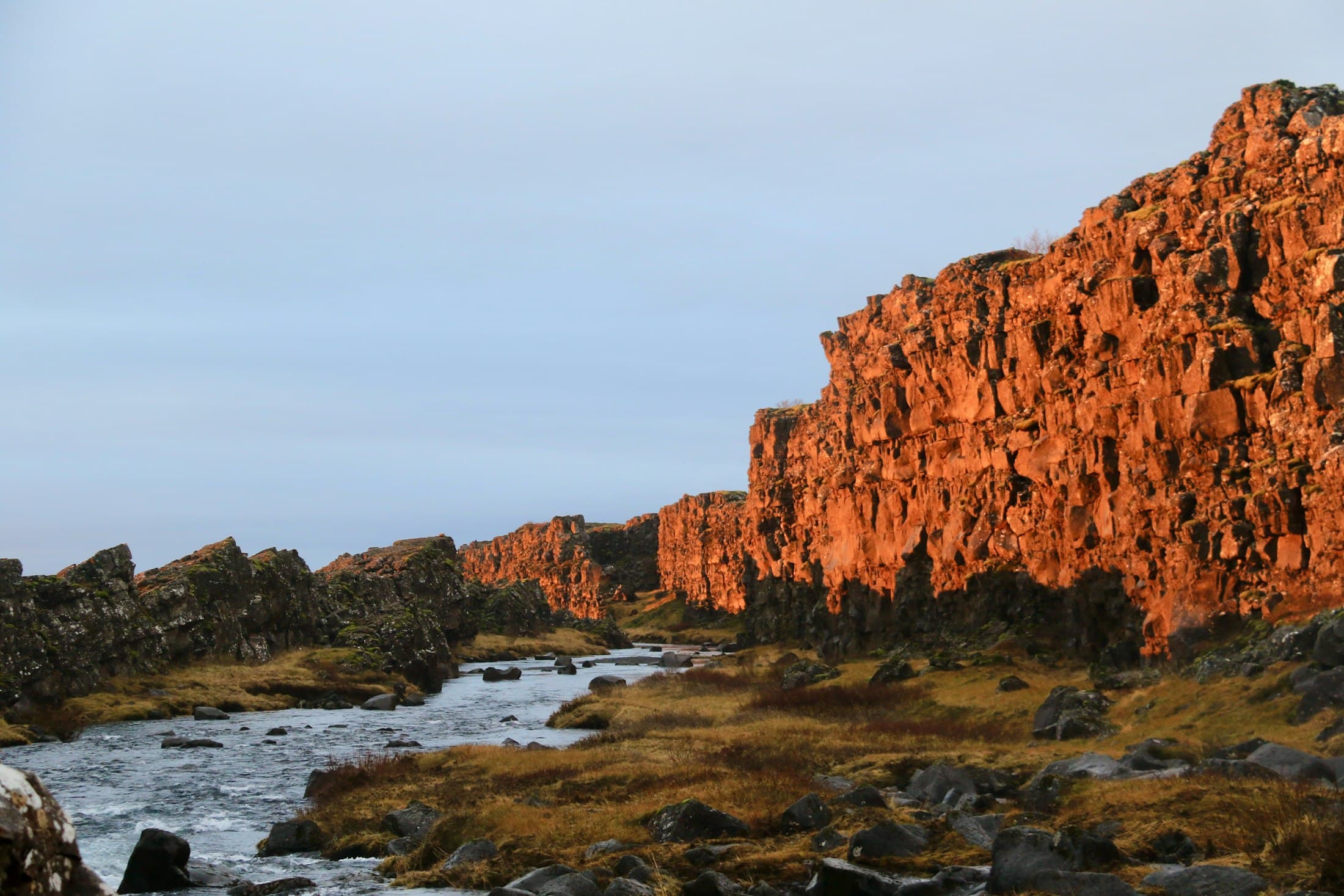 The Golden CircleBest: Jun · Jul · AugPhotographers joining
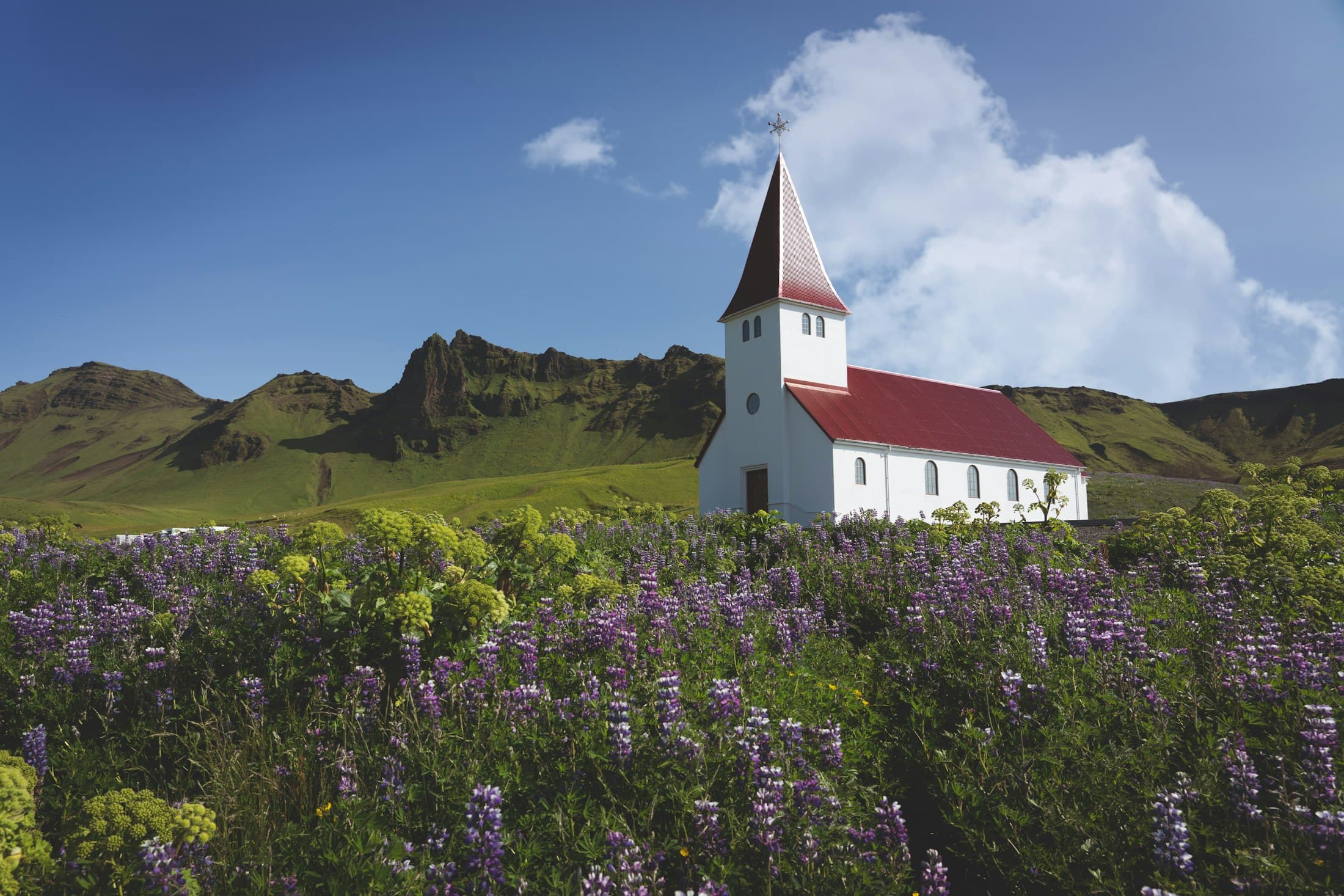 The South Coast & VíkBest: Jun · Jul · AugPhotographers joining
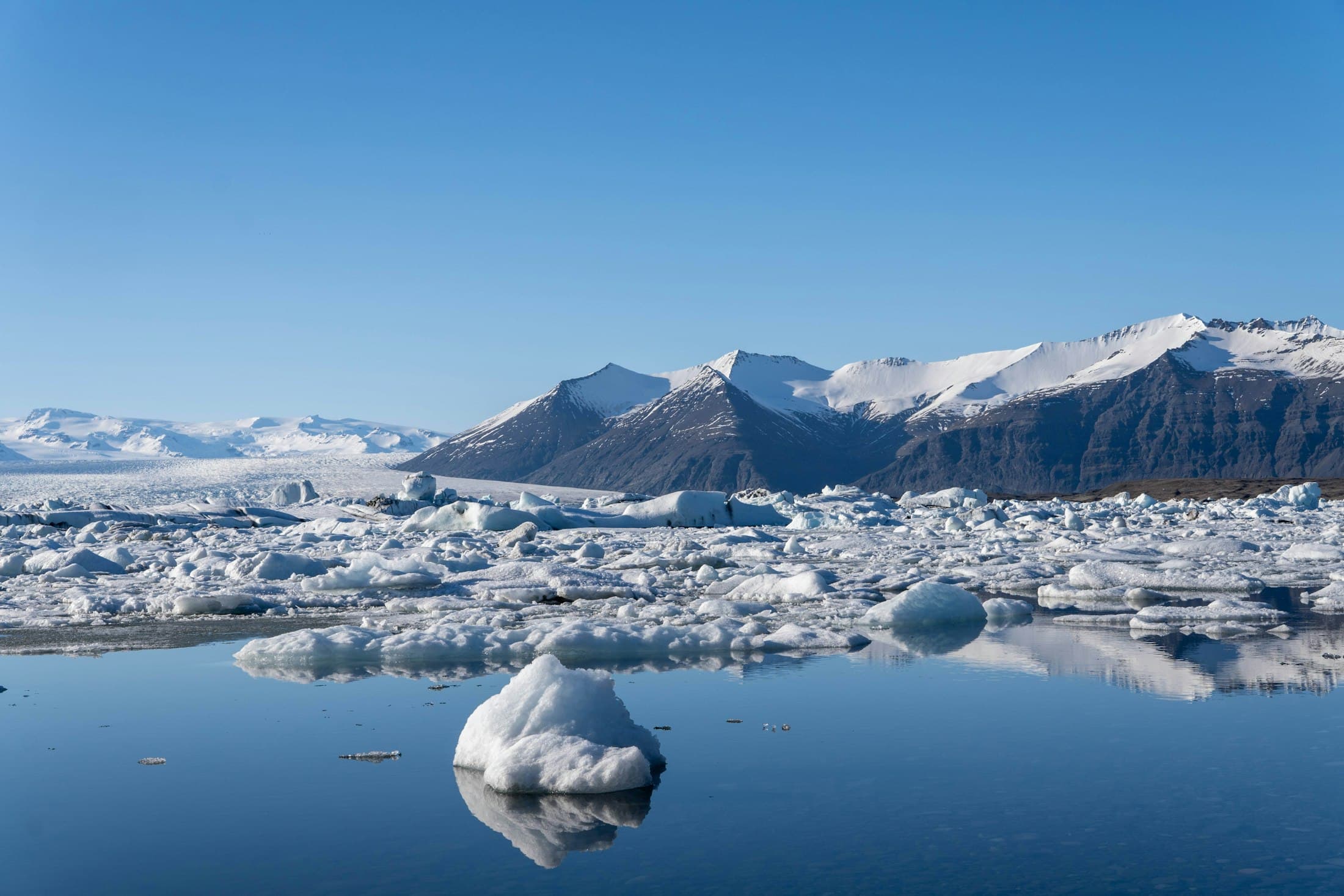 Jökulsárlón & the EastBest: Jun · Jul · AugPhotographers joining
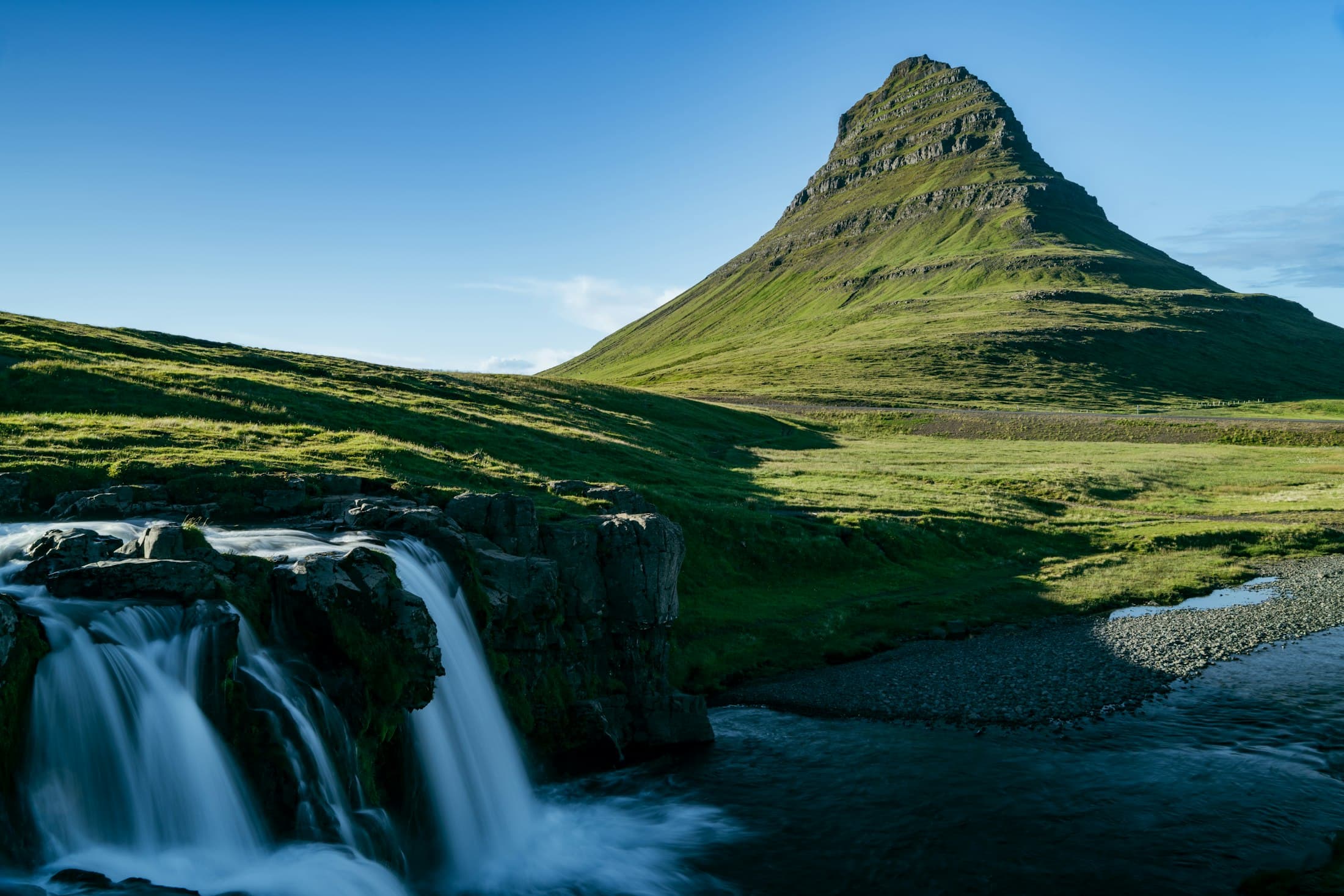 Snæfellsnes PeninsulaBest: Jun · Jul · AugPhotographers joining