Getting married in Reykjavík & Reykjanes
A small, colourful capital on its bay, an island church a few minutes away by ferry, and the lava fields, steaming ground and sea cliffs of Reykjanes on the road to the airport.
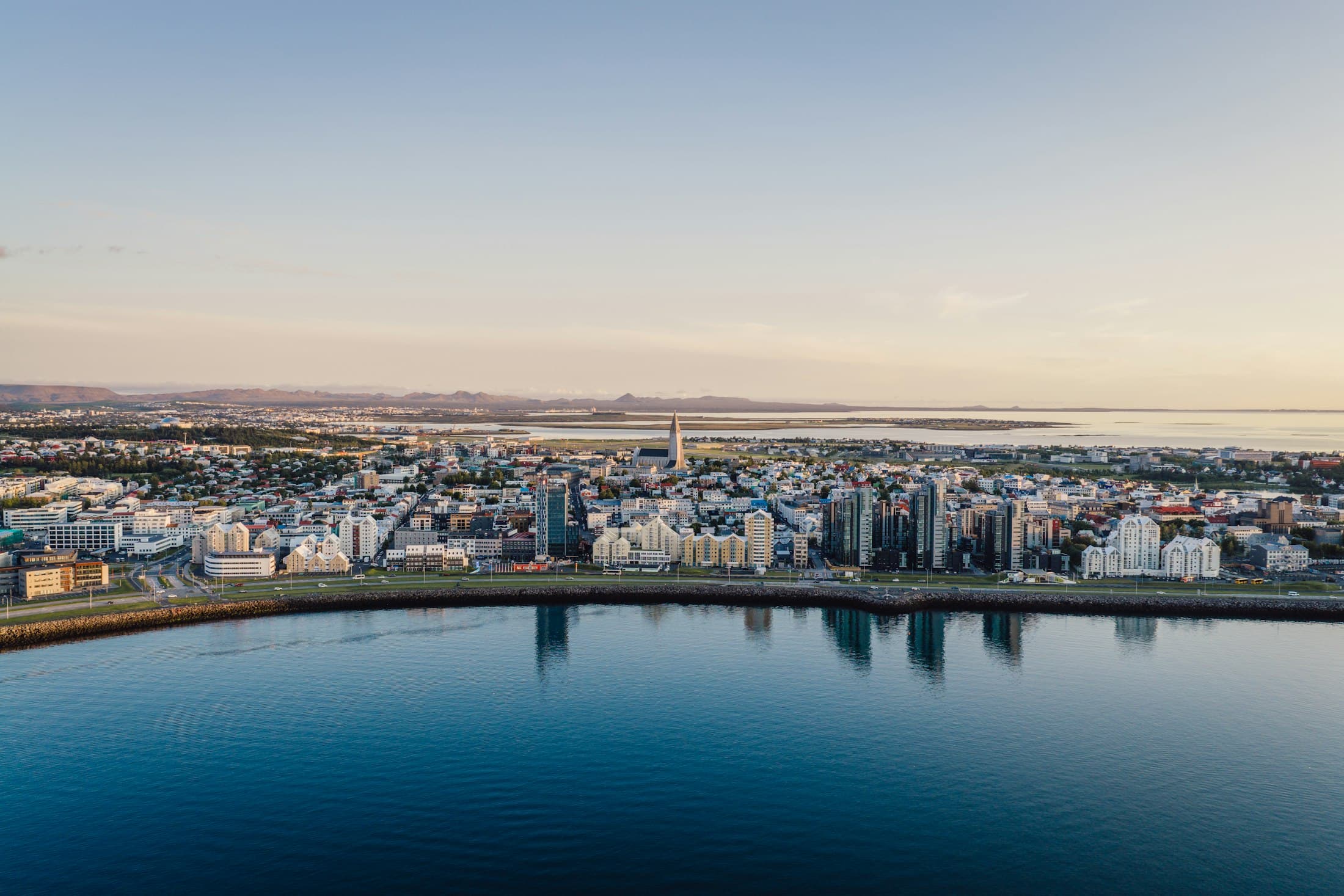
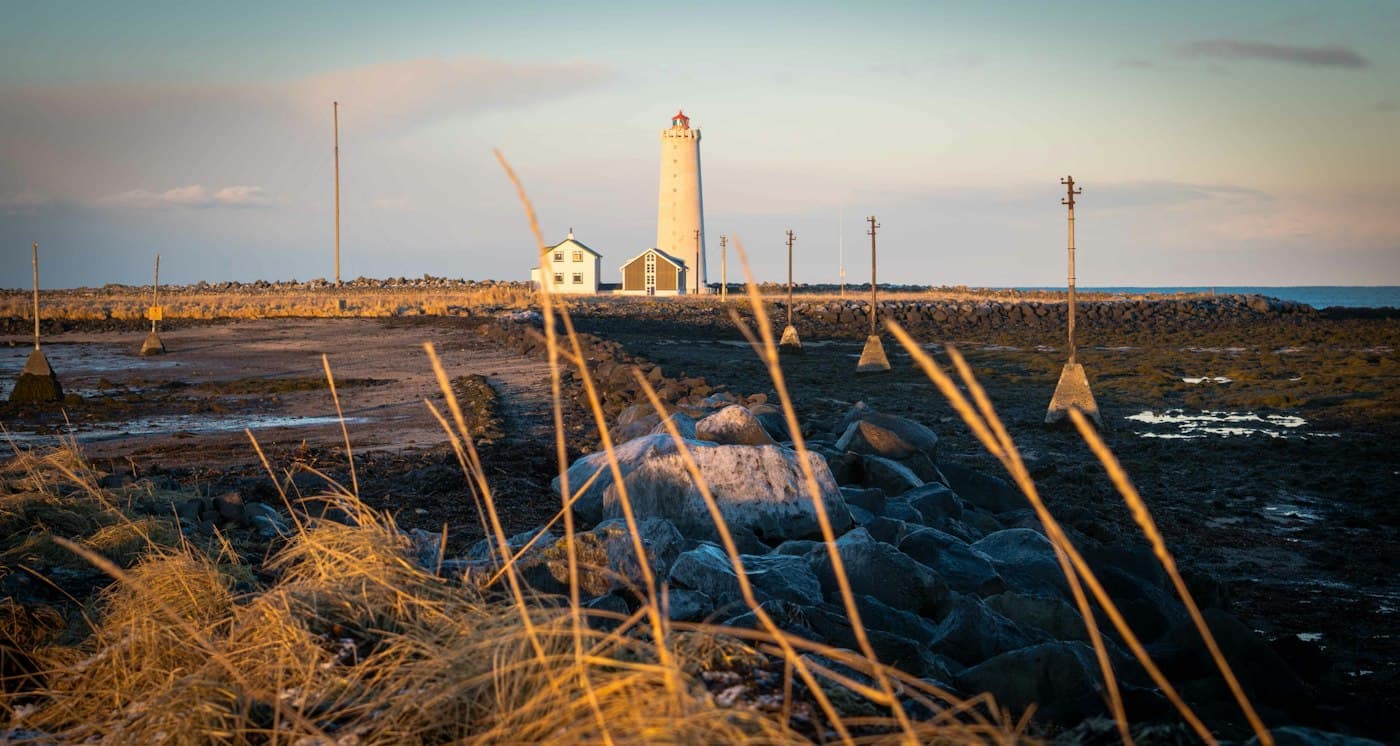
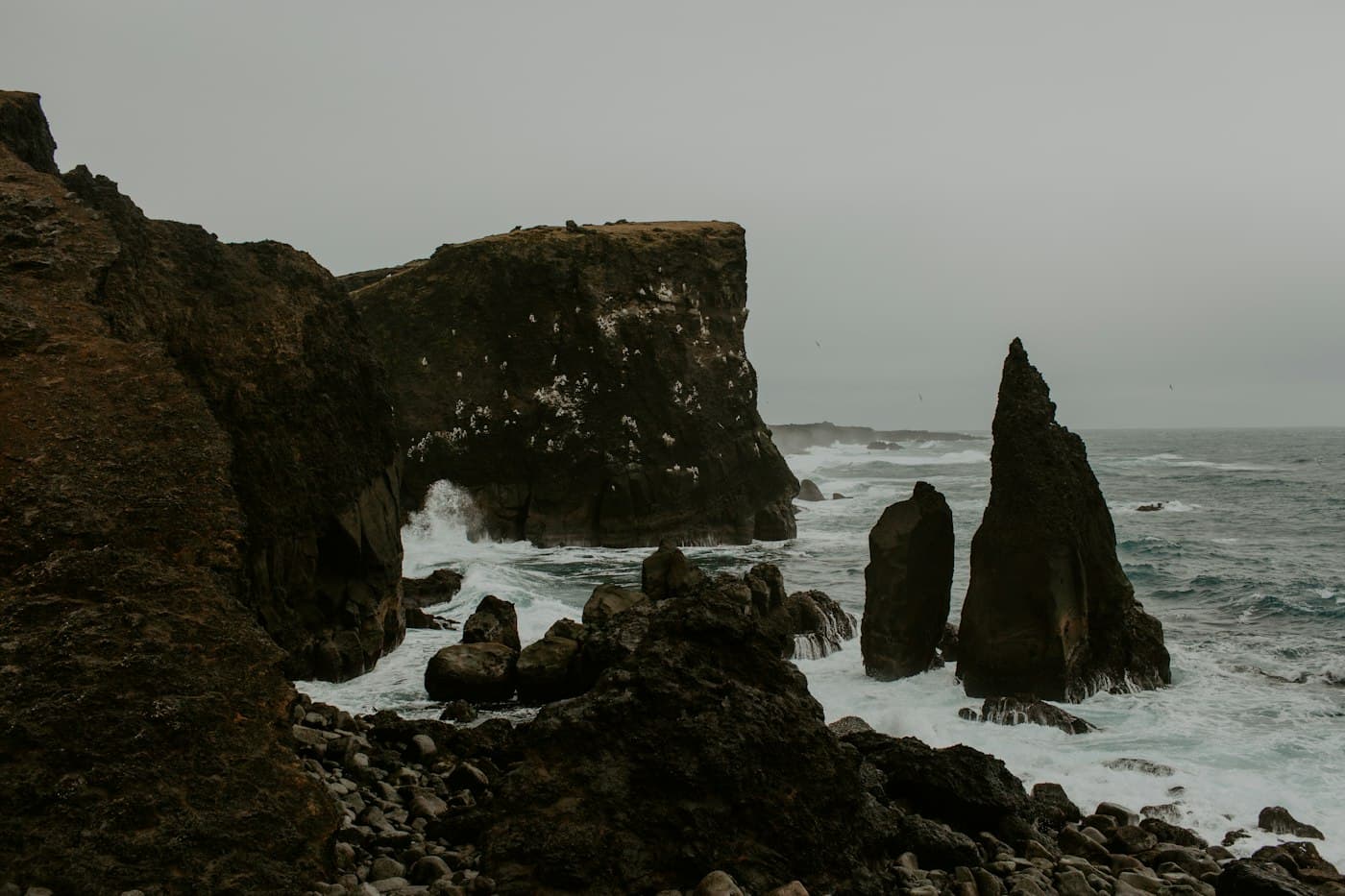
Reykjavík spreads around a bay below Mount Esja: houses clad in brightly painted corrugated iron, the stepped concrete tower of Hallgrímskirkja on its hill, the glass of Harpa on the old harbour and a shore path out to the lighthouse at Grótta. To the south-west lies the Reykjanes peninsula, where the international airport is — young volcanic ground of moss-covered lava, the steaming, ochre hot springs of Krýsuvík, the lake of Kleifarvatn, and black cliffs and sea stacks around the lighthouse at its tip.
Most couples who come from abroad elope: a short ceremony with a celebrant, a photographer and perhaps a handful of guests, then an evening of portraits on the lava or by the sea. Others marry in one of the city’s churches or in the old church on Viðey island, and come back to a restaurant in town for dinner.
Through the year
When to marry in Reykjavík & Reykjanes
June, July and August are the mildest months, with average highs of 13–15 °C, and June is the driest, with about nine days of rain; from late May to late July the sky never fully darkens. May is Reykjavík’s sunniest month, though still cool. From September rain falls on about fifteen days a month and the wind picks up. Winter is windy, wet and often icy rather than bitterly cold — highs around 3 °C — with only about four hours of daylight at midwinter, and on clear, dark nights from late August to April the northern lights may appear.
- January: Quieter
- February: Good with planning
- March: Good with planning
- April: Good with planning
- May: Good with planning
- June: Best
- July: Best
- August: Best
- September: Good with planning
- October: Good with planning
- November: Quieter
- December: Quieter
- SpringThe days lengthen fast — by mid-May the sun sets after half past ten — and the light is clear and cool. Showers come and go, and May is the sunniest month of the year.
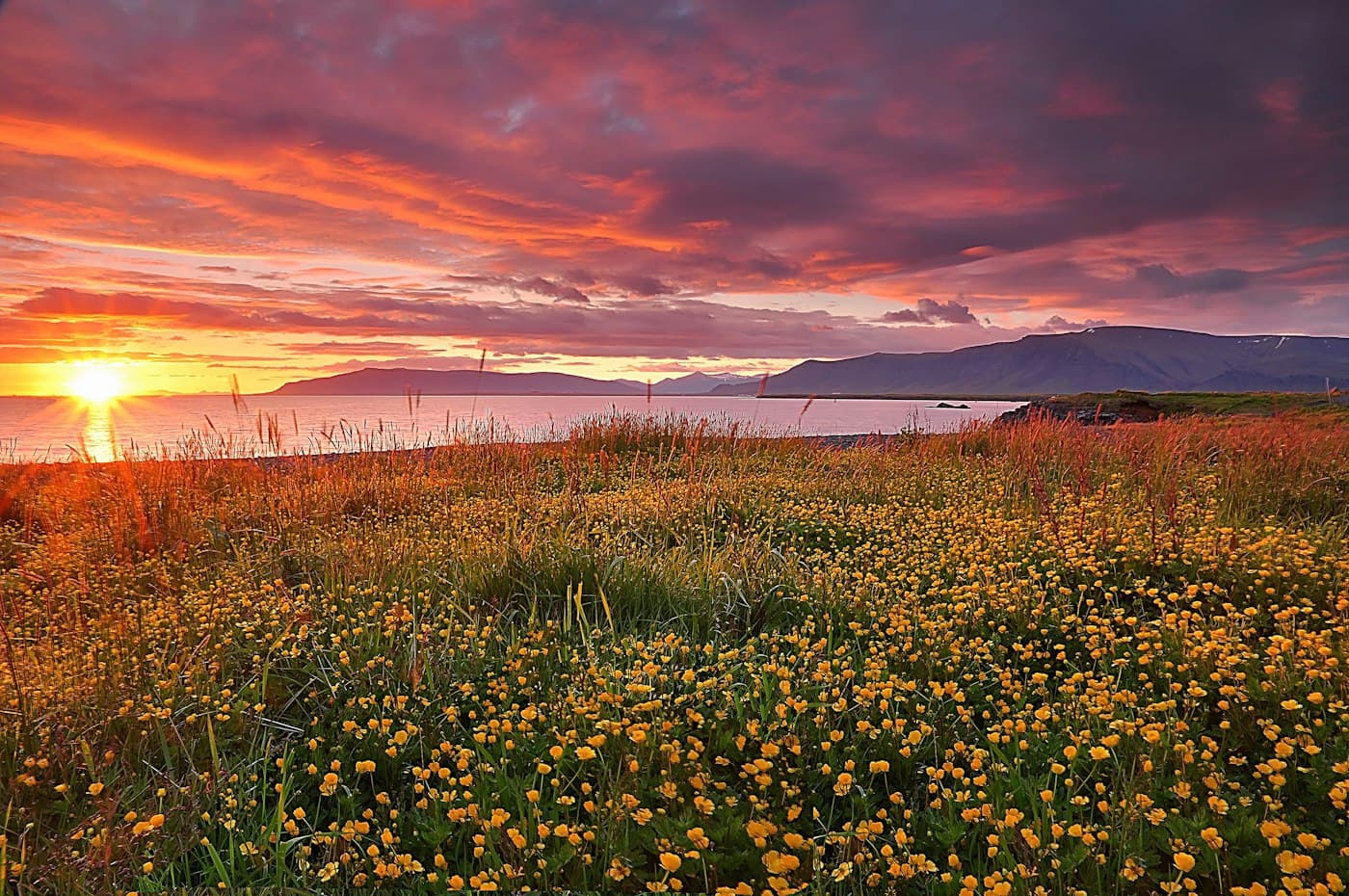
- SummerMild days and bright nights, when the sun barely dips below the horizon: at ten in the evening it still stands well above the bay. Wind and showers can blow in from the sea at any hour, so keep a church or a room with big windows in mind as the rain plan.
- Autumn and winterIn September and October the light turns golden again and the nights darken. Then the days shrink to a few hours, the sun stays low all day, and couples come for snow on the lava, long dawns and dusks, and the chance of the northern lights.
In numbers
Weather station: Reykjavík, normals 1991–2020 · Checked 16 October 2026
Places
Where couples marry here
The kinds of places — ask your photographer which ones they know well.
Churches in the city
From Hallgrímskirkja on its hill to the older churches around the pond in the centre: a ceremony under a roof, whatever the weather, then portraits in the coloured streets and along the old harbour.
Viðey island
Five minutes by ferry from Skarfabakki — daily in summer, at weekends in winter — a grassy island with a stone church consecrated in 1774, among the oldest in Iceland. From 9 October to 8 December the Imagine Peace Tower sends a column of light into the sky there.
The lava fields of Reykjanes
Moss on black lava, the boardwalk through the steaming ground of Krýsuvík, forty minutes from the centre, and the cliffs and sea stacks by the lighthouse at the tip. The peninsula has erupted again and again since 2021, and more eruptions near Grindavík are still expected: check safetravel.is and vedur.is first, and keep off fresh lava.
Grótta and the Blue Lagoon
The lighthouse on Grótta, a tidal island joined to the shore at low tide and closed from 1 May to 15 July while the birds nest, with Esja across the bay; and the milky-blue Blue Lagoon in the lava near Grindavík, open from 7 am to 11 pm in high summer — its first and last entries are the quiet ones.
Light
How the light falls
At midsummer the sun sets over the bay a few minutes after midnight and rises again before three, and from late May to late July it never really gets dark: portraits at eleven at night are lit by a low, slow sun. At midwinter it rises at about twenty past eleven and sets around half past three, climbing barely two degrees above the horizon — a soft, slanting light all day. Iceland keeps the same clock all year, with no summer time.
Travel
Getting there
Keflavík, the international airport, is on Reykjanes about 50 km from the centre — under an hour by car or airport bus. The centre is walkable; for the lava fields, plan a car, and in winter check umferdin.is and the Met Office’s yellow, orange and red warnings before setting off. Drones follow the EU rules (register on flydrone.is), may not fly within 150 m of Parliament, ministries or hospitals without permission, and must stay low near the city airport.
Photographers
Photographers in Reykjavík & Reykjanes
No one in Reykjavík & Reykjanes yet
The first photographers in Reykjavík & Reykjanes are joining now. Tell our concierge your date and your plans — it checks who is free and fits.
Plan
Read before you plan
- How to choose a wedding photographer: the steps, and the questions to askThe decision in order — whole weddings, style, availability, the package, the contract and deposit, cancellation, delivery and a conversation — then a checklist of questions, with why each one matters.
- A wedding-day timeline for photosFrom getting ready to the last dance, planned around the light.
- Deposits and payment protectionWhat you pay when, and what happens if plans change.
- Wedding photography contract checklist: what it should say, and how Lens & Vows handles each pointThirteen things a good contract covers — the day and the hours, what is delivered, deposit and balance, cancellation on either side, date changes, illness, image rights, personal data, backups, travel, overtime and complaints — and what our terms say about each.
- Which country for a destination wedding? The law, prices, crowds and light, comparedThe legal route for couples who don’t live there, season and crowds, price levels, light, flights, venues and permits for photographs — Portugal, Italy, Spain, Greece, France and Austria compared with official figures, as of October 2026.
- A rain plan that still looks goodCovered spots, umbrellas and what photographers do on grey days.
Iceland
Other places
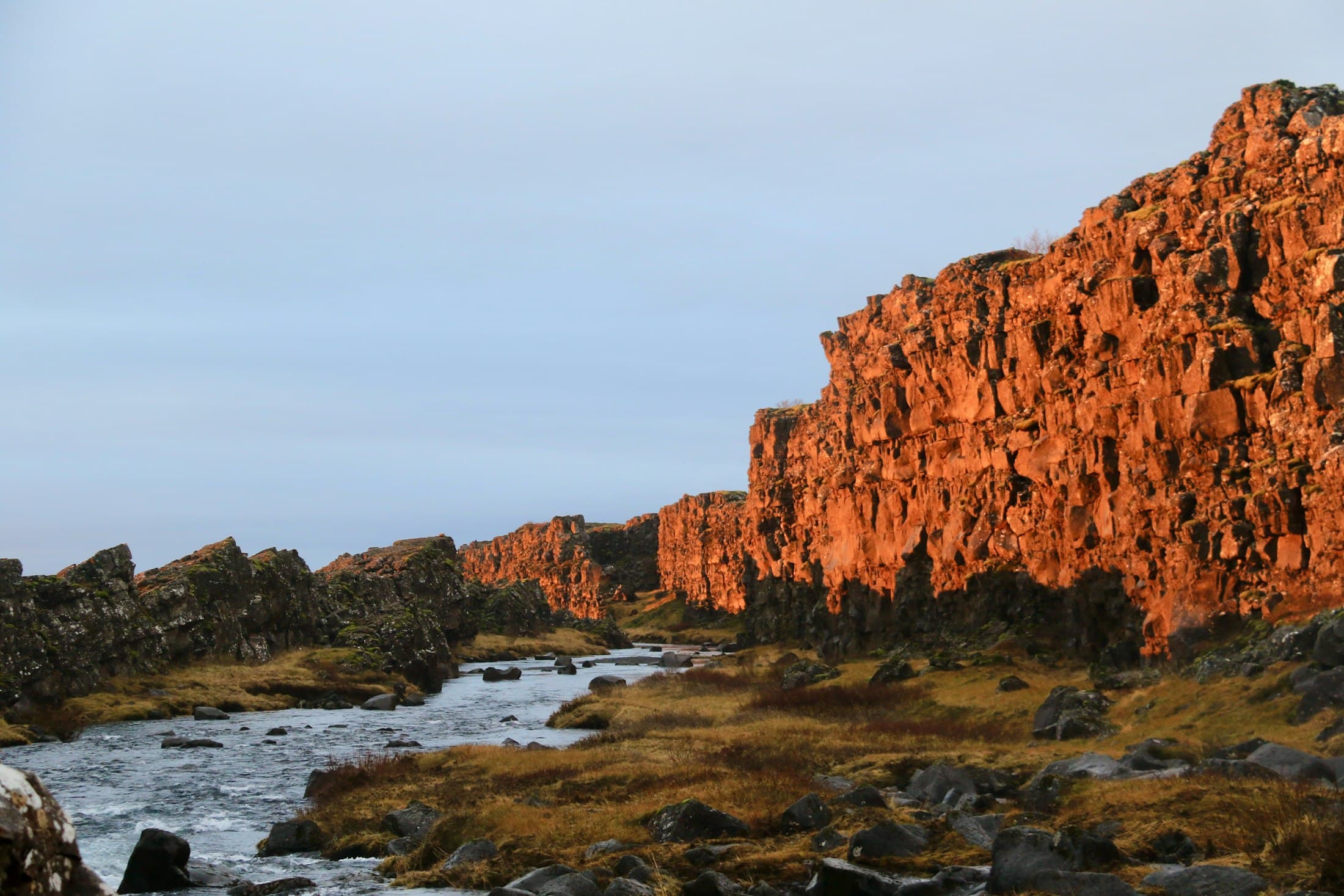 The Golden CircleBest: Jun · Jul · AugPhotographers joining
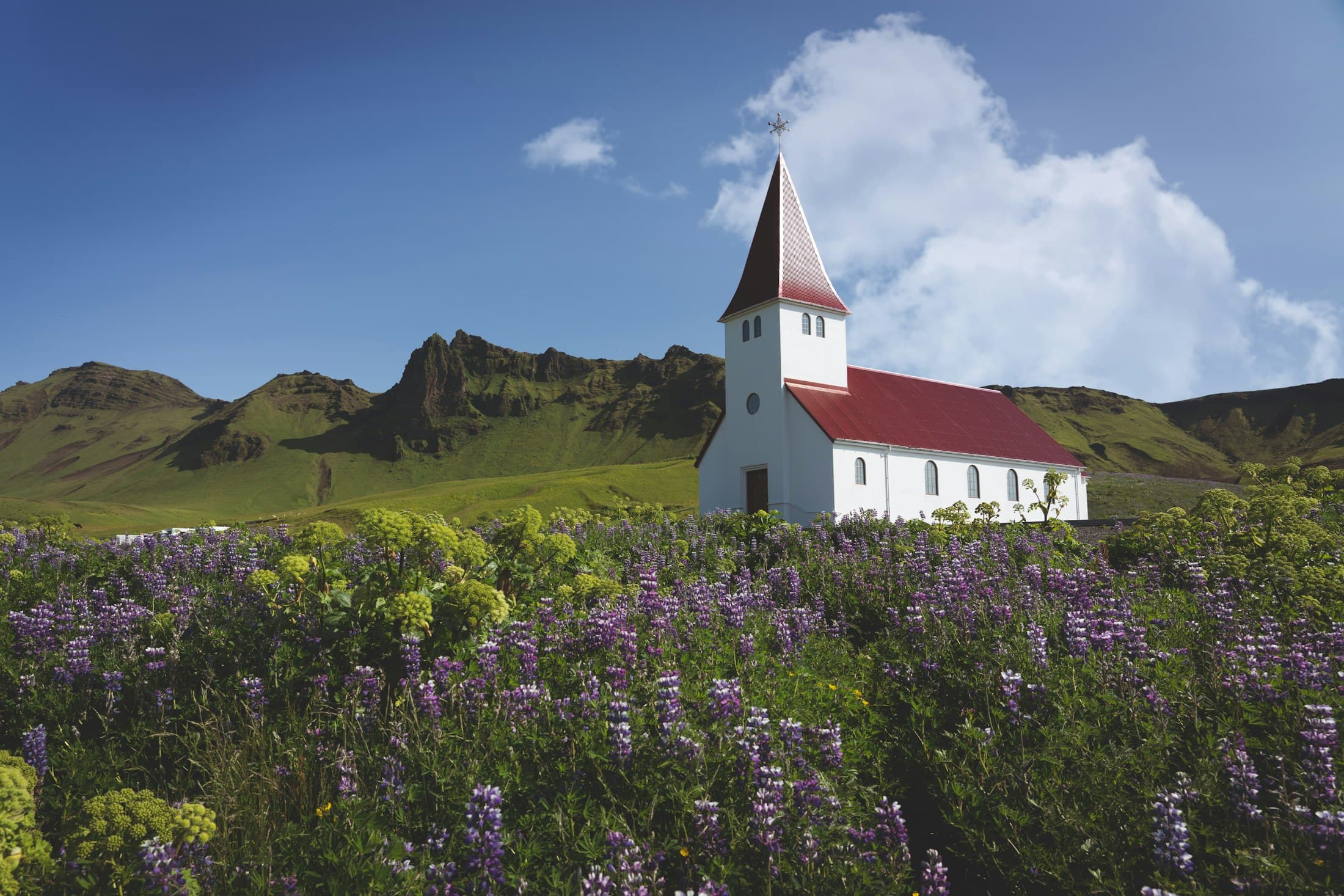 The South Coast & VíkBest: Jun · Jul · AugPhotographers joining
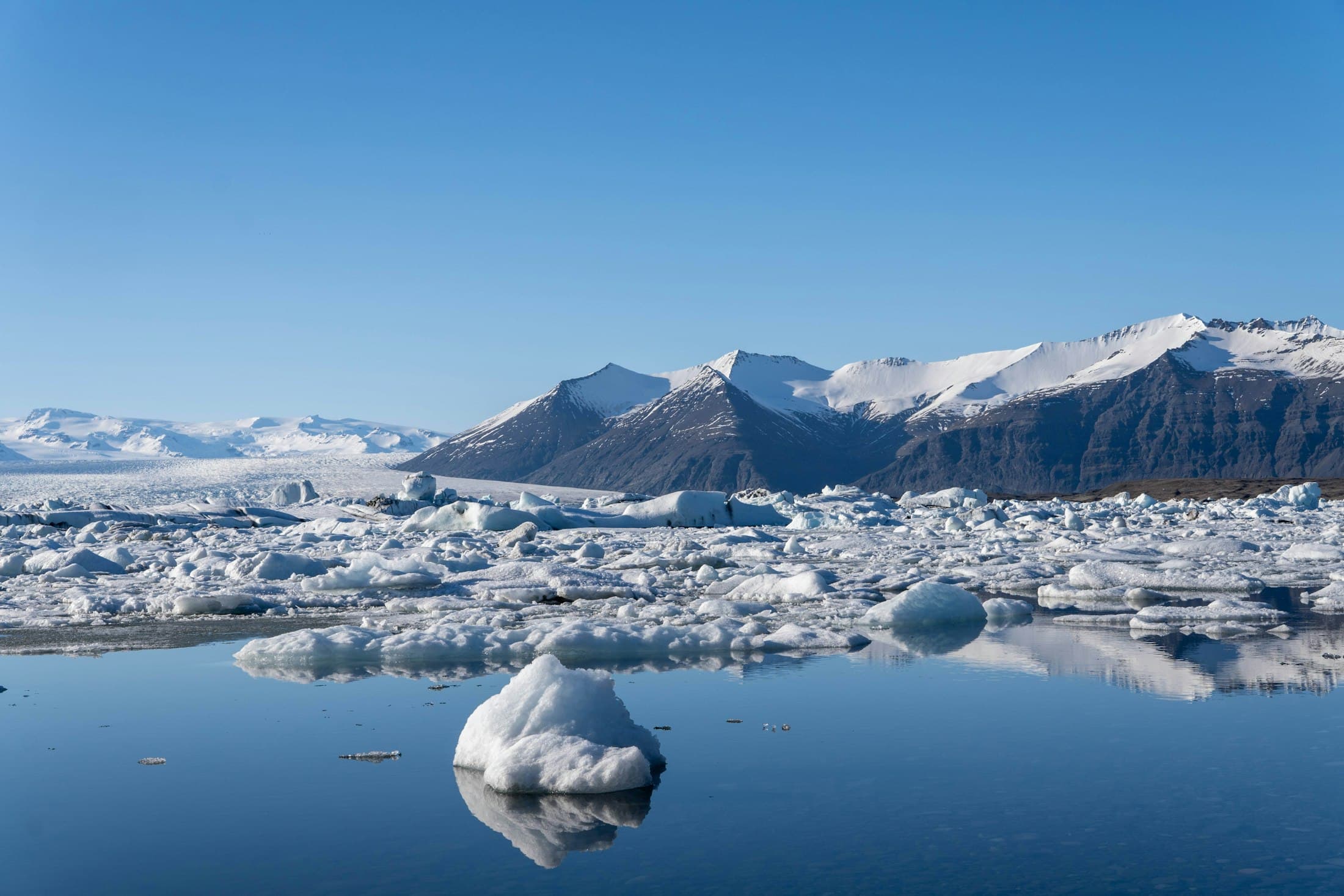 Jökulsárlón & the EastBest: Jun · Jul · AugPhotographers joining
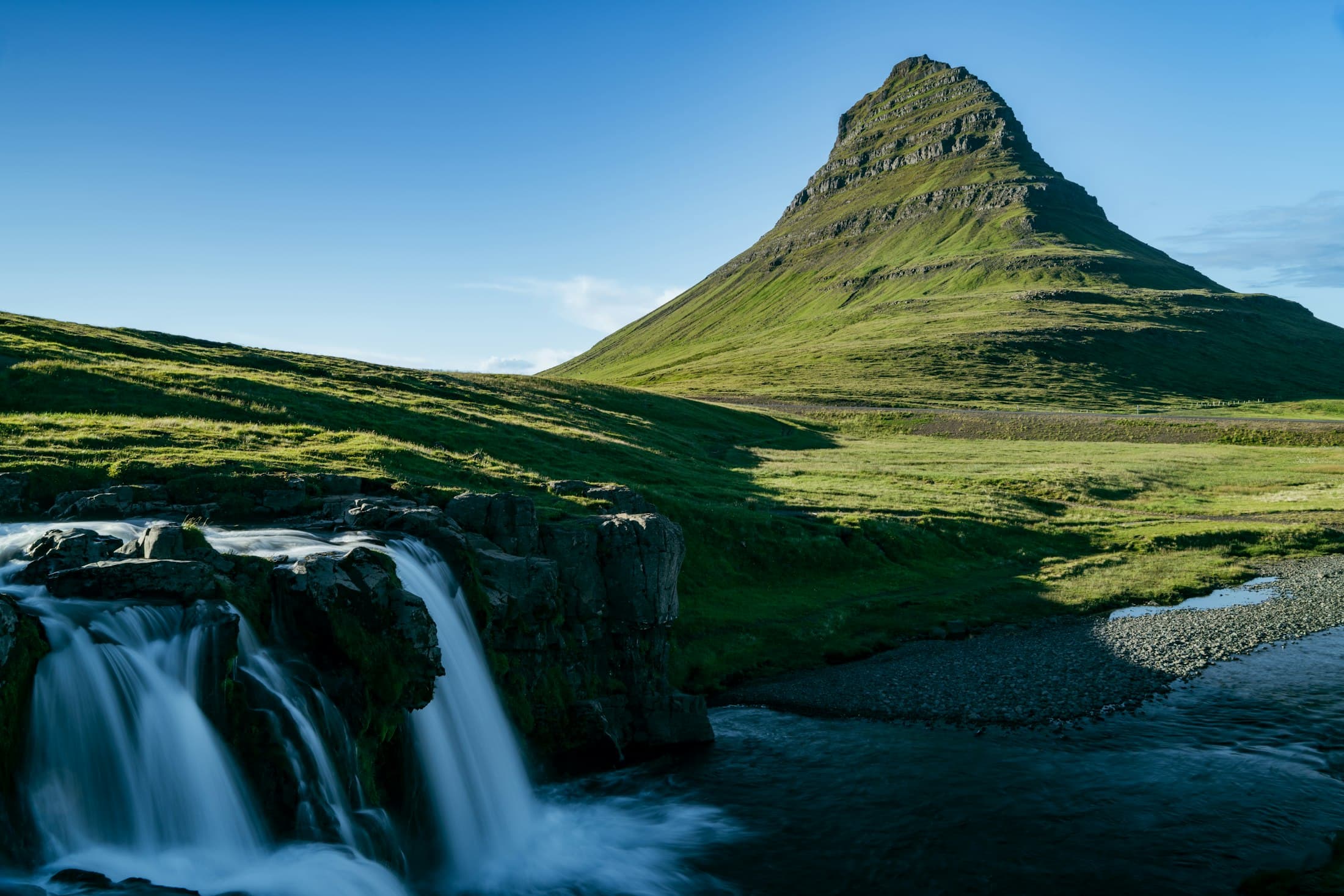 Snæfellsnes PeninsulaBest: Jun · Jul · AugPhotographers joining
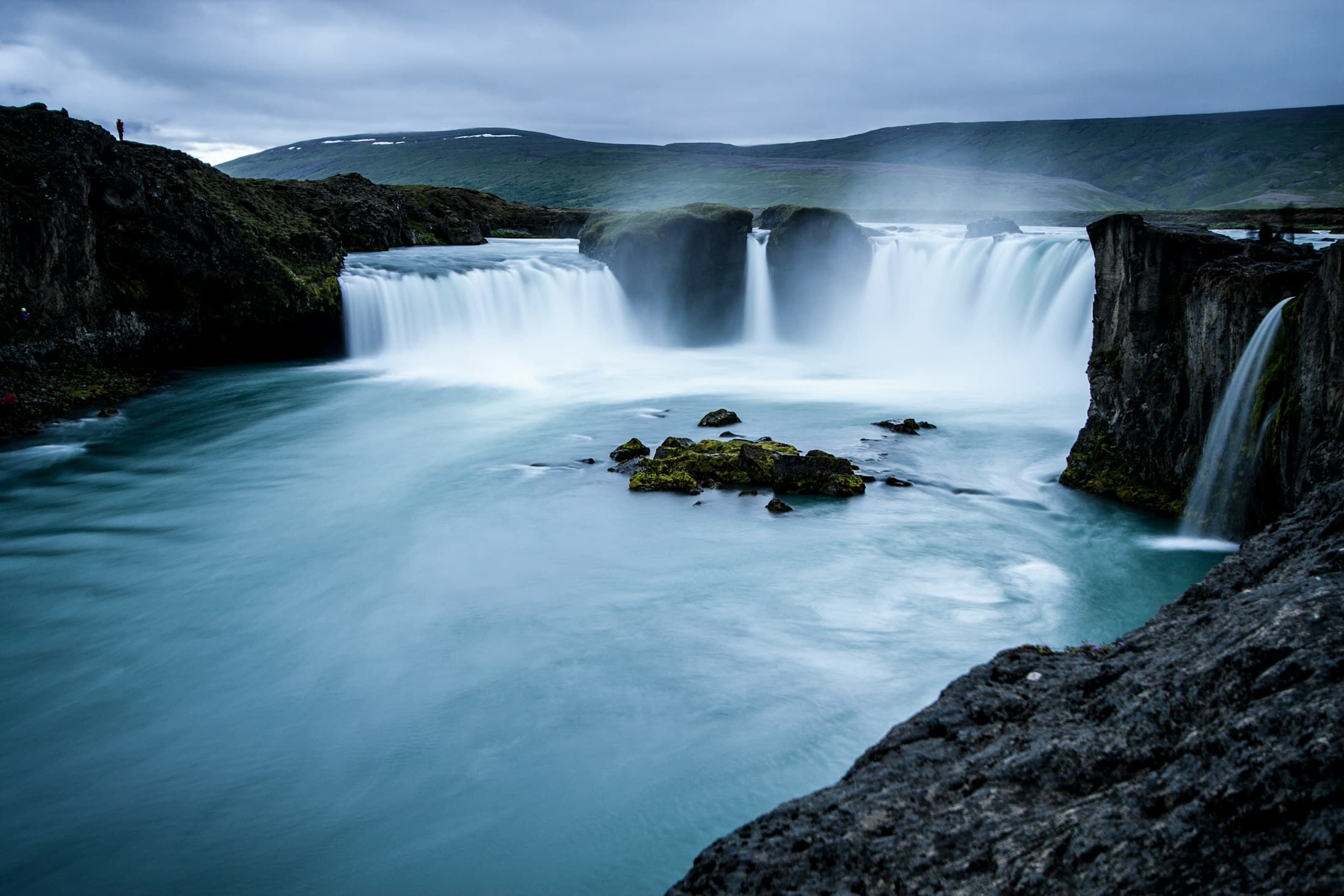 Akureyri & the NorthBest: Jun · Jul · AugPhotographers joining