Getting married on the Golden Circle
The rift valley of Þingvellir, where Iceland’s assembly met for nearly nine centuries, the hot springs of Geysir and the double fall of Gullfoss — a loop that starts less than an hour from Reykjavík.
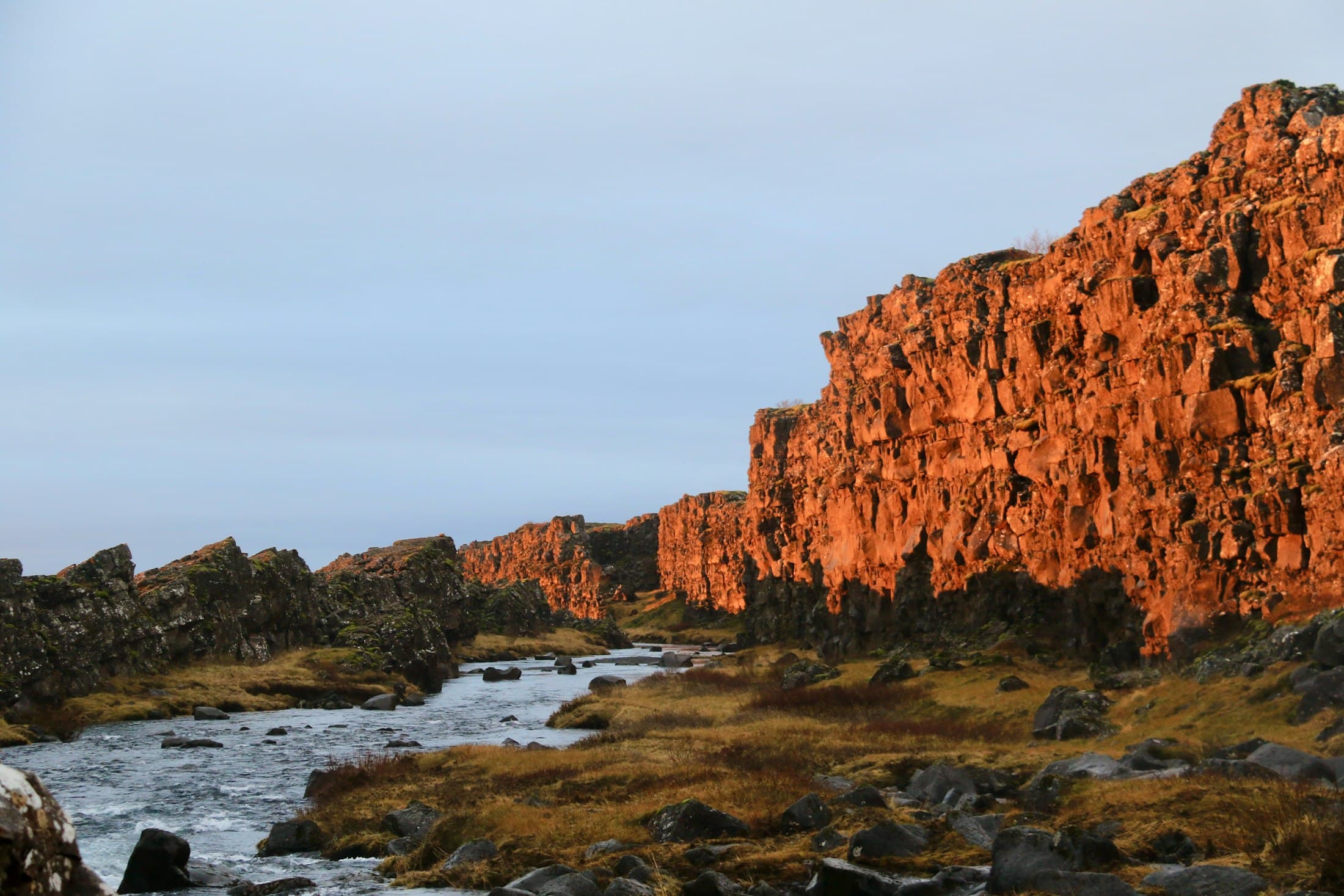
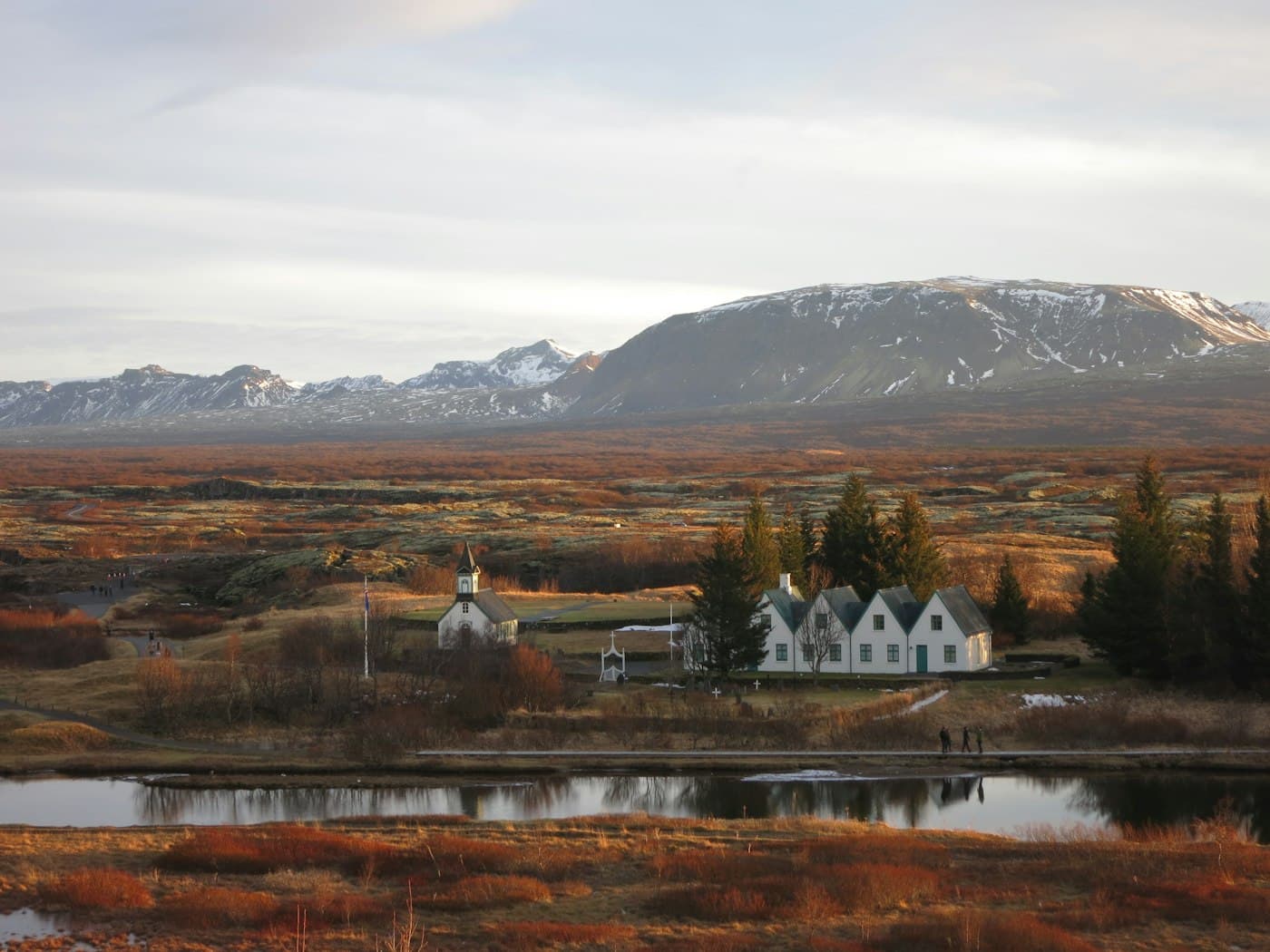
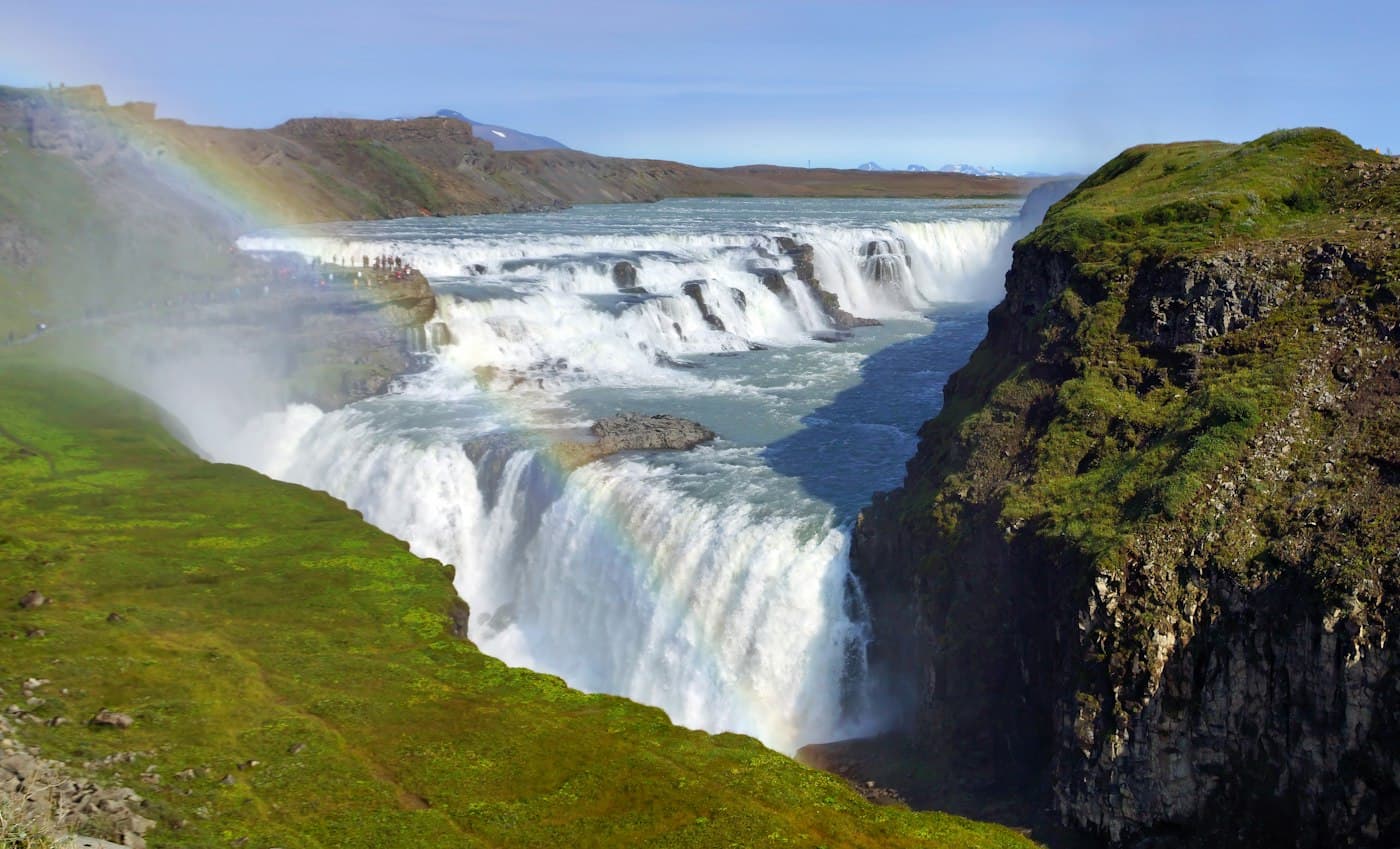
The Golden Circle is the classic loop inland from Reykjavík. Þingvellir National Park, a UNESCO World Heritage site 49 km from the city, lies in a rift valley whose cliffs mark the drift between two continental plates; the Althing, Iceland’s open-air assembly, met there from 930 until 1798, and a small white church of 1859 stands by the old farm. Further east, in Haukadalur, Strokkur shoots up to 30 metres high at regular intervals beside the now quiet Great Geysir, and a short drive on, the Hvítá river drops into its canyon in the two steps of Gullfoss.
Couples come here for an elopement with history and space around it: vows on a path through the rift, in the church at Þingvellir or by a waterfall, then a soak in a hot spring before dinner. Many fit it into a day from Reykjavík; others stay in the countryside and have the long evening light at the sights once the day tours have gone.
Through the year
When to marry on the Golden Circle
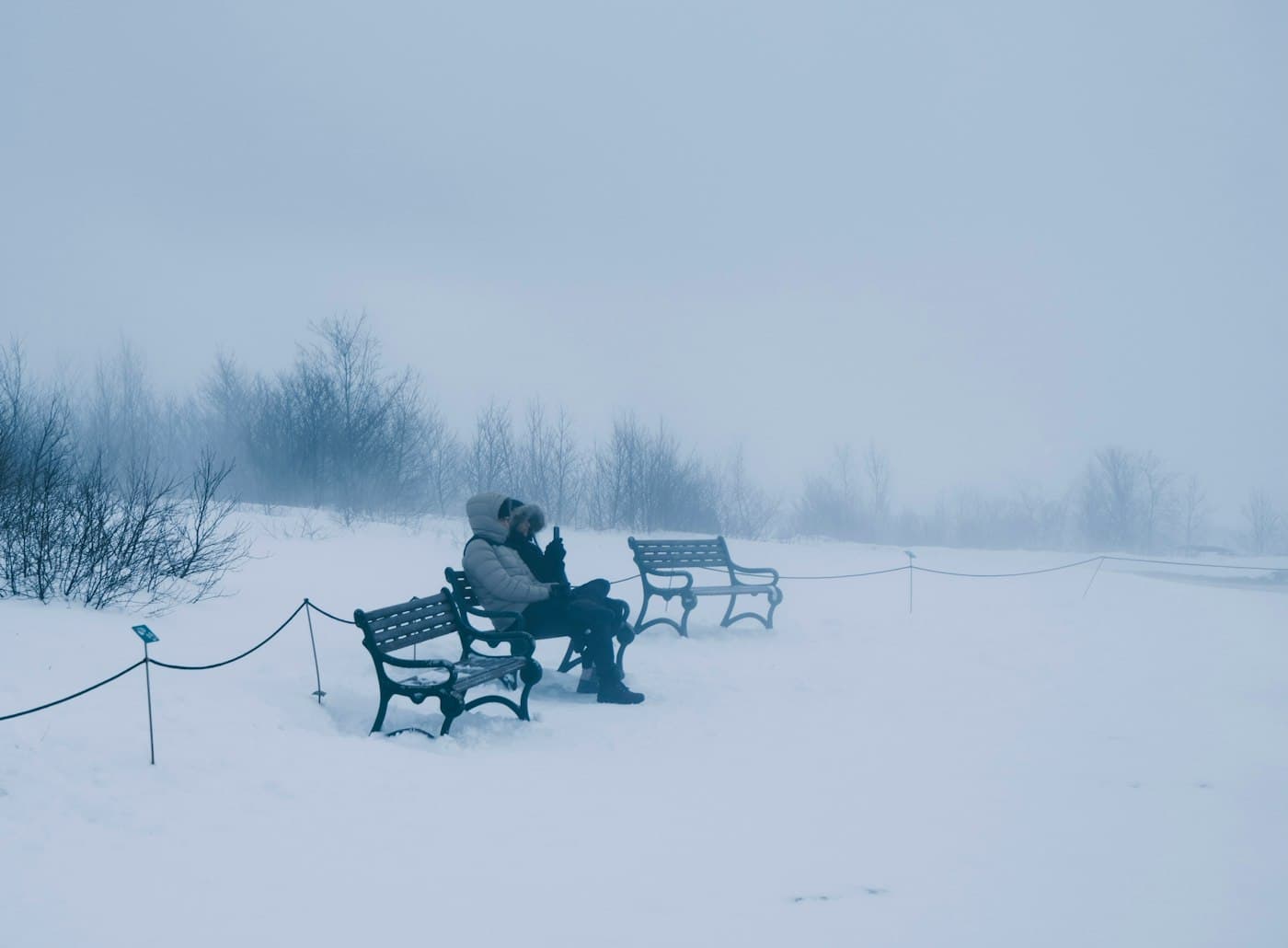
June to August are the warmest months inland, with average highs of about 15–16 °C and, on a few July days, more than 20 °C. The Golden Circle is also wetter than Reykjavík, with eleven to fourteen days of rain a month in summer and around sixteen in September. In September and October the birch and heather turn; from December to March snow lies on the ground on ten to twelve days a month and the nights are frosty, so a winter elopement means short days and careful driving.
- January: Quieter
- February: Good with planning
- March: Good with planning
- April: Quieter
- May: Good with planning
- June: Best
- July: Best
- August: Best
- September: Good with planning
- October: Good with planning
- November: Quieter
- December: Quieter
- SummerMild days and bright nights, green moss and birch, full rivers; late in the evening, after the day tours, the light lingers and the paths grow quiet.
- AutumnFrom mid-September the birch, willow and heather of the rift valley turn red and gold, the nights darken again and the northern lights become possible — with more rain and wind.
- WinterSnow on the lava and the rift walls, ice along the canyon at Gullfoss and a low sun from late morning to mid-afternoon; plan for icy roads and an early dark.
In numbers
- UNESCO World Heritage
- Þingvellir National Park (2004)
Weather station: Hjarðarland, normals 1991–2020 · Checked 16 October 2026
Places
Where couples marry here
The kinds of places — ask your photographer which ones they know well.
Þingvellir
The path between the rift walls of Almannagjá, the Öxará river and its waterfall, and the white church by the old farm, which can be booked through the national park. Commercial photography in the park needs the park committee’s permission — a photographer working alone with their own gear needs none — and in its busiest part drones may fly only before 9 am or after 6 pm.
Geysir and Gullfoss
Steam, ochre ground and the jet of Strokkur; spray and rainbows over Gullfoss. Both are protected areas: keep to the paths around the hot springs, and fly a drone only with a permit from the Nature Conservation Agency.
The lake and the countryside
Þingvallavatn below the park, lava fields grown over with moss and birch, and natural hot pools and village baths among the farms: quieter places for the vows, and a warm soak after.
Country churches
Small churches among the farms, and Skálholt, for centuries the seat of Iceland’s bishops — for a church wedding in the countryside, with dinner at a farm or country hotel nearby.
Light
How the light falls
In June the sun sets at Þingvellir a few minutes after midnight and rises before three, low in the north, so the rift walls catch a long, warm light at both ends of the night and the sky never darkens. At midwinter the sun is up only from about twenty past eleven to twenty past three. Early morning and late evening are also the quiet hours at the famous sights — which is why the park keeps drones out of its busiest stretch between nine and six.
Travel
Getting there
Fly into Keflavík. Þingvellir is 49 km from Reykjavík, and the loop through Geysir and Gullfoss follows main roads; in winter check umferdin.is and the Met Office warnings, and allow for ice and short days. Off-road driving is forbidden everywhere in Iceland, and the F-roads into the highlands open only in summer, usually from June or July.
Photographers
Photographers on the Golden Circle
No one on the Golden Circle yet
The first photographers on the Golden Circle are joining now. Tell our concierge your date and your plans — it checks who is free and fits.
Plan
Read before you plan
- How to choose a wedding photographer: the steps, and the questions to askThe decision in order — whole weddings, style, availability, the package, the contract and deposit, cancellation, delivery and a conversation — then a checklist of questions, with why each one matters.
- A wedding-day timeline for photosFrom getting ready to the last dance, planned around the light.
- Deposits and payment protectionWhat you pay when, and what happens if plans change.
- Wedding photography contract checklist: what it should say, and how Lens & Vows handles each pointThirteen things a good contract covers — the day and the hours, what is delivered, deposit and balance, cancellation on either side, date changes, illness, image rights, personal data, backups, travel, overtime and complaints — and what our terms say about each.
- Which country for a destination wedding? The law, prices, crowds and light, comparedThe legal route for couples who don’t live there, season and crowds, price levels, light, flights, venues and permits for photographs — Portugal, Italy, Spain, Greece, France and Austria compared with official figures, as of October 2026.
- A rain plan that still looks goodCovered spots, umbrellas and what photographers do on grey days.
Iceland
Other places
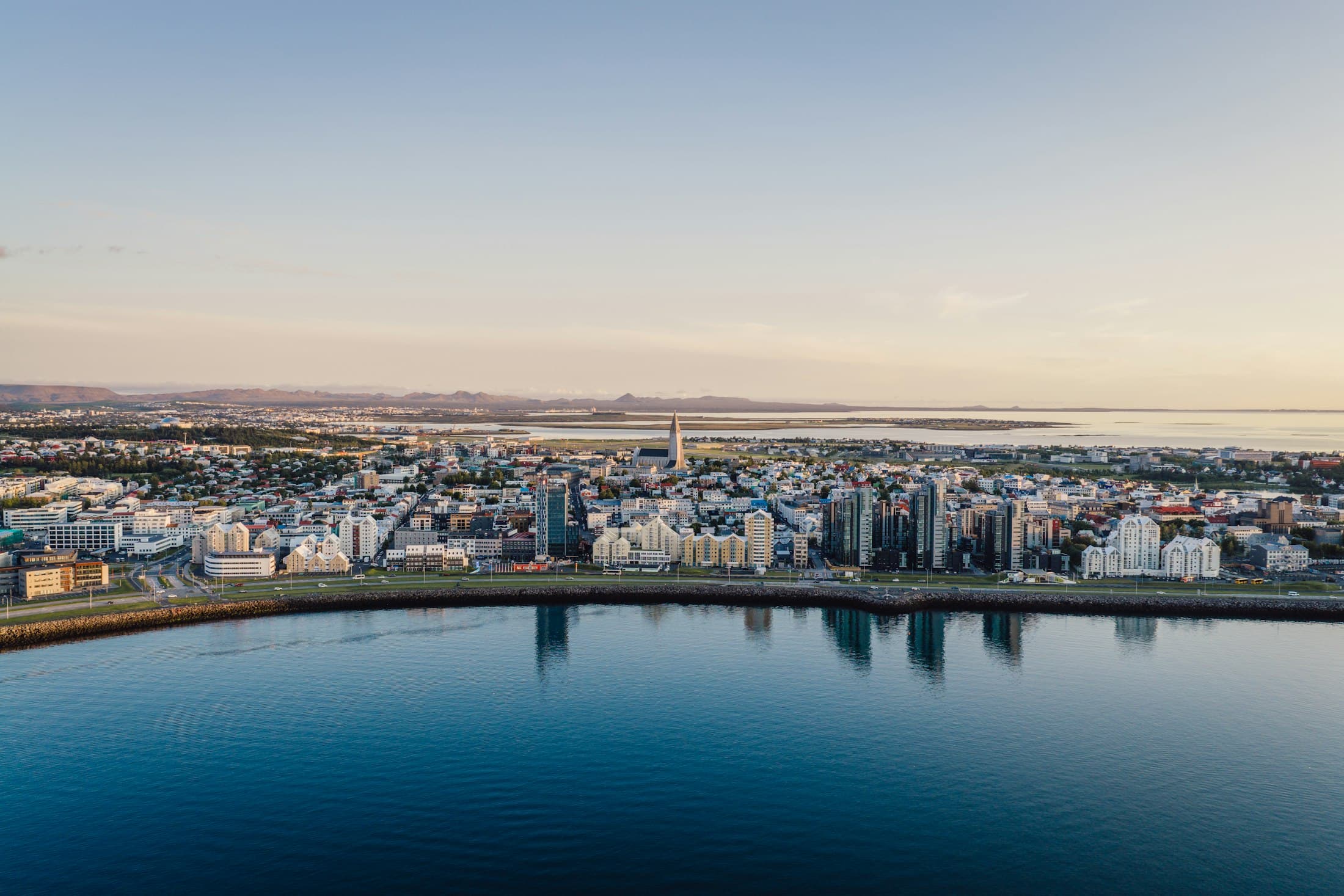 Reykjavík & ReykjanesBest: Jun · Jul · AugPhotographers joining
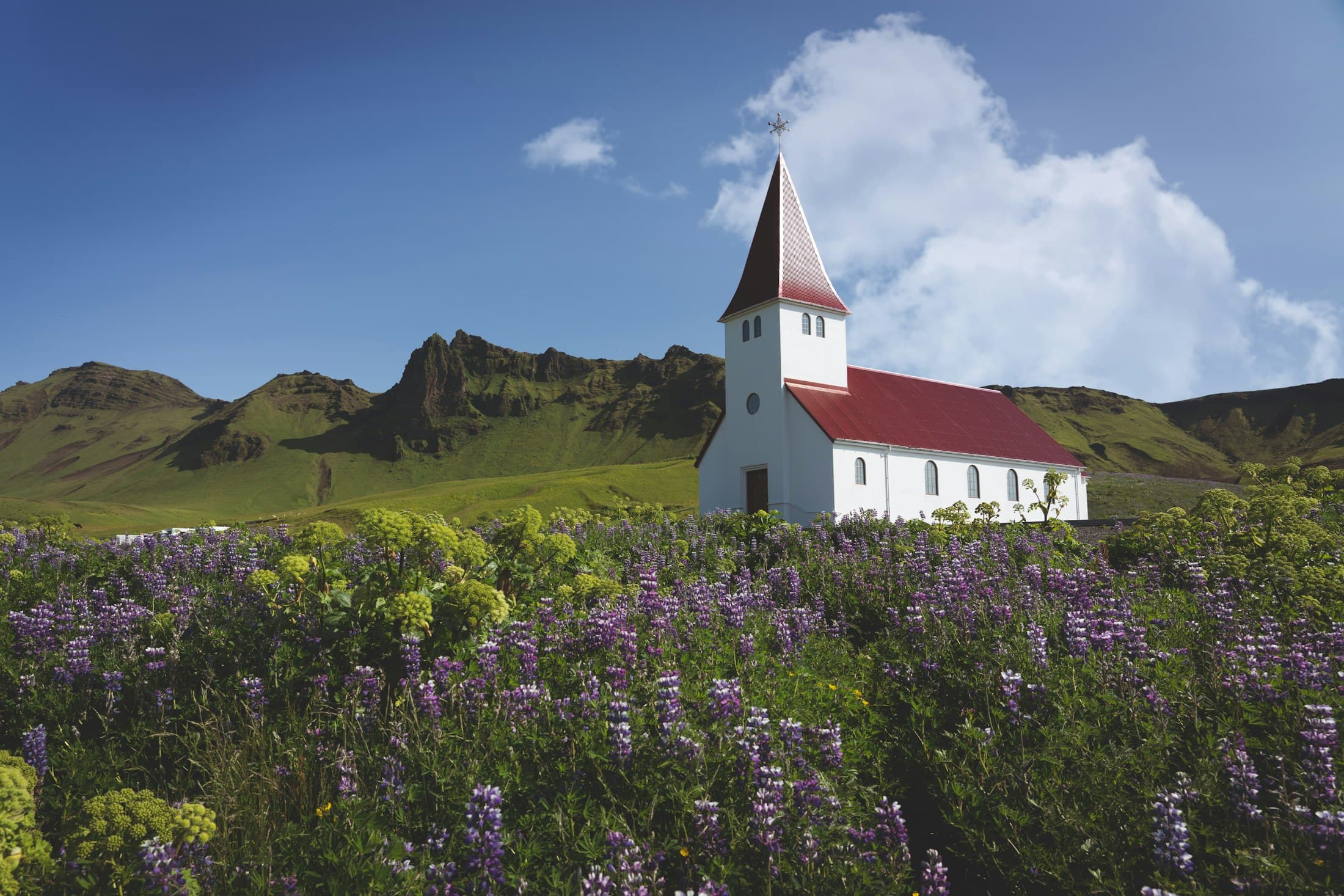 The South Coast & VíkBest: Jun · Jul · AugPhotographers joining
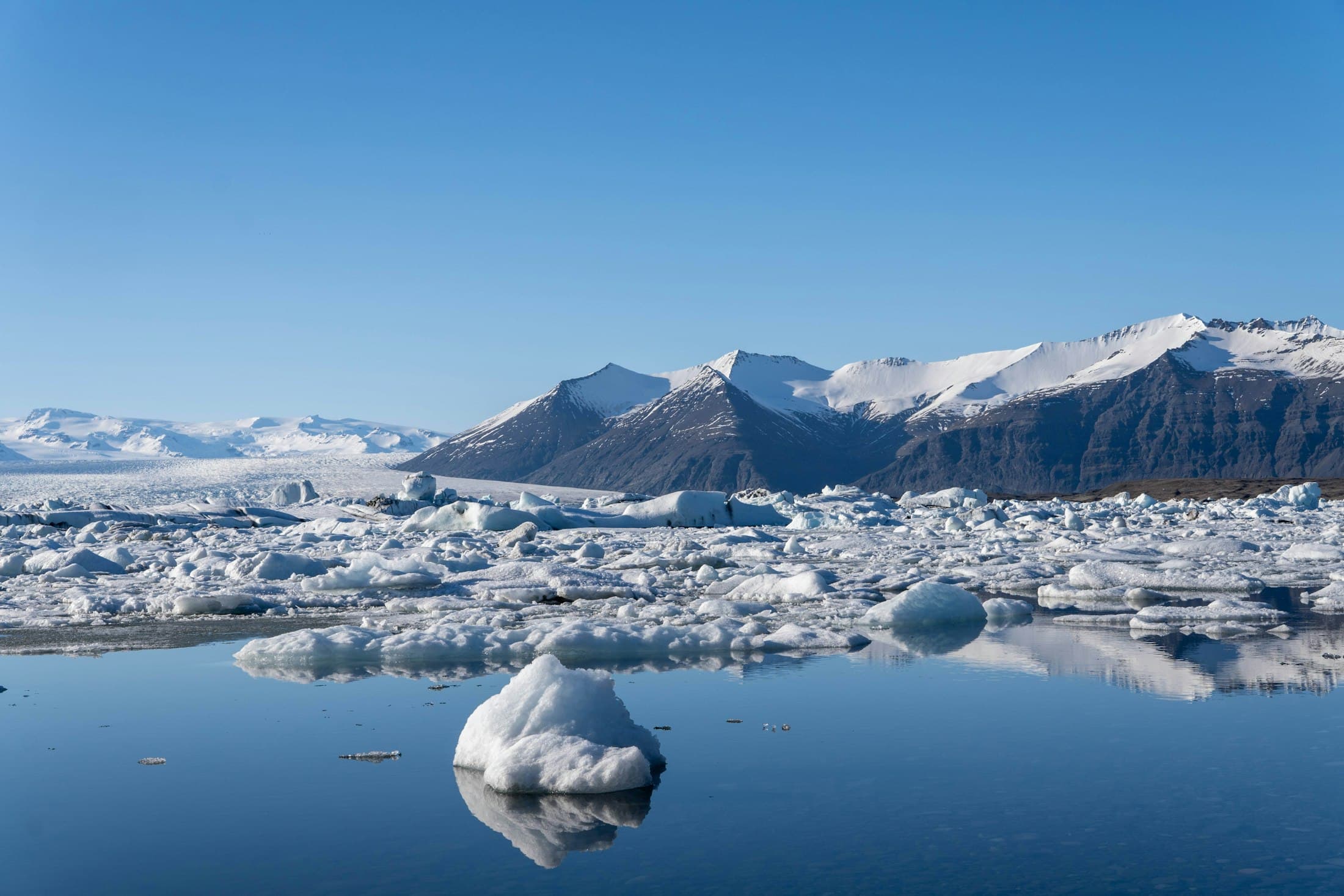 Jökulsárlón & the EastBest: Jun · Jul · AugPhotographers joining
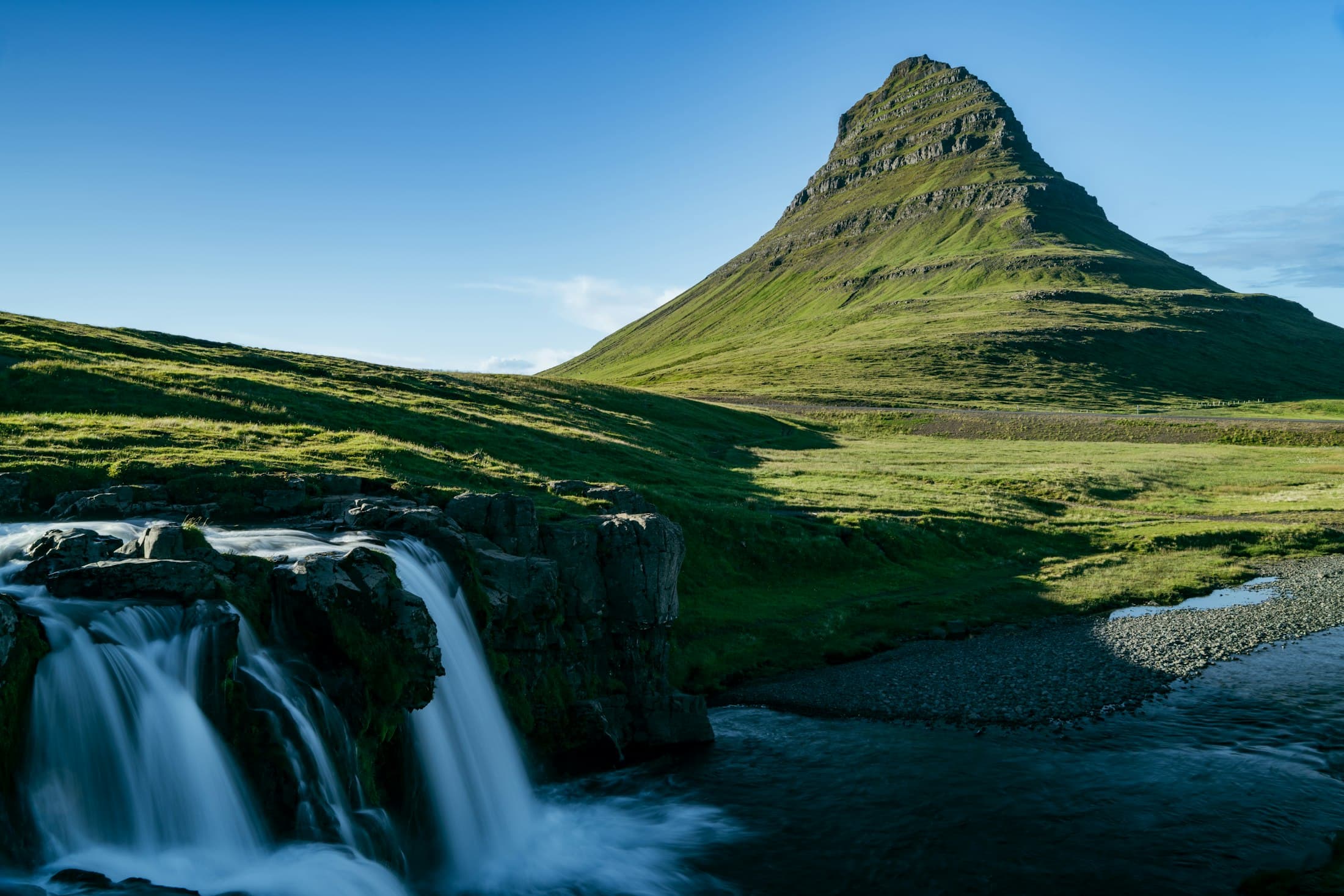 Snæfellsnes PeninsulaBest: Jun · Jul · AugPhotographers joining
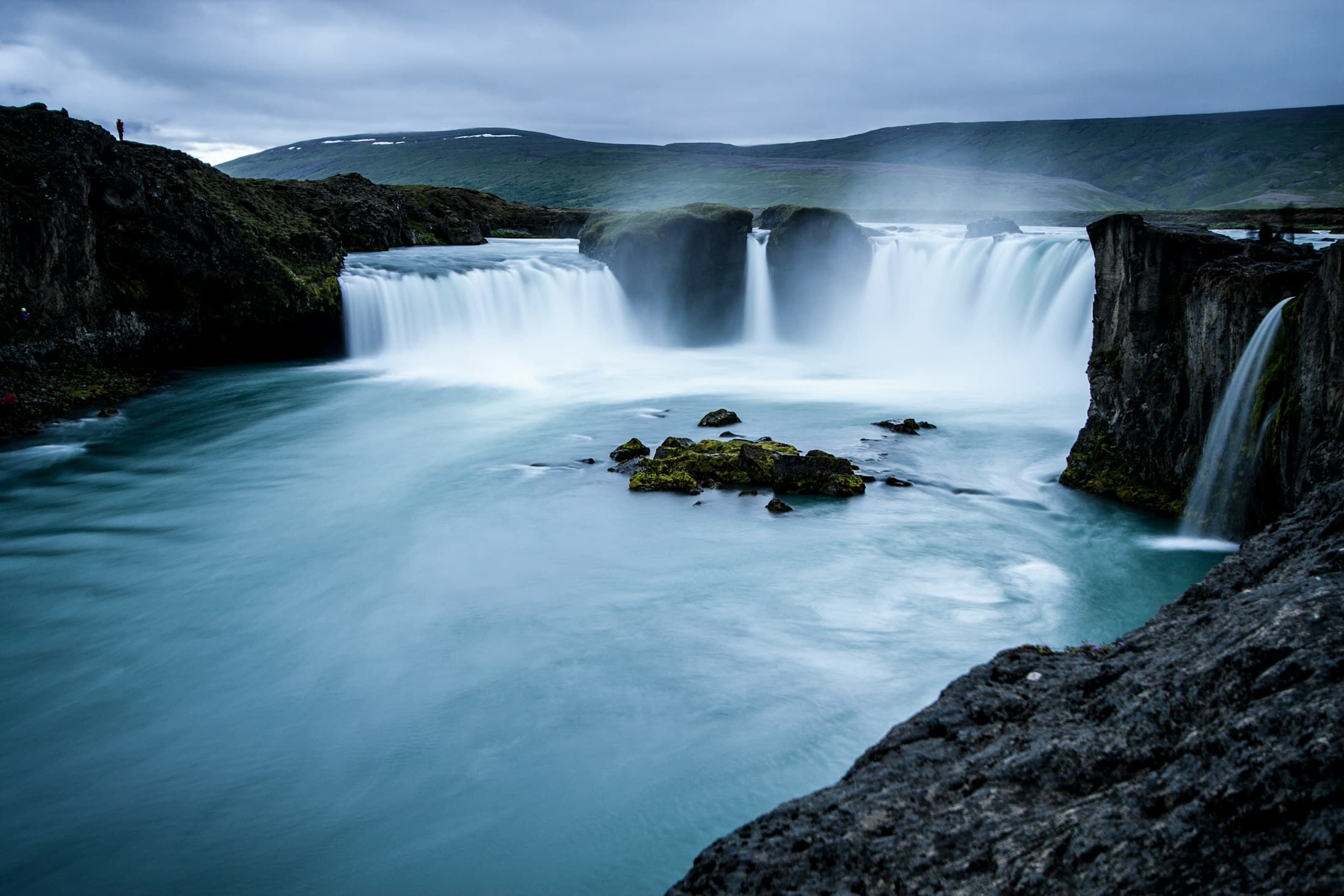 Akureyri & the NorthBest: Jun · Jul · AugPhotographers joining