Lens & Vows
Find my photographer

Tell us the place and the date — see who is free.

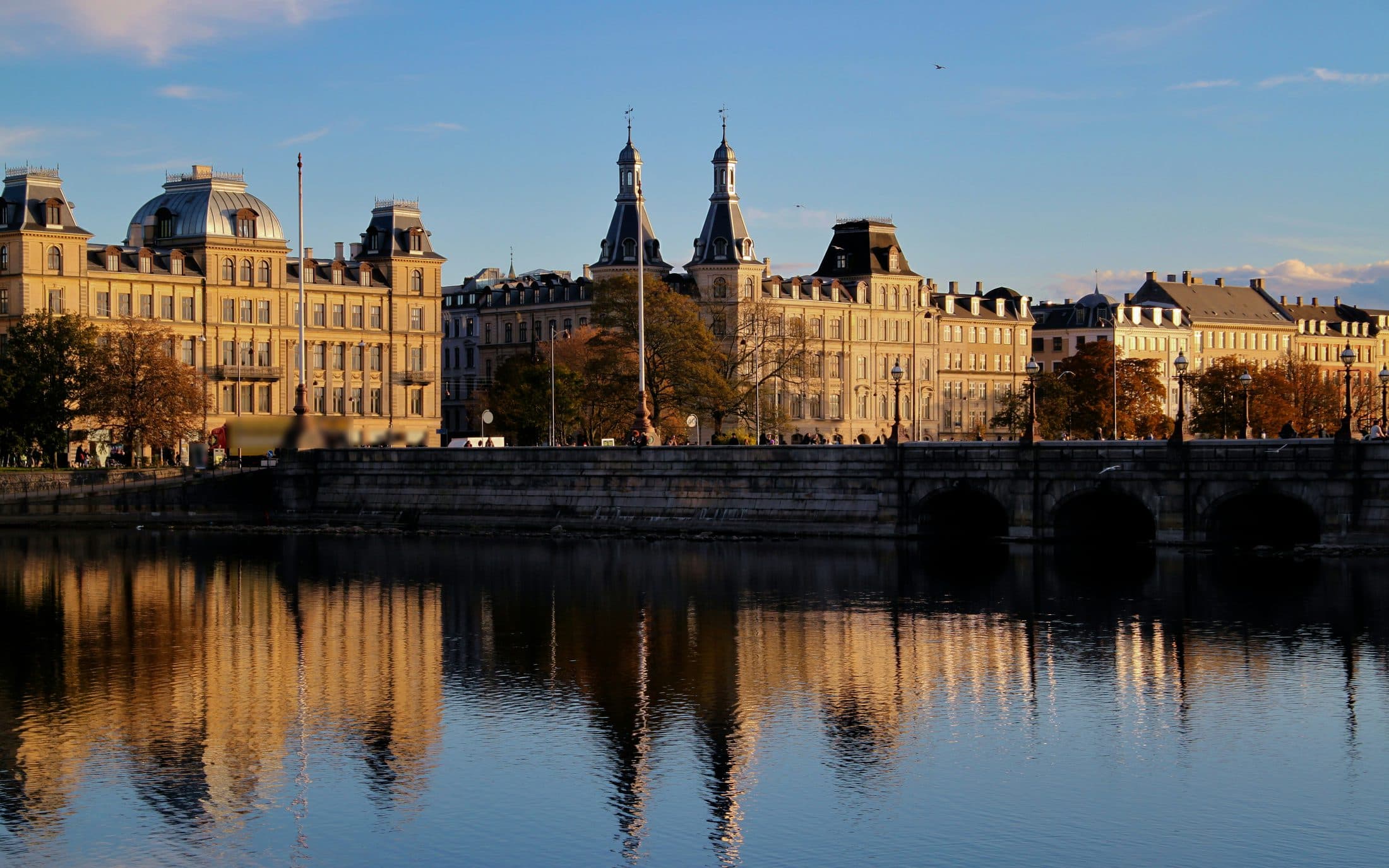
The Lakes in Copenhagen by Queen Louise’s Bridge on an autumn evening: tall towered apartment buildings lit gold by the low sun, trees turning brown and orange, the long stone bridge with its lamps and the whole row reflected in the still water

Denmark

Wedding photographers in Denmark

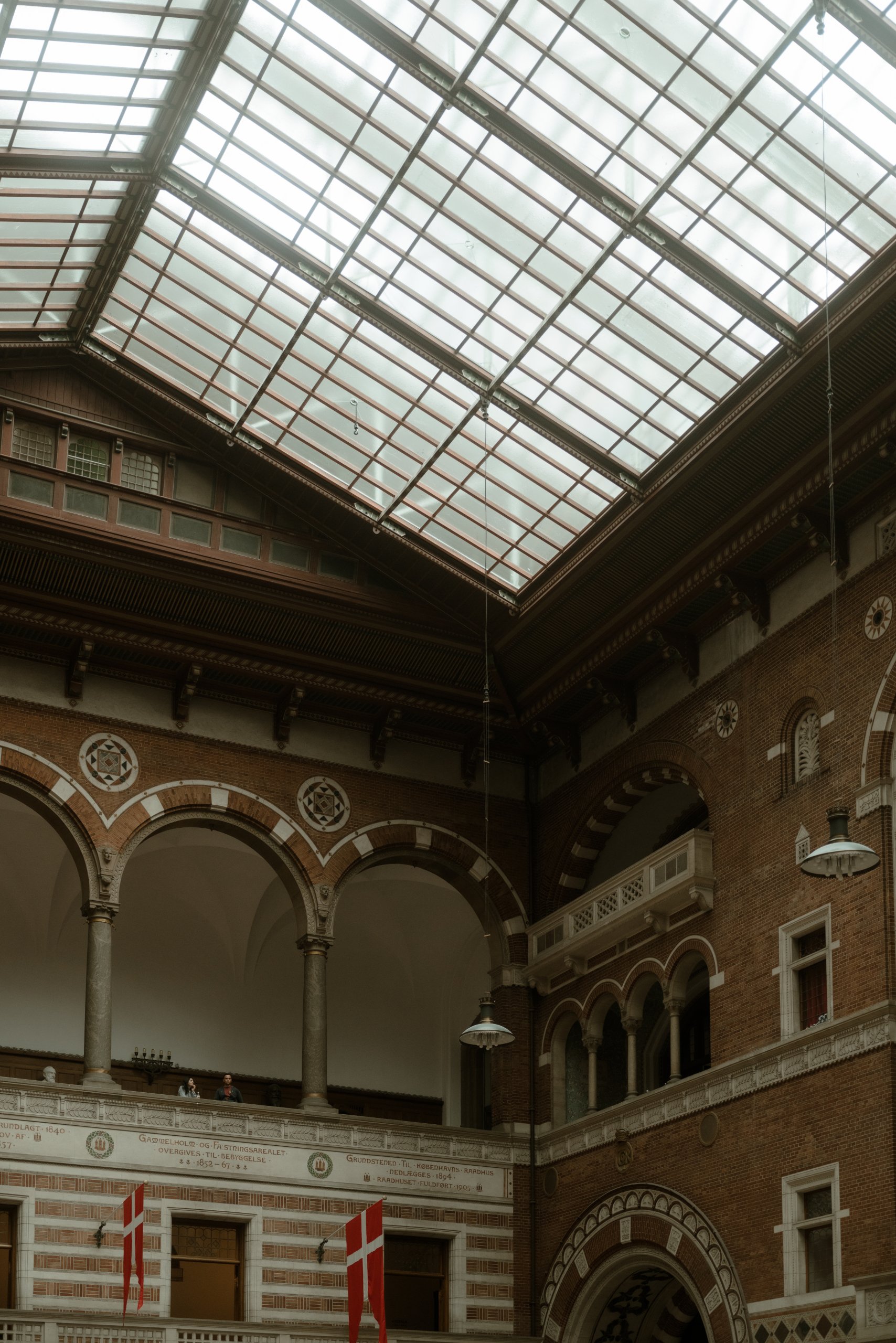
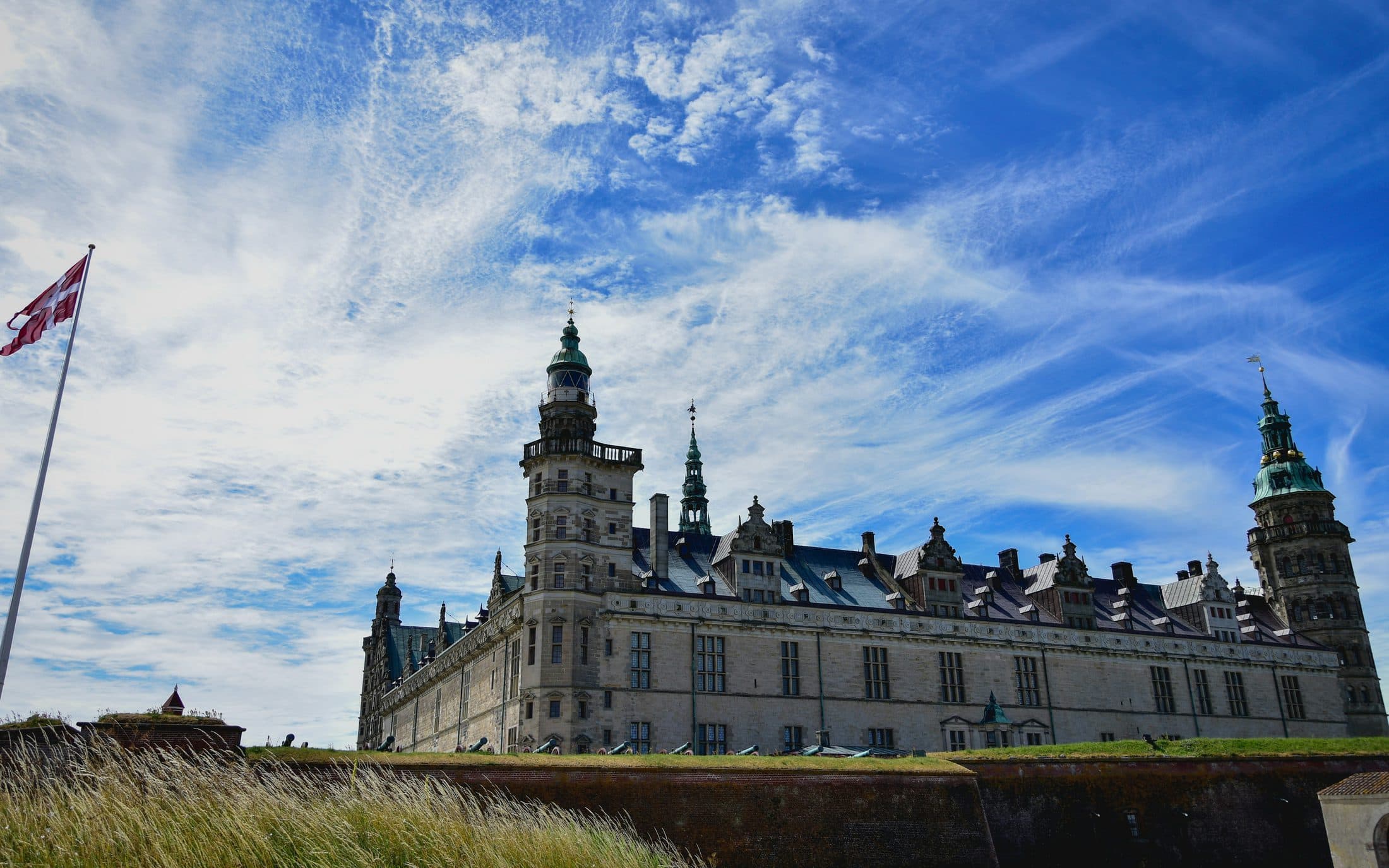
Copenhagen’s City Hall, canals and royal gardens, Kronborg and Frederiksborg in North Zealand, the lanes of Ærøskøbing and the islands south of Funen, Aarhus’s old town and the hills of Mols, Skagen’s yellow houses where two seas meet, and Ribe’s cathedral above the marshes of the Wadden Sea.

Denmark is a low country of a peninsula and many islands, and its weather comes off the sea: mild summers, mild winters and rain spread through the year.

July’s mean temperature, day and night together, is about 16 to 18 °C and January’s about 1 to 2 °C (the World Meteorological Organization’s 1991–2020 normals, as Denmark’s Meteorological Institute reported them). April and May are the driest months, with rain on about 7 or 8 days, and the west coast is the wettest: on Fanø it rains on 14 to 15 days a month from October to December. What sets the country apart is its light. On 21 June the sun sets at about ten in Copenhagen and at about twenty past ten in Skagen, and the sky never gets fully dark; on 21 December the sun is up for only six and a half to seven hours and sets between about half past three and four.

A legal wedding is civil or religious, and both count the same. The municipality marries you — free of charge in its wedding room, or at another place it allows anywhere in Denmark — or a priest of the Church of Denmark, or the authorised officiant of another recognised faith, marries you if one of you belongs to it. You don’t have to live in Denmark: the Agency of Family Law (Familieretshuset) checks the conditions from an online application with your passports, proof that you are lawfully in Denmark and any divorce papers, in Danish, English or German, usually within five working days of a complete application, for DKK 2,100 (as of November 2026), and its certificate is valid for four months. The ceremony is public, before at least two witnesses, in Danish or a language you agree with the municipality. Since 2012 two women or two men can marry, in the Church of Denmark too, though a priest may decline.

6 places

Where in Denmark

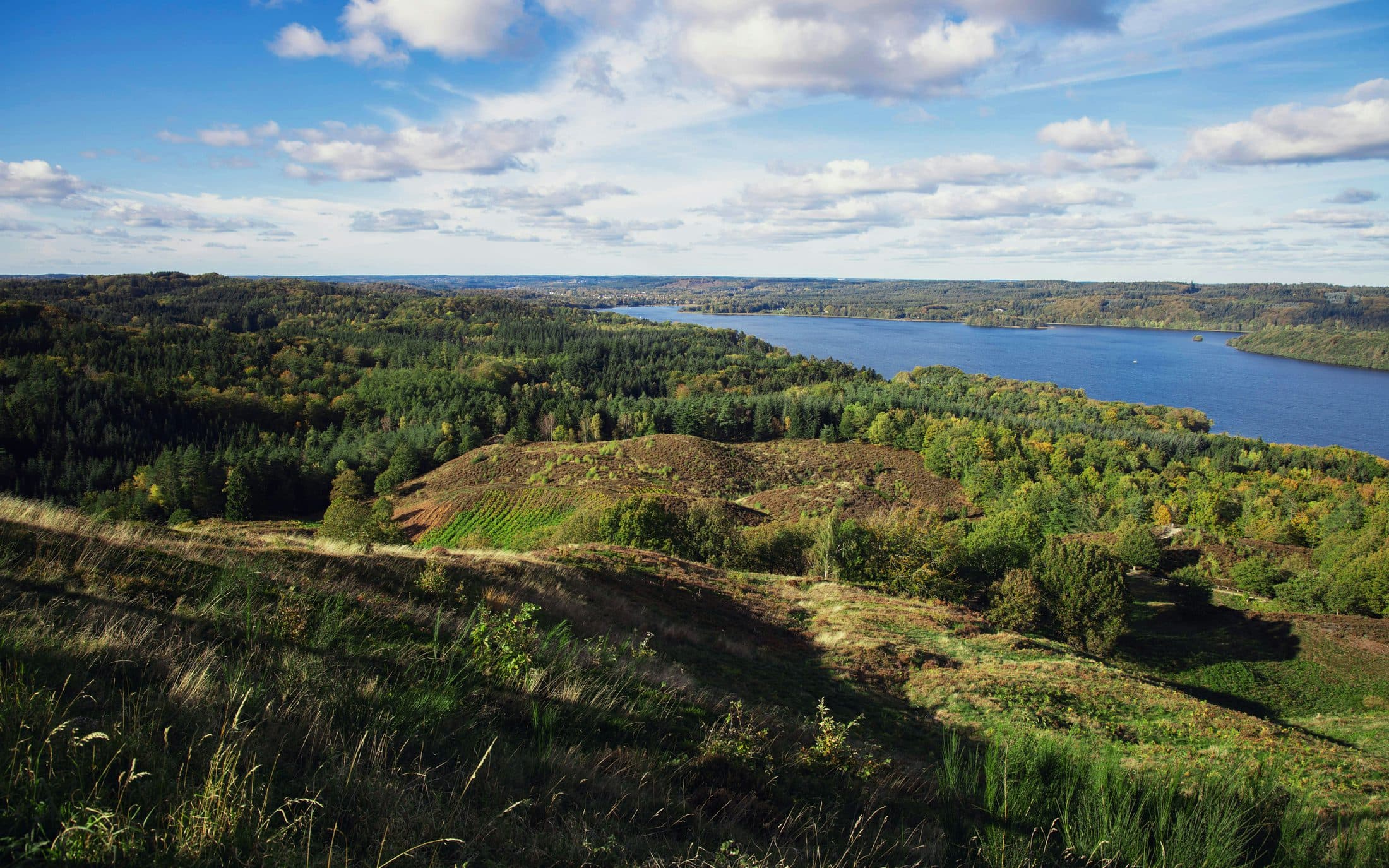
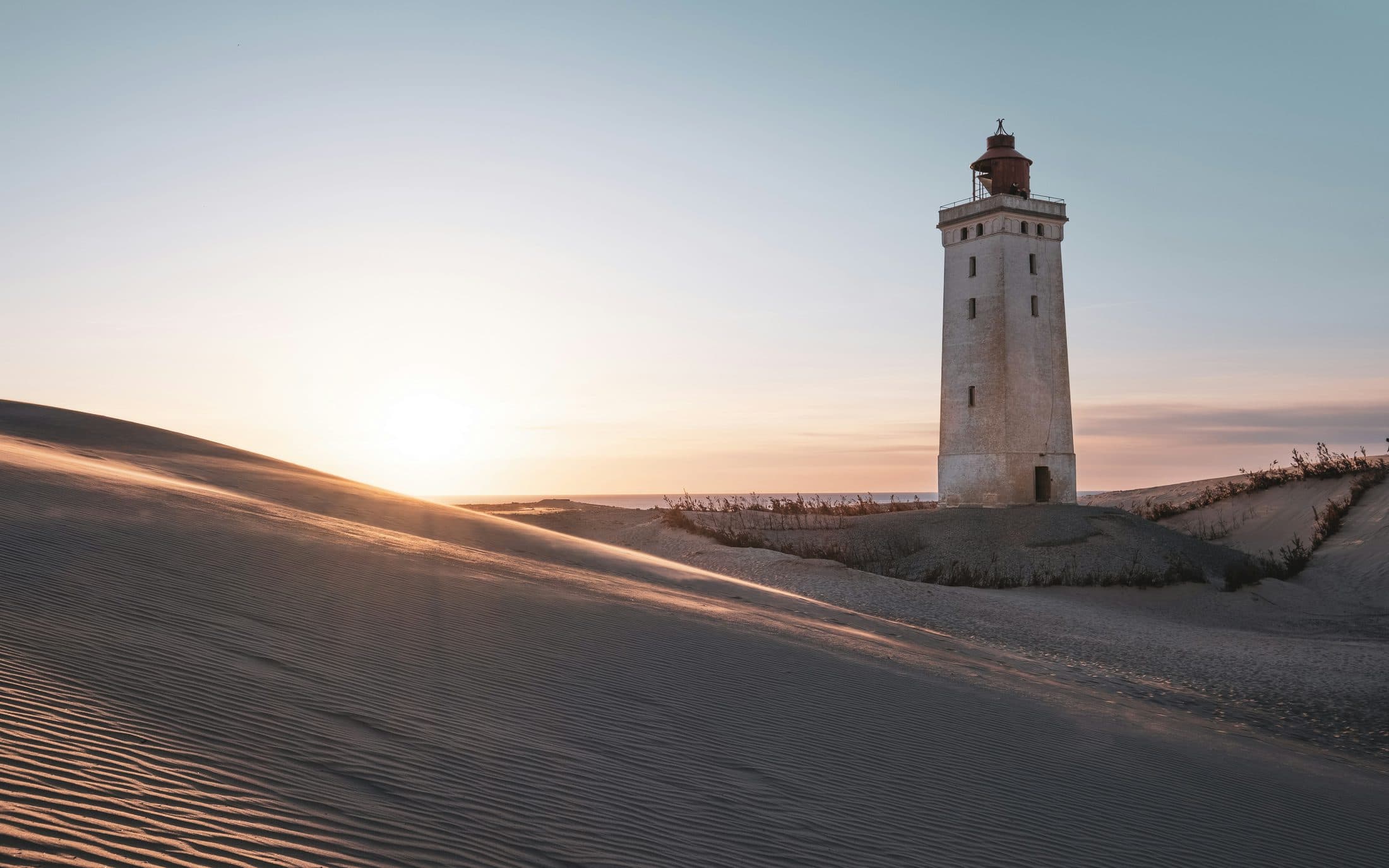
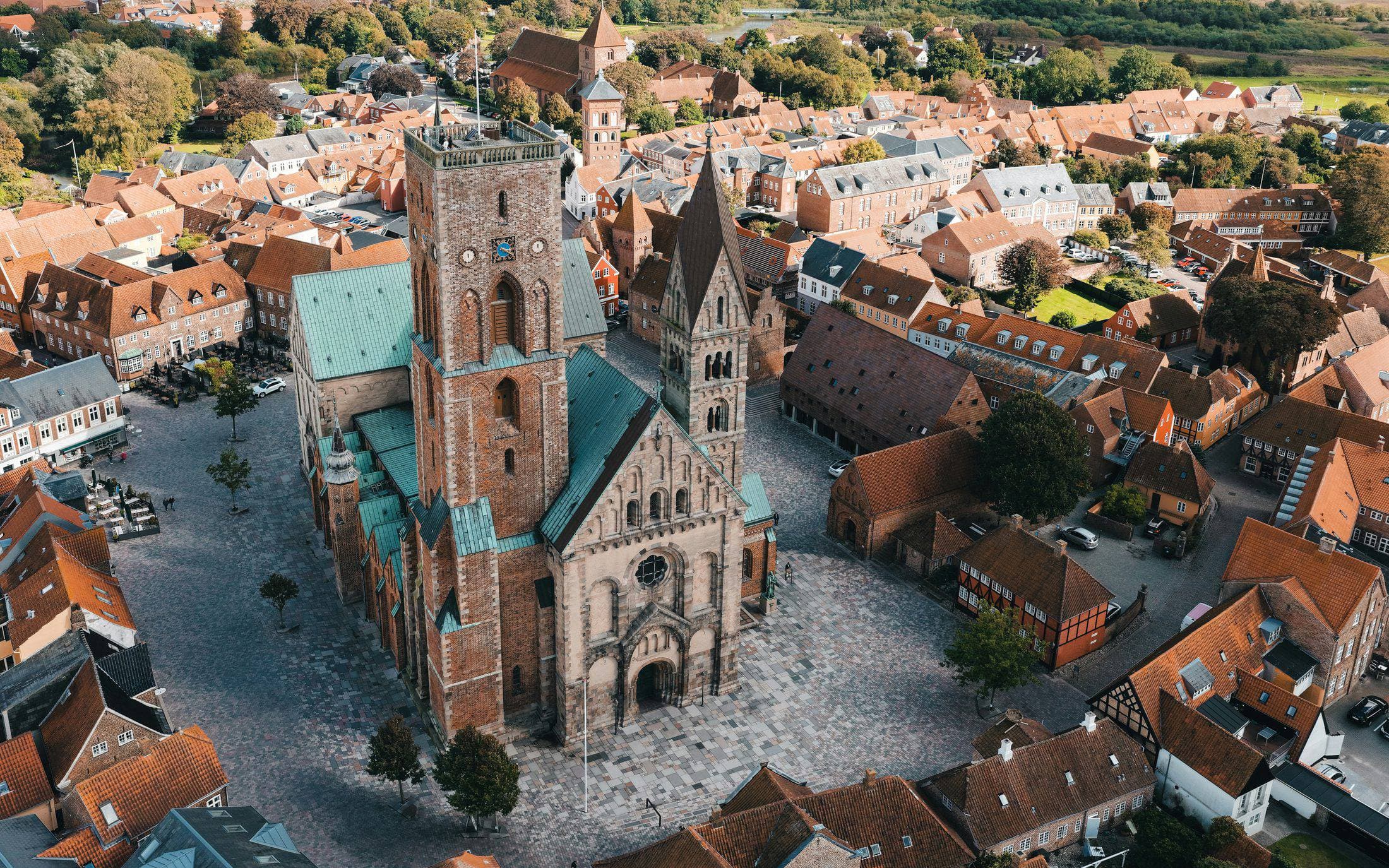
A capital of canals and palaces, castles and beech woods on the Øresund coast, small islands of old harbour towns, a city and its hills on the bay, the dunes and light of the far north, or a cathedral town by a tidal sea: each has its own light, landscape and best months. Start with the one that feels like you.
Through the year

When to marry, region by region

Dark: the easiest months. Outlined: they work with some planning. Grey: the quieter, wetter or hotter part of the year there.

  • Copenhagen
    1. January: Quieter
    2. February: Quieter
    3. March: Quieter
    4. April: Good with planning
    5. May: Best
    6. June: Best
    7. July: Best
    8. August: Best
    9. September: Best
    10. October: Good with planning
    11. November: Quieter
    12. December: Quieter
  • North Zealand
    1. January: Quieter
    2. February: Quieter
    3. March: Quieter
    4. April: Good with planning
    5. May: Best
    6. June: Best
    7. July: Best
    8. August: Best
    9. September: Best
    10. October: Good with planning
    11. November: Quieter
    12. December: Quieter
  • Funen & Ærø
    1. January: Quieter
    2. February: Quieter
    3. March: Quieter
    4. April: Good with planning
    5. May: Best
    6. June: Best
    7. July: Best
    8. August: Best
    9. September: Best
    10. October: Good with planning
    11. November: Quieter
    12. December: Quieter
  • Aarhus & East Jutland
    1. January: Quieter
    2. February: Quieter
    3. March: Quieter
    4. April: Quieter
    5. May: Good with planning
    6. June: Best
    7. July: Best
    8. August: Best
    9. September: Good with planning
    10. October: Quieter
    11. November: Quieter
    12. December: Quieter
  • Skagen & North Jutland
    1. January: Quieter
    2. February: Quieter
    3. March: Quieter
    4. April: Quieter
    5. May: Good with planning
    6. June: Best
    7. July: Best
    8. August: Best
    9. September: Good with planning
    10. October: Quieter
    11. November: Quieter
    12. December: Quieter
  • Ribe & the Wadden Sea
    1. January: Quieter
    2. February: Quieter
    3. March: Quieter
    4. April: Quieter
    5. May: Good with planning
    6. June: Best
    7. July: Best
    8. August: Best
    9. September: Good with planning
    10. October: Quieter
    11. November: Quieter
    12. December: Quieter

The seasons

What each season brings

The legal basics

Three ways to say yes

What makes a wedding legally binding in Denmark, in short. Couples from abroad can marry here legally — neither of you needs to live in Denmark — once the Agency of Family Law (Familieretshuset) has checked the conditions, usually within five working days of a complete application, for DKK 2,100 (as of November 2026); if each of you is a Danish or Nordic citizen or a permanent resident, you apply to the municipality where you live instead.

  • CivilThe municipality (kommune) marries you — the mayor or someone it authorises — and any municipality must do so, even if neither of you lives there (Marriage Act § 18; Marriage Order §§ 14–15). First the conditions are tested: by the Agency of Family Law (Familieretshuset), unless each of you is a Danish or Nordic citizen or a permanent resident, when the municipality where you live does it (Marriage Act § 13); each of you must be lawfully in Denmark (§ 11 a), and the certificate is valid for four months. The ceremony is public, before at least two witnesses — relatives may be witnesses — in Danish or another language you agree on, in office hours or, on request, on a Saturday between 9 and 12 (Marriage Order §§ 17–19). It is free in the municipality’s own wedding room; the municipality may allow another place anywhere in Denmark — in another municipality only with its approval — and charge you what that costs (Marriage Act § 18; Marriage Order § 21). You receive the marriage certificate (vielsesattest) straight after. Two women or two men have married exactly as anyone else since 15 June 2012.
  • ReligiousA church wedding has the same legal effect (Marriage Act § 15). In the Church of Denmark (folkekirken) a priest marries you if one of you belongs to it — members of the Lutheran national churches of Norway, Sweden, Finland and Iceland count as members — as a rule in the church, or at another suitable place if you and the priest agree, before two witnesses (§ 16; Church of Denmark wedding order §§ 2–3). The Ministry adds that you need a tie to the church, such as living or having lived in the parish or having been baptised or confirmed there; without one, it is the priest’s decision. In another recognised faith, an officiant the Ministry has authorised marries you if one of you belongs to it. Either way the certificate that the conditions are met comes first, with the priest or officiant at least 14 days before. Since 2012 the Church of Denmark has married two women or two men with its own authorised ritual, though a priest may decline (church membership act § 7 a).
  • SymbolicAny place, any words, any celebrant — but no legal weight: the route for couples who would rather sign the papers at home and celebrate here, on a beach, in a beech wood or on a castle lawn, wherever the owner allows it. Drones fly under the EU’s rules — an operator registered where they live (in Denmark with the Civil Aviation and Railway Authority, Trafikstyrelsen; from outside the EU, in the first EU country where they fly), insured, in sight, below 120 m and never over crowds — and Denmark adds its own zones, shown on Trafikstyrelsen’s map dronezoner.dk: no flying within 150 m of the royal palaces and castles its order names (Amalienborg, Fredensborg, the Hermitage, Christiansborg, Rosenborg, Kronborg and Frederiksborg among them) or at all over Kongens Have, Frederiksberg Have and Søndermarken, none near airports (8 km from the main ones, 4 km from smaller airfields), none in Natura 2000 areas during their protection seasons and none over fenced houses and gardens without the owner’s consent, unless Trafikstyrelsen grants an exception.

Before any legal wedding

Couples from abroad apply online to the Agency of Family Law; both of you must complete your parts within 14 days, and the DKK 2,100 fee is paid with the application and isn’t refunded (as of November 2026). Each of you sends colour photos of every page of your passport (EU citizens may use an ID card), proof that you may enter and stay in Denmark (for non-EU citizens, any visa or residence permit and, since April 2026, the printout of the EU’s Entry/Exit System calculator with your tickets) and, if you were married before, proof that the marriage ended. Every document goes in its original language with a translation into Danish, English or German by an authorised translator. Papers from Europe (except thirteen listed countries, among them Albania, Bosnia and Herzegovina, Russia and Ukraine), the United States, Canada, Australia, New Zealand and Turkey need no legalisation; from elsewhere, an apostille or legalisation. The Agency may ask how you met or invite you to an interview, as it checks for sham marriages. If one of you is a Danish or Nordic citizen or holds a Danish residence permit and the other is here only on a visa or a visa-free stay, you both first sign the 11 b declaration that you know Denmark’s family-reunification rules.

Rules, documents and fees change and depend on your nationality: always check with the Agency of Family Law (Familieretshuset) — or, if you live in Denmark, your municipality — with the municipality, parish or faith that will marry you, and with your own country’s embassy or consulate before you set a date; and, for photos or a drone at a palace, a castle, a royal garden or in a Natura 2000 area, with whoever manages it.

Read the guide

Photographers

Photographers in Denmark

Hand-picked and ID-verified: whole weddings, packages and real calendars — pick one, check your date.

All photographers

Booking through Lens & Vows

  • The other 70% in up to 3 paymentsafter the deposit, by card through us (+10%)
  • 12-month online gallery3 more years free after your review
  • Chat and video callsmessages translated into your language
  • Protected paymentseverything paid through us comes back if the photographer cancels

Plan your wedding

Guides

All the countries we work in · More countries are coming.

Not sure yet?

Tell us about your wedding — we’ll find who is free

The place, the date, the guests, the photos you like. Our concierge checks who is free and fits, and comes back with photographers to choose from.

Tell the concierge