Getting married in Phuket
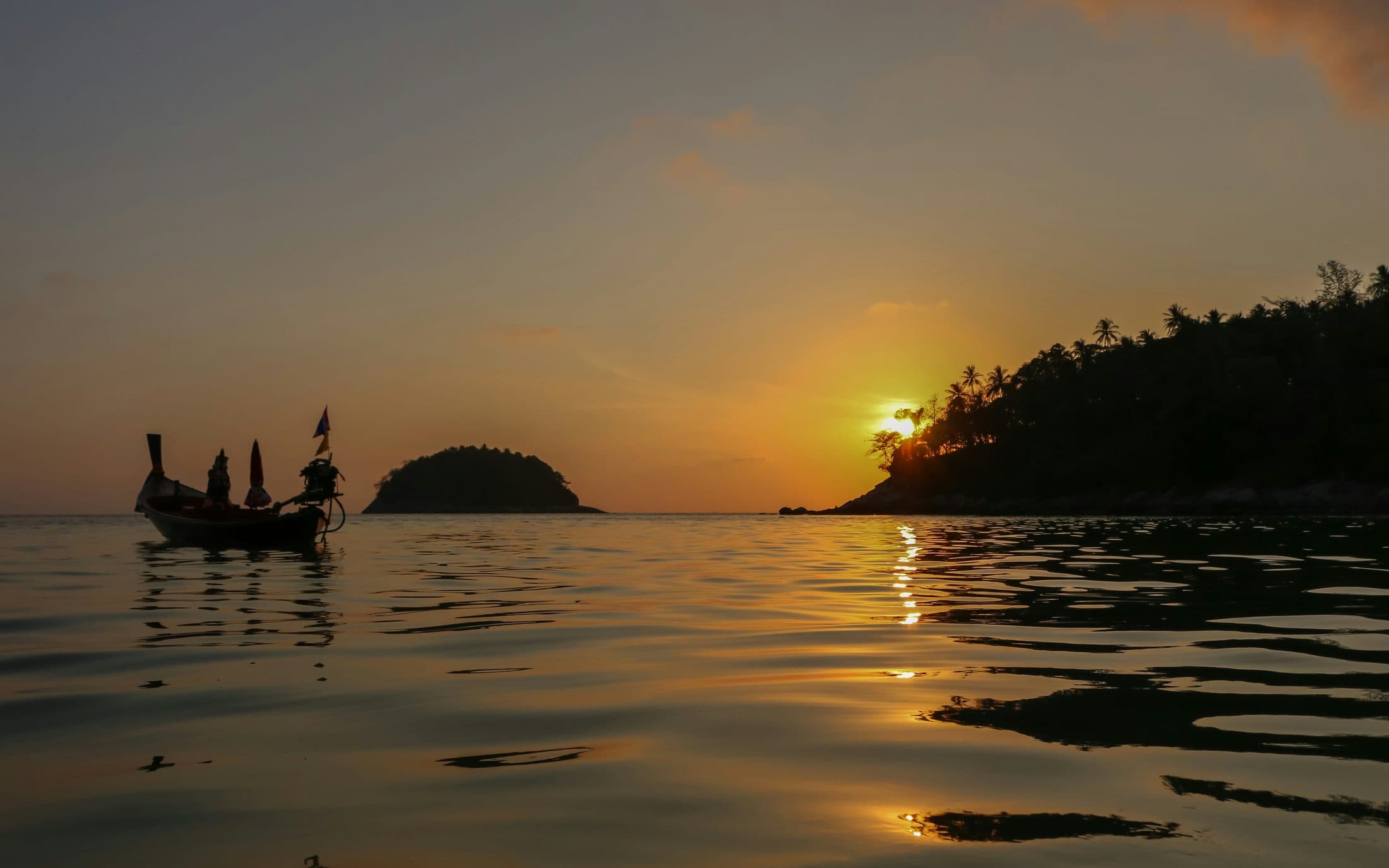
Thailand’s largest island: bays of pale sand on the Andaman Sea, longtail boats off Kata, the sunset at Promthep Cape and the painted shophouses of Phuket Old Town.
Phuket is Thailand’s largest island, joined to the mainland by the Sarasin Bridge in the north. Its west coast is a chain of bays on the Andaman Sea: Kata Noi, Kata and Karon, which can be seen together from the viewpoint above them; Nai Harn and little Ya Nui further south; and, at the southern tip, Promthep Cape, the island’s best-known place to watch the sun go down. The north-west, around the airport, is Sirinat National Park, 13 km of beach where sea turtles come ashore to lay their eggs. On the east side lies Phuket Old Town, whose streets of shophouses were built when tin mining made the island rich, by settlers from China, India and Europe and by Muslim traders.
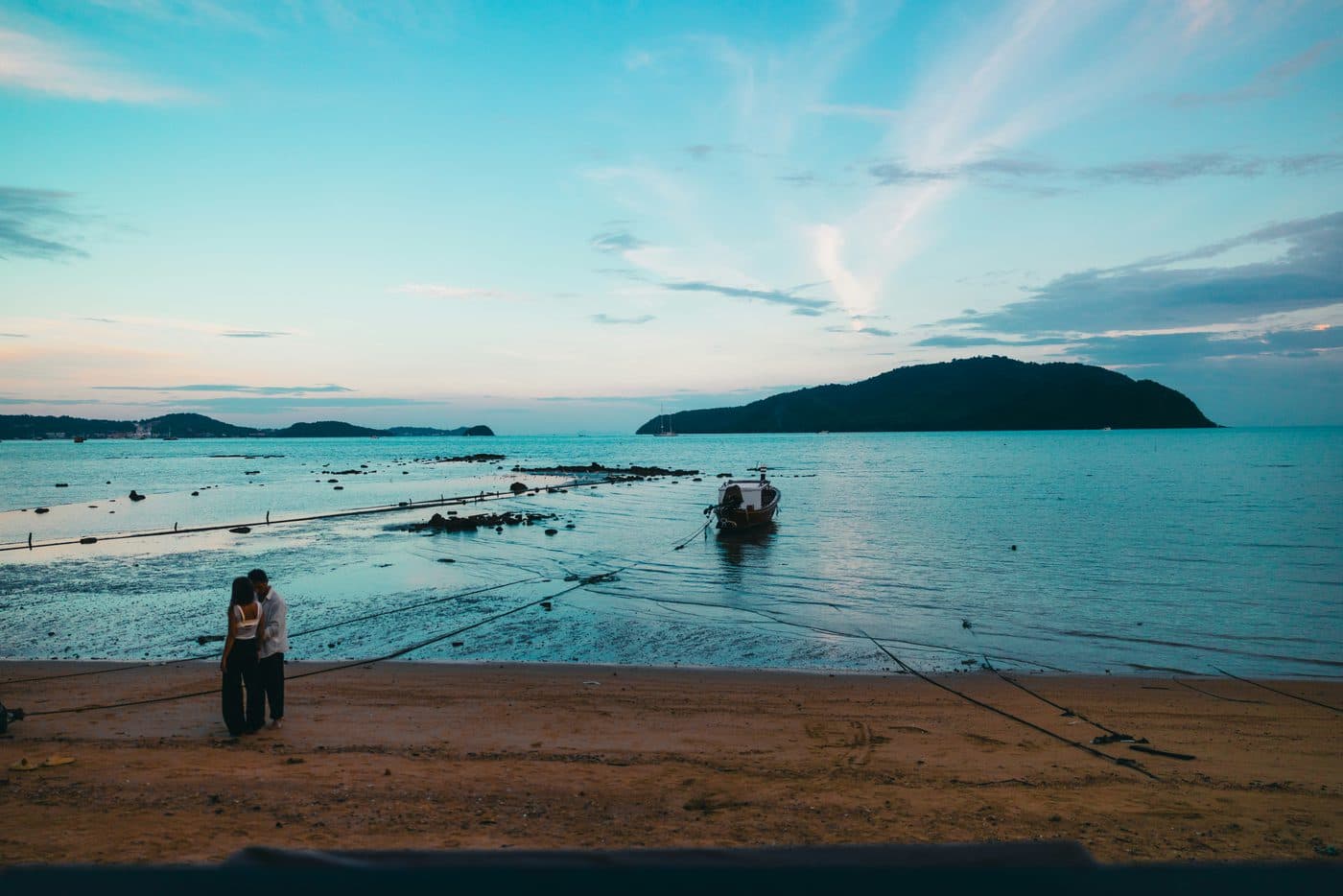
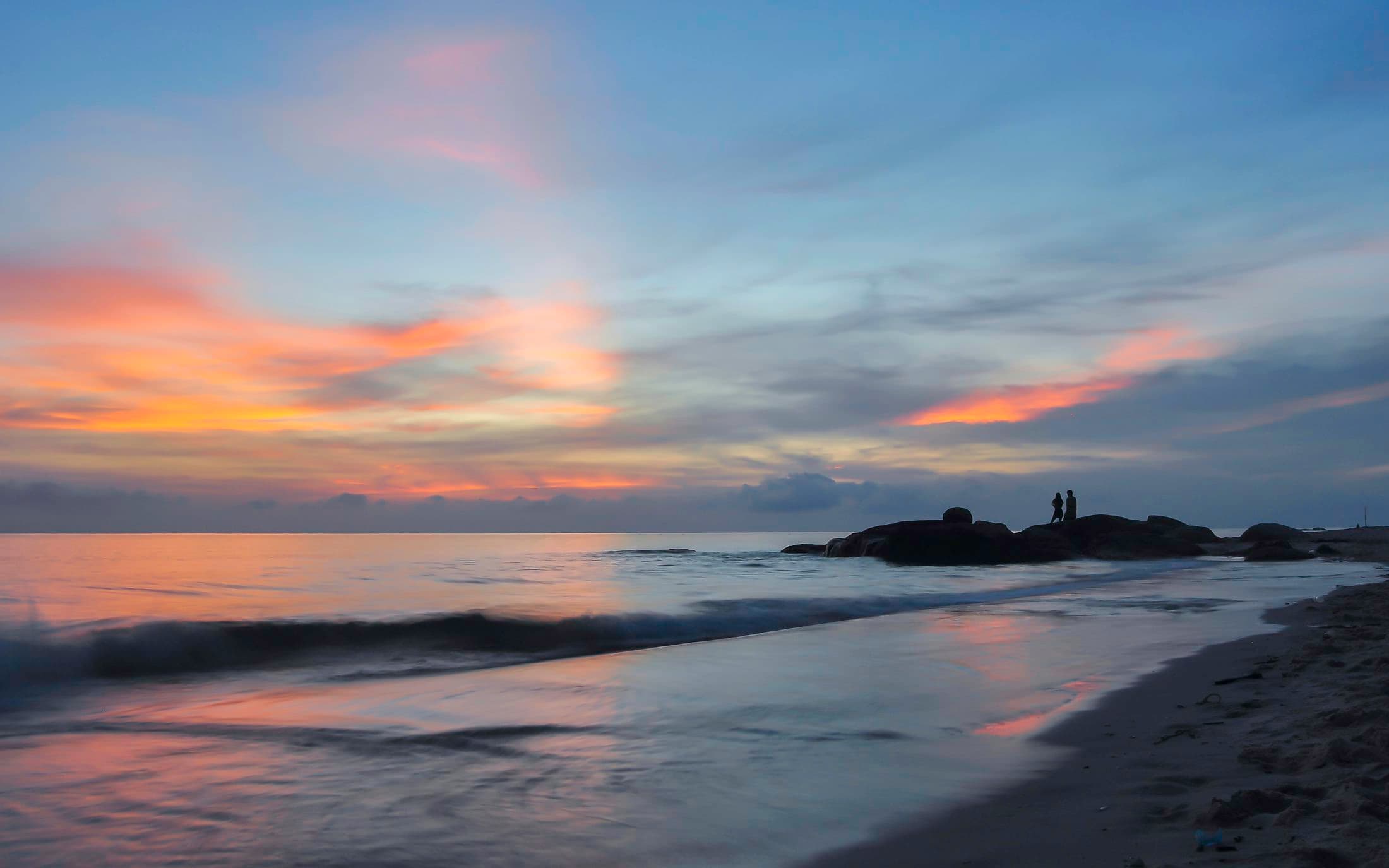
Many couples who come from abroad marry with a small group: a ceremony on the sand in the hour before sunset, then portraits on the beach, on a headland or in the lanes of the Old Town. Some begin the day with a Buddhist blessing — monks chant and are offered food, and guests pour water from a conch shell over the couple’s hands. If part of the day is spent at a temple, cover shoulders and knees, take your shoes off indoors, never climb on a Buddha image and keep kisses for outside its grounds. In Thailand a marriage is legal only once a registrar records it — at a district office (the amphoe, or the khet in Bangkok) or, for a fee, at a place you choose — and a religious or beach ceremony alone is not a legal marriage. Many couples therefore marry at home, and the ceremony here is symbolic.
Through the year
When to marry in Phuket
December to March are the easiest months. While the north-east monsoon brings rain to the Gulf coast, the Andaman side is at its driest: the Phuket weather station records only two to eight days a month with 1 mm of rain or more, and average highs of 32 to 34 °C — March is the hottest month, at 34.4 °C. April, with about ten wet days, most of them with thunder, and November, with about thirteen, are in between. From mid-May to mid-October the south-west monsoon blows onto this coast: 16 to 19 wet days a month, the heaviest rain in September and October — about 350 mm in September alone, out of some 2,270 mm in the whole year — and rough seas on the west-facing beaches.
- January: Best
- February: Best
- March: Best
- April: Good with planning
- May: Quieter
- June: Quieter
- July: Quieter
- August: Quieter
- September: Quieter
- October: Quieter
- November: Good with planning
- December: Best
- December to FebruaryThe dry, settled heart of the year: the clearest skies, drier air and highs of 32 to 34 °C, with only a few wet days a month. The sun sets over the sea between about ten past six and twenty to seven, and the island is at its easiest for a ceremony on the sand, a boat trip or a long evening outdoors.
- March to mid-MayThe hottest weeks: March averages 34.4 °C and April 34.2 °C. From January to March haze veils the horizon on five or six days a month, and from April thunderstorms build on six to eight days a month. Plan the ceremony for the last two hours of daylight, and keep shade and water for your guests.
- Mid-May to NovemberThe south-west monsoon: rain on more days than not, yet even in October, the month with the most wet days, about a third of the days bring less than a millimetre. People have drowned in rip currents on the west-coast beaches in this season: swim only where the flags allow, and watch for jellyfish, which come close to the shore from May to October. The latest sunsets come in July, at about ten to seven; November is the turn of the season.
In numbers
Weather station: Phuket, normals 1991–2020 · Checked 30 October 2026
Places
Where couples marry here
The kinds of places — ask your photographer which ones they know well.
The west-coast bays
Kata Noi, Kata and Karon, three crescents of sand seen side by side from the Karon viewpoint above the coast road; Nai Harn and Ya Nui further south; longtail boats drawn up on the beach and moored off it at sunset. Lifeguards watch the designated beaches and fly a red flag when it is unsafe to swim; in the monsoon, keep the ceremony on the sand and the portraits out of the surf.
Promthep Cape
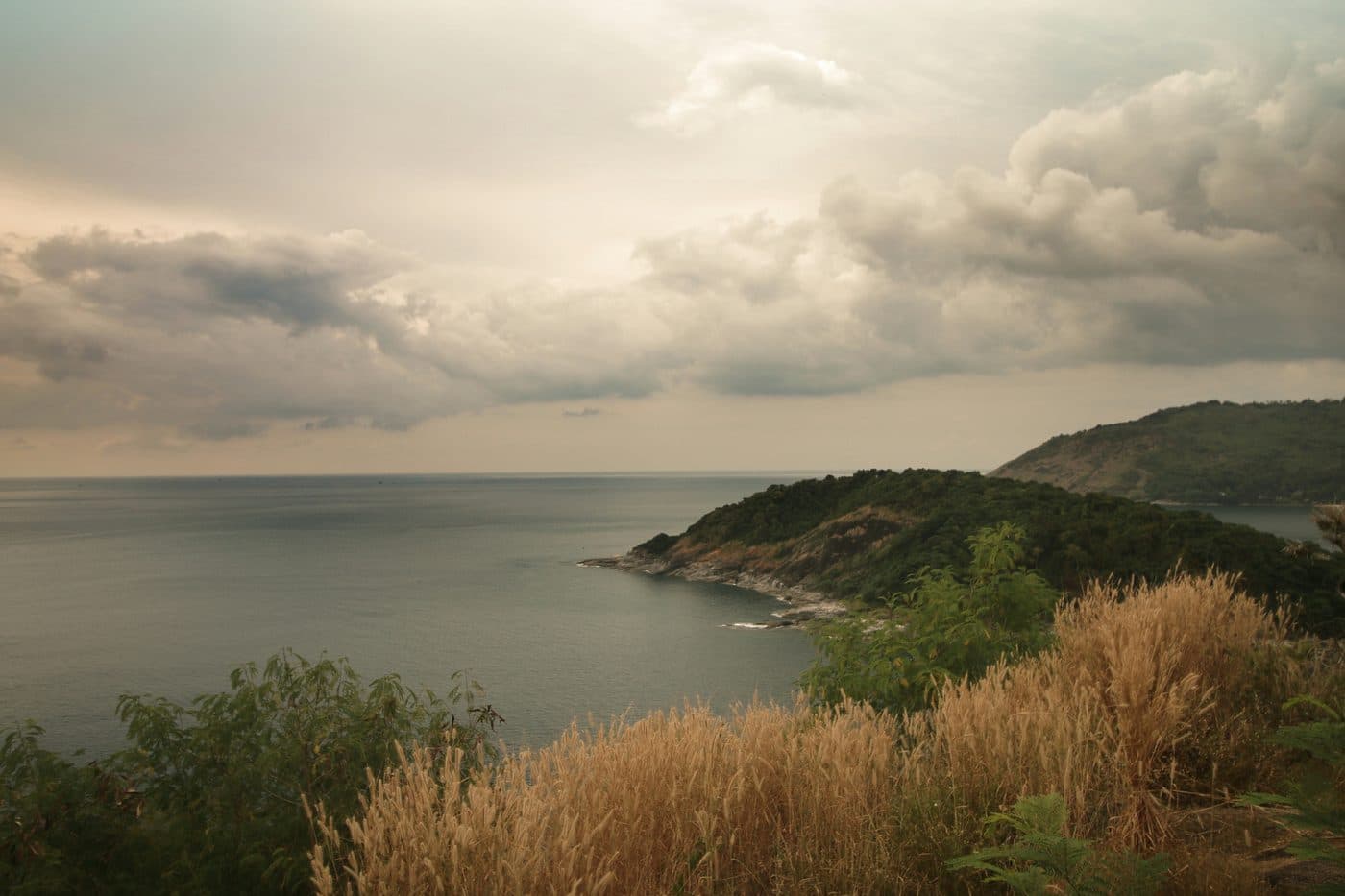
The southern tip of the island, with a lighthouse whose beam reaches 39 km out to sea and a paved path down the headland to views of the islet of Ko Kaeo and Ya Nui beach. It is Phuket’s best-known sunset viewpoint: from November to March the sun goes down into the open sea in front of it.
Phuket Old Town
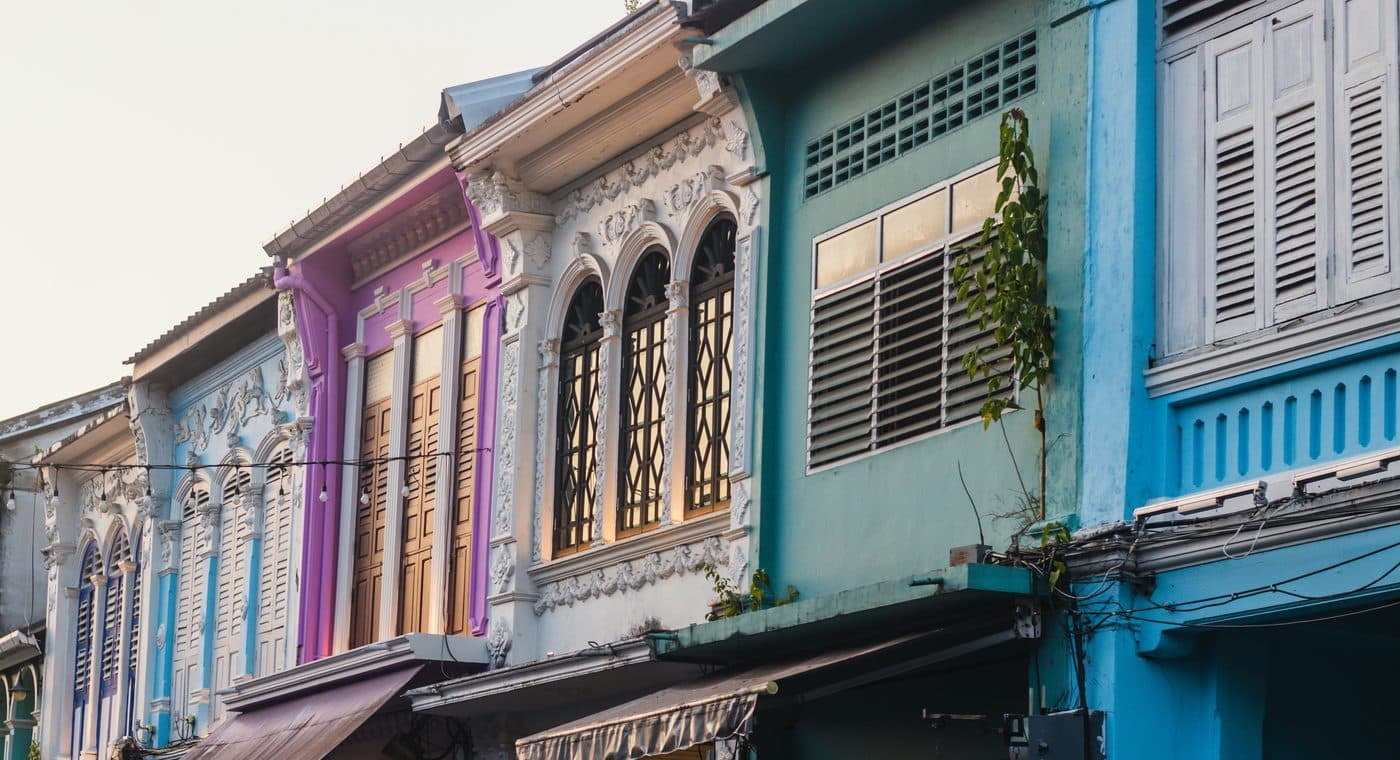
Thalang, Dibuk, Krabi, Phang Nga and Yaowarat Roads and the narrow Soi Romanee, lined with restored shophouses in the town’s Sino-Portuguese style — pastel façades, arched windows framed in stucco, louvred shutters — many of them now cafés and shops. On Sundays from 4 to 10 pm Thalang Road becomes a walking-street market, so plan portraits there for another day, or for the early morning before the shutters open.
Sirinat National Park
Thirteen kilometres of beach in the north-west — Mai Khao, Nai Yang and Nai Thon — with shady trees behind the sand and sea turtles that nest there. As a national park it has its own rules: photography for business needs the park’s permit, applied for at least five working days ahead, and most of the stretch lies within 9 km of the airport, where drones may not fly without approval.
Light
How the light falls
Eight degrees north of the equator, the day changes little through the year: the sun rises between about ten past six and a quarter to seven and sets between about five past six, in mid-November, and ten to seven, in mid-July. It sets steeply, too: some 45 to 50 minutes pass between the sun standing ten degrees above the sea and sunset, and the dusk lasts only about twenty minutes, so plan the portraits for the last hour and be in place before it begins. Around noon the sun is close to overhead — directly above the island around 10 April and in early September — and the light is hard; the early morning and the late afternoon are the times for photographs. From November to March the sun goes down in the south-west, over the open sea off the west-coast beaches and Promthep Cape; in June it sets further north, in the west-north-west. Thailand keeps UTC+7 all year.
Travel
Getting there
Phuket International Airport is at the north end of the island, about 32 km by road from the Old Town and 46 km from Kata — allow an hour or more in traffic. Every foreign visitor fills in the Thailand Digital Arrival Card online in the three days before arriving. Boats for the Phi Phi islands leave from Rassada Pier near the Old Town, and for Koh Yao Noi from Bang Rong Pier, 16 km from the airport; Khao Lak is about 74 km north by road. A drone must be registered with the NBTC, the telecoms regulator, within 30 days of arriving, even if you never fly it; one with a camera must be registered with the civil aviation authority, CAAT, as well, with third-party insurance of at least a million baht and each flight approved through its portal at least three days ahead. No drone may fly within 9 km of an airport without approval. Check the Thai Meteorological Department’s marine warnings before a day on the water.
Photographers
Photographers in Phuket
No one in Phuket yet
The first photographers in Phuket are joining now. Tell our concierge your date and your plans — it checks who is free and fits.
Plan
Read before you plan
- Getting married in Thailand as foreigners: the papers, the district office, same-sex couplesHow couples who don’t live in Thailand marry there legally: the document from home that says you’re free to marry, its Thai translation and the Ministry of Foreign Affairs’ stamp, registration at any district office, same-sex marriage since 2025, Buddhist blessings and symbolic ceremonies, costs, and registering the marriage back home.
- How to choose a wedding photographer: the steps, and the questions to askThe decision in order — whole weddings, style, availability, the package, the contract and deposit, cancellation, delivery and a conversation — then a checklist of questions, with why each one matters.
- A wedding-day timeline for photosFrom getting ready to the last dance, planned around the light.
- Deposits and payment protectionWhat you pay when, and what happens if plans change.
- Which country for a destination wedding? The law, prices, crowds and light, comparedThe legal route for couples who don’t live there, season and crowds, price levels, light, flights, venues and permits for photographs — Portugal, Italy, Spain, Greece, France and Austria compared with official figures, as of October 2026.
- A rain plan that still looks goodCovered spots, umbrellas and what photographers do on grey days.
- Wedding photography contract checklist: what it should say, and how Lens & Vows handles each pointThirteen things a good contract covers — the day and the hours, what is delivered, deposit and balance, cancellation on either side, date changes, illness, image rights, personal data, backups, travel, overtime and complaints — and what our terms say about each.
Thailand
Other places
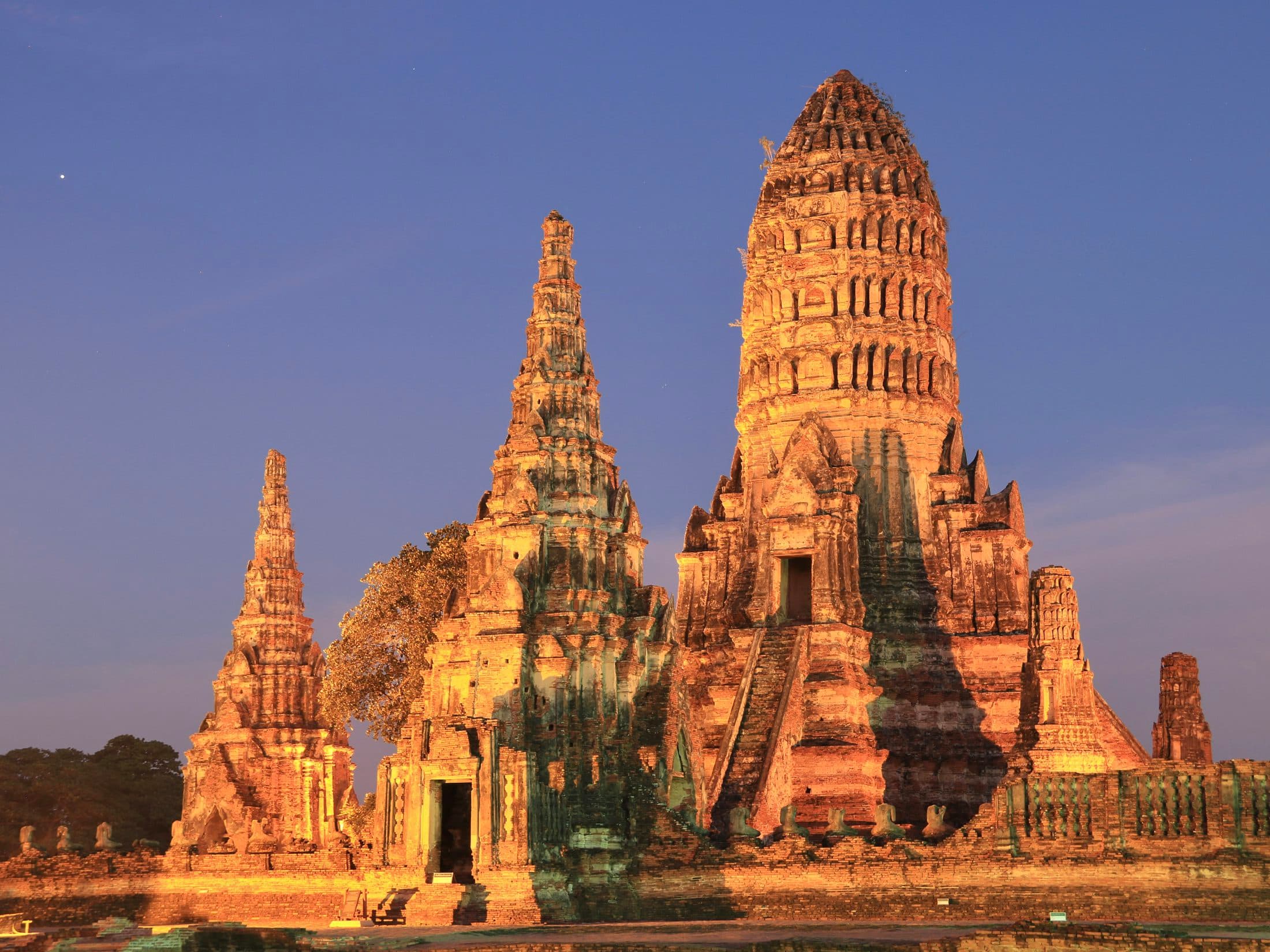 Bangkok & AyutthayaBest: Jan · Feb · Nov · DecPhotographers joining
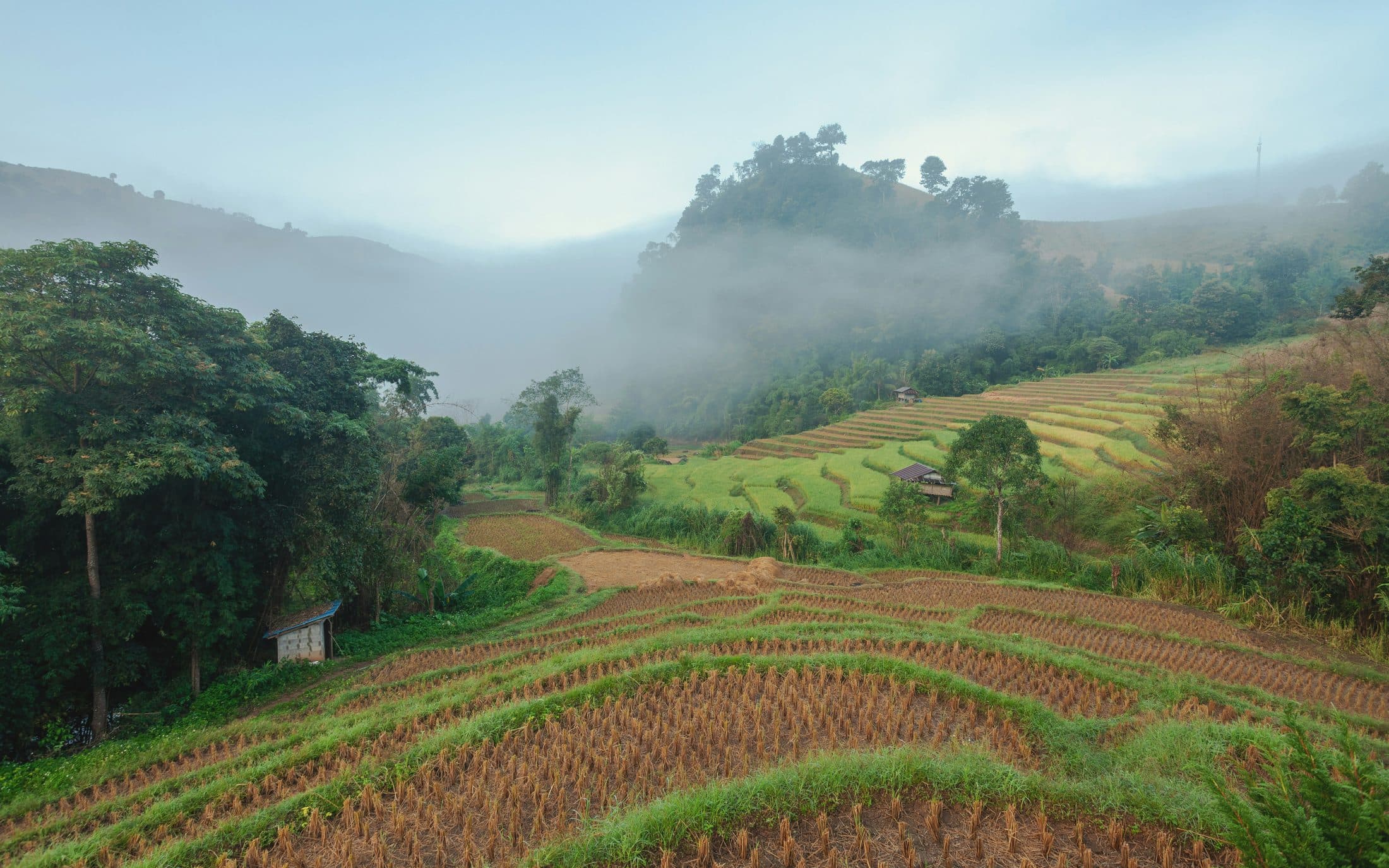 Chiang Mai & the NorthBest: Jan · Nov · DecPhotographers joining
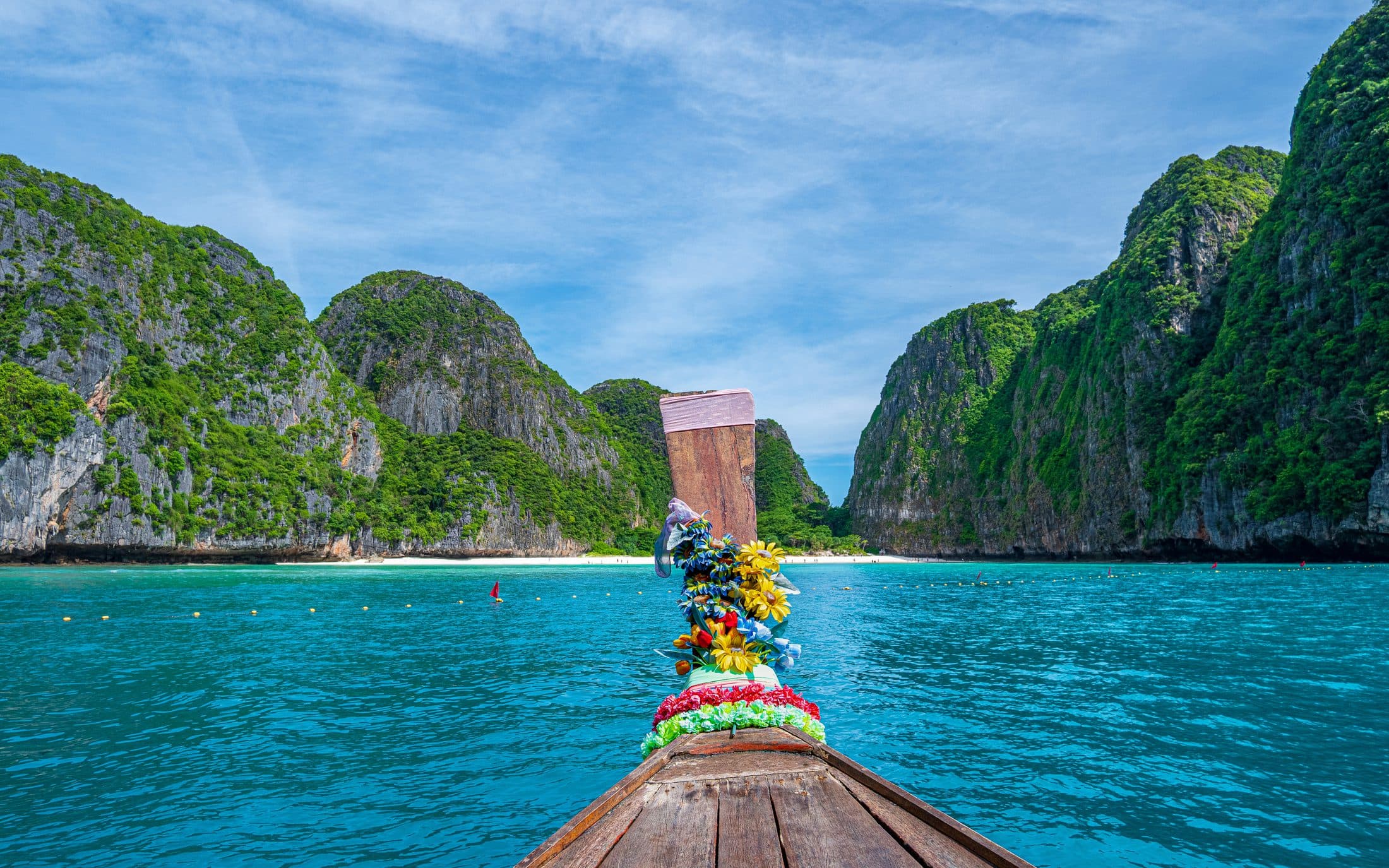 Krabi & Phang NgaBest: Jan · Feb · Mar · DecPhotographers joining
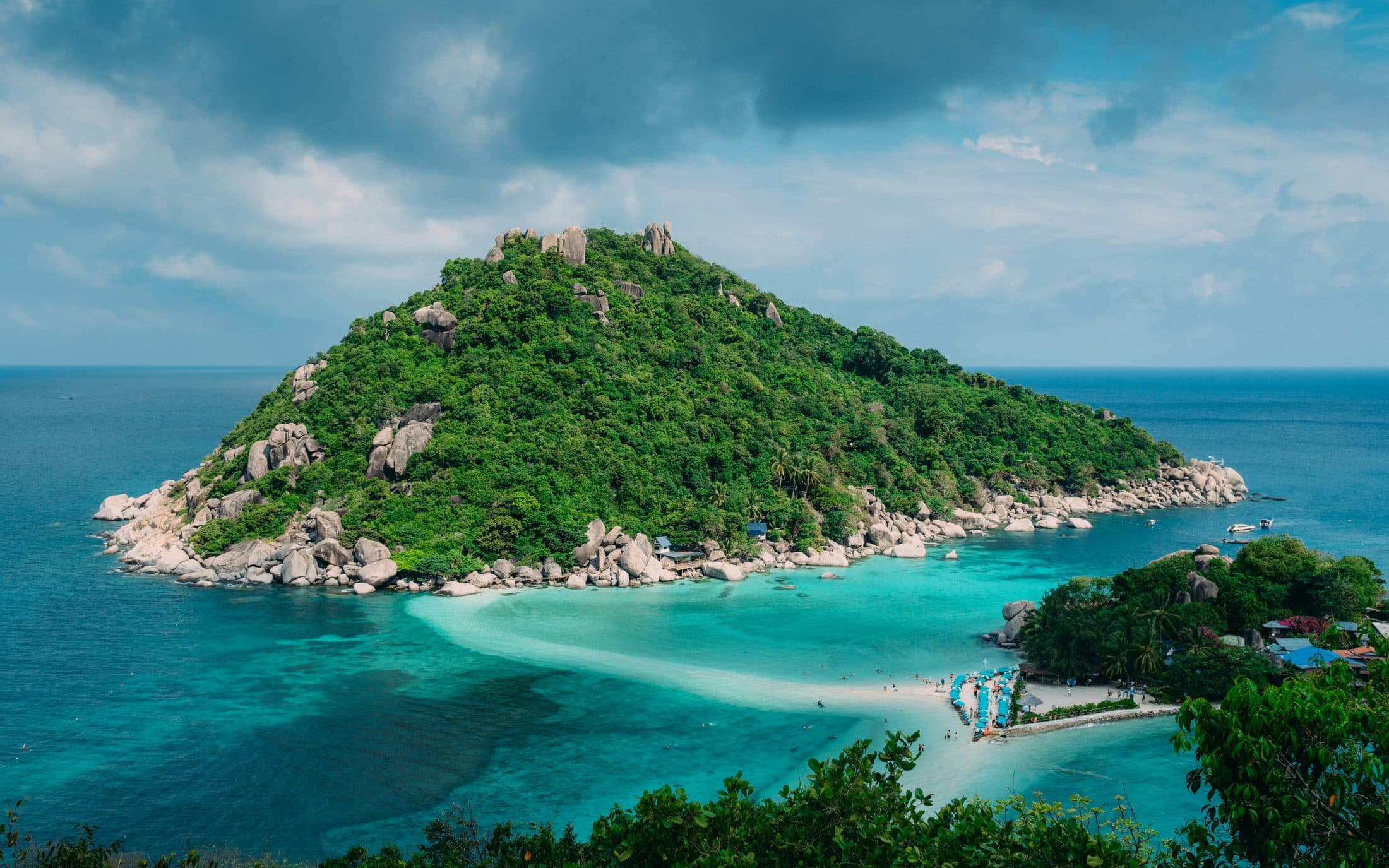 Koh Samui & the Gulf IslandsBest: Feb · Mar · AprPhotographers joining
 Hua Hin & Cha-amBest: Jan · Feb · DecPhotographers joining