Getting married in Krabi & Phang Nga
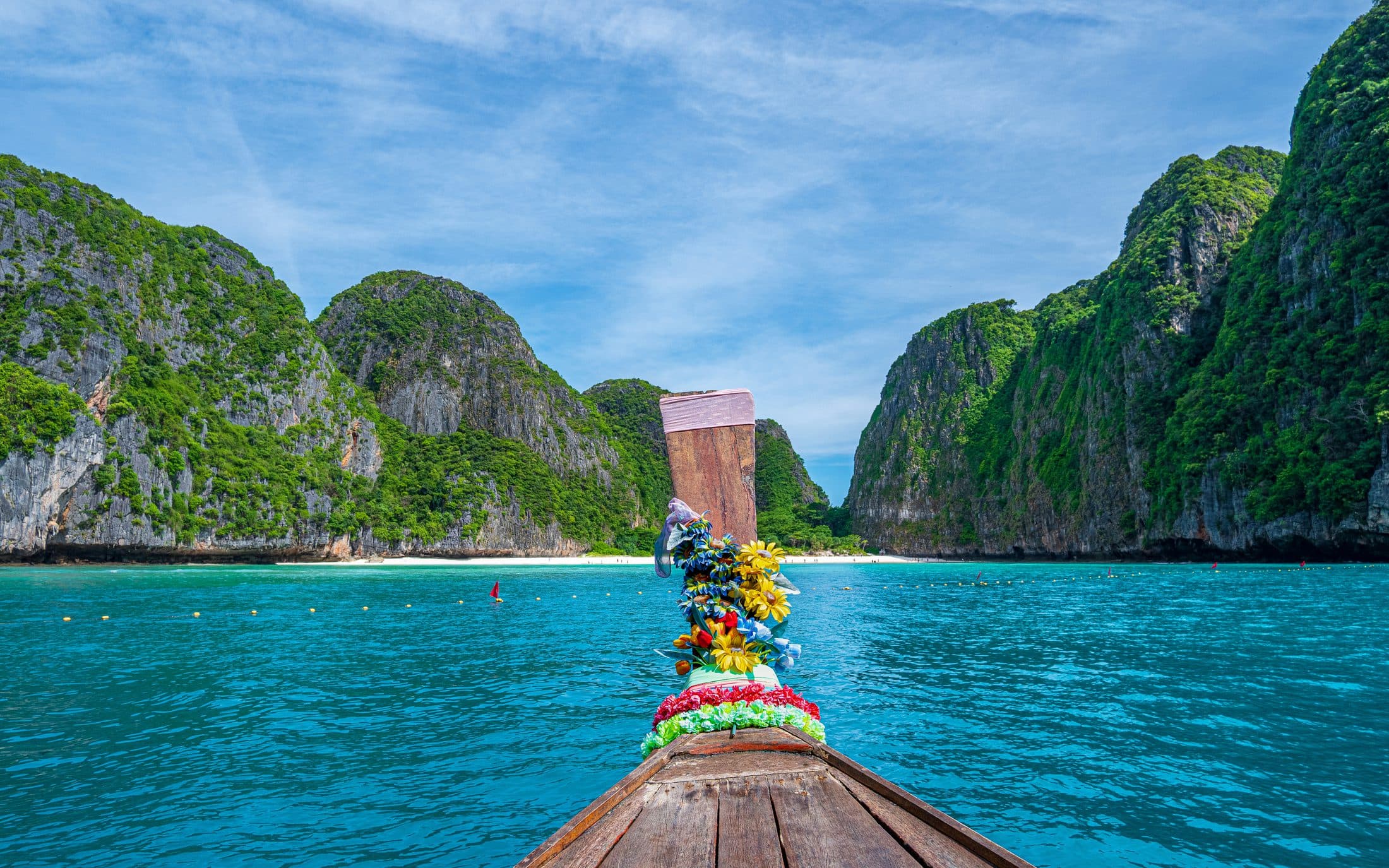
Limestone towers rising straight out of the Andaman Sea: Railay’s beaches, reached by longtail boat, the Phi Phi islands and Maya Bay, the karsts of Phang Nga Bay and the quiet island villages of Koh Yao.
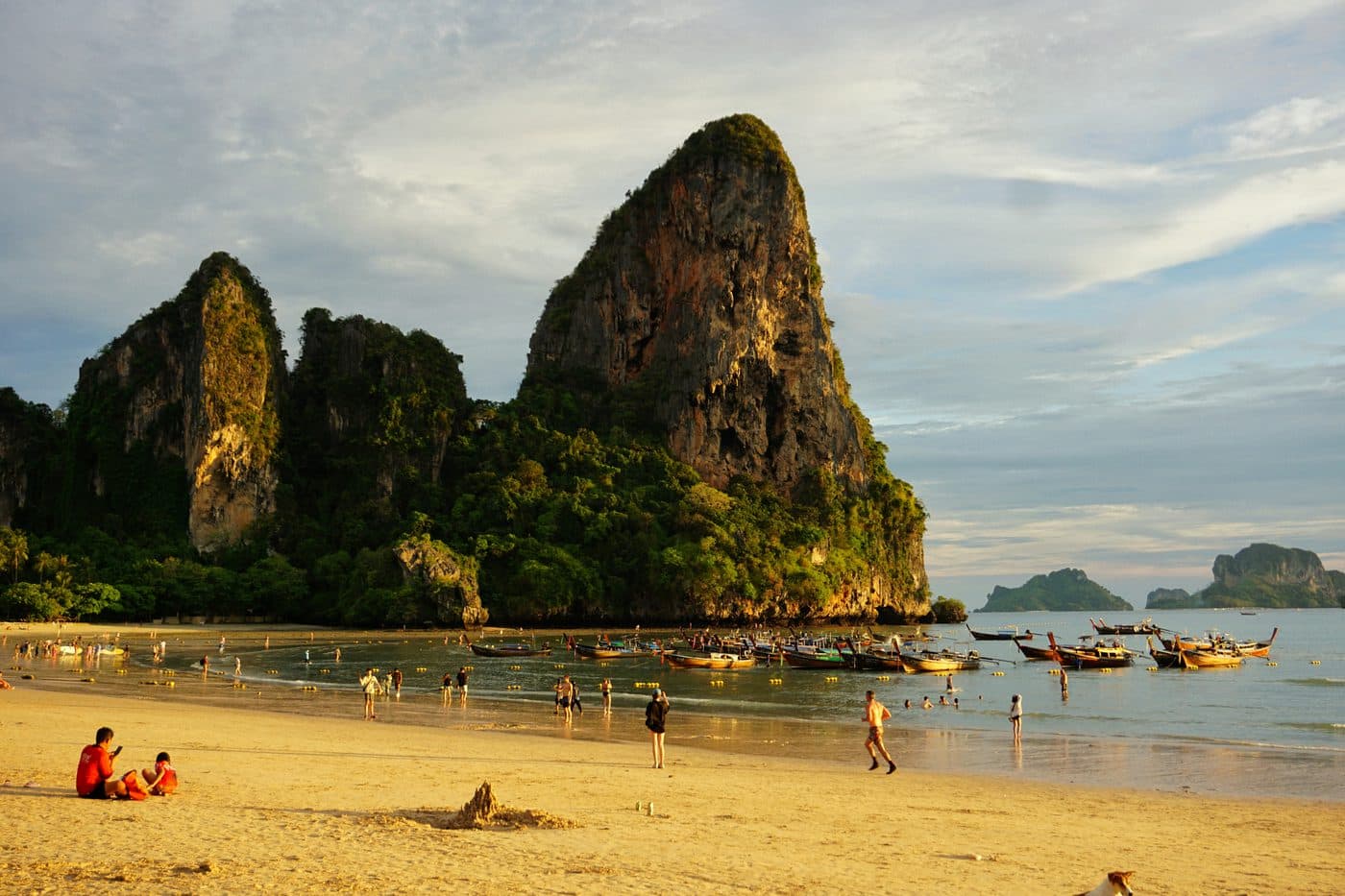
This is limestone country. Grey and orange cliffs hung with jungle rise from the sea around Ao Nang, Krabi’s main beach town, and close off the Railay peninsula next to it, whose beaches — Railay West, Railay East and Phra Nang Cave Beach — are reached by longtail boat. Offshore lie dozens of islands, among them the Phi Phi group: Phi Phi Don, with the twin bays of Ton Sai and Loh Dalum, and Phi Phi Leh, with Pileh Lagoon and Maya Bay. To the north-west, Phang Nga Bay is a national park of limestone islands and mangroves, with Khao Phing Kan, known to visitors as James Bond Island, the pillar of Khao Tapu just off it, and the stilt village of Ko Panyi. Between the bay and Phuket lie Koh Yao Noi and Koh Yao Yai, rural islands of fishing villages, and north of Phuket, on the Phang Nga coast, Khao Lak’s long beaches face the setting sun.
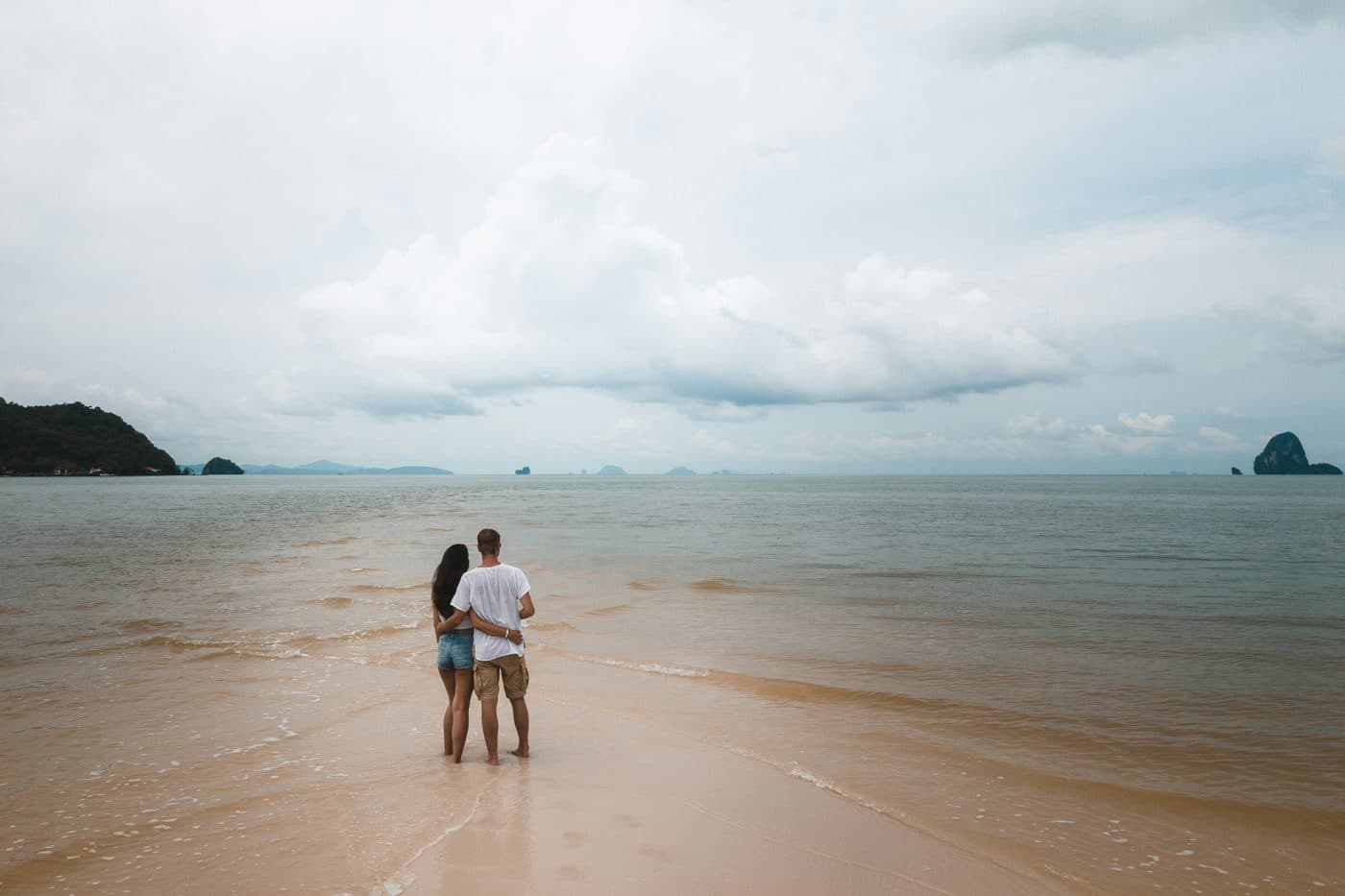
Couples come here for the scenery itself: a ceremony on the sand beneath the cliffs, portraits from a longtail boat as the karsts turn gold, a day spent moving from island to island. Much of this coast and its islands lies in national parks, each with its own hours, fees and rules, and in the monsoon some places close and the sea can keep the boats in port. In Thailand a marriage is legal only once a registrar records it — at a district office (the amphoe, or the khet in Bangkok) or, for a fee, at a place you choose — and a religious or beach ceremony alone is not a legal marriage. Many couples therefore marry at home, and the ceremony here is symbolic.
Through the year
When to marry in Krabi & Phang Nga
December to March are the easiest months on this coast, between the two monsoons: at the Krabi weather station rain falls on only 4 to 11 days a month, counting any measurable rain at all (0.1 mm or more), and average highs run from 31.5 to 34.7 °C, March being the hottest month. April and November bring more showers, on about 13 and 18 days. From mid-May to mid-October the south-west monsoon blows straight onto the Andaman coast: rain on 17 to 21 days a month at Krabi, 210 to 290 mm a month, rough water for small boats, and some places close — the Similan Islands from mid-May to mid-October, Maya Bay in August and September. Khao Lak, further north, is far wetter: the Takua Pa station records about 3,870 mm a year, against about 2,180 at Krabi.
- January: Best
- February: Best
- March: Best
- April: Good with planning
- May: Quieter
- June: Quieter
- July: Quieter
- August: Quieter
- September: Quieter
- October: Quieter
- November: Good with planning
- December: Best
- December to FebruaryDry days between the monsoons, clearer skies and highs of 31.5 to 34 °C: the easiest weeks for long days on the water and for portraits on the beaches. At Ao Nang and Railay West the sun sets over the sea between about five past six and twenty-five to seven.
- March to mid-MayThe hottest weeks, with March averaging 34.7 °C at Krabi. From January to March haze dims the far islands on six to eight days a month, and from April thunderstorms build on about eight days a month. Hold the ceremony in the last two hours of light, and keep shade and water for your guests.
- Mid-May to NovemberThe south-west monsoon: rain on most days, yet even in October, the month with the most rainy days, about a third of the days stay completely dry. Swim only where the flags allow — people have drowned in rip currents in this season — and watch for jellyfish near the shore from May to October. Maya Bay closes from 1 August to 30 September and the Similan Islands from mid-May to mid-October; November is the turn of the season.
In numbers
Weather station: Krabi, normals 1994–2020 · Checked 30 October 2026
Places
Where couples marry here
The kinds of places — ask your photographer which ones they know well.
Railay and Ao Nang
Railay West, a sweep of sand between cliffs, for swimming and for the sunset; Railay East, whose limestone walls draw climbers; and Phra Nang Cave Beach, with a cave shrine to Phra Nang that local boatmen still honour. Longtail boats cross from Ao Nang and Noppharat Thara beaches in about 20 minutes, so the wedding party travels by boat, dresses and all. Ao Nang itself has nearly 2 km of beach looking out over the islands of its bay.
The Phi Phi islands and Maya Bay
Phi Phi Don, with its viewpoint over the bays of Ton Sai and Loh Dalum, and Phi Phi Leh, 2 km away, with Pileh Lagoon and Maya Bay. Both lie in the Hat Noppharat Thara–Mu Ko Phi Phi National Park, whose entry fee is higher for foreigners; keep the ticket with you. Boats no longer land on Maya Bay’s beach: they tie up at a jetty in Loh Samah Bay behind it, the beach is for walking and photographs, not for swimming, and the bay closes every year from 1 August to 30 September. Drones need the park’s permission.
Phang Nga Bay
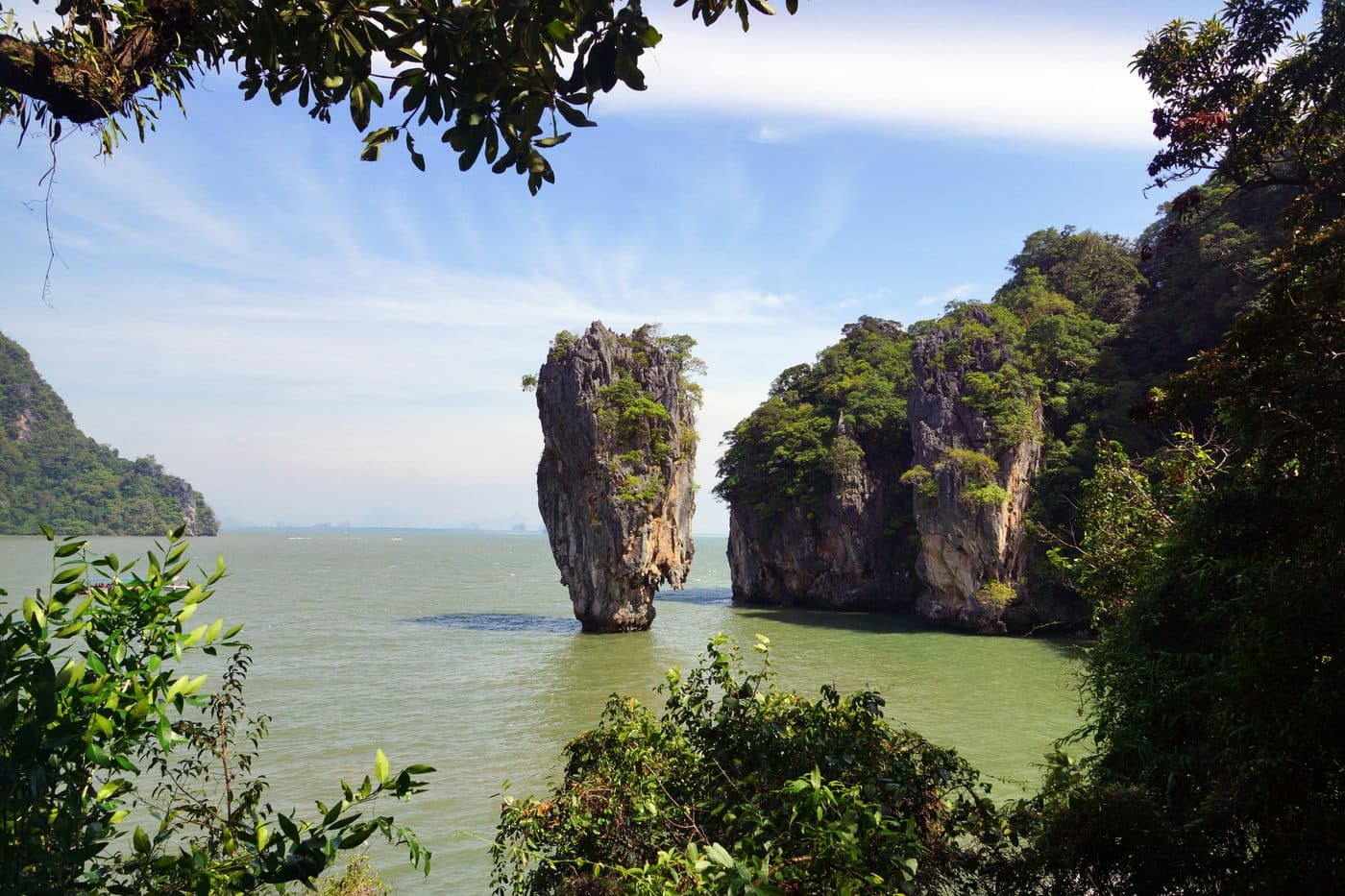
A national park since 1981: limestone islands, mangrove shores and fishing villages. At Khao Phing Kan, steps climb to a view over the bay, and 40 m offshore stands Khao Tapu, a pillar of rock some 20 m tall. Ko Panyi is a Muslim village of houses on stilts, built out from a limestone island around its mosque: dress as you would to visit one, and ask before photographing people.
Koh Yao and Khao Lak
Koh Yao Noi is an island of 13 mostly Muslim villages, rubber plantations and quiet beaches: Hat Khlong Chak and Hat Ta Khao on its north coast are its sunset spots, and the little bay of Ao Khian looks across the water to the islands of Ko Hong. North of Phuket, the Khao Lak coast runs for kilometres of wide, tree-shaded sand, one of the Andaman’s great places for a sunset, with the Khao Lak–Lam Ru National Park at its southern end and the Similan Islands some 70 km offshore, open from mid-October to mid-May.
Light
How the light falls
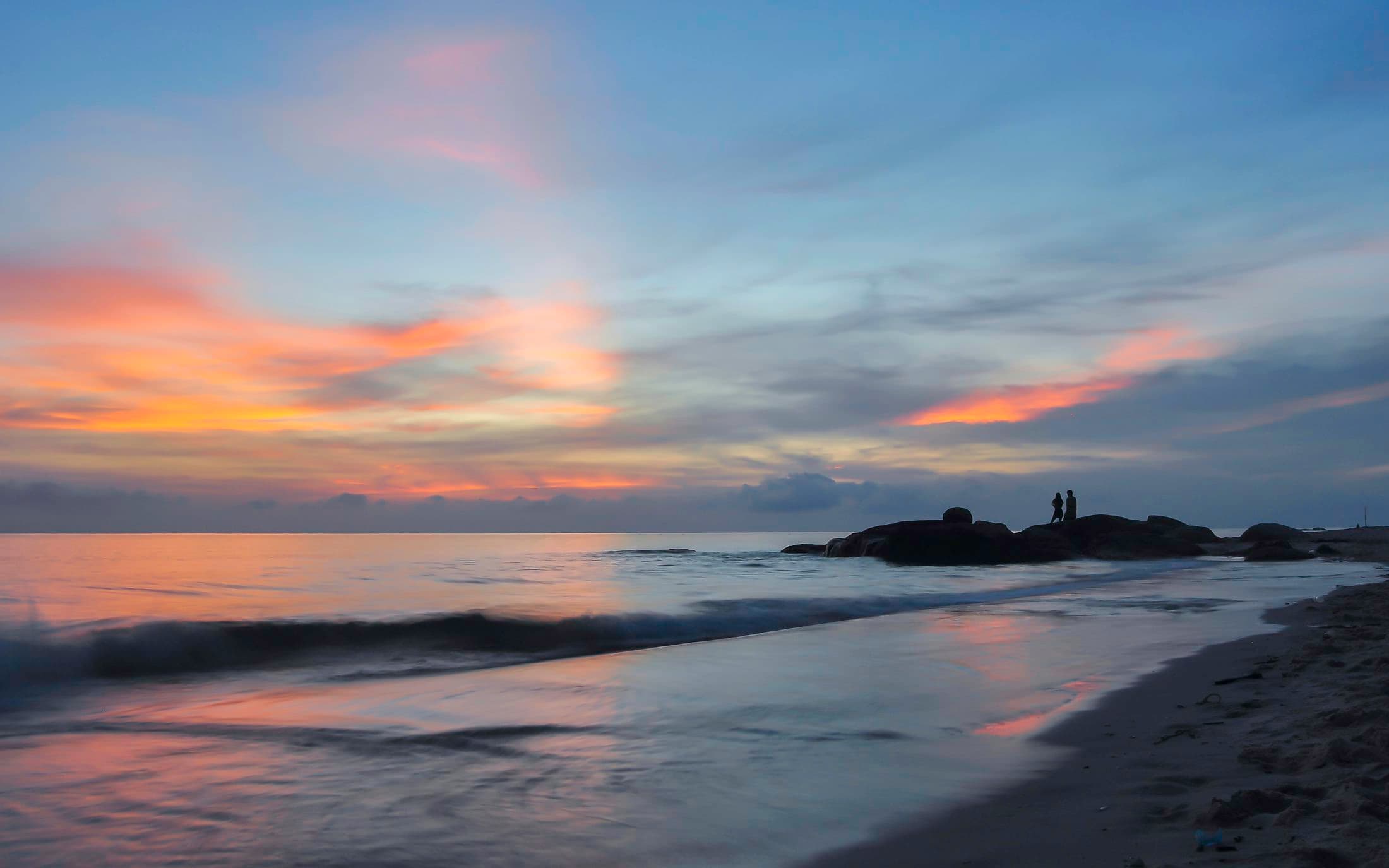
As on Phuket, the day hardly changes length through the year: at Ao Nang the sun rises between about five past six and a quarter to seven and sets between just after six, in mid-November, and a quarter to seven, in mid-July. It drops steeply — some 45 to 50 minutes from ten degrees above the horizon to sunset — and dusk lasts only about twenty minutes. In that last hour the limestone glows orange and gold, so plan the portraits around it, on Railay West or from a boat offshore. Around midday the sun stands almost overhead and the light is hard, and from January to March haze can soften the distant islands. Thailand keeps UTC+7 all year.
Travel
Getting there
Krabi International Airport is about 15 km from Krabi town and 29 km by road from Ao Nang; Phuket’s airport is about 157 km from Ao Nang by road. Every foreign visitor fills in the Thailand Digital Arrival Card online in the three days before arriving. Boats to the Phi Phi islands leave from Khlong Jilad Pier in Krabi town and from Rassada Pier on Phuket; Koh Yao Noi is reached from Tha Len Pier in Krabi’s Ao Luek district or from Bang Rong Pier on Phuket, 30 minutes by speedboat; Khao Lak is about 74 km north of Phuket’s airport, and the Similan Islands lie some 70 km out from Thap Lamu pier, just south of it. A drone must be registered with the NBTC, the telecoms regulator, within 30 days of arriving, even if you never fly it; one with a camera must be registered with the civil aviation authority, CAAT, as well, with third-party insurance of at least a million baht and each flight approved through its portal at least three days ahead. No drone may fly within 9 km of an airport without approval, and at Maya Bay a drone also needs the park’s permission. Check the Thai Meteorological Department’s marine warnings before any day on the water.
Photographers
Photographers in Krabi & Phang Nga
No one in Krabi & Phang Nga yet
The first photographers in Krabi & Phang Nga are joining now. Tell our concierge your date and your plans — it checks who is free and fits.
Plan
Read before you plan
- Getting married in Thailand as foreigners: the papers, the district office, same-sex couplesHow couples who don’t live in Thailand marry there legally: the document from home that says you’re free to marry, its Thai translation and the Ministry of Foreign Affairs’ stamp, registration at any district office, same-sex marriage since 2025, Buddhist blessings and symbolic ceremonies, costs, and registering the marriage back home.
- How to choose a wedding photographer: the steps, and the questions to askThe decision in order — whole weddings, style, availability, the package, the contract and deposit, cancellation, delivery and a conversation — then a checklist of questions, with why each one matters.
- A wedding-day timeline for photosFrom getting ready to the last dance, planned around the light.
- Deposits and payment protectionWhat you pay when, and what happens if plans change.
- Which country for a destination wedding? The law, prices, crowds and light, comparedThe legal route for couples who don’t live there, season and crowds, price levels, light, flights, venues and permits for photographs — Portugal, Italy, Spain, Greece, France and Austria compared with official figures, as of October 2026.
- A rain plan that still looks goodCovered spots, umbrellas and what photographers do on grey days.
- Wedding photography contract checklist: what it should say, and how Lens & Vows handles each pointThirteen things a good contract covers — the day and the hours, what is delivered, deposit and balance, cancellation on either side, date changes, illness, image rights, personal data, backups, travel, overtime and complaints — and what our terms say about each.
Thailand
Other places
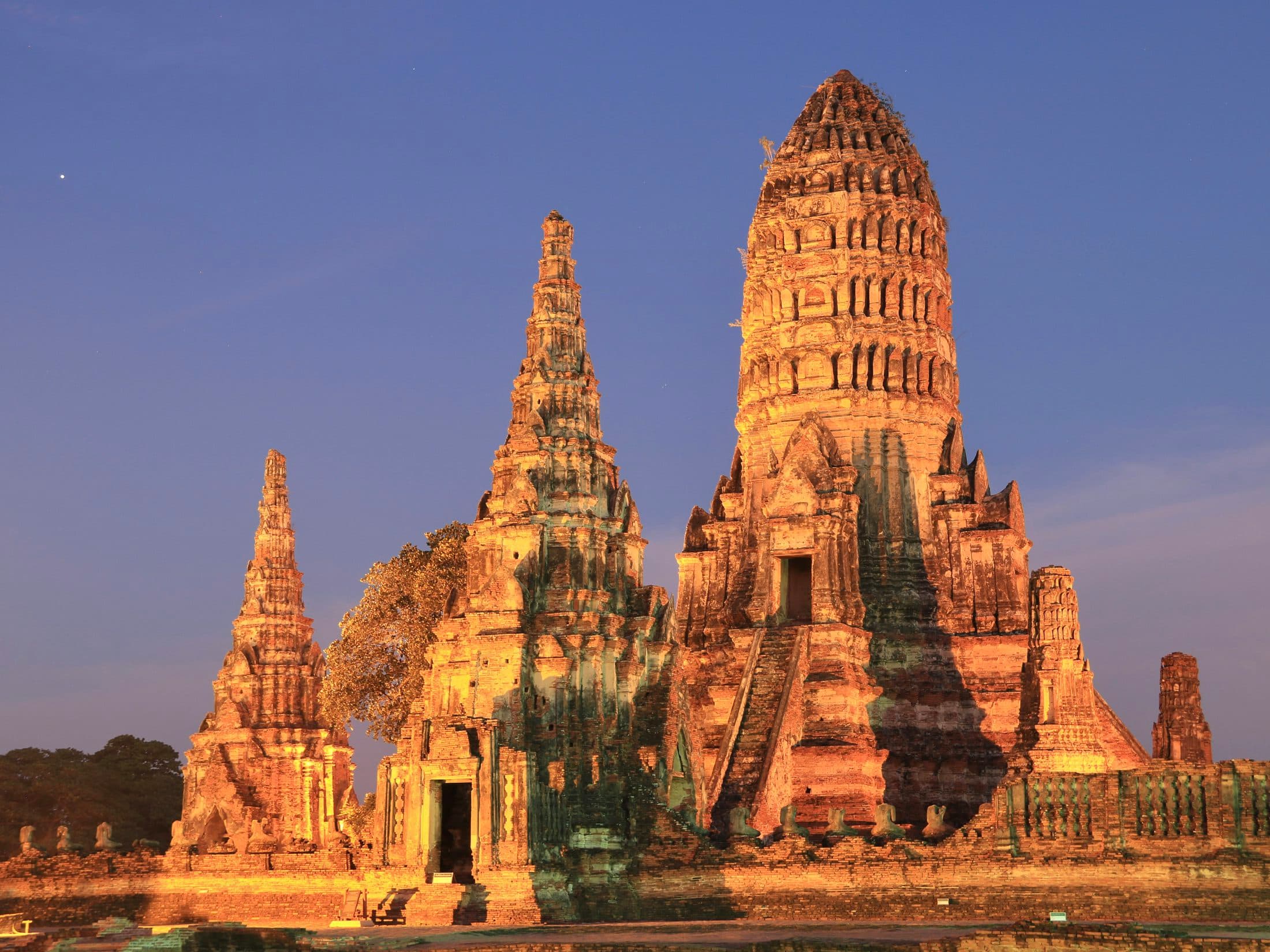 Bangkok & AyutthayaBest: Jan · Feb · Nov · DecPhotographers joining
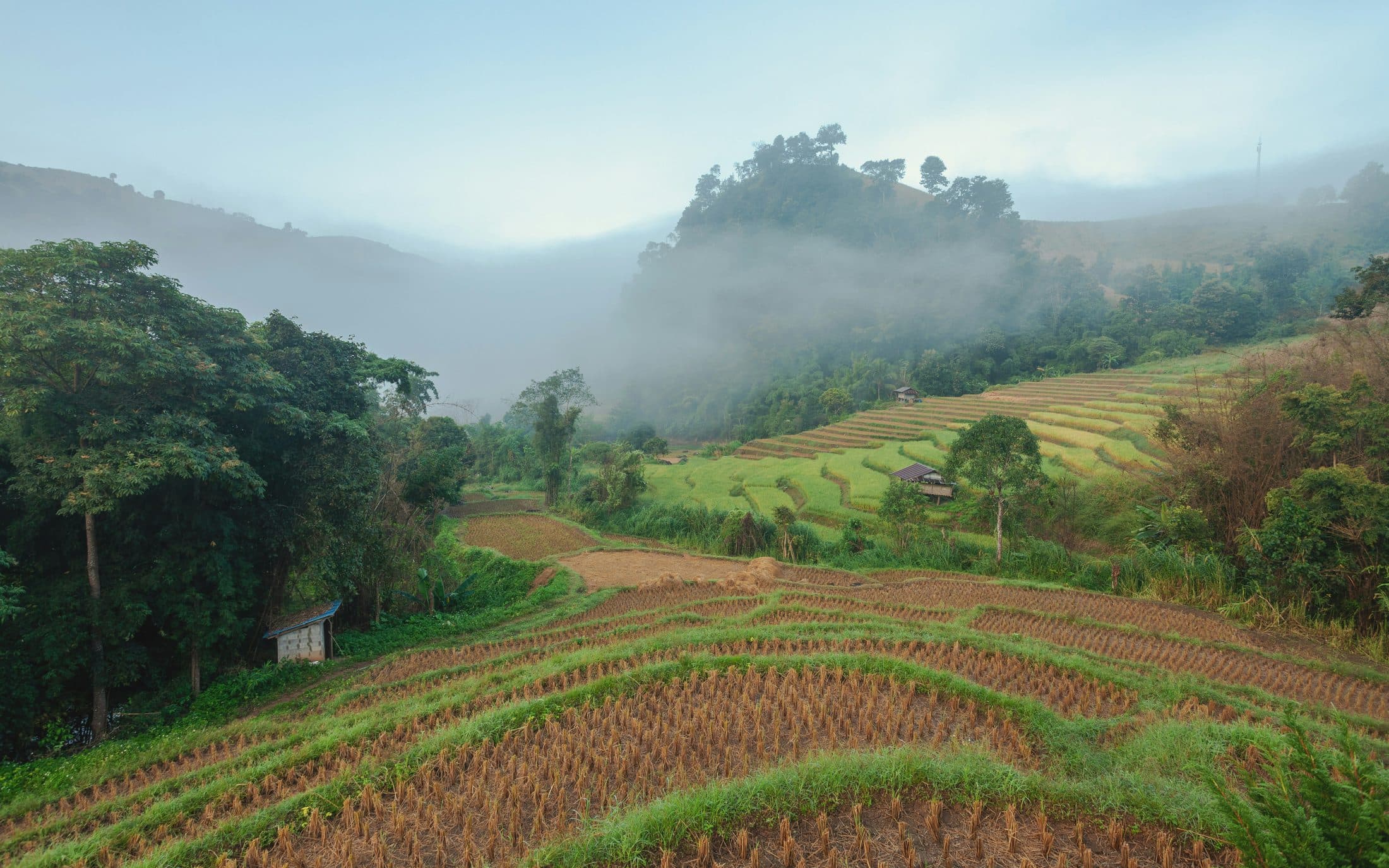 Chiang Mai & the NorthBest: Jan · Nov · DecPhotographers joining
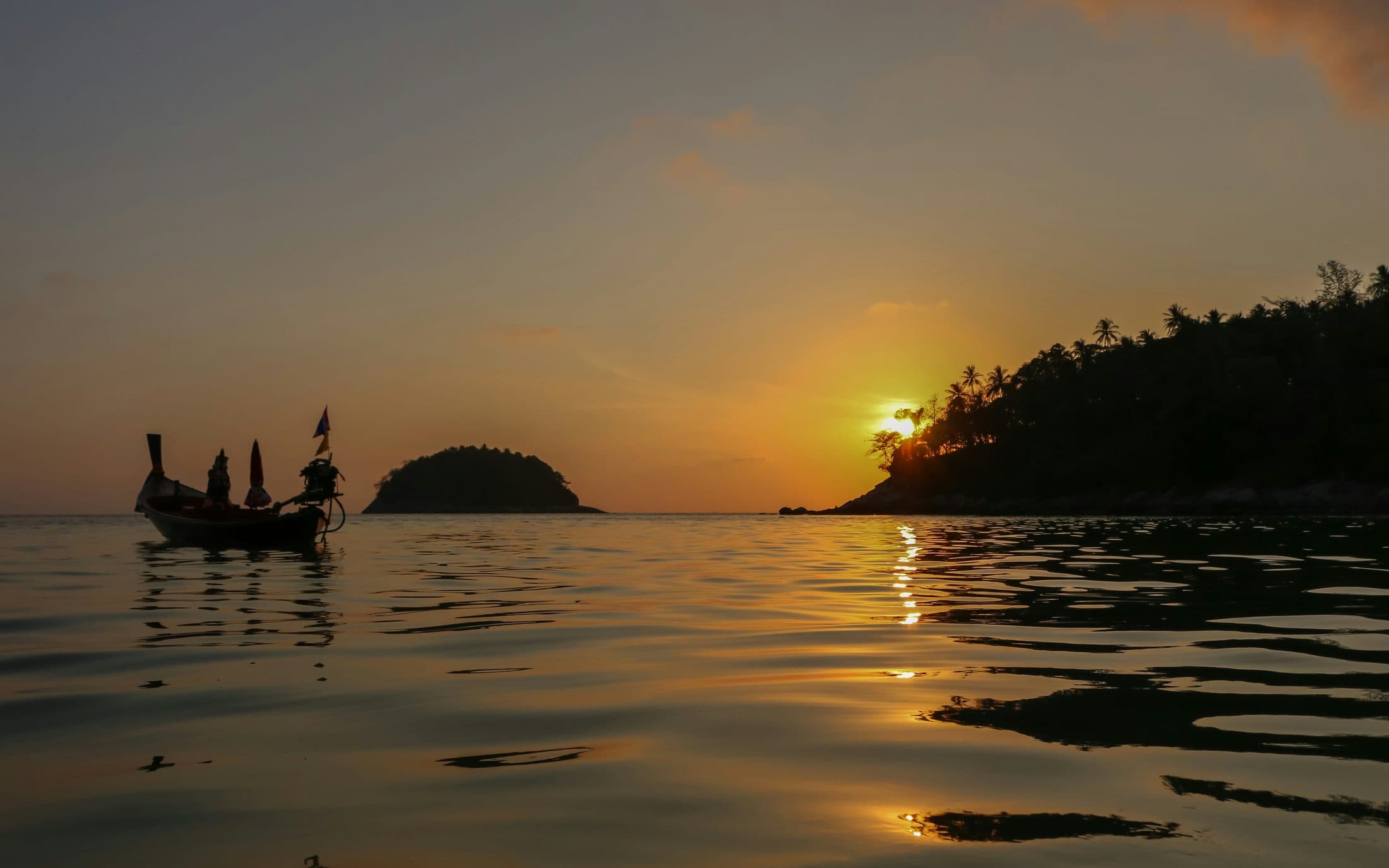 PhuketBest: Jan · Feb · Mar · DecPhotographers joining
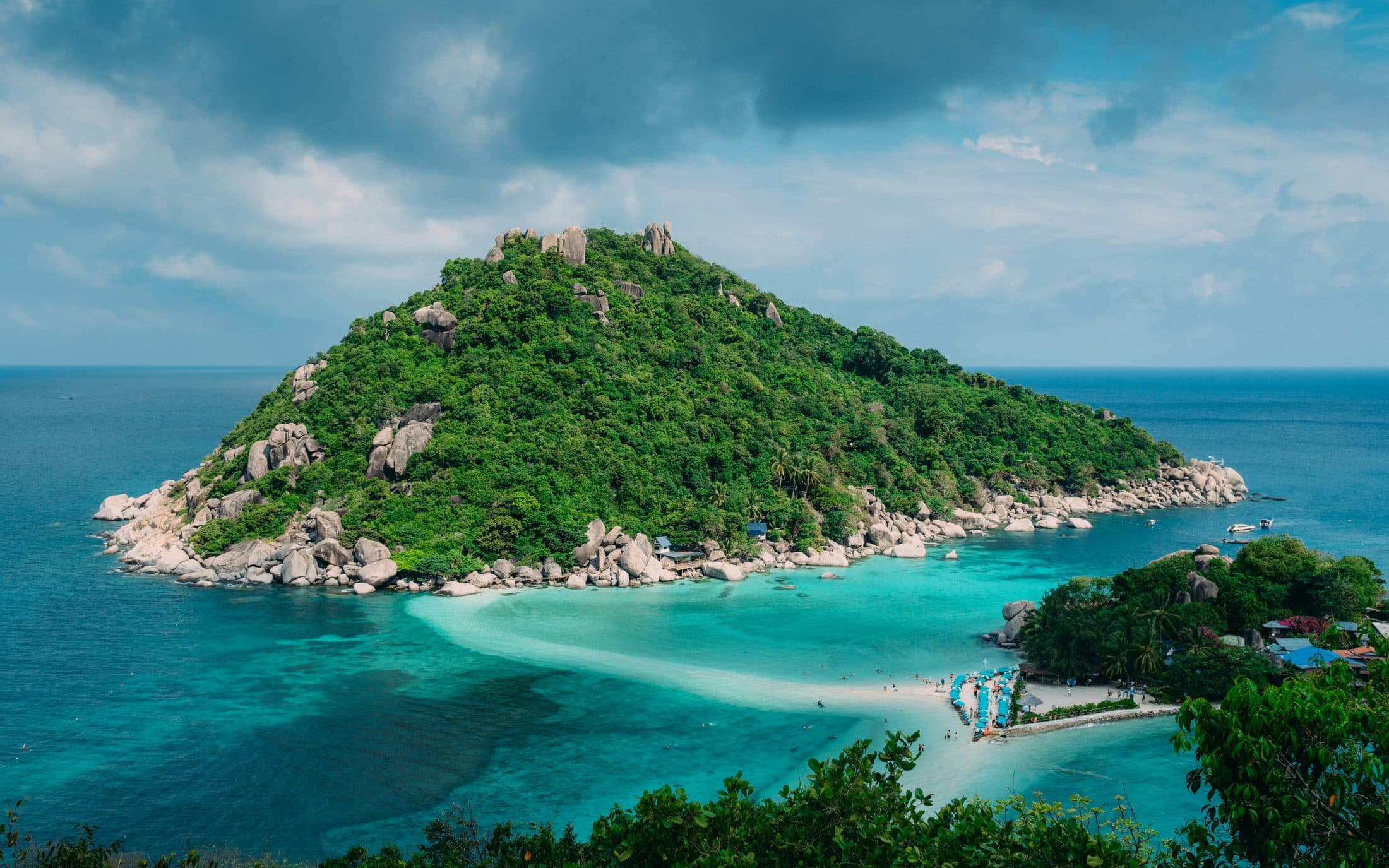 Koh Samui & the Gulf IslandsBest: Feb · Mar · AprPhotographers joining
 Hua Hin & Cha-amBest: Jan · Feb · DecPhotographers joining