Getting married in Hua Hin & Cha-am
The seaside towns where Thailand’s royal court and Bangkok’s high society took their holidays a century ago, some 200 km south of the capital: long beaches facing the sunrise, an old railway station, mangroves at Pran Buri and the limestone peaks of Khao Sam Roi Yot.
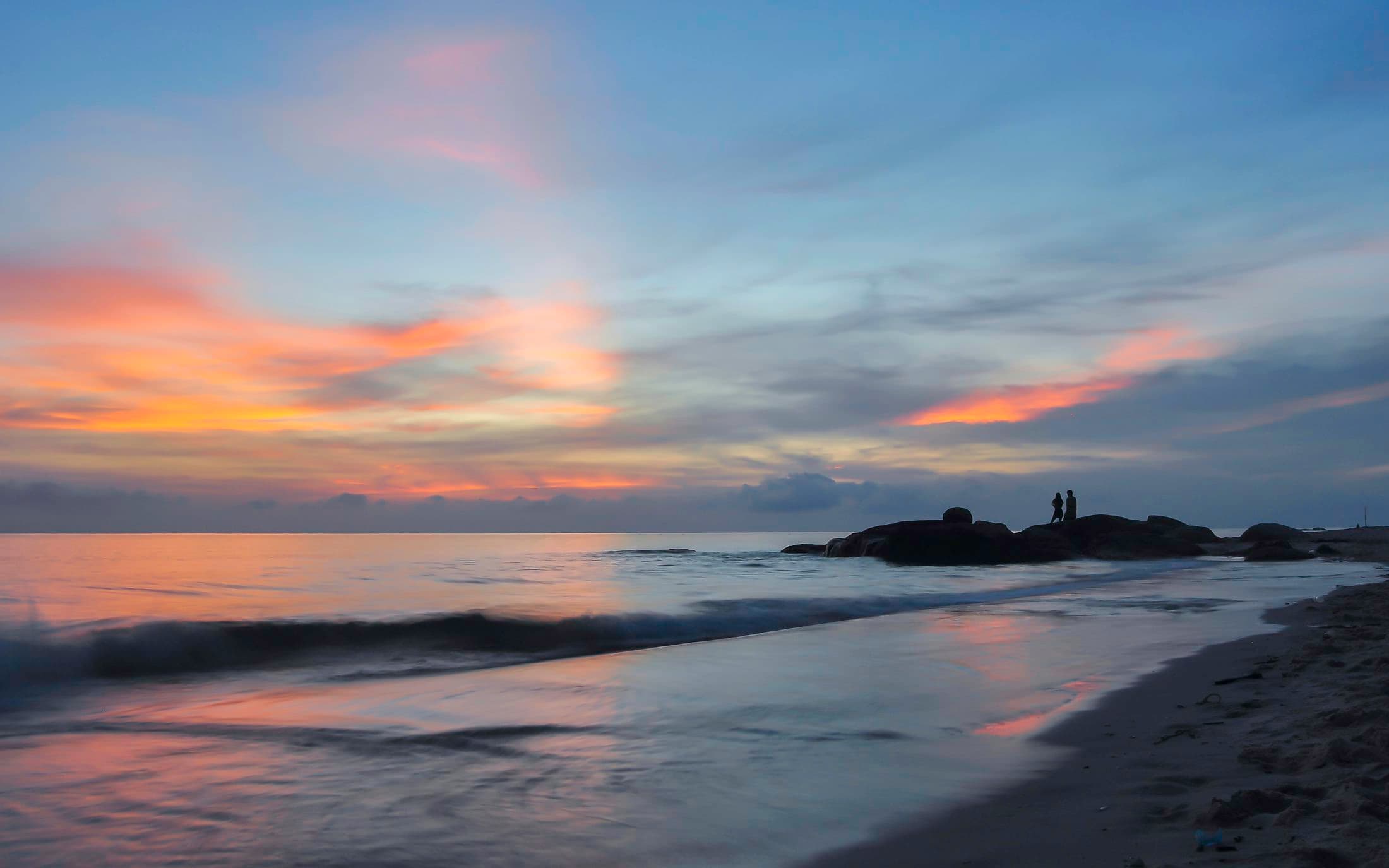
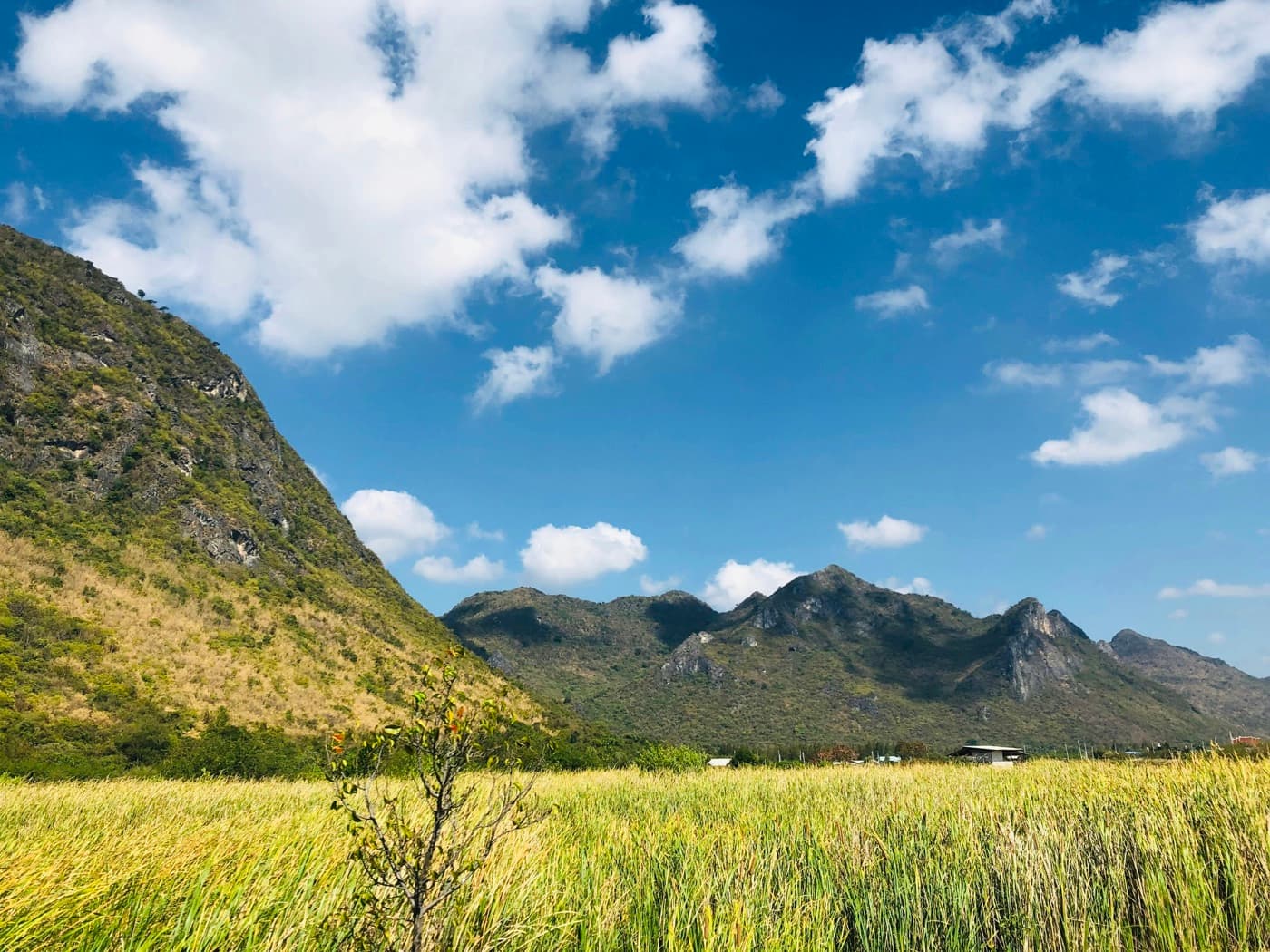
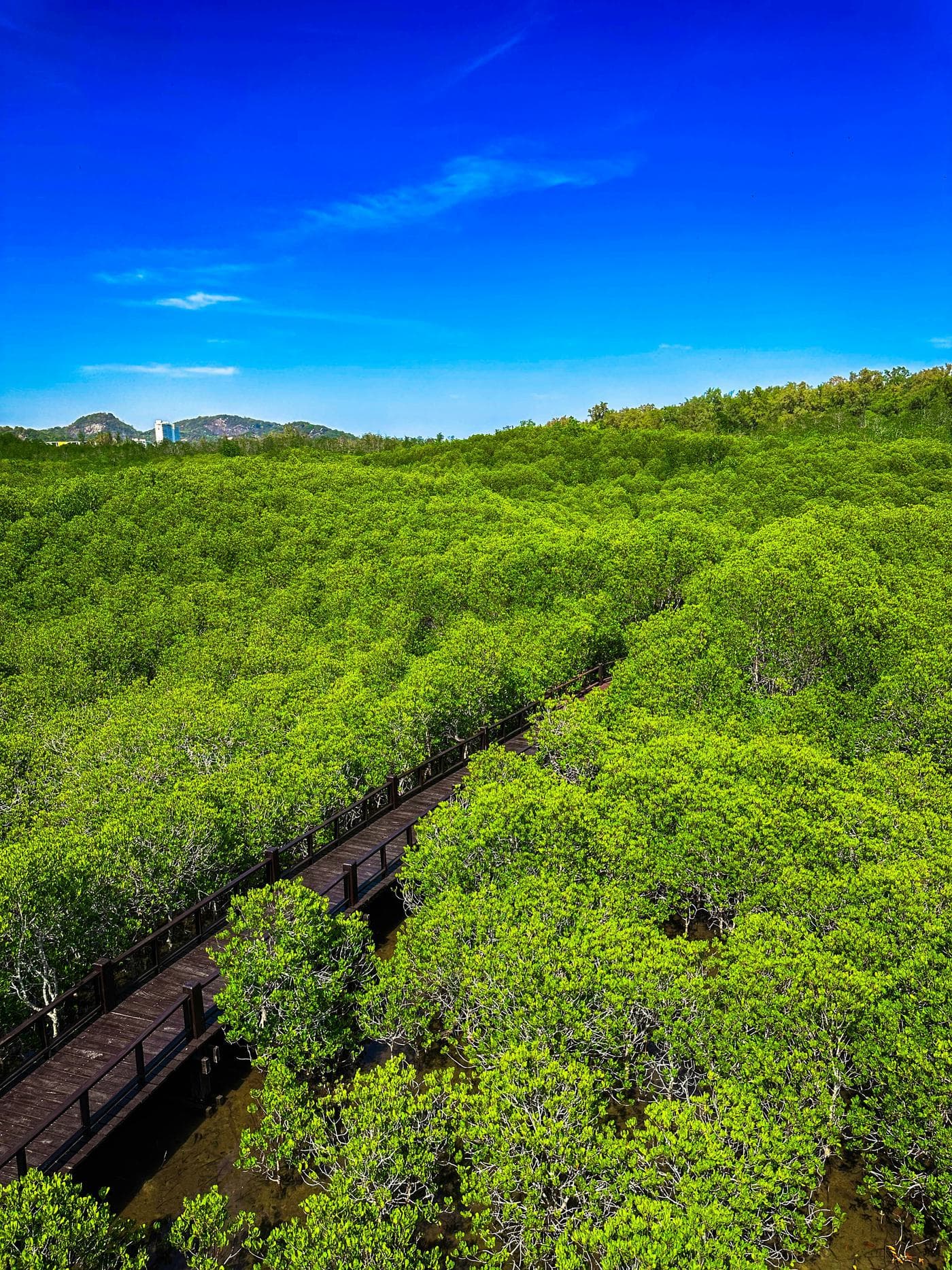
Hua Hin became the seaside resort of the royal family and Bangkok’s elite in the reign of King Rama VI, a century ago, and Cha-am, some 20 km to the north, grew up as its twin. Hua Hin’s beach runs for 5 km from the rocky headland by the fishing pier south to Khao Takiap, where a golden standing Buddha rises against the cliff and a temple crowns the hill; in town, the old railway station, built in the same reign, keeps its Thai-style Royal Waiting Room. Midway between the two towns stands Mrigadayavan, a seaside palace of golden teak built in 1923 and now open to visitors. South of Hua Hin the coast grows quieter: the 7 km beach and the mangrove forest of Pran Buri, then Khao Sam Roi Yot — the ‘mountain of three hundred peaks’ — a national park of limestone ridges, coves and caves around Thailand’s largest reed marsh.
Couples who come from abroad often marry here in a small group: a ceremony on the sand early in the morning or late in the afternoon, then portraits along the beach, in the mangroves or under the limestone peaks — with Bangkok’s airports about three hours away by road. In Thailand a marriage is legal only once a registrar records it — at a district office (the amphoe, or the khet in Bangkok) or, for a fee, at a place you choose — and a religious or beach ceremony alone is not a legal marriage. Many couples therefore sign the papers at home and exchange their vows here.
Through the year
When to marry in Hua Hin & Cha-am
December, January and February are the easiest months: in the Thai Meteorological Department’s 1991–2020 averages for Hua Hin, rain (0.1 mm or more) falls on one or two days a month, the highs are 30 to 31 °C and the sun shines six and a half to eight hours a day. March and April stay dry but heat up, to 32 to 33 °C, and November is the month the rains end, with about five wet days. From May to October it rains on 12 to 16 days a month, and October is the wettest, with 250 mm — more than a quarter of the year’s 936 mm. Even so, Hua Hin gets less than half the rain of Koh Samui.
- January: Best
- February: Best
- March: Good with planning
- April: Good with planning
- May: Quieter
- June: Quieter
- July: Quieter
- August: Quieter
- September: Quieter
- October: Quieter
- November: Good with planning
- December: Best
- December to FebruaryDry, bright and the least hot time of the year, with highs around 30 °C and nights that cool to about 23 °C. Haze is common — on about 19 to 21 days a month in December and January — and softens the horizon over the sea. On weekdays Cha-am’s long beach can be almost empty.
- March to MayThe hottest months, with highs of 32 to 34 °C, May the hottest, when thunderstorms become more frequent. Hold the ceremony late in the afternoon and keep the portraits for the last hour of sun; around 22 April the noon sun stands straight overhead.
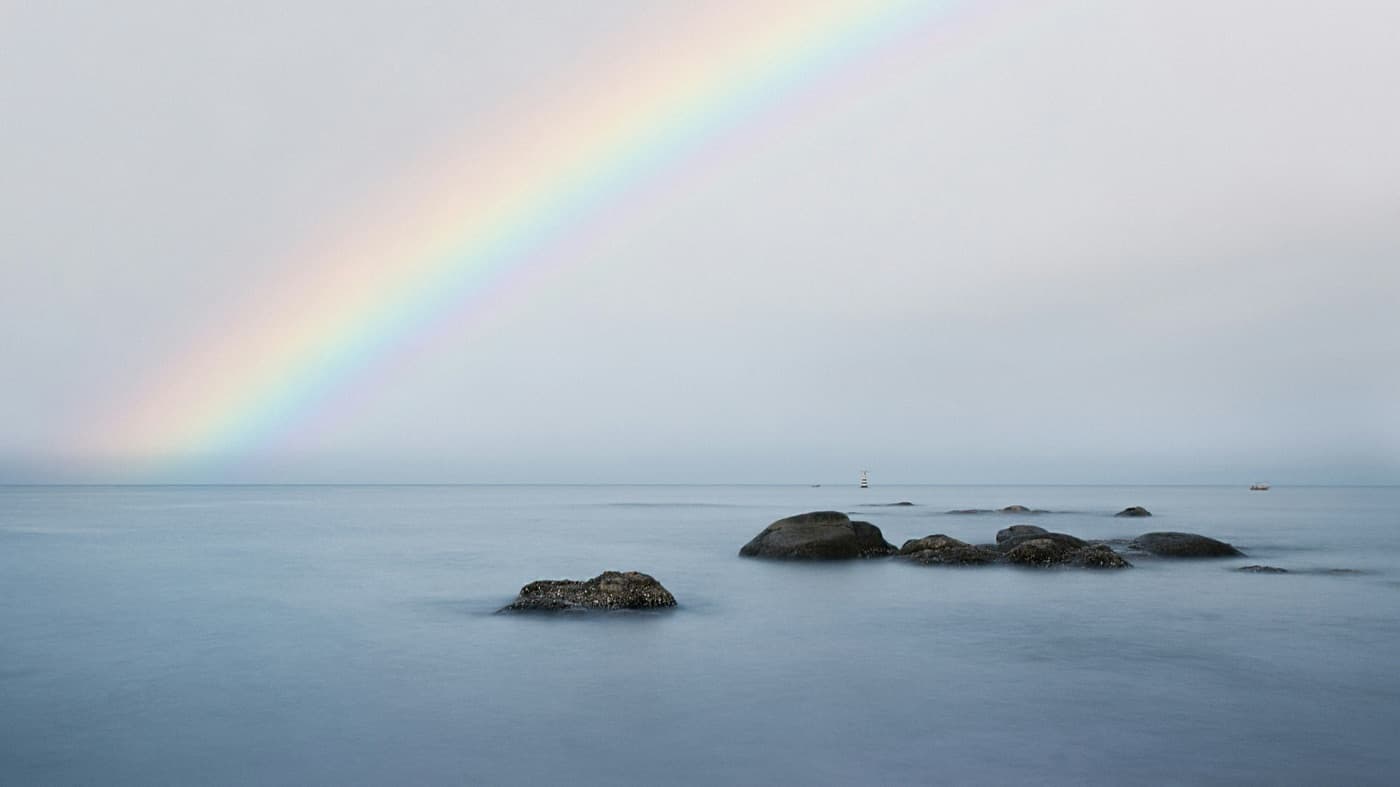
- June to NovemberThe rainy months, wettest in September and October, when showers come on about half the days; until October the sun shines only four to five hours a day. November is the turn of the season, with about five rainy days and the first long dry spells.
In numbers
Weather station: Hua Hin, normals 1991–2020 · Checked 30 October 2026
Places
Where couples marry here
The kinds of places — ask your photographer which ones they know well.
Hua Hin beach and Khao Takiap
Five kilometres of sand facing the sunrise, from the rocks by the fishing pier south to Khao Takiap, with horses ridden along the shore and kite surfers out on windy days. At the southern end a golden standing Buddha rises against the cliff and a temple on the hilltop looks over the whole bay: dress for a temple there — sleeves, clothes that cover the knee — and keep your feet and your back away from the Buddha images. For portraits, come early: the beach faces east, and the low sun comes in off the sea.
The old railway station
Built in the reign of King Rama VI, it is one of the oldest and most beautiful stations in Thailand, with a Thai-style Royal Waiting Room brought from Sanam Chan Palace in Nakhon Pathom. Since December 2023 the trains have stopped at a new elevated station alongside, and the old one is kept as a landmark, about a kilometre from the beach; for anything longer than a few frames, ask at the station first.
The royal palaces
Mrigadayavan, the seaside palace of golden teak that King Rama VI had built in 1923 between Cha-am and Hua Hin, is open to visitors for an entry fee; whether it allows wedding photographs is for the palace to say, so ask before planning any, and dress as you would for a temple. Klai Kangwon, the palace in Hua Hin itself, is still a royal residence and is not open to the public: it is not a backdrop. Leave royal portraits and emblems out of your pictures.
Pran Buri and Khao Sam Roi Yot
About 20 km south of Hua Hin, Pran Buri Forest Park has a raised wooden boardwalk of about a kilometre through the mangroves, and a beach shaded by pines that looks out to Lion Island, Khao Takiap and Khao Tao. Further south, Khao Sam Roi Yot National Park (200 baht for a foreign adult) has the Khao Daeng viewpoint over the peaks and the canal winding to the sea; Phraya Nakhon Cave, where a great opening in the roof lets the light in onto a Thai pavilion built for a royal visit, up a steep, rocky trail of about 430 m from Laem Sala beach; and the freshwater marsh of Thung Sam Roi Yot, a Ramsar wetland since 2008. The parks department charges a fee for commercial photography, so ask the park first.
Light
How the light falls
Hua Hin’s beaches face east, so the gentle light here comes with the sunrise over the sea: at about six at midsummer, at about twenty-five to seven at midwinter, and as late as a quarter to seven in early February. The sun sets inland, behind the hills, at about ten to seven in June and July and at six in December, the earliest at about ten to six in mid-November. It drops fast — from ten degrees up to sunset in about three-quarters of an hour, with some twenty minutes of dusk after it — and around 22 April and 20 August the noon sun stands straight overhead. The sun shines about eight hours a day in February and March and just over four in July and August; in December and January the haze makes for a soft, pale horizon.
Travel
Getting there
Hua Hin is about 220 km by road from either of Bangkok’s airports, Suvarnabhumi or Don Mueang — three hours or more, depending on the capital’s traffic — and trains from Bangkok stop at the new elevated station in town. Pran Buri Forest Park is about 20 km south of the town and the beach at Bang Pu, for Phraya Nakhon Cave, about 50 km, an hour by car. Every foreign visitor fills in the Thailand Digital Arrival Card online in the three days before arriving. A drone must be registered with the NBTC, the telecoms regulator, within 30 days of arriving, even if you never fly it; one with a camera must be registered with the civil aviation authority, CAAT, as well, with third-party insurance of at least a million baht and each flight approved through its portal at least three days ahead. No drone may fly within 9 km of an airport without approval, and Hua Hin has one, about 7 km north of the town centre: the centre and the north end of the beach lie inside that circle. National parks have their own rules — ask the park before flying.
Photographers
Photographers in Hua Hin & Cha-am
No one in Hua Hin & Cha-am yet
The first photographers in Hua Hin & Cha-am are joining now. Tell our concierge your date and your plans — it checks who is free and fits.
Plan
Read before you plan
- Getting married in Thailand as foreigners: the papers, the district office, same-sex couplesHow couples who don’t live in Thailand marry there legally: the document from home that says you’re free to marry, its Thai translation and the Ministry of Foreign Affairs’ stamp, registration at any district office, same-sex marriage since 2025, Buddhist blessings and symbolic ceremonies, costs, and registering the marriage back home.
- How to choose a wedding photographer: the steps, and the questions to askThe decision in order — whole weddings, style, availability, the package, the contract and deposit, cancellation, delivery and a conversation — then a checklist of questions, with why each one matters.
- A wedding-day timeline for photosFrom getting ready to the last dance, planned around the light.
- Deposits and payment protectionWhat you pay when, and what happens if plans change.
- Which country for a destination wedding? The law, prices, crowds and light, comparedThe legal route for couples who don’t live there, season and crowds, price levels, light, flights, venues and permits for photographs — Portugal, Italy, Spain, Greece, France and Austria compared with official figures, as of October 2026.
- A rain plan that still looks goodCovered spots, umbrellas and what photographers do on grey days.
- Wedding photography contract checklist: what it should say, and how Lens & Vows handles each pointThirteen things a good contract covers — the day and the hours, what is delivered, deposit and balance, cancellation on either side, date changes, illness, image rights, personal data, backups, travel, overtime and complaints — and what our terms say about each.
Thailand
Other places
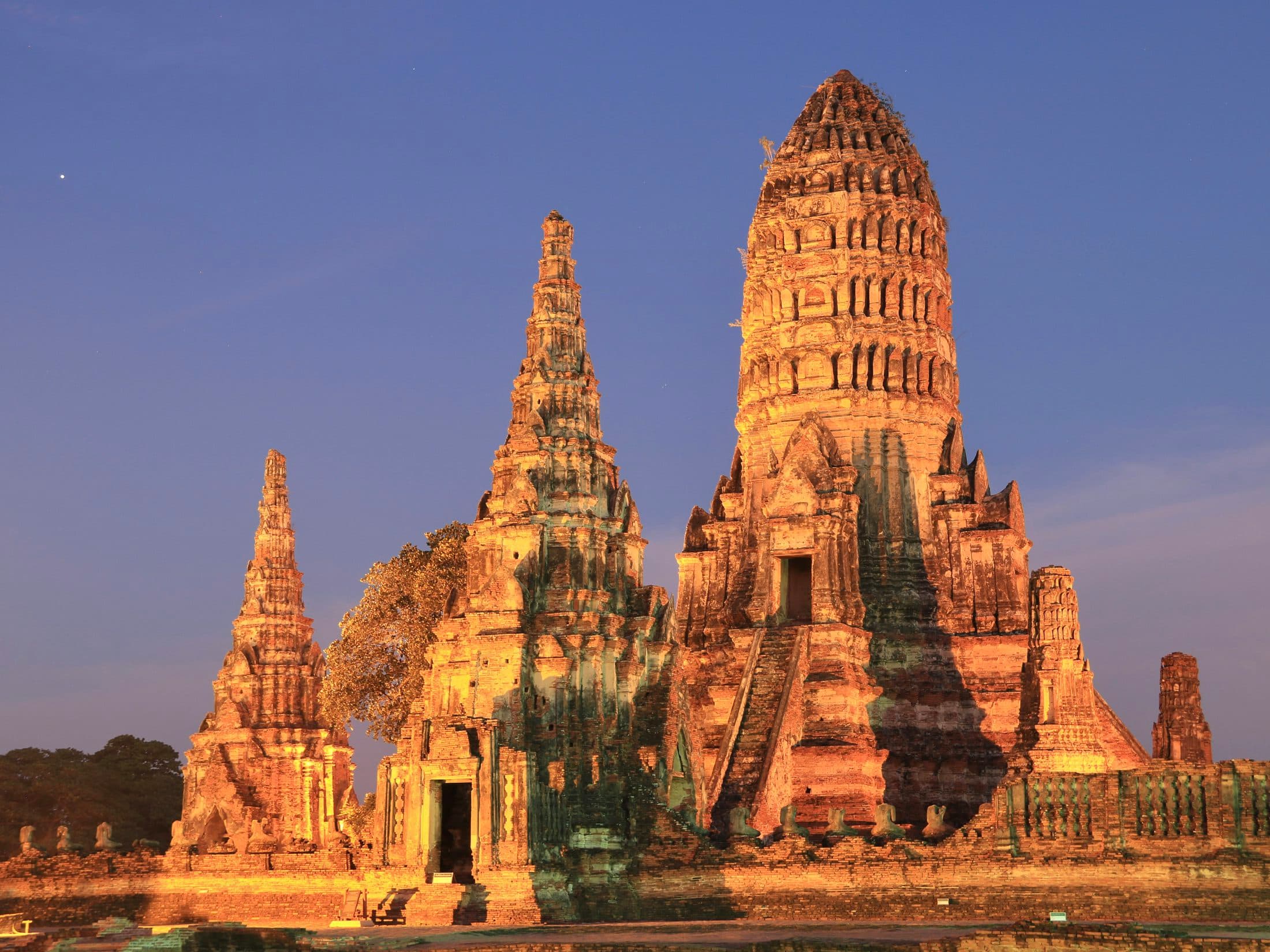 Bangkok & AyutthayaBest: Jan · Feb · Nov · DecPhotographers joining
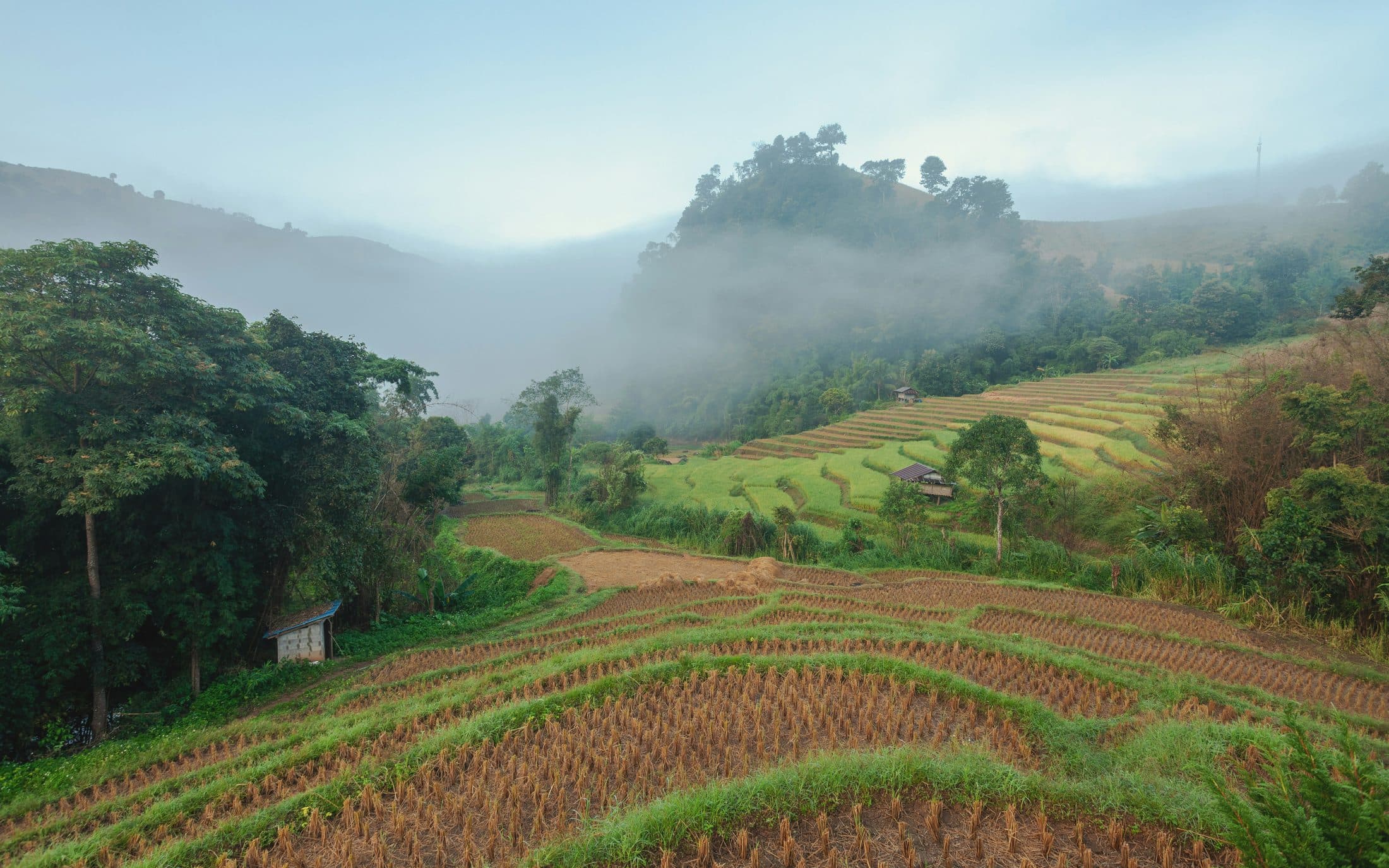 Chiang Mai & the NorthBest: Jan · Nov · DecPhotographers joining
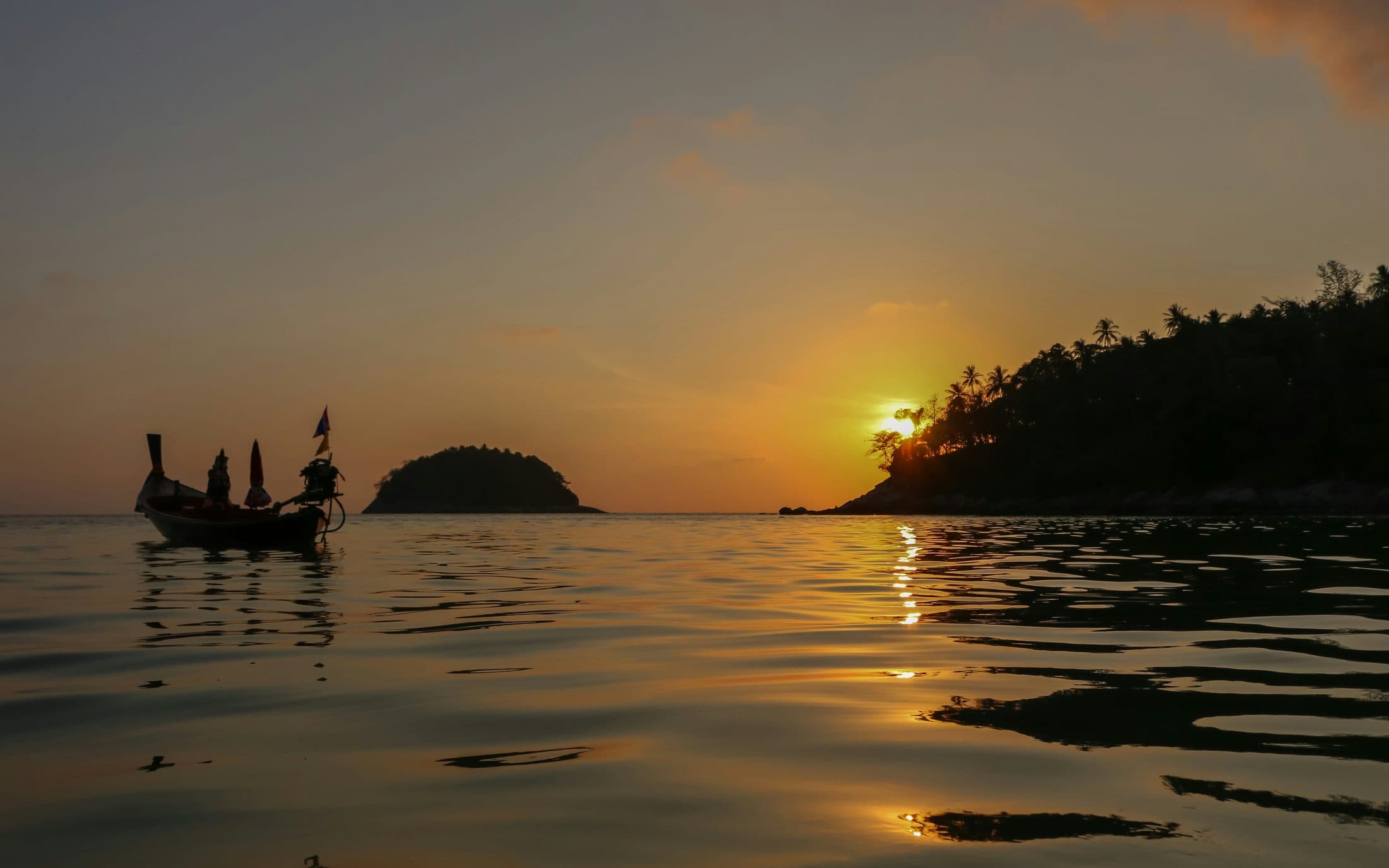 PhuketBest: Jan · Feb · Mar · DecPhotographers joining
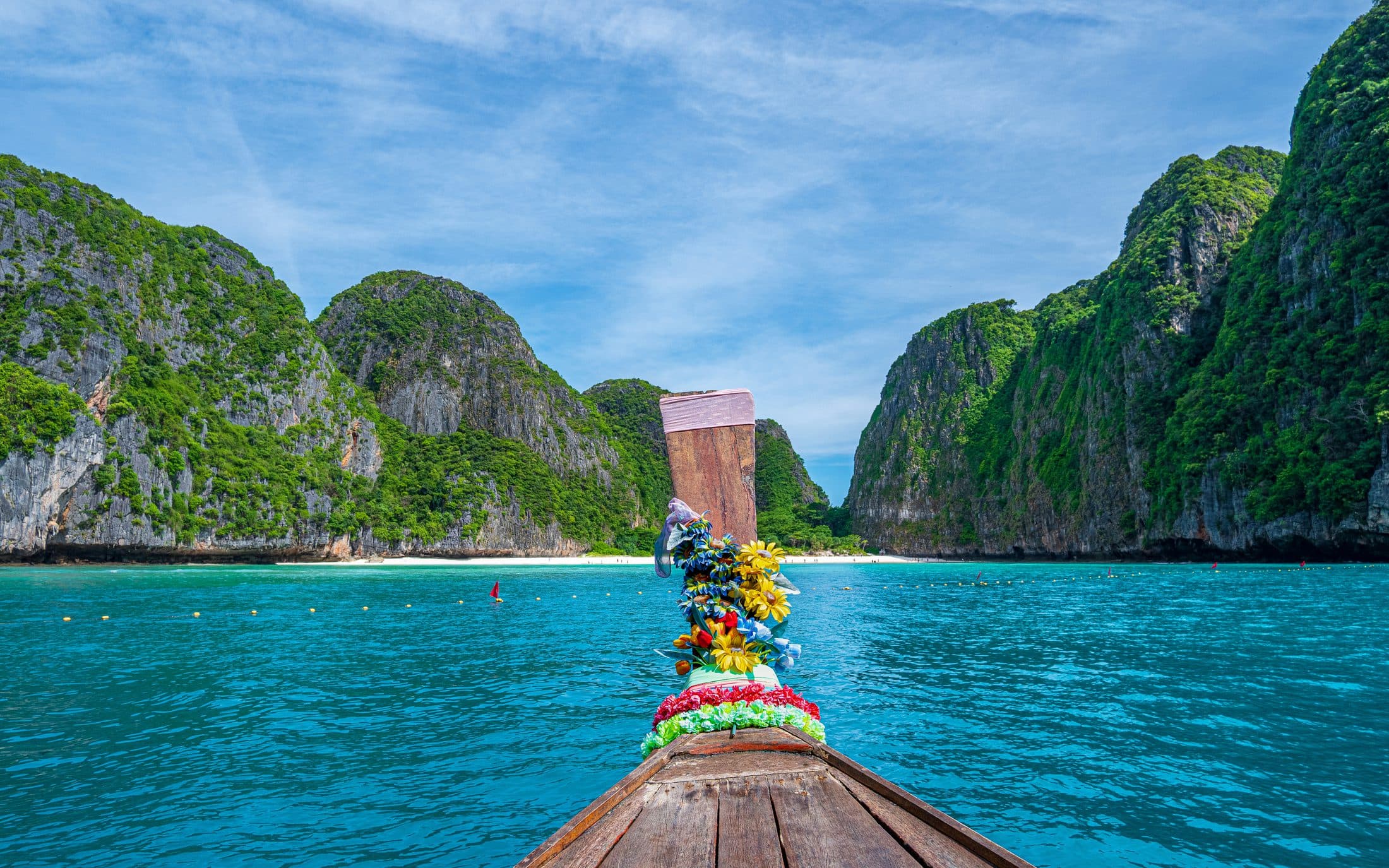 Krabi & Phang NgaBest: Jan · Feb · Mar · DecPhotographers joining
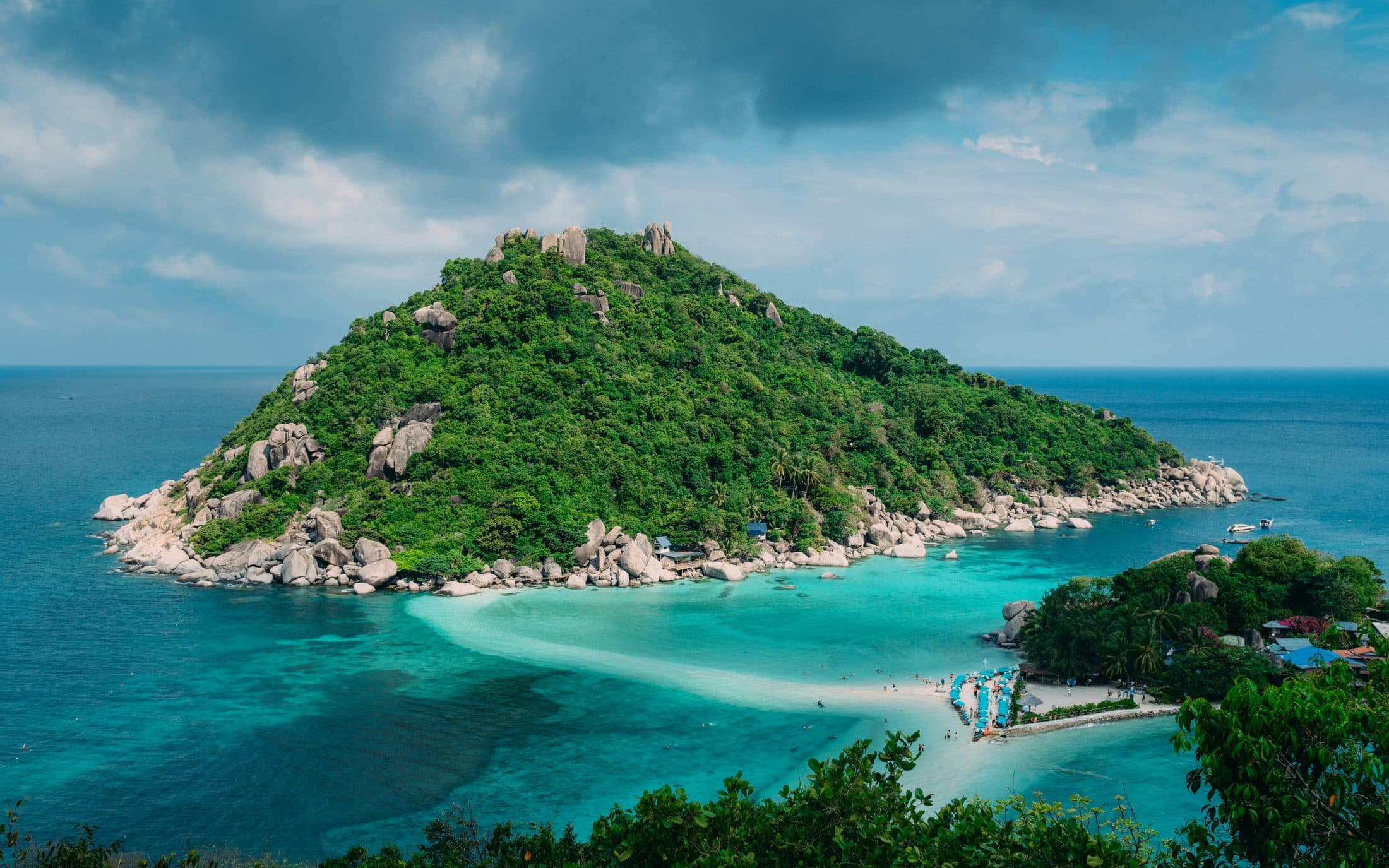 Koh Samui & the Gulf IslandsBest: Feb · Mar · AprPhotographers joining