Getting married in Wrocław & Lower Silesia
A city of the Oder, its islands and its bridges: the Market Square and the Gothic Old Town Hall, the cathedral island of Ostrów Tumski, whose gas lamps are still lit by hand each evening, the Japanese Garden and the Centennial Hall in Szczytnicki Park and, beyond the city, Książ Castle above its wooded gorge, the timber-framed Churches of Peace at Jawor and Świdnica, the palaces of the Jelenia Góra Valley and the Karkonosze mountains above Szklarska Poręba and Karpacz.
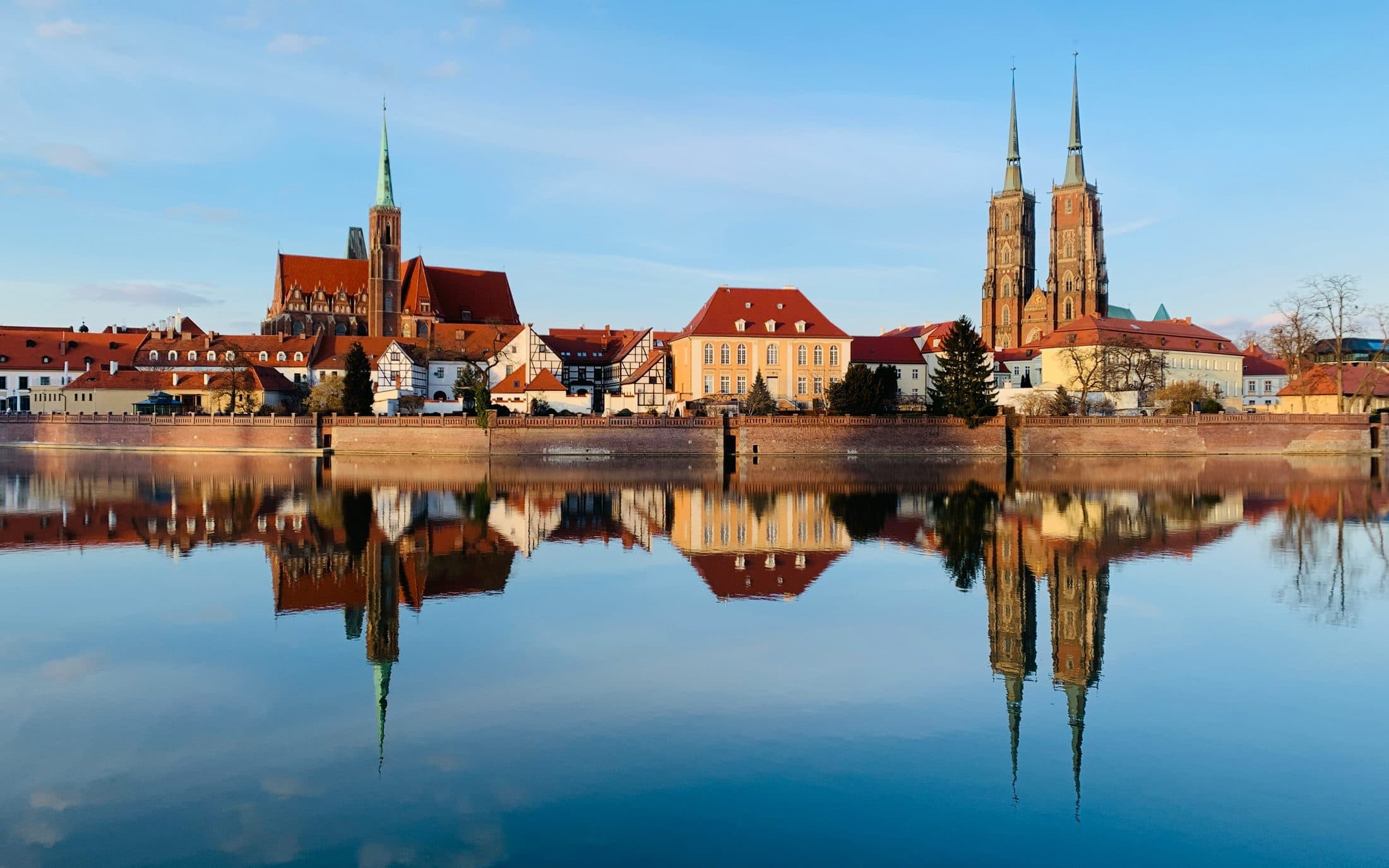
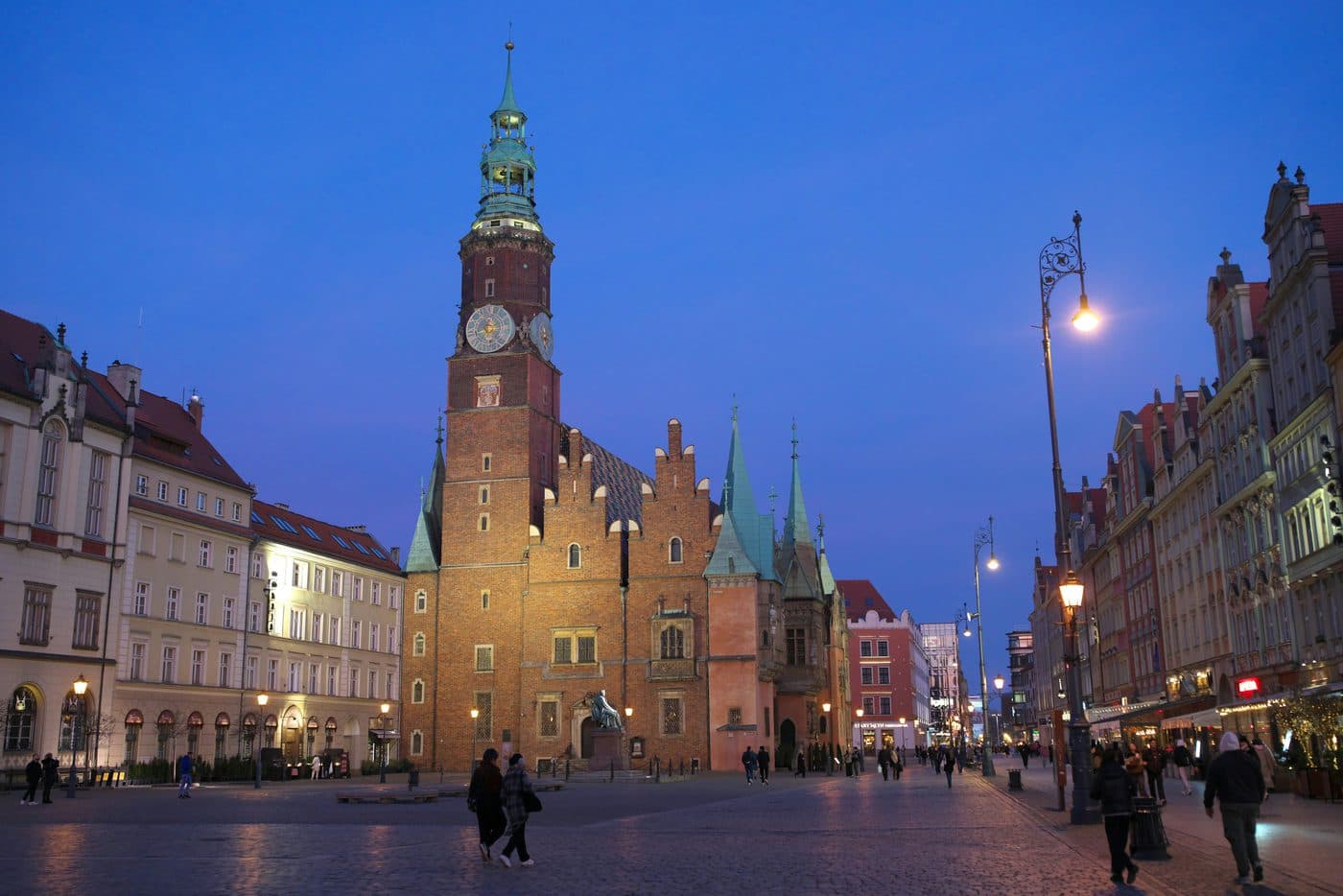
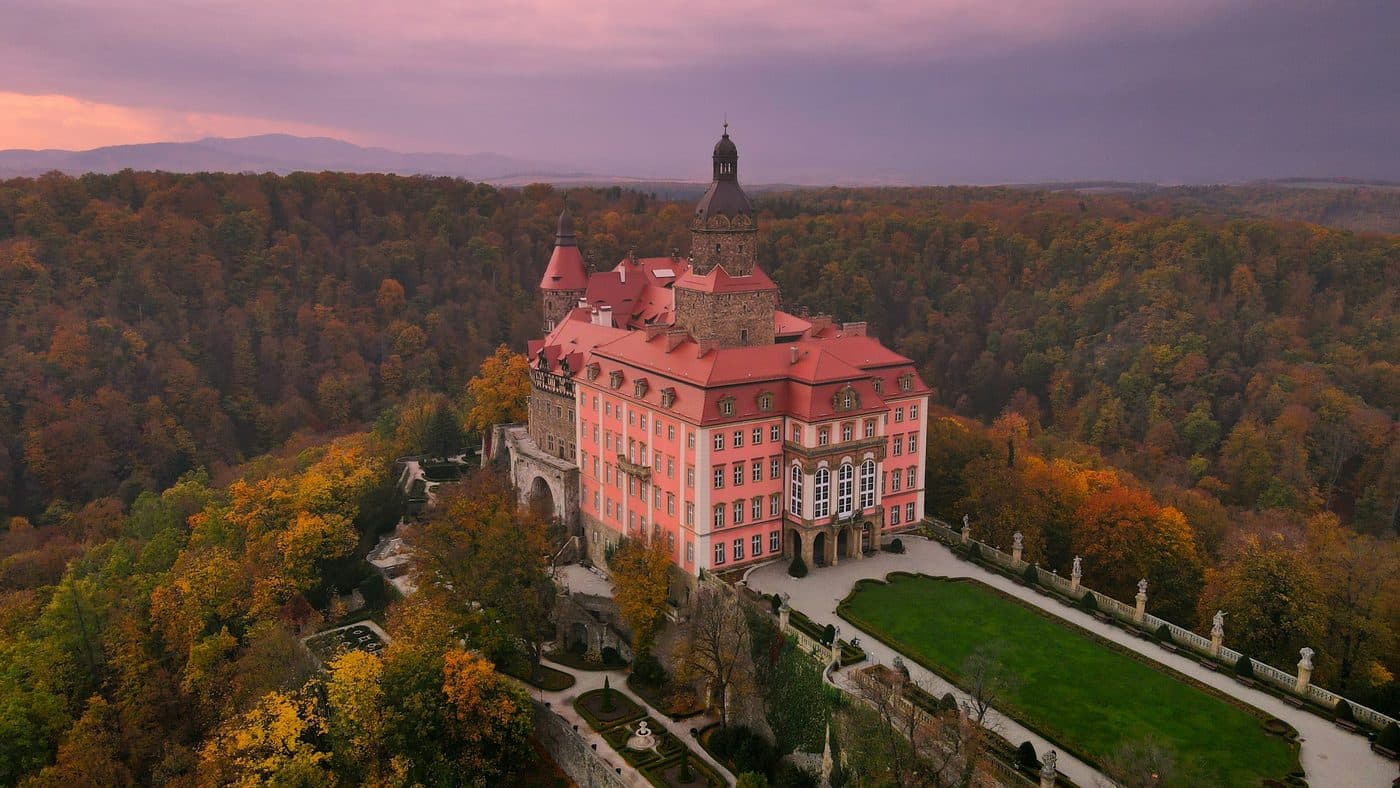
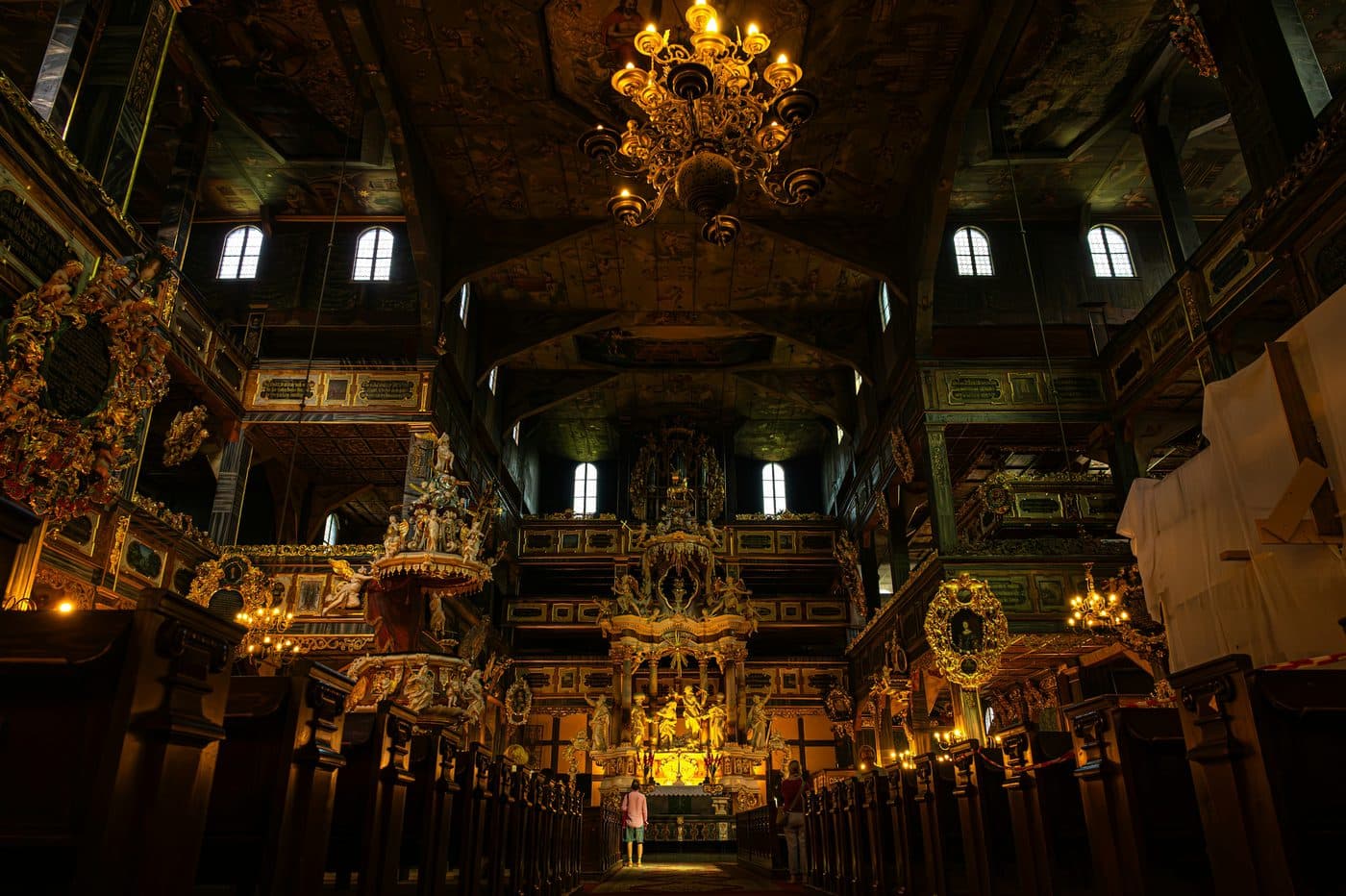
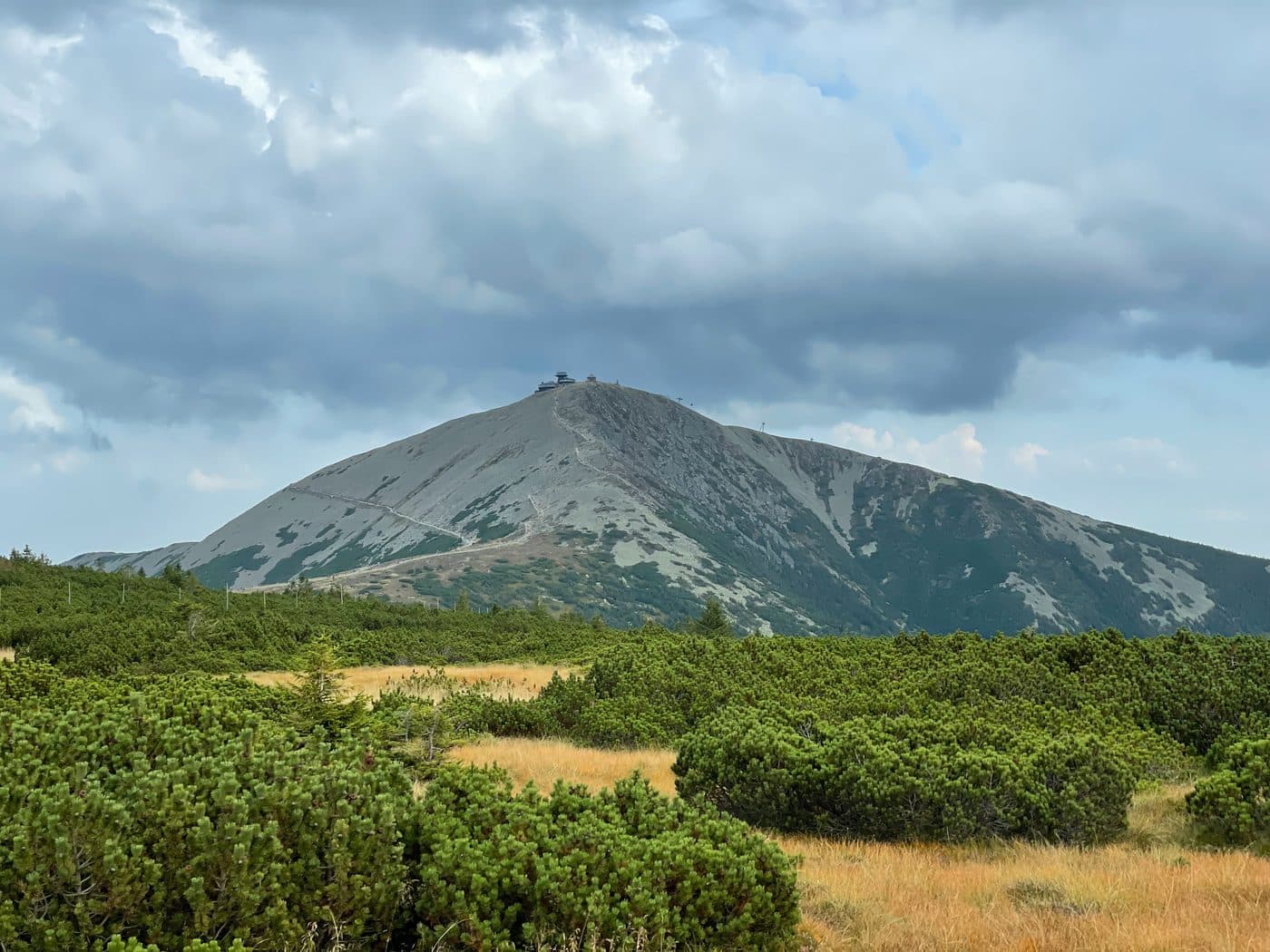
Wrocław’s Market Square was laid out in the 13th century, after the town received its charter, and is one of the largest market squares in Poland; in its middle stands the Old Town Hall, a museum today and, its keepers say, one of the finest late-Gothic secular buildings in Europe. North of the Old Town, across the Oder and its islands, Ostrów Tumski is the cathedral island: its oldest buildings are the late-Romanesque church of St Giles, from the early 13th century, and St Martin’s, all that remains of the castle of Silesia’s medieval dukes, and its Gothic Cathedral of St John the Baptist, 70 % destroyed in 1945, was back in use by 1951, though new spires crowned its towers only in the 1990s. East of the centre, Szczytnicki Park holds the Japanese Garden, first laid out for the Centennial Exhibition of 1913 and restored after the flood of 1997, with stone lanterns and water basins brought from Japan, and beside it the Centennial Hall of 1911–1913, a landmark in the history of reinforced concrete: a quatrefoil around a round hall for some 6,000 people under a dome 23 m high, on the World Heritage List since 2006. South-west of the city, Książ Castle rises above a wooded gorge on the edge of Wałbrzych, its 14 terraces on different levels; the Churches of Peace at Jawor and Świdnica, built in the mid-17th century amid the religious strife that followed the Peace of Westphalia, are the largest timber-framed religious buildings in Europe and World Heritage since 2001 — Świdnica’s was built in ten months and holds 7,500 people. Further west, eleven palace-and-park residences of the Jelenia Góra Valley are listed together as a Historic Monument of Poland, and the Karkonosze rise above Szklarska Poręba and Karpacz to Śnieżka, the highest peak of the Karkonosze and the Sudetes, with a weather observatory on its summit at 1,603 m.
Couples marry at Wrocław’s civil registry or, at fixed times, at a place of their choosing in the city, in parish churches across the region, and in the mountains in the Wang church at Karpacz; portraits follow on the Market Square at blue hour, on the bridges to Ostrów Tumski as the lamps are lit, in the Japanese Garden, on Książ’s terraces and on the Karkonosze ridges at first light. In Poland a marriage is legal when the head of a civil registry office (urząd stanu cywilnego) marries you, in the office or, for an extra 1,000 zł, at another place in its municipality that keeps the ceremony solemn and safe, or when a Catholic priest marries you under the Concordat with the registry’s certificate; couples from abroad can marry here legally, each giving a written declaration in person at least a month ahead (the office may shorten the wait for good reason), with papers from home in sworn Polish translation and an interpreter if they don’t speak Polish, and Polish law allows marriage only between a man and a woman, with no civil partnership. Wrocław’s registry, at ul. Włodkowica 20, holds ceremonies mostly on Saturdays from 9:00 to 16:40 and on Thursdays and Fridays from 10:00 to 12:00; a wedding elsewhere in the city takes one of its fixed slots — Saturdays at 11:00, 12:30, 14:00, 15:30 and 17:00, Fridays at 13:30 and 15:00 — and the interpreter is chosen and paid by the couple (as of November 2026). The country page explains the declaration and the papers.
Through the year
When to marry in Wrocław & Lower Silesia
May to September are the surest months. In the 1991–2020 normals of Poland’s Institute of Meteorology and Water Management (IMGW-PIB) for Wrocław-Strachowice, the airport station about 9 km west of the Market Square, highs reach about 20 °C in May, 23 °C in June, 26 °C in July, 25 °C in August and 20 °C in September, and about five days in July and four or five in August reach 30 °C. Rain of 1 mm or more falls on 8 to 10 days a month from May to September; July is the wettest month, with 91 mm and the most days of heavy rain, and, as IMGW notes, the usual month of thunderstorms and hail, so keep a roof close to any open-air plan. The mountains are wetter and cooler: Jelenia Góra, at 342 m in the valley below the Karkonosze, has 707 mm of rain a year against 541 mm in Wrocław, with rain on 11 days in June and July, and on Śnieżka, at 1,603 m, July averages 10 °C and snow lies on 186 days a year. April and October work with some care, at highs of 15 and 14 °C, with frost on about five nights in April and four in October.
- January: Quieter
- February: Quieter
- March: Quieter
- April: Good with planning
- May: Best
- June: Best
- July: Best
- August: Best
- September: Best
- October: Good with planning
- November: Quieter
- December: Quieter
- April and MayApril warms to 15 °C by day, with rain on only six days — with February, the fewest of the year — and frost on about five nights; by May the highs reach 20 °C and the sun shines about eight hours a day. The Japanese Garden opens for the season on 1 April, and so do Książ Castle’s terraces. The clocks go forward on the last Sunday of March (28 March 2027), and by mid-May the sun sets at about twenty-five to nine.
- June to AugustThe warmest months: highs of 23 to 26 °C, nights of 12 to 14 °C, about eight hours of sun a day, and 25 °C or more on 11 days in June and 17 in July and in August. Rain still falls on 8 to 10 days a month, July brings 91 mm, and storms and hail are likeliest then. In the mountains summer is cooler: Jelenia Góra’s highs reach 22 to 24 °C, and on Śnieżka’s summit July averages 13 °C by day. At midsummer the sun sets at about ten past nine. In front of the Centennial Hall, the Multimedia Fountain plays from spring to late October: day shows every hour from 10:00 to 17:00, evening shows with lights every hour from 18:00 to 21:00 and at 21:40.
- September and OctoberSeptember cools to 20 °C, with rain on eight days and about nine overcast days, against 15 in November — the season Poles call the golden Polish autumn (złota polska jesień); October drops to 14 °C, with frost on about four nights. Książ’s terraces close after 30 September (sometimes later, by the castle’s decision) and the Japanese Garden after 31 October, and on Śnieżka snow already lies on about eight October days. In mid-September the sun sets at about five past seven, in mid-October at about six. The clocks go back on the last Sunday of October (31 October 2027).
- November to MarchShort, cold days: highs of 3 to 5 °C from December to February, frost on 19 to 21 nights a month in December and January, and snow on the ground on about 12 days in January in Wrocław, 17 in Jelenia Góra and almost every day from December to April on Śnieżka. The Japanese Garden is closed from 1 November to 31 March; in the Karkonosze some trail sections close in winter and spring, and the park warns of icy trails, avalanches and blizzards. At midwinter the sun is up only from about five to eight to a quarter to four, no more than about 15 degrees high at noon.
In numbers
- Average high in the best months
- May 20.0°C · Jun 23.4°C · Jul 25.6°C · Aug 25.4°C · Sep 20.0°C
- IMGW-PIB
- UNESCO World Heritage
Weather station: Wrocław-Strachowice, normals 1991–2020 · Checked 6 November 2026
Places
Where couples marry here
The kinds of places — ask your photographer which ones they know well.
The Market Square and Ostrów Tumski
The Market Square is closed to private cars except in rare cases; trams stop close by (Rynek, Świdnicka, Galeria Dominikańska, Oławska), and parking in the centre is paid every day from 9:00 to 20:00. The Old Town Hall is the City Museum’s Museum of Bourgeois Art, with its Great Hall under a net vault. On Ostrów Tumski the cathedral is free to enter; its viewing terrace, reached by lift, and its chapels are paid, and open from Monday to Saturday from 10:00 to 17:00 and on Sundays from 14:00 to 16:00. Every day before dark a lamplighter in a black cape and top hat walks the island lighting its gas lamps, about a hundred of them, and puts them out just after dawn, so the blue hour on the cathedral island has a light of its own. We found no published rule on photo sessions on the square, on the island or in the cathedral: ask the cathedral parish about a wedding or a session inside.
The Japanese Garden and the Centennial Hall
The Japanese Garden opens from 1 April to 31 October, from 9:00 to 19:00; an adult pays 30 zł, and a special 400 zł ticket covers a professional photographer or videographer with one assistant and the newly-weds, four people at most (as of November 2026). Inside you keep to the paths, in the set direction of the visit, and out of the ponds and streams. Next door, the Centennial Hall’s grounds are open to everyone and free, but any commercial or organised photography or filming of the complex needs the Hall’s consent, asked for through the form on its website and withdrawable at any moment, and no one may step into the fountain’s basin. The Pergola curves for 640 m around the pond on 750 concrete columns under vines, and the Multimedia Fountain plays in the pond in season. The hall itself is visited with a ticket from its visitor centre, and events can close it, so check its calendar. The Centennial Hall is 4 km by road from the Market Square.
Książ Castle and the Churches of Peace
Książ, owned by the city of Wałbrzych, allows wedding photo sessions only on its terraces, open from 1 April to 30 September, or in its Palm House: 400 zł for each, four people at most, castle entry not included (as of November 2026); there are no such sessions inside the castle, where works of art that were there until 1942 are being brought back. The Palm House, a glass-and-metal building from the early 20th century lined inside with lava from Etna, stands apart at Lubiechów. No drone may fly over the castle, its terraces or its gardens without the castle company’s written consent. The tunnels cut under the castle in 1943–1945 by concentration-camp prisoners, part of the Riese project, are a place of remembrance, not a backdrop; their entrance is on the North Terrace, so keep sessions to the other terraces. The Churches of Peace at Świdnica and Jawor are working Lutheran parish churches. At Świdnica the church opens from April to October from Monday to Saturday from 9:00 to 18:00 and on Sundays from 12:00, after the 10:00 service, and an adult pays 18 zł towards its restoration (as of November 2026). We found no published rule on weddings or photo sessions at either church: ask the parishes.
The Jelenia Góra Valley and the Karkonosze
Eleven palace-and-park residences between Jelenia Góra and the Rudawy Janowickie hills have been listed together as a Historic Monument of Poland since 2011; several now run as hotels and wedding venues, so we name none. In the Karkonosze National Park an adult pays 11 zł a day (5.50 zł reduced; prices since 1 April 2025), and the Kamieńczyk waterfall at Szklarska Poręba, 27 m in three cascades and the highest in the Polish Sudetes, has a ticket of its own, 16 zł; the Szklarka waterfall nearby falls 13 m. Photographs from the trails are free for visitors, but commercial photography or filming needs the park director’s written consent, and leaving the marked trails needs a special permit; the park is open to visitors only from an hour before sunrise to an hour after sunset. Drones fly only with the director’s consent: the whole park is a restricted airspace zone. The Karkonosze, on both sides of the Czech border, have been a UNESCO biosphere reserve since 1992. In Karpacz, the Wang church, built at Vang in Norway at the turn of the 12th and 13th centuries, moved here in 1842 and called by its parish the oldest wooden church in Poland, is a Lutheran church that holds weddings on Saturdays, when parts may be closed to visitors; it opens daily from 9:00 to 18:00 from 15 April to 31 October and to 17:00 the rest of the year, an adult pays 16 zł, and taking photographs costs 5 zł more.
Light
How the light falls
The times here are for a flat horizon: Wrocław is flat, but in the Jelenia Góra Valley and the Karkonosze the mountains hide the sun earlier, by how much depending on where you stand. On 21 June the sun rises over the Market Square at about twenty-five to five and sets at about ten past nine, far to the north-west; it is still ten degrees up at about ten to eight, and the sky stays light until almost ten. In mid-May it sets at about twenty-five to nine, in mid-July at about nine, in mid-September at about five past seven and in mid-October at about six; at Szklarska Poręba, further west, it sets about four minutes later. At midwinter it is up only from about five to eight to a quarter to four, no more than about 15 degrees high at noon. Wrocław-Strachowice averages over eight hours of sun a day in July and under two in December (1991–2020). The Japanese Garden closes at 19:00, before sunset from its opening on 1 April until mid-September; from 18 September to the end of October it is open as the sun goes down. In the Karkonosze National Park you may be on the trails from an hour before sunrise, so a first-light session on the ridges is possible, but you must be off them by an hour after sunset.
Travel
Getting there
Wrocław Airport is 12 km by road from the Market Square, 54 km from Świdnica, 68 km from Jawor, 78 km from Książ, 113 km from Jelenia Góra, 125 km from Karpacz and 132 km from Szklarska Poręba; city bus 106 runs from the airport to the main station, Wrocław Główny, in about 42 minutes by its timetable. From Wrocław Główny, Koleje Dolnośląskie trains reach Jelenia Góra in about two hours (the fastest in 1 h 48 min) and go on to Szklarska Poręba Górna in 36 to 56 minutes, and Wałbrzych, the city Książ belongs to, is about an hour away by train (Wałbrzych Szczawienko, about ten trains a day). By road, Świdnica is 16 km from Książ and 33 km from Jawor, and Karpacz is 17 km and Szklarska Poręba 21 km from Jelenia Góra. Drones fly under the EU’s rules — an operator registered where they live (in Poland with the Civil Aviation Authority, ULC, at drony.gov.pl), in sight, below 120 m and clear of people not involved — and in Poland every flight must first be reported to the air navigation agency PANSA (PAŻP) in its DroneTower app, whose map, as DroneMap, shows the zones where a flight needs consent or is barred (around controlled airports, among others); national parks set their own rules, so ask the park first. Książ wants the castle company’s written consent for any drone over its grounds, and the whole Karkonosze National Park is a restricted zone (EP R13, since 31 October 2024) where a drone flies only with the director’s consent.
Photographers
Photographers in Wrocław & Lower Silesia
No one in Wrocław & Lower Silesia yet
The first photographers in Wrocław & Lower Silesia are joining now. Tell our concierge your date and your plans — it checks who is free and fits.
Plan
Read before you plan
- Getting married in Poland as foreigners: the civil registry office, documents, the month’s wait and feesHow couples from abroad marry legally in Poland: no residence needed, a written declaration each of you gives in person at a civil registry office, the month’s wait and how it can be shortened, the certificate of no impediment from home or a court’s exemption, sworn translations and your own interpreter, two adult witnesses, the office’s wedding room or another place for 1,000 zł, the concordat wedding in church with civil effect, why same-sex couples can’t marry, the certificate at home, and the symbolic route.
- How to choose a wedding photographer: the steps, and the questions to askThe decision in order — whole weddings, style, availability, the package, the contract and deposit, cancellation, delivery and a conversation — then a checklist of questions, with why each one matters.
- A wedding-day timeline for photosFrom getting ready to the last dance, planned around the light.
- Deposits and payment protectionWhat you pay when, and what happens if plans change.
- Which country for a destination wedding? The law, prices, crowds and light, comparedThe legal route for couples who don’t live there, season and crowds, price levels, light, flights, venues and permits for photographs — Portugal, Italy, Spain, Greece, France and Austria compared with official figures, as of October 2026.
- A rain plan that still looks goodCovered spots, umbrellas and what photographers do on grey days.
- Wedding photography contract checklist: what it should say, and how Lens & Vows handles each pointThirteen things a good contract covers — the day and the hours, what is delivered, deposit and balance, cancellation on either side, date changes, illness, image rights, personal data, backups, travel, overtime and complaints — and what our terms say about each.
Poland
Other places
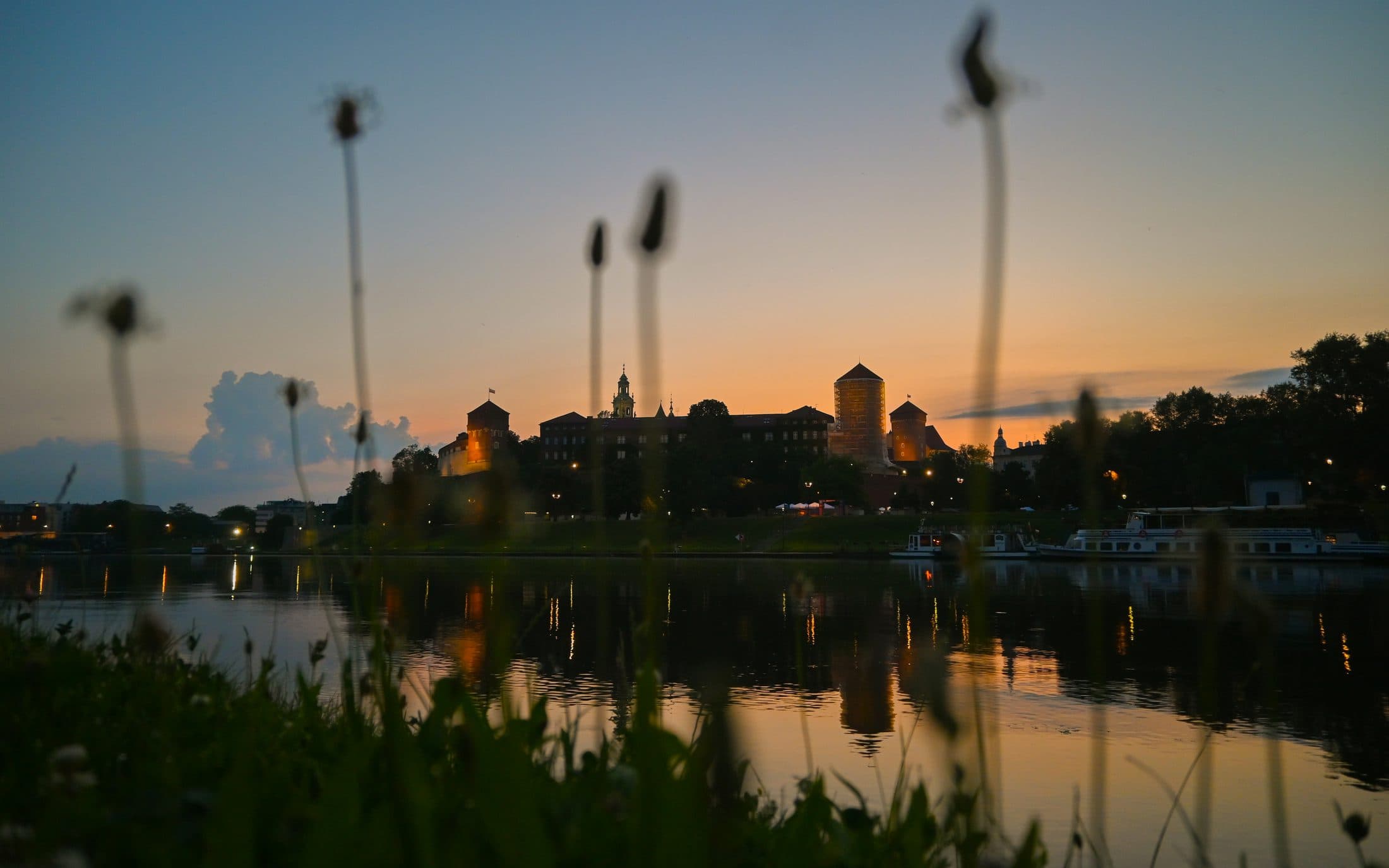 Kraków & Lesser PolandBest: May · Jun · Jul · Aug · SepPhotographers joining
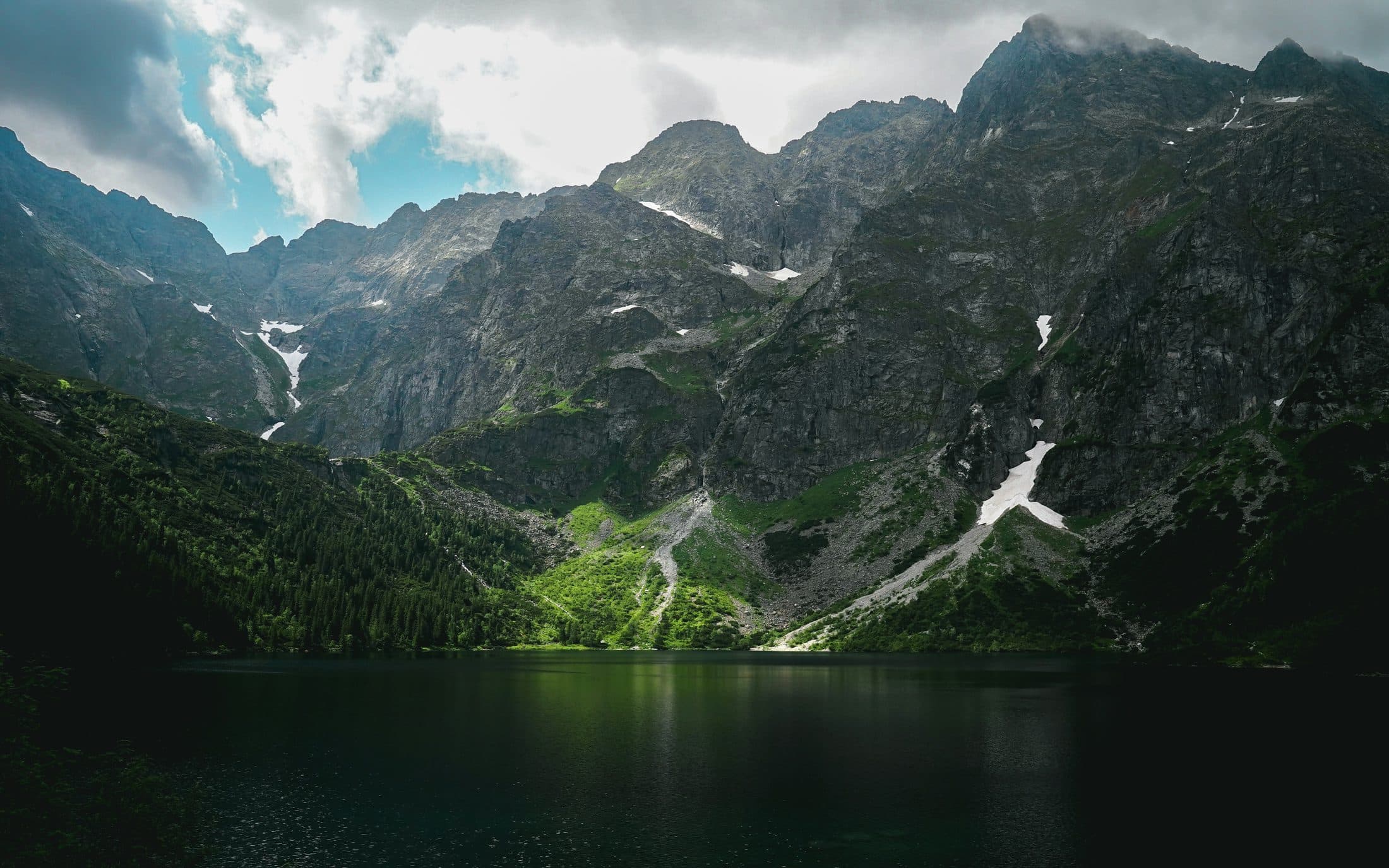 Zakopane & the TatrasBest: Jun · Jul · Aug · SepPhotographers joining
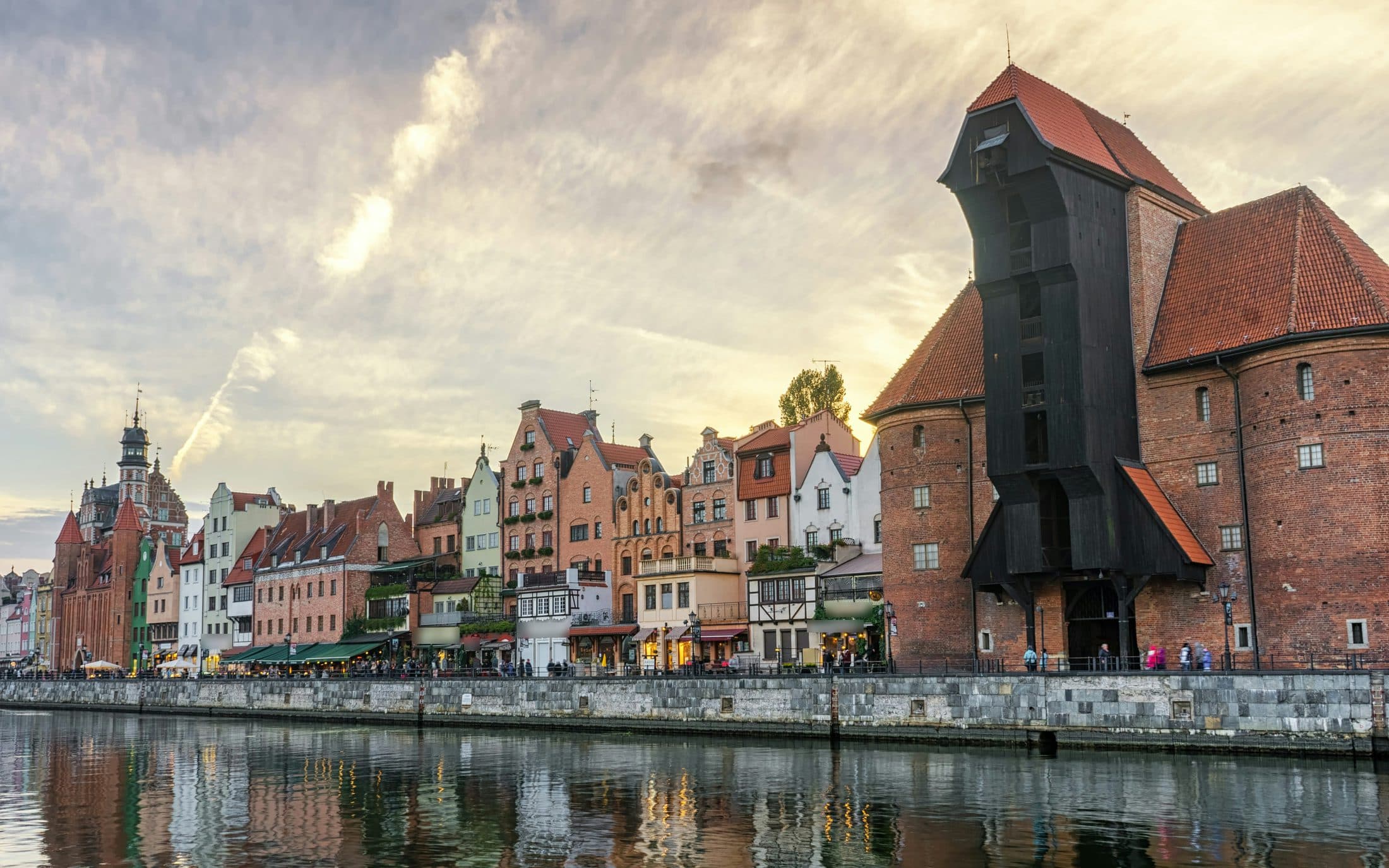 Gdańsk & the Baltic CoastBest: Jun · Jul · AugPhotographers joining
 Warsaw & MazoviaBest: May · Jun · Jul · Aug · SepPhotographers joining
 Masuria & the Great LakesBest: Jun · Jul · AugPhotographers joining