Poland
Getting married in Poland
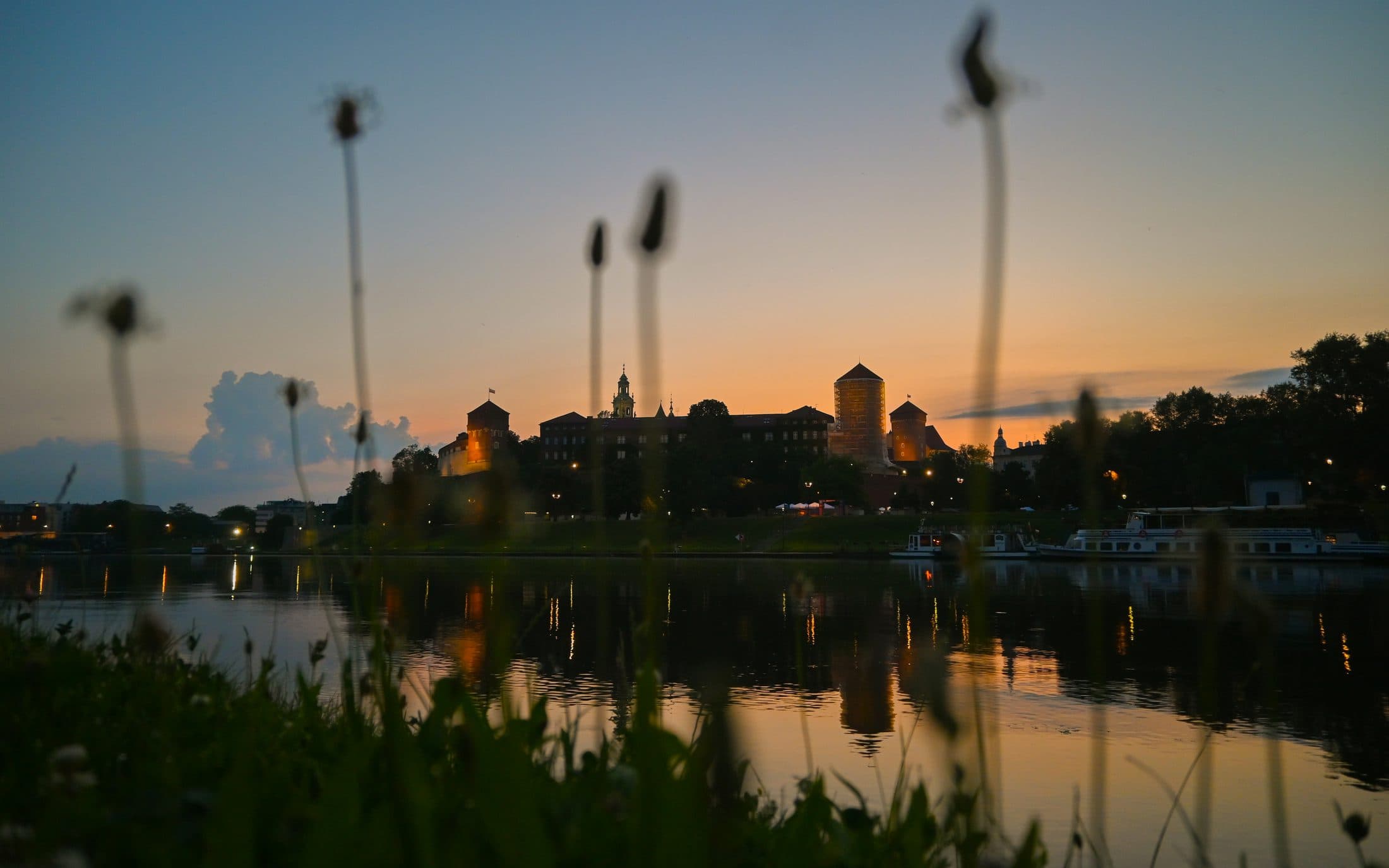
Kraków’s Old Town below Wawel Hill, Zakopane and the peaks of the Tatras, Gdańsk’s Main Town and the dunes and cliffs of the Baltic coast, Warsaw’s Royal Castle and the palaces of Łazienki and Wilanów, Wrocław’s Market Square and the castles of Lower Silesia, and the lakes and rivers of Masuria.
Poland runs from the Baltic coast to the Tatras across wide lowlands of lakes, rivers and old cities, and its seasons are sharply drawn: warm summers, cold winters.
July’s mean temperature is about 20 °C in Warsaw and Wrocław and 18 °C on the Baltic at Hel, with afternoons of about 25 °C inland, and July is also the wettest month in most of the country — in Zakopane, under the Tatras, it rains on 15 July days. January is just below freezing in the lowlands, and on Kasprowy Wierch, above Zakopane, snow lies on almost every day from December to April. September is often settled and mild, with 6 to 9 overcast days inland against 15 to 20 in November. The sun sets at about nine at midsummer — at about twenty-five past nine in Gdańsk — and between about a quarter past three and a quarter to four at midwinter.
A legal wedding is either civil or concordat. The head of a civil registry office (urząd stanu cywilnego) marries you in public, before two adult witnesses, in the office’s wedding room or, for an extra 1,000 zł, at another place in its municipality that keeps the ceremony solemn and safe; or a Catholic priest marries you in a concordat wedding, which counts as a civil marriage once the registry enters it. You don’t have to live in Poland: each of you gives the office a written declaration in person, with a passport, a birth certificate and a document from home saying you are free to marry, translated into Polish by a sworn translator, and the wedding can follow a month later — sooner only if the office allows it for good reason. If you don’t speak Polish, you bring your own interpreter. Polish law allows marriage only between a man and a woman, and there is no civil partnership.
6 places
Where in Poland
A royal old town on the Vistula, the mountains, the Baltic coast, the capital and its palaces, a city of islands and bridges with castles beyond it, or a land of lakes: each has its own light, landscape and best months. Start with the one that feels like you.
- Kraków & Lesser PolandPoland’s old royal capital on the Vistula: the Old Town with its Main Square and the Cloth Hall, ringed by the gardens of the Planty, Wawel Hill with its castle and cathedral above the river, the streets of Kazimierz and the grass banks of the Vistula, and beyond the city Tyniec Abbey on its cliff, the limestone valley of Ojców National Park with the castle of Pieskowa Skała, the Wieliczka salt mine and the hills of Kalwaria Zebrzydowska.Best: May · Jun · Jul · Aug · SepPhotographers joining
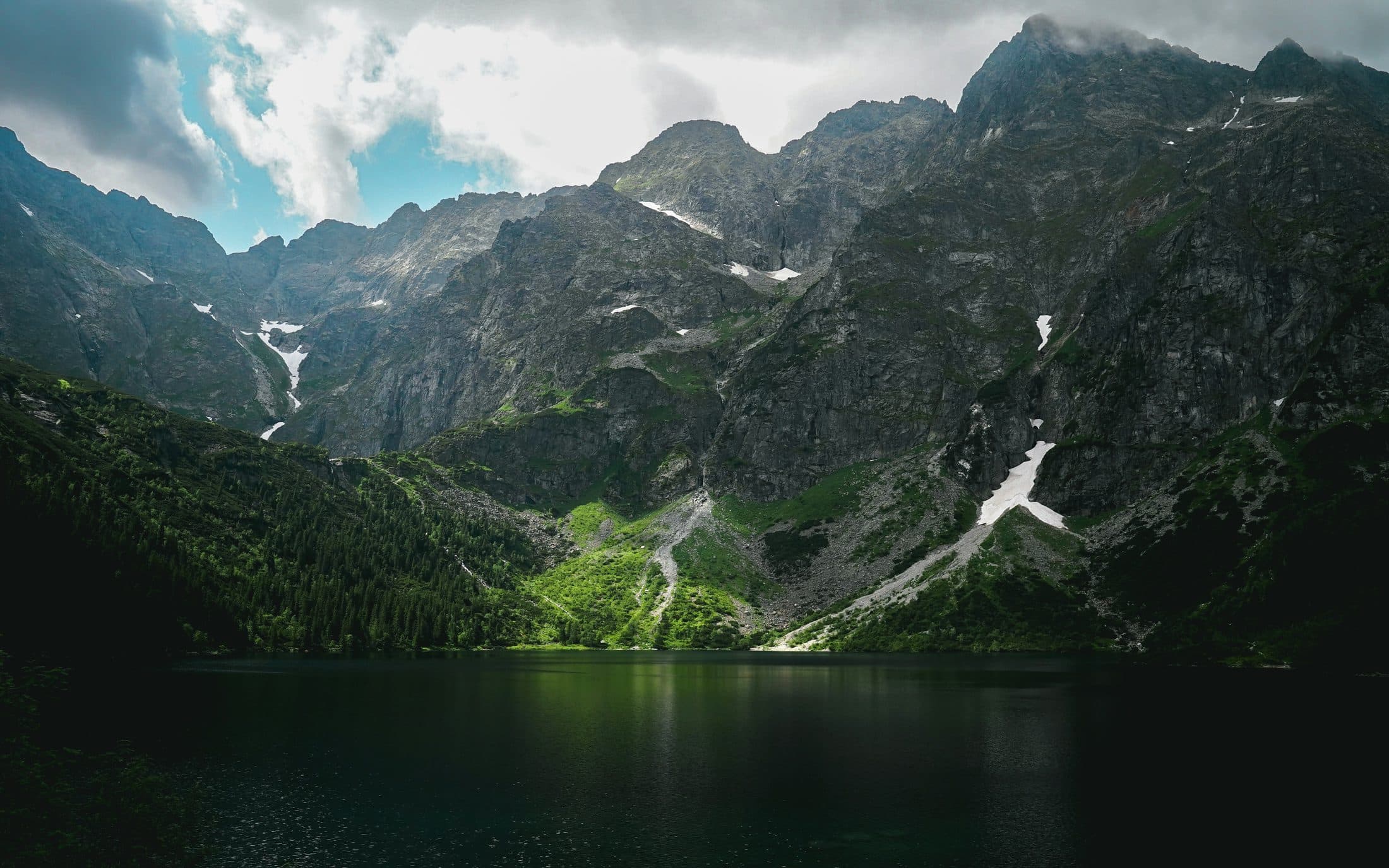 Zakopane & the TatrasPoland’s highest mountains: Zakopane under Giewont, the view from Gubałówka and the cable car to Kasprowy Wierch, Morskie Oko under its walls of rock, the Kościeliska and Chochołowska valleys with their shepherds’ huts and spring crocuses, and the wooden churches of Podhale; to the east, the Pieniny, the Dunajec gorge, Niedzica Castle and the ruins of Czorsztyn on either side of Lake Czorsztyn.Best: Jun · Jul · Aug · SepPhotographers joining
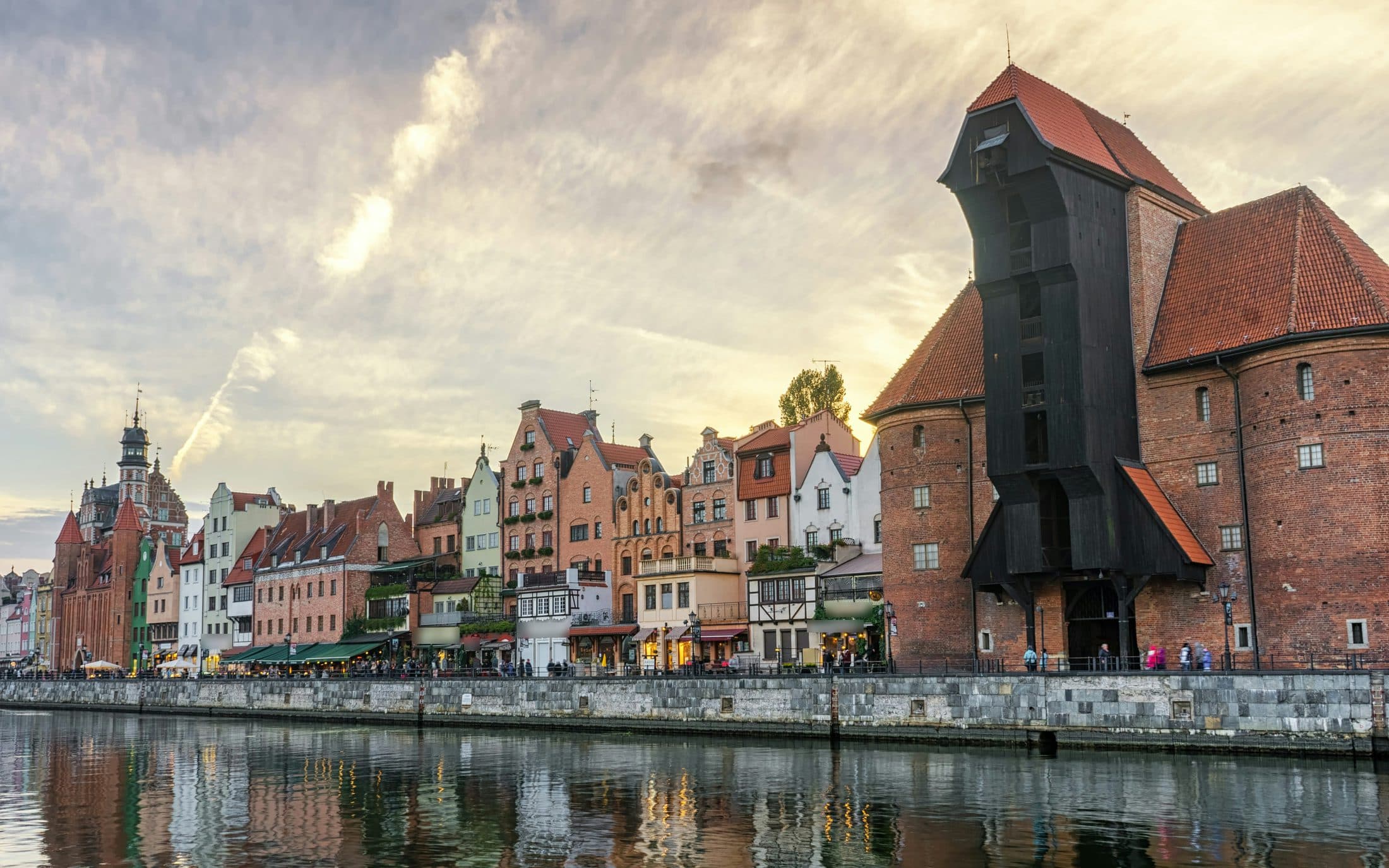 Gdańsk & the Baltic CoastPoland’s Baltic shore around the Bay of Gdańsk: Gdańsk’s Main Town on the Motława, with its brick Crane and Artus Court, and Oliwa’s cathedral, Sopot’s long wooden pier and Gdynia’s cliff at Orłowo and its modernist centre, the Hel Peninsula between the bay and the open sea, the moving white dunes of Słowiński National Park at Łeba and, an hour to the south-east, the Teutonic Order’s brick castle at Malbork on the Nogat.Best: Jun · Jul · AugPhotographers joining
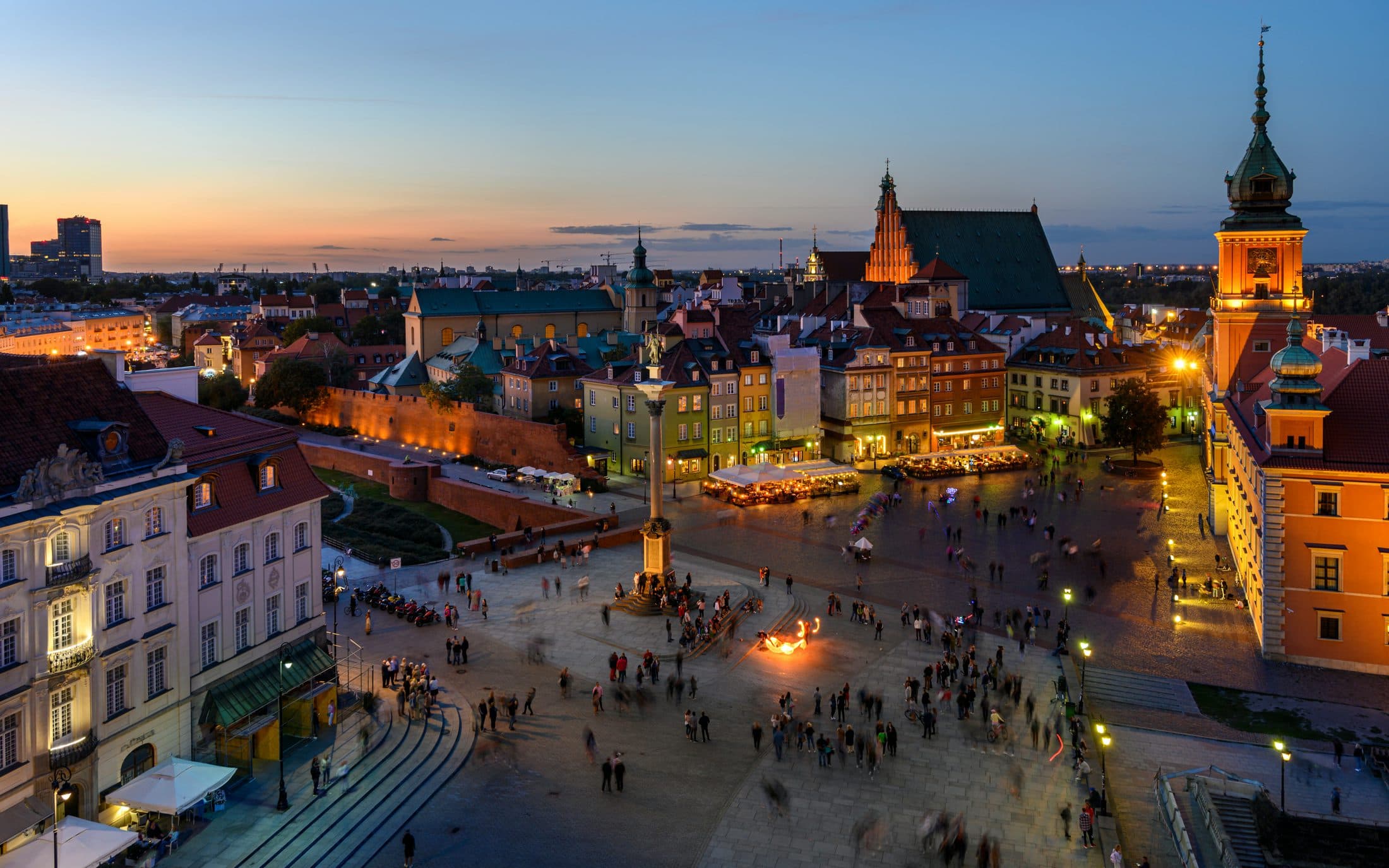 Warsaw & MazoviaPoland’s capital on the Vistula: the rebuilt Old Town and the Royal Castle above the river, the Royal Route down Krakowskie Przedmieście to the palace on the water in Łazienki and on to the baroque palace of Wilanów, the riverside boulevards and the wilder Praga bank across the water and, west of the city, the pine forest of the Kampinos National Park and Żelazowa Wola on its edge.Best: May · Jun · Jul · Aug · SepPhotographers joining
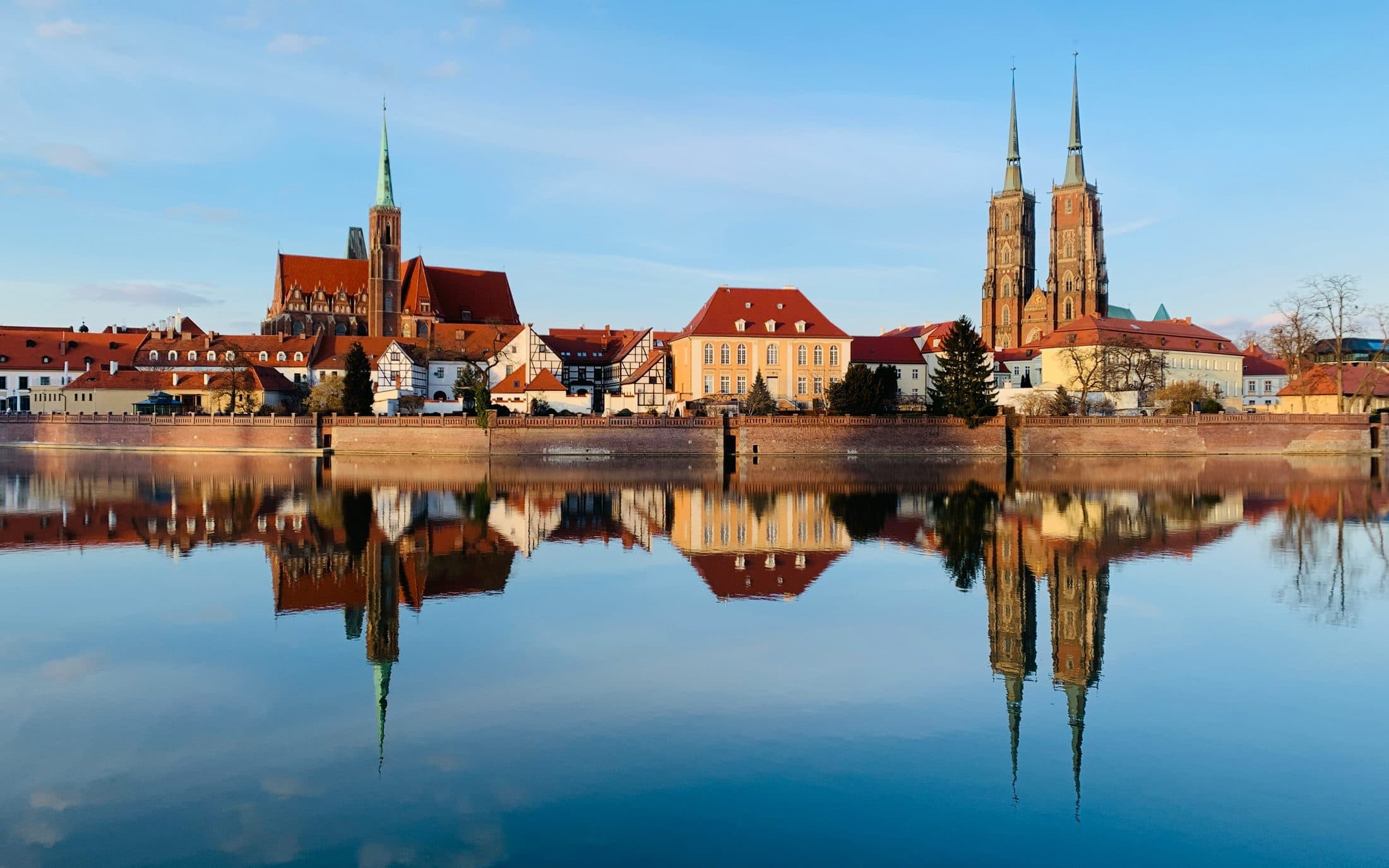 Wrocław & Lower SilesiaA city of the Oder, its islands and its bridges: the Market Square and the Gothic Old Town Hall, the cathedral island of Ostrów Tumski, whose gas lamps are still lit by hand each evening, the Japanese Garden and the Centennial Hall in Szczytnicki Park and, beyond the city, Książ Castle above its wooded gorge, the timber-framed Churches of Peace at Jawor and Świdnica, the palaces of the Jelenia Góra Valley and the Karkonosze mountains above Szklarska Poręba and Karpacz.Best: May · Jun · Jul · Aug · SepPhotographers joining
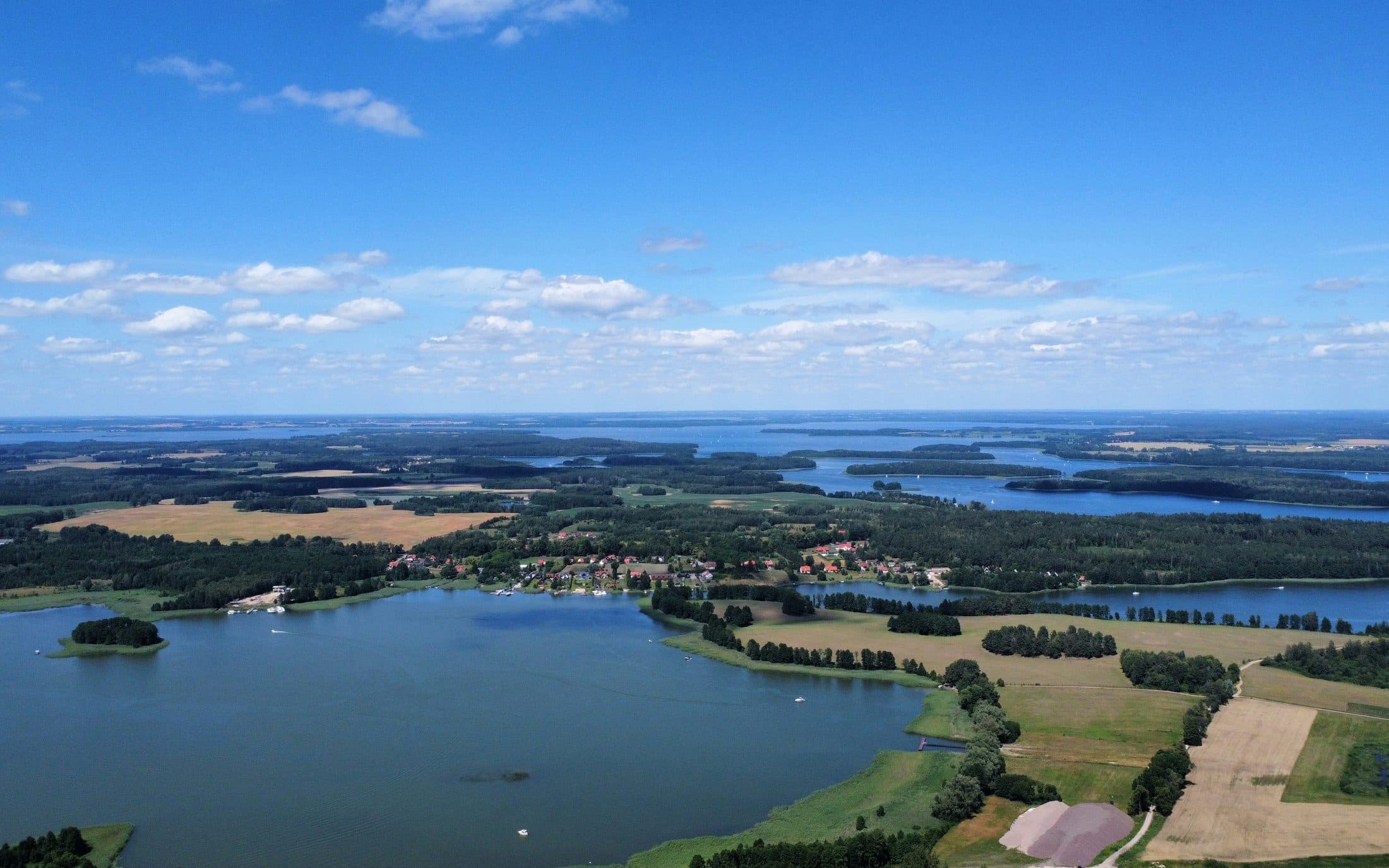 Masuria & the Great LakesA land of lakes in Poland’s north-east: Mikołajki between its lakes and Śniardwy, the largest lake in the country, Ryn’s Teutonic castle and Giżycko’s fortress on the waterways of the Great Masurian Lakes, the Baroque basilica of Święta Lipka, the Krutynia kayak trail through the Masurian Landscape Park and, to the west, Olsztyn’s old town and castle on the Łyna.Best: Jun · Jul · AugPhotographers joining
Through the year
When to marry, region by region
Dark: the easiest months. Outlined: they work with some planning. Grey: the quieter, wetter or hotter part of the year there.
- Kraków & Lesser Poland
- January: Quieter
- February: Quieter
- March: Quieter
- April: Good with planning
- May: Best
- June: Best
- July: Best
- August: Best
- September: Best
- October: Good with planning
- November: Quieter
- December: Quieter
- Zakopane & the Tatras
- January: Quieter
- February: Quieter
- March: Quieter
- April: Quieter
- May: Good with planning
- June: Best
- July: Best
- August: Best
- September: Best
- October: Good with planning
- November: Quieter
- December: Quieter
- Gdańsk & the Baltic Coast
- January: Quieter
- February: Quieter
- March: Quieter
- April: Quieter
- May: Good with planning
- June: Best
- July: Best
- August: Best
- September: Good with planning
- October: Quieter
- November: Quieter
- December: Quieter
- Warsaw & Mazovia
- January: Quieter
- February: Quieter
- March: Quieter
- April: Good with planning
- May: Best
- June: Best
- July: Best
- August: Best
- September: Best
- October: Good with planning
- November: Quieter
- December: Quieter
- Wrocław & Lower Silesia
- January: Quieter
- February: Quieter
- March: Quieter
- April: Good with planning
- May: Best
- June: Best
- July: Best
- August: Best
- September: Best
- October: Good with planning
- November: Quieter
- December: Quieter
- Masuria & the Great Lakes
- January: Quieter
- February: Quieter
- March: Quieter
- April: Quieter
- May: Good with planning
- June: Best
- July: Best
- August: Best
- September: Good with planning
- October: Quieter
- November: Quieter
- December: Quieter
The seasons
What each season brings
- March – MaySpringSpring comes late and quickly: April’s mean temperature is about 9 °C in Warsaw and Kraków, 10 °C in Wrocław and 7 °C on the Baltic at Hel, and by May it reaches about 14 °C inland, 13 °C at Mikołajki in Masuria and 11 °C on the coast and in Zakopane. From March to May rain (1 mm or more) falls on 6 to 10 days a month in the lowlands and on the coast, and on 11 to 15 in Zakopane, where April still brings some 11 nights of frost. The evenings lengthen fast: by mid-May the sun sets at about twenty past eight in Kraków and at about twenty to nine in Gdańsk.
- June – AugustSummerWarm, long days: July’s mean is about 20 °C in Warsaw and Wrocław, 19 °C in Kraków and at Mikołajki and 18 °C on the coast at Hel, with afternoons of about 25 °C inland and 22 °C by the sea, and Warsaw averages some 295 hours of sun that month. Real heat is brief: Wrocław counts about 5 days of 30 °C or more in July, Warsaw and Kraków 4, Gdańsk-Świbno, near the mouth of the Vistula, 2. July is also the wettest month in most of the country — about 98 mm in Kraków, with rain on 11 days, and 192 mm in Zakopane, with rain on 15 — so keep a covered plan. In the high Tatras summer is short and cool: Kasprowy Wierch, at 1,990 m, averages 9 °C in July. On 21 June the sun sets at about nine in Kraków and Warsaw and at about twenty-five past nine in Gdańsk.
- September – OctoberAutumnSeptember is often settled and mild — a mean of about 14 °C in Warsaw and Kraków and 14.5 °C in Wrocław and on the coast at Hel — with 6 to 9 overcast days inland, against 15 to 20 in November: the season Poles call the golden Polish autumn (złota polska jesień). October cools to about 9 °C and brings the coast more rain, on 10 or 11 days at Hel and Łeba; on Kasprowy Wierch, above Zakopane, snow already lies on about 14 October days. In mid-September the sun sets at about seven, in mid-October between about twenty to six and six; the clocks go back on the last Sunday of October.
- November – FebruaryWinterCold, short days: January’s mean is just below 0 °C in the lowlands — about −1.5 °C in Warsaw and Kraków, 0 °C in Wrocław, −2.4 °C at Mikołajki — and just above it on the coast at Hel. Warsaw has some 22 nights of frost in January and snow on the ground on about 15 of its days; on Kasprowy Wierch, above Zakopane, snow lies on almost every day from December to April. December is the darkest month: Warsaw averages 34 hours of sun and 19 overcast days. On 21 December the sun sets between about a quarter past three in Gdańsk and Masuria and a quarter to four in Wrocław.
The legal basics
Three ways to say yes
What makes a wedding legally binding in Poland, in short. Couples from abroad can marry here legally — there is no residence rule — with papers from home in sworn Polish translation and a written declaration each of you gives in person at a civil registry office at least a month before the wedding.
- CivilThe head of a civil registry office (kierownik urzędu stanu cywilnego), or a deputy, marries you at the office you choose, in public and before two adult witnesses. First each of you gives that office, in person, a written declaration (zapewnienie) that you know of nothing that bars the marriage; it is valid for six months, and the wedding can’t take place until a month has passed, unless the office shortens the wait for good reason (39 zł). The ceremony is in the office’s own wedding room or, on request and for an extra 1,000 zł paid to the municipality, at another place in the municipality — a garden, a park, a lakeshore — if it keeps the ceremony solemn and the guests safe; otherwise the office refuses in writing. Entering the marriage in the register (akt małżeństwa) costs 84 zł in stamp duty (as of November 2026). Polish law allows marriage only between a man and a woman, and there is no civil partnership.
- ReligiousA church wedding can be legal too. In a concordat wedding (ślub konkordatowy) a Catholic priest marries you and you also declare that you marry under Polish law; it counts as a civil marriage, from the moment of your vows, once the civil registry enters it in the register (Family Code, art. 1; the 1993 Concordat, art. 10). Other churches can do the same where a statute provides for it. First you give the same declaration and papers at a civil registry office, which gives you a certificate that nothing bars the marriage, valid for six months; the priest can’t marry you without it, and must get the papers to the registry within five days of the wedding, or the marriage isn’t registered. Each parish has its own preparation, so talk to it early, and to your home parish if it has to send a file.
- SymbolicAny place, any words, any celebrant — but no legal weight: the route for couples who would rather sign the papers at home and celebrate here, and in Poland the only one for same-sex couples. Drones fly under the EU’s rules — an operator registered where they live (in Poland with the Civil Aviation Authority, ULC, at drony.gov.pl), in sight, below 120 m and clear of people not involved — and in Poland every flight must first be reported to the air navigation agency PANSA (PAŻP) in its DroneTower app, whose map, as DroneMap, shows the zones where a flight needs consent or is barred (around controlled airports, among others); national parks set their own rules, so ask the park first.
Before any legal wedding
Each foreign partner brings a passport, a birth certificate and a document from their own country stating that under its law they can marry (a certificate of no impediment); if that is very hard to get, a Polish district court can exempt you and decide itself whether you may marry (court fee 100 zł; it takes months). If either of you was married before, bring that marriage certificate and proof that it ended. Documents in another language need an official Polish translation by a sworn translator — on Poland’s list, or entitled in another EU or EEA country — or by a Polish consul; between EU countries civil-status documents need no apostille, and a multilingual standard form can stand in for the translation. Poland has been party to the Apostille Convention since 2005: for papers from outside the EU, ask the office whether it wants one. If one of you, or a witness, doesn’t speak Polish, you bring your own interpreter, to the declaration and to the ceremony. After the wedding the office gives you one short copy of the marriage certificate free; for use abroad, ask for a multilingual extract.
Rules, documents and fees change and depend on your nationality: always check with the civil registry office (urząd stanu cywilnego) where you will marry — or, for a concordat wedding, with the parish — and with your own country’s embassy or consulate before you set a date; and, for photos or a drone in a national park, a castle museum or a royal residence, with whoever manages it.
Photographers
Photographers in Poland
The first photographers in Poland are joining now
We approve every photographer by hand, from three whole weddings, so the list starts small. Tell our concierge your date and your plans — it checks who is free and fits.
Plan your wedding
Guides
- Getting married in Poland as foreigners: the civil registry office, documents, the month’s wait and feesHow couples from abroad marry legally in Poland: no residence needed, a written declaration each of you gives in person at a civil registry office, the month’s wait and how it can be shortened, the certificate of no impediment from home or a court’s exemption, sworn translations and your own interpreter, two adult witnesses, the office’s wedding room or another place for 1,000 zł, the concordat wedding in church with civil effect, why same-sex couples can’t marry, the certificate at home, and the symbolic route.
- Which country for a destination wedding? The law, prices, crowds and light, comparedThe legal route for couples who don’t live there, season and crowds, price levels, light, flights, venues and permits for photographs — Portugal, Italy, Spain, Greece, France and Austria compared with official figures, as of October 2026.
- How to choose a wedding photographer: the steps, and the questions to askThe decision in order — whole weddings, style, availability, the package, the contract and deposit, cancellation, delivery and a conversation — then a checklist of questions, with why each one matters.
- A wedding-day timeline for photosFrom getting ready to the last dance, planned around the light.
- A rain plan that still looks goodCovered spots, umbrellas and what photographers do on grey days.
- Deposits and payment protectionWhat you pay when, and what happens if plans change.
- Wedding photography contract checklist: what it should say, and how Lens & Vows handles each pointThirteen things a good contract covers — the day and the hours, what is delivered, deposit and balance, cancellation on either side, date changes, illness, image rights, personal data, backups, travel, overtime and complaints — and what our terms say about each.
All the countries we work in · More countries are coming.
Not sure yet?
Tell us about your wedding — we’ll find who is free
The place, the date, the guests, the photos you like. Our concierge checks who is free and fits, and comes back with photographers to choose from.