Founding photographerVerified — Identity verified by Lens & Vows
Shane W.from €2,500
Valletta & the Grand Harbour, Mdina & Rabat +6 · Documentary, EditorialWedding photographers in Malta
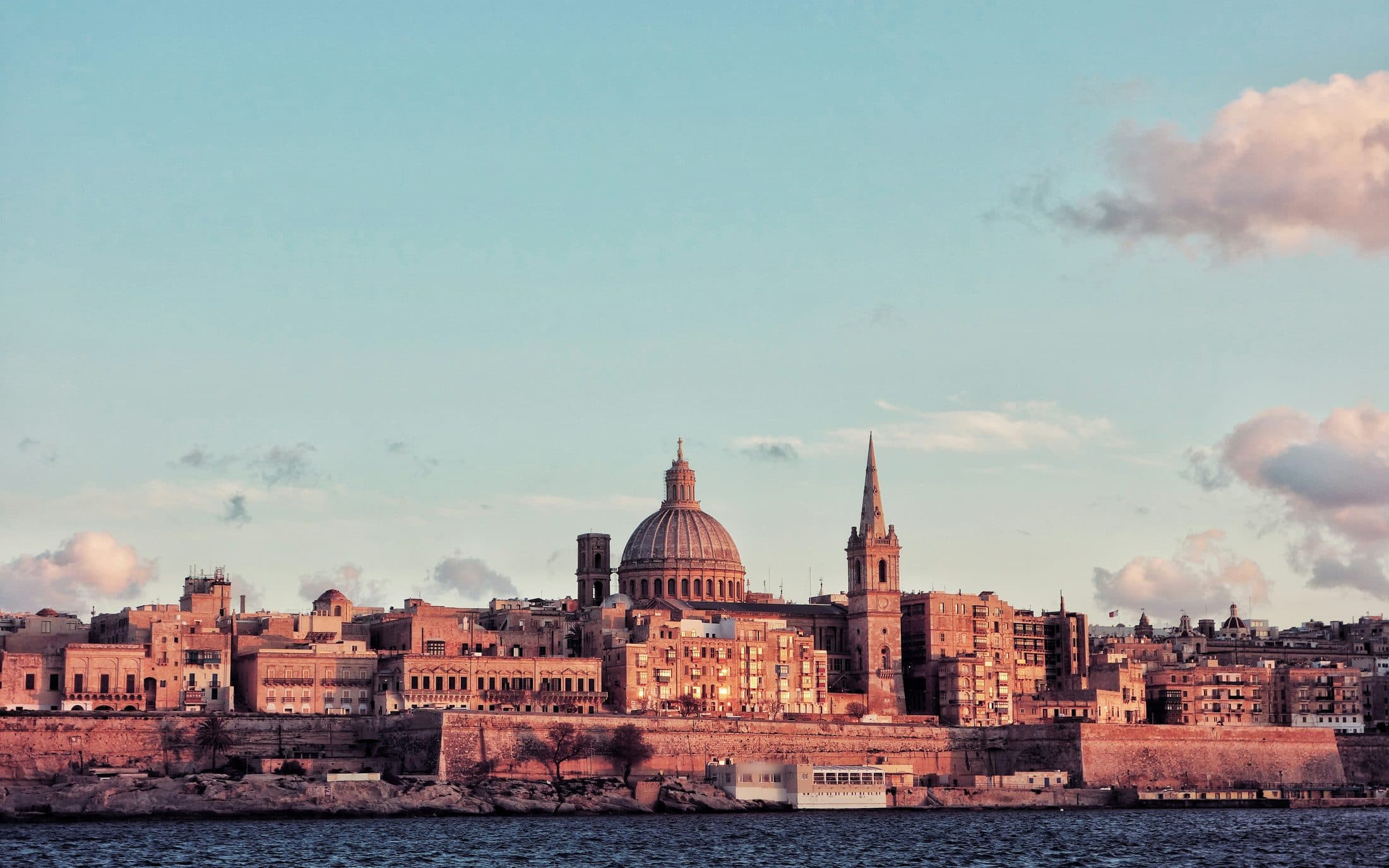
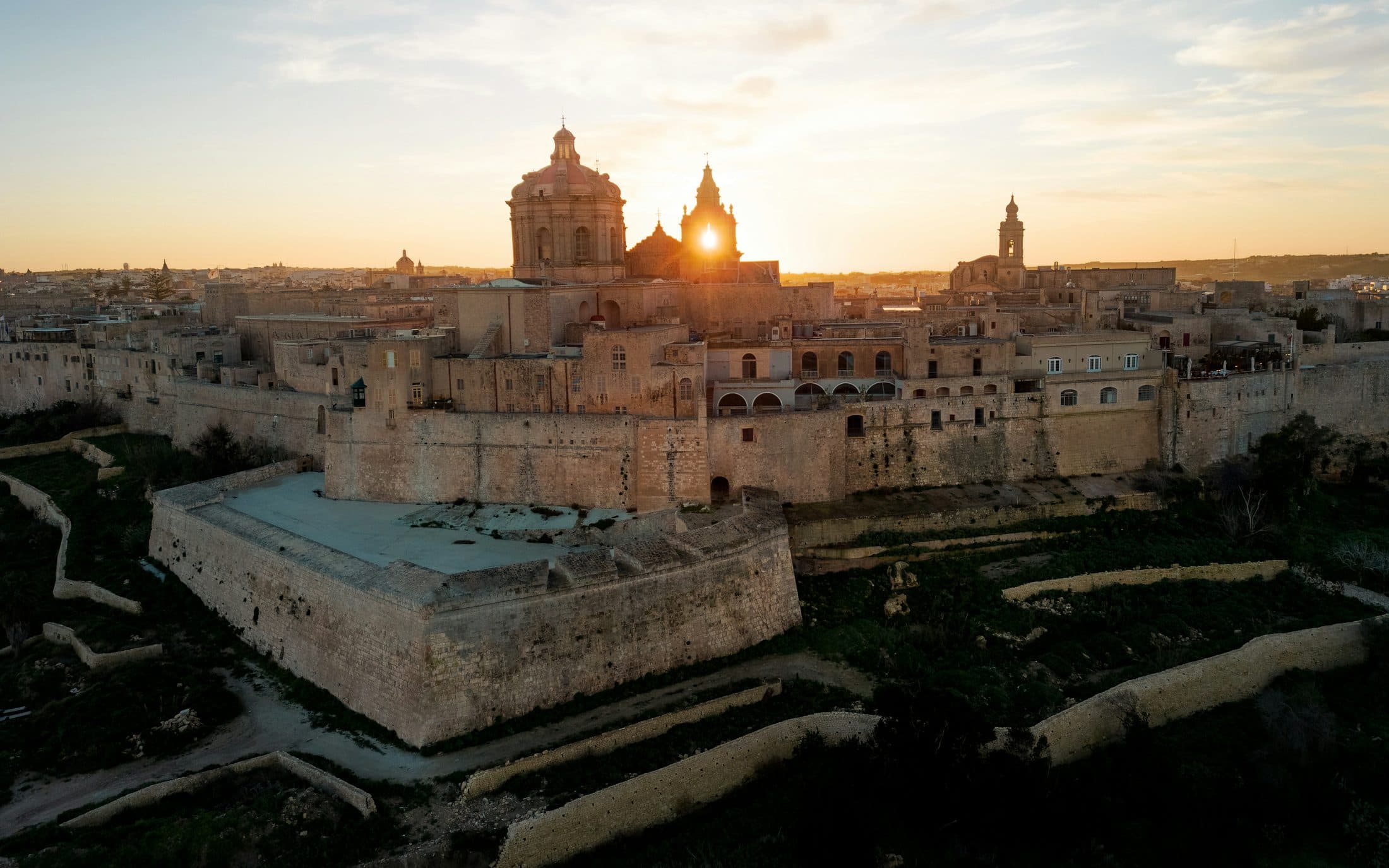
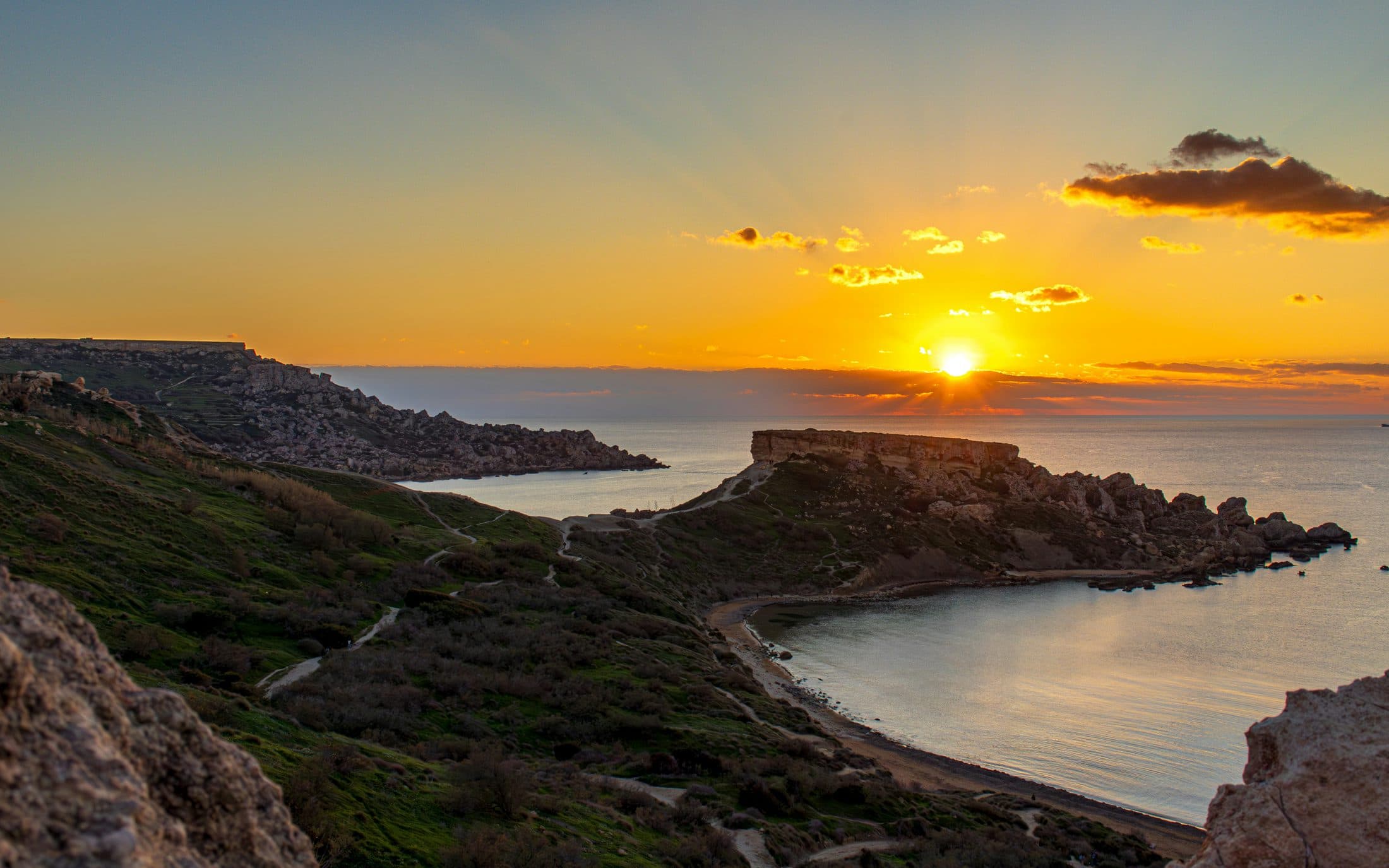
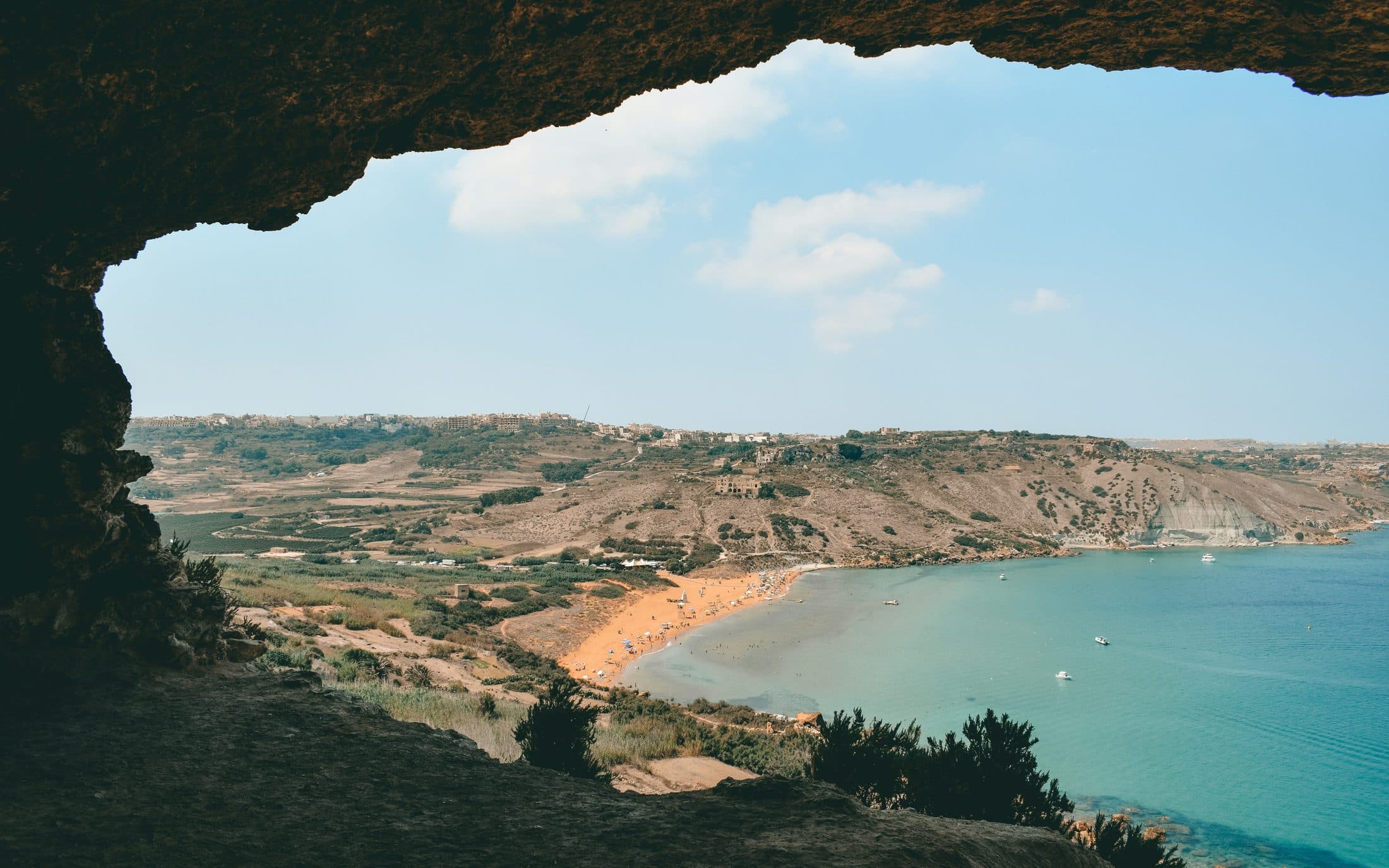
Malta’s walled capital on its peninsula between two harbours, the Upper Barrakka’s guns above the Grand Harbour, the Three Cities — Birgu, Senglea and Cospicua — across the water under Fort St Angelo, and, in the south-east, the painted fishing boats of Marsaxlokk.
Valletta stands on a hilly peninsula between two of the Mediterranean’s finest natural harbours.
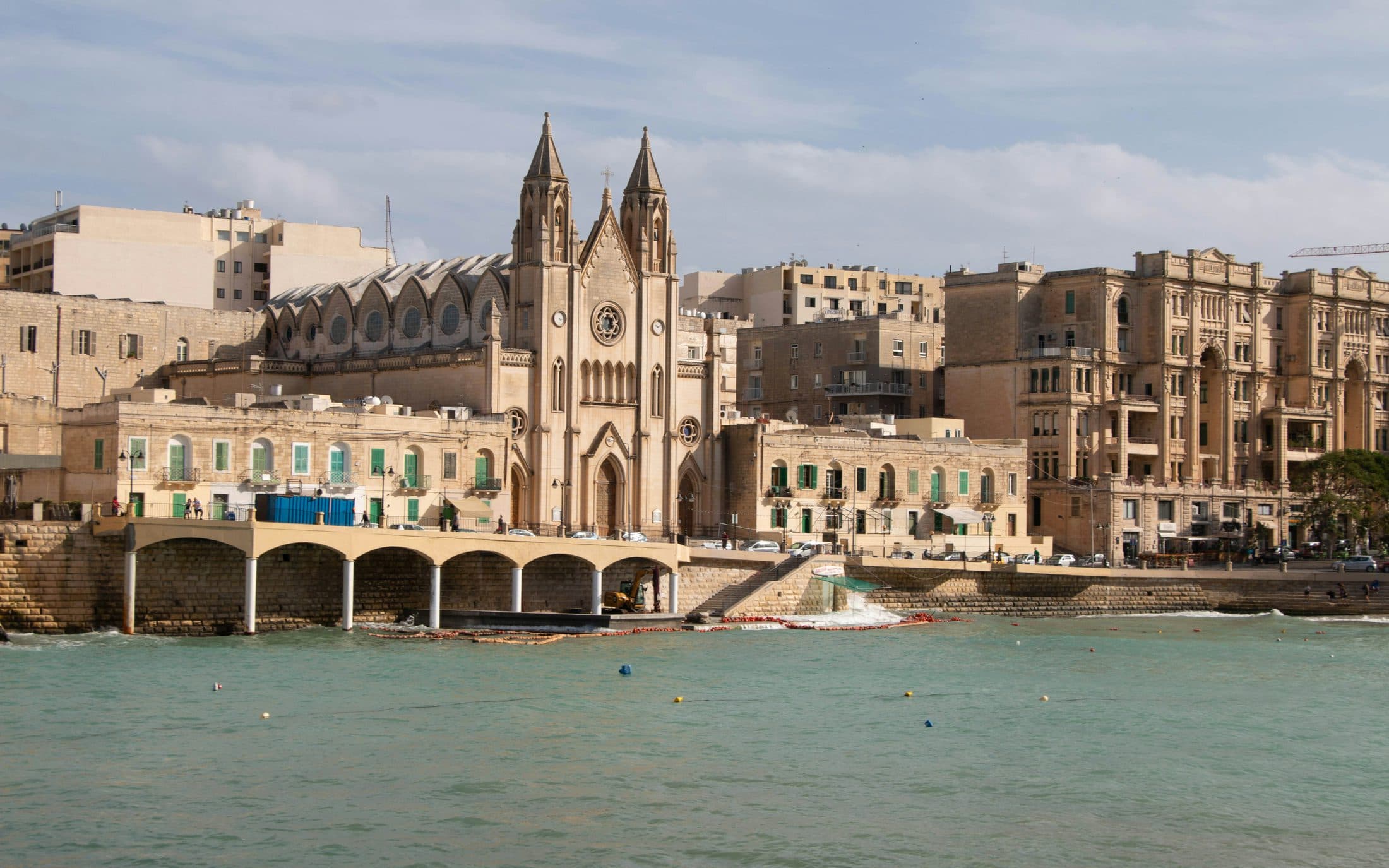
The Knights of St John founded it in 1566, soon after the Great Siege of 1565, and laid it out on a uniform grid inside bastioned walls; UNESCO counts 320 monuments in it, the cathedral of St John and the Grand Master’s Palace among them, and has listed the whole city since 1980. Seen from Sliema across Marsamxett Harbour, its skyline rises to the dome of the Carmelite church and the spire of St Paul’s Pro-Cathedral. On the other side, the Upper Barrakka Gardens look over the Grand Harbour to the Three Cities: Birgu (Vittoriosa) behind Fort St Angelo, which the Order made its headquarters after 1530 and which played a major part in the siege; Senglea (L-Isla) on the next peninsula, with the Gardjola Gardens at its tip; and Cospicua (Bormla) at the head of the creek between them. Floriana is Valletta’s suburb outside City Gate, Kalkara lies beyond Birgu, and in the south-east Marsaxlokk is a fishing village known for its colourful luzzu boats and its Sunday fish market. Inland, in Paola and Tarxien, the Ħal Saflieni Hypogeum, dug about 2500 BC and later a prehistoric burial place, and the Tarxien temples are on the World Heritage List too.
Couples marry in the churches of Valletta and the Three Cities, at civil ceremonies in places open to the public, and at the forts, palaces and museums Heritage Malta hires out for weddings, with portraits on the bastions, in the harbour gardens, on the ferry across the Grand Harbour and among Marsaxlokk’s boats. A legal wedding is made before the Marriage Registrar — in the Public Registry’s Marriage Room in Marsa or at a place open to the public that the Registrar accepts — or in a Catholic church, with civil effect once the Marriage Registry has published the banns; couples from abroad can marry legally, sending their documents in at least six weeks ahead, and same-sex couples have married on the same terms since 2017. The country page explains the papers and the fees.
Photographers
They still have dates open here. Their whole weddings and free dates are on their pages.
See all 2 photographers
Booking through Lens & Vows
Through the year
May, June and September are the surest months. In the Malta International Airport Meteorological Office’s 1991–2020 averages for Luqa, about 6 km south-west of Valletta, the days reach about 24 °C in May and 29 °C in June and September, with only 11 mm of rain in May and 7 mm in June. July and August are the hottest months, at 32 °C by day and 22 to 23 °C at night, with almost no rain — 0.2 mm in July — and the most sunshine of the year, almost twelve hours a day in July. The rain comes back in autumn, Malta’s most thundery season: 59 mm in September, 78 mm in October and 89 mm in November, the wettest month, against 543 mm in a whole year. Whatever the month, plan shade for a summer ceremony and a roof for an autumn one: a church, a palace courtyard, a loggia over the harbour.
Weather station: Luqa, normals 1991–2020 · Checked 5 November 2026
Places
The kinds of places — ask your photographer which ones they know well.
Valletta’s straight streets drop steeply from the ridge to the bastions on both harbours. The Upper Barrakka Gardens stand on the walls above the Grand Harbour, and below them the Saluting Battery fires its guns at 12:00 and 16:00 (adults €3, Monday to Saturday, 2026); a lift links the gardens with the quay where the Three Cities ferry lands. At the tip of the peninsula, Fort St Elmo, a star-shaped fort of 1552 that held out for a month in 1565, now houses the National War Museum. Heritage Malta hires out some of its sites for weddings and location shoots — in Valletta, the National Museum of Archaeology and MUŻA — and its terms forbid photography and filming at its sites without its express consent, so arrange any shoot inside one with it first. We found no published rule on wedding photography in Valletta’s streets and gardens; for lights, a crew or anything set up, ask the Valletta Local Council. The Lascaris War Rooms beneath the Upper Barrakka, the Siege Bell War Memorial by the Lower Barrakka, the Great Siege Monument opposite the law courts, the War Memorial room inside Fort St Elmo’s museum and the war memorials in Floriana are places of remembrance, not backdrops.
A ferry crosses the Grand Harbour from Valletta to Cospicua every half hour, and its passengers get a ticket for the Upper Barrakka lift on the way back; Birgu’s waterfront runs from there beneath Fort St Angelo. Heritage Malta opens Fort St Angelo to visitors for its views over the harbour and hires it out for weddings, as it does the Inquisitor’s Palace and the Malta Maritime Museum in Birgu; the same rule on photography applies inside. On Senglea’s tip, the Gardjola Gardens look back across the water at Valletta’s bastions. The Kalkara Naval Cemetery beyond Birgu and the Malta at War Museum are places of remembrance, not backdrops.
Marsaxlokk’s bay is crowded with luzzus, the traditional fishing boats painted in bright colours, and on Sundays the waterfront holds the fish market, so plan portraits there around it. St Peter’s Pool, a natural swimming pool in the rock on the Delimara headland, is 3 km away by road; the Delimara power station stands on the same headland, and power stations are among Malta’s restricted zones for drones. Inland, in Paola, the Ħal Saflieni Hypogeum is visited only on Heritage Malta’s guided tours, and photography and filming are not permitted inside it; the Tarxien temples nearby are among the sites Heritage Malta hires out for events.
Light
Valletta runs from south-west to north-east between its harbours, so its Marsamxett side faces north-west, towards the summer sunset: on a summer evening the low sun lights the walls, the dome and the spire for anyone looking across from Sliema or Manoel Island, while from the Upper Barrakka it falls across the Grand Harbour onto the bastions of Birgu and Senglea. On 21 June the sun rises at about a quarter to six and sets at about twenty past eight, far round in the north-west; it is still ten degrees up at about twenty past seven, and the sky stays light until about ten to nine. In mid-May it sets at about eight, in mid-July at about twenty past eight, in mid-September at about ten past seven and in mid-October at about half past six. At midwinter it is up from about ten past seven until eight minutes to five, and climbs to about 31 degrees at noon. Luqa averages almost twelve hours of sunshine a day in July and just over five in December (1991–2020).
Travel
Malta International Airport, at Luqa, is 8 km by road from Valletta’s City Gate, 7 km from Fort St Angelo and 6 km from Marsaxlokk. The Airport Direct bus TD4 runs to Valletta and the Gozo fast ferry every 30 minutes, for €3 a passenger with no booking (2026). From Valletta’s bus terminus, bus 2 goes to Birgu, buses 3 and 4 to Senglea, Kalkara and Cospicua, and buses 81 and 85 to Marsaxlokk (TD10 on Sundays). The Valletta Ferry sails every half hour from Valletta to Cospicua and to Sliema, for €3 one way by day and €3.50 after 19:30 in the summer timetable, which runs from 1 June to 31 October and goes on until 01:30 (2026). By road it is 9 km from City Gate to Fort St Angelo, round the harbour, and 11 km to Marsaxlokk. The whole of Malta is controlled airspace, so every drone flight needs Transport Malta’s authorisation: the operator registers on its iDronect portal, is insured and files a flight request, for a wedding with the venue’s written consent or a letter of engagement; Valletta is a special permit zone. A flight over it also needs a no-objection from the Office of the Prime Minister, a secured take-off and landing spot and a written promise not to fly over anyone not involved, and the pilot wears a high-visibility vest. A flight that touches a restricted zone — airports, embassies, hospitals, power stations, nature reserves — also needs the no-objection of its authority.
Real weddings
Plan
Malta