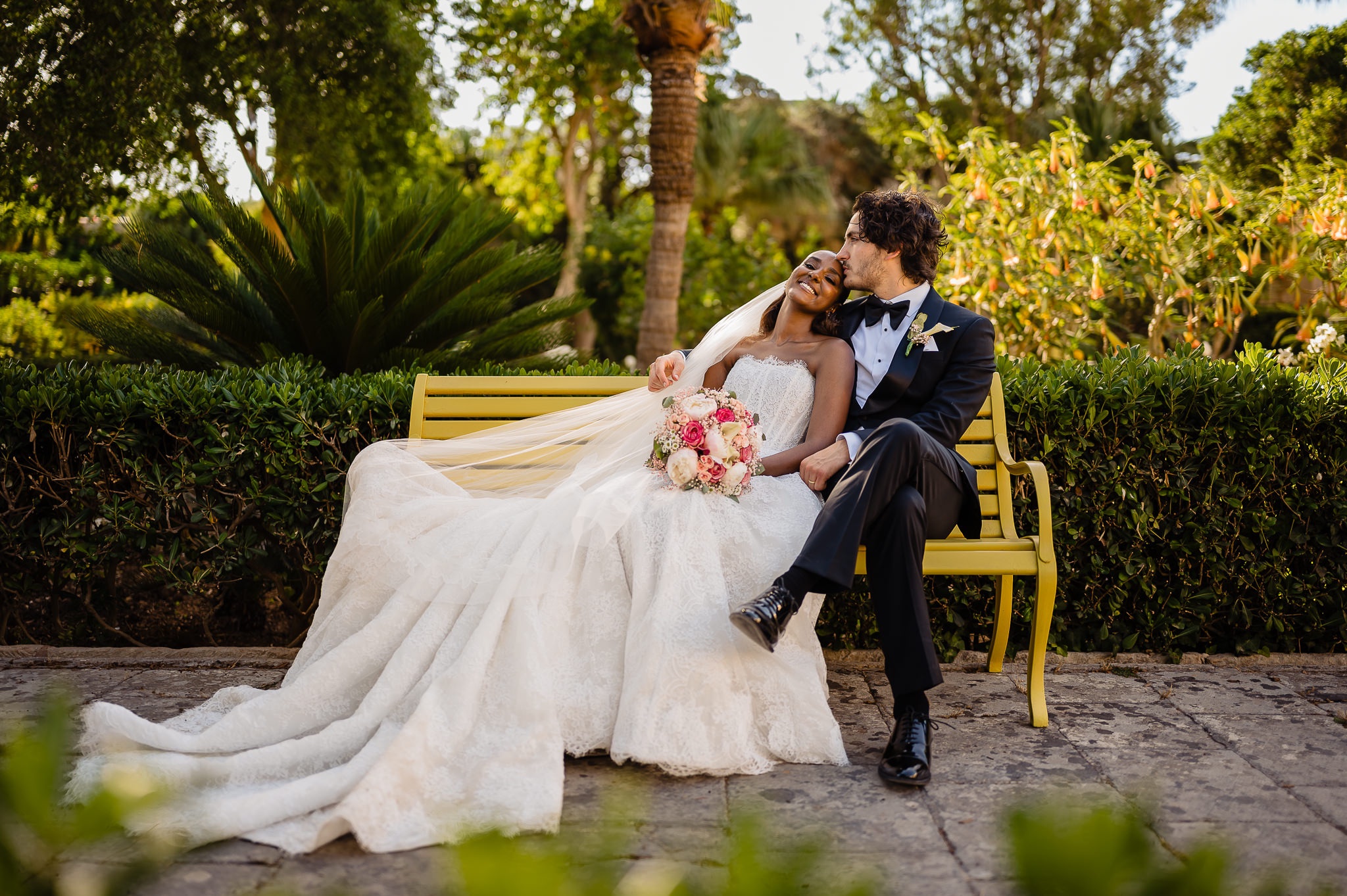
Founding photographerVerified — Identity verified by Lens & Vows

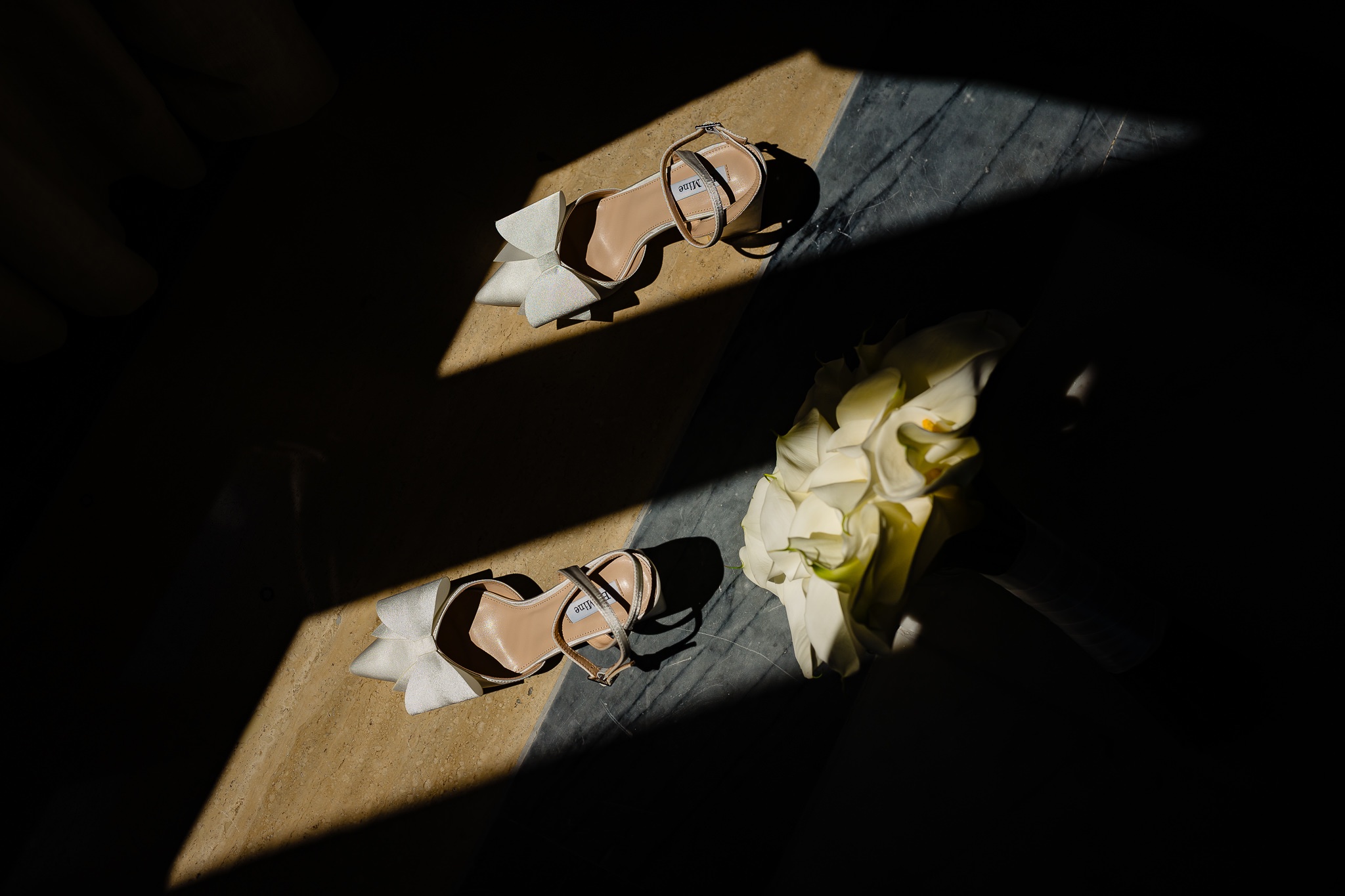

Shane W.from €2,500
Mdina & Rabat, Valletta & the Grand Harbour +6 · Documentary, EditorialWedding photographers in Malta
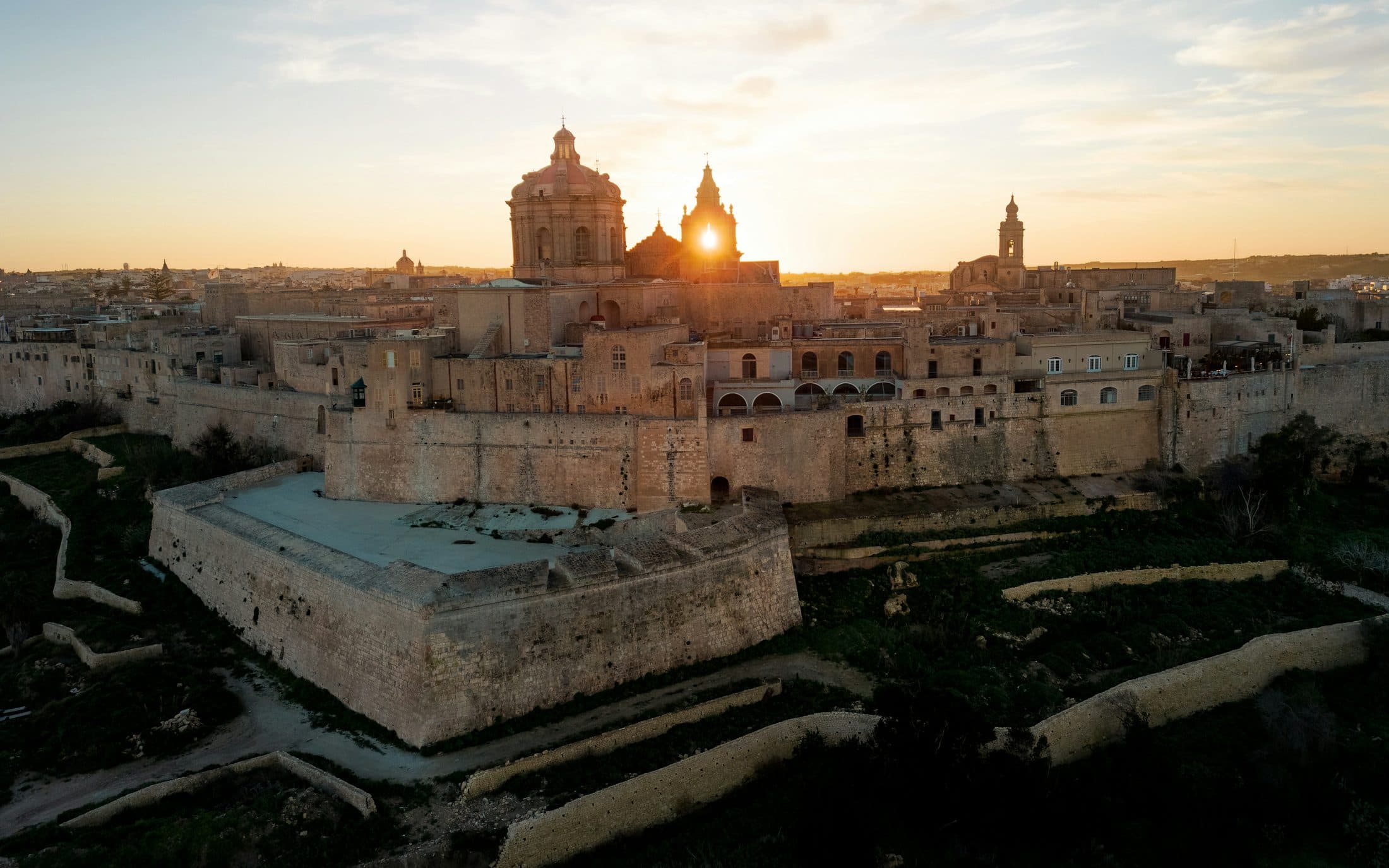
Malta’s old capital on its plateau in the middle of the island, with Rabat outside its walls, the gardens of San Anton and the woods of Buskett below it, the Dingli Cliffs falling to the sea in the west, and on the south coast the temples of Ħaġar Qim and Mnajdra above the arch of the Blue Grotto, with the islet of Filfla offshore.
Mdina stands on a plateau near the centre of Malta behind its fortified walls, a town of narrow, winding lanes, baroque and medieval houses, churches and palaces; its cathedral, badly damaged by the earthquake of 1693, was rebuilt by 1702. Rabat spreads beyond the walls — not to be confused with Gozo’s Rabat, which is Victoria. To the north-east lie Mosta and the Three Villages of Attard, Balzan and Lija, where the gardens of San Anton Palace, the President’s official residence, have been open to the public since 1885. To the south-west the land rises to the woods of Buskett and to the Dingli Cliffs, which fall to the sea along the island’s west coast, with the small chapel of St Mary Magdalene on their edge. On the south coast, the temples of Ħaġar Qim and Mnajdra, more than 5,000 years old and part of UNESCO’s Megalithic Temples of Malta, look out over the open sea towards the islet of Filfla, and a little further east the cliffs open in the arch of the Blue Grotto.
Couples marry in the churches of Mdina and Rabat, in the old houses and country gardens of the centre of the island, and at Ħaġar Qim and Mnajdra, whose archaeological park Heritage Malta hires out for weddings and location shoots, with portraits afterwards in Mdina’s lanes or on the cliffs in the last light. A legal wedding is made before the Marriage Registrar — in the Public Registry’s Marriage Room in Marsa or at a place open to the public that the Registrar accepts — or in a Catholic church, with civil effect once the Marriage Registry has published the banns; couples from abroad can marry legally, sending their documents in at least six weeks ahead, and same-sex couples have married on the same terms since 2017. A civil ceremony is held in Maltese or English and ends by 19:00, so the golden hour belongs to the portraits.
Photographers
They still have dates open here. Their whole weddings and free dates are on their pages.
See all 2 photographers
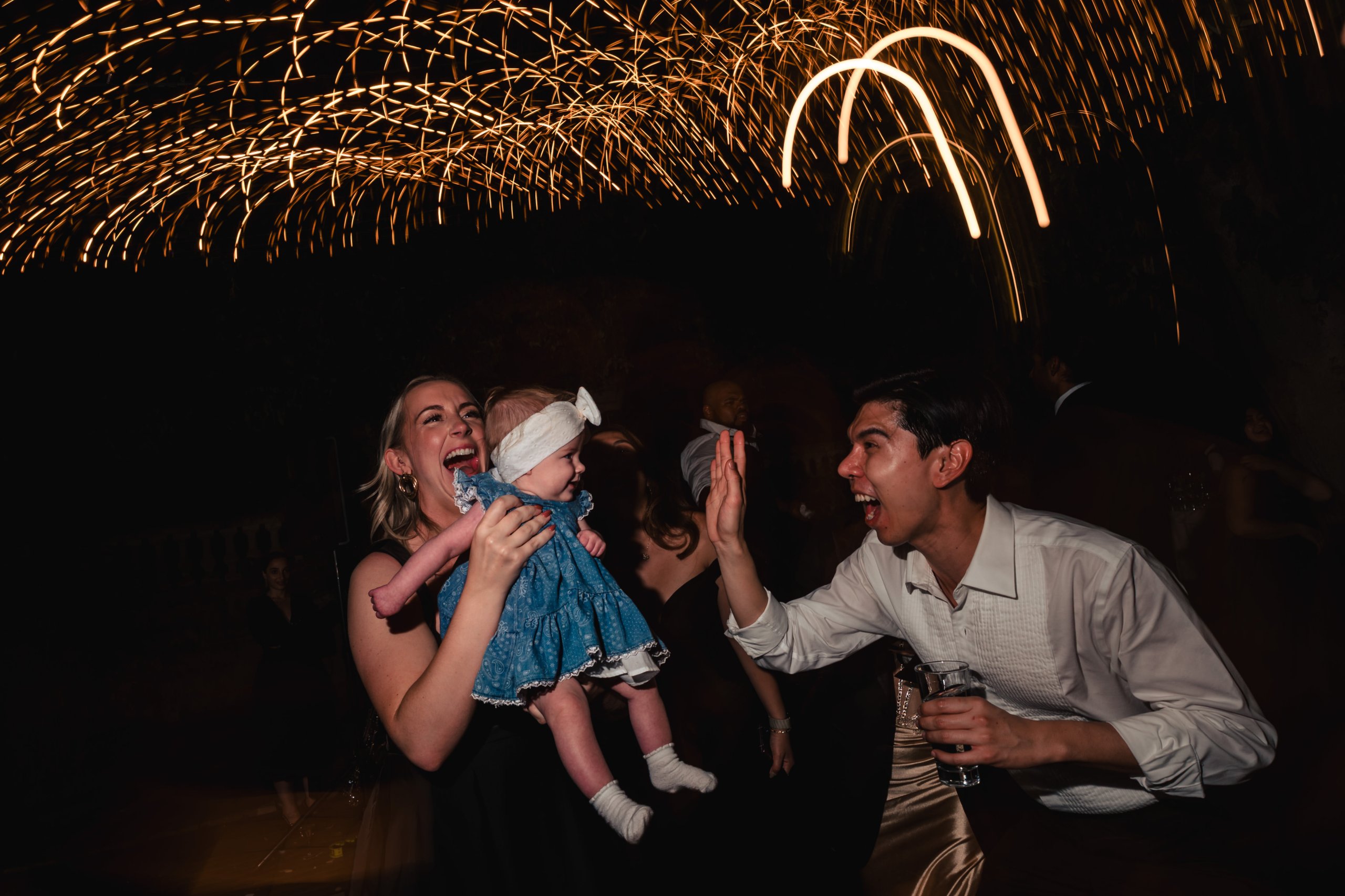
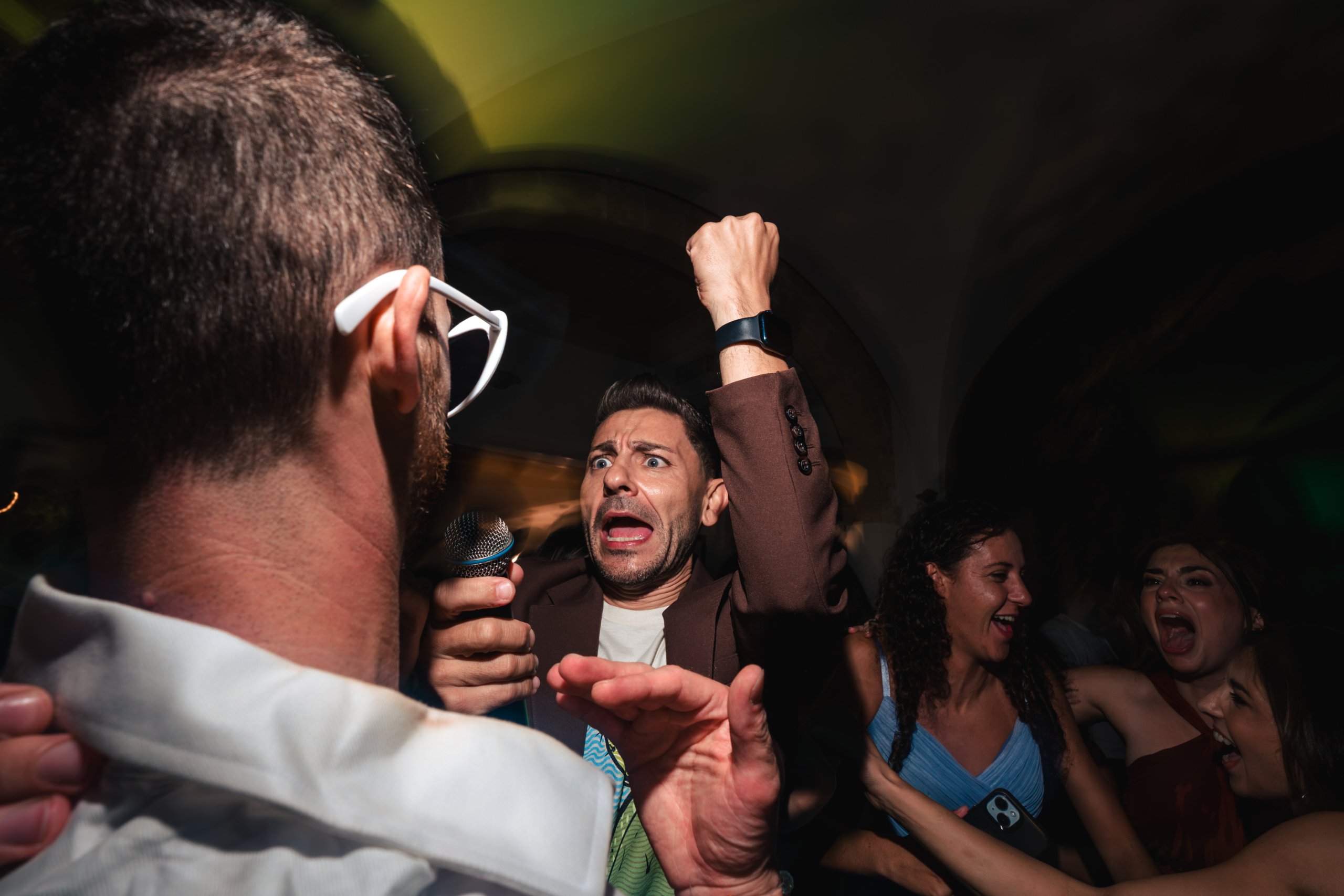
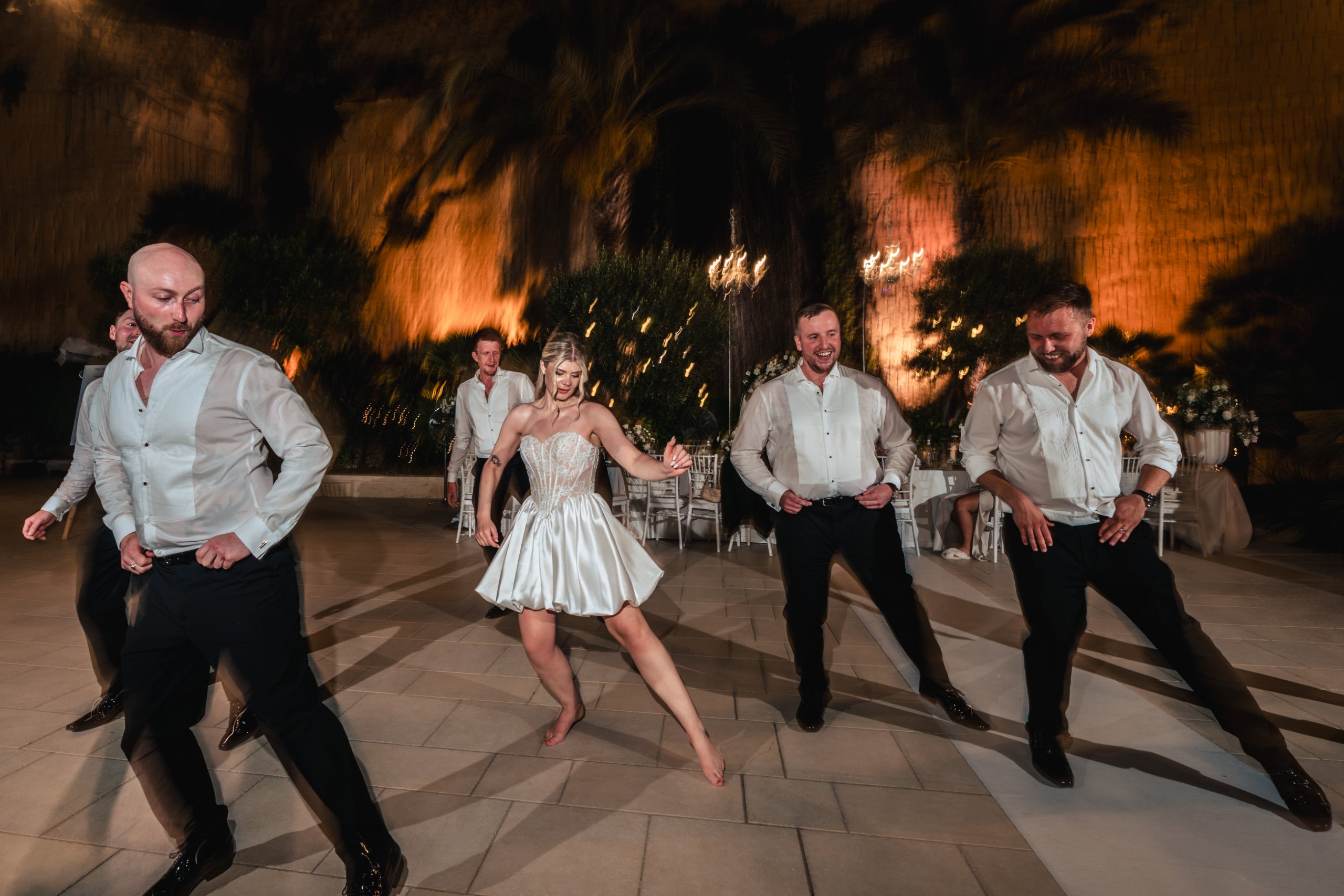
Booking through Lens & Vows
Through the year
May, June and September are the surest months. In the Malta International Airport Meteorological Office’s 1991–2020 averages for Luqa, about 8 km from Mdina as the crow flies, the days reach about 24 °C in May and 29 °C in June and September, with only 11 mm of rain in May and 7 mm in June. July and August are the hottest months, at 32 °C by day, almost rainless and with eleven to twelve hours of sun a day. October brings the rain back, about 78 mm, and with it the thunder: autumn is Malta’s most thundery season. Whatever the month, keep a roof in the plan, and in summer, shade.
Weather station: Luqa, normals 1991–2020 · Checked 5 November 2026
Places
The kinds of places — ask your photographer which ones they know well.
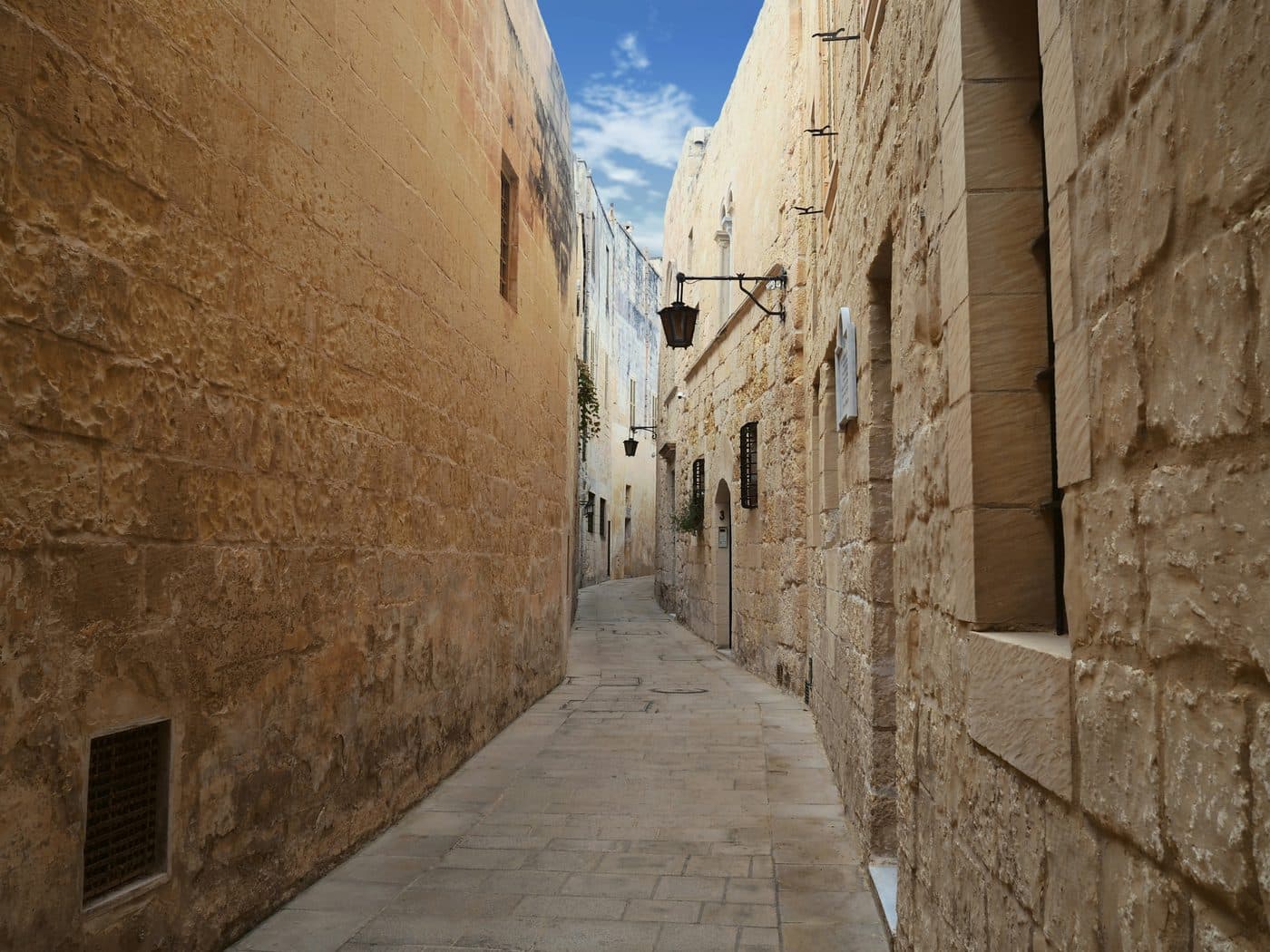
Inside its walls Mdina is a place for slow portraits: honey-coloured limestone lanes that turn every few metres, lanterns on iron brackets, closed doorways and courtyards, and the bastions looking out over the island. The cathedral is a working church: ask it before planning photographs inside or a wedding there. Heritage Malta hires out its National Museum of Natural History in Mdina as one of its venues for events. We found no published rule from the Mdina Local Council on wedding or professional photography in the town’s streets, so ask the council before a shoot with lights or a crew, and remember that people live behind those doors. Rabat, outside the walls, has its own churches and quiet streets; bus 201 stops at Mdina on its way from Rabat to the airport.
San Anton Palace in Attard grew from a country villa of the early 17th century into the residence of Malta’s governors and, since the Republic of 1974, of its President. One of its gardens has been open to the public since 1885: fountains and stone exedrae where its geometric walkways cross, and groves of oranges and other citrus. South-west of Rabat, the woods of Buskett and the valley of Girgenti form one of Malta’s Natura 2000 sites, about 245 hectares, protected for their birds and habitats: one of the few wooded places in the Maltese Islands, a stopping place for migrating birds of prey, and the shade the summer light needs. Keep to the paths, leave nothing behind, and ask before any set-up larger than a couple and a photographer.
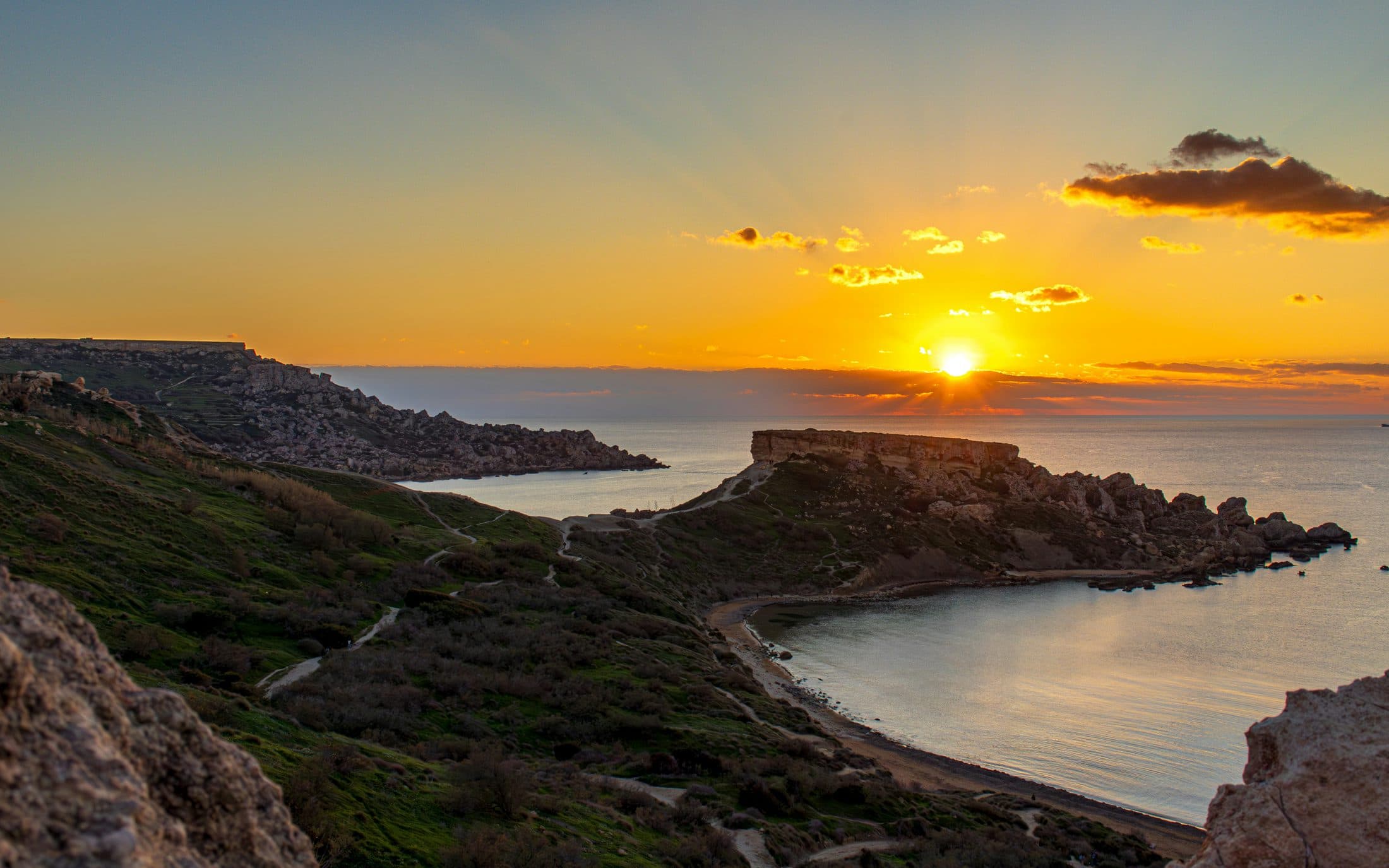
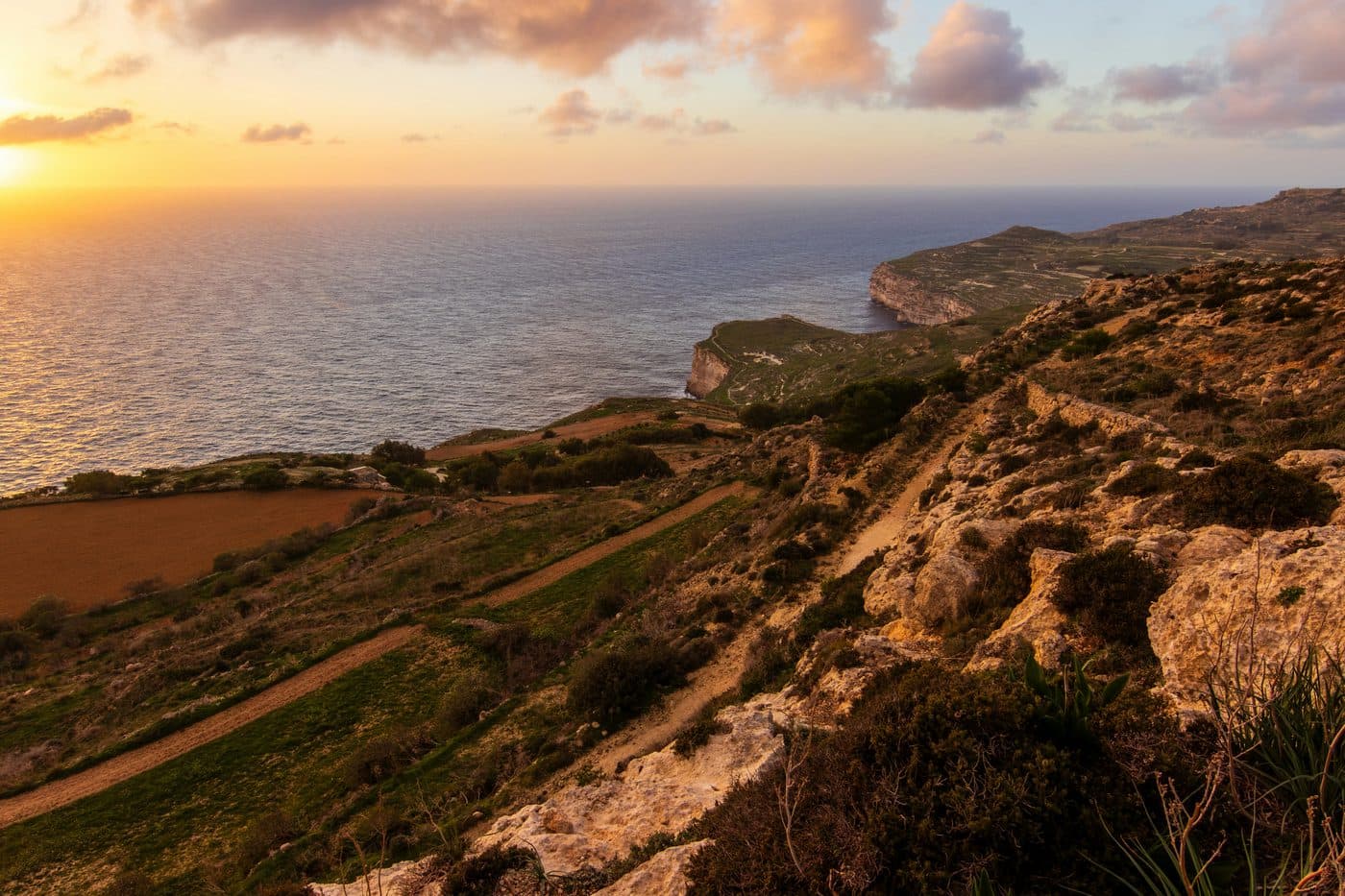
West of Dingli village, the land ends in cliffs that fall to the sea along the island’s west coast, with terraced fields and stone walls on the ledges below them and the chapel of St Mary Magdalene standing alone at the edge. Malta tilts from west to east, so its west coast is all sheer cliff, and the cliffs from Ċirkewwa to Bengħisa are a Natura 2000 site, Rdumijiet ta’ Malta, with the stretch from Ras il-Pellegrin to ix-Xaqqa protected for its birds too: stay on the paths and well back from the edge. The sun sets over the sea here all year, and the cliff road is open, with nothing to book; bus 201 has stops named Maddalena and Cliffs along it. West of Ħaġar Qim, the cliffs in Siġġiewi’s limits look straight out at Filfla.
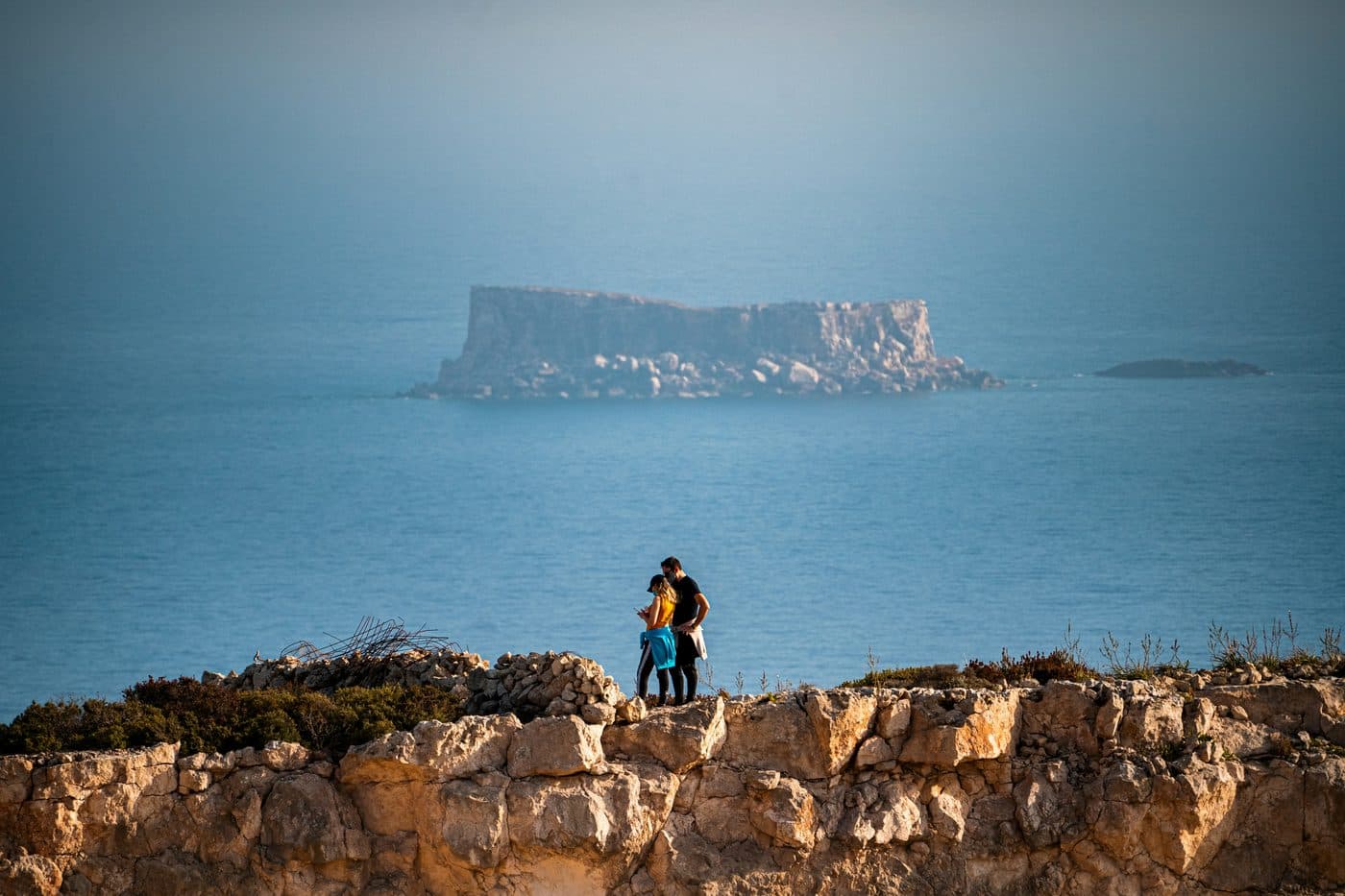
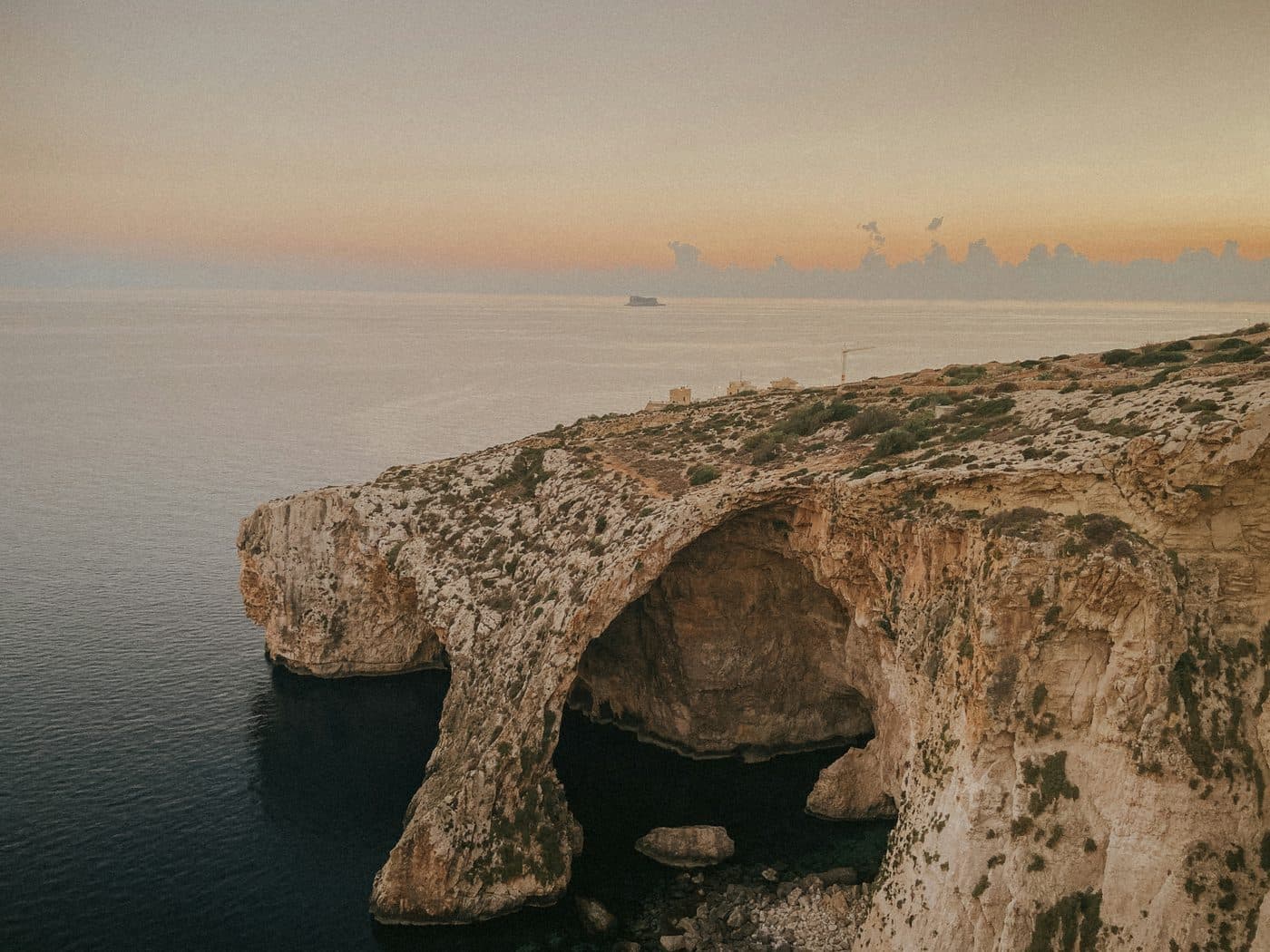
Ħaġar Qim stands on the crest of a ridge looking west over the open sea, and Mnajdra lies 500 m downhill by a footpath; the doorway of Mnajdra’s South temple is aligned with the sunrise at the spring and autumn equinoxes. Since 2008 both have been covered by large shelters, so the stones are seen in soft, shaded light. An adult pays €10 (2026), the last admission is half an hour before closing, and like every Heritage Malta site the park closes on 1 January, Good Friday and 24, 25 and 31 December. Heritage Malta hires out the park for weddings and location shoots through its Exclusive Venues team, and its terms reserve photography and filming of its sites to its express consent, so arrange a shoot with it, not on the day. Offshore, Filfla and its rocks are a Natura 2000 site for seabirds. A short way east, the Blue Grotto’s arch can be seen from the road above it; buses 74 from Valletta and 201 stop at Ħaġar Qim and at the grotto.
Light
Mdina sits high in the middle of the island, and its bastions look out over the land, so its own light is the warm glow on the stone late in the day; for the sun going down over the water, go to the west and south-west coast, to the Dingli Cliffs or Ħaġar Qim, where it sets over the sea all year: far to the north-west at midsummer, almost due west in mid-September and to the south-west in winter. On 21 June the sun rises at about a quarter to six and sets at about twenty-two minutes past eight; it is still ten degrees up at about twenty-five past seven, and the sky stays light until about ten to nine. In mid-May it sets at about eight, in mid-July at about twenty past eight, in mid-September at about ten past seven and in mid-October at about half past six. At midwinter it is up only from about nine minutes past seven until eight minutes to five, no more than about 31 degrees high at noon. Luqa averages almost twelve hours of sun a day in July and five in December (1991–2020). Mnajdra’s South temple faces the sunrise at the equinoxes. A civil ceremony ends by 19:00, so from May to August the last hour of light is free for portraits.
Travel
Malta International Airport at Luqa is close to everything here by road: 6 km to Ħaġar Qim and to the Blue Grotto, 11 km to Buskett, 12 km to Mdina’s gate, to San Anton and to the Dingli Cliffs, and 15 km to Mosta. From Valletta it is 13 km to Mdina. Within the region, Mdina is 5 km from the Dingli Cliffs, from Mosta and from San Anton, 7 km from Buskett and 9 km from Ħaġar Qim; the cliffs are 10 km from Ħaġar Qim, and Ħaġar Qim 2 km from the Blue Grotto. Malta Public Transport’s bus 201 runs hourly from Rabat past Mdina, the Dingli Cliffs, Siġġiewi, Ħaġar Qim and the Blue Grotto to the airport, and bus 74 from Valletta to Ħaġar Qim and the grotto. The whole of Malta is controlled airspace, so every drone flight needs Transport Malta’s authorisation: the operator registers on its iDronect portal, is insured and files a flight request, for a wedding with the venue’s written consent or a letter of engagement; Valletta is a special permit zone. A flight that touches a restricted zone — airports, embassies, hospitals, power stations, nature reserves — also needs the no-objection of its authority. Over Heritage Malta’s temples, ask Heritage Malta first.
Plan
Malta