Getting married in Luxembourg City & the Seven Castles
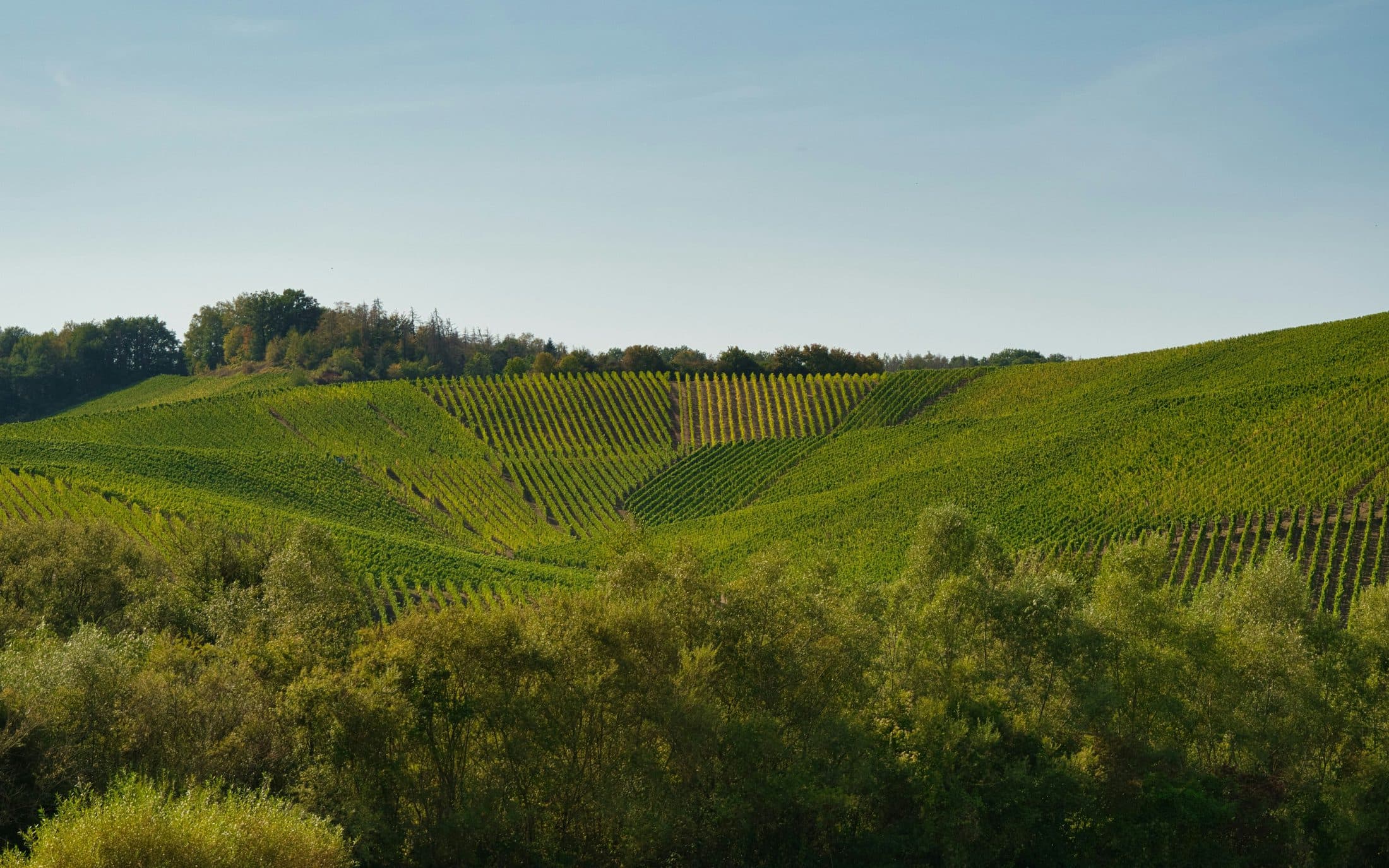
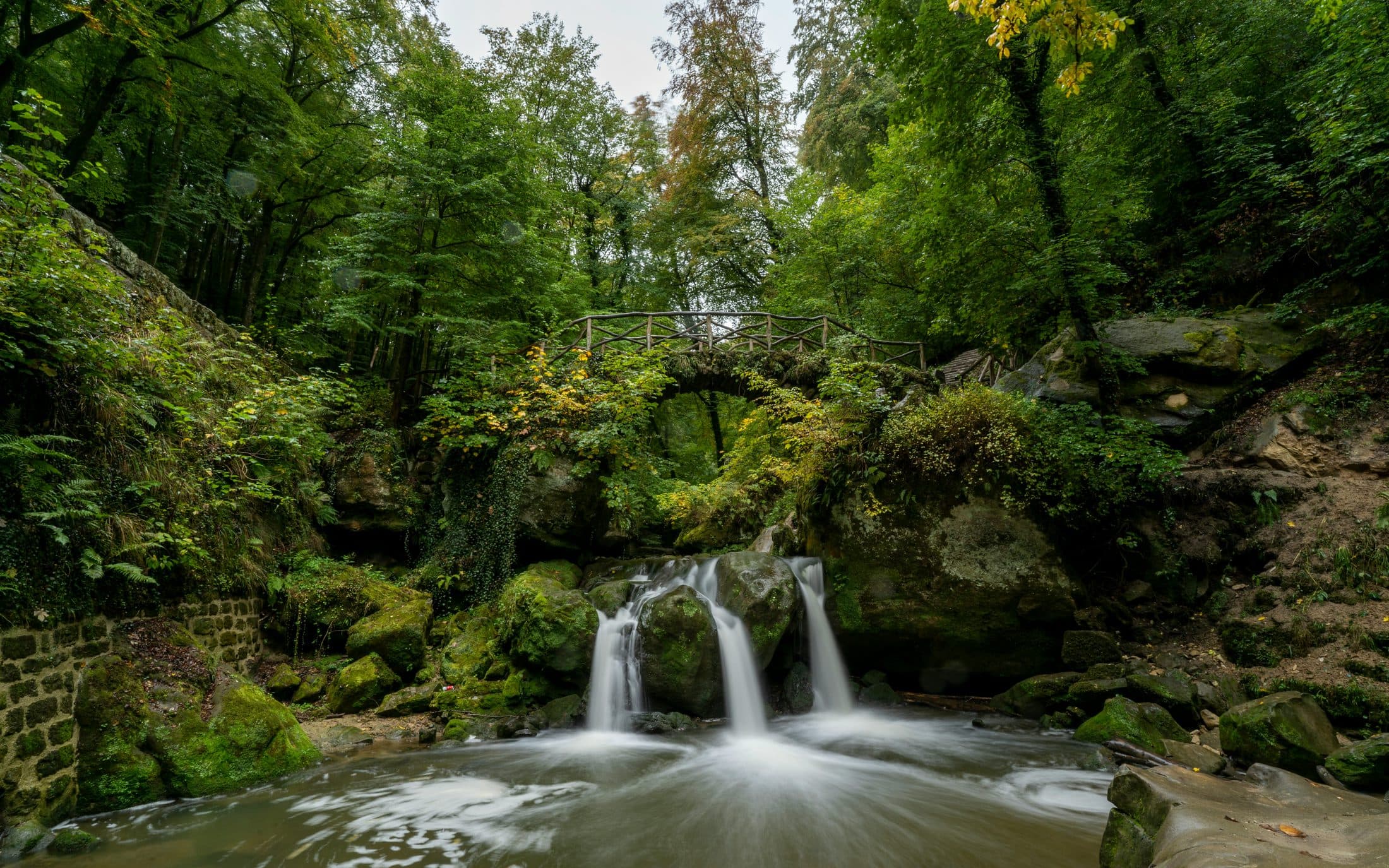
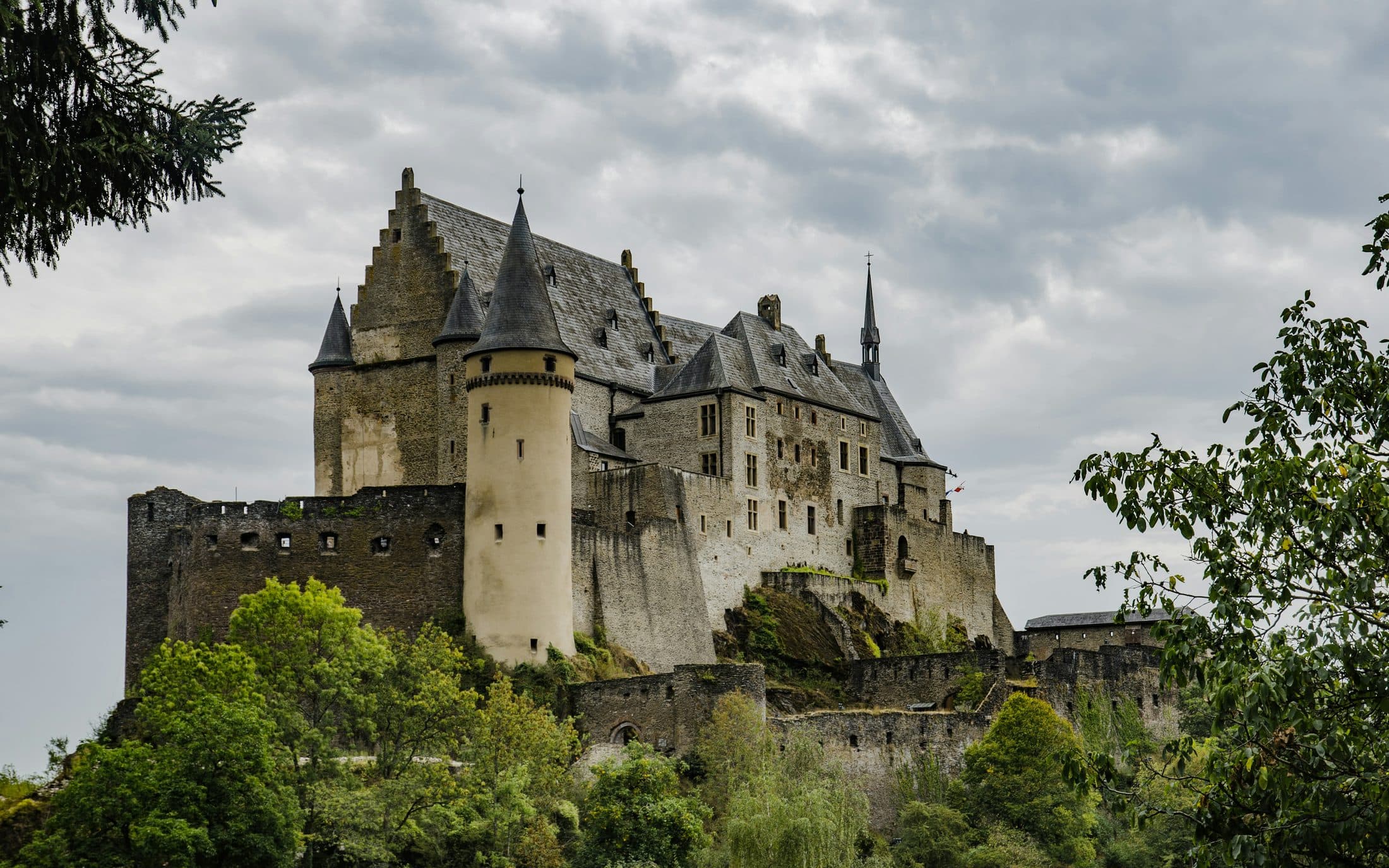
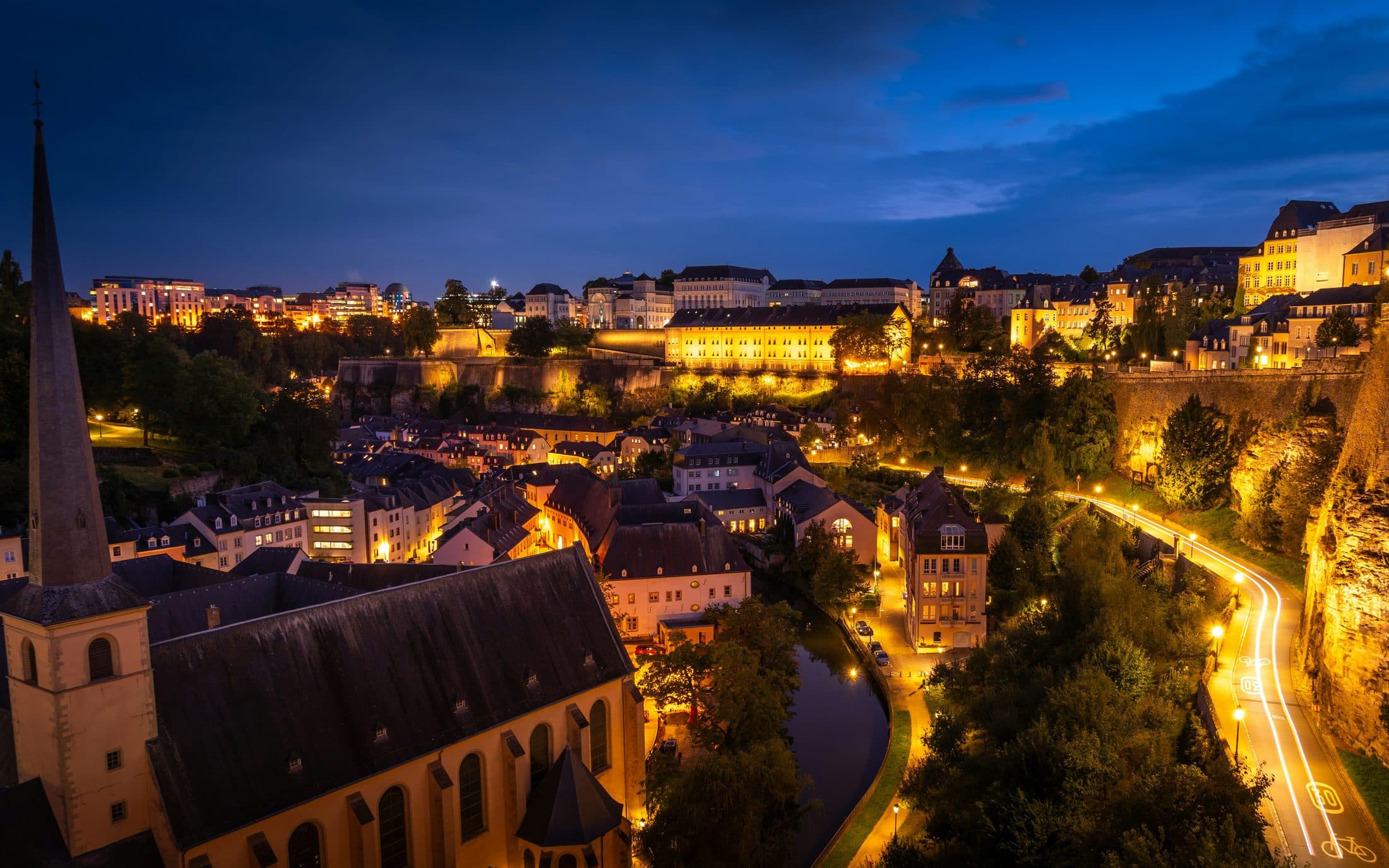
Luxembourg’s capital on its rock above the Alzette and the Pétrusse: the Old Town and its fortifications, the Chemin de la Corniche along the old walls, the Grund by the river, the Bock and its casemates, the green Pétrusse valley under the Adolphe Bridge, Pfaffenthal and its panoramic lift, and Kirchberg with the park of the Three Acorns; north-west of the city, the Valley of the Seven Castles, from Mersch to Koerich, with Ansembourg’s two castles and the New Castle’s terraced gardens.
The City of Luxembourg: its Old Quarters and Fortifications has been on the World Heritage List since 1994.
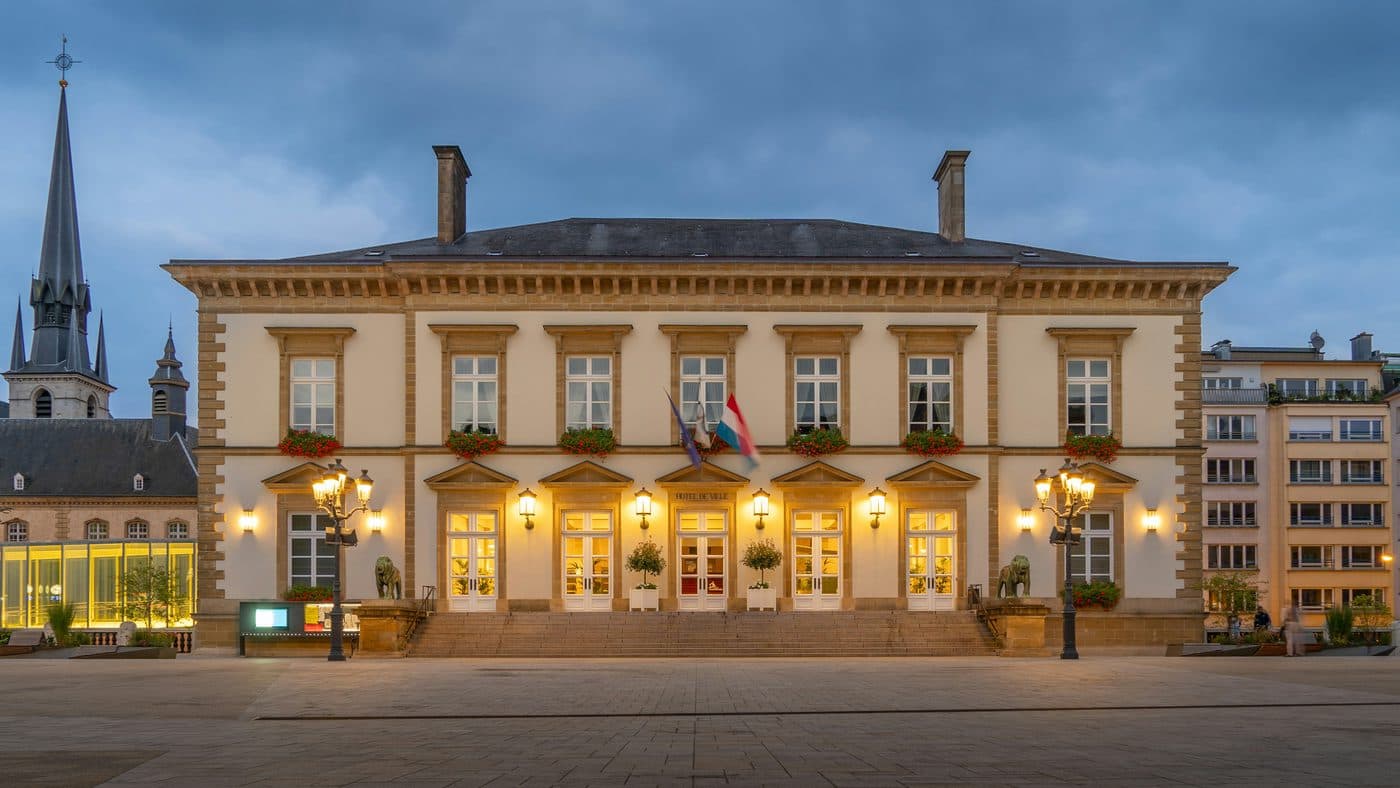
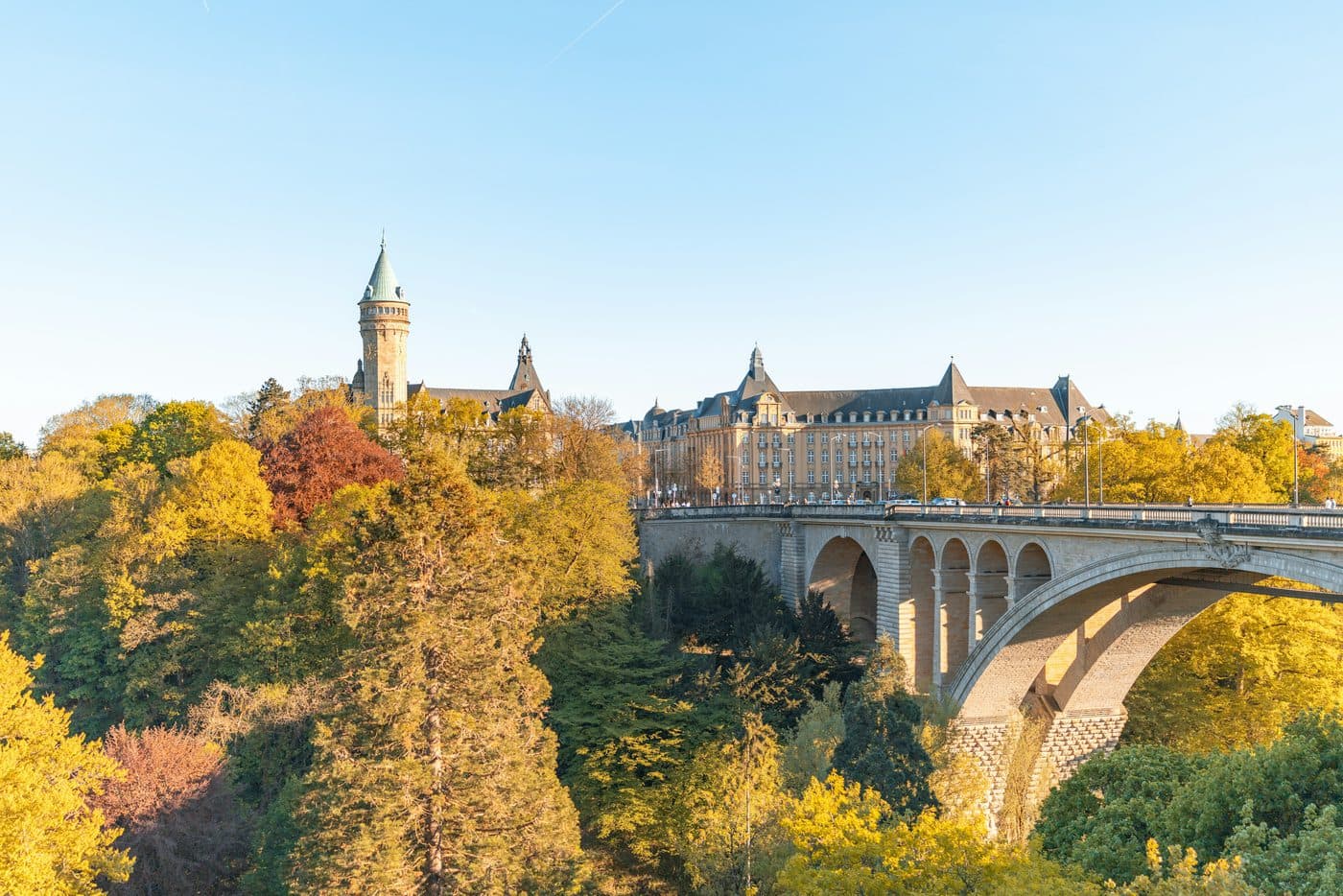
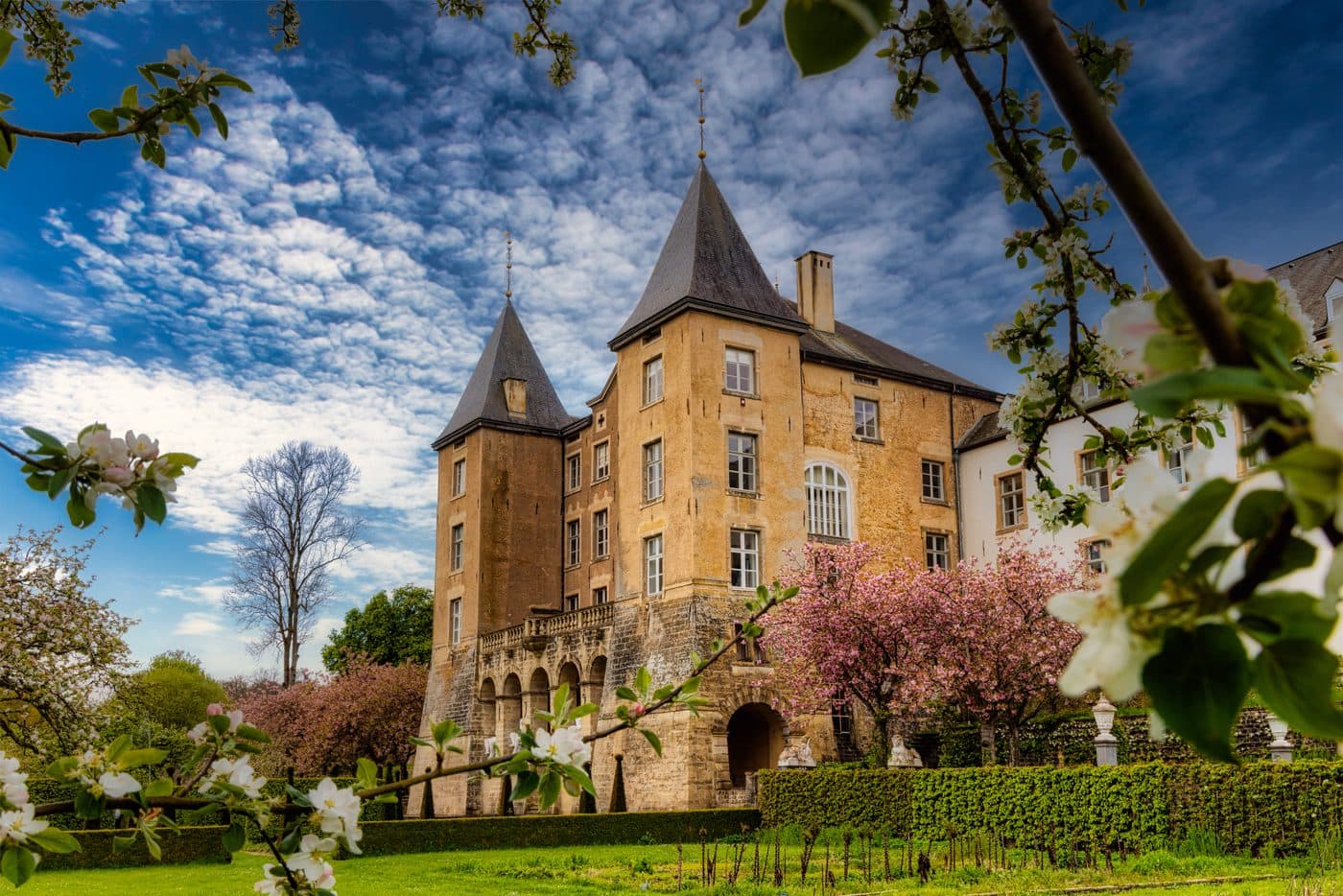
The old town stands on a steep rock where the Pétrusse meets the Alzette, and from the 16th century until 1867, when its walls were dismantled, it was, in UNESCO’s words, one of Europe’s greatest fortified sites, reinforced in turn by the Holy Roman Emperors, the House of Burgundy, the Habsburgs, the French and Spanish kings and finally the Prussians. On the Bock, where a castle was built in 963, the Austrians dug casemates in the 18th century; south of it the Chemin de la Corniche follows the old walls above the Grund, where the former Neumünster Abbey stands by the Alzette; the Pétrusse runs through its green valley 50 m below the Adolphe Bridge, opened in 1903; to the north a panoramic lift drops 60 m to Pfaffenthal, and across that valley Fort Thüngen, whose three towers the Prussians crowned with stone acorns in 1836, gives the park of the Three Acorns (Dräi Eechelen) its name. The Grand Ducal Palace, the Grand Duke’s workplace since 1895, keeps the Renaissance front of the town hall rebuilt on its site in the 1570s. North-west of the city, the Valley of the Seven Castles is a 27 km route along the Eisch: Mersch, whose castle now houses the town’s administration; Schoenfels and its tower in an English garden; Hollenfels on its rock at 315 m, with a keep nearly 40 m high; at Ansembourg the privately owned Old Castle and the New Castle with its terraced gardens; Septfontaines, also private; and the castle ruins of Koerich, which belong to the State.
Couples who live in the city marry at the Hôtel de Ville on the Place Guillaume II, on a Wednesday, Thursday or Friday, in a ceremony of about 15 minutes with room for 25 or 30 guests and no reception inside; then, if they wish, in church, and they celebrate in the city or out in the Valley of the Seven Castles, with portraits along the Corniche, by the Alzette in the Grund, under the Adolphe Bridge and in the Pétrusse valley. Couples from abroad, married at home, come for a symbolic ceremony and the same streets and valleys. A wedding in Luxembourg is legal only as a civil marriage in the commune where one of you lives: the commune’s civil registrar (the mayor, or a council member the mayor delegates) marries you in the town hall or in another public building the council has designated, after you hand in your file at least a month ahead and a 10-day public notice, and same-sex couples have married on the same terms since 1 January 2015; two foreigners who don’t live in Luxembourg can’t marry here, so they marry at home and celebrate here, and a church wedding has no legal effect and may only follow the civil one.
Through the year
When to marry in Luxembourg City & the Seven Castles
June to September are the surest months. Luxembourg’s only official 1991–2020 normals come from MeteoLux’s station at Luxembourg-Findel, the airport on the plateau east of the city, at 368 m; the Grund, Pfaffenthal and the Eisch valley lie lower and are usually a little warmer by day, but every figure here is the plateau’s. There, highs reach about 22 °C in June, 24 °C in July and August and 19 °C in September, and only about three days in July and three in August reach 30 °C. Rain is spread through the year instead of kept for one season: 1 mm or more falls on 9 or 10 days a month from May to August, with 71 to 76 mm a month, and September has the fewest wet days of the year, about nine, with 66 mm. Much of the summer rain comes in thunderstorms, on about five days a month in June and July, so keep a roof close to any open-air plan. May and October work with some care, at highs of 18 and 14 °C.
- January: Quieter
- February: Quieter
- March: Quieter
- April: Quieter
- May: Good with planning
- June: Best
- July: Best
- August: Best
- September: Best
- October: Good with planning
- November: Quieter
- December: Quieter
- April and MayApril warms to 14 °C by day, with rain on nine days and frost on two or three nights; by May the highs reach 18 °C, the nights stay above freezing, rain falls on ten days and the sun shines for over seven hours a day. The clocks go forward on the last Sunday of March (28 March 2027); by mid-April the sun sets at about half past eight and by mid-May at about a quarter past nine.
- June to AugustThe warmest months: highs of 22 to 24 °C, nights of 12 to 14 °C, about eight hours of sun a day and 25 °C or more on about 8 days in June, 13 in July and 11 in August. Rain still falls on 9 or 10 days a month, and Findel counts thunderstorms on four or five days a month. At midsummer the sun sets at about a quarter to ten, late enough for portraits in the valleys after an afternoon ceremony at the Hôtel de Ville.
- September and OctoberSeptember cools to 19 °C, with the fewest wet days of the year (about nine) and nearly six hours of sun a day; October drops to 14 °C, with rain on ten days, frost on about one night, fog on about eight days and under three and a half hours of sun a day. In mid-September the sun sets at about ten to eight, in mid-October at about a quarter to seven, and the clocks go back on the last Sunday of October (31 October 2027).
- November to MarchWinter is grey more than hard: highs of about 4 to 5 °C from December to February, frost on 15 to 17 nights a month, snow falling on about seven or eight days a month and lying on six to eight, and fog on ten or eleven days in December and January. December is the wettest month, with 89 mm on 13 days, and the darkest, with about 42 hours of sun in all and none at all on about 17 days. At midwinter the sun is up only from about half past eight to twenty-five to five, and never more than 17 degrees high.
In numbers
- UNESCO World Heritage
Weather station: Luxembourg-Findel, normals 1991–2020 · Checked 9 November 2026
Places
Where couples marry here
The kinds of places — ask your photographer which ones they know well.
The Old Town, the Corniche and the Grund
The Chemin de la Corniche runs a few hundred metres along the old walls from the Bock towards the Plateau du Saint-Esprit, above the Grund and the Alzette; from the plateau a public lift goes down to the Grund, from 6:30 to 2:00, and to 4:00 on Fridays and Saturdays. The Bock’s casemates, begun in 1745, are visited with a ticket through the city tourist office, so portraits are made outside, on the rock and along the Corniche. The City asks anyone who wants to carry out an activity in a public space to hold a permit from its events, festivals and markets department; we found no rule aimed at a couple and their photographer, so ask it before bringing props, a set or a group. The Grand Ducal Palace, in the Old Town, is the Grand Duke’s workplace and opens to visitors only for part of the year, on guided tours sold by the city tourist office (€18 for an adult, as of November 2026; the 2027 dates are not yet announced), so it is a façade to frame from the street. At the Hôtel de Ville, a few streets away, civil weddings take place on Wednesday, Thursday and Friday mornings around 11:00 and in the afternoons until 16:00, and the City provides no photographer, so bring your own.
The Pétrusse valley and the Adolphe Bridge
The Adolphe Bridge, begun in 1900 and opened to traffic in July 1903, spans the Pétrusse valley 50 m above the stream; it was widened for the tram, which has crossed it since 2019, and a cycle bridge 154 m long now hangs beneath its deck. Below, the City freed the Pétrusse from its concrete channel between 2020 and 2024, and the stream now winds between natural-stone banks, paths and meadows; upstream, between the former Bourbon Lock and the Rue d’Anvers, a second phase of works began in spring 2025 and is planned to last two and a half years, so expect a building site there until about autumn 2027. The valley’s cliffs carry the walls of the old fortress. The Monument of Remembrance (the Gëlle Fra) on the Place de la Constitution, above them, is a memorial, not a backdrop: frame the valley from the bridges and the paths below instead.
Pfaffenthal, Kirchberg and the Three Acorns
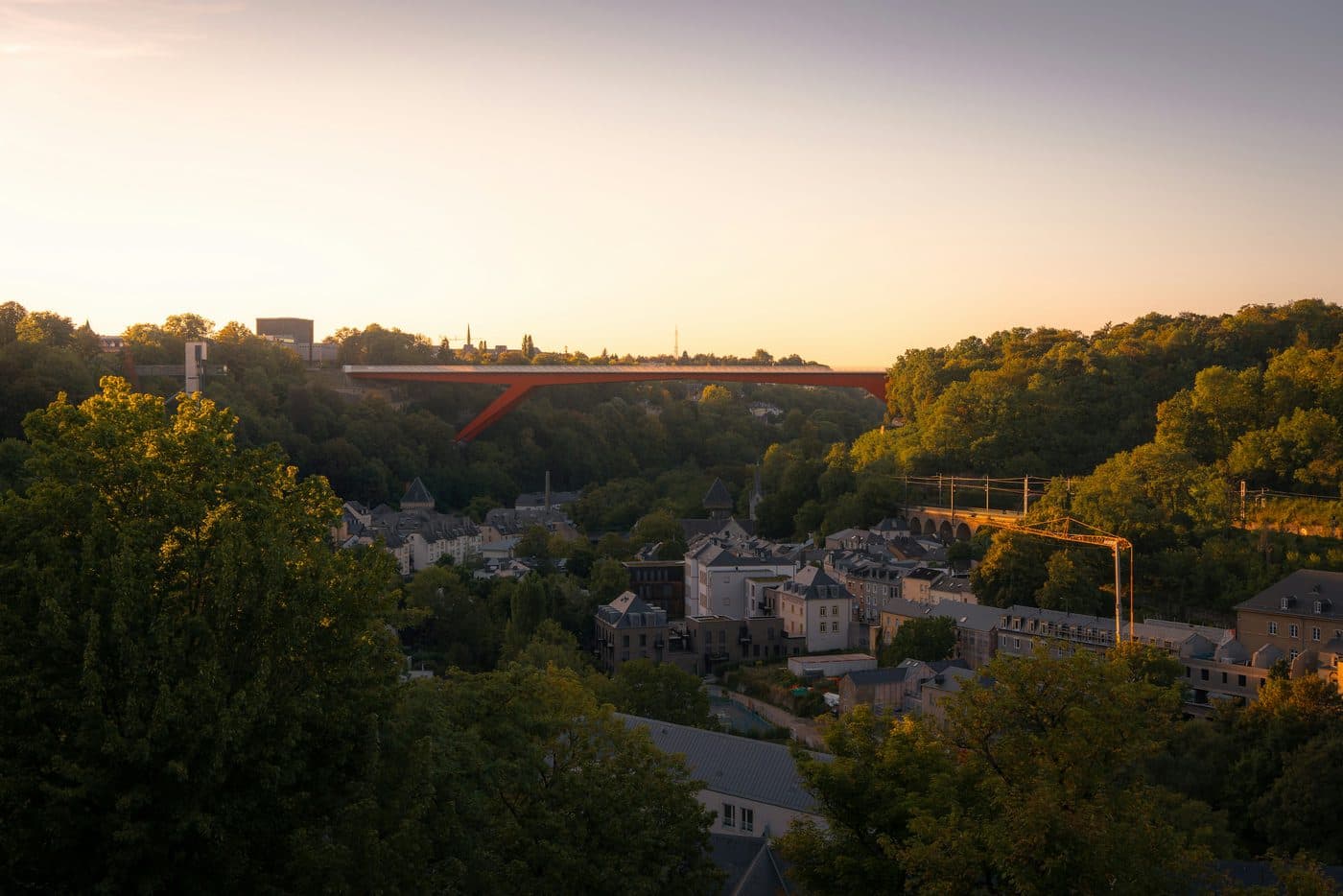
The panoramic lift links the Pescatore park in the Old Town with the Rue du Pont in Pfaffenthal, 60 m below, in 30 seconds; it runs every day from 5:45 to 1:00, except on one day a month kept for its maintenance. Across the valley, the CFL funicular climbs 40 m in 63 seconds from Pfaffenthal-Kirchberg station to the foot of the Red Bridge — the Grand Duchess Charlotte Bridge, 355 m long, opened in 1966 to carry the city onto the Kirchberg plateau — and it is free, with no ticket at all. On the edge of Kirchberg, the Austrians built Fort Thüngen in 1732–1733; after 1867 it was dismantled and buried, all but its three towers and first casemate, and the site became a park. The restored fort now houses the Musée Dräi Eechelen, the museum of the fortress, and the old fortifications on these Grünewald heights lie in the World Heritage buffer zone.
The Valley of the Seven Castles
Most of the seven castles are seen from outside. Mersch’s castle is the seat of the town’s administration and closed to the public; Schoenfels’ tower is being restored, with a visitor centre planned; Hollenfels, which houses a youth hostel and an ecological centre, can’t be visited inside while it is renovated; Ansembourg’s Old Castle and Septfontaines are private. The New Castle of Ansembourg, built in the 17th century, keeps 3.5 ha of 18th-century terraced gardens — pools, stairs, mythological statues and a hornbeam hedge some 200 m long beside the Eisch — on private land open to visitors every day from 10:00 to 18:00, except on days set aside for private events, which its online calendar shows. Its garden rules ask for written permission, by email beforehand, and a fee for photographs at events such as weddings and for any professional shoot. Koerich’s castle, a lowland castle begun around 1200, is a ruin owned by the State, open to visitors and used for cultural events through the year.
Light
How the light falls
The times here are for a flat horizon over the Old Town. The Grund, Pfaffenthal and the Pétrusse lie in valleys 50 to 60 m below the plateau, so the sun leaves them well before these times and reaches them later in the morning, and the narrow, wooded Eisch valley does the same to the Seven Castles. On 21 June the sun rises at about half past five and sets at about a quarter to ten, far to the north-west; it is still ten degrees up at about half past eight, and the sky stays light until about half past ten. In mid-May it sets at about a quarter past nine, in mid-July at about twenty to ten, in mid-September at about ten to eight and in mid-October at about a quarter to seven. At midwinter it is up only from about half past eight to twenty-five to five. The Corniche looks east over the Grund, so in the evening its own walls and the houses under them fall into shade first, while the far side of the valley keeps the light longest. Findel averages about eight hours of sun a day in June and July and under one and a half in December (1991–2020).
Travel
Getting there
Luxembourg Airport, at Findel, is 9 km by road from the Place Guillaume II; the tram runs from the terminal through Kirchberg into the city, and buses 16 and 29 run to the central station every 10 to 15 minutes. Brussels Airport is 215 km away by road, Frankfurt Airport 227 km and Frankfurt-Hahn 119 km. Buses, trams and trains in Luxembourg have been free since 1 March 2020, except first class on the trains; only journeys across the border need a ticket. By road from the Place Guillaume II, Schoenfels and Ansembourg are 18 km away, Koerich 19 km, Hollenfels 20 km, Septfontaines 22 km and Mersch 25 km; at Ansembourg the Kapell bus stop is five minutes’ walk from the New Castle. Luxembourg applies the EU drone rules (Regulation 2019/947) under its Directorate of Civil Aviation (DAC): an operator registered where they live if that’s in an EASA country, otherwise asking the DAC, liability insurance, the drone in sight, below 120 m and never over a crowd; only the state’s map of drone zones (g-o.lu/uas) is binding, not the drone maker’s app, and in Luxembourg City no drone may fly over the Grand Ducal Palace without the DAC’s permission, while part of the city lies under the approach to Luxembourg-Findel airport, where a flight up to 50 m needs notice to air navigation 24 hours ahead and one from 50 to 120 m a permit asked ten working days ahead, so check that map before every flight. On the same map, read on 9 November 2026, a zone in Kirchberg’s European quarter also needs the DAC’s permission, and above 50 m the Pétrusse valley around the Adolphe Bridge lies in the zone of the Zitha clinic’s helipad, where a flight must first be notified to the clinic.
Photographers
Photographers in Luxembourg City & the Seven Castles
No one in Luxembourg City & the Seven Castles yet
The first photographers in Luxembourg City & the Seven Castles are joining now. Tell our concierge your date and your plans — it checks who is free and fits.
Plan
Read before you plan
- Getting married in Luxembourg as foreigners: the residence rule, the commune’s registrar, and the symbolic routeWho can marry legally in Luxembourg and who can’t: the rule that one of you must live there, the file at the commune, documents, translations and apostilles, the 10-day notice, no witnesses, town halls and the other public buildings communes designate, same-sex marriage since 2015, why the church comes second, the City of Luxembourg’s days and fee, and the route for everyone else: sign at home, celebrate in Luxembourg.
- How to choose a wedding photographer: the steps, and the questions to askThe decision in order — whole weddings, style, availability, the package, the contract and deposit, cancellation, delivery and a conversation — then a checklist of questions, with why each one matters.
- A wedding-day timeline for photosFrom getting ready to the last dance, planned around the light.
- Deposits and payment protectionWhat you pay when, and what happens if plans change.
- Which country for a destination wedding? The law, prices, crowds and light, comparedThe legal route for couples who don’t live there, season and crowds, price levels, light, flights, venues and permits for photographs — Portugal, Italy, Spain, Greece, France and Austria compared with official figures, as of October 2026.
- A rain plan that still looks goodCovered spots, umbrellas and what photographers do on grey days.
- Wedding photography contract checklist: what it should say, and how Lens & Vows handles each pointThirteen things a good contract covers — the day and the hours, what is delivered, deposit and balance, cancellation on either side, date changes, illness, image rights, personal data, backups, travel, overtime and complaints — and what our terms say about each.
Luxembourg