Luxembourg
Getting married in Luxembourg
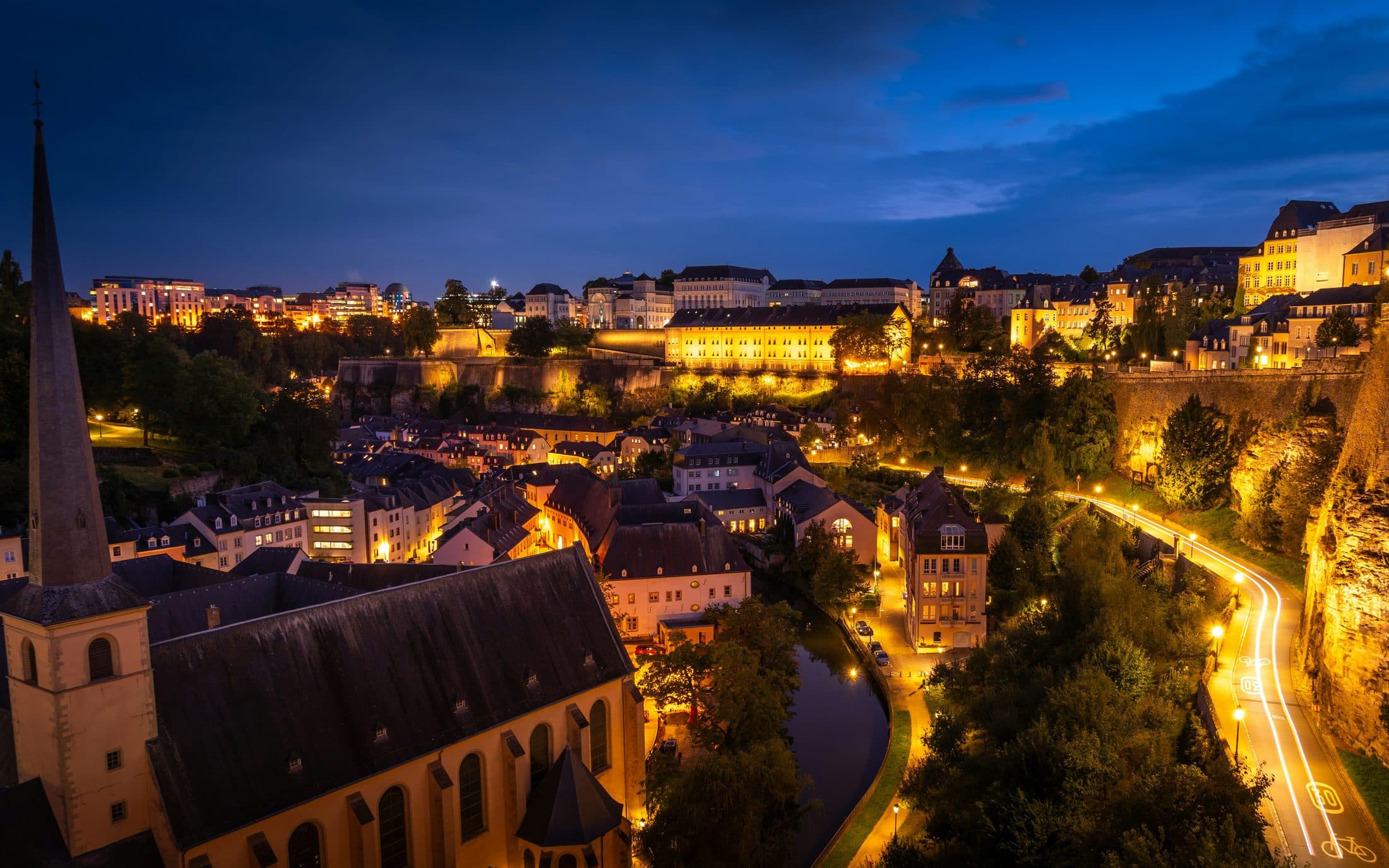
Luxembourg City’s Old Town on its rock above the Alzette, the Grund and the Pétrusse valley below it, the castles of the Valley of the Seven Castles, the vineyard terraces above the Moselle from Schengen to Wasserbillig, Echternach and the sandstone gorges of the Mullerthal, and Vianden, Clervaux and Bourscheid above the wooded valleys of the Ardennes.
Luxembourg is a country of plateaus cut by deep valleys: the capital stands on its rock above the Alzette, the Moselle runs between vineyard slopes along the eastern border, the Mullerthal hides sandstone gorges in its woods, and the Éislek in the north rises higher, under forest. Its one official climate station for 1991–2020, Luxembourg-Findel, sits on the plateau east of the capital at 368 m: July’s mean there is about 19 °C, with afternoons near 24 °C, and January’s about 1 °C, with frost on about 17 nights. Rain is spread through the year, on about 9 to 13 days a month; summer’s often comes with thunder, and autumn and winter bring fog to the plateau. April is the driest month and September the one with the fewest rain days. The valleys lie lower than the station and are usually a little warmer by day, the Éislek higher and a little cooler. The sun sets at about a quarter to ten at midsummer and at about twenty-five to five at midwinter.
A legal wedding happens only at a commune, before its civil registrar, at the town hall or in another public building the council has designated, and only in the commune where one of you lives: two foreigners who live abroad can’t marry here, so they marry at home and celebrate here, in a castle garden or among the vines above the Moselle. For those who can, the file goes in at least a month before the date, the intention to marry is posted at the town hall for 10 days, and no witnesses are needed; Luxembourg City holds weddings on Wednesdays, Thursdays and Fridays. A church wedding may only follow the civil one, and same-sex couples have been able to marry since 1 January 2015.
4 places
Where in Luxembourg
The capital and the castles of the valleys north-west of it, the wine villages on the Moselle, the sandstone gorges of Little Switzerland or the castles and forests of the Ardennes: each has its own light, landscape and best months. Start with the one that feels like you.
- Luxembourg City & the Seven CastlesLuxembourg’s capital on its rock above the Alzette and the Pétrusse: the Old Town and its fortifications, the Chemin de la Corniche along the old walls, the Grund by the river, the Bock and its casemates, the green Pétrusse valley under the Adolphe Bridge, Pfaffenthal and its panoramic lift, and Kirchberg with the park of the Three Acorns; north-west of the city, the Valley of the Seven Castles, from Mersch to Koerich, with Ansembourg’s two castles and the New Castle’s terraced gardens.Best: Jun · Jul · Aug · SepPhotographers joining
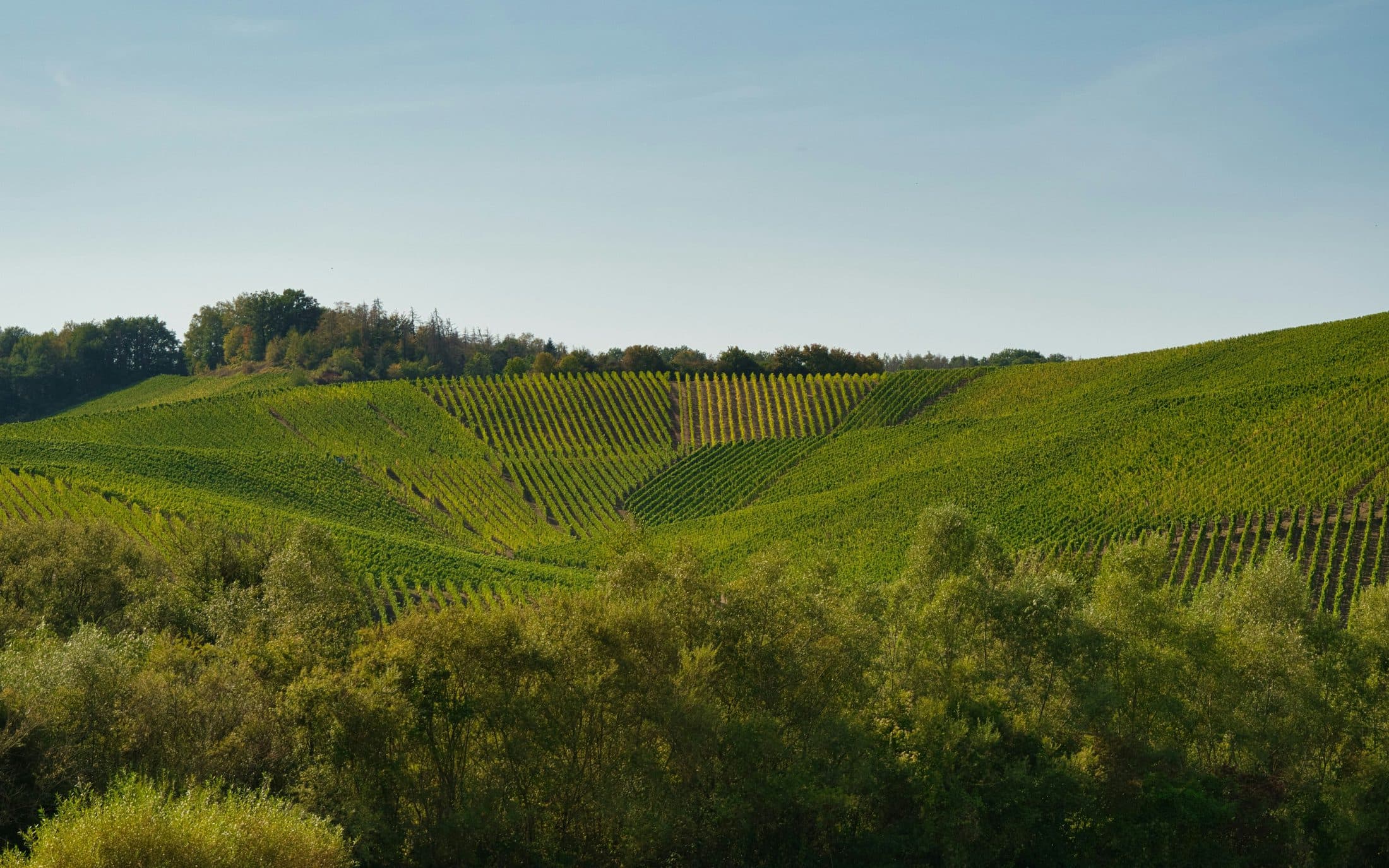 The Moselle ValleyLuxembourg’s wine country along the river that marks its border with Germany: Schengen on the triple border, Remich and its riverside promenade, the vineyard terraces of Wellenstein, Stadtbredimus, Wormeldange and Ahn, Machtum and Grevenmacher, and Wasserbillig, where the Sûre flows into the Moselle, with wine paths and viewpoints on the slopes above the water.Best: Jun · Jul · Aug · SepPhotographers joining
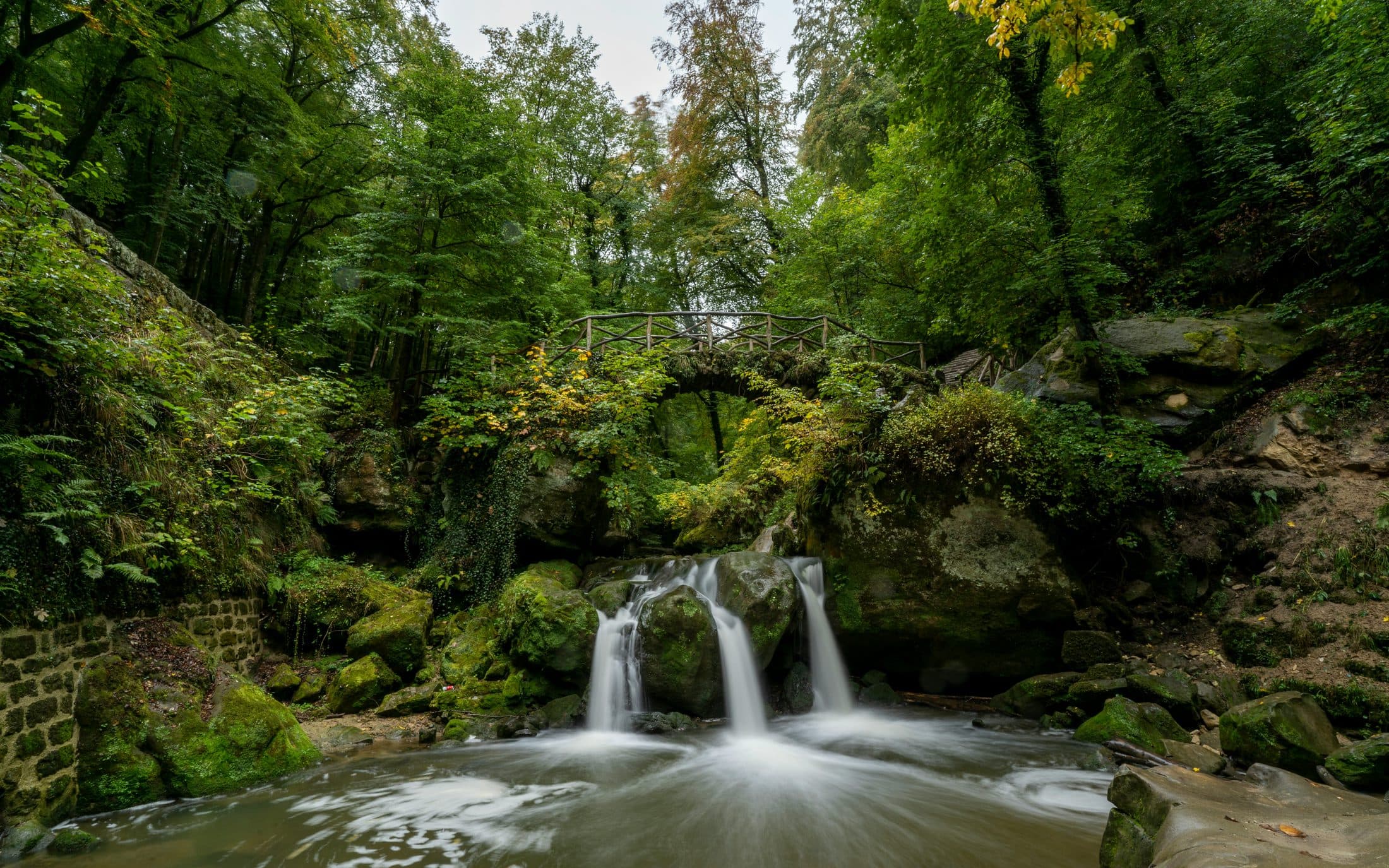 Mullerthal & Little SwitzerlandLuxembourg’s Little Switzerland, within 40 minutes’ drive of the airport: Echternach’s old town, its abbey, basilica and lake on the Sûre, the sandstone gorges of Berdorf and the Mullerthal Trail — the Huel Lee, the Wolf’s Gorge —, the Schiessentümpel cascade on the Black Ernz, Beaufort’s two castles and Larochette’s ruins above the White Ernz.Best: Jun · Jul · Aug · SepPhotographers joining
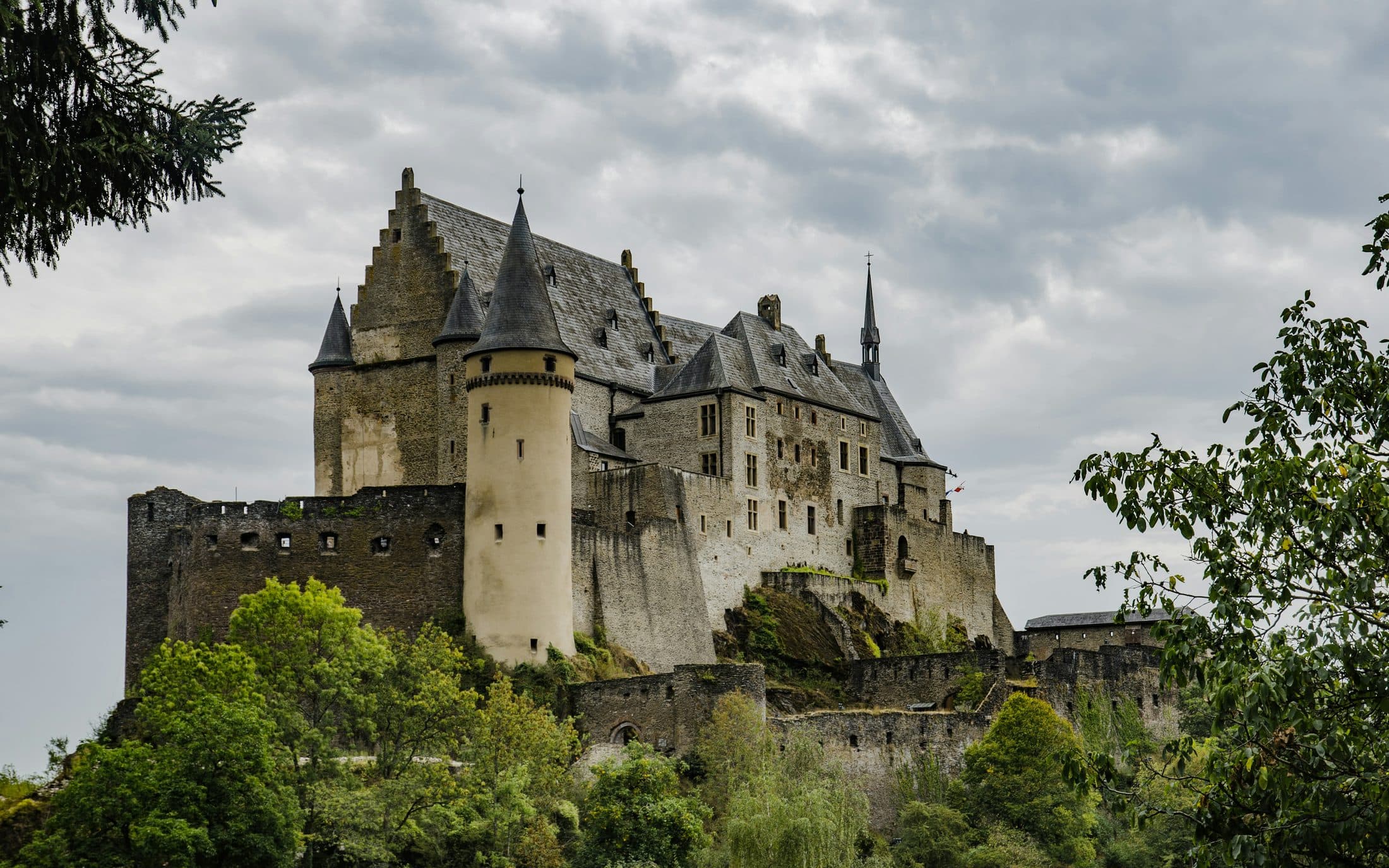 The Luxembourg ArdennesLuxembourg’s wooded north, cut by deep river valleys: Vianden and its castle above the Our, Clervaux with its castle and its abbey on the hill, Bourscheid’s castle high above the Sûre, Esch-sur-Sûre in its river bend below the Upper Sûre lake and its natural park, Wiltz and its castle, and the forests and viewpoints of the Éislek in between.Best: Jun · Jul · Aug · SepPhotographers joining
Through the year
When to marry, region by region
Dark: the easiest months. Outlined: they work with some planning. Grey: the quieter, wetter or hotter part of the year there.
- Luxembourg City & the Seven Castles
- January: Quieter
- February: Quieter
- March: Quieter
- April: Quieter
- May: Good with planning
- June: Best
- July: Best
- August: Best
- September: Best
- October: Good with planning
- November: Quieter
- December: Quieter
- The Moselle Valley
- January: Quieter
- February: Quieter
- March: Quieter
- April: Quieter
- May: Good with planning
- June: Best
- July: Best
- August: Best
- September: Best
- October: Good with planning
- November: Quieter
- December: Quieter
- Mullerthal & Little Switzerland
- January: Quieter
- February: Quieter
- March: Quieter
- April: Quieter
- May: Good with planning
- June: Best
- July: Best
- August: Best
- September: Best
- October: Good with planning
- November: Quieter
- December: Quieter
- The Luxembourg Ardennes
- January: Quieter
- February: Quieter
- March: Quieter
- April: Quieter
- May: Good with planning
- June: Best
- July: Best
- August: Best
- September: Best
- October: Good with planning
- November: Quieter
- December: Quieter
The seasons
What each season brings
- March – MaySpringMild and changeable. Luxembourg’s only official climate normals for 1991–2020 come from Luxembourg-Findel, the airport station on the plateau east of the capital, at 368 m: May’s mean temperature there is about 14 °C, with afternoons around 18 °C. April is the driest month of the year, with about 49 mm and rain (1 mm or more) on about 9 days; March and May have about 10 rain days each. Spring brings the sun back — more than 6 hours a day on average in April, more than 7 in May — and the first thunderstorms with it, on about 4 days in May. The valleys of the Moselle, the Sûre and the Our lie lower than the station and are usually a little warmer by day; the Éislek’s plateau lies higher and is a little cooler. By mid-May the sun sets in Luxembourg City at about a quarter past nine.
- June – AugustSummerWarm rather than hot: July, the warmest month, has a mean of about 19 °C at Findel, with afternoons near 24 °C, about 13 days of 25 °C or more and about 3 of 30 °C or more. Rain is spread through the summer — about 72 to 76 mm a month, on 9 or 10 days — and it often comes with thunder, on about 5 days in June and in July and 4 in August: keep a covered plan for every outdoor moment. July is also the sunniest month, with more than 8 hours of sun a day on average. On 21 June the sun sets at about a quarter to ten in Luxembourg City, and it isn’t dark until about half past ten; in the deep valleys the shade comes much earlier.
- September – OctoberAutumnSeptember has the fewest rain days of the year, about 9, and keeps a mean of about 14 °C, with afternoons near 19 °C. October turns cooler and wetter, about 10 °C and 77 mm on about 10 days, and fog becomes common on the plateau: about 8 foggy days in October, against 1 or 2 a month in summer. The beech and oak woods of the Mullerthal and the Ardennes change colour. In mid-September the sun sets at about ten to eight, in mid-October at about a quarter to seven; the clocks go back on the last Sunday of October.
- November – FebruaryWinterGrey, damp and short-lit. January’s mean at Findel is about 1 °C, with frost on about 17 nights, and snow falls on about 7 or 8 days a month from December to February; in January the ground is white on about 8 days. December is the wettest month, about 89 mm on 13 days, and the darkest: about 42 hours of sun in the whole month, with none at all on about 17 of its days. Fog is frequent, on about 11 days a month in November and December. On 21 December the sun sets at about twenty-five to five, and earlier still in the valleys.
The legal basics
Three ways to say yes
What makes a wedding legally binding in Luxembourg, in short. Couples from abroad can marry here legally only if one of them lives in Luxembourg; the others marry at home and celebrate here.
- CivilThe only legal wedding in Luxembourg: the commune’s civil registrar (officier de l’état civil) — the mayor, or an alderman or councillor the mayor delegates — marries you at the town hall or in another public building the council has designated for weddings, which must belong to the State, a public body or the commune and be neutral in character; in March 2023, 32 communes had designated such places, castles among them — Vianden’s, Bourscheid’s, Esch-sur-Sûre’s — but only couples who live in the commune can marry there. You marry in the commune where one of you lives: the Civil Code ties the wedding to a partner’s domicile or residence (art. 165), and the state portal guichet.lu says one of you must officially live in Luxembourg. You hand in your file at least a month before the date, and the intention to marry is posted at the town hall for 10 days; the wedding must then take place within a year. No witnesses are needed: Luxembourg’s Civil Code doesn’t provide for them. Same-sex couples have been able to marry since 1 January 2015. In Luxembourg City, weddings take place on Wednesdays, Thursdays and Fridays, last about 15 minutes and welcome up to 25 to 30 guests; registering the file costs €20 to €30 (November 2026).
- ReligiousA church wedding has no legal effect in Luxembourg, and it may only follow the civil one: the state portal guichet.lu says so, and the Criminal Code fines a minister of religion who blesses a marriage before the civil wedding €500 to €5,000 (art. 267). So couples marry at the town hall first and then in church, and the City of Luxembourg asks them not to fix the day or the time of the religious ceremony until the formalities at the commune are done. A couple married abroad should ask the parish early what it needs; each faith has its own steps and papers.
- SymbolicAny place, any words, any celebrant — a castle garden, a vineyard above the Moselle, a sandstone gorge in the Mullerthal — and no legal weight, which makes it the route for couples who can’t marry legally here: the papers at home, the ceremony in Luxembourg. Drones follow the EU rules under Luxembourg’s Directorate of Civil Aviation (DAC): an operator registered where they live if that’s an EASA country, otherwise in touch with the DAC, liability insurance, flights in sight, below 120 m and never over a crowd. Only the state’s map of drone zones (g-o.lu/uas) is binding, not the drone maker’s app, and it changes: some zones switch on several times a day, and temporary ones are added for events. In Luxembourg City no drone may fly within 100 m of the Grand Ducal Palace without the DAC’s permission, and part of the city lies under the approach to Luxembourg-Findel airport, where a flight up to 50 m must be notified to air navigation 24 hours ahead and one from 50 to 120 m needs a permit asked ten working days ahead: the map shows which part.
Before any legal wedding
Ask the commune for its own list early: the City of Luxembourg checks the documents by email before your appointment, and you hand in the file together, in person. Each of you brings an identity card or passport and a full copy of your birth certificate less than six months old; a partner who doesn’t live in Luxembourg also brings a certificate of residence (less than three months old, in Luxembourg City). A foreign national usually brings a certificate of capacity to marry from their own country — or, where none is issued, a certificate of custom with a certificate of single status — and divorce or death papers where they apply. Documents must be in French, German or English, or translated by a sworn translator; a birth certificate from another EU country can come as the CIEC’s multilingual extract, and documents from outside the EU need an apostille or legalisation (Luxembourg has been party to the Apostille Convention since 1979). Some nationals go through their own consulate first: Portuguese citizens go together to Portugal’s Consulate General in Luxembourg, which publishes the marriage and sends the certificate of capacity to the commune, and Germans bring an Ehefähigkeitszeugnis from their last German municipality. The commune then posts the notice and sets the date with you.
Rules, documents and fees change, differ from commune to commune and depend on your nationality and where you live: always check with the commune that will marry you and with your own country’s embassy or consulate — and, for photos or a drone in a park, a castle, a vineyard or a nature reserve, with whoever manages it — before you set a date.
Photographers
Photographers in Luxembourg
The first photographers in Luxembourg are joining now
We approve every photographer by hand, from three whole weddings, so the list starts small. Tell our concierge your date and your plans — it checks who is free and fits.
Plan your wedding
Guides
- Getting married in Luxembourg as foreigners: the residence rule, the commune’s registrar, and the symbolic routeWho can marry legally in Luxembourg and who can’t: the rule that one of you must live there, the file at the commune, documents, translations and apostilles, the 10-day notice, no witnesses, town halls and the other public buildings communes designate, same-sex marriage since 2015, why the church comes second, the City of Luxembourg’s days and fee, and the route for everyone else: sign at home, celebrate in Luxembourg.
- Which country for a destination wedding? The law, prices, crowds and light, comparedThe legal route for couples who don’t live there, season and crowds, price levels, light, flights, venues and permits for photographs — Portugal, Italy, Spain, Greece, France and Austria compared with official figures, as of October 2026.
- How to choose a wedding photographer: the steps, and the questions to askThe decision in order — whole weddings, style, availability, the package, the contract and deposit, cancellation, delivery and a conversation — then a checklist of questions, with why each one matters.
- A wedding-day timeline for photosFrom getting ready to the last dance, planned around the light.
- A rain plan that still looks goodCovered spots, umbrellas and what photographers do on grey days.
- Deposits and payment protectionWhat you pay when, and what happens if plans change.
- Wedding photography contract checklist: what it should say, and how Lens & Vows handles each pointThirteen things a good contract covers — the day and the hours, what is delivered, deposit and balance, cancellation on either side, date changes, illness, image rights, personal data, backups, travel, overtime and complaints — and what our terms say about each.
All the countries we work in · More countries are coming.
Not sure yet?
Tell us about your wedding — we’ll find who is free
The place, the date, the guests, the photos you like. Our concierge checks who is free and fits, and comes back with photographers to choose from.