Getting married in Nicosia
The capital inside its round Venetian walls: lanes of old houses and churches, the restored streets of Laiki Geitonia, a new square bridging the moat — and summers far hotter than on the coast.
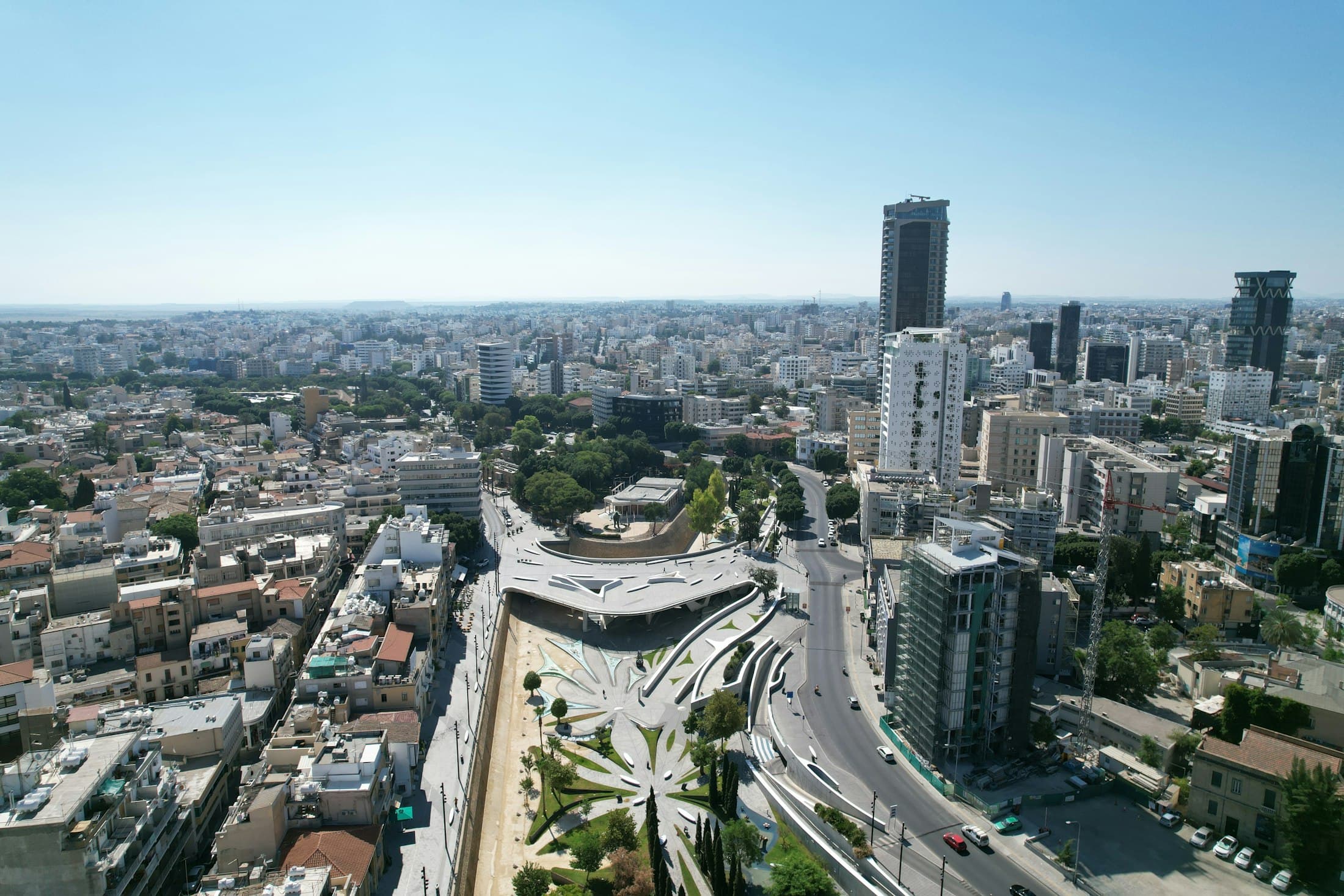
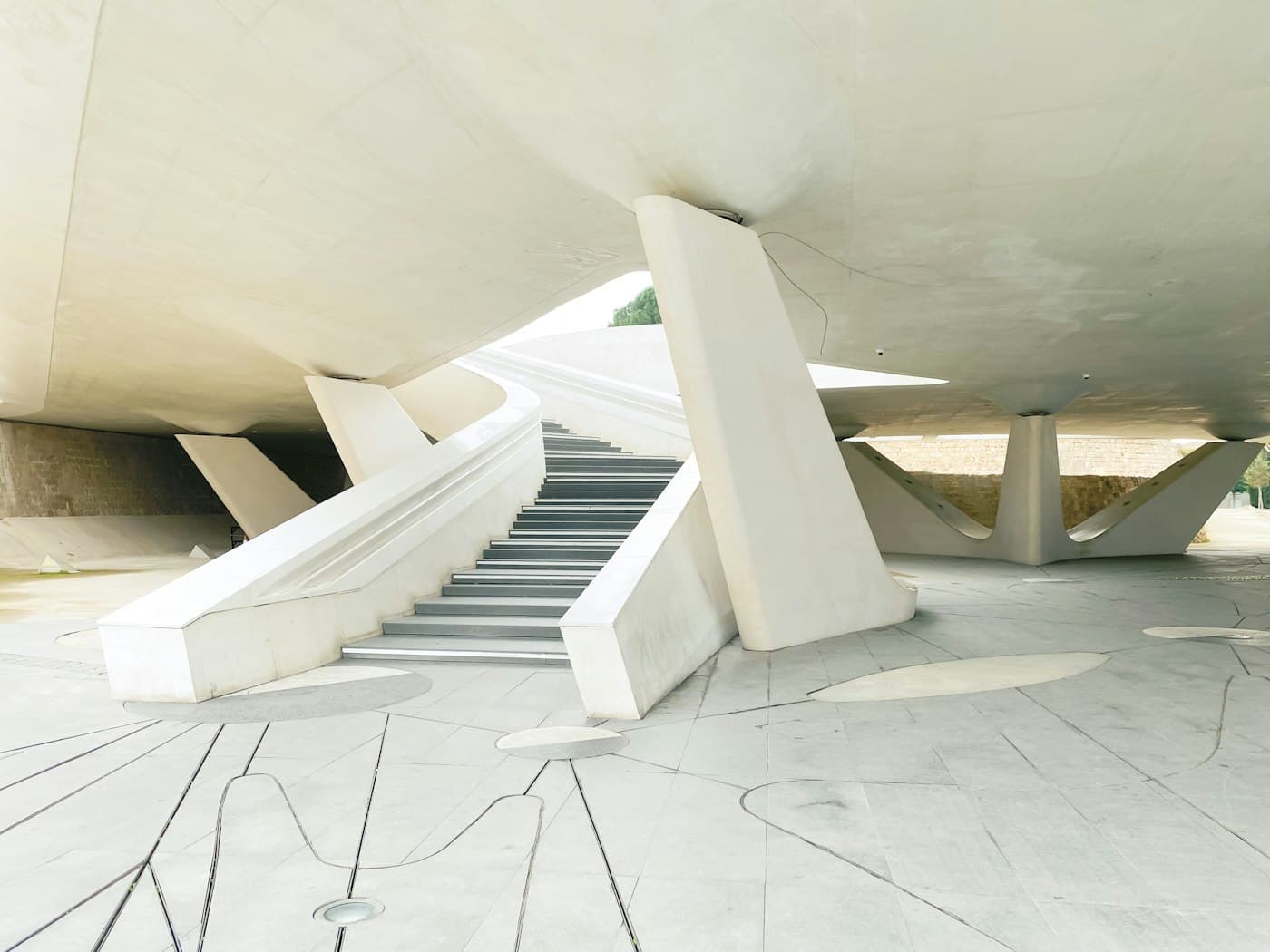
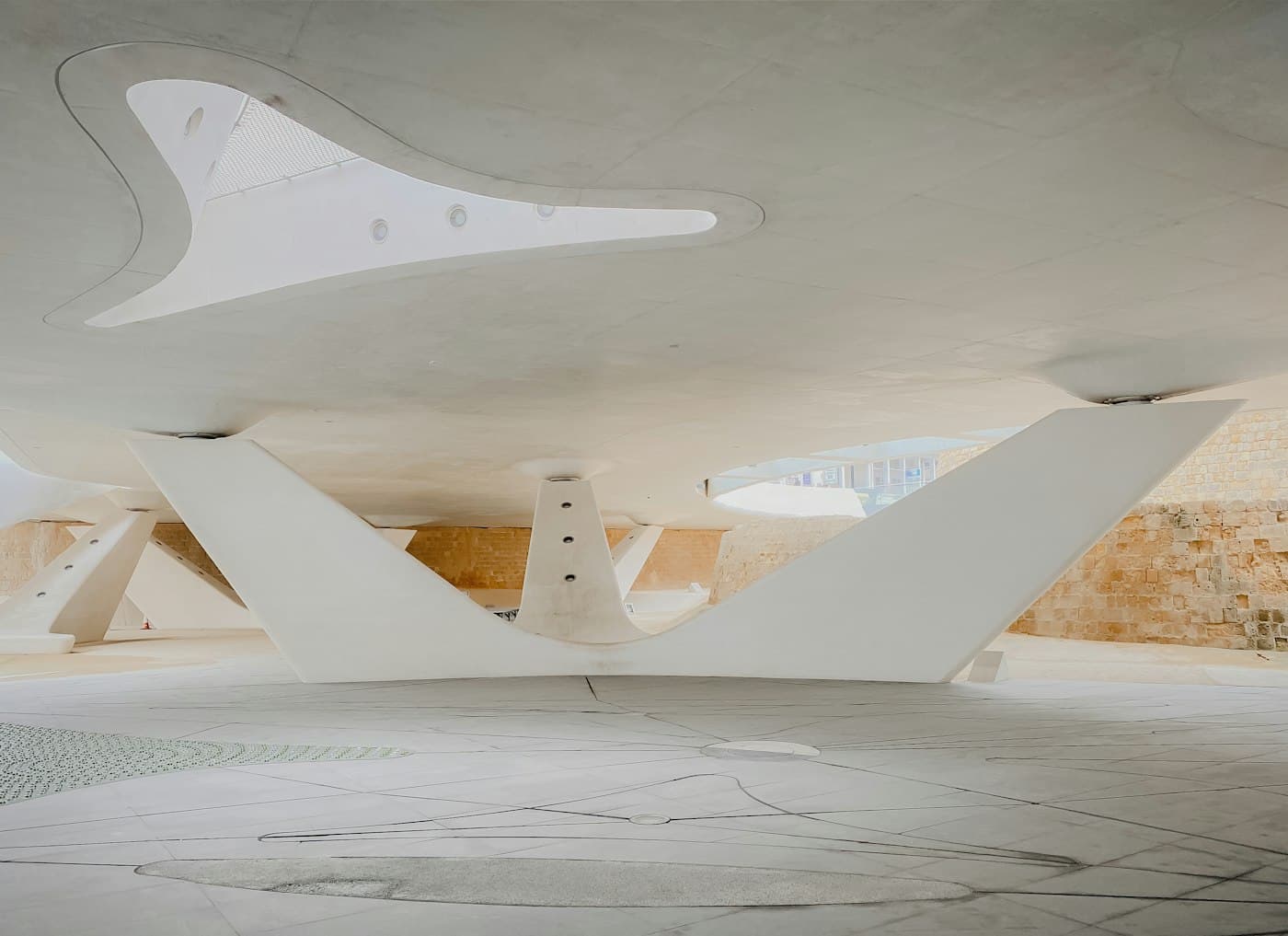
Nicosia, the capital, lies inland, about 50 km from Larnaca airport. Its old town sits inside walls the Venetians built in the 16th century: a circle with eleven heart-shaped bastions and an 80-metre-wide moat, now gardens, sports grounds and an open-air sculpture exhibition. Within them are Laiki Geitonia, a pedestrian quarter of restored 18th-century houses, the Byzantine church of Chrysaliniotissa with craft workshops beside it, and Famagusta Gate, the largest of the three gates, now a cultural centre. Eleftheria Square, rebuilt to a design by Zaha Hadid’s office, spans the moat between the old town and the new. Nicosia is a divided city: the buffer zone runs through the old town, and Ledra Street, its pedestrian high street, ends at a crossing point.
Couples marry at the Town Hall’s wedding venue or at the municipality’s other venues, and the council also allows ceremonies in function halls and hotels in the city, at an extra charge. With the standard procedure the wedding can be held from 15 days after the application; with the special procedure, on the same day. Afterwards come portraits in the old lanes, along the walls and in the moat gardens — in summer early in the morning or in the last hour of light.
Through the year
When to marry in Nicosia
April, May and October are the months to aim for, with highs of 25–30 °C and rain on two or three days a month. Inland, Nicosia is far hotter in summer than the coast: in July and August the average high at Athalassa is 37–38 °C, the Department of Meteorology counts heatwave days here from 40 °C, and in July 2025 the thermometer passed 37 °C on 24 days. June and September, at around 34 °C, work with an evening ceremony. Winter is cool and wetter, with highs of 16–18 °C and rain on eight or nine days a month in December and January.
- January: Quieter
- February: Good with planning
- March: Good with planning
- April: Best
- May: Best
- June: Good with planning
- July: Quieter
- August: Quieter
- September: Good with planning
- October: Best
- November: Good with planning
- December: Quieter
- SpringThe last showers pass in March and April is mild and bright; by May the afternoons are near 30 °C and the sun sets after half past seven.
- SummerVery hot and dry, if less humid than the coast, with the sun almost overhead at noon. Hold the ceremony indoors or in the evening, keep the portraits to the shade of the lanes and the last hour before sunset, and plan water and shade for the guests; during heatwaves the Ministry of Health advises staying out of the sun from 11 am to 5 pm.
- Autumn and winterOctober is warm and settled again, with the first rain; winter days are cool, around 16–18 °C, the nights around 6 °C, with rain on about eight days a month.
In numbers
- Average high in the best months
- Apr 24.7°C · May 29.8°C · Oct 29.2°C
- Cyprus Department of Meteorology (WMO)
- Days with 1 mm of rain or more, best months
- Apr 2.8 · May 2.2 · Oct 2.3
- Cyprus Department of Meteorology
Temperatures: Athalassa, normals 1991–2020 · Rain: Athalassa, normals 2016–2025 · Checked 24 October 2026
Places
Where couples marry here
The kinds of places — ask your photographer which ones they know well.
The walls and the moat
Eleven bastions and a broad moat, now gardens, sports grounds and sculpture; at Eleftheria Square the new white bridge over the moat sets clean modern lines against the old sandstone.
Laiki Geitonia and the old lanes
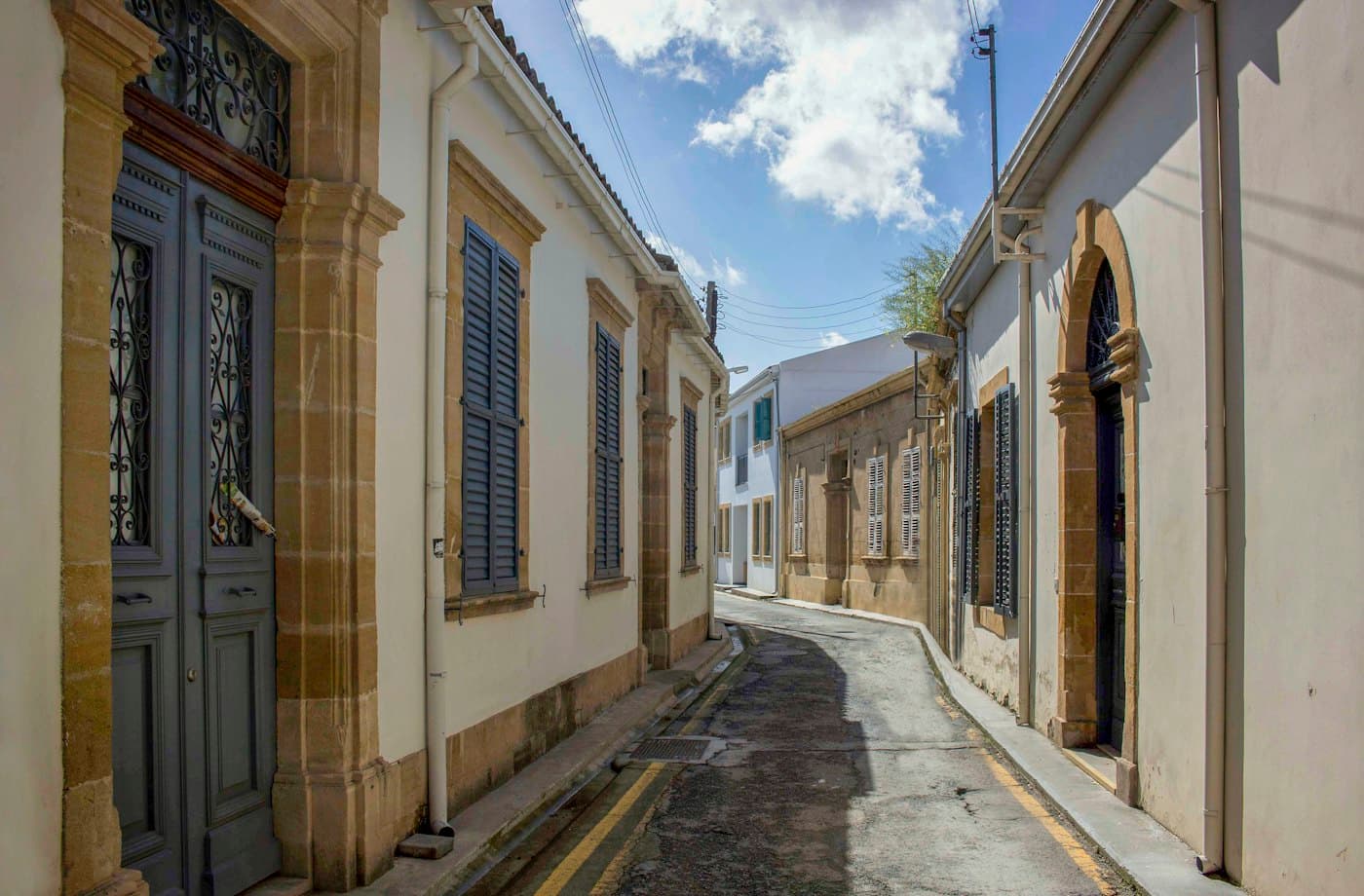
Restored 18th-century houses in pedestrian lanes a few minutes’ walk from Eleftheria Square, and further east the narrow streets around Chrysaliniotissa, believed to be the oldest Byzantine church in the city.
Famagusta Gate
The largest of the three gates, a long vaulted passage through the walls that now houses the municipality’s cultural centre, its outer arch opening onto the moat.
The Town Hall
Civil weddings at the Town Hall’s wedding venue or other municipal venues; the civil marriage office is open Monday to Friday, by appointment made by phone or email. Documents must be originals issued within the last three months, translated into English and, outside the EU, apostilled.
Light
How the light falls
With no sea horizon, Nicosia’s light comes off stone. At midsummer the sun rises at about half past five and sets just after eight, and at noon it is nearly 80° high, so the walls and sandstone lanes are at their best in the last hour of the day. At midwinter it rises at about ten to seven and sets at about twenty to five, and even at noon it climbs only to about 31°, so the light stays soft all day. Cyprus is two hours ahead of UTC in winter and three in summer.
Travel
Getting there
Larnaca airport is 50–55 km away, 40–50 minutes on the motorway, and an airport shuttle runs to Nicosia; the old town itself is best on foot. Photographing the buffer zone, military posts or anything military is against the law, so watch for the no-photography signs near the Green Line. Drones follow the EU rules (operators register on drones.gov.cy); check the Department of Civil Aviation’s geo-zone map, which shows no-fly circles around the House of Representatives, just outside the walls by Paphos Gate, and around the Presidential Palace.
Photographers
Photographers in Nicosia
No one in Nicosia yet
The first photographers in Nicosia are joining now. Tell our concierge your date and your plans — it checks who is free and fits.
Plan
Read before you plan
- Getting married in Cyprus as foreigners: civil, religious or symbolicHow couples who don’t live in Cyprus marry there legally: ordinary notice or the special procedure, documents by nationality, Paphos, Limassol, Larnaca, Ayia Napa and Nicosia, beaches and castles, church weddings, civil unions and the photographer.
- How to choose a wedding photographer: the steps, and the questions to askThe decision in order — whole weddings, style, availability, the package, the contract and deposit, cancellation, delivery and a conversation — then a checklist of questions, with why each one matters.
- A wedding-day timeline for photosFrom getting ready to the last dance, planned around the light.
- Deposits and payment protectionWhat you pay when, and what happens if plans change.
- Which country for a destination wedding? The law, prices, crowds and light, comparedThe legal route for couples who don’t live there, season and crowds, price levels, light, flights, venues and permits for photographs — Portugal, Italy, Spain, Greece, France and Austria compared with official figures, as of October 2026.
- A rain plan that still looks goodCovered spots, umbrellas and what photographers do on grey days.
- Wedding photography contract checklist: what it should say, and how Lens & Vows handles each pointThirteen things a good contract covers — the day and the hours, what is delivered, deposit and balance, cancellation on either side, date changes, illness, image rights, personal data, backups, travel, overtime and complaints — and what our terms say about each.
Cyprus