Getting married in Larnaca
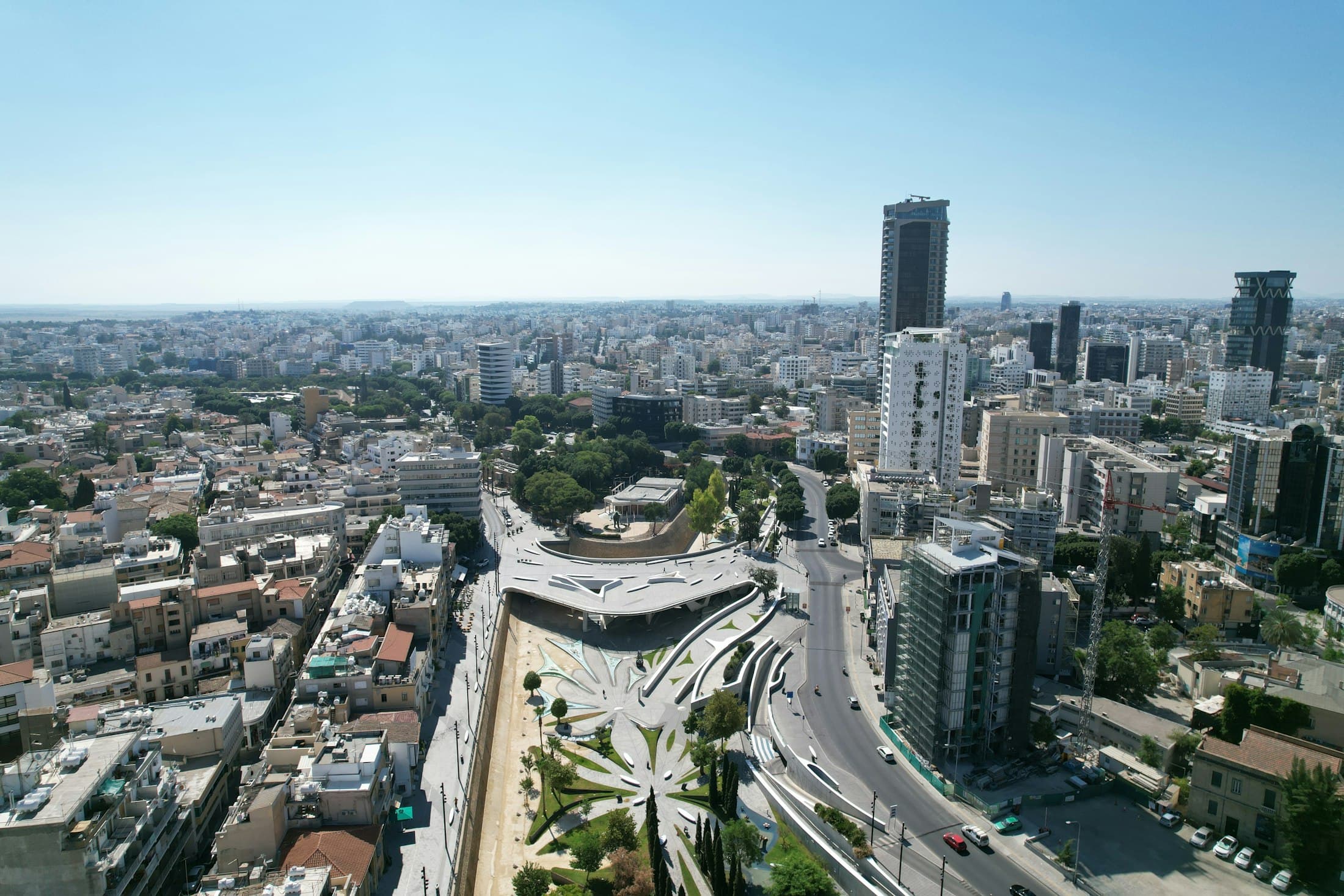
A palm-lined seafront, a Byzantine church and a medieval fort, a salt lake where flamingos winter below a mosque among palms, and stone villages in the hills — a few kilometres from the airport.
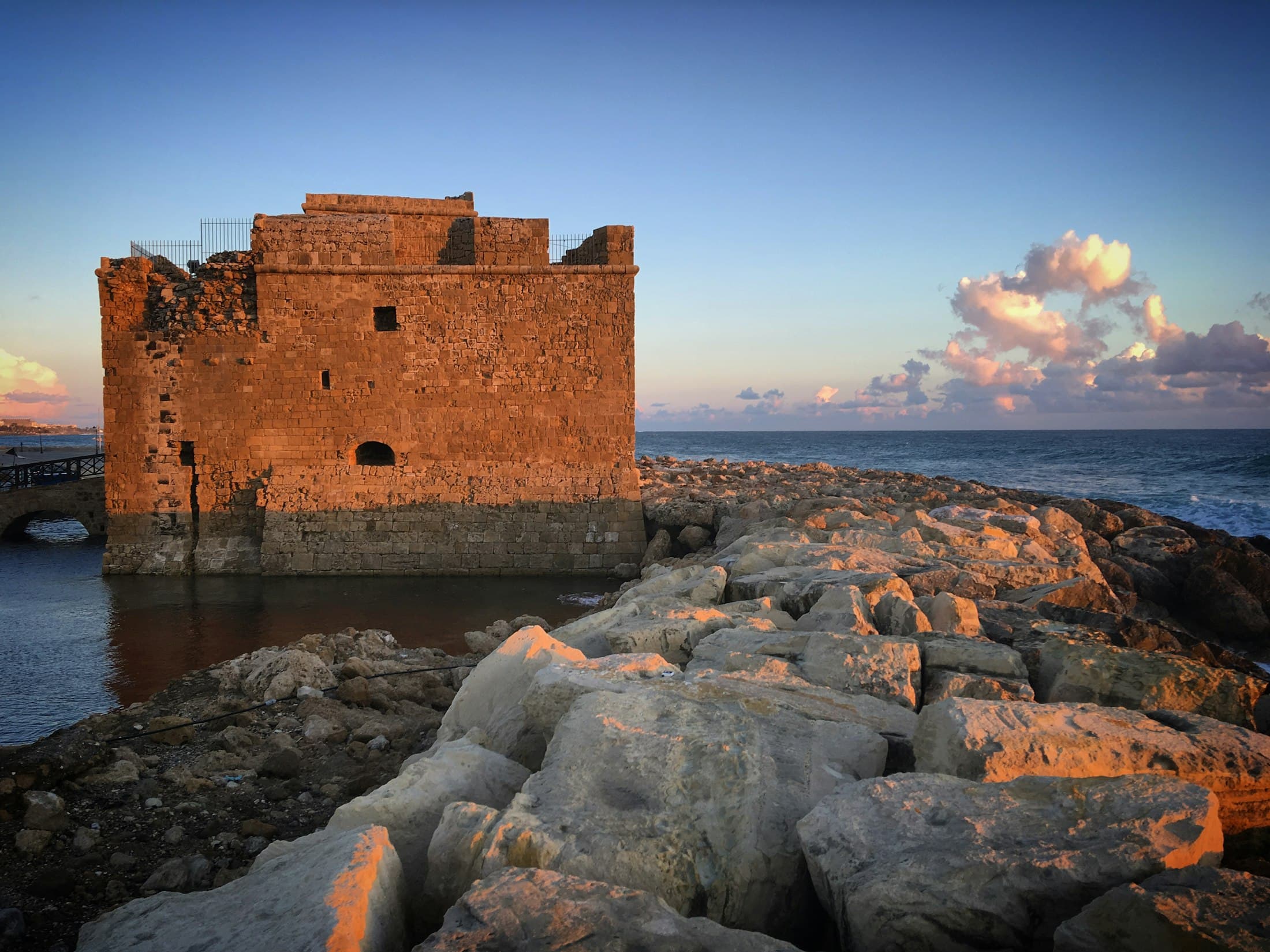
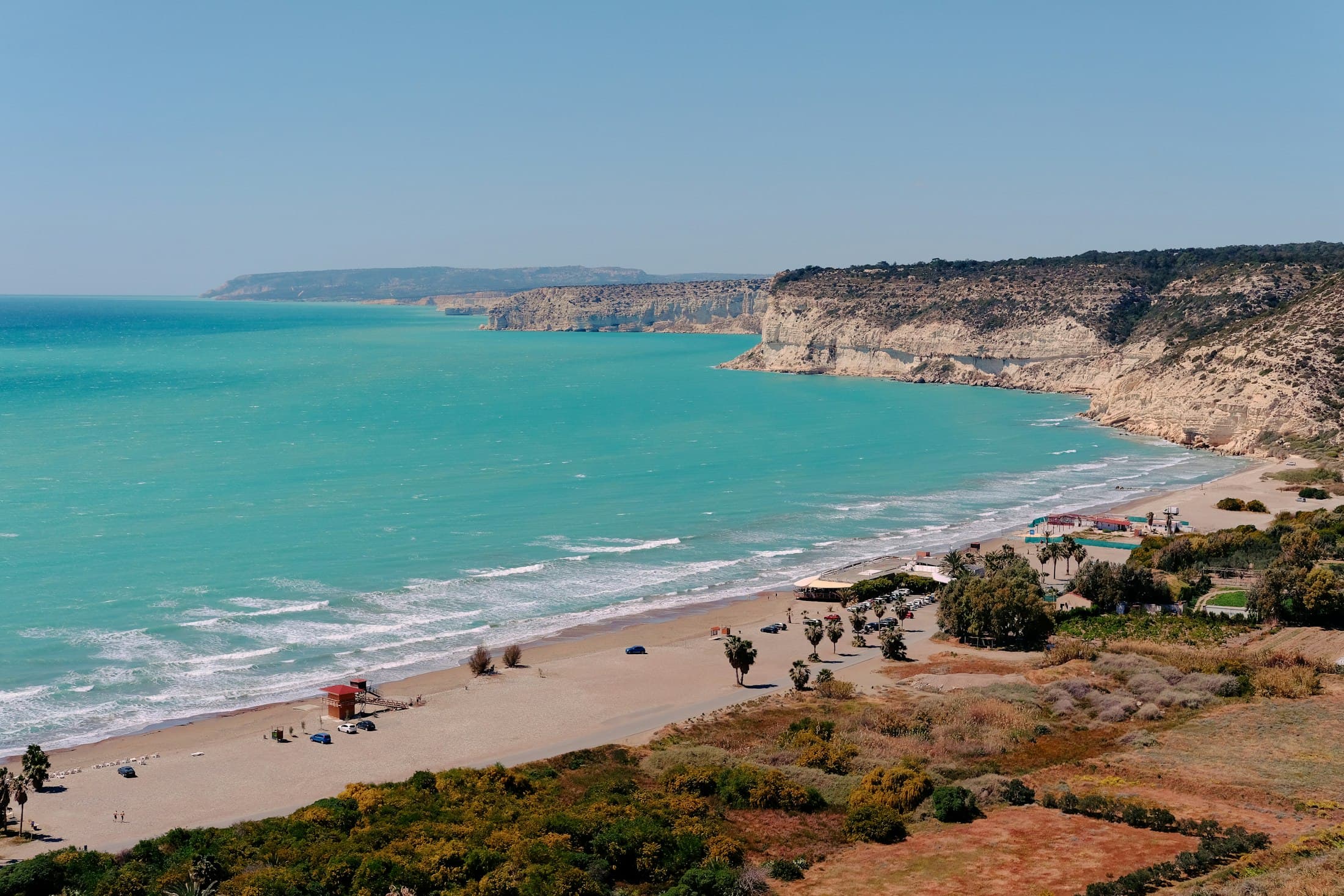
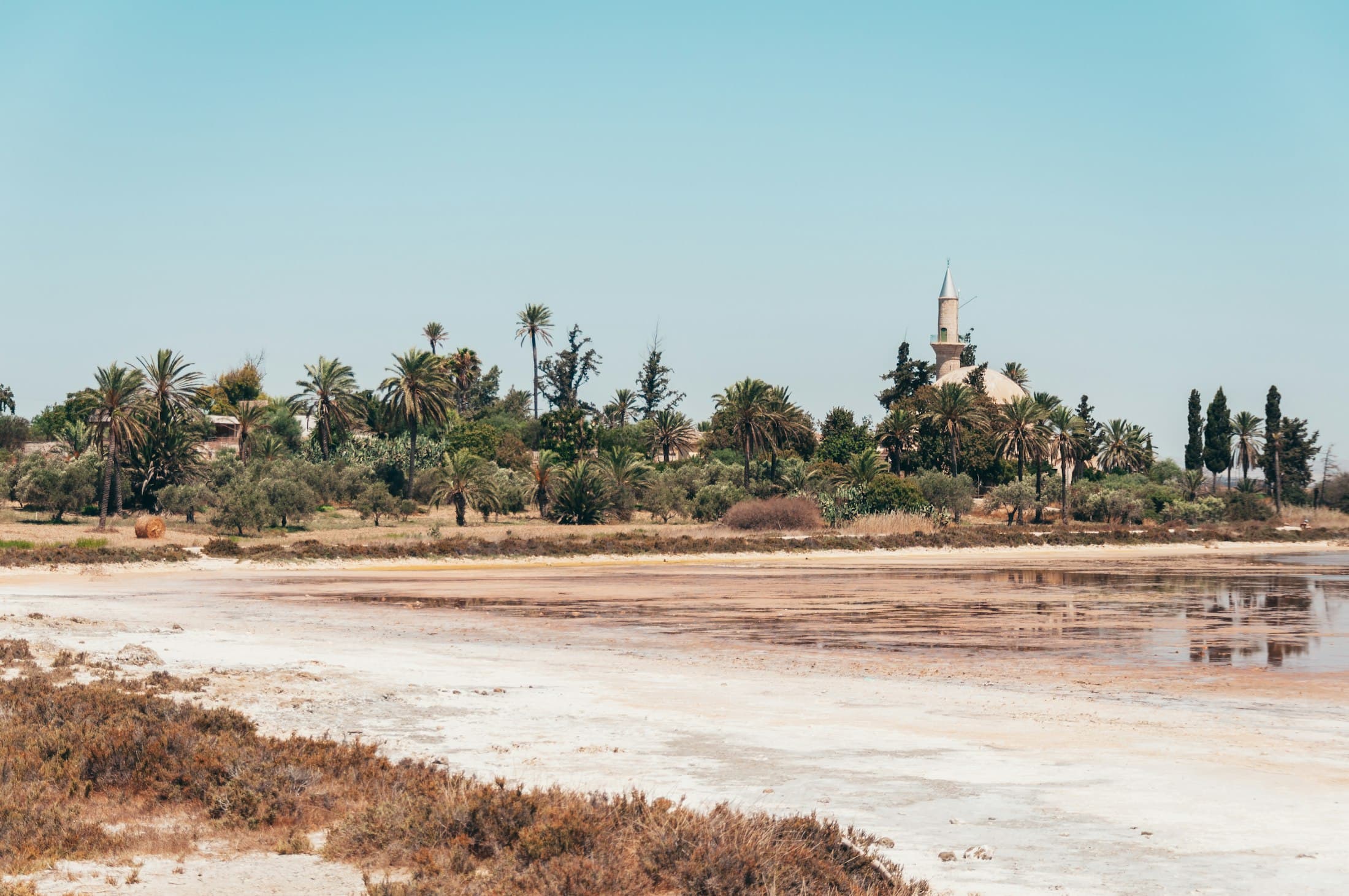
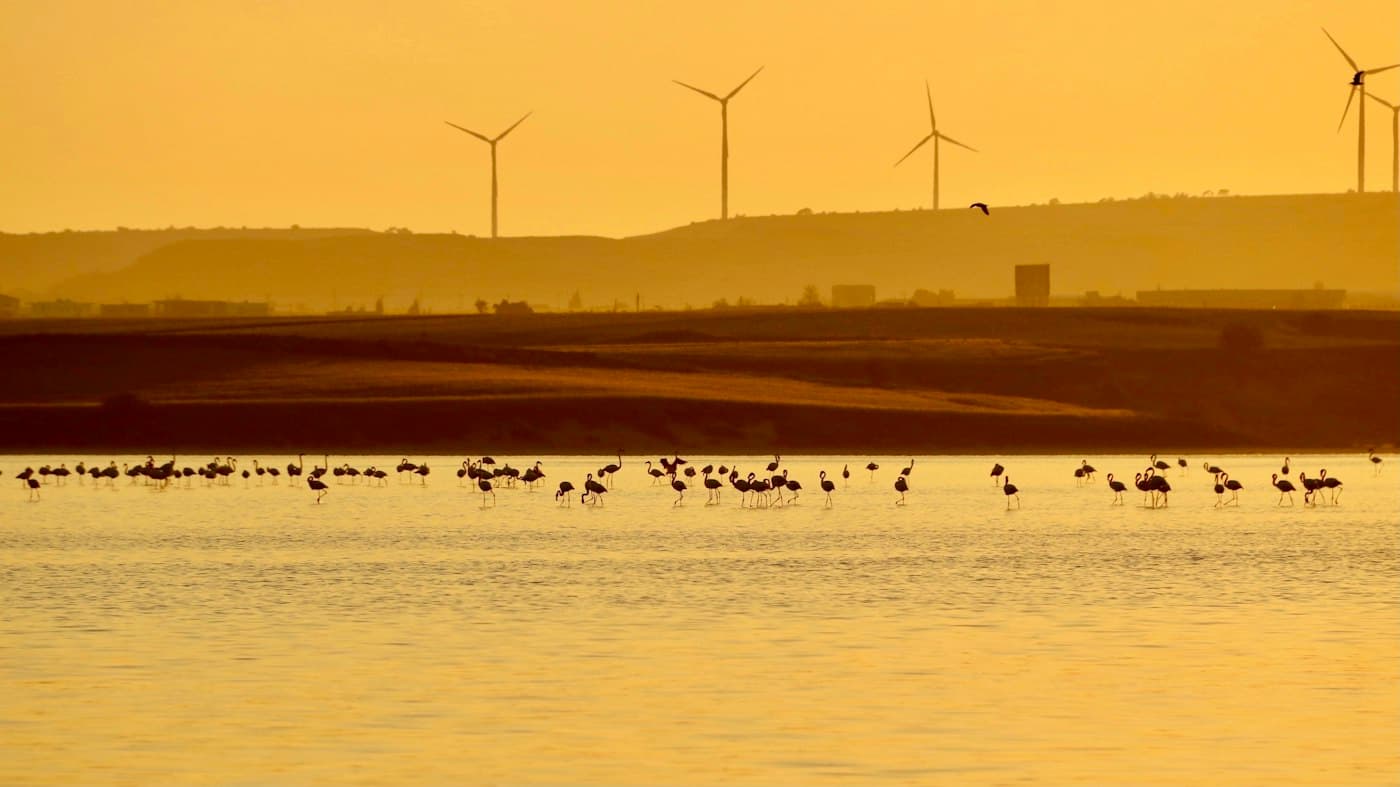
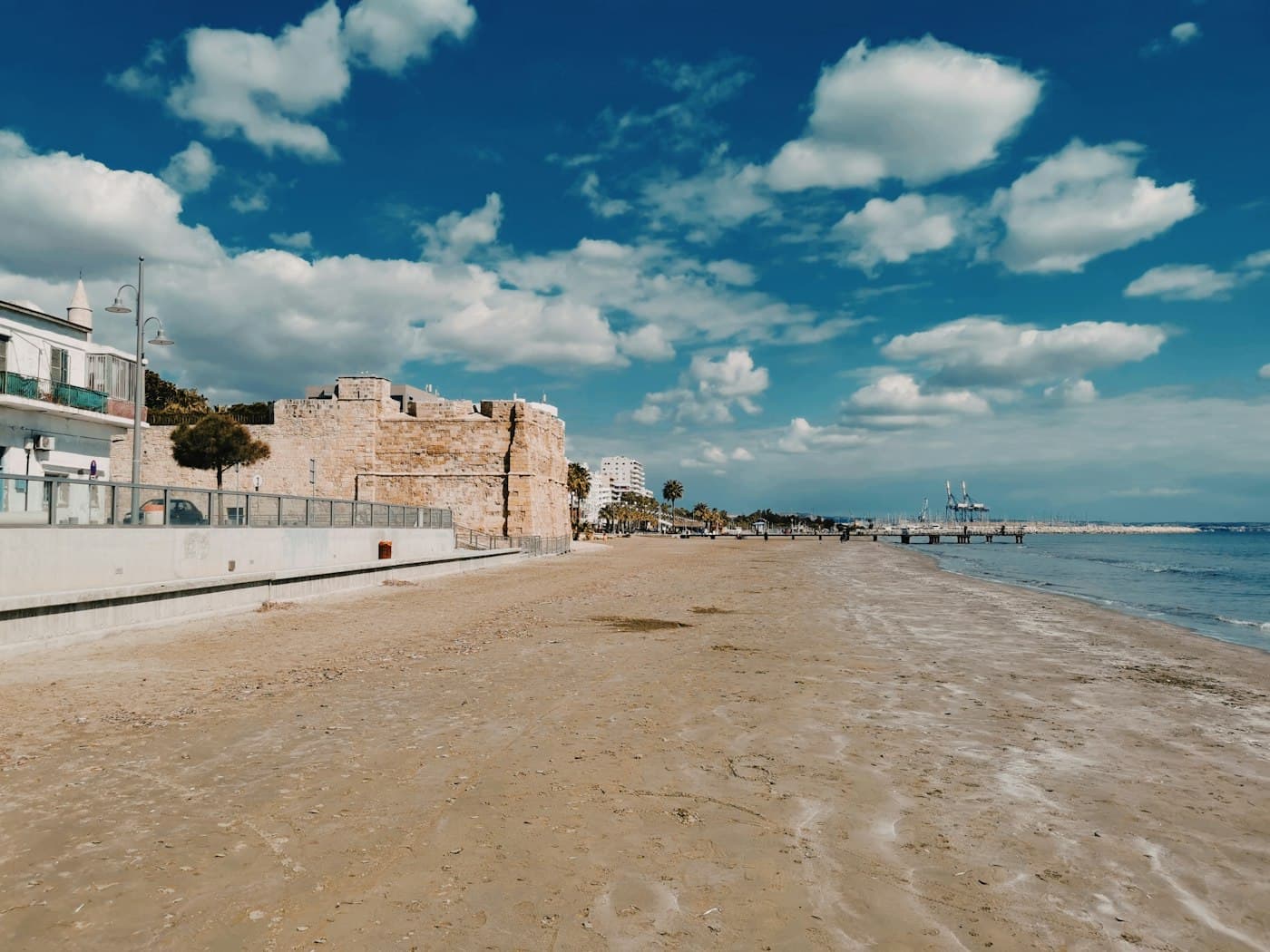
Larnaca is a low seafront town on its bay. The palms of the Finikoudes promenade line the beach as far as the medieval fort, and a few streets inland stands Agios Lazaros, a 9th-century stone church over the tomb of Saint Lazarus. South-west of town lies the Salt Lake, a Ramsar and Natura 2000 wetland that fills with water in winter, when thousands of flamingos stay from November to March; on its western shore the mosque of Hala Sultan Tekke, built between 1760 and 1817 and still in use, stands among palms. Inland, 43 km away and 650 m up, the village of Lefkara is known for its lace and filigree silver, and the Neolithic settlement of Choirokoitia, a UNESCO World Heritage site, lies close by.
Larnaca’s municipality is used to couples from abroad: many come from Israel and Lebanon for a civil wedding. Ceremonies last ten to fifteen minutes and take place in its civil marriage office in the centre, on weekdays by appointment; with the fast-track procedure a couple can marry a day or two after applying, provided the date was booked at least two weeks before. Then come portraits on the seafront, by the Salt Lake or up in Lefkara.
Through the year
When to marry in Larnaca
April, May and October are the easiest months, with highs of 23–28 °C and rain on one or two days a month. June and September are hot, around 31 °C, and July and August hotter and more humid still, at about 33 °C, so ceremonies move to the morning or the end of the afternoon. Most rain falls between November and March, on eight or nine days a month in December and January — the same months in which the flamingos are on the Salt Lake.
- January: Quieter
- February: Good with planning
- March: Good with planning
- April: Best
- May: Best
- June: Good with planning
- July: Quieter
- August: Quieter
- September: Good with planning
- October: Best
- November: Good with planning
- December: Quieter
- Winter and early springFrom November to March the Salt Lake fills and the flamingos come; from December to March the days are mild, around 17–20 °C, between showers. By April the rain is mostly over.
- SummerHot, bright and dry, with the sun high from late morning and the Salt Lake drying out. Plan the ceremony for the morning or the end of the afternoon and the portraits for the last hour of light; during heatwaves the Ministry of Health advises staying out of the sun from 11 am to 5 pm.
- AutumnSeptember is still summer. October brings warm, settled days and the first rain, and by the middle of the month the sun sets at about ten past six.
In numbers
- Average high in the best months
- Apr 23.0°C · May 27.0°C · Oct 28.3°C
- Cyprus Department of Meteorology (WMO)
- Days with 1 mm of rain or more, best months
- Apr 2.3 · May 1 · Oct 1.9
- Cyprus Department of Meteorology
- UNESCO World Heritage
- Choirokoitia (1998)
Temperatures: Larnaka Airport, normals 1991–2020 · Rain: Larnaka Airport, normals 2016–2025 · Checked 24 October 2026
Places
Where couples marry here
The kinds of places — ask your photographer which ones they know well.
Finikoudes and Agios Lazaros
The palm-lined promenade along the town beach, ending at the medieval fort, and a few streets back the stone church of Agios Lazaros in its paved square: portraits by the sea in the morning, when the bay faces the sun.
The Salt Lake and Hala Sultan Tekke
A 4 km nature trail follows the lake to the Kamares aqueduct of 1746, its arches lit at night. Hala Sultan Tekke, on the far shore, is a working mosque, so dress modestly and keep the portraits to the lakeshore.
The civil marriage office
In a municipal building in the centre, Monday to Friday from 9 am to 2.30 pm, by appointment only. With the standard procedure the documents go in 16 days before the ceremony, which must then take place within two months; the municipality can also arrange for the marriage certificate to be certified by the ministries.
Lefkara and Choirokoitia
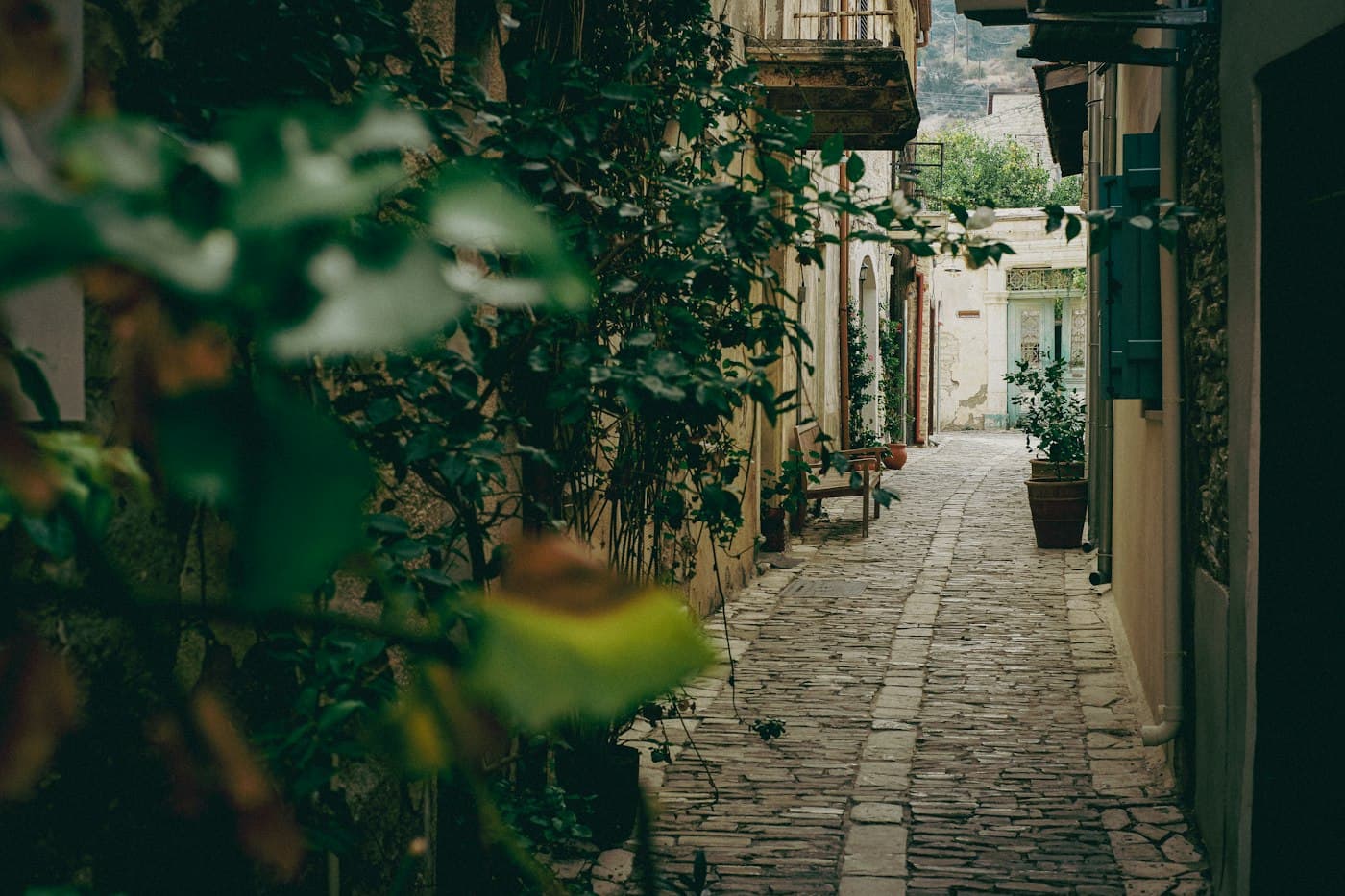
Narrow lanes of stone houses under terracotta roofs, lace and silver made in the village since Venetian times, and old chapels with frescoes; a few kilometres south, Choirokoitia’s Neolithic settlement, with five round houses rebuilt the old way.
Light
How the light falls
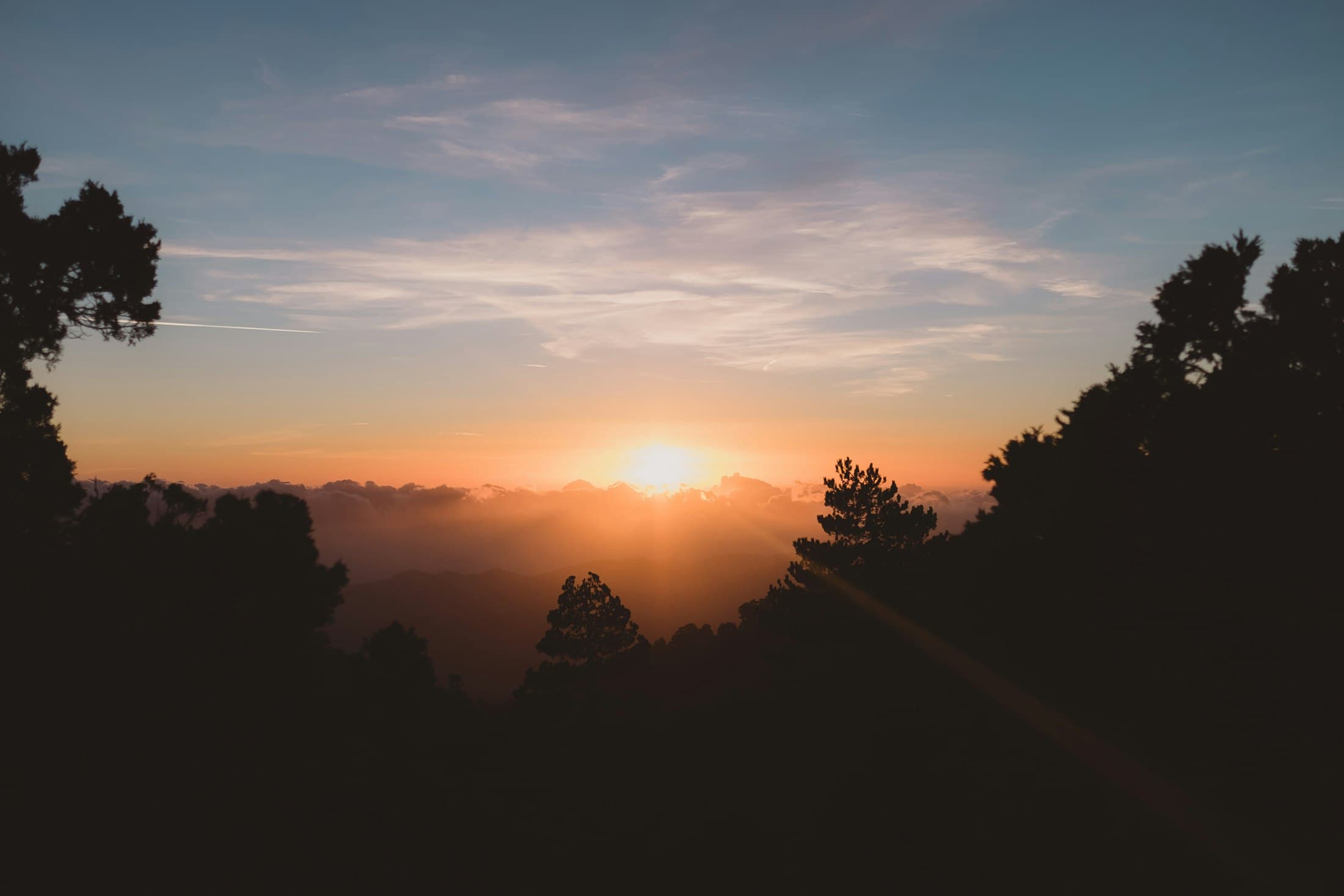
Larnaca’s bay faces east, so the seafront has its softest light early in the morning. At midsummer the sun rises at about half past five and sets at about eight behind the hills west of town; in autumn and winter, seen from the lake’s eastern shore, it goes down across the water behind the minaret of Hala Sultan Tekke. At midwinter it rises at about ten to seven and sets at about twenty to five. Cyprus is two hours ahead of UTC in winter and three in summer.
Travel
Getting there
The airport is on the edge of town, about 5 km from the centre, and a city bus runs to Finikoudes. Lefkara is 43 km away and Choirokoitia 32 km, both off the motorway towards Limassol and Nicosia. The town centre, the seafront and the Salt Lake lie within the airport’s drone zone: flying there needs the Department of Civil Aviation’s authorisation, requested at least ten working days ahead with third-party insurance, and the area right by the runway is closed to drones altogether.
Photographers
Photographers in Larnaca
No one in Larnaca yet
The first photographers in Larnaca are joining now. Tell our concierge your date and your plans — it checks who is free and fits.
Plan
Read before you plan
- Getting married in Cyprus as foreigners: civil, religious or symbolicHow couples who don’t live in Cyprus marry there legally: ordinary notice or the special procedure, documents by nationality, Paphos, Limassol, Larnaca, Ayia Napa and Nicosia, beaches and castles, church weddings, civil unions and the photographer.
- How to choose a wedding photographer: the steps, and the questions to askThe decision in order — whole weddings, style, availability, the package, the contract and deposit, cancellation, delivery and a conversation — then a checklist of questions, with why each one matters.
- A wedding-day timeline for photosFrom getting ready to the last dance, planned around the light.
- Deposits and payment protectionWhat you pay when, and what happens if plans change.
- Which country for a destination wedding? The law, prices, crowds and light, comparedThe legal route for couples who don’t live there, season and crowds, price levels, light, flights, venues and permits for photographs — Portugal, Italy, Spain, Greece, France and Austria compared with official figures, as of October 2026.
- A rain plan that still looks goodCovered spots, umbrellas and what photographers do on grey days.
- Wedding photography contract checklist: what it should say, and how Lens & Vows handles each pointThirteen things a good contract covers — the day and the hours, what is delivered, deposit and balance, cancellation on either side, date changes, illness, image rights, personal data, backups, travel, overtime and complaints — and what our terms say about each.
Cyprus